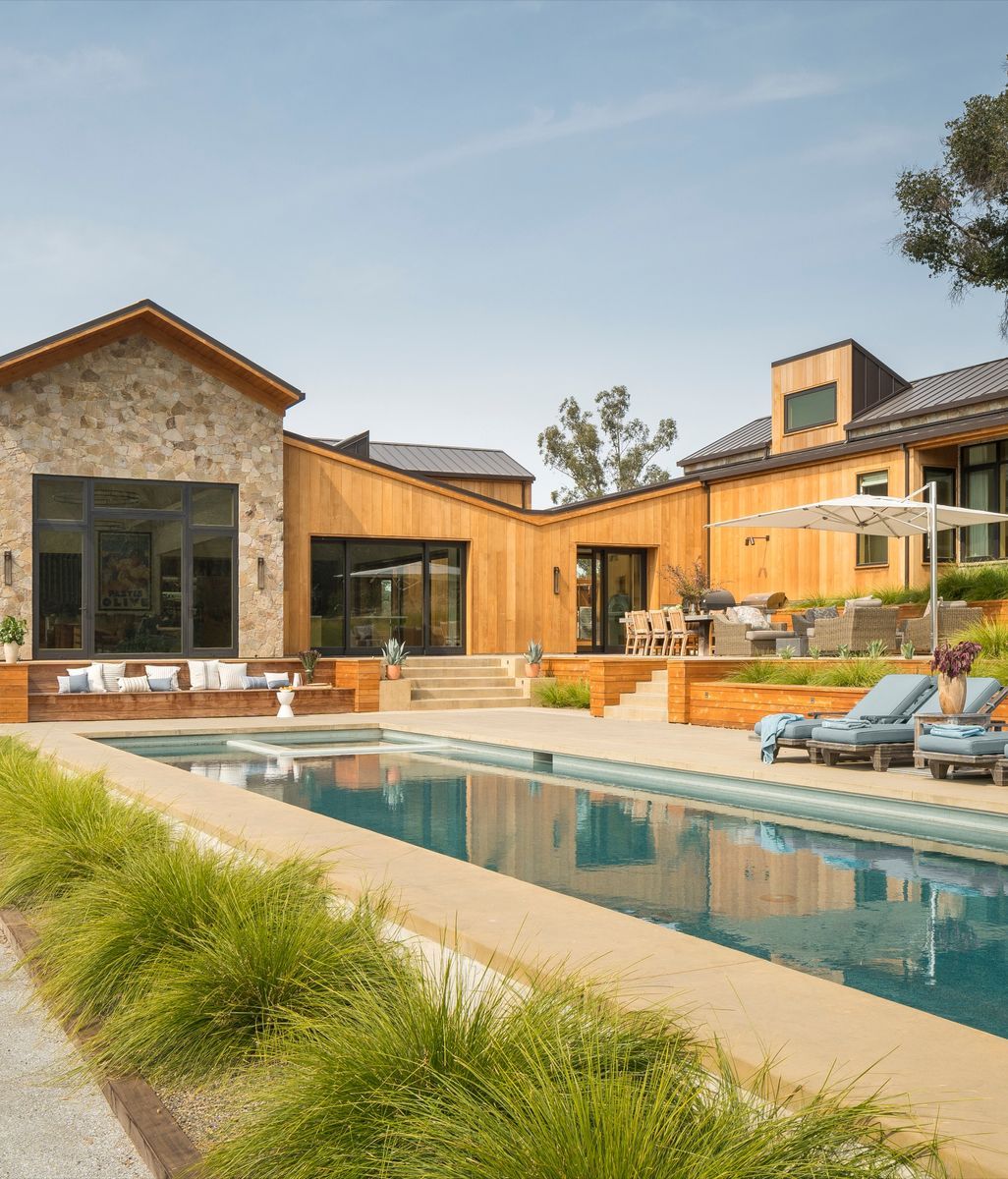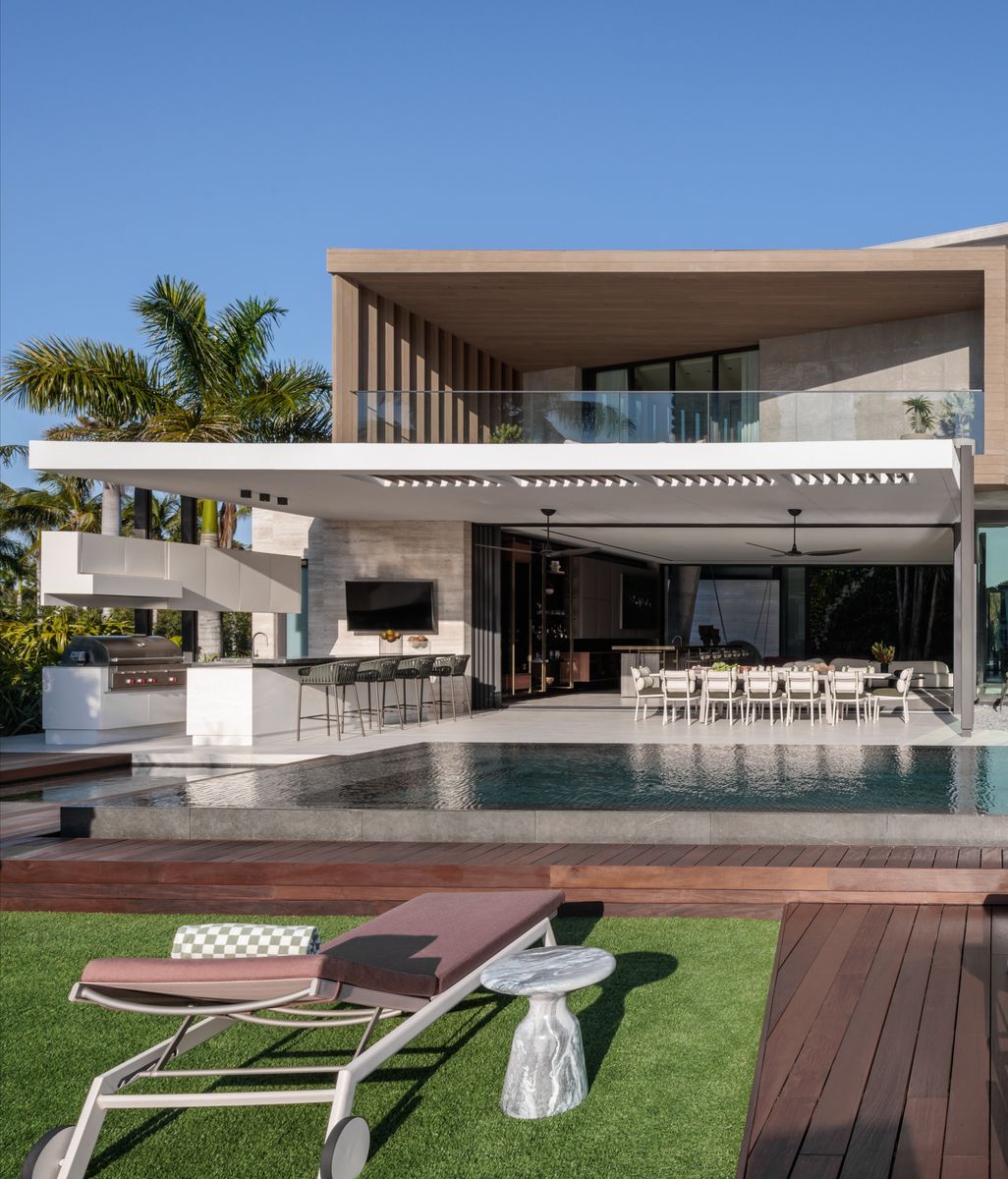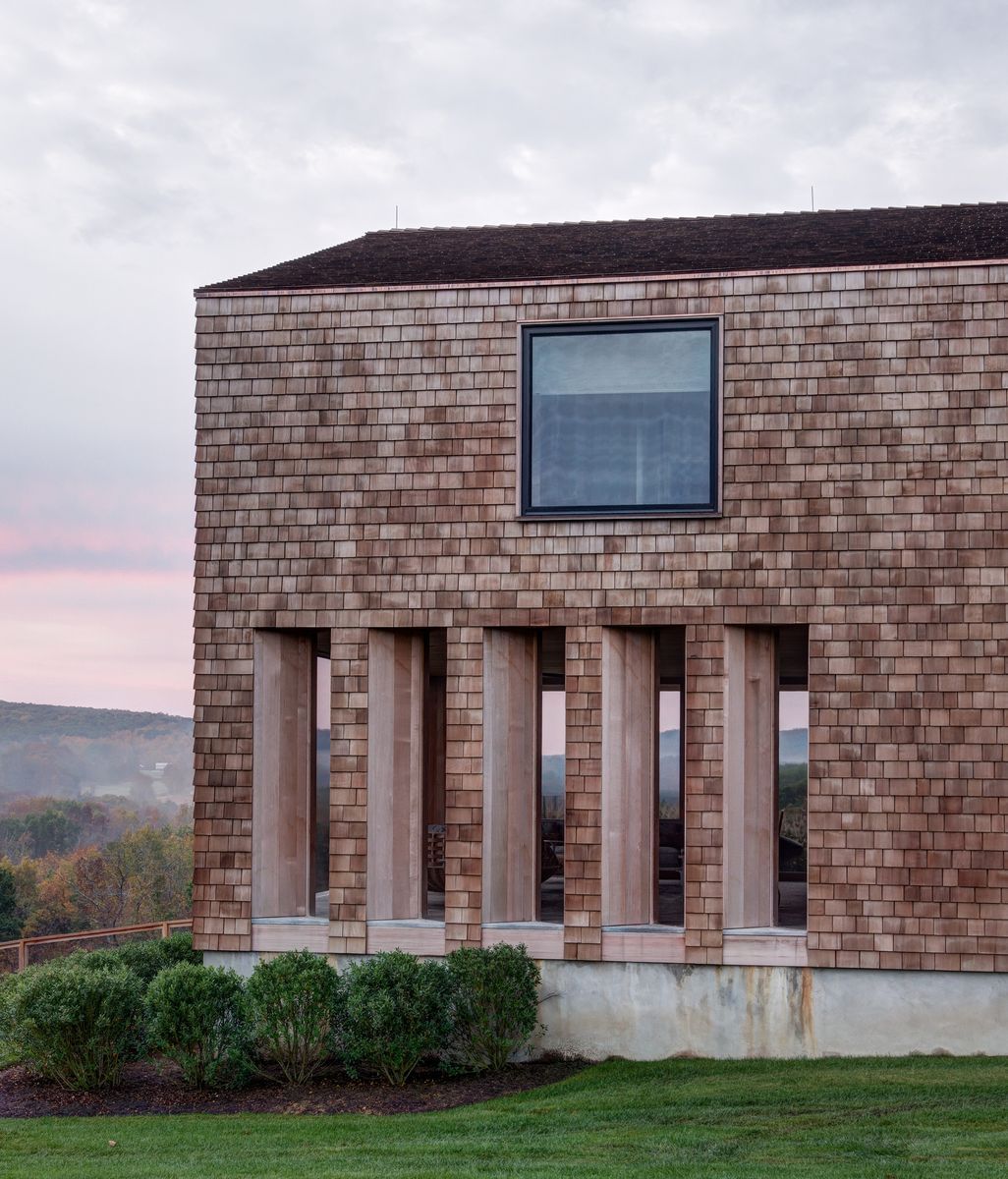
Why California's coastline demands a different kind of architecture
Written by
21 July 2026
•
4 min read


Architecture on California's coastline is rarely just a conversation between architect and client. Before a home can be built, it must withstand years of public scrutiny, multiple layers of planning review and the possibility that any member of the public willing to pay a small fee can formally appeal the design.
For A34 Studio, that reality has fundamentally shaped the way it designs. Working predominantly on highly sensitive coastal sites around Santa Barbara, every project is developed knowing that each design decision will eventually be examined not only by consultants and planning authorities, but also by neighbors, community groups and the wider public.
"The process in California is horribly slow and horribly complicated," says director Alan McLeod. "We're often working on some unbelievable sites and with that comes a responsibility to do things really carefully."
In Santa Barbara County, every coastal project passes through multiple rounds of public review before construction can begin. Many projects face concept, preliminary and final design reviews alongside separate coastal approvals. At every stage, members of the public can challenge the proposal, potentially extending an already lengthy approval process by several years.
"We're always conscious that we're designing for our clients, but we're also designing for how the project will be viewed by the public," McLeod explains. "We're constantly thinking about how we minimize impact because once a project moves into the appeal process, it can go from a two-year approval to six or even eight years."


Rather than treating those constraints as obstacles, the practice has built its entire design methodology around them. "We still approach every project the same way," says co-director Lauren Anderson. "Whether it's a standard suburban lot or 150 acres on the coastline, we begin with a detailed site analysis. We really dig into the opportunities and the constraints to make sure the architecture responds responsibly."
That analysis extends well beyond views and orientation. The environmental ecosystem plays a central role in the studio's design process, with biologists often becoming one of the project's most influential consultants. "So much of what we do is informed by ecology," McLeod explains. "Impacts to native grasses, native trees and wildlife all inform the form of the final home."
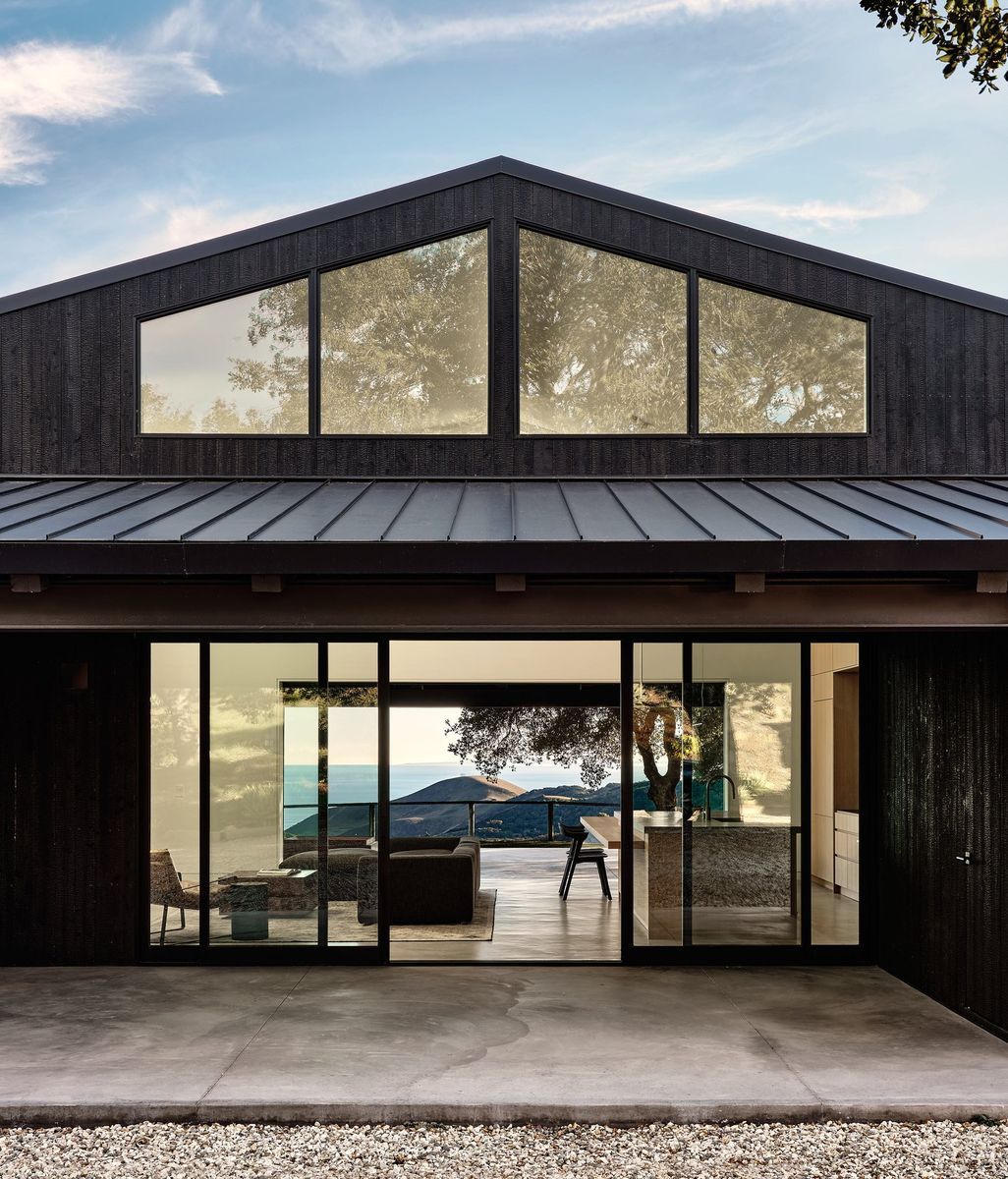
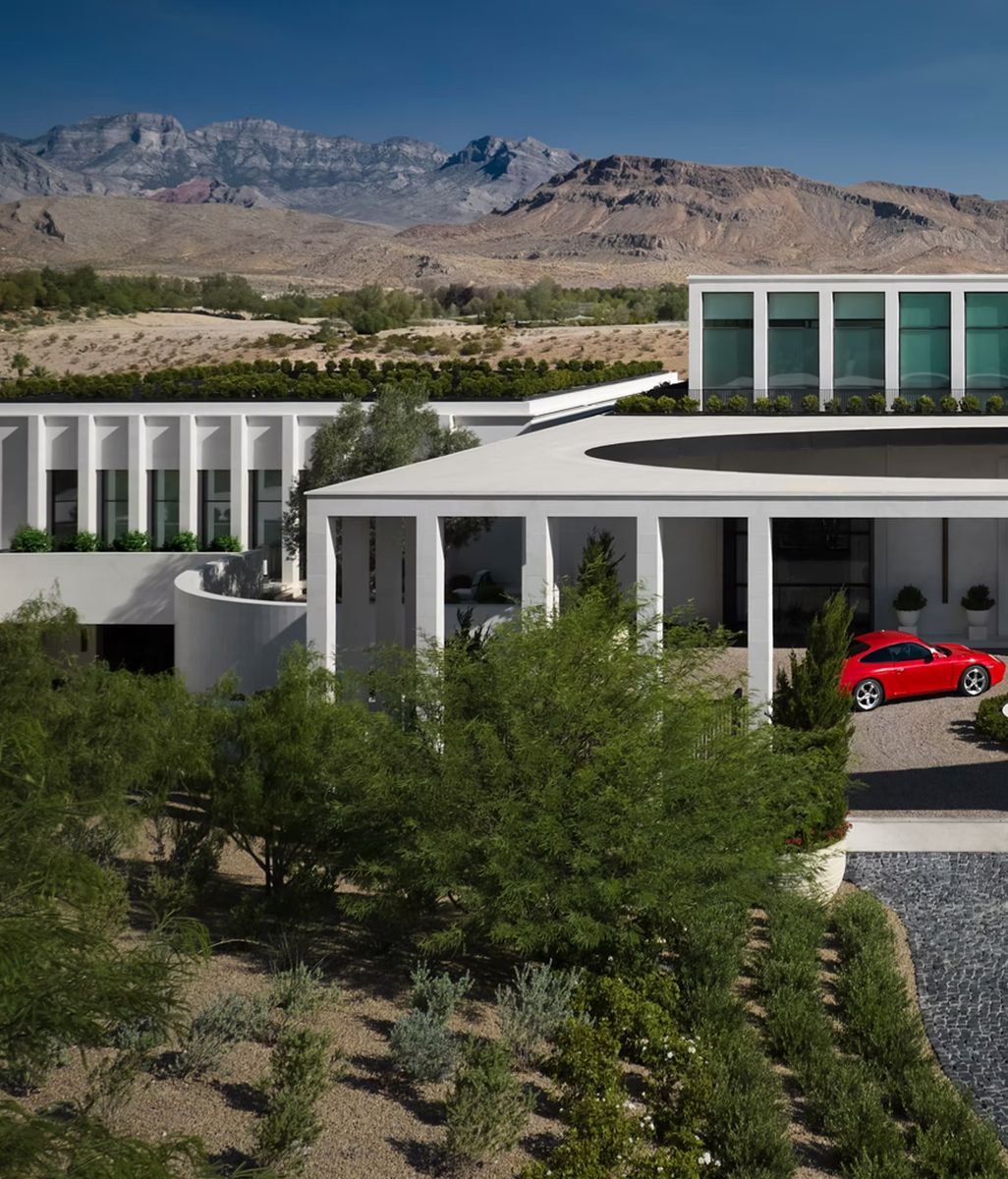
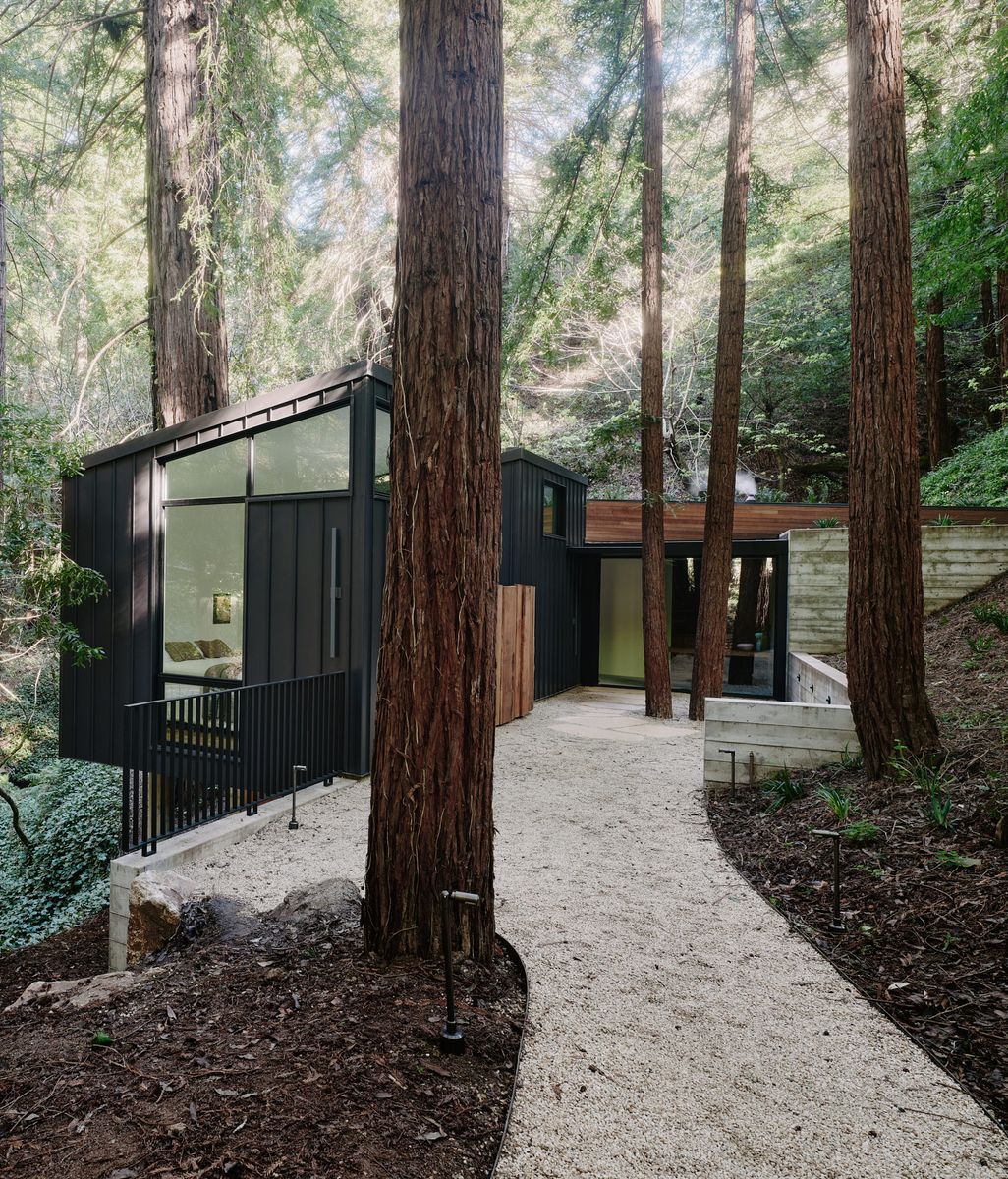
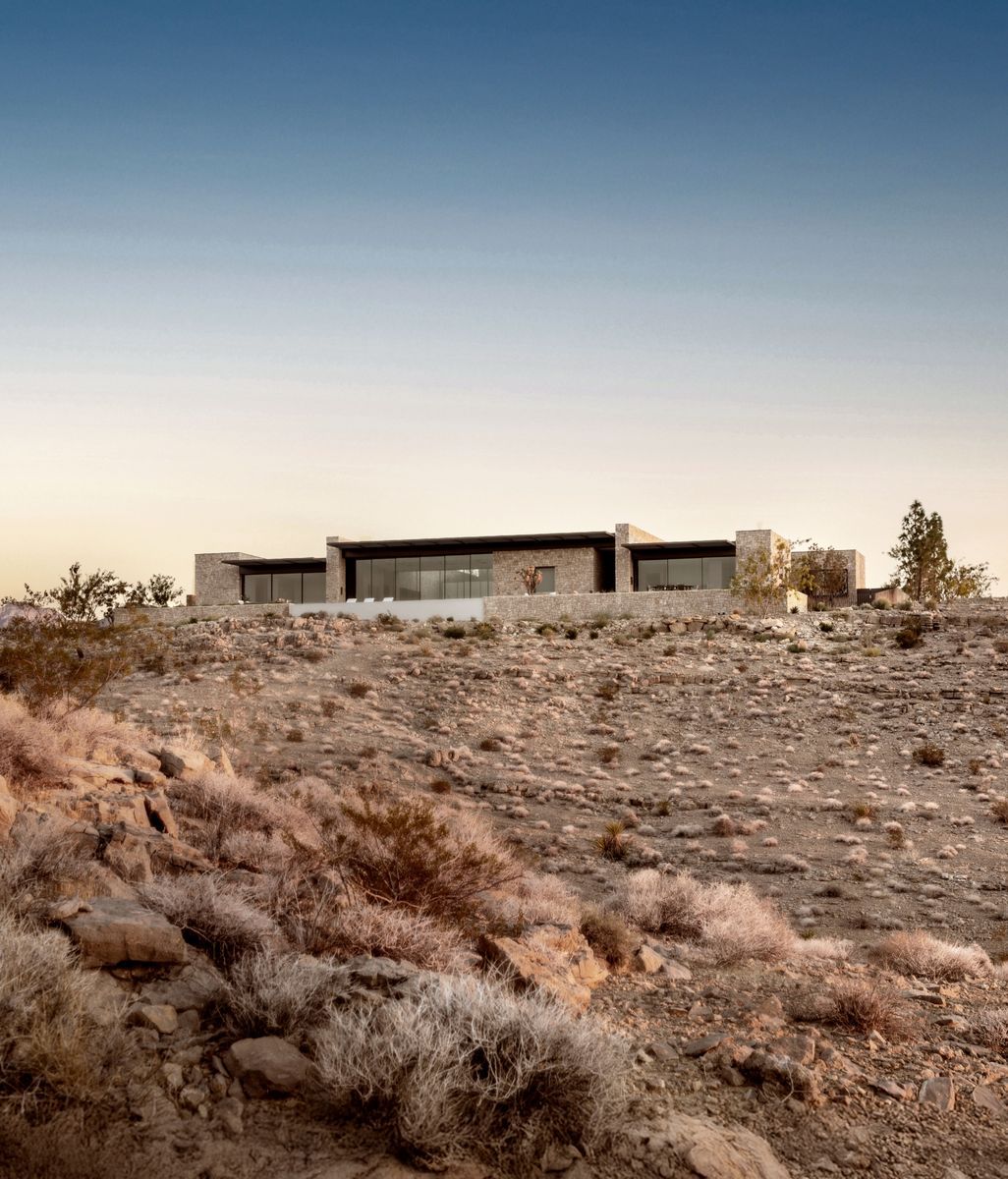
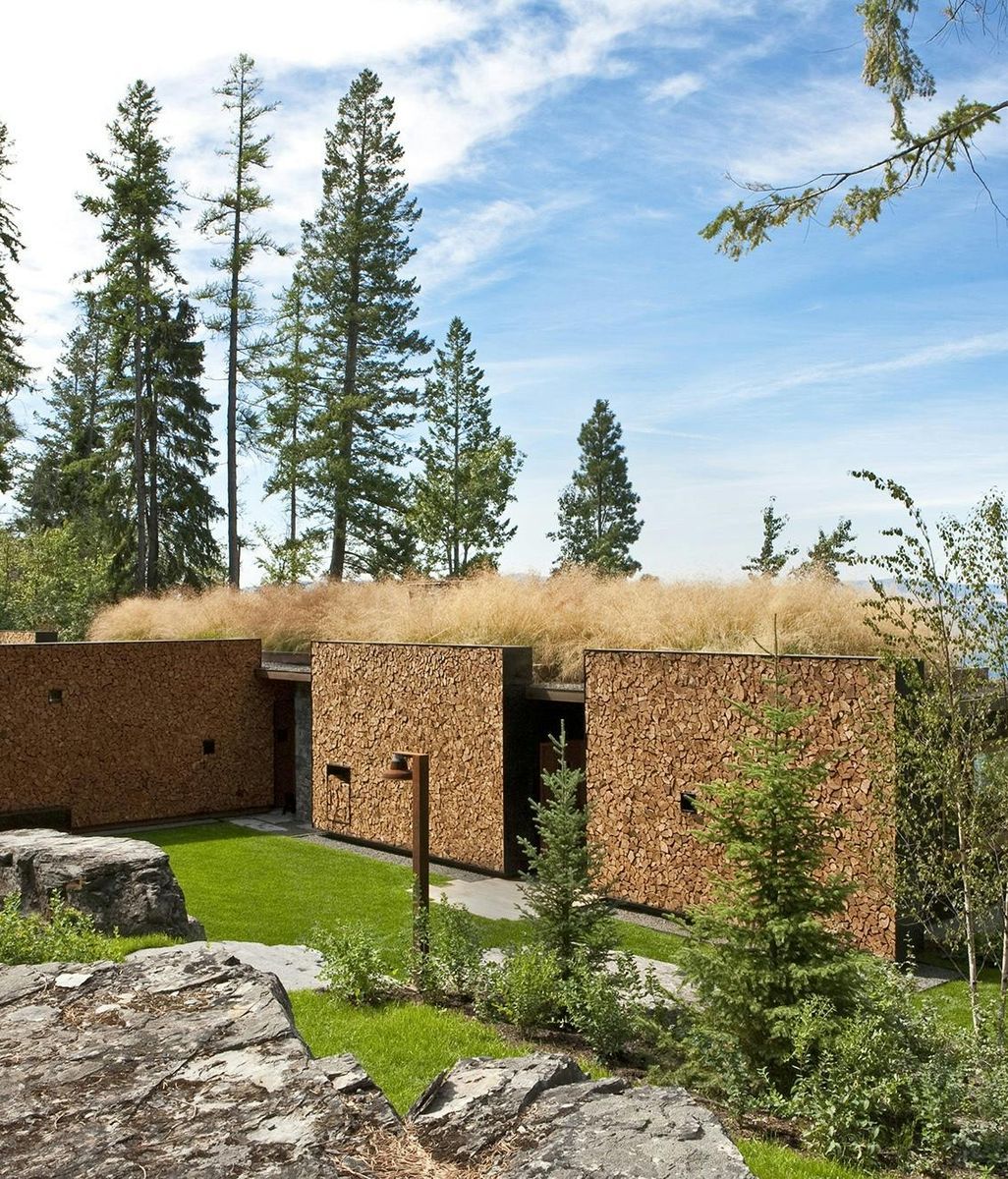
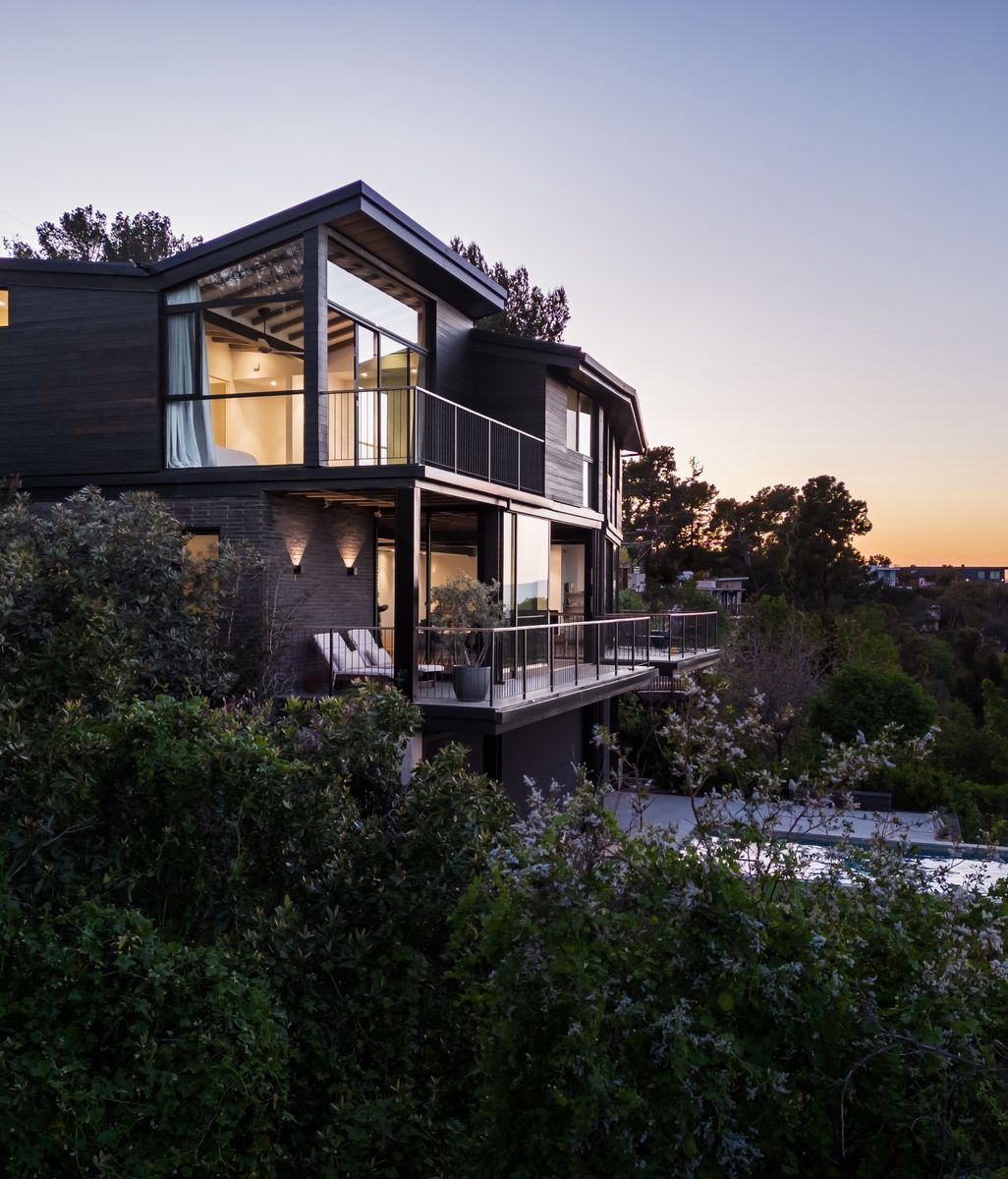
Visual impact is equally important. Many of the practice's projects occupy ridgelines or elevated coastal sites where even a modest building can be seen for miles. Rather than allowing the architecture to dominate those landscapes, the studio frequently embeds much of the home into the terrain itself. "Often we're burying at least half of the home," says Alan. "The majority of the house is cut into the site so we have a very small impact from above looking down."
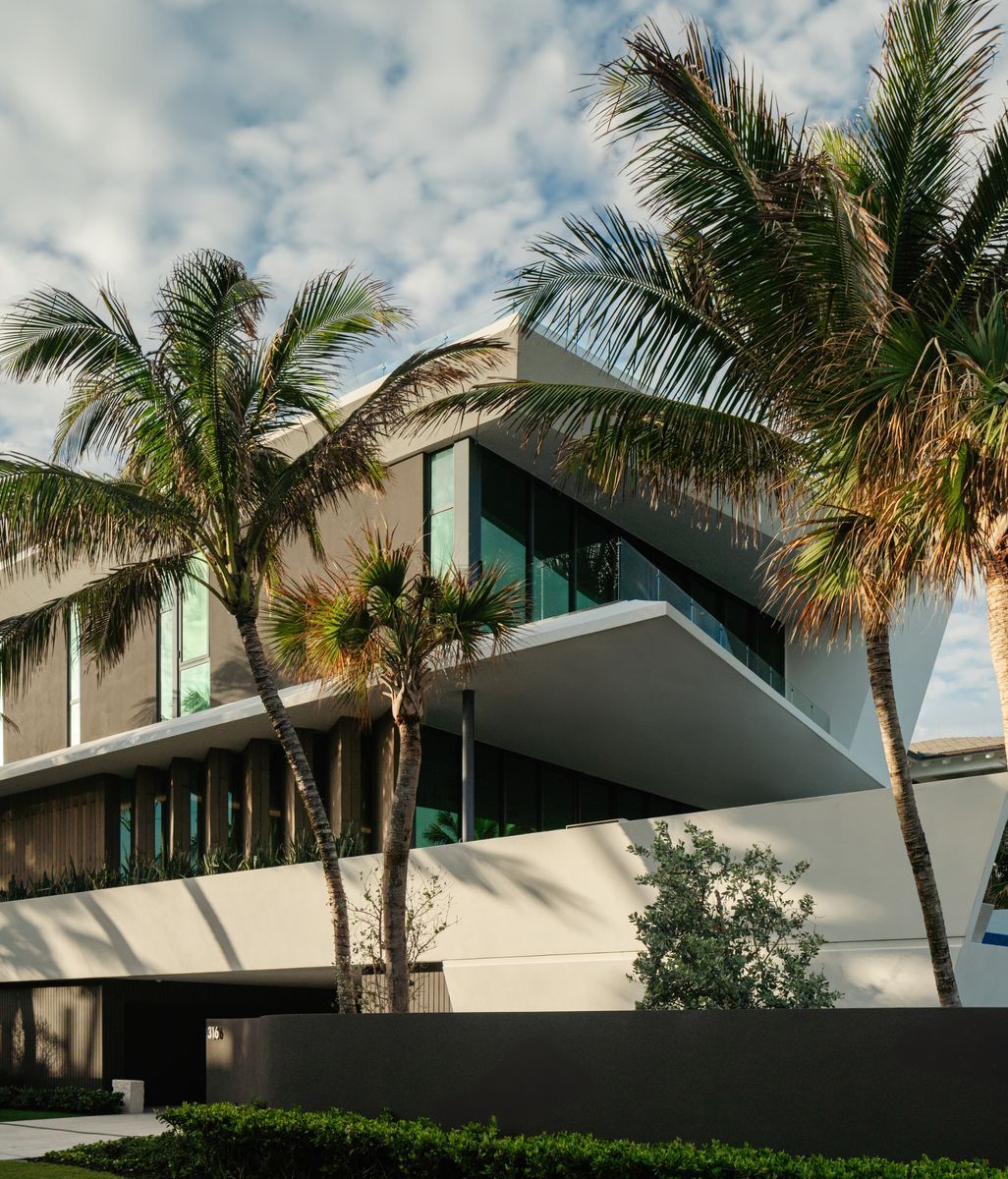
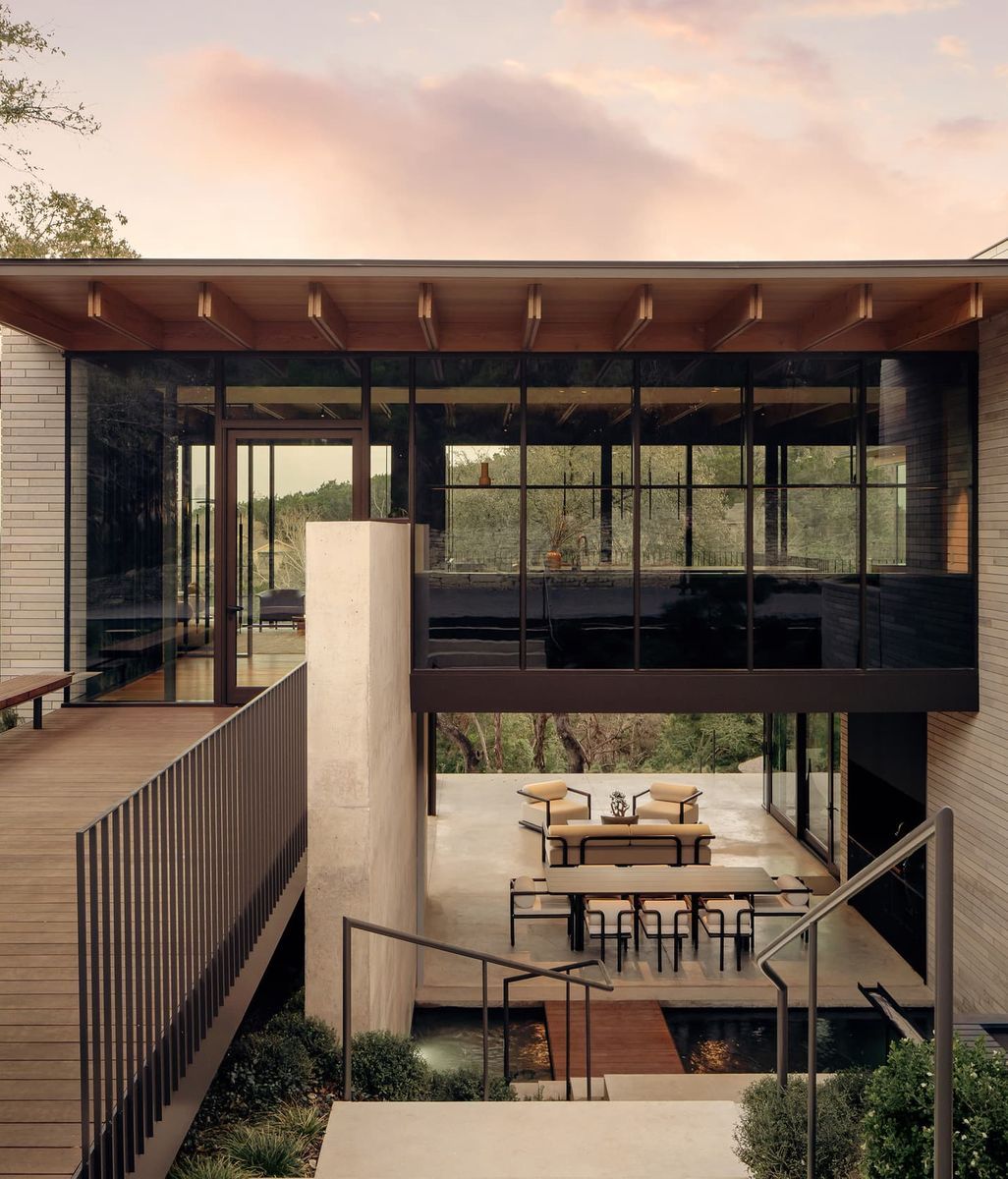
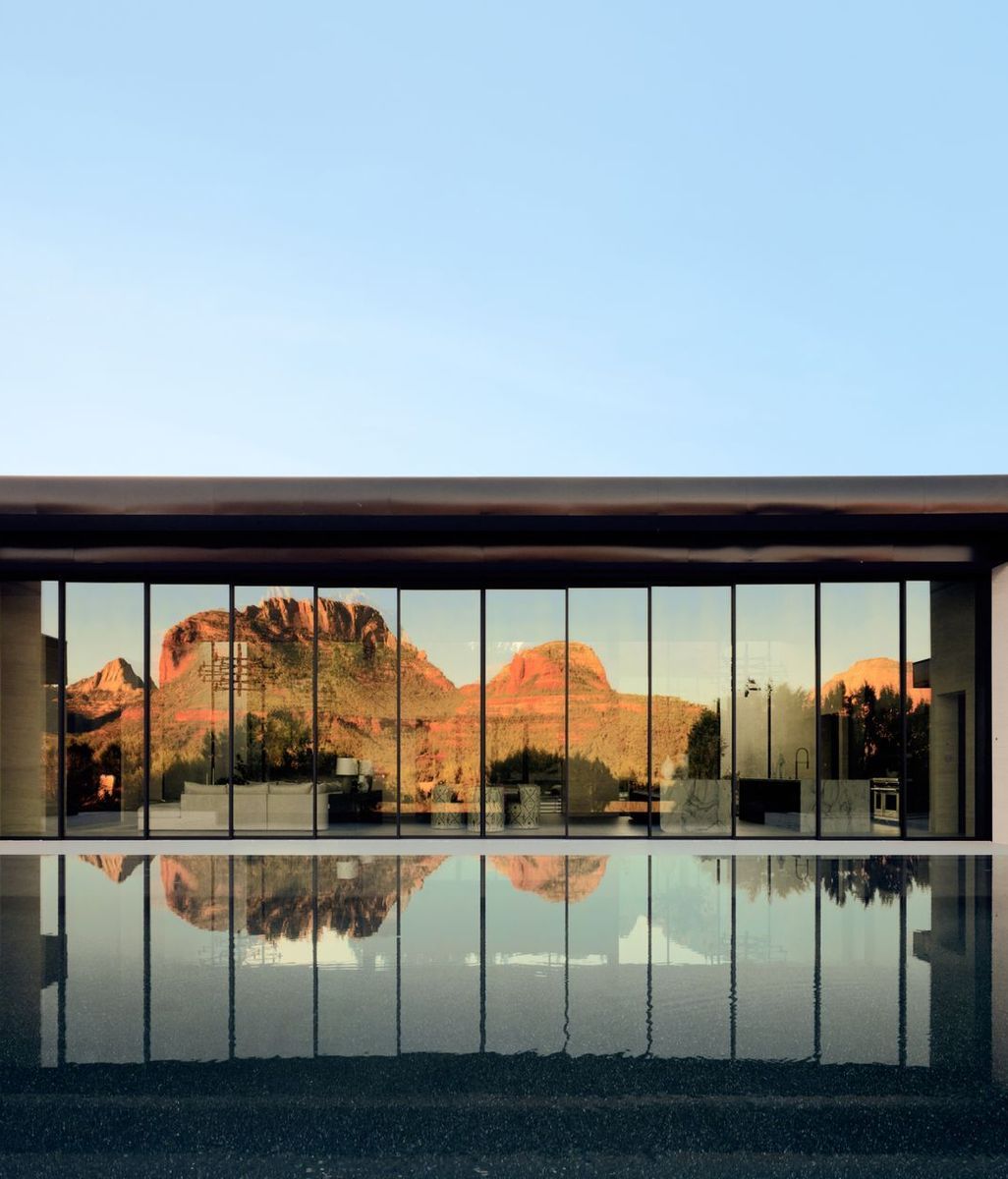
Once that relationship with the land has been established, attention shifts to how the house is experienced from below. Material selection, roof forms and carefully considered massing all work to soften the building's presence from the shoreline and surrounding landscape, ensuring the architecture feels embedded rather than imposed.

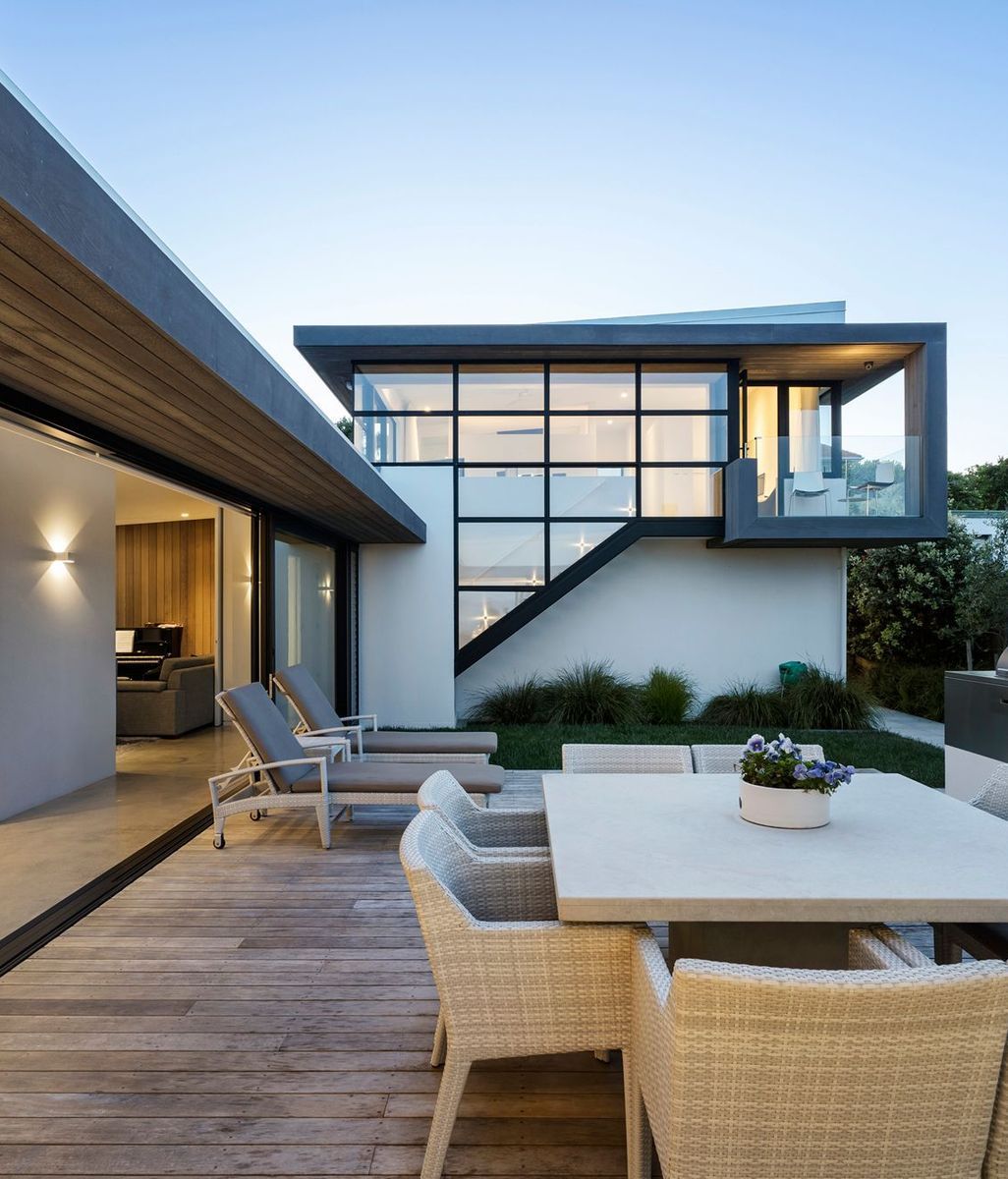
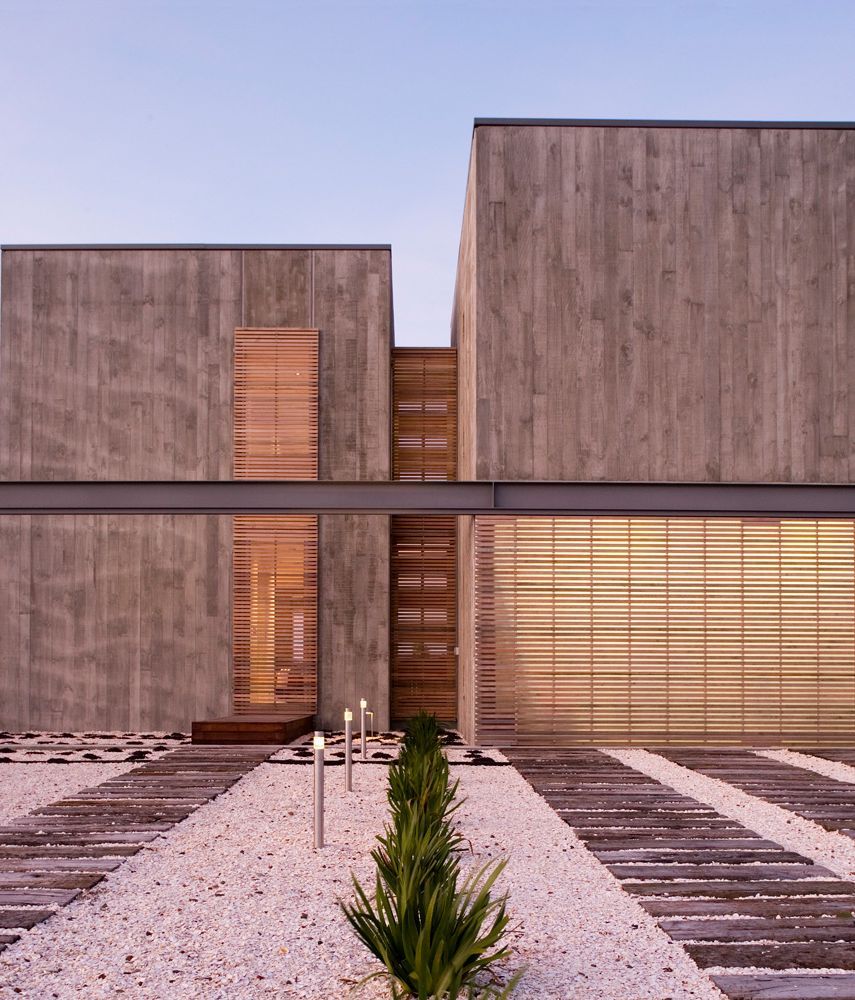
Even after sunset, the visual impact of the building is considered. Artificial light is carefully controlled to prevent what Alan describes as "lighthousing", where excessive illumination causes homes to glow across the landscape. Exterior lighting is deliberately positioned low to the ground, reducing spill into the night sky while maintaining safety and usability.
"We keep our exterior lighting about 18 inches off the ground," he says. "Nothing up high and nothing bouncing light onto ceilings. We're always thinking about what the house looks like at night as much as during the day."
While these considerations are highly specific to California's coastal planning framework, Lauren believes the underlying philosophy is universal. "No matter the site, we always start by understanding what's already there," she says. "The opportunities and the constraints become the foundation for every design decision."
After nearly 13 years specializing in some of California's most environmentally sensitive sites, the practice has built a reputation not simply for designing beautiful homes, but for creating architecture that earns the trust of clients, planning authorities and the wider community alike.
"We've been incredibly successful with the process because people know we've done everything we can to minimise impact," says Alan. "I think we've earned that trust, and we're pretty proud of it.”