
Two ways of thinking, one architectural vision

featuring Signum Architecture

© Adam Potts

© Adam Potts

Signum Architecture logo
  • 5.2K profile views
  • 2 saves

From award-winning wineries to distinctive homes and boutique hospitality, Signum Architecture’s Jarrod Denton and Juancarlos Fernandez bring contrasting instincts to a shared ambition: creating buildings that leave a lasting impression.

Visit Website

Featured Professionals

Written by

  • Joanna Seton
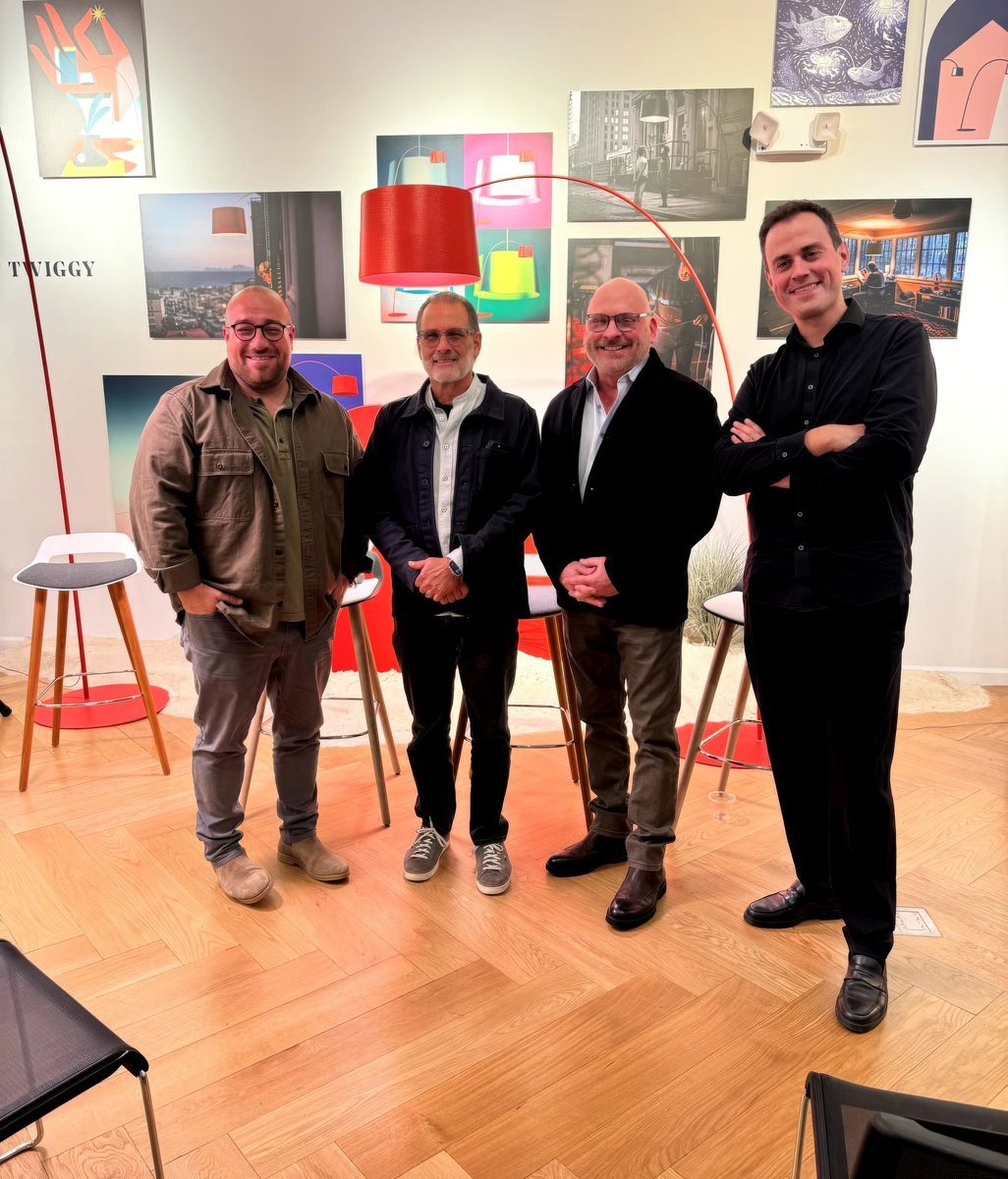
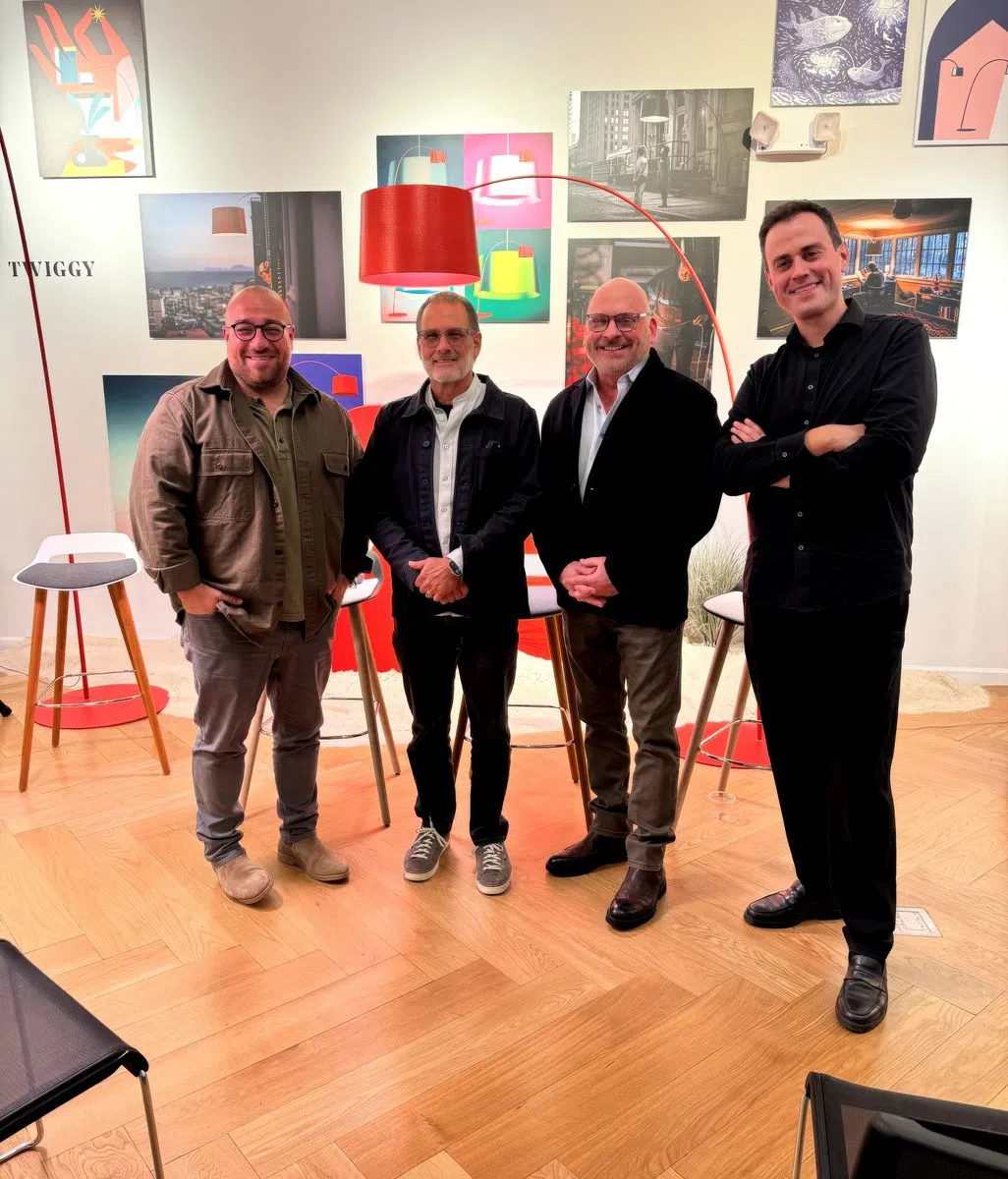
Signum Architecture's Juancarlos Fernandez and Jarrod Denton.

Early in their careers, architects Jarrod Denton and Juancarlos Fernandez found themselves working alongside one another at an architecture practice in California’s Napa Valley, a region where wineries offer architects an unusual mix of design, technical, and hospitality challenges. 

Each was entrusted with a significant winery project, and while both would go on to become defining commissions in their careers, they approached the work from quite different perspectives.

There was a little friendly competition between the two as their projects took shape. Denton was working on Hall Winery, where the client’s analytical approach and exacting temperature requirements called for a highly considered technical response. Fernandez was developing CADE Estate Winery, drawing on a more intuitive understanding of how a building could work with its climate and surroundings. Both projects went on to achieve LEED Gold certification, within a week of one another, making them among California’s pioneering sustainable wineries.

For Denton, the project was an exercise in rigorous performance targets and technical precision. Fernandez took a more intuitive route, drawing on lessons absorbed growing up in Mexico, where the orientation of a building and its relationship with the sun and prevailing breezes have long been fundamental to comfortable living.

Both arrived at the same destination, albeit by different routes. It was a useful preview of the partnership they would go on to establish when they founded Signum Architecture in 2011.

For Denton, architecture was a career that developed through experience. After graduating from college in the Napa Valley, he began working for a local architect in 1996, spending his first decade focused exclusively on residential projects. A move to LA Design Group introduced him to a broader mix of work, including wineries, and it was here that he and Fernandez crossed paths.

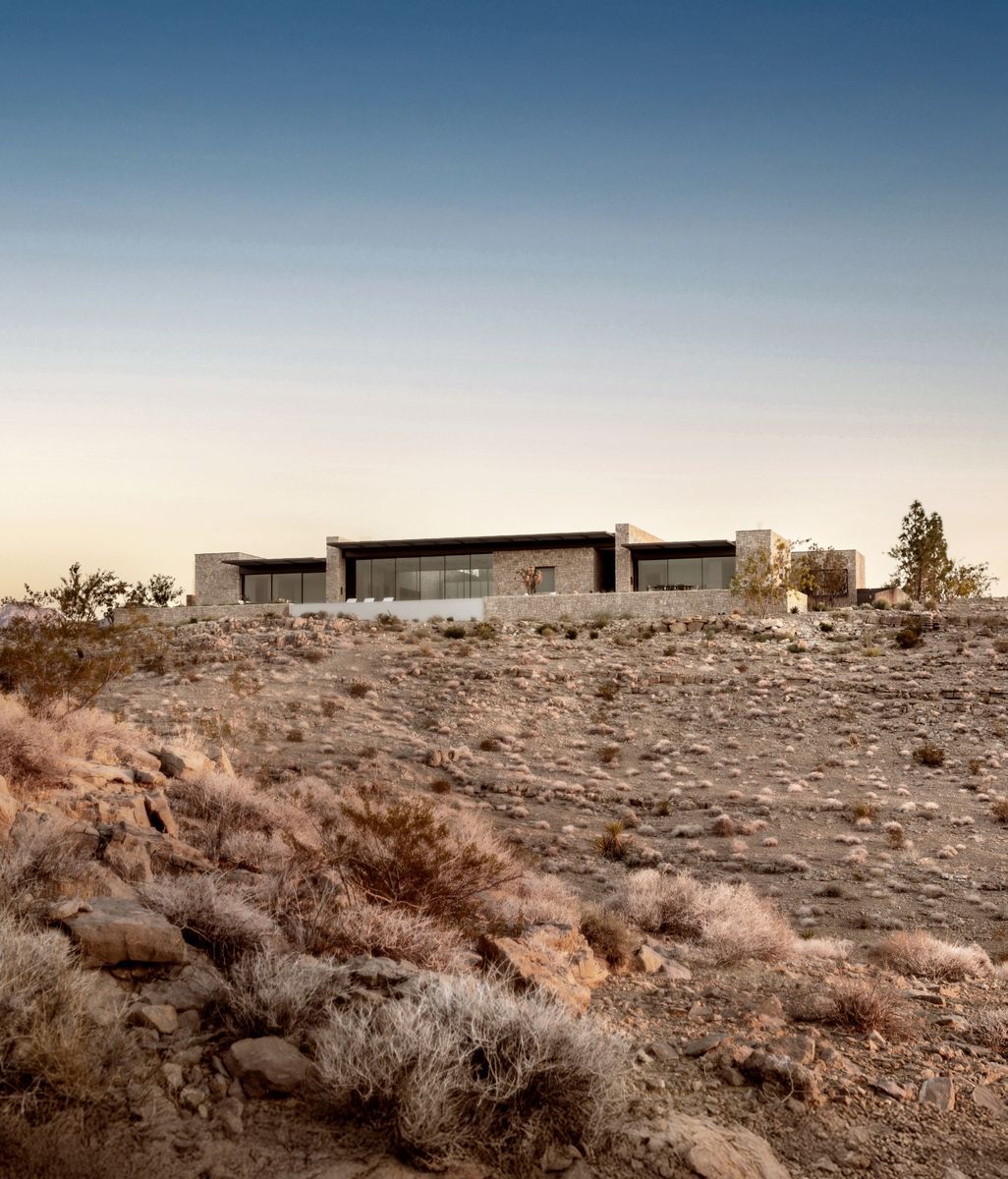
CADE Estate.

Denton also had the opportunity to work alongside Frank Gehry’s office on a significant winery project, an experience that helped shape his understanding of the relationship between architecture, art and the wider visitor experience. Hall Winery would become an important commission as he and Fernandez established their own practice, giving Signum a substantial project to build upon.

Fernandez’s route into architecture began with a fascination for design in all its forms. Growing up in Mexico, he was surrounded by his father’s industrial engineering work, with sketches and drawings part of everyday life. Initially drawn to graphic and industrial design, he became increasingly interested in the larger scale of buildings, homes and cities.

“Even within architecture, for me the most important part is design,” he says. “It’s not just checking the boxes, making sure you provide a bedroom or a bathroom. It’s making sure that, at the end, it’s well-proportioned and appealing.”

That emphasis on form is balanced by a sensitivity to climate and place. Fernandez’s early architectural education taught him to consider orientation, natural lighting, and ventilation as integral parts of the design process. His CADE Winery project put those principles into practice, with the production building designed to operate without mechanical systems.

Hall Wines.

Denton, meanwhile, became one of the first certified Passive House consultants in the United States, developing a particular interest in building performance and the technical decisions that make comfortable, energy-efficient spaces possible. Together, their differing approaches give Signum a broad set of tools, allowing the demands of each project to determine the appropriate response.

As Denton puts it, “His approach is the exact opposite of mine, but together, we’re parts of a perfect whole.” He describes their partnership as a journey towards a shared destination, even if they take slightly different routes to get there. 

That willingness to approach a problem from different directions has proved useful across a practice that spans residential architecture, wineries, restaurants, adaptive reuse, and boutique hospitality. Rather than developing a signature look and applying it indiscriminately, Fernandez believes each project should respond to its own brief, client, and setting.

He recalls a homeowner who arrived with a single request: she loved blue and wanted the house designed around a blue tile she had chosen. The result was a largely white home anchored by a substantial blue wall. “It’s about trying to listen to the clients, listen to the program, and then let the property and all these elements tell you what it wants to be,” he says.

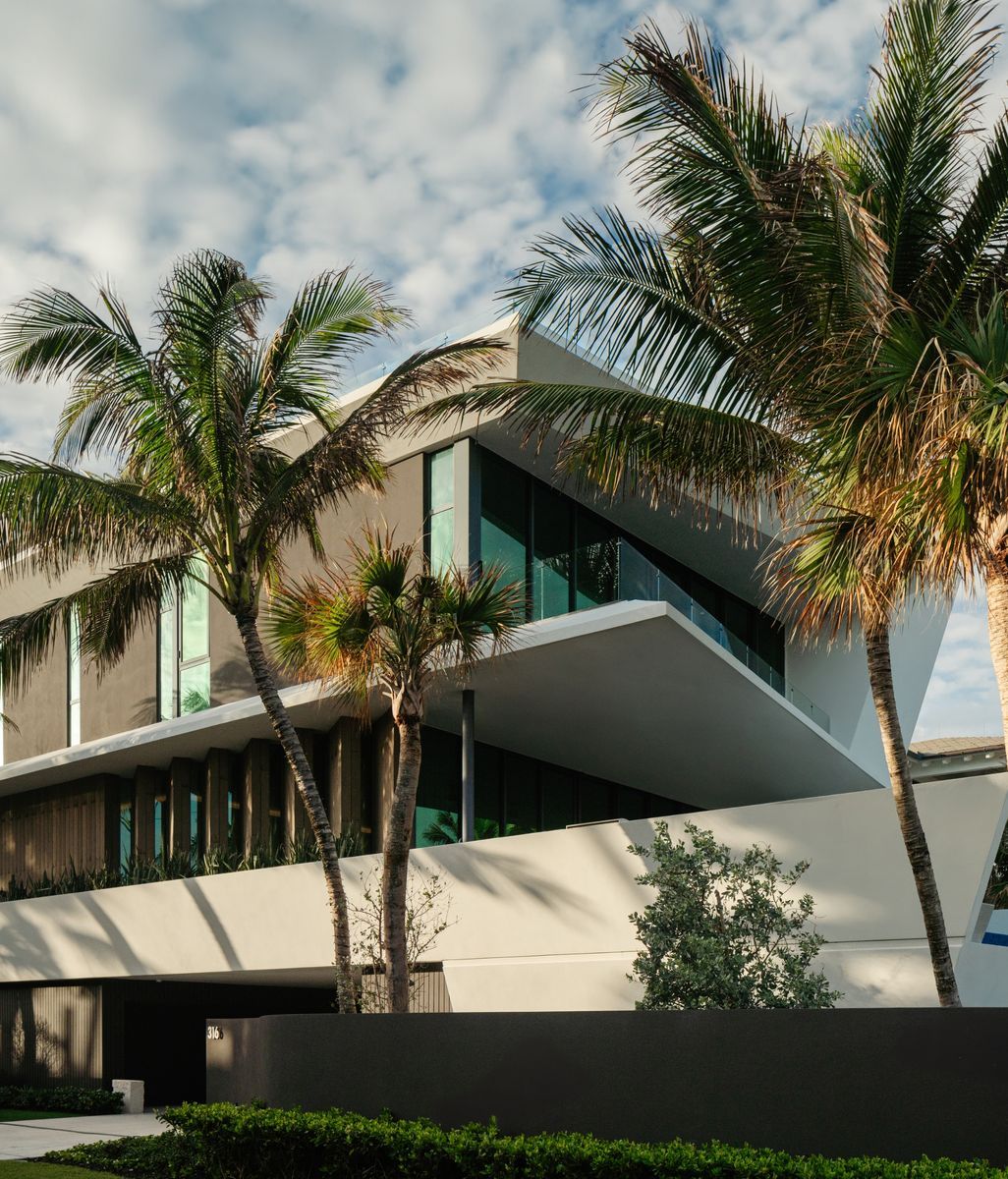
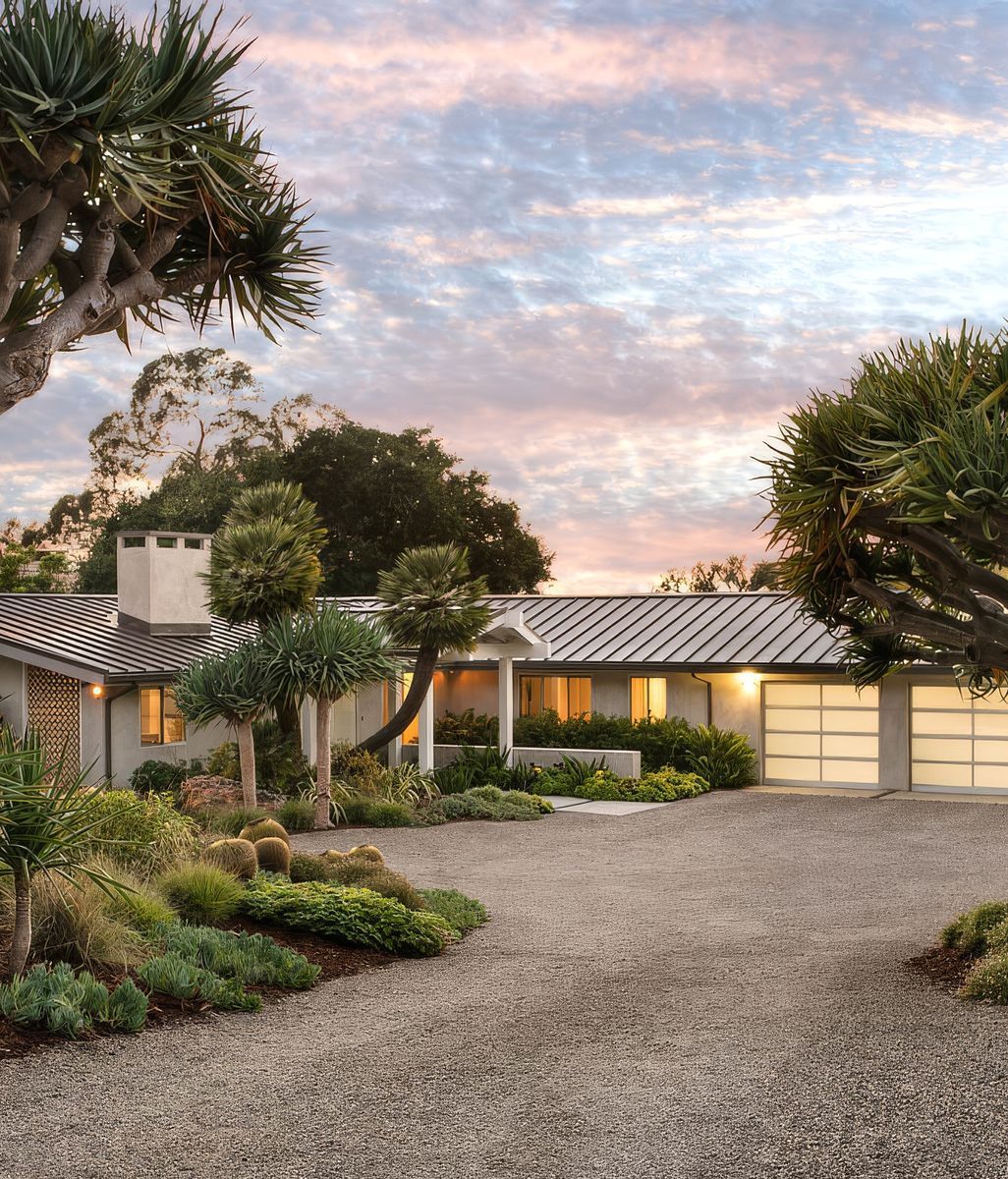
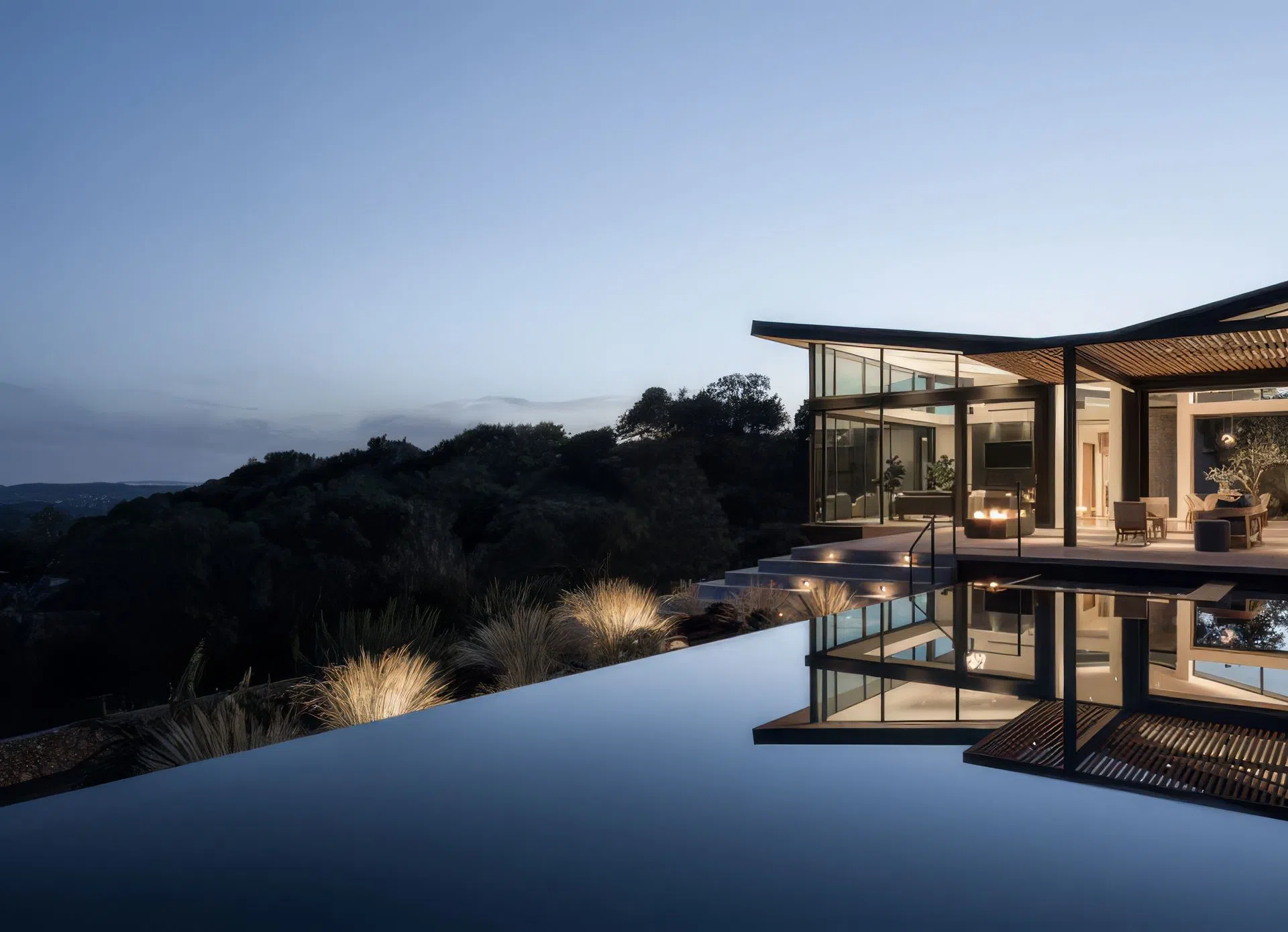
Trilogy House by Signum Architecture.

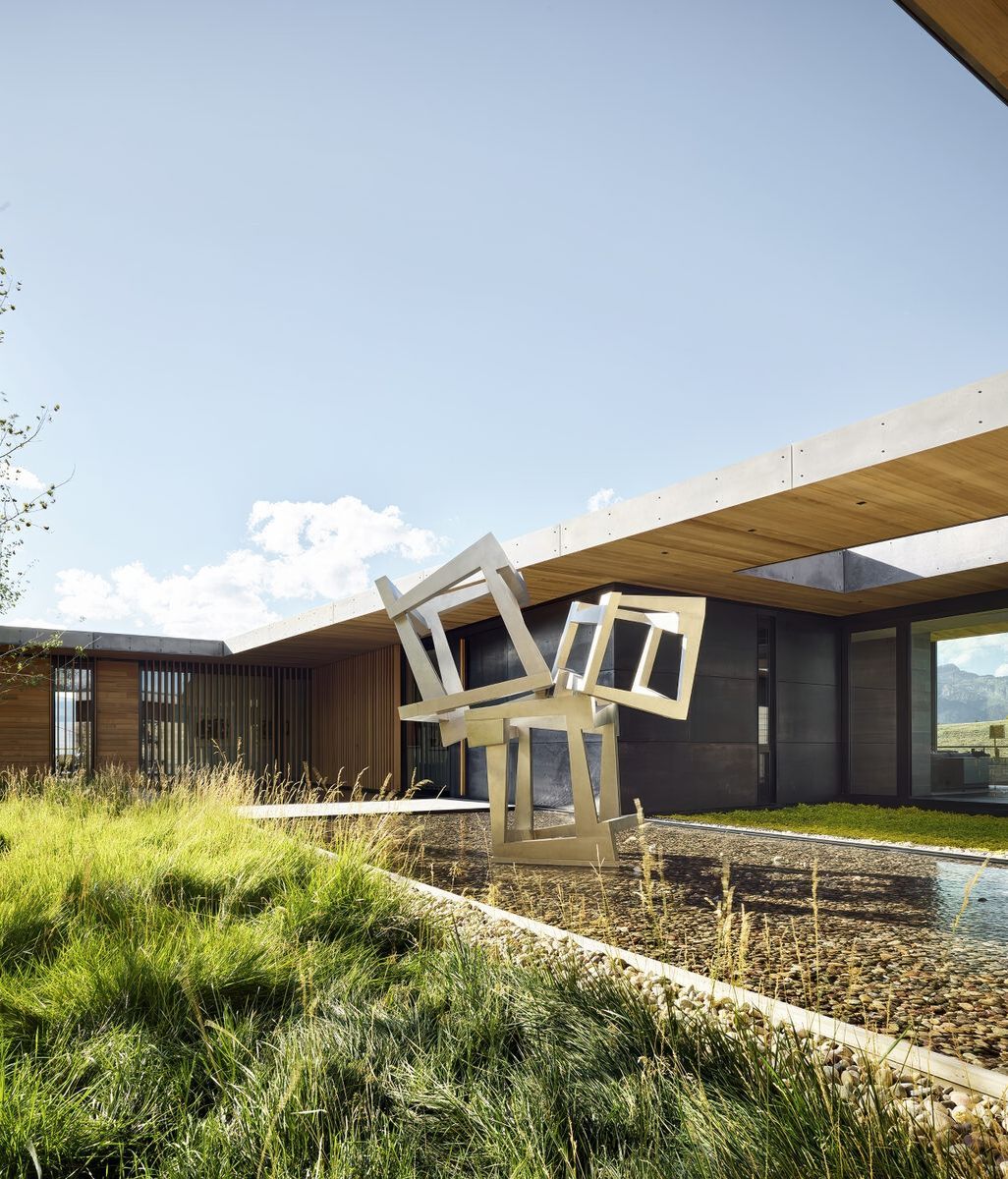
For Denton, that process also extends beyond the building itself. Signum’s work often brings architecture into direct conversation with art, from commissioned sculptures to installations. At wineries in particular, the experience often encompasses an experience that combines art, landscape, architecture, and wine.

Denton sees this marriage of art and architecture as one of the practice’s defining strengths. Working directly with artists can challenge an architect’s assumptions, prompting new ways of thinking about how people move through a space and what they notice along the way. “I think working with artists as an architect helps force you to view things in a different light that your mind’s not normally trained to do,” he says.

More than 15 years after establishing Signum, the partners continue to pursue projects that offer an interesting architectural challenge, whether that means a compact home or a complex hospitality development. Their methods may differ, but their shared interest in thoughtful design gives the practice its cohesion.

For Denton and Fernandez, the aim is to create architecture that responds intelligently to its brief while offering something beyond the expected. The route may vary, but the vision is a shared one.

For more inspiration from architects and designers creating thoughtful responses to place, explore architecture and interior design projects on ArchiPro.