The Firm That Won’t Pick a Side Between Traditional and Modern

featuring Hill & Hurtt Architects

© Stacy Zarin Goldberg

© Stacy Zarin Goldberg

Hill & Hurtt Architects logo

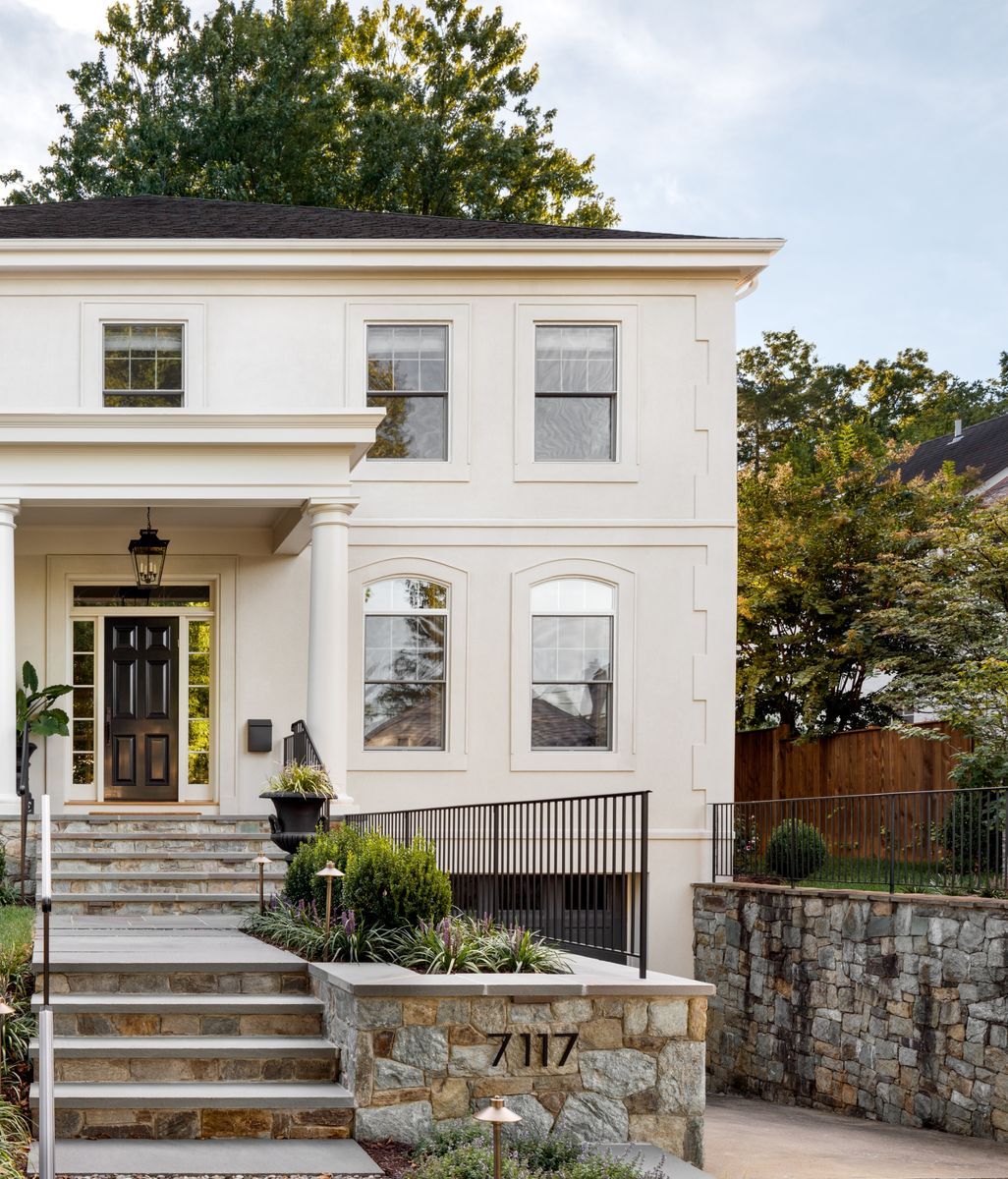
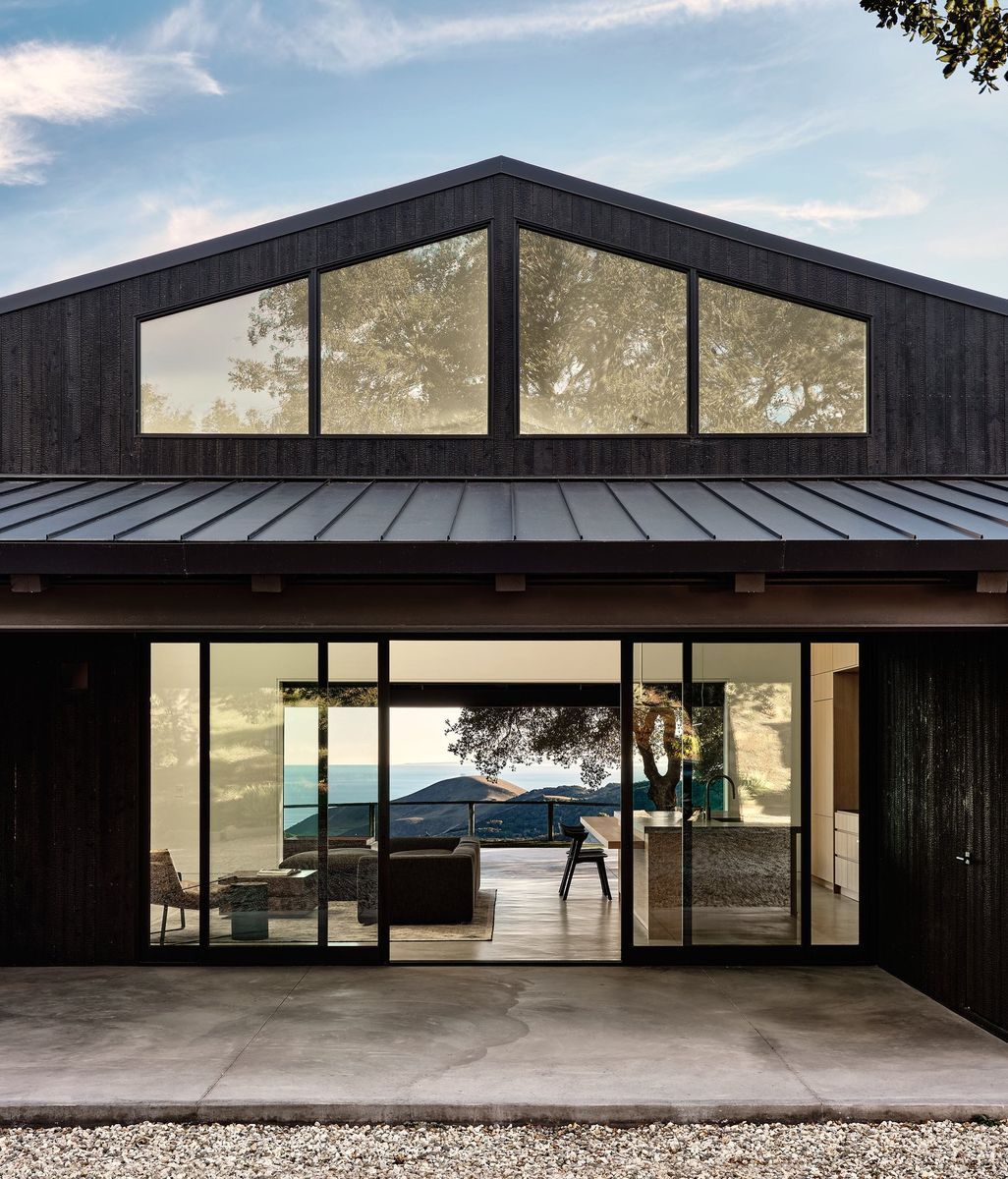
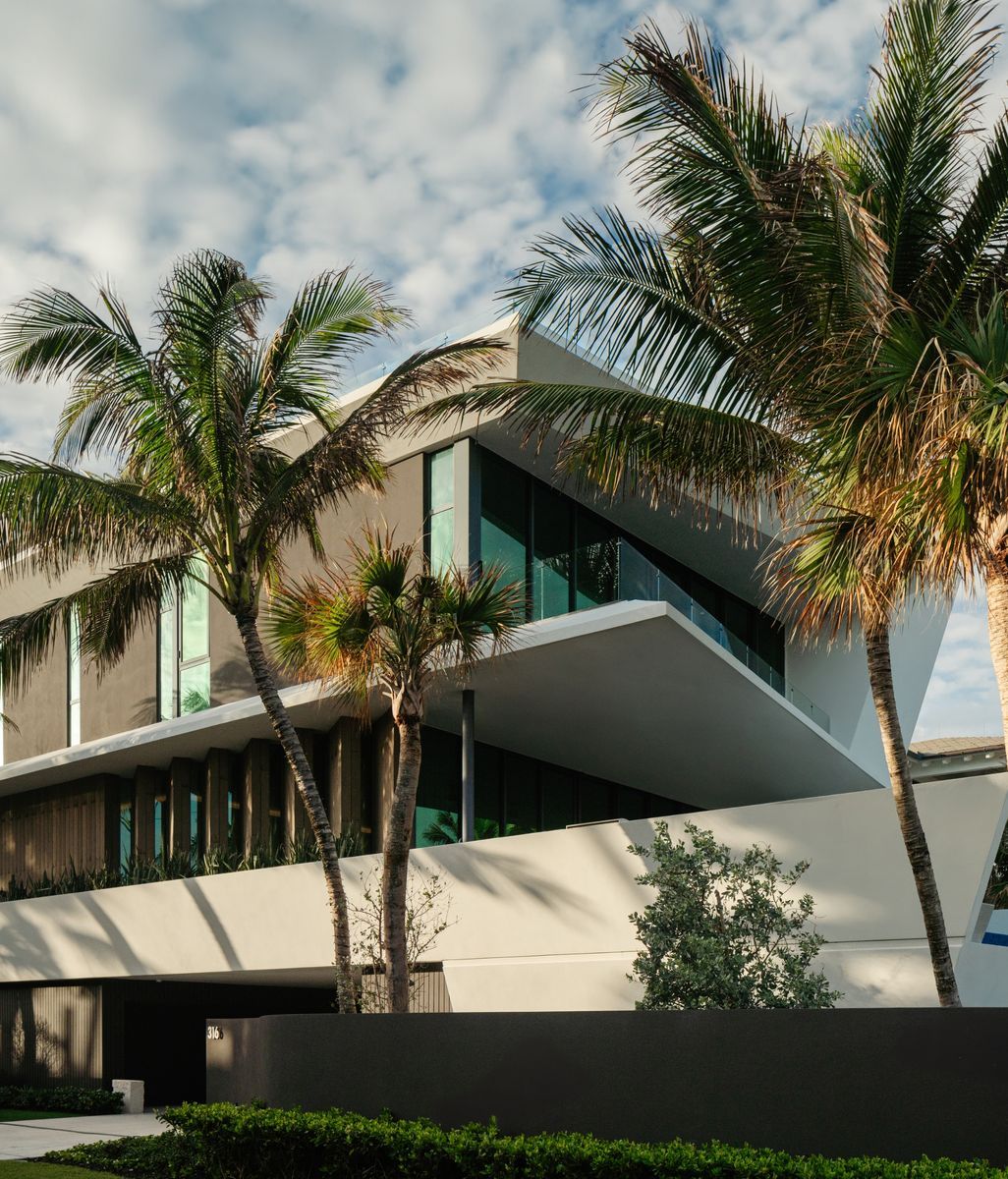
Hill & Hurtt has earned recognition from both the AIA and the Institute of Classical Architecture and Art, two organizations that rarely agree on what good architecture looks like.

Visit Website

© Hill & Hurtt Architects

Josh Hill, Mary-Margaret Stacy, and Eric Hurtt

Josh Hill and Eric Hurtt founded Hill & Hurtt in 2016; Mary Margaret Stacy joined as the firm’s third principal about a year and a half later, always the plan, Hurtt says, just delayed by the practical runway of getting a new firm off the ground. The studio has since grown to seven people, and picked up AIA design awards, recognition from the Institute of Classical Architecture and Art, and a spot on Home & Design’s Top 100, without ever settling into one stylistic register to earn any of it.

That range was intentional from the outset. “We wanted to really be a design-forward office,” Hurtt says, one flexible enough to take on small projects alongside large ones, often simply because the studio liked the people asking. What ties the portfolio together isn’t a shared look, but a shared level of obsession with detail, project by project. “We’re thinking about each project individually,” Hurtt says, “the clients themselves, what they surround themselves with, how that can be brought into the project,” a specificity he considers non-negotiable regardless of a given house’s eventual style.

© Stacy Zarin Goldberg 2021

Making interior spaces bright and open, while preserving and enhancing original character and details were key goals of this Bloomingdale Historic District renovation by Hill & Hurtt Architects. Original fireplaces, tile surrounds, heart pine flooring, pocket doors, and mouldings were maintained throughout.

Asked how the firm holds AIA-recognized modern work and ICAA-recognized classical work in the same practice, Hurtt draws a distinction between a building’s skeleton and its skin. “The skeleton can be clothed either in a traditional garb or a modern garb,” he says, but the underlying spatial decisions, proportion, edges, the feeling of moving from one room into the next, come first, regardless of which finish eventually gets layered on top. Detailing follows from there, sometimes leaning traditional, sometimes modern, often blending both within a single project. “It helps you register that it’s a new space,” Hurtt says, “but it doesn’t feel new. It feels like it belongs.”

© Stacy Zarin Goldberg

A two-story brick addition compliments this 1930’s center-hall Colonial Revival in Alexandria, Virginia’s historic Rosemont neighborhood. The brick masses of the original home and the addition are linked by a glassy connection, incorporating a wet bar and guest bath on the first floor and a gracious en-suite bath on the second floor. The change in material along with the large, banked windows of the connector piece create a distinction between the original house and the additions.

The firm’s process starts with a client’s brief, literally printed out and kept in view during early design conversations, but Hurtt is candid that the most useful information often comes from what clients say in passing rather than what’s on the list. Early concepts are deliberately presented as multiple directions rather than one polished answer, refined together with the client over several rounds before drawings firm up. Preliminary contractor feedback comes early too, well before permit drawings, specifically so clients understand real costs and timelines before getting emotionally attached to a design they may need to scale back. Hill & Hurtt works with a consistent group of contractors, trusted collaborators the firm knows well, but Hurtt is clear that the final choice always belongs to the client.

© Jennifer Hughes

In a Bethesda, Maryland, home (above and right), the interior work was was less about adding space than correcting proportion. The house’s trim had originally been oversized throughout, which paradoxically made its rooms feel smaller than they were; stripping and rescaling that trim, alongside enlarging openings between rooms that had previously been undersized relative to the house itself, let the existing volumes finally read at their actual size.

© Jennifer Hughes

Working primarily across Washington, DC, and the Mid-Atlantic, in a region dense with historic districts and established streetscapes, has shaped how the firm thinks about residential design more broadly. Hurtt pushes back on the instinct to treat Washington as a monument city rather than a residential one. “It’s a city of neighborhoods,” he says, home to row houses, duplexes, and single-family homes side by side, often nearly identical on the outside and completely different once you’re through the front door. That variety keeps the firm from ever treating a project as a repeat of one it’s done before. “Every single one is going to be different,” Hurtt says, and working within real constraints, whether a narrow row-house footprint or a historic-district review process, tends to force better solutions than a blank site ever would.

© Stacy Zarin Goldberg 2021

New owners of this end-unit rowhouse in the Bloomingdale neighborhood of DC wanted to update the home while recapturing its original Victorian character. An enlarged masonry opening in the kitchen, providing access to the rear garden, floods the first floor with light.

Asked what he wants Hill & Hurtt’s work to contribute to the national conversation on residential design, Hurtt returns to the tension between the AIA and the ICAA. A firm’s signature, in his view, doesn’t need to be stylistic at all. “What’s important is that our signature be one of quality, of design consciousness, of being responsive,” he says, “and that the philosophy of design is about space and about response rather than about style.” Asked separately what he hopes a platform like ArchiPro changes about how homeowners engage with architecture, Hurtt points to a structural reality of the US market: unlike many countries, an American homeowner can renovate or build without ever hiring an architect at all, which leaves firms like his own having to make the case for their value from scratch on every project. Wider visibility into the actual thinking behind a design, he hopes, can help homeowners understand architecture as something beyond aesthetics or permitting, a genuine merging of technical judgment, code expertise, and spatial imagination that shapes a house long before, and long after, the finishes get chosen.

Explore Hill & Hurtt Architects on ArchiPro, browse the studio’s residential projects across the DC metro area, and discover more architects and designers who let a project’s response to its site decide its style.