The story behind ArchiPro, and why we're bringing it to America

featuring ArchiPro

© Matthew Millman Photography

© Matthew Millman Photography

As ArchiPro launches in the United States, co-founder and CEO Milot Zeqiri reflects on where it all began, the people who have helped build the business and what comes next.

Featured Professionals

Written by

  • Brittany Chevalier
© ArchiPro

ArchiPro co-founders, Brittany Gribben and Milot Zeqiri

ArchiPro began in New Zealand twelve years ago on one belief: building great projects begins with the right professionals. Now more than 200 American firms are joining us as Founding Members.

A building project rarely begins with a perfectly organized brief. It might begin with a photograph of a kitchen saved late at night, a house passed on a weekend drive, a stone sample picked up from a showroom, or a friend’s recommendation for an architect. Before long, it’s scattered across browser tabs, screenshots, catalogs, and email threads.


There’s no shortage of inspiration. The harder part is seeing how it all connects: who designed the house, what it’s made of, who makes the lighting, whether the architect works in your area, and what thinking brought those decisions together. That’s the gap we built ArchiPro around. At the center of it are the people who can answer those questions: the architects and designers behind the work.

Who we are

ArchiPro is a place to discover architecture and interiors, the professionals who design them, and the products and materials they choose, along with the thinking behind it all. The Pro in our name stands for the professionals at the heart of our industry, and we mean that broadly: architects, interior designers, builders, and the many others who shape a building project. Homeowners and brands are part of the story too. A finished home can lead you to the architect who designed it, the interior designer who shaped its rooms, the products used throughout, and a story about why those decisions were made.

© Mike Kelley, Rian Drones

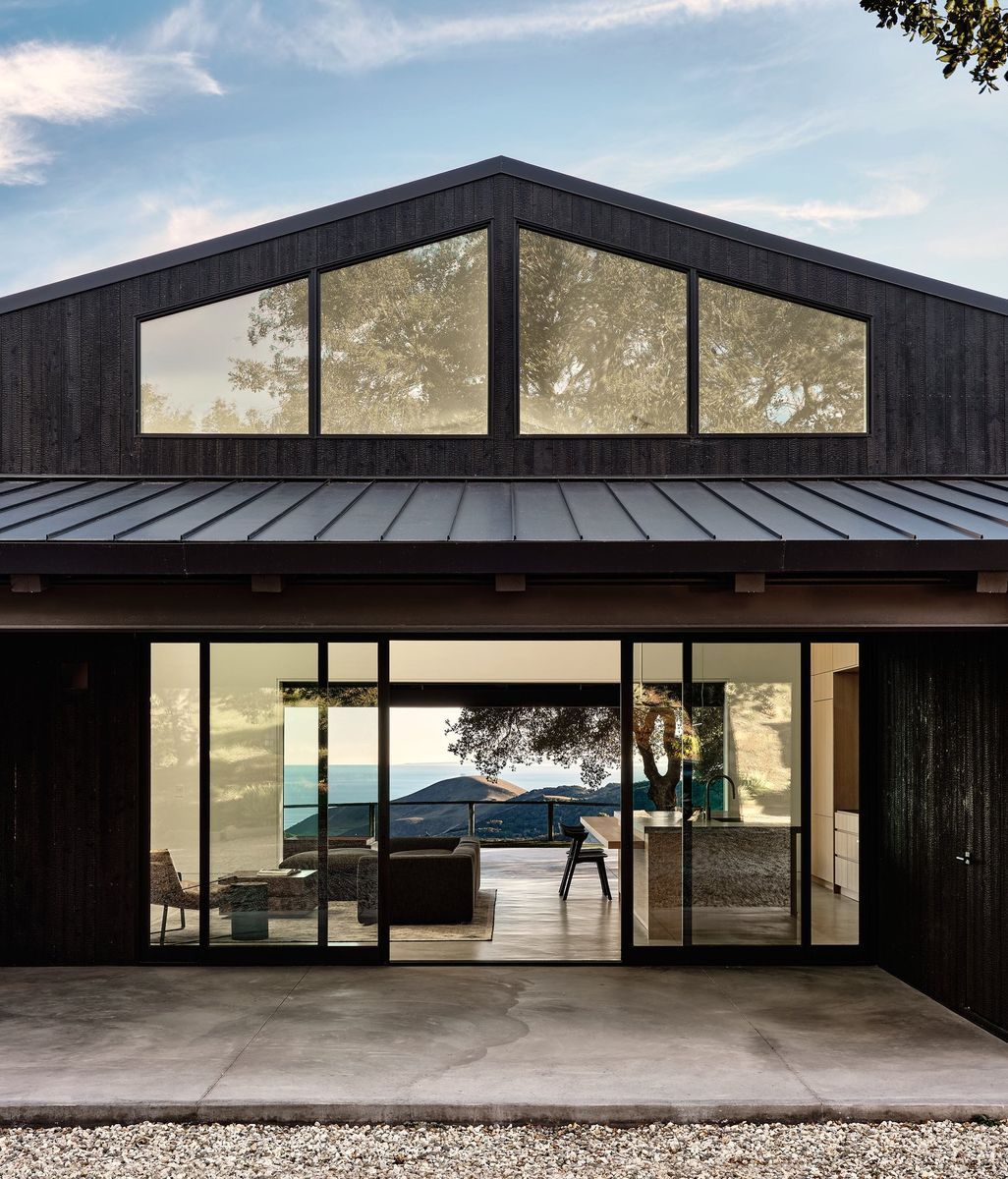
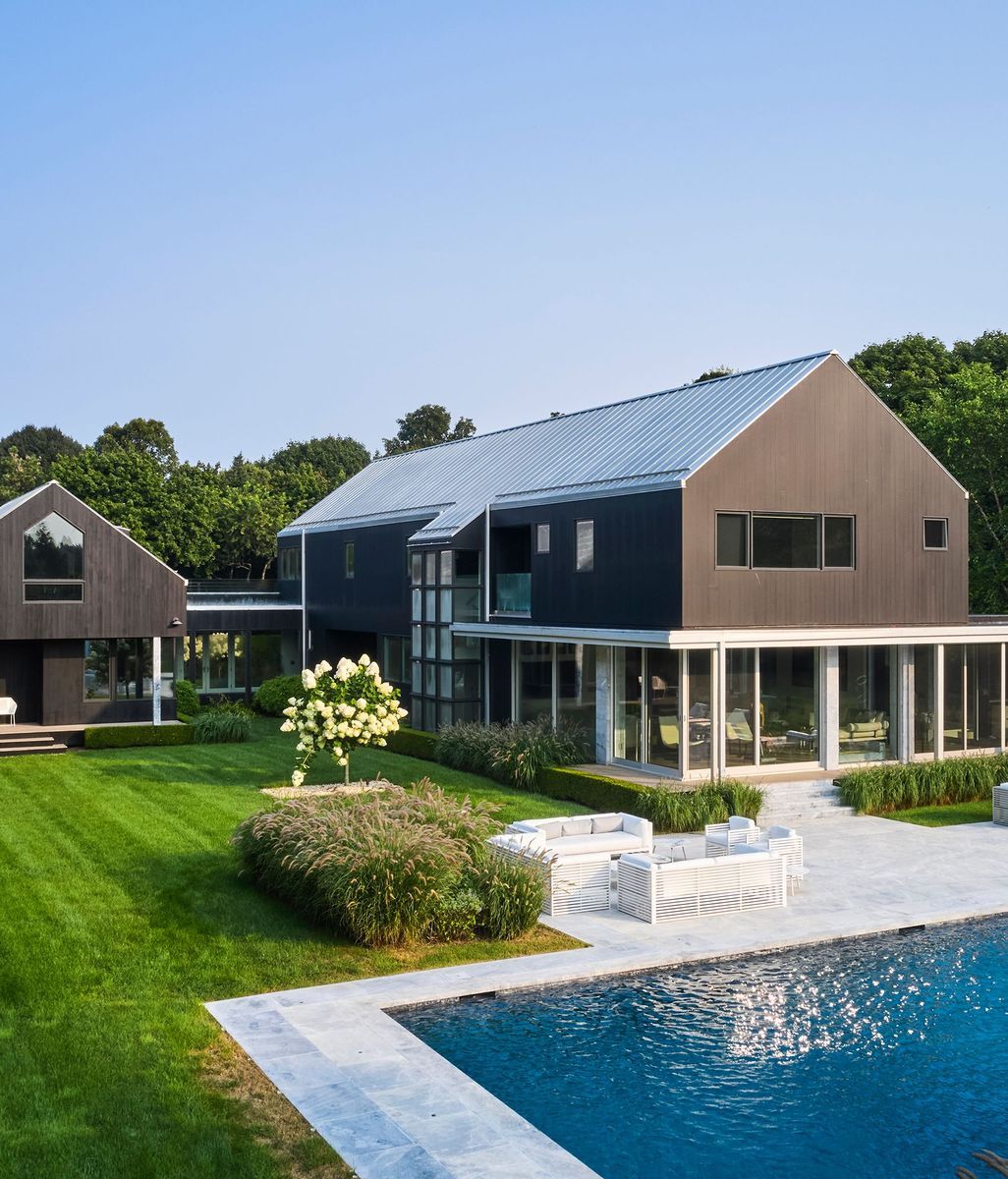
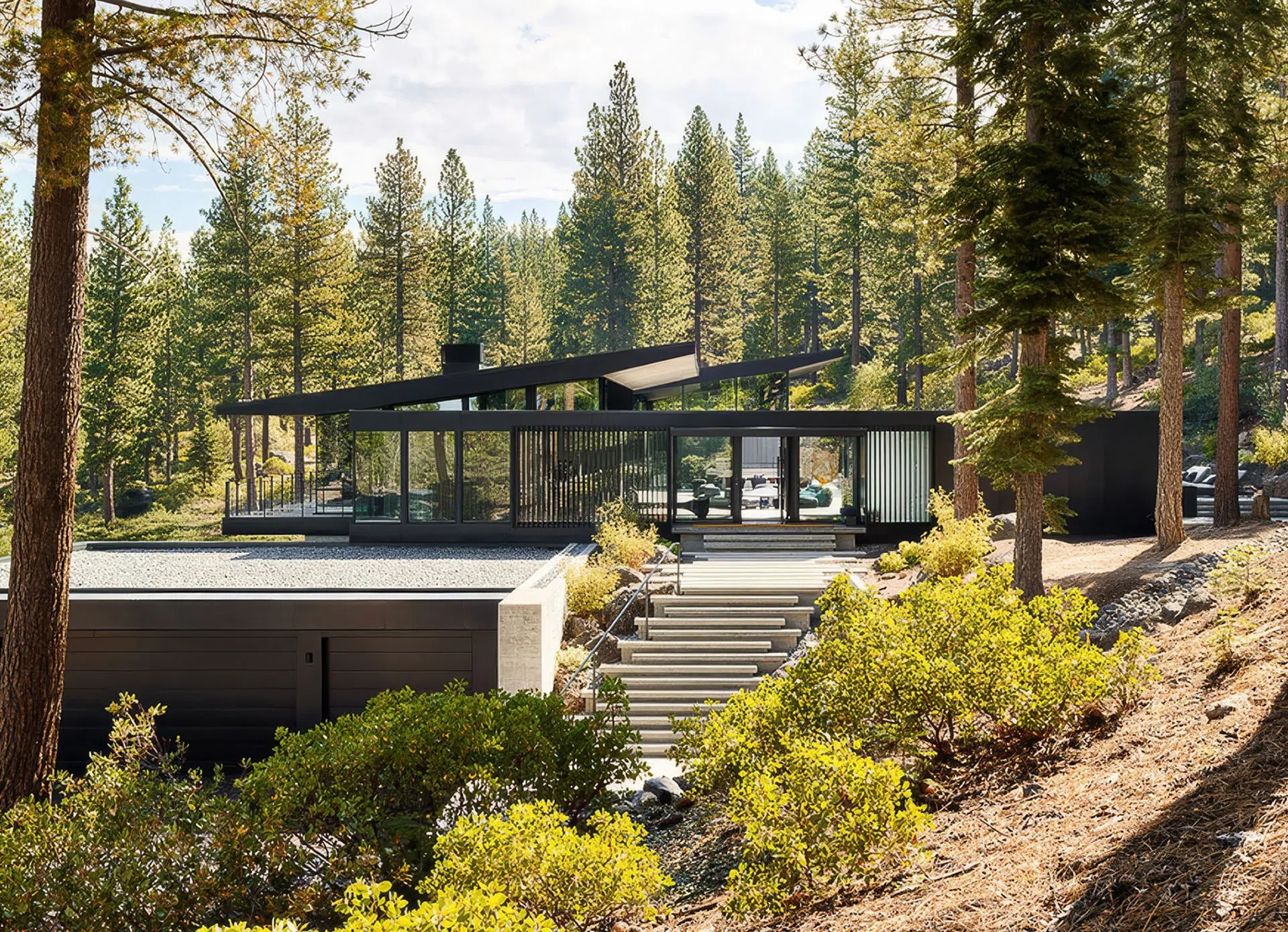
Inspired by Louis Kahn’s Kimbell Art Museum, Forest Knoll by Standard Architecture takes the shape of three parallel gabled volumes with stairs between them. Each of these volumes houses different essential spaces and opens up onto an outdoor patio that overlooks the city, reinforcing the connection between home and landscape.

© Rikki Snyder

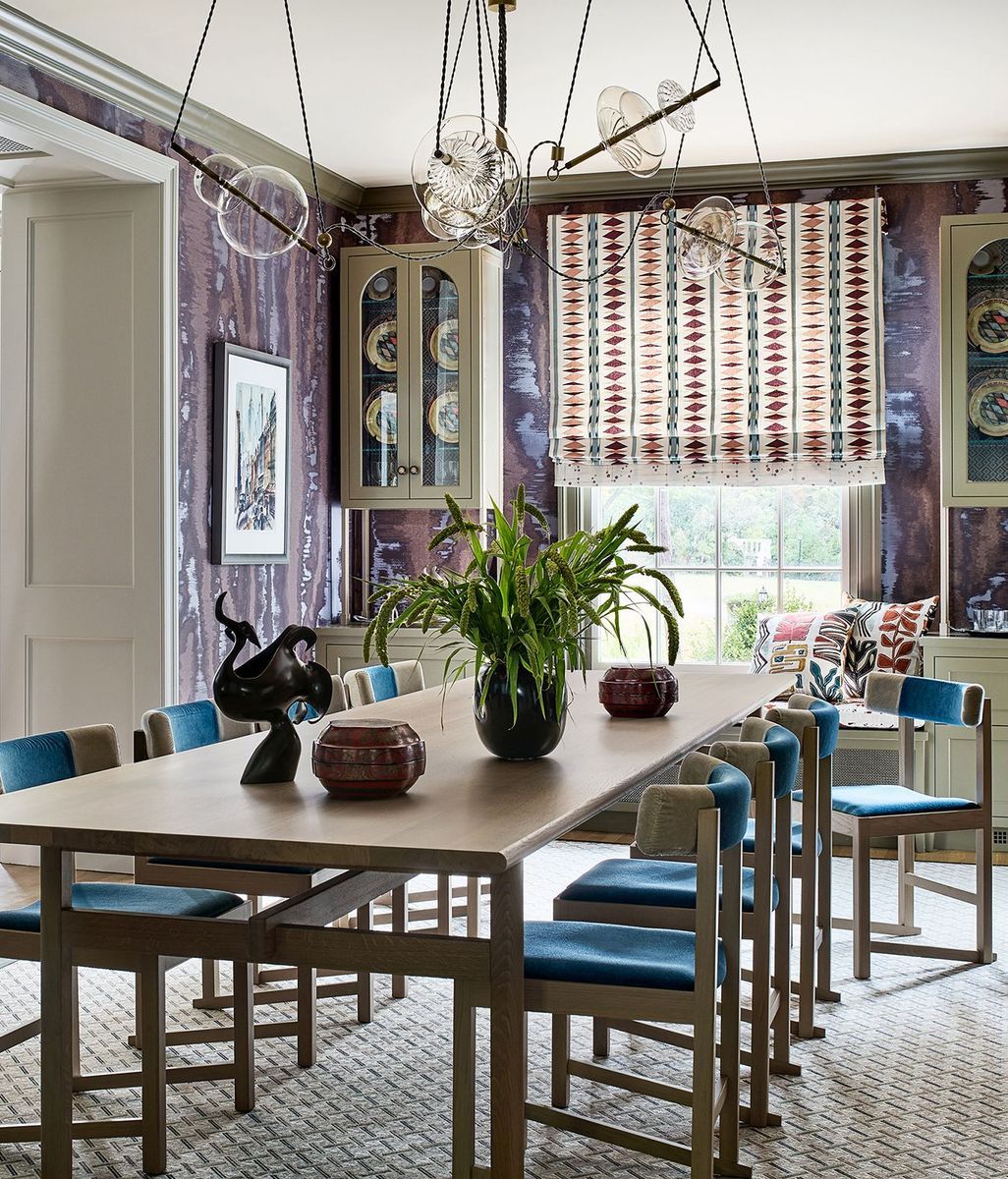
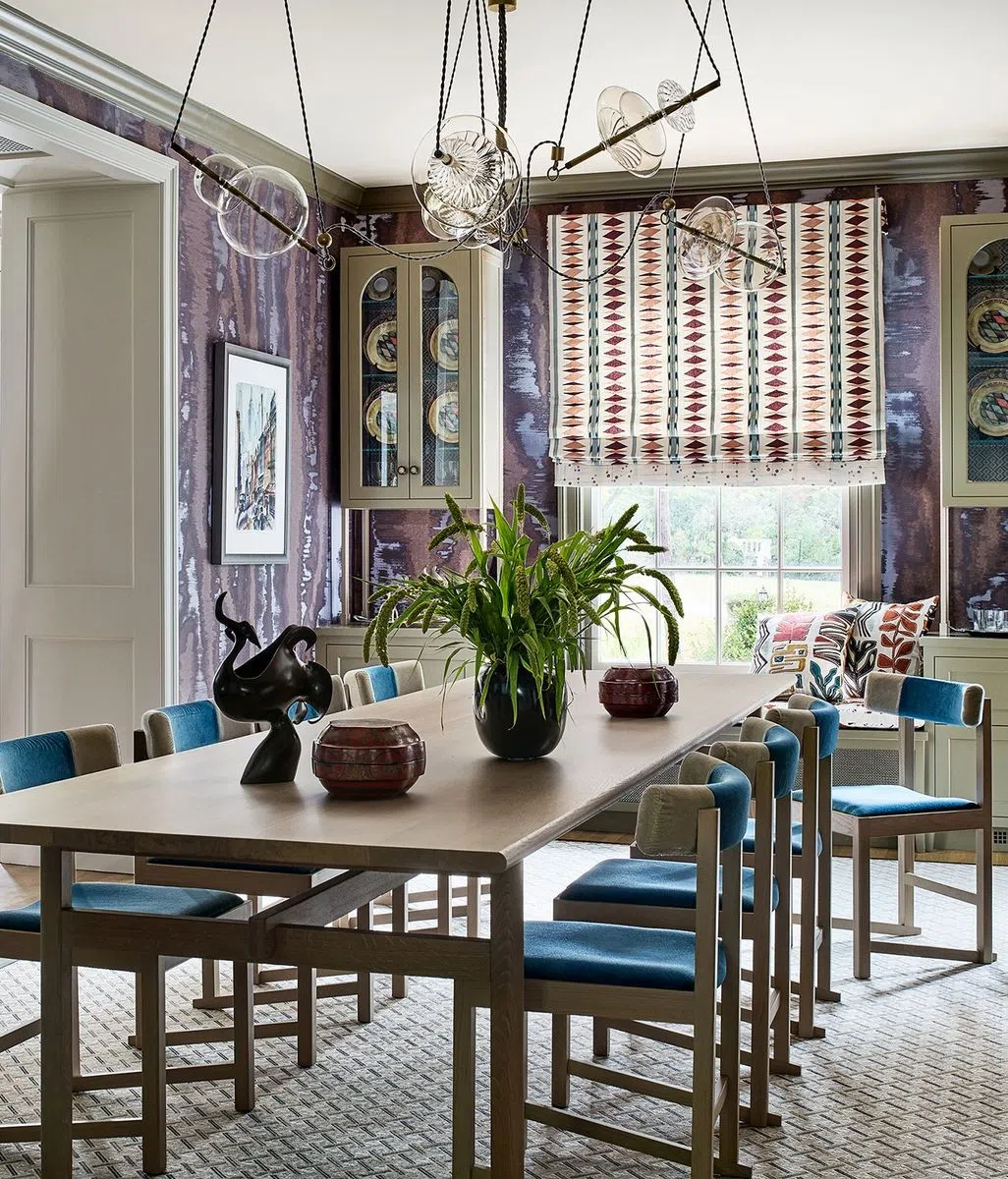
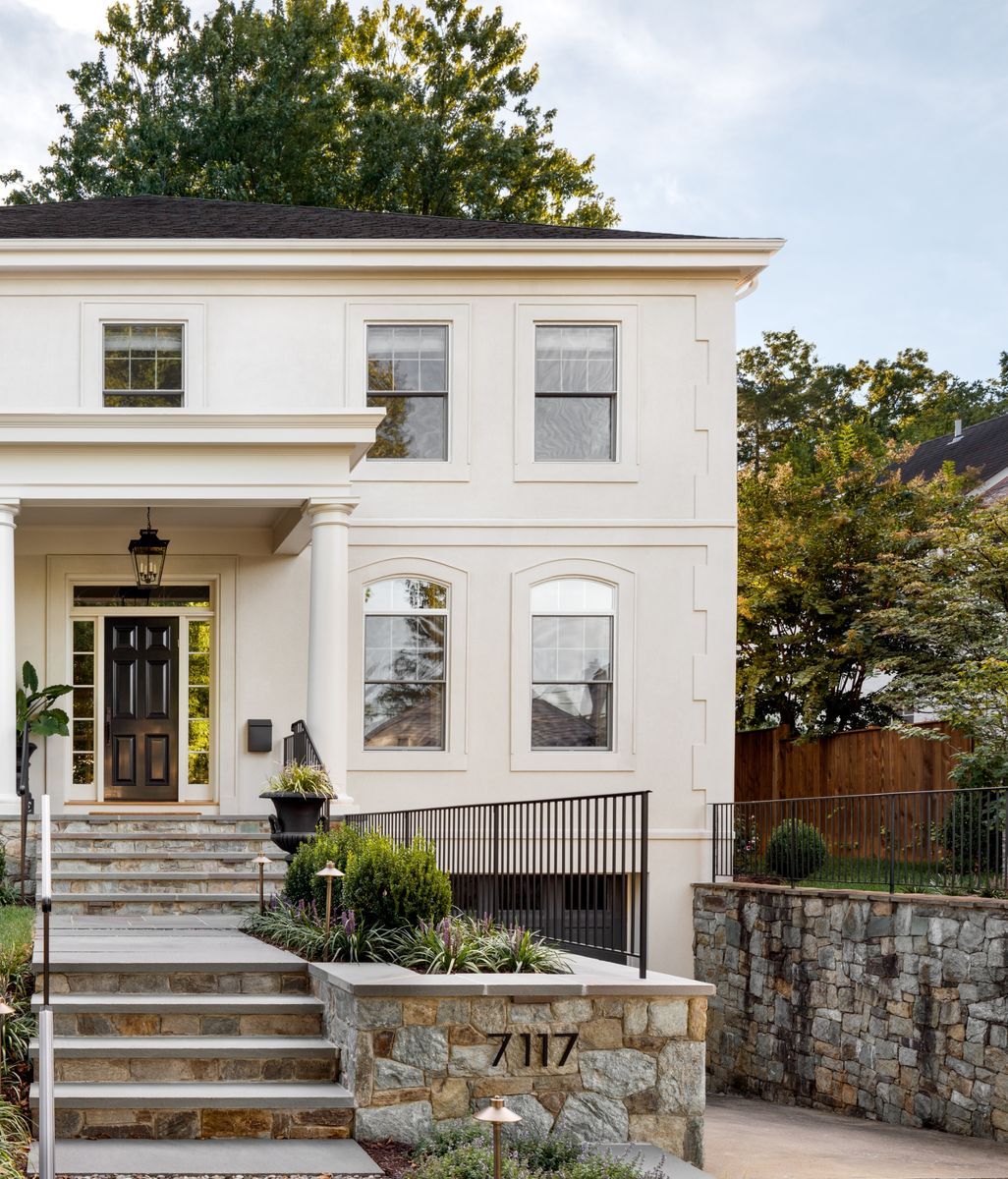
Celebrating this Pre-War New York City building, the architecture by Rise Projects delivers a fresh take on tradition with an emphasis on using historic details such as moldings, paneling and arches juxtaposed with new, clean lines. In the same spirit, the furnishings mix curated vintage pieces with contemporary inspirations. Lighting pairs modern fixtures with midcentury selections.

Where we came from

We began in 2014, in a bedroom in New Zealand. “What started as an idea in our bedroom in New Zealand has grown into a platform connecting extraordinary architecture, talented professionals and beautiful products across New Zealand, Australia and now America,” says our co-founder and CEO, Milot Zeqiri.

Milot’s own sense of home began long before ArchiPro. He arrived in New Zealand in 1999 as a 16-year-old refugee from Kosovo, after his family lost their home in the war. “When you’ve experienced losing a home, you come to understand that its meaning extends far beyond the physical structure, encompassing the familiarity, security, and memories that make a place feel like your own,” he says.

"I've always believed that better homes create better communities, and better communities create better cities."

ArchiPro

© Dan Ryan Studio

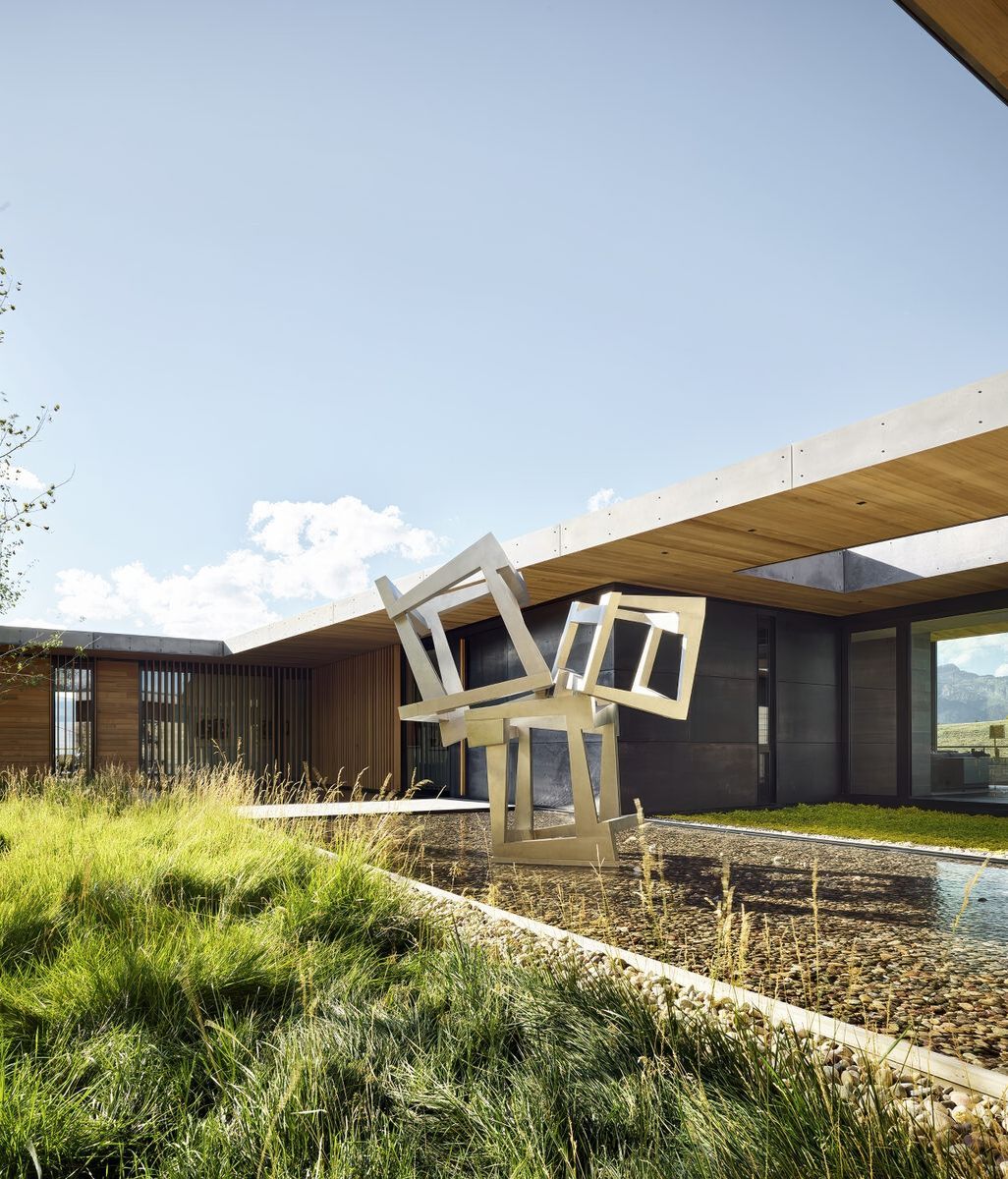
Every lake house has a patio on the water. For this Big Bear Lake House in California, The Ranch Mine took that patio and pulled it into the middle of a new house they designed called "Waterview," wrapping the home around a courtyard of its own.

Why we built it

Years later, while renovating with his co-founder, Brittany Gribben, Milot ran into the problem himself. “We would come across an extraordinary home in a magazine and wonder who designed it, or discover a beautiful material and struggle to find out where it came from,” he says. In his work he was also meeting architects, designers, and craftspeople whose work wasn’t always getting the recognition it deserved, and he could see that “the connection between the people creating these remarkable spaces and those looking to build their own homes was often difficult to make.”

So the two of them began to imagine a place that would bring those worlds together: somewhere a person could discover extraordinary architecture, understand the people behind it, explore the products and materials used, and connect with the professionals who could help bring their own ideas to life. That seed of an idea grew and became ArchiPro in 2014.

What the two of them learned from building and renovating was how much it matters to have the right professionals involved from the beginning. That experience shaped our belief that great architecture should be more accessible, and that homeowners should better understand the value of engaging an architect.

We’d also noticed how easily architecture and design get flattened online. A project that took years to conceive and build can shrink to a single image moving through a feed, and the ideas behind it, the relationship with the client, and the people responsible can disappear. We wanted to give practices room to show more.

© Andrew Pogue Photography

The Cape San Juan residence by Prentiss + Balance + Wickline Architects overlooks the waters of the sound from a rare undeveloped waterfront lot with direct beach access. The design takes advantage of view corridors and solar orientation, while creating privacy from nearby neighbors; resulting in house that feels simultaneously sheltered and open.

What we believe

We believe that every building project, big or small, should begin with an architect or interior designer, where appropriate. It’s the idea ArchiPro started from. It was never only about helping people discover beautiful homes, or find out where to buy what’s in them. It was about helping homeowners understand the value of the professionals behind those projects, and what they bring to the whole building journey.

That’s why we don’t want ArchiPro to be a place where people collect ideas from different projects and try to recreate them on their own. We want those projects to inspire people to find and work with the architects and designers who created them. On significant architectural and interior projects, it’s often the professional who makes many of the design decisions, selects the materials, specifies the products, and guides the homeowner through the process. The homeowner is at the center of that journey, and the expertise of the architect or designer is what brings everything together. Finding the right one is among the most important decisions anyone can make when they start to build.

It’s also why recognition matters so much to us. Behind every extraordinary project are people who have spent years developing their knowledge, creativity, and expertise, and their work deserves to be recognized, understood, and celebrated. Products, materials, and inspiration are all part of ArchiPro, but they’re there to support the relationship between homeowners and the professionals who bring their projects to life.

© Russell Abraham Photography

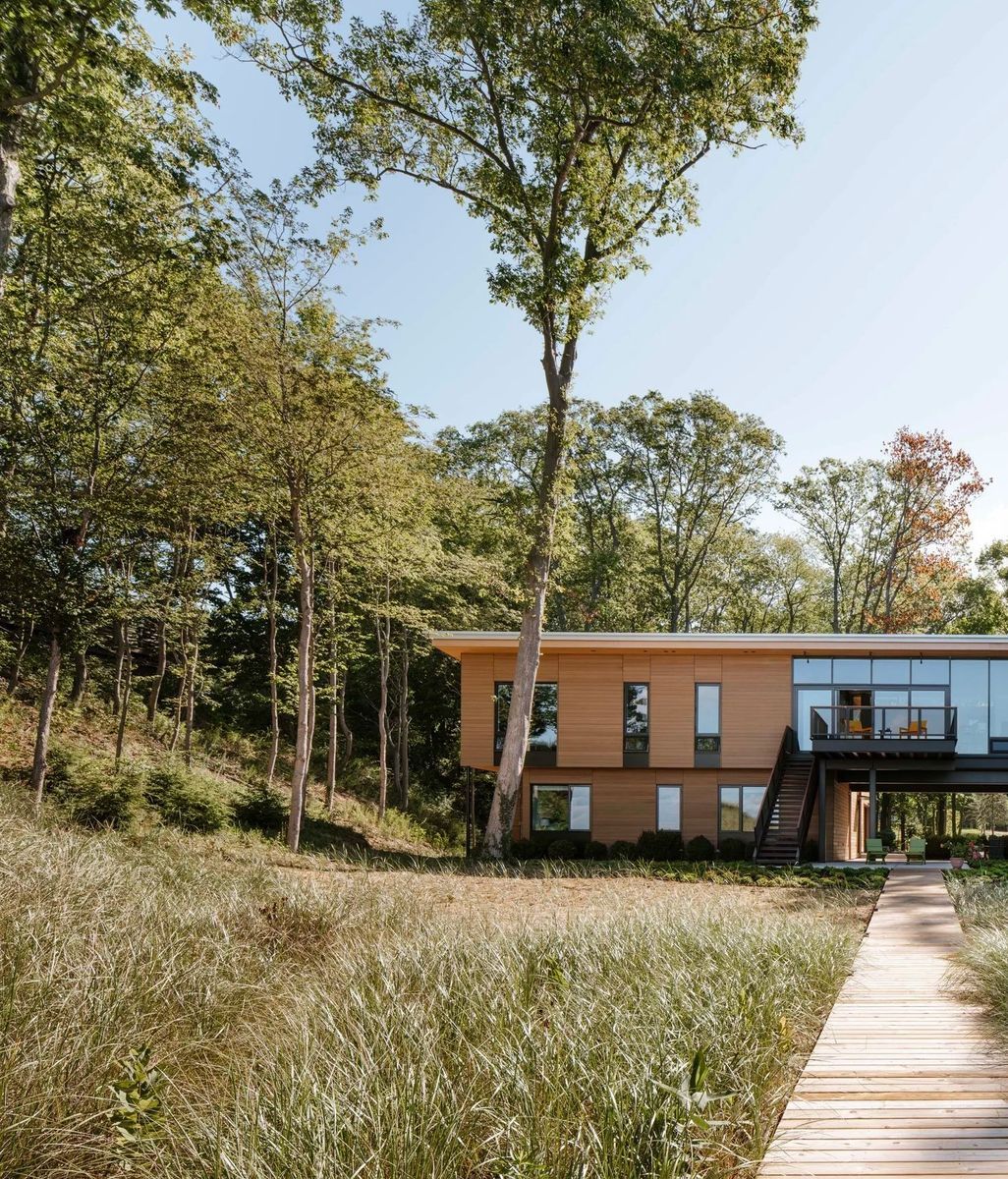
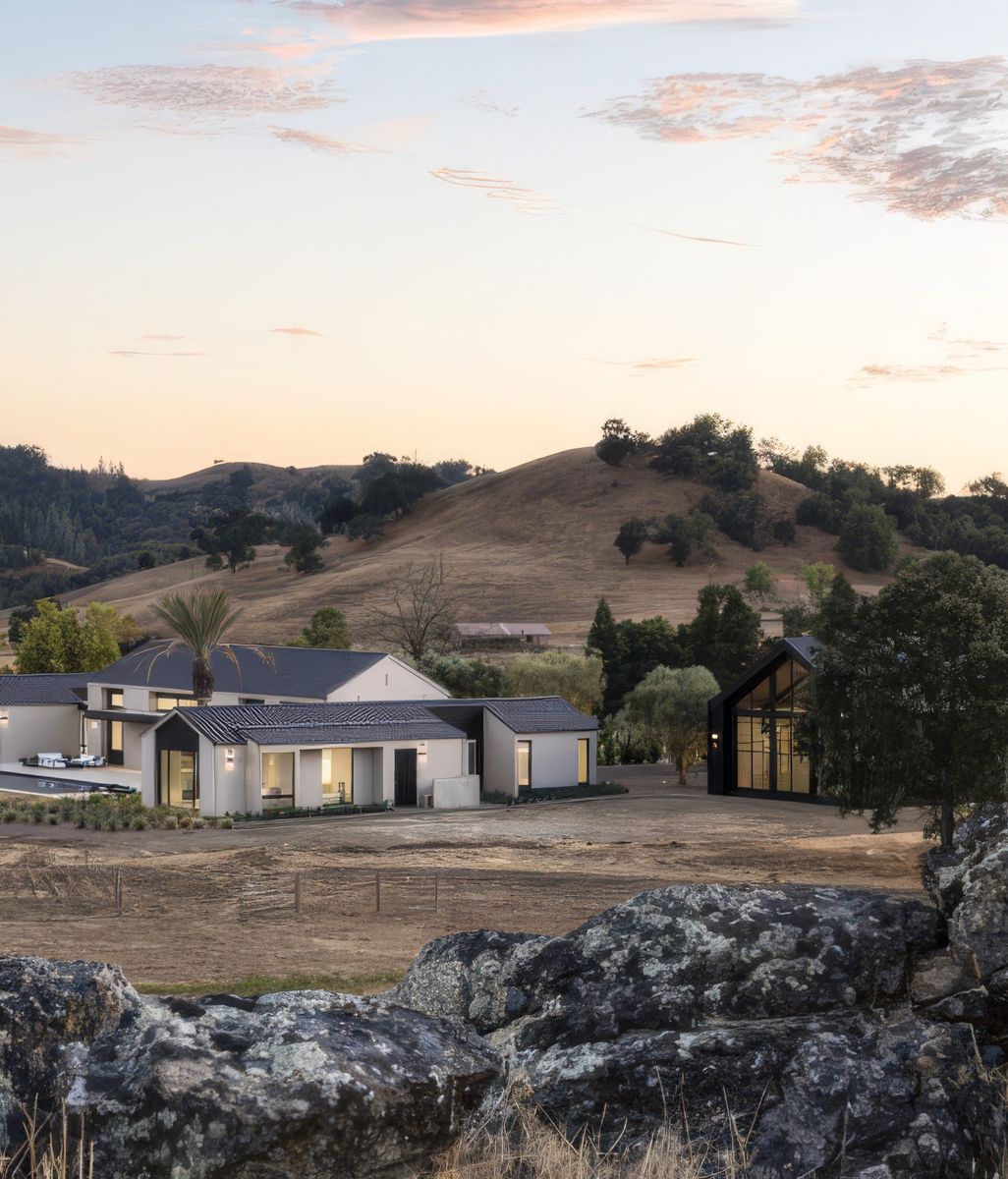
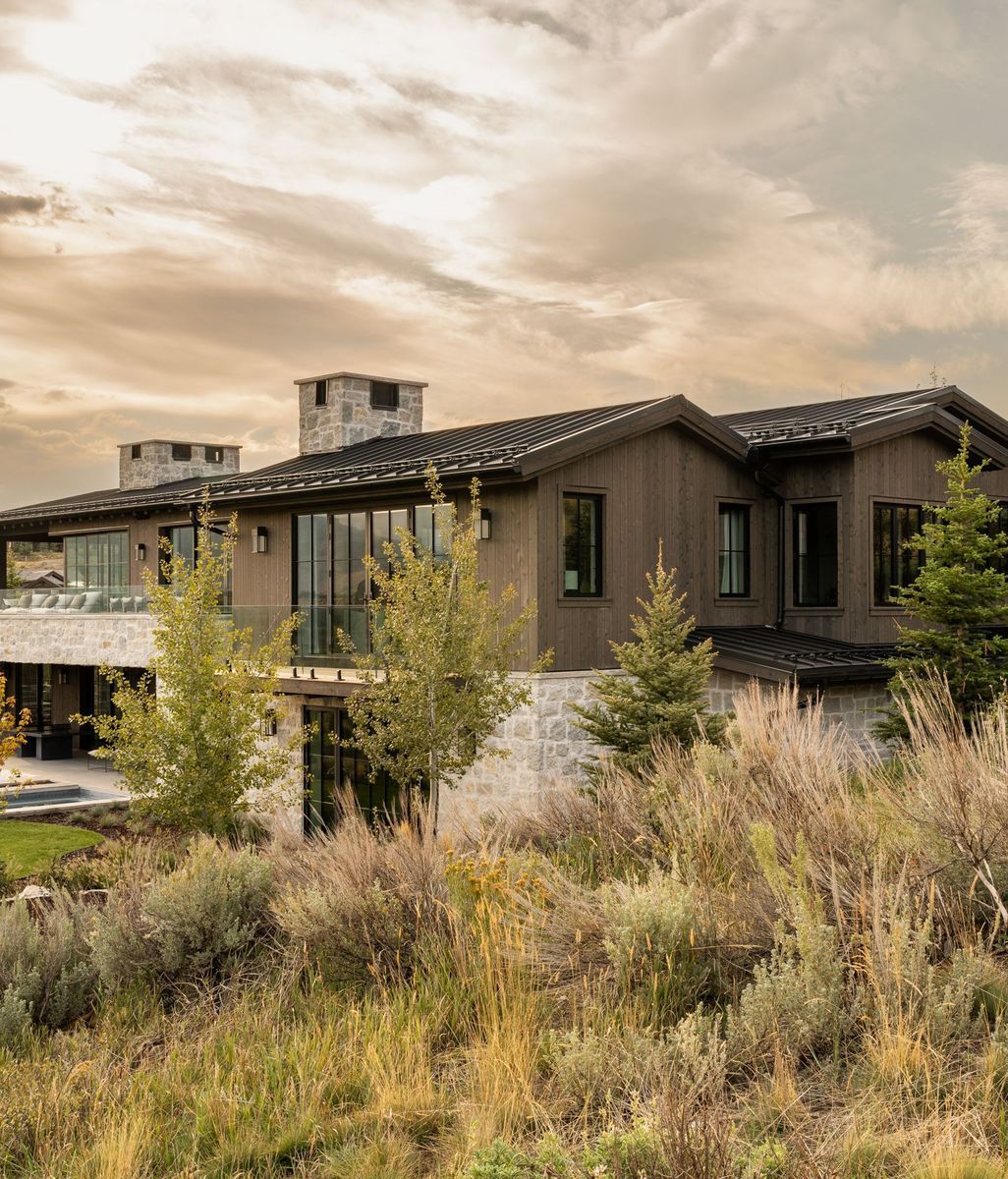
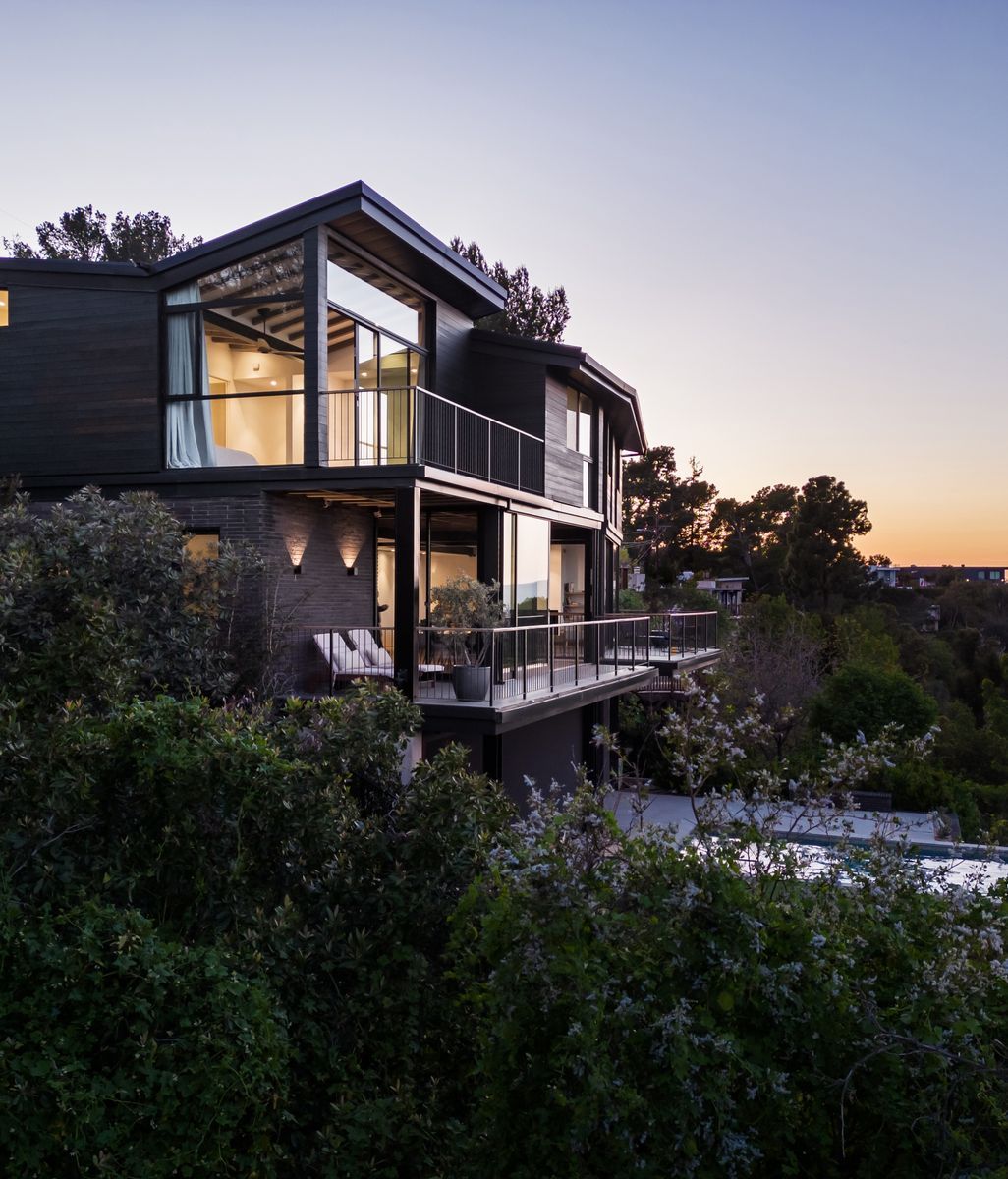
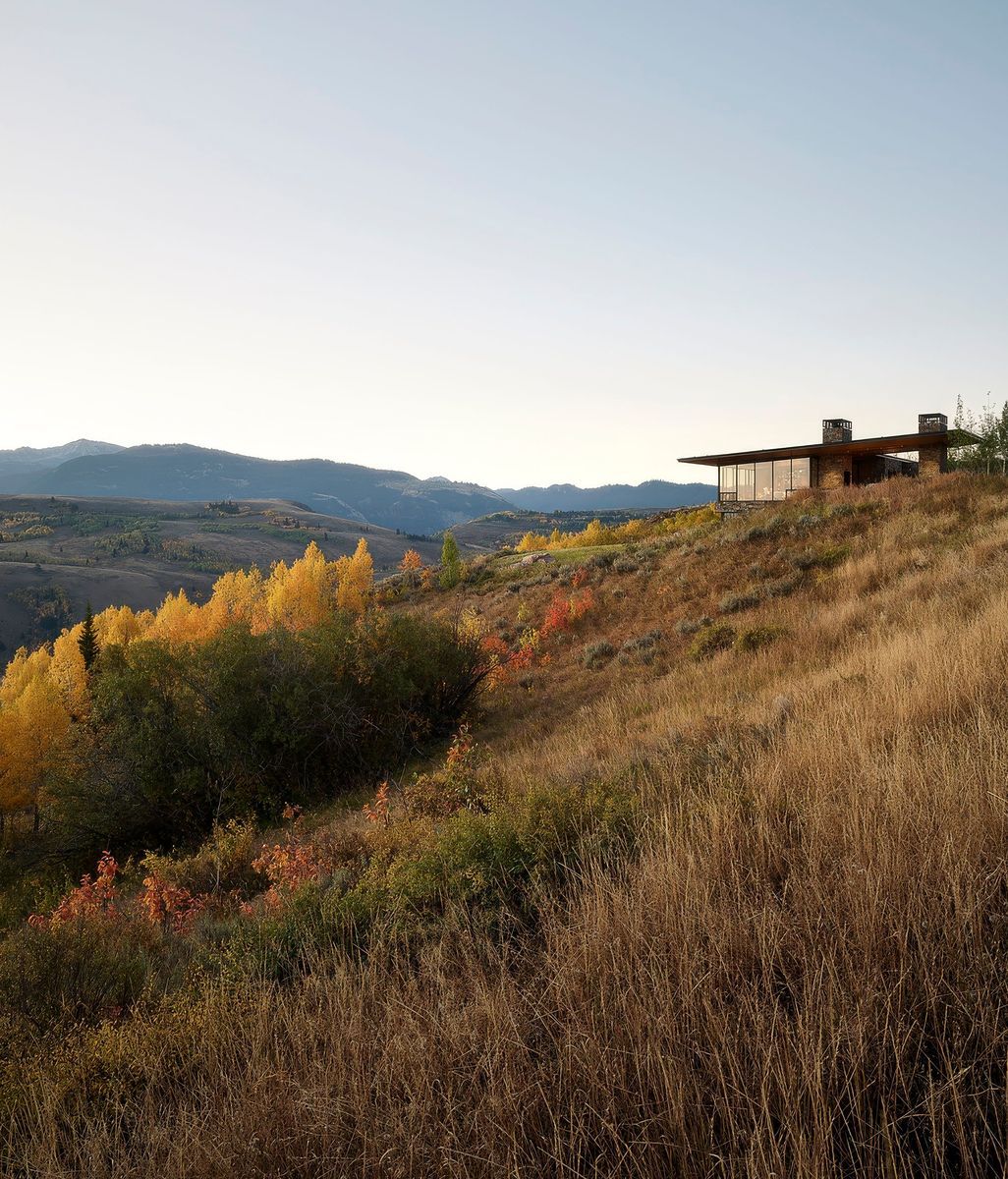
In order to gain some extra usable space, Michael Gale Architect cantilevered part of the home out over the driveway (left) coming up the hillside below. This created possibly the most beautiful room in the house which is physically reaching out into the adjacent forest of Oaks.

What twelve years have built

Over twelve years, we’ve had the privilege of working with thousands of architects, designers, builders and brands. What Milot has come to appreciate most is how a project introduces people to the professionals behind it. “When someone discovers a home they love, their curiosity naturally extends to the person who designed it,” he says. That belief has shaped how we present projects and portfolios, and the stories we tell about the people behind them. 

© Mellon Studio

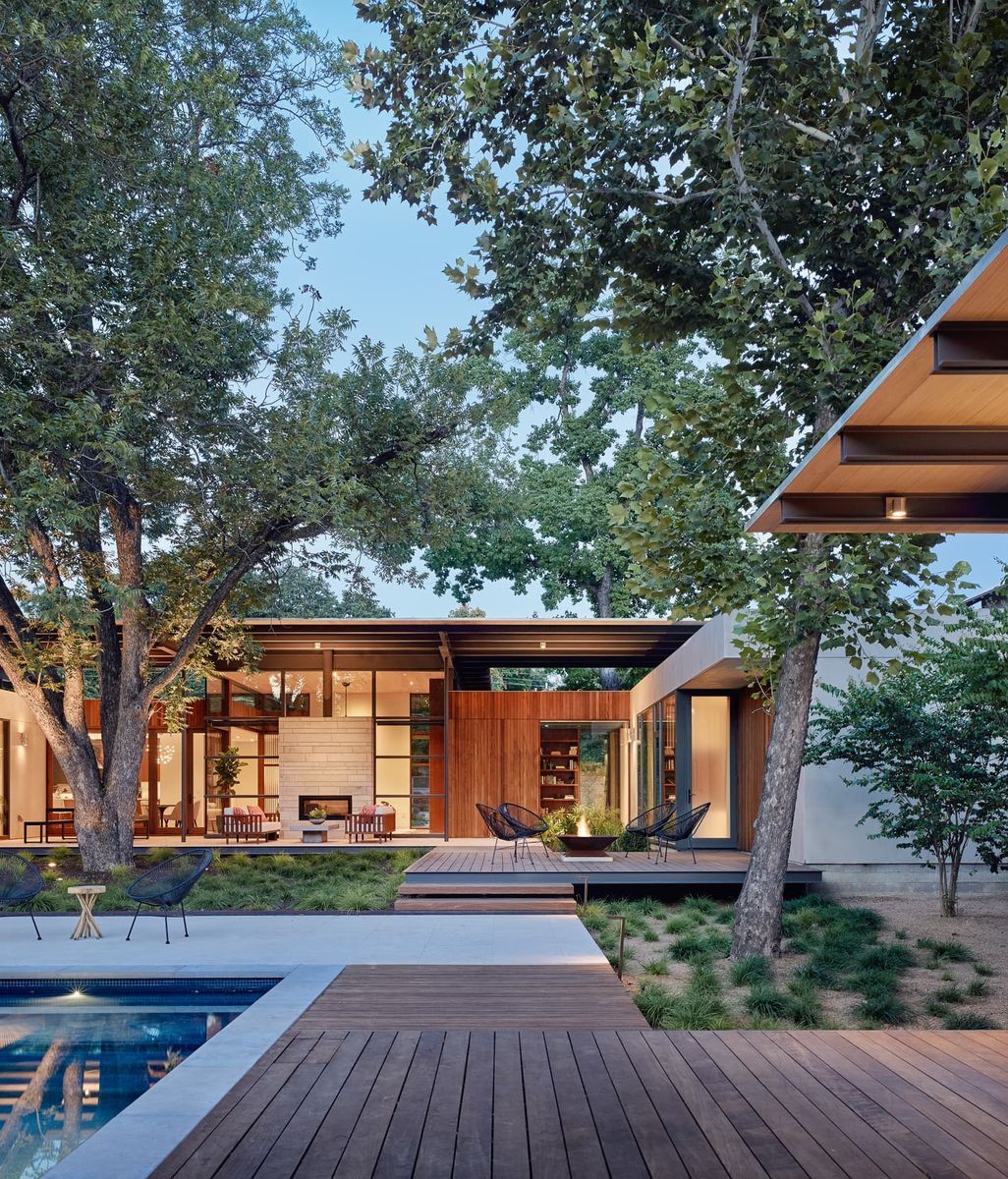
Mathew McGrane Architects have crafted the courtyard house as a refined exemplar of modern residential design, seamlessly integrating the principles of spatial layering and visual harmony. The layout is meticulously conceived to wrap around a central courtyard with a beautiful maple tree as a centerpiece. This fosters a sense of depth and exploration within the domestic environment.

Why America, and why now

On November 1, 2026, we launched in the United States, following a soft launch in June. We brought our belief in the professional with us. Milot calls America “one of the world’s most influential architecture and design markets,” and says that “there is an incredible depth of talent and knowledge that deserves to be discovered and celebrated.” Our ambition is “to build a platform that represents this work beautifully, gives homeowners a deeper understanding of the people responsible for creating it, and makes it easier for meaningful connections to happen.”

We want each market to keep its own character. Someone building a home in Los Angeles should be able to explore the people and products that fit their market, just as someone in Auckland or Melbourne can in theirs. And because our platforms are connected, there’s something in it for everyone. “There is something exciting about the possibility of someone in New York discovering a beautiful home in Auckland, or someone in California being inspired by a project in Melbourne,” Milot says. On our American platform, homeowners can contact firms directly, and products link out to brand sites for purchase. We vet professionals before they’re listed. We’re investing in new technology as well, Milot explains, but “the expertise of architects and designers will remain central to everything we do.”

© Matthew Millman

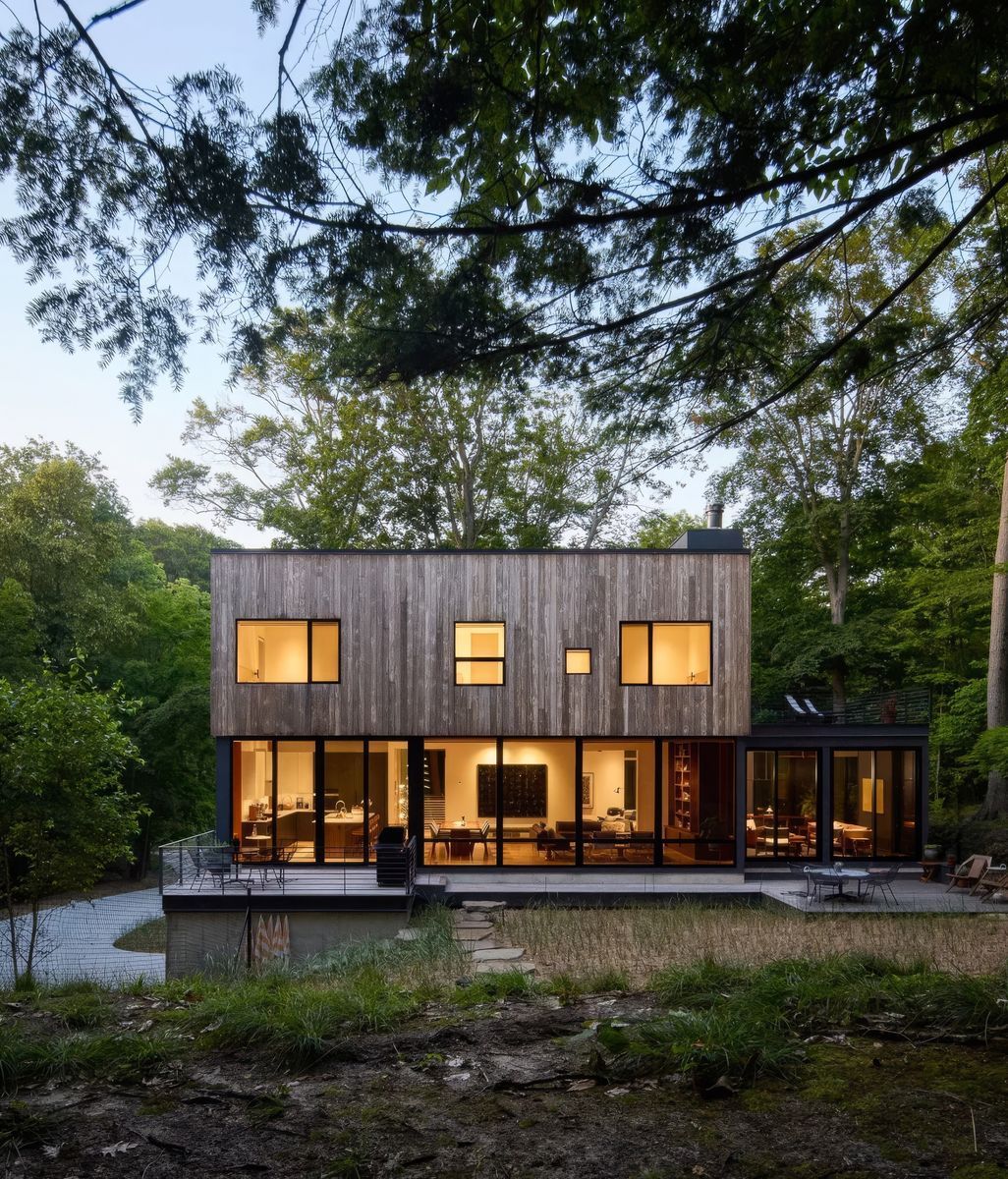
The House of Light & Shadow by William Duff Architects is a residential remodel that pairs traditional Victorian details with modern design. The redesigned rear facade, featuring Western Red Cedar siding and large glazed sections create the home’s connection to the outdoors.

Why the Founding Members said yes

More than 200 American architecture and design firms have committed to joining us as Founding Members. We asked some of the most respected among them why they joined, what they believe ArchiPro can bring to the American industry, and what excites them about what’s next.

© Brian Thomas Jones

At Aaron Neubert's Arroyo Oak House, the project's most demanding detail, structurally, is a cantilevered staircase wrapped entirely in wood with no visible support and engineered around tube steel embedded deep in the adjacent wall. It was fabricated not by a stair manufacturer but by the clients’ own aerospace manufacturing facility, whose team worked directly with Neubert’s to prototype and execute it, a level of custom fabrication he says he wishes he had on every project.

What drew them in

For several, it started with what we’d already built elsewhere. Mathew McGrane saw it first overseas. “I saw the presence and the aesthetic that ArchiPro has established overseas,” he says, and he wanted in from the start. “I want to be a founding member.” What he found was a community. “For me it was being a part of a community of individuals that truly care about what they’re doing.”


Aaron Neubert of ANX had followed Australasian residential design for years, and we were part of how he did it. “The platform has consistently showcased many of the region’s leading firms and projects, making it a trusted and inspiring resource within the industry,” he says. The team at PBW Architects came looking for something practical. “The biggest thing we’re looking for in a platform such as ArchiPro is visibility and ability to connect with like-minded clients.” And John Feldman, principal of Ecocentrix Landscape Architecture, was drawn to the idea of a more selective home for the work. “What feels compelling about ArchiPro is the opportunity to create a more curated and design-focused ecosystem.”

What they believe it can bring to the American industry

The word that comes up most is fragmentation. “One of the biggest challenges in the U.S. design industry is fragmentation,” says William S. Duff, Jr, FAIA, LEED AP, of William Duff Architects. “What’s compelling about ArchiPro is that it brings those pieces together in a more thoughtful and curated way.” For Mark Elster and Joey Osborne, principals of AOME Architects, the problem is structural. “The industry still operates across disconnected platforms and workflows,” they say, and “good work doesn’t happen in isolation.” Cavin Costello of The Ranch Mine puts the gap in one line. “What the U.S. lacks is infrastructure for context.”


Others point to what that connection means for a client. “People are bombarded with images and video today,” PBW Architects says. “They need a trusted, well-designed visual resource to find the architect that is the right fit for them.” Neubert sees the same problem from the specification side. “It has become increasingly difficult to translate inspiration into actionable specifications,” he says, and ArchiPro “streamlines that process by providing credible sourcing from the outset.” For Karen Frome, AIA, principal and founder of Rise Projects, the appeal is the whole. “I love the holistic nature of ArchiPro,” she says. “Putting them all together on one platform makes so much sense and simplifies the process for everyone involved.”

© Ecocentrix Landscape Architecture

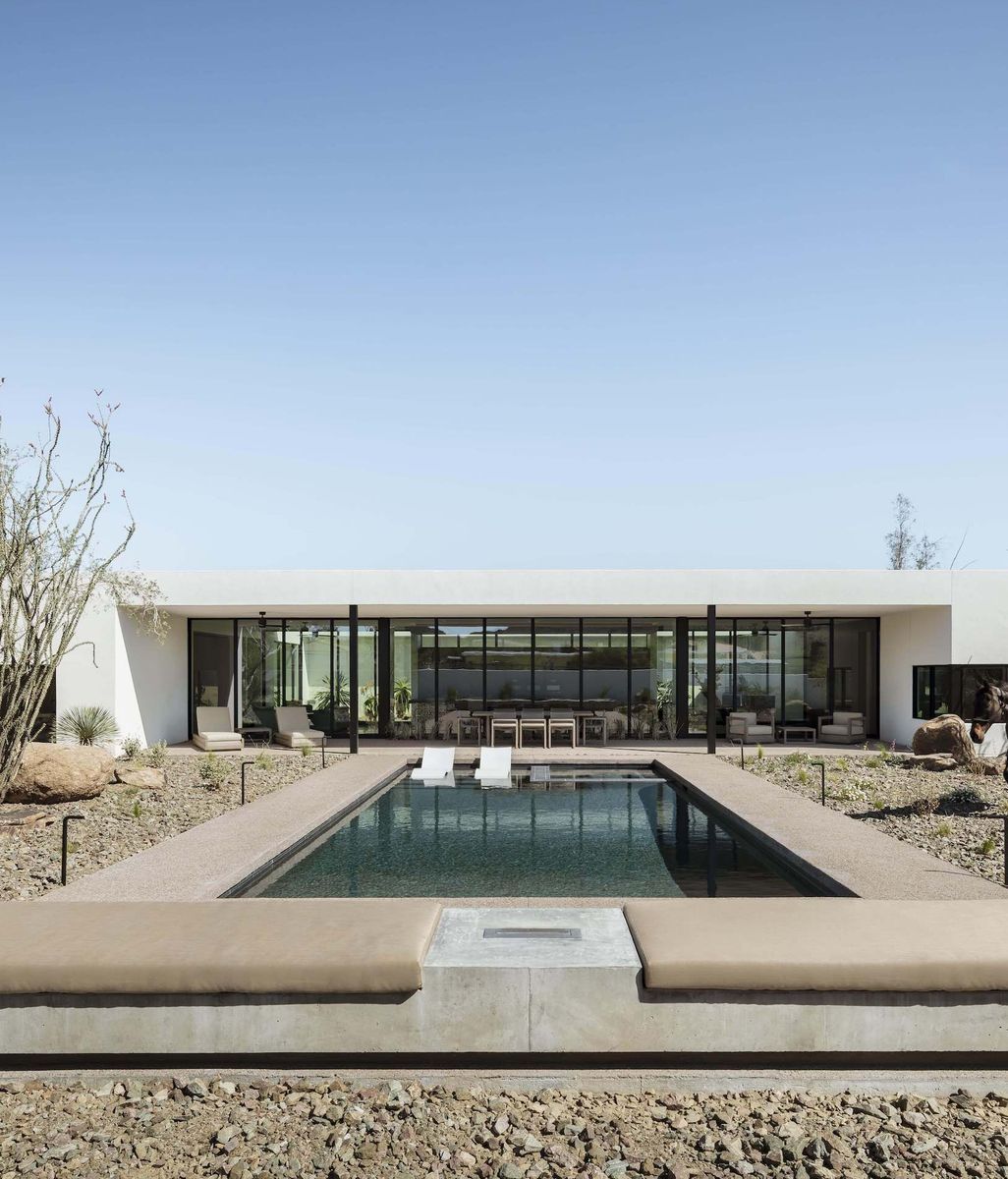
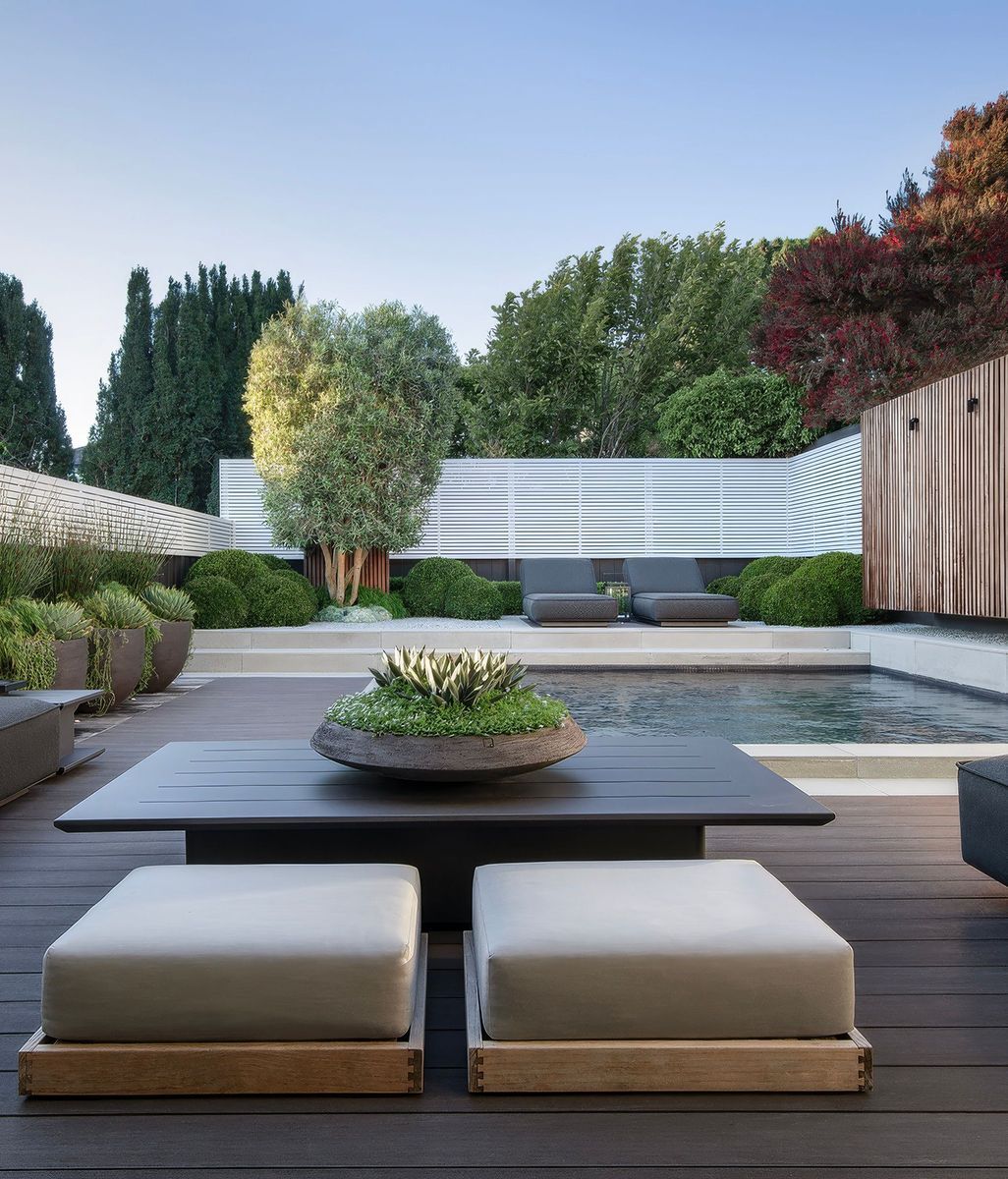
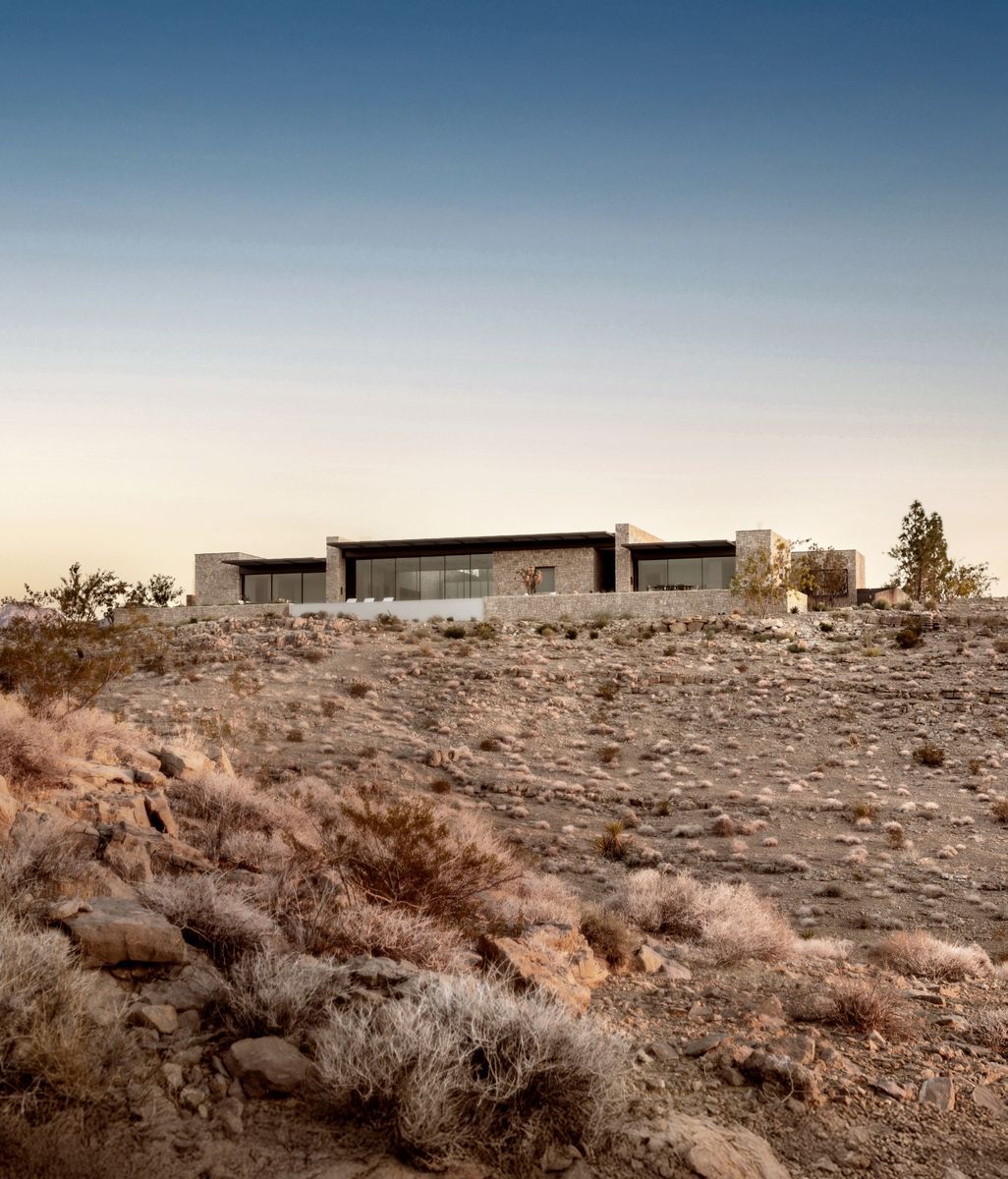
Located within El Dorado Estates in Indian Wells, the Desert Oasis Show House exterior by Ecocentrix Landscape Architecture reinterprets a mid-century residence through a landscape inspired by island living and desert context. The design transforms the property into a cohesive outdoor environment centered on gathering and flow.

© Courtesy Vehrs Real Estate Miranda Estes

Set on a private three-acre property surrounded by old-growth trees in Woodway, Washington, this French Country inspired estate by AOME Architects began as a singular vision: to build an authentic European estate using historic materials, traditional craftsmanship, and enduring architectural principles.

Michael Gale, AIA, sees a meeting place. “What ArchiPro represents is a kind of democratic forum,” he says. “It increases the chances of cross-pollination.” And Standard Architecture sees a shift in who gets credit. “The U.S. design industry has long treated architects and designers as service providers rather than authors of work,” the firm says. “ArchiPro changes that, placing the portfolio at the center, and the professionals as the talent.”

What excites them about what’s next

AOME’s principals see a more connected profession. “A fully integrated approach feels less like a luxury and more like the natural direction the profession is heading toward,” they say, and “a global platform has the potential to make the exchange of ideas, materials, and expertise more immediate and accessible.”

Feldman looks toward what this can become. “The next evolution is creating trusted ecosystems where discovery, education, specification, and professional connection happen together.” Duff expects clients to want the same thing. “Curated platforms that prioritize quality, relationships, and design integrity will become increasingly important.” And Costello looks a decade ahead. “The platforms that win the next decade will be the ones that can hold the longer, more textured story of how a place comes together.”

What comes next

We believe the best projects begin with the right architect or interior designer. The people who commission, design, and supply a home have always depended on one another. We’re building a place where those relationships are visible, whether you’re preparing to build, specifying a project, or simply curious about how good spaces are made. It’s a belief that has shaped us from the start: better homes create better communities, and better communities create better cities. As Milot puts it, “that’s what this has always been about for me: the places we create and the lives that unfold within them.”

Explore ArchiPro in the United States, browse the work of our Founding Members, and discover the professionals and products behind the projects you love.