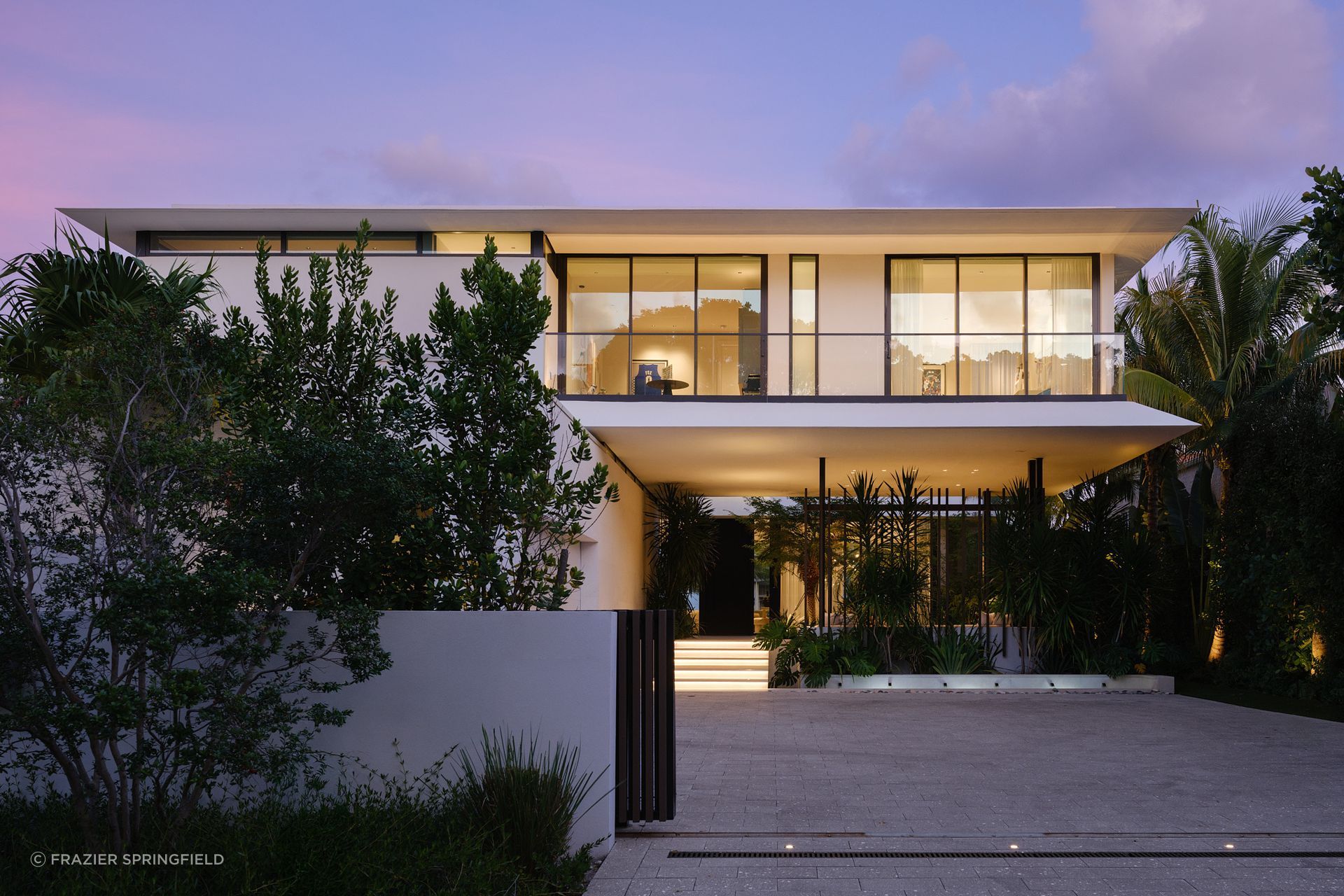
The Architecture Firm Named for What It Does, Not Who Runs It
Written by
22 September 2026
•
5 min read
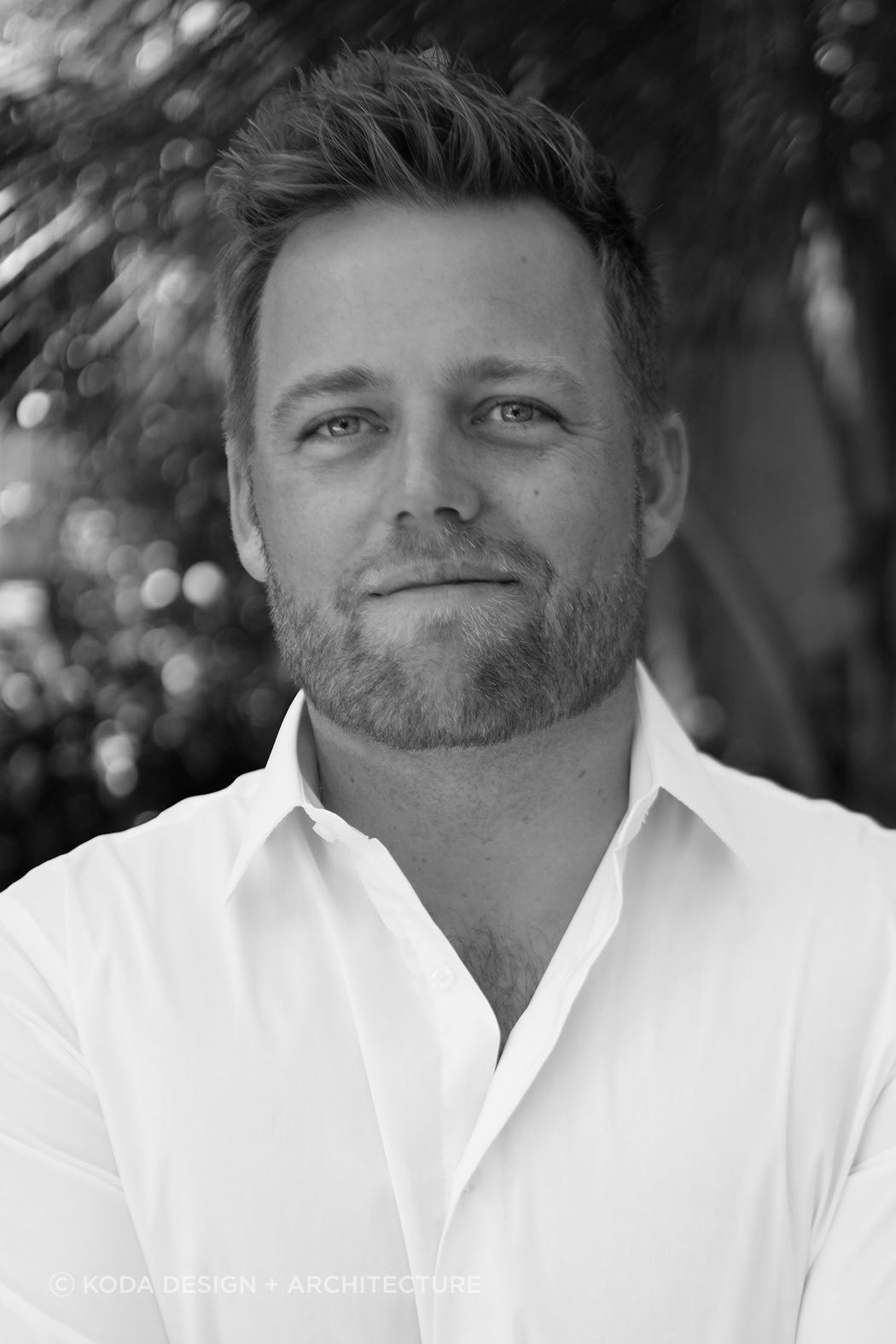
Wesley Kean opened the firm at 30, young enough, he says, that if it didn’t work out he could always go back to working for someone else. He’d already spent time at other offices by then, some good, some not, and had come away with a specific frustration: a lot of production, not much soul behind it. “I was nervous when starting my firm,” Kean says, “because I thought maybe the market isn’t ready for that sort of meaningful, purposeful driven work. The idea of opening my own practice was a way of proving myself wrong.” Eleven years later, he says the market turned out to be hungry for exactly that.
The firm’s full name, Kean Office for Design and Architecture, is meant as a position as much as a title. “It’s a group of professional creatives that stand for purposeful and meaningful architecture,” Kean says. Leaving his own name off the practice was just as deliberate. “I don’t believe it should be about any one person,” he says. “I find that the best ideas come out of collaboration.” The studio today is a team of twelve designers, architects, and critical thinkers, working from a shared process but bringing genuinely individual ideas and experience to it.
That same instinct shapes how the firm designs. It explicitly rejects a signature style, and Kean is candid that it’s not the easiest position commercially, plenty of architects build a practice on recognizability, a look people can point to on a drive down the street and hire directly. “We don’t know any other way of working, frankly,” he says. Pursuing something meant to last, in his view, requires digging into what’s actually specific about a site, sometimes a detail about the client, sometimes a historical or cultural reference about the place itself, rather than defaulting to a repeatable formula. “These are the things that make projects unique, make them distinctive,” he says, “and make them worth saving over time.”
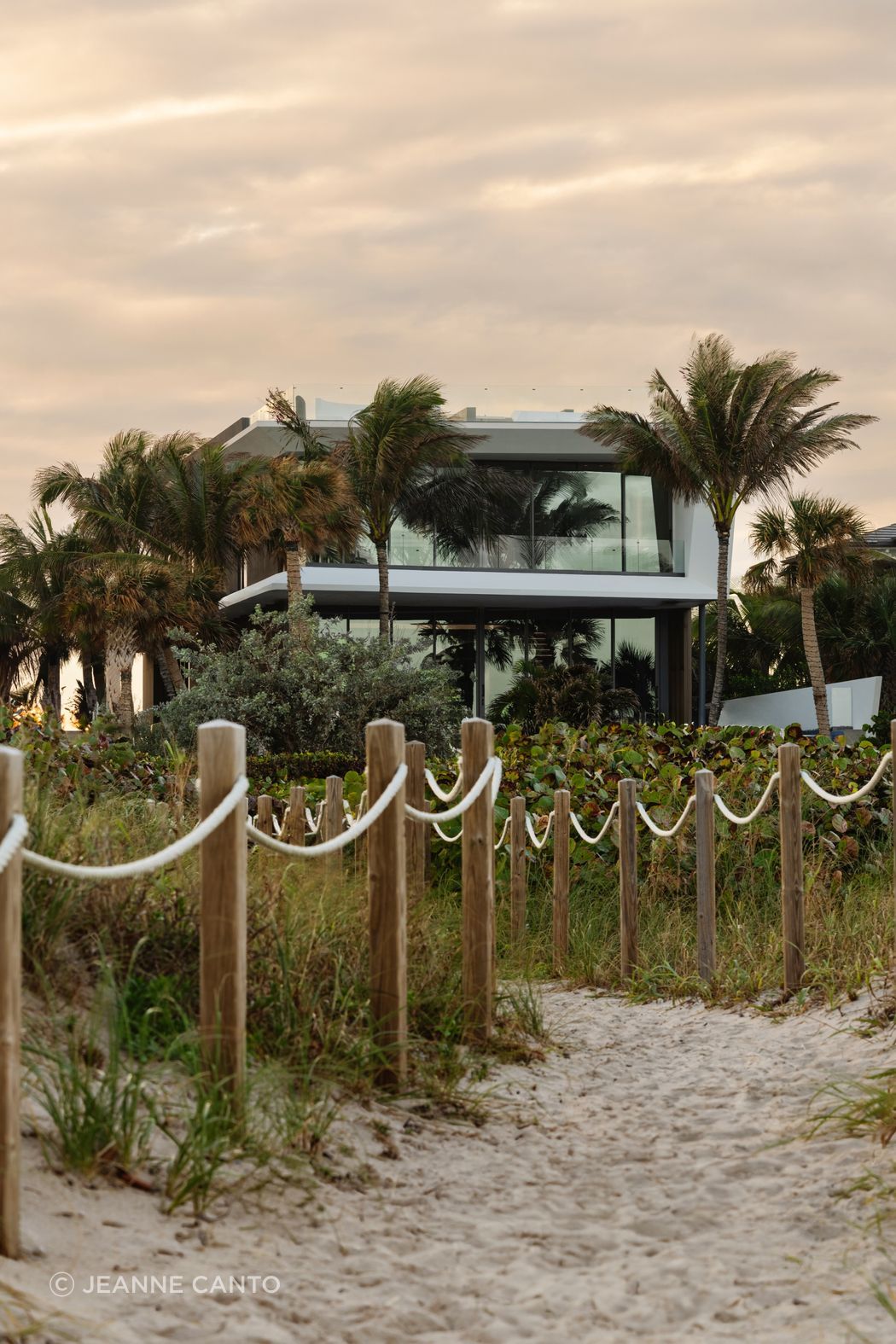
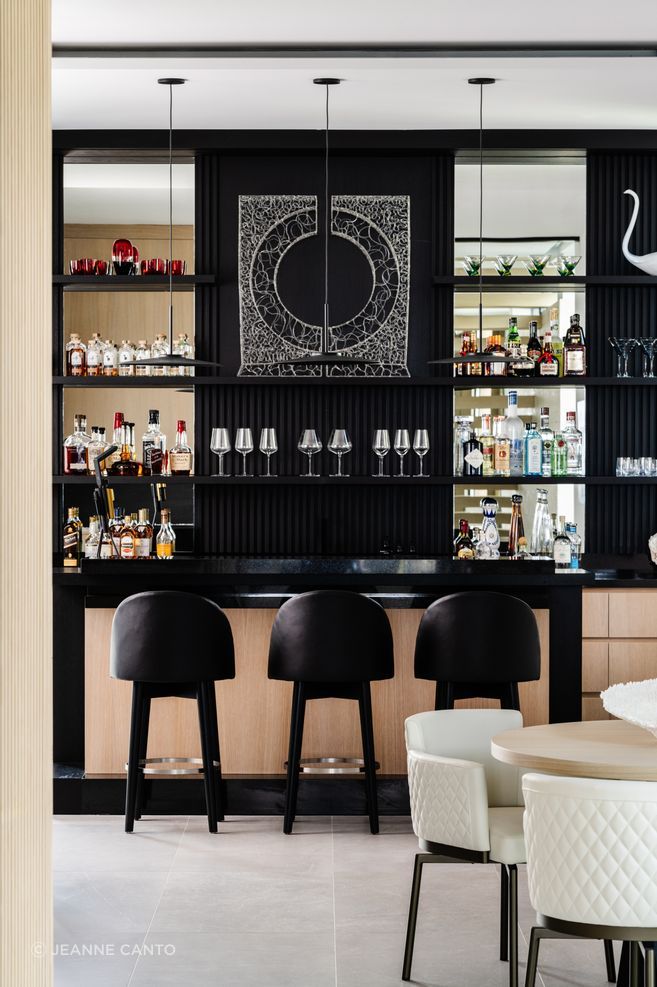
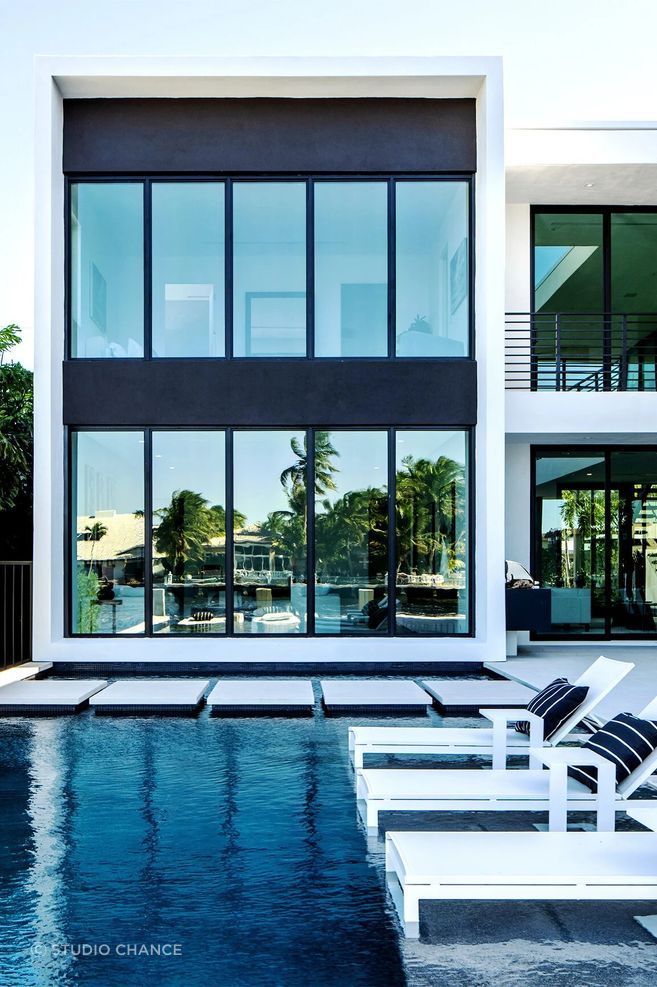
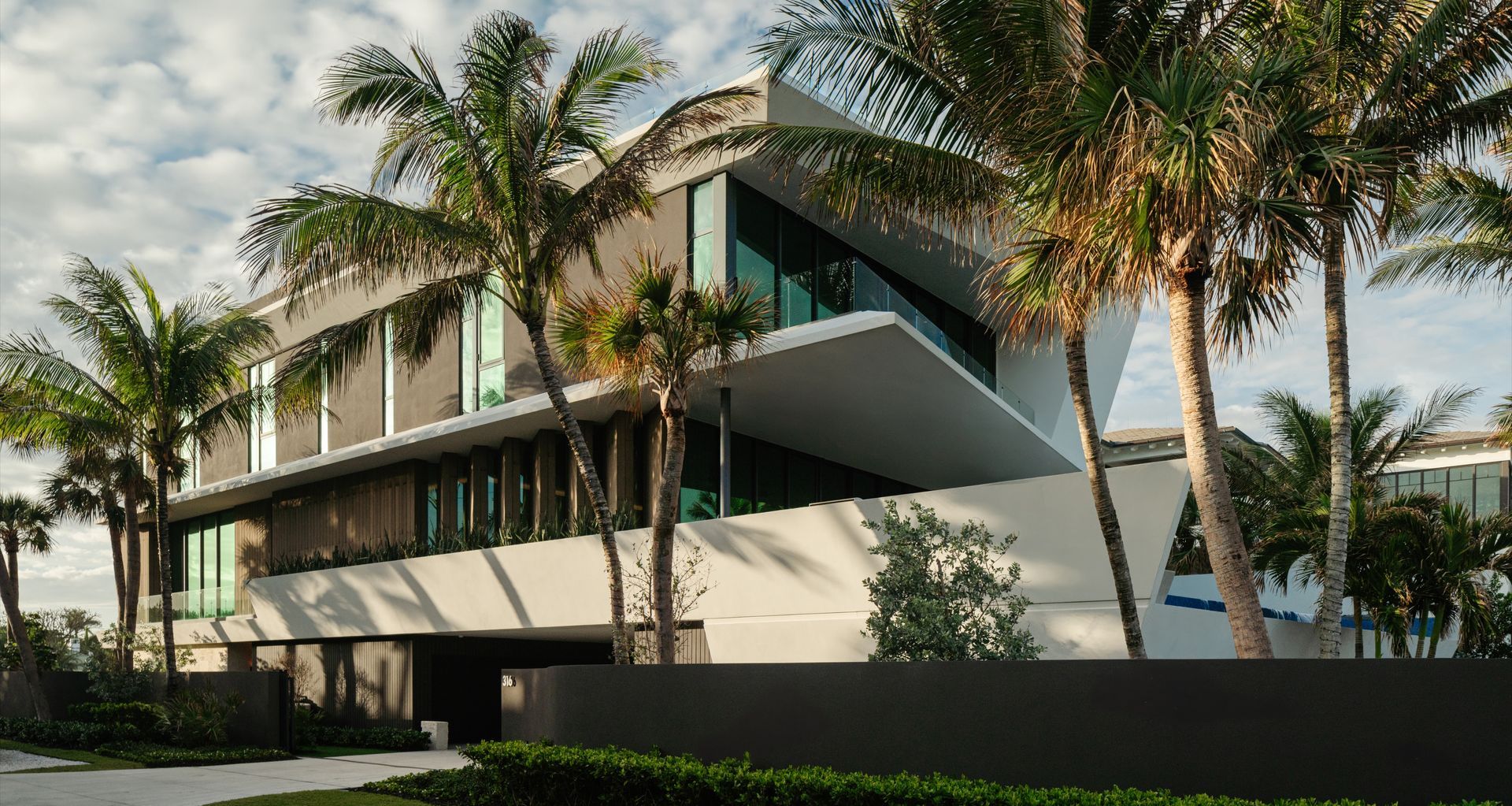
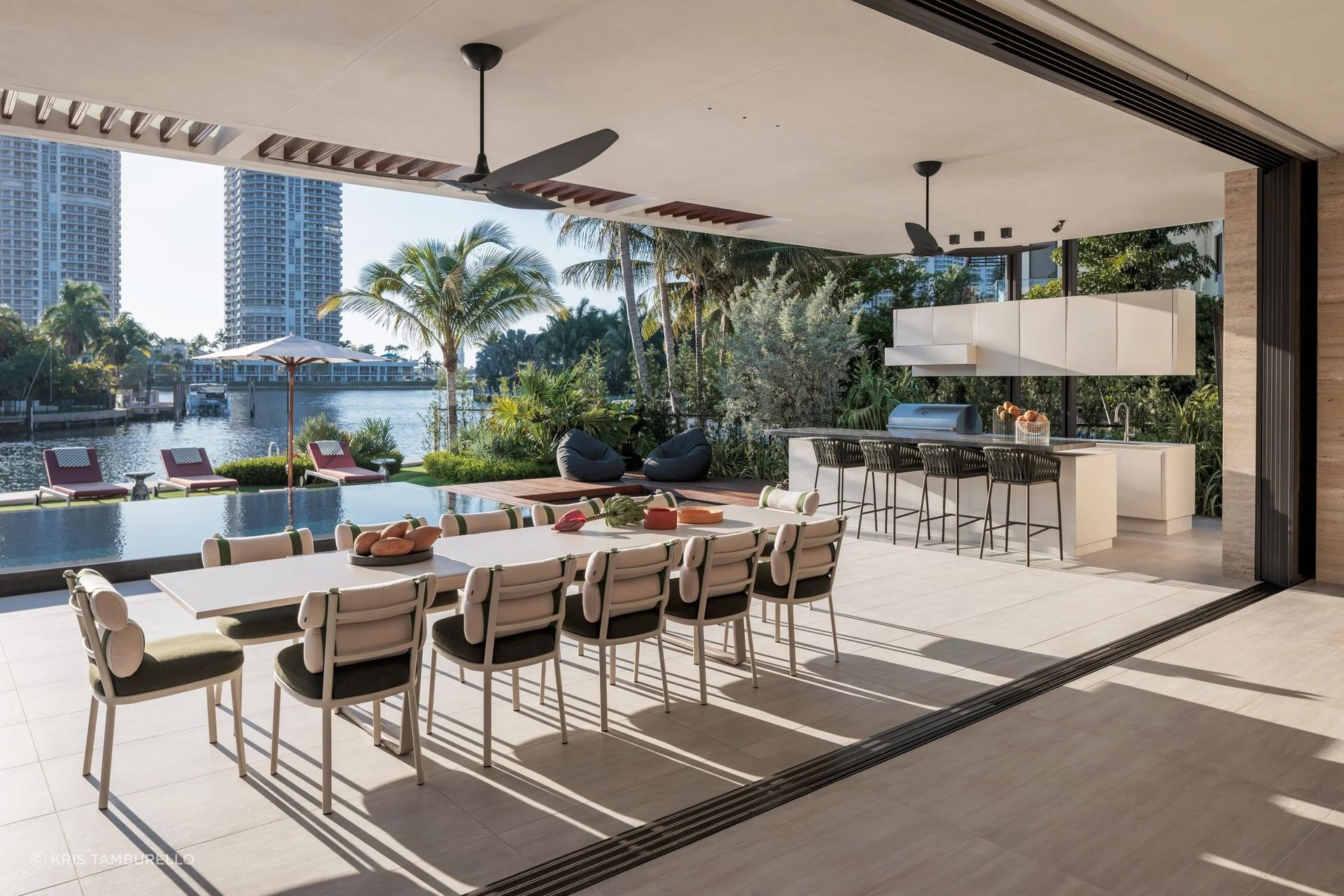
Based in Miami, the studio treats resilience as something closer to a sensibility running through every project than a checklist reserved for explicitly sustainable ones. The firm has LEED-certified work, solar panels, cisterns, and high-efficiency glazing among its projects, but Kean is quick to point out how much of that environmental thinking is performative rather than prescriptive, like quieter, less obvious moves like a courtyard doing real cooling work the way it did for generations before air conditioning existed. “There’s no reason we can’t continue to use those design tools in today’s work,” he says, recalling site visits where the team has felt genuine cross-ventilation moving through a space mid-construction, before it’s even enclosed. An in-house research arm lets the studio think more radically about resilience, sea-level rise, storm resistance, building higher, academically, alongside the more immediate, practical demands of an active project.
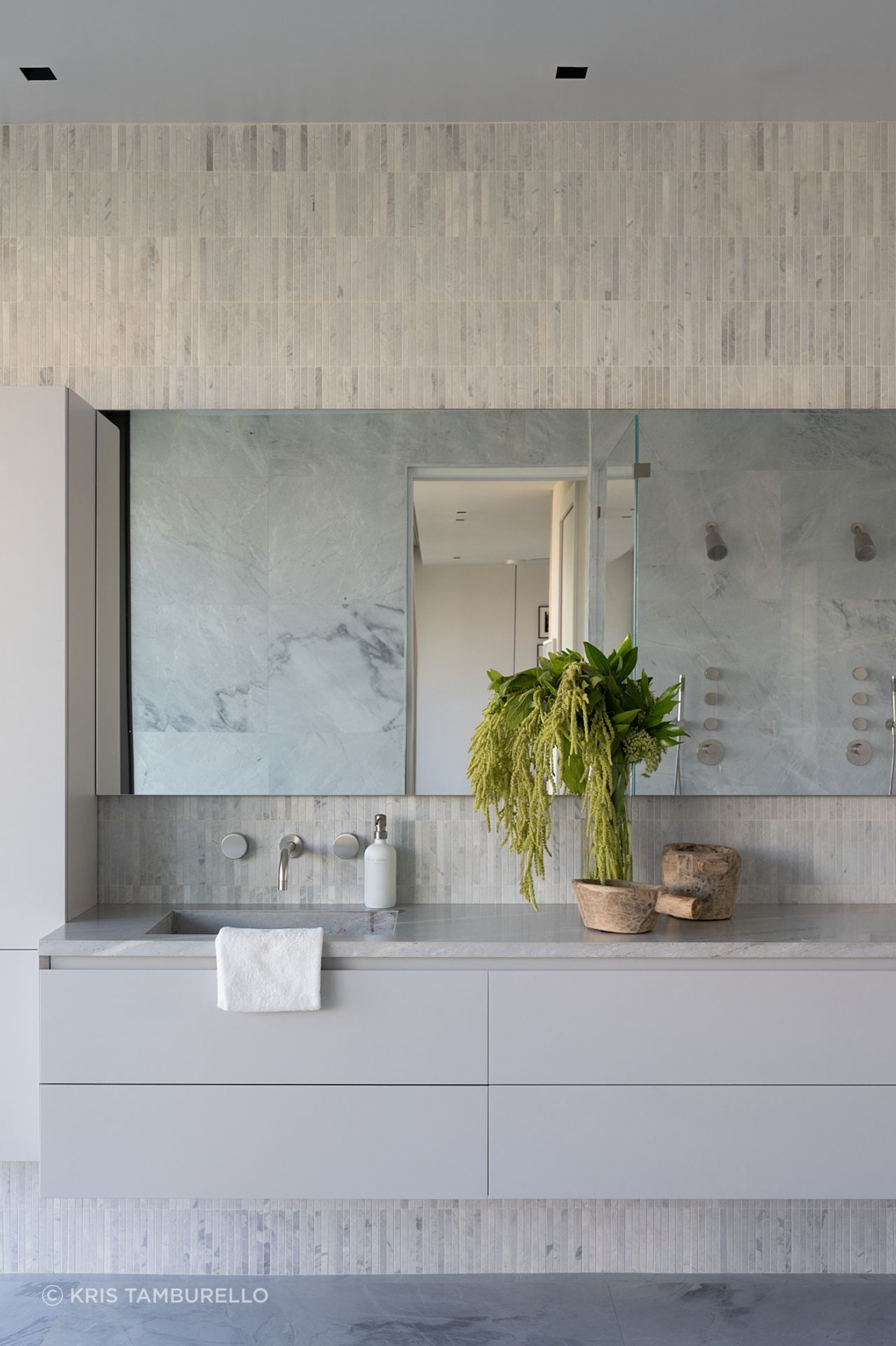
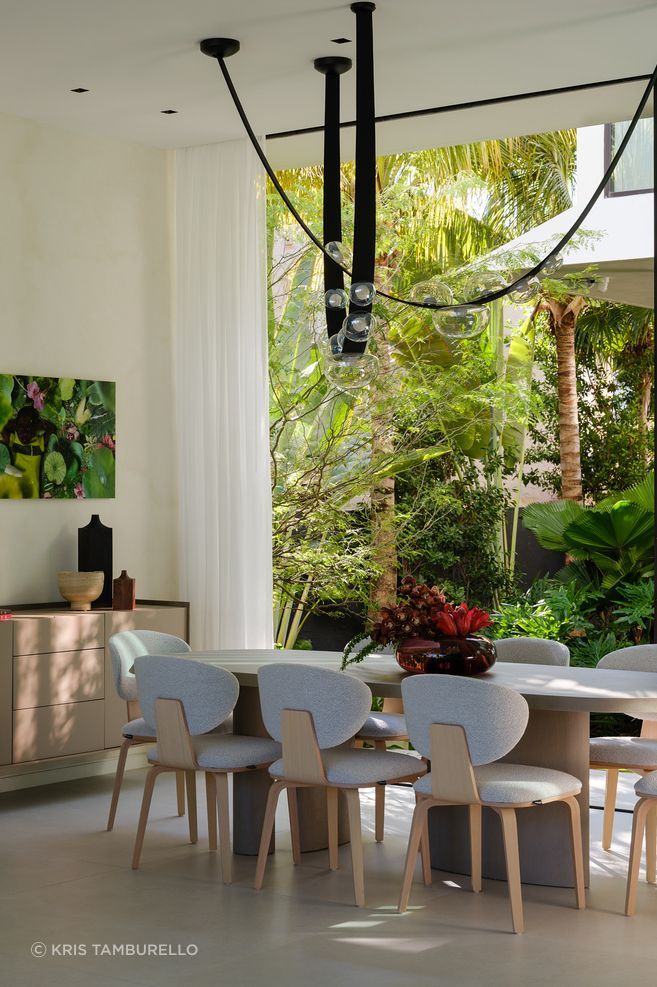
Kean describes architecture explicitly as a service, and treats client involvement as central to getting it right rather than a threat to the studio’s authority over a design. Too many clients, he says, come in having heard renovation horror stories from friends, so the firm leans on models, diagrams, and a deliberately legible presentation style to make the process something clients actually enjoy learning about, not just endure. That investment has paid off in relationships that outlast a single project. Some of the kids present in early design meetings for Parkway Residence, young at the time, have since interned at the firm. “That’s always a real blessing and a real proud moment for us,” Kean says, “because it means the impact of the work goes beyond a statement in the community. We’re fostering new architects.”
Asked what he wants the firm’s work to contribute to the national conversation around residential design, Kean pushes back on a long-standing hierarchy in the profession that treats homes as a lesser commission than a concert hall or a museum. He hopes the studio’s work demonstrates that houses can carry real design thinking at every scale, down to the smallest detail, and that the relationships built along the way matter as much as any single finished structure, part of a larger cultural narrative about how architecture responds to a place, particularly in a city facing the climate pressures Miami does.
That same conviction shapes his hope for a platform like ArchiPro. Architecture’s story, Kean notes, has moved from print media to social media without necessarily getting any deeper in the process, still mostly a conversation about finishes and color rather than the thinking behind them. “If you’re able to peel back the layers and showcase more of the process,” he says, “clients will see that this is more than the decorative aspects. It can be an element that has a positive improvement on the way I live or experience space.”
Explore KODA on ArchiPro, browse the studio’s residential projects across South Florida, and discover more architects and designers building a practice around a site’s own conditions rather than a signature look.