The Architect Who Doesn’t Want a Signature Style
Written by
18 September 2026
•
4 min read
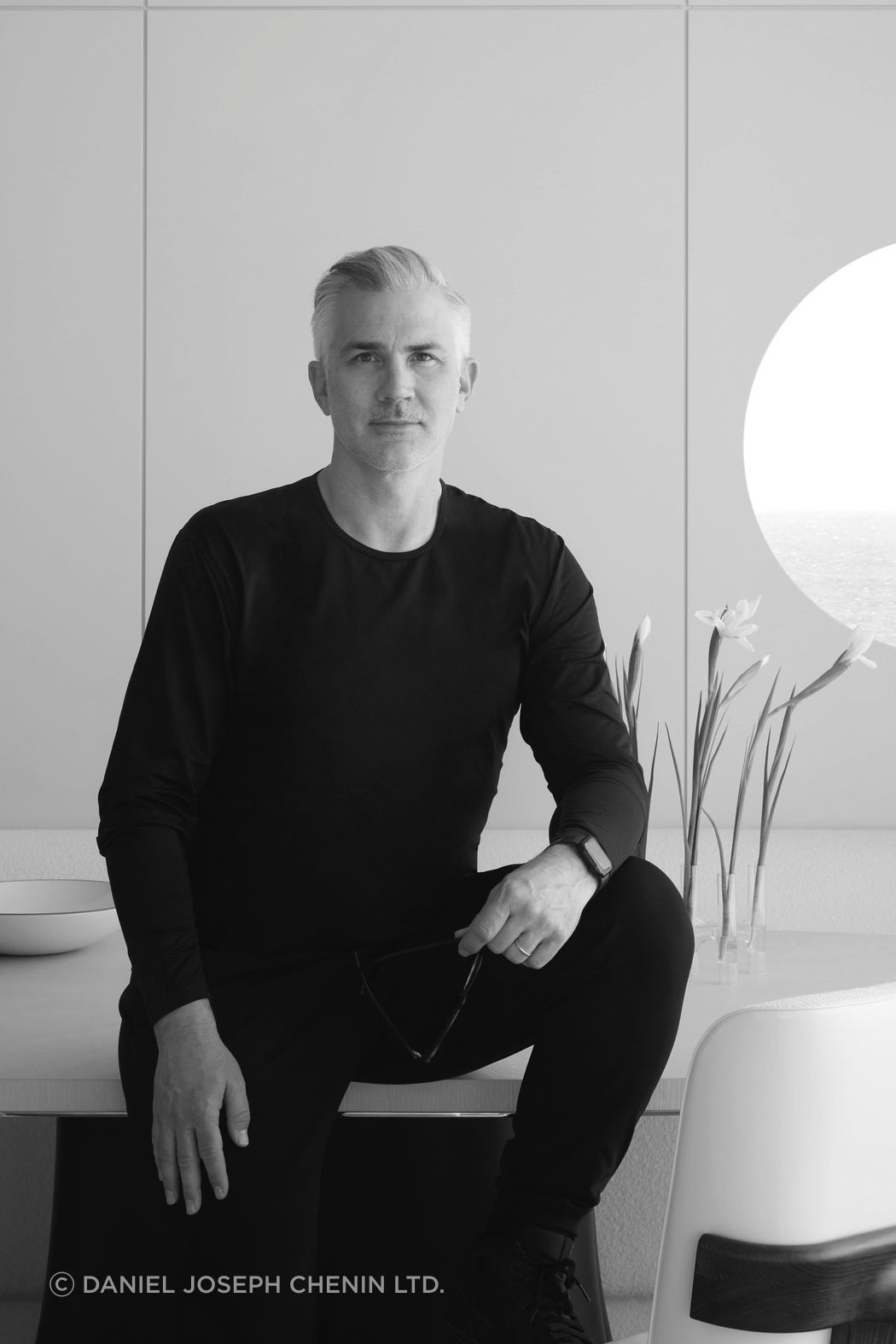
Before founding his own studio, Daniel Joseph Chenin designed resorts for brands including Four Seasons, Ritz-Carlton, and Auberge, where a single design team shapes every aspect of the guest experience—from arrival to departure. That integrated approach would eventually become the foundation of his residential practice, though it emerged almost by accident.
While serving as design director at the hospitality design firm owned by Todd Avery Lenahan, Chenin was asked to design Lenahan's own home after working closely with him for more than a decade. Running the project the same way Chenin and Lenahan had collaborated for years—with architecture, interiors, landscape, and procurement coordinated by a single team rather than divided among separate consultants—convinced him there was a different way to practice residential design. "This was easy," he remembers thinking. "We weren't fighting a developer, an architect, or a landscape architect. Everyone was working toward the same vision." The experience became the blueprint for the studio he officially founded in 2014.
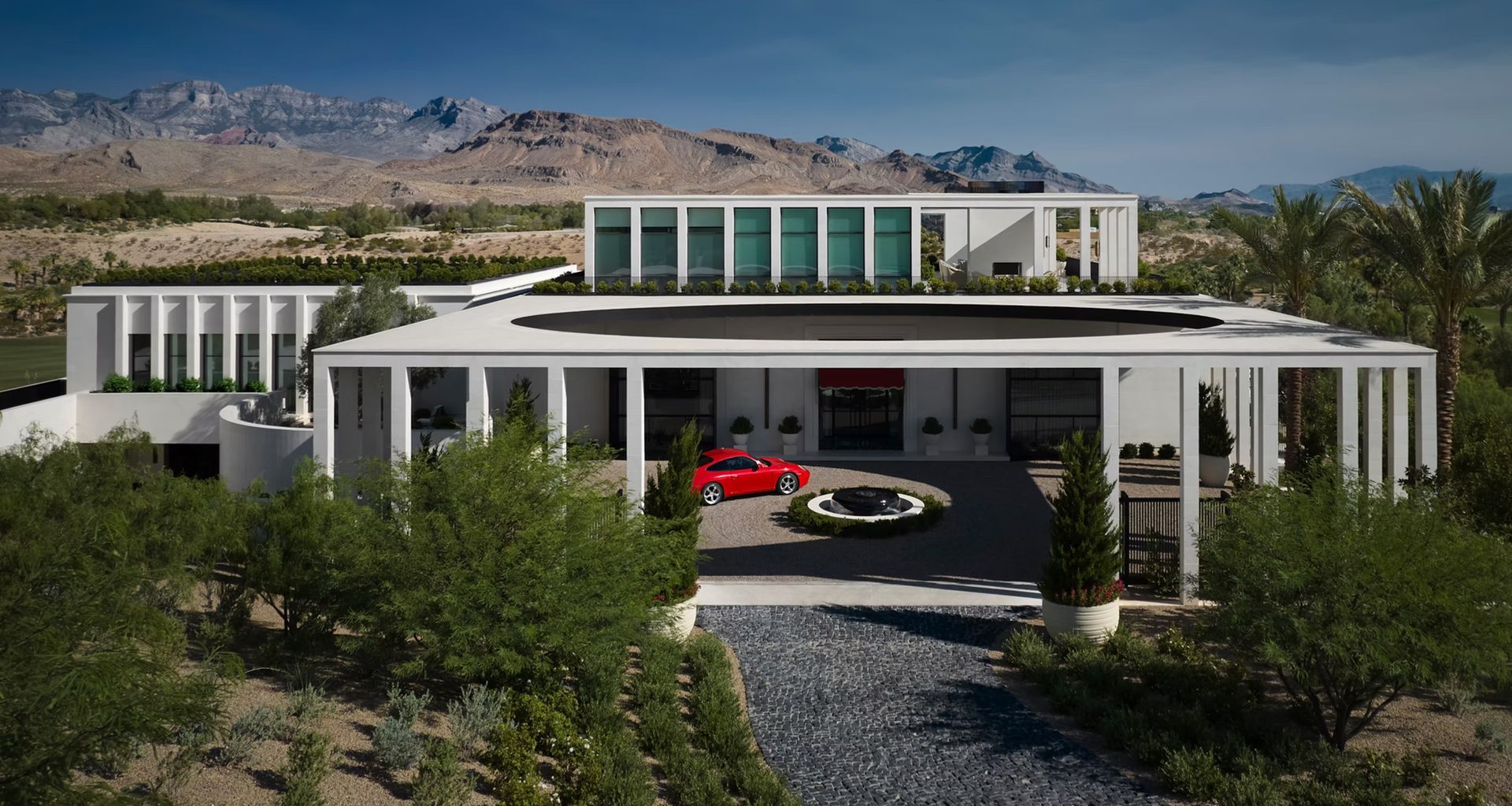
The studio is based in Las Vegas, Nevada, a market Chenin says gets dismissed as a design capital of nothing but casinos. He frames the location as an asset rather than a liability. Within twenty minutes, the city moves from a dense urban strip to untouched desert, and the climate swings from freezing to 120 degrees. Designing for those extremes, he says, is “almost like we’re running with a 50-pound backpack on,” so that calmer climates elsewhere feel easy by comparison, “we’re able to outrun anyone.” Notably, most of his Las Vegas clients aren’t local. They tend to be people who relocated from other markets and already understand what the studio offers.
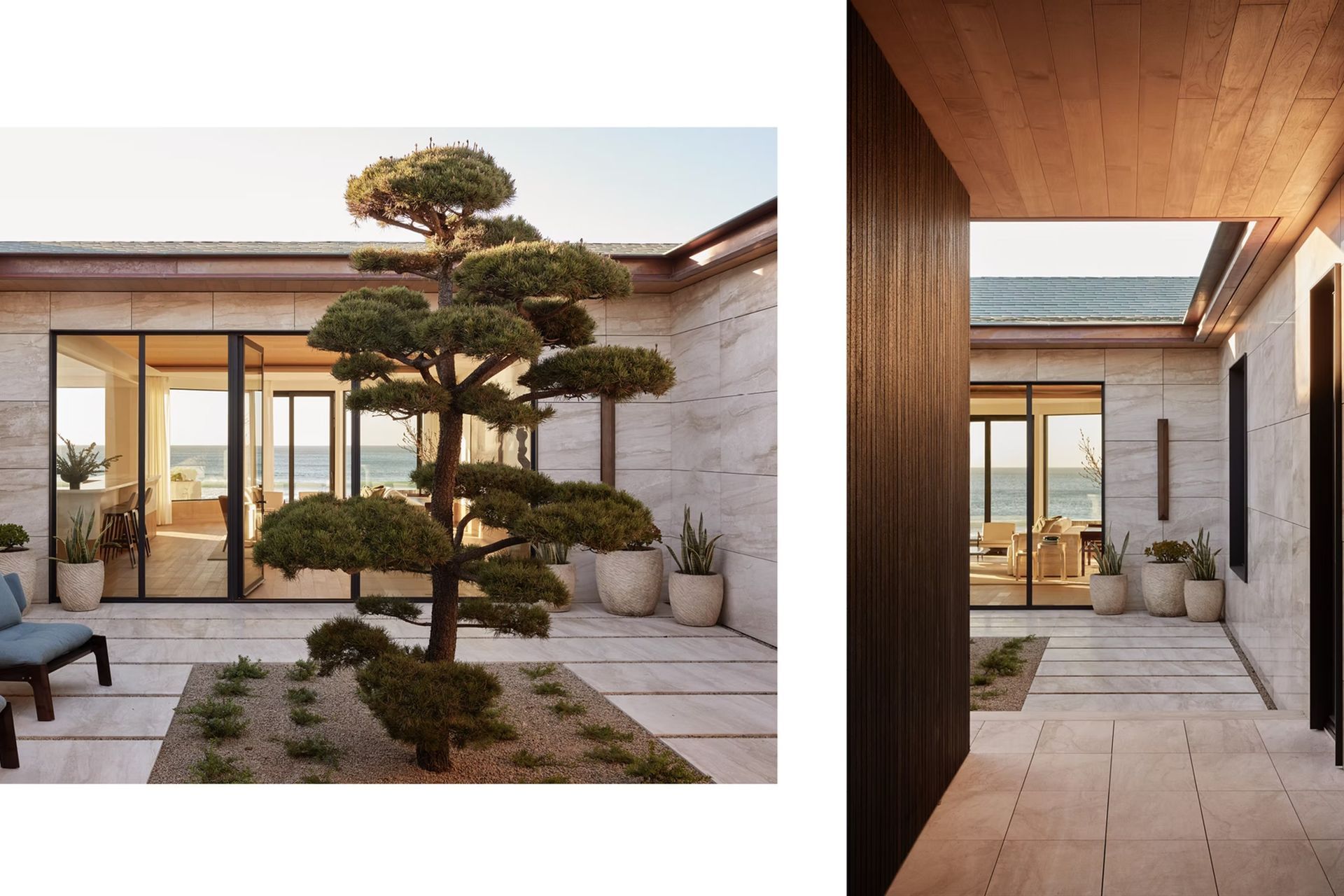
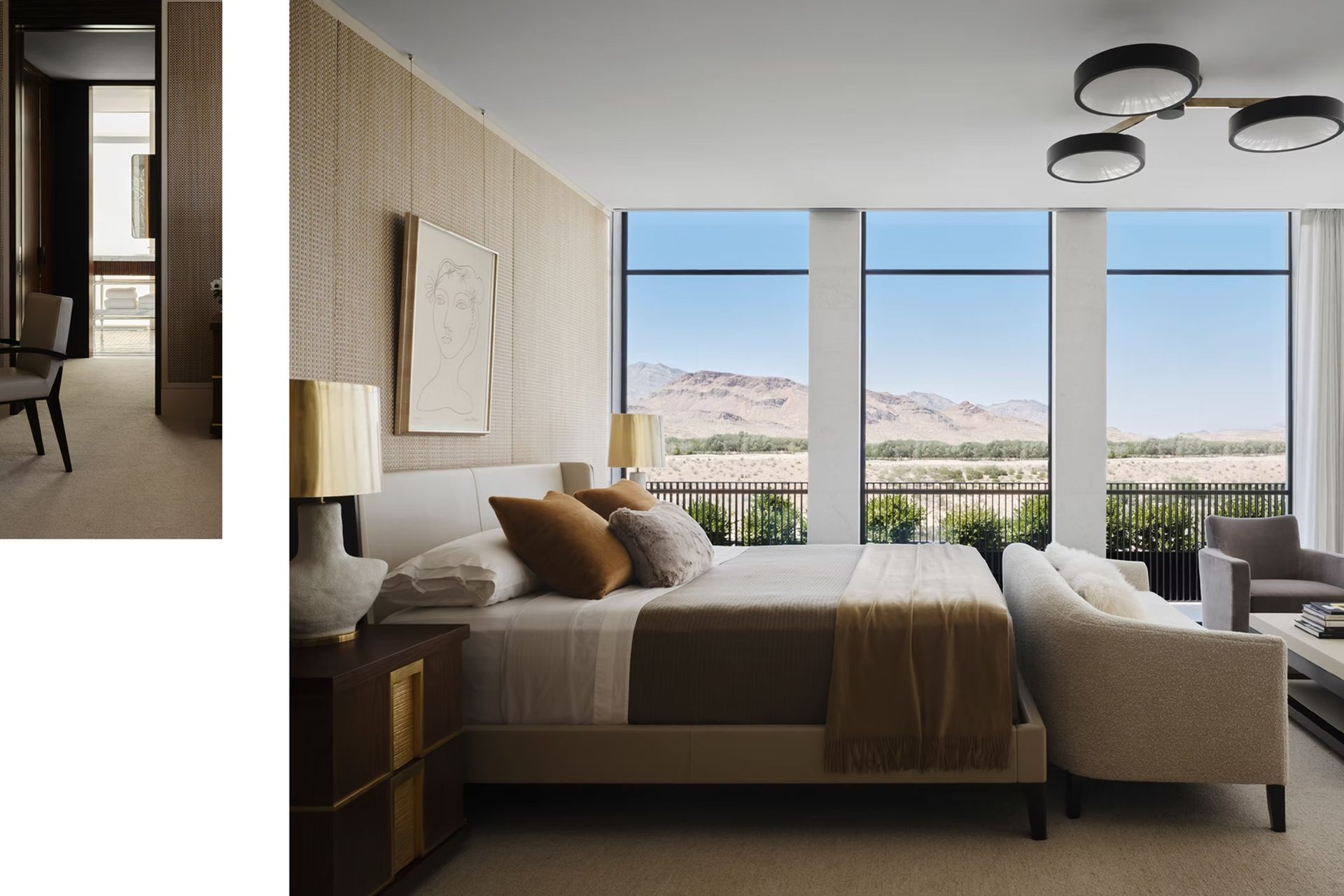
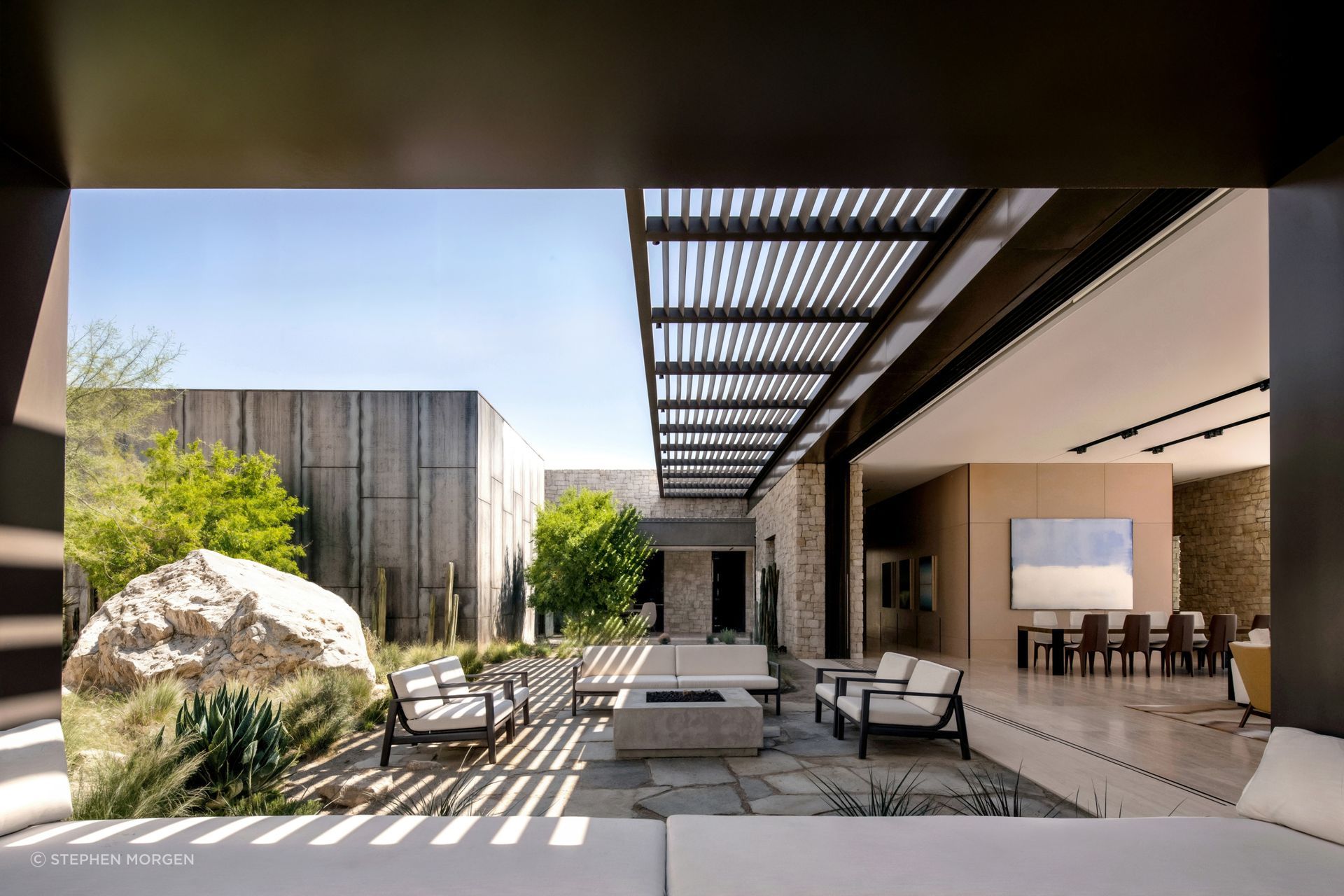
Chenin describes the studio’s process as “1 plus 1 equals 3”: the client’s brief, plus the site and its context, which combines into something neither could have produced on its own. He resists developing one repeatable aesthetic signature, pointing to how differently Fort 137 reads next to other studio projects, and calls that variation a strength, even though he admits it makes the practice harder to market. What stays consistent, project to project, isn’t a look, but a method: understanding the site and the brief first, then designing the interior spatial plan before the architecture, working from room proportions and circulation outward rather than the reverse. He describes the studio, half-jokingly, as “more like an interior design studio practicing architecture.” The goal was never a striking form for its own sake, he says: “It’s not necessarily about creating this wonderful sculptural piece of architecture that looks great if you’re a bird flying around it. It’s more about creating a wonderful experience living in it.”
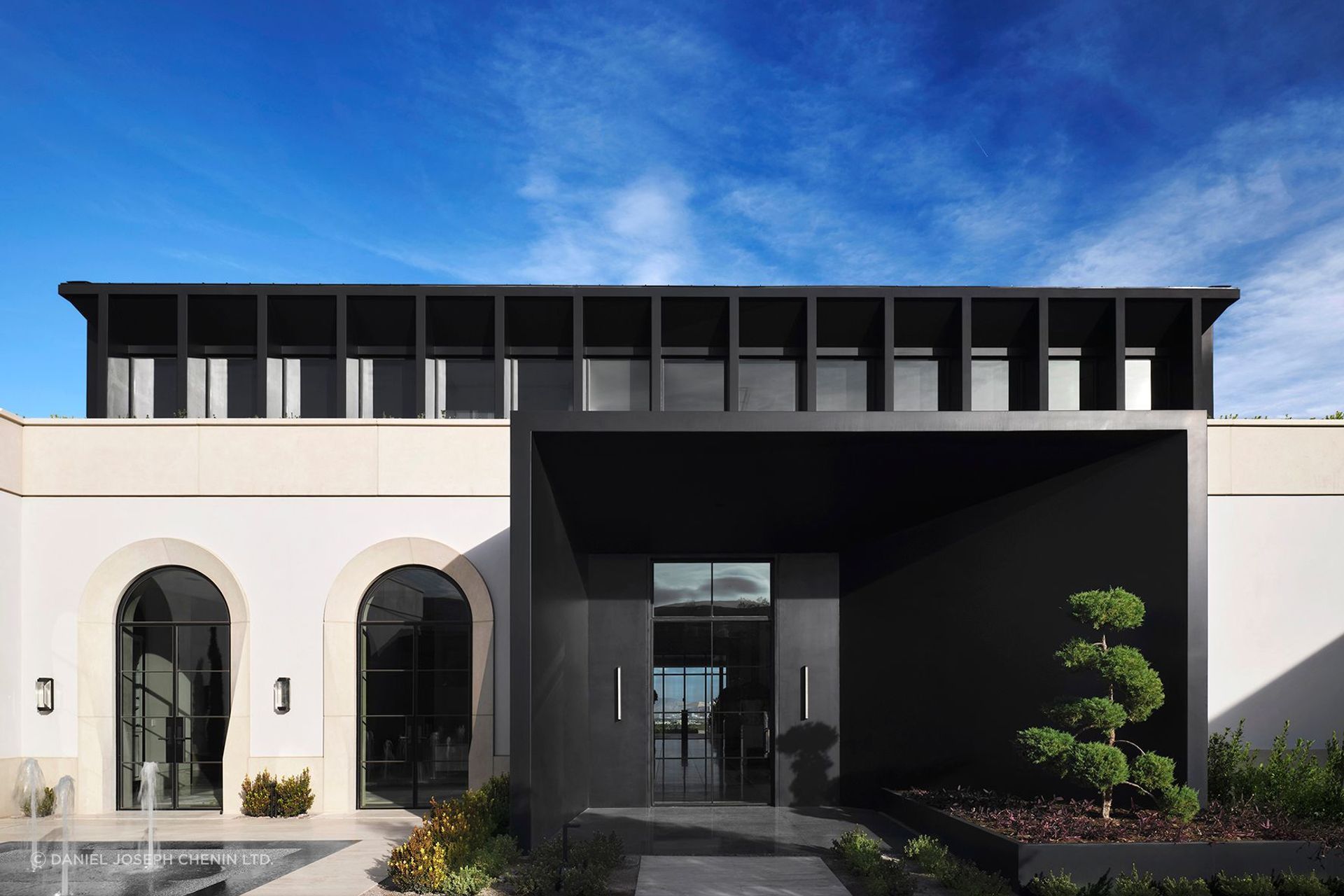
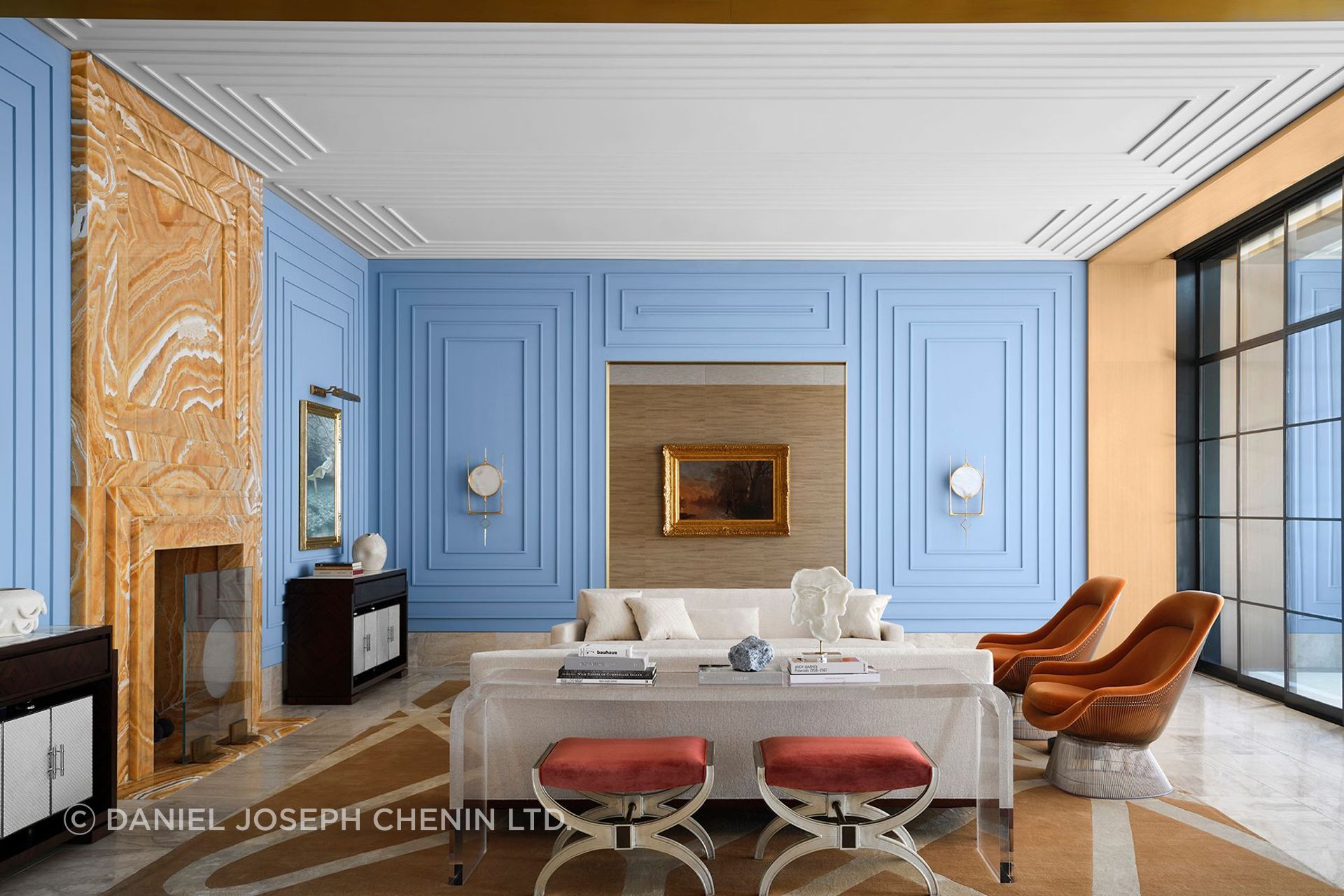
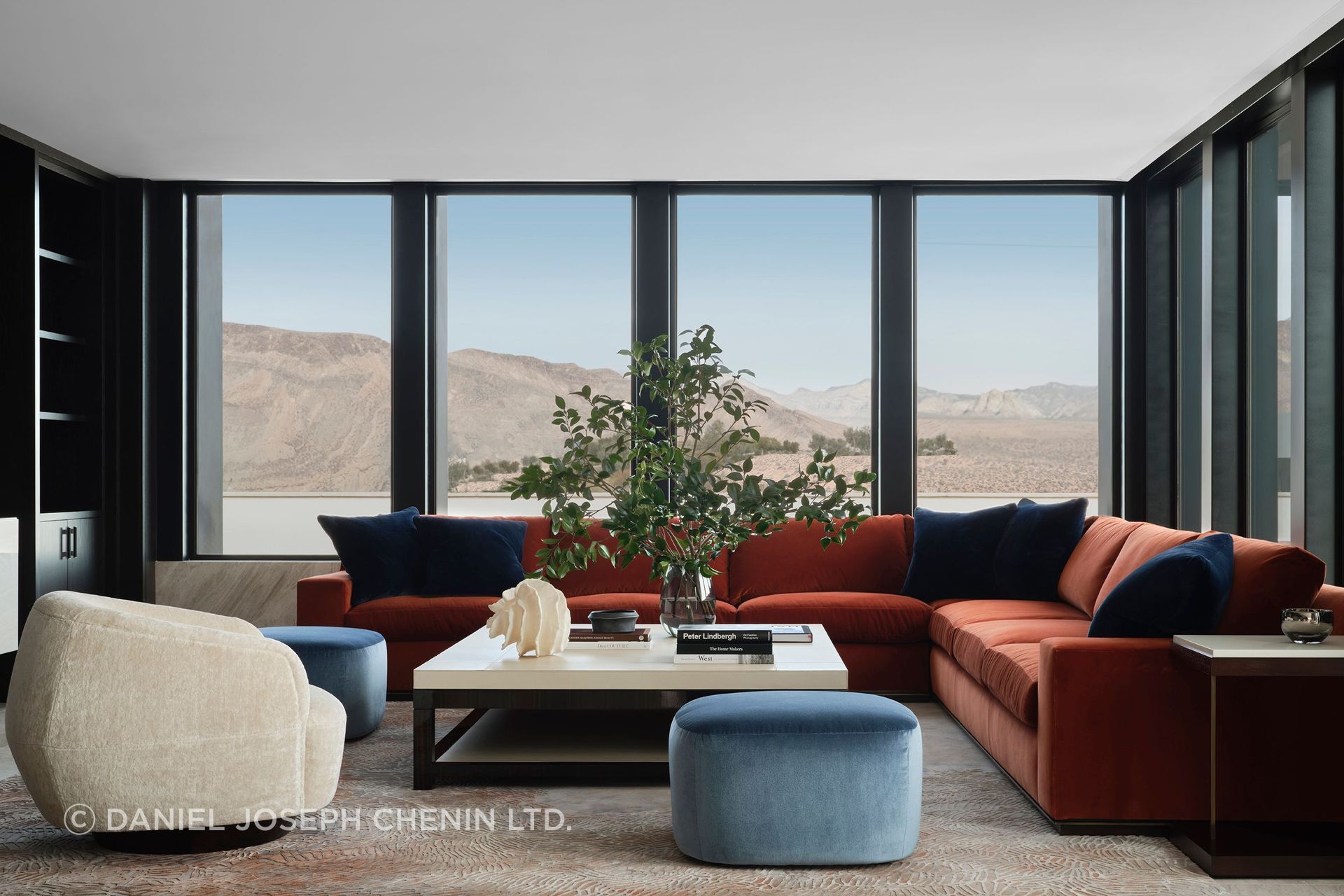
That process shows up in how the studio handles client decisions, too. Rather than present a menu of design directions, the team may explore more than a dozen internally, but brings clients a single, convicted recommendation, then the plan evolves from that one direction rather than opening it into an ever-expanding set of options.
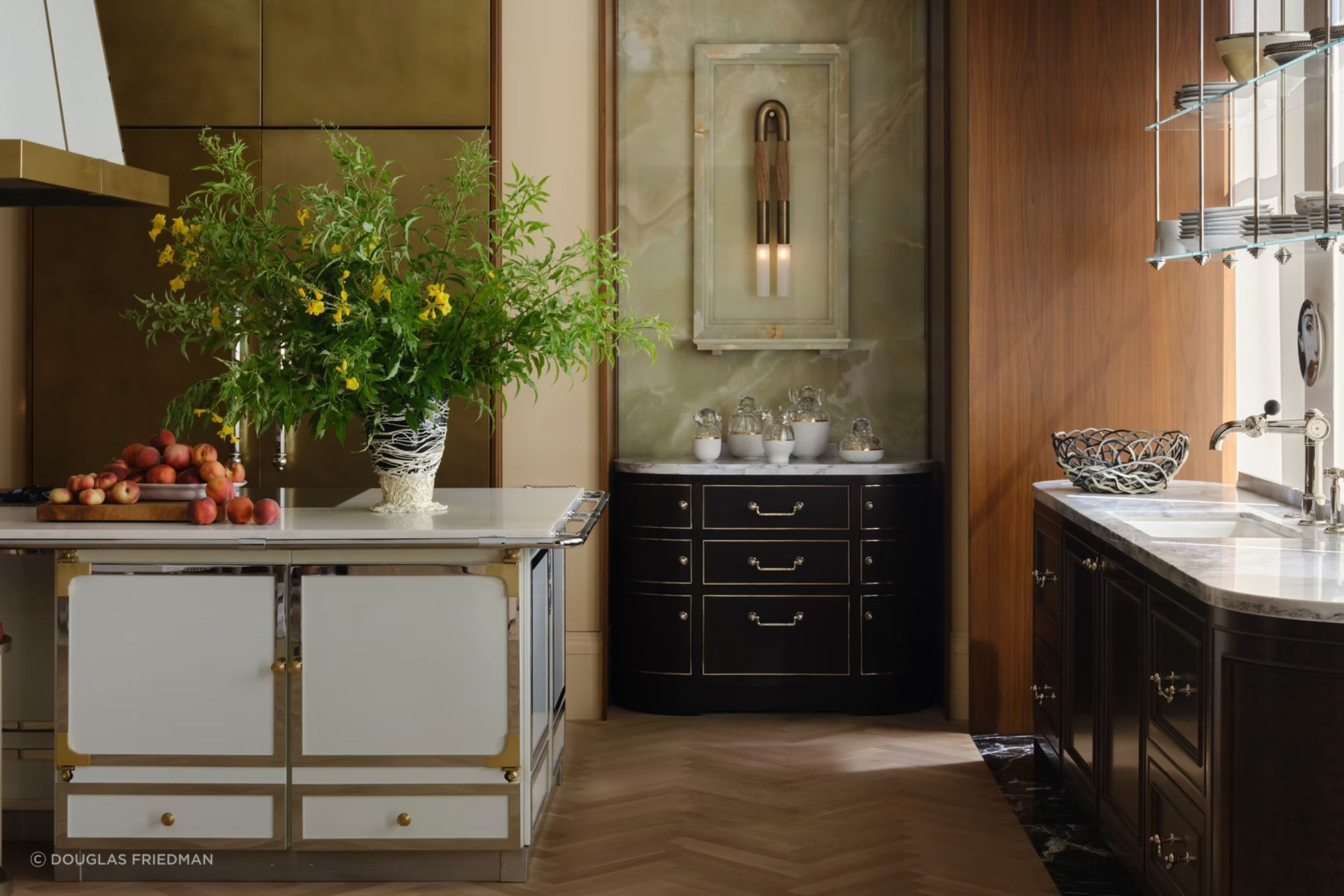
Materially, the studio leans toward density and layering over restraint: specialty finishes and custom millwork, details that go beyond a plain drywall box. Chenin argues that visible craft and cost, not simplicity, is what makes a space feel permanent rather than temporary.
Asked what he hopes a platform like ArchiPro can do for the industry, Chenin points to a gap most clients don't realize exists: the enormous variation in what architects charge, what they deliver for those fees, and how difficult those differences are to evaluate for someone hiring an architect for the first time. He compares it to two cars that appear similar on paper—both with four wheels and leather seats—but offer fundamentally different levels of engineering, craftsmanship, and performance. Choosing an architect, however, is even more personal. "It's a huge relationship," he says. "No different than getting married. You want to make sure you're making the right decision." Helping clients understand what they're investing in—and how to choose the right architect for their goals, priorities, and expectations—is ultimately what matters most.
Explore Daniel Joseph Chenin on ArchiPro, browse the studio’s residential projects across the Southwest and Mountain West, and discover more architects and designers building a practice around a single point of view.