Client-focused, designer-led: The philosophy behind Light and Dwell
Written by
21 July 2026
•
4 min read

The interior design world has never been more visually recognisable. Scroll through social media and it's often possible to identify a designer before reading the caption. Certain colour palettes, furniture selections and styling choices become signatures that appear in every project.
But for US interior design studio Light and Dwell, that's exactly what they're trying to avoid.
Instead, every project begins with a different question. Who are the people who will live here, and what story should their home tell?
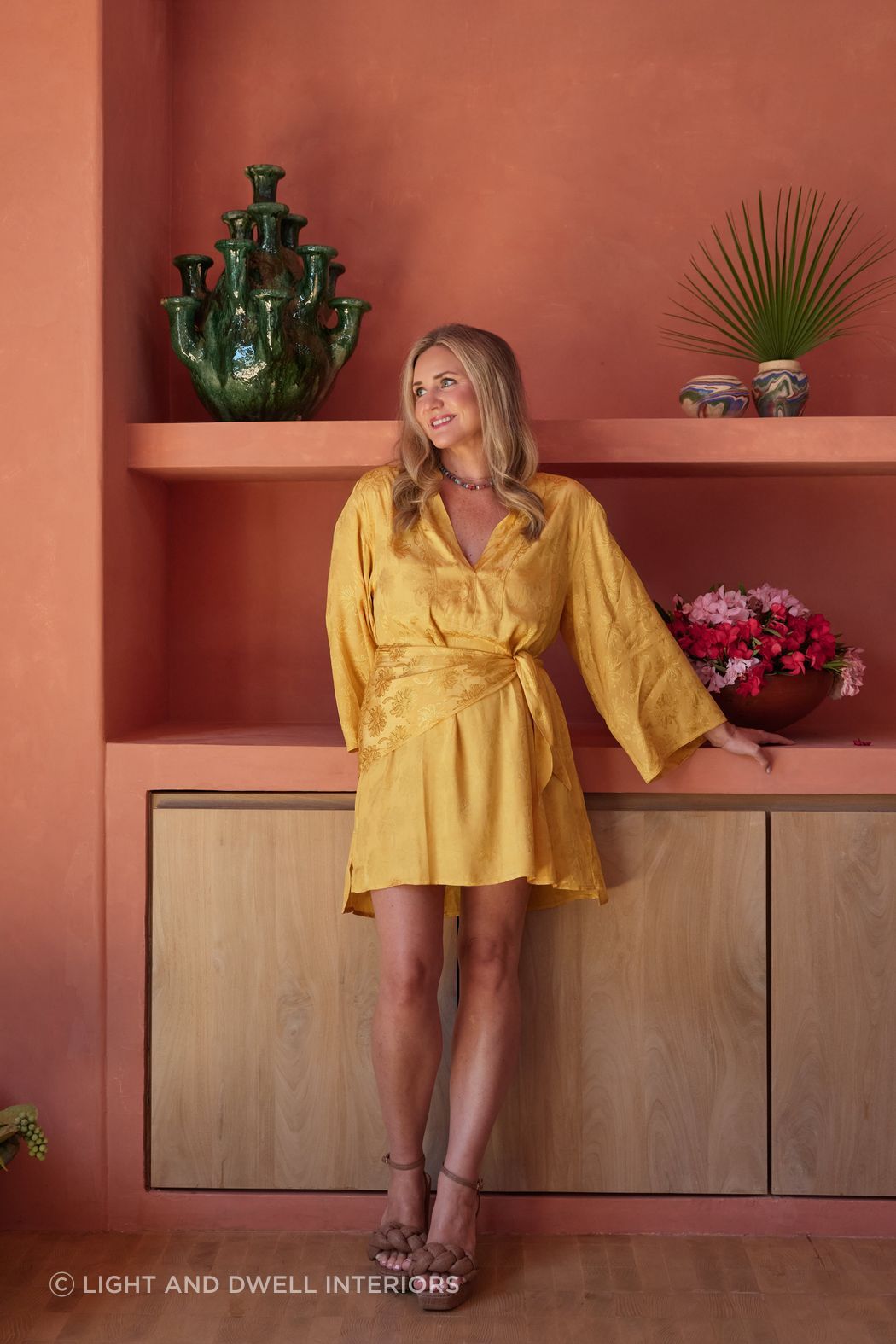
"Our philosophy is client-focused, designer-led," says creative director Katie Cunningham. "Everything starts with our clients' needs and their story before our brand. Our job is to guide them towards their best home, not create another version of ours."
It's an approach that has shaped the studio since founder Aymee Kuhlman established Light and Dwell more than 12 years ago. Today, with Cunningham leading the creative direction and Kuhlman focused entirely on the business, the eight-person practice has deliberately separated creativity from operations.
"I think that's our secret sauce," Cunningham says. "The creatives get to be creatives, while somebody else is steering the ship."
That clarity of roles allows the designers to focus on what they believe matters most: creating homes that belong completely to their owners.
Designing around people, not portfolios
The philosophy becomes apparent long before finishes or furnishings are discussed. Every project begins alongside the architect, carefully reviewing plans before proposing adjustments that improve how the home will function. From there, the team develops an overall design direction before moving through hard finishes, soft furnishings and styling in manageable stages.
Breaking the process into clear phases is about making complex projects feel approachable for clients.
"Especially on larger homes, it's a lot for clients to take in," Cunningham says. "We work through it step by step."
Throughout that process, the emphasis remains firmly on understanding the client rather than expressing a particular aesthetic.
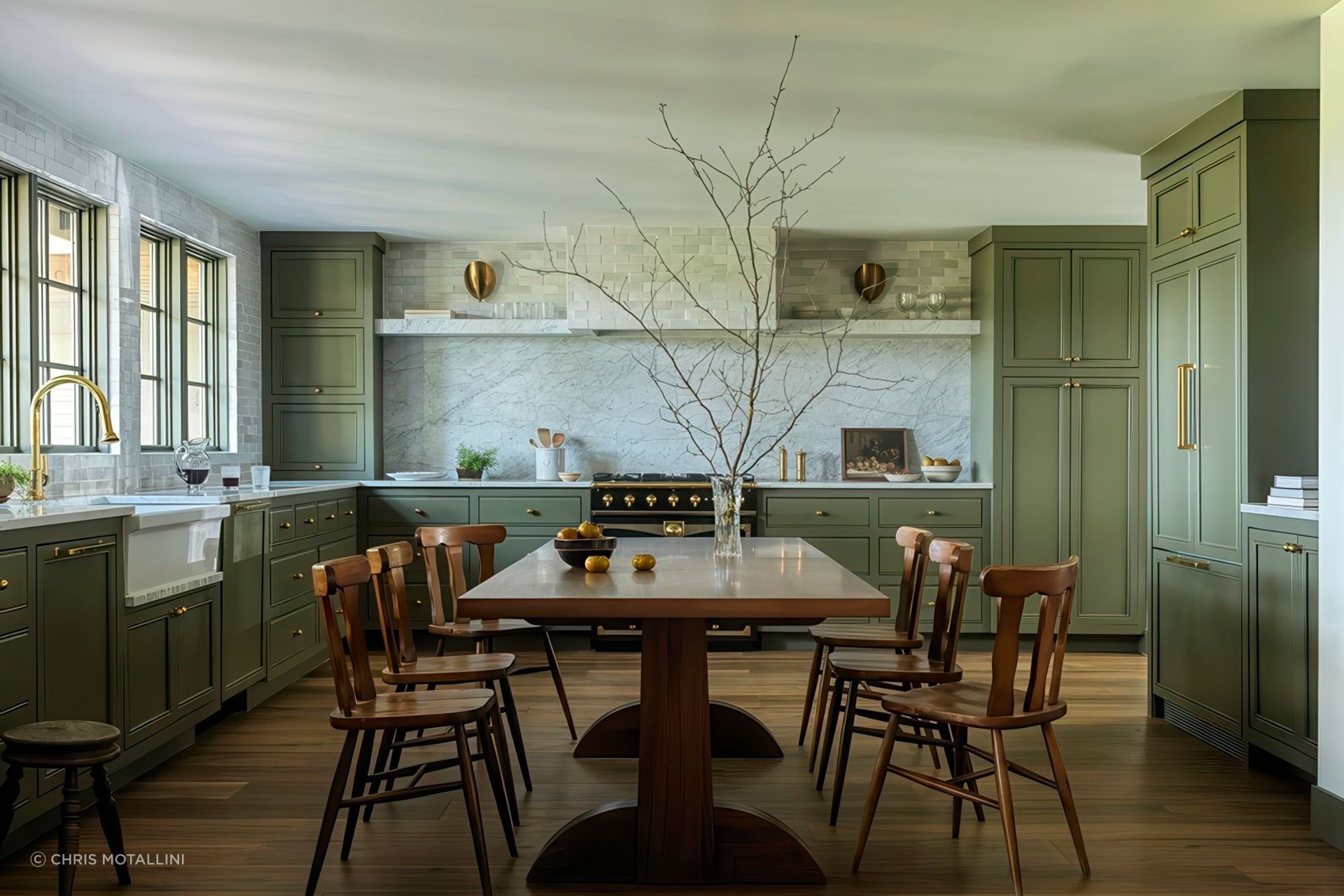
"I don't want someone to see me in every house," she explains. "I want them to see the homeowner, the neighbourhood and the architecture."
That philosophy also shapes the way Light and Dwell sources furniture and objects.
Rather than purchasing everything specifically for a project, the studio continually collects vintage lighting, furniture and decorative pieces throughout the year, storing them until the right home appears.
"We're always picking up anything good we find," Cunningham says. "Whether it's during our travels or at local antique stores, we'll save it for the right project."
The approach introduces a level of individuality that would be difficult to achieve through catalogue sourcing alone. Vintage mirrors, lighting and furniture are proposed alongside new pieces, creating interiors that feel layered rather than decorated.
Sustainability is another important outcome.
"The design industry creates a lot of waste," Cunningham says. "If we can reuse existing materials or incorporate vintage pieces instead of buying everything new, that's always something we're thinking about."
The designers look to repurpose wherever possible, including existing stone benchtops that can be used elsewhere within a home. Where new products are proposed, durable materials are selected for longevity rather than short-term trends.
Working without walls
Although headquartered in Oregon, Light and Dwell doesn't have a traditional studio. Its eight-person team works remotely across six US states, collaborating through video meetings while travelling together for client presentations and site visits.
Rather than seeing distance as a limitation, Cunningham believes it has become one of the practice's strengths.
"We're already used to working with each other remotely," she says. "That makes it much easier to work with clients across the country."
The model has also widened the studio's talent pool, allowing it to recruit designers based on experience rather than geography.
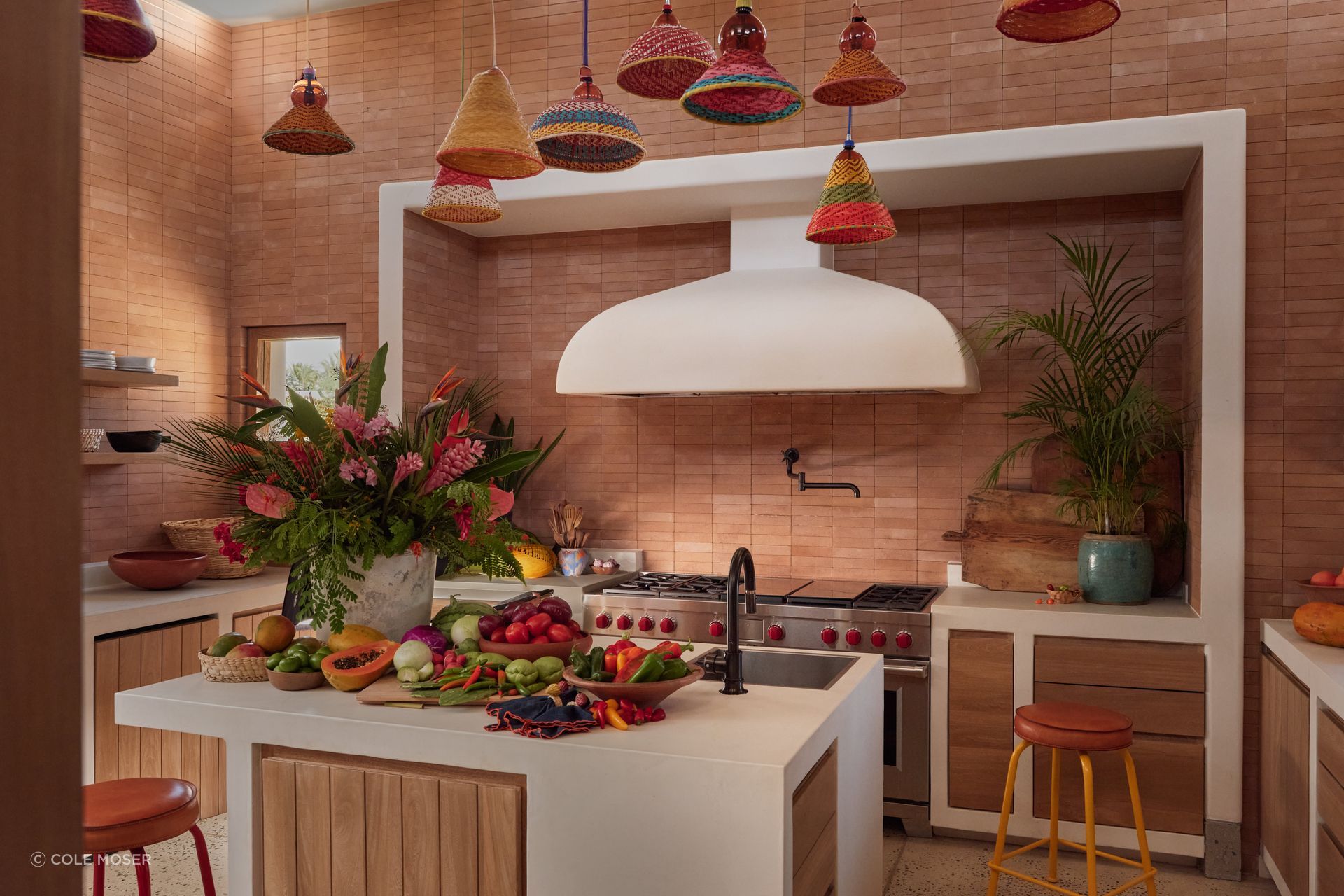
That flexibility has supported projects across the United States and, increasingly, internationally, including the recently completed La Favorita in Mexico.
With projects currently underway in New York, California., Tennessee, Washington and Oregon, Cunningham says the studio is excited to continue expanding beyond its traditional geographic boundaries.
The international experience gained through La Favorita has also opened new possibilities.
"The first time you work overseas, it's intimidating," she says. "Then you figure it out and it’s really exciting."
Even as the portfolio grows, however, the ambition remains unchanged.
For Cunningham, success isn't measured by whether someone recognises a Light and Dwell interior. It's whether the people who live there recognise themselves.
"When you walk into one of our projects," she says, "it tells the story of the place and the people who live there."