The Case for a House That Doesn’t Match the Neighbors
Written by
24 July 2026
•
4 min read

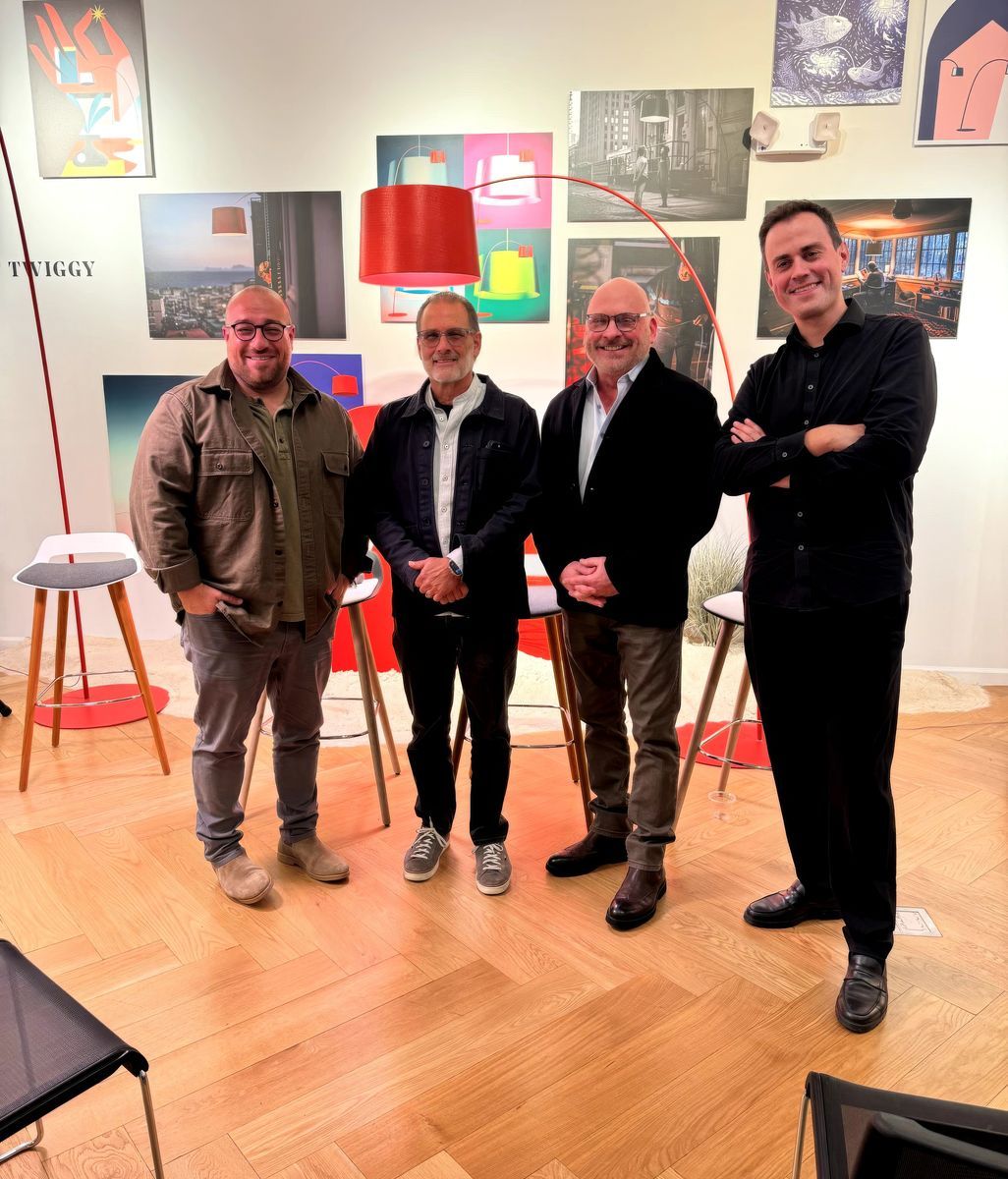
Studio DB started without much of a plan. Damian Zunino, a registered architect, was asked to take on a small project. He brought in Britt Zunino, his wife, whose background was in fashion and interiors, to help. Nearly twenty years later, that first collaboration is still the operating model: architecture and interior design handled as one continuous process, by the same team, from the first sketch.


That wasn’t common when they founded the studio in 2007, and the Zuninos are direct about why they built it that way. An architect who hands off a finished shell to an interior designer six months later tends to produce houses where the lighting plan and the furniture plan were never in the same conversation, and where sconces get relocated after the electrical is already roughed in. For a house that people will actually live inside, that split never made sense to them. Everybody on the team, down to design assistants, has a voice in the process, and the studio describes the two founders’ instincts as complementary. Britt tends to work from a detail outward into a room. Damian tends to start with the bigger picture and work in.
The idea that most defines the practice, and the one both partners return to unprompted, is livability. A home, Damian Zunino says, should never add to a family’s stress. “It should be an escape from the stress in their lives,” is how he puts it. In practice, that means asking clients unusually specific questions early: who wakes up first, where a hairdryer needs to live, whether a playroom sits close enough to a kitchen that toys don’t migrate into it. The studio is known for building in the kind of low-friction infrastructure that makes those questions disappear: a hook by the door for a backpack, a drawer sized for shoes, a kitchen pantry organized so a child can find the peanut butter without help.


Studio DB’s service model runs further than most residential practices, covering architecture, interiors, construction administration, and furnishing through to move-in. The studio describes taking on that scope, and the liability that comes with it, as a deliberate choice: rather than defer responsibility across separate consultants and risk finger-pointing when something goes wrong, they’d rather own the outcome and build a team of collaborators, contractors, and artisans they trust to help solve problems as they come up.

That trust extends to how the studio talks about client relationships generally. A project, in the Zuninos’ telling, is closer to a multi-year relationship than a transaction, and the clients who produce the best work tend to be the ones with a strong point of view of their own; a client willing to push back and be pushed back on is where they say their most interesting work comes from. “We want our working relationships with clients to be collaborative, creative, and fruitful,” remarks Britt Zunino. "We always want to have an open dialogue."


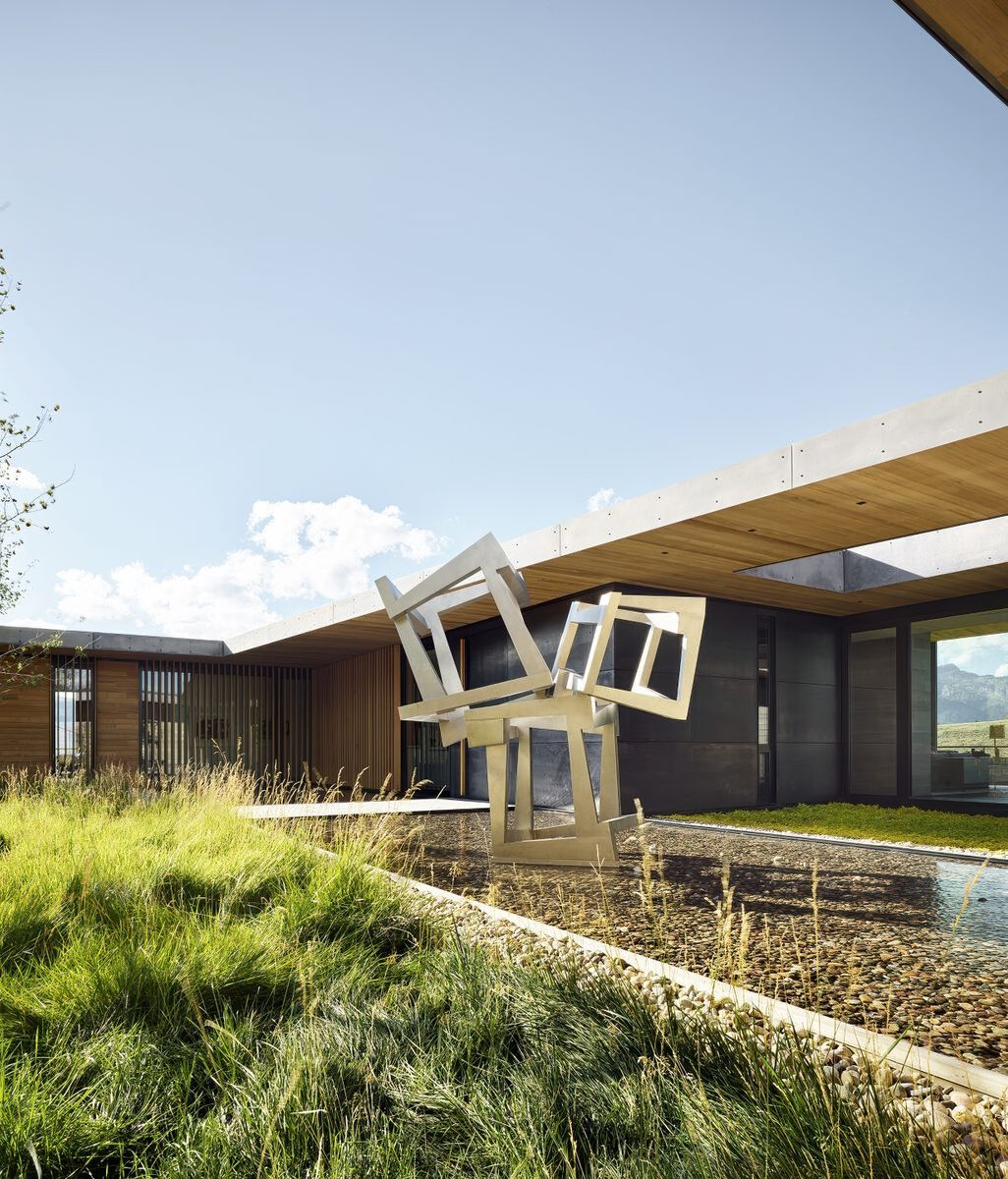
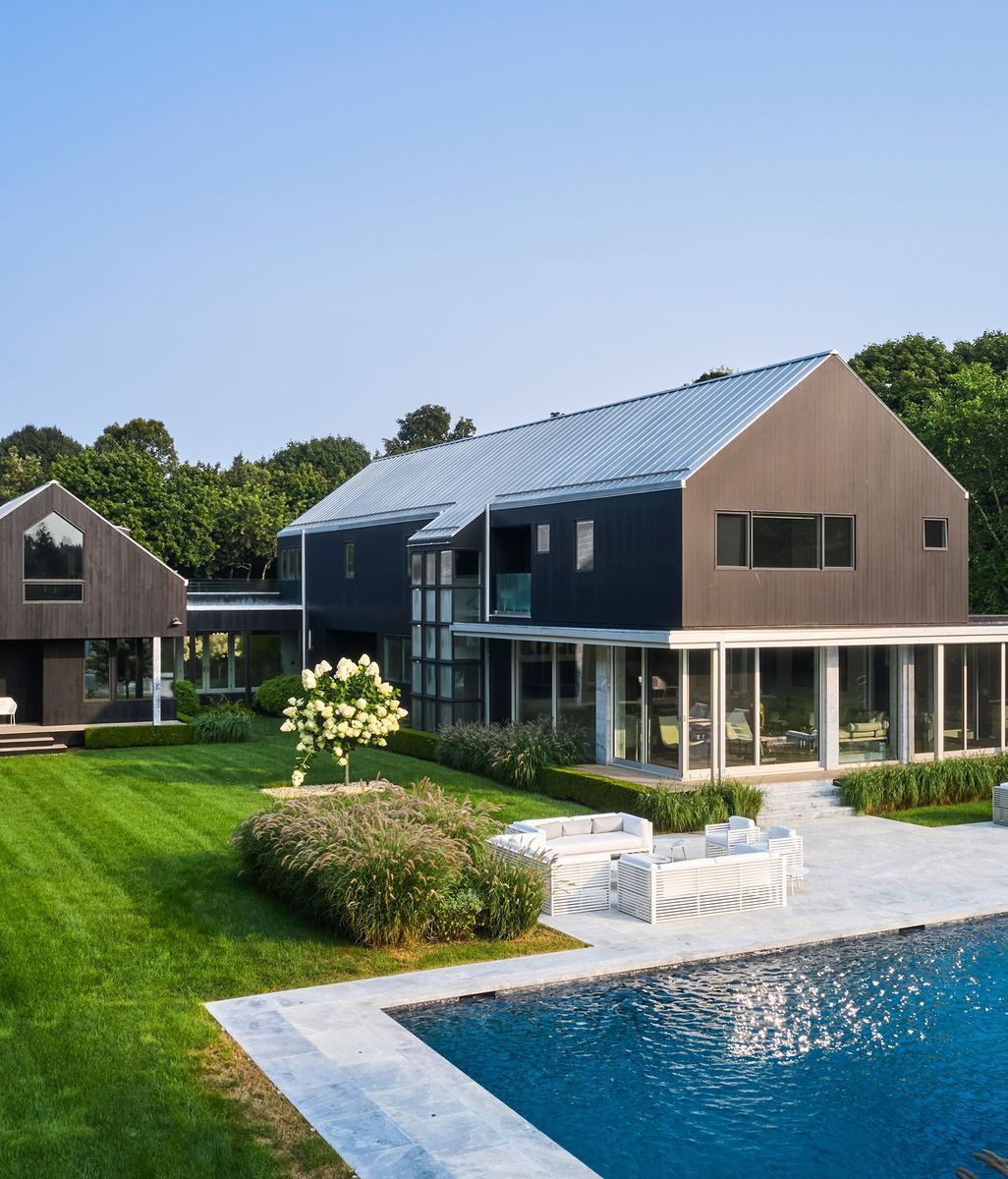
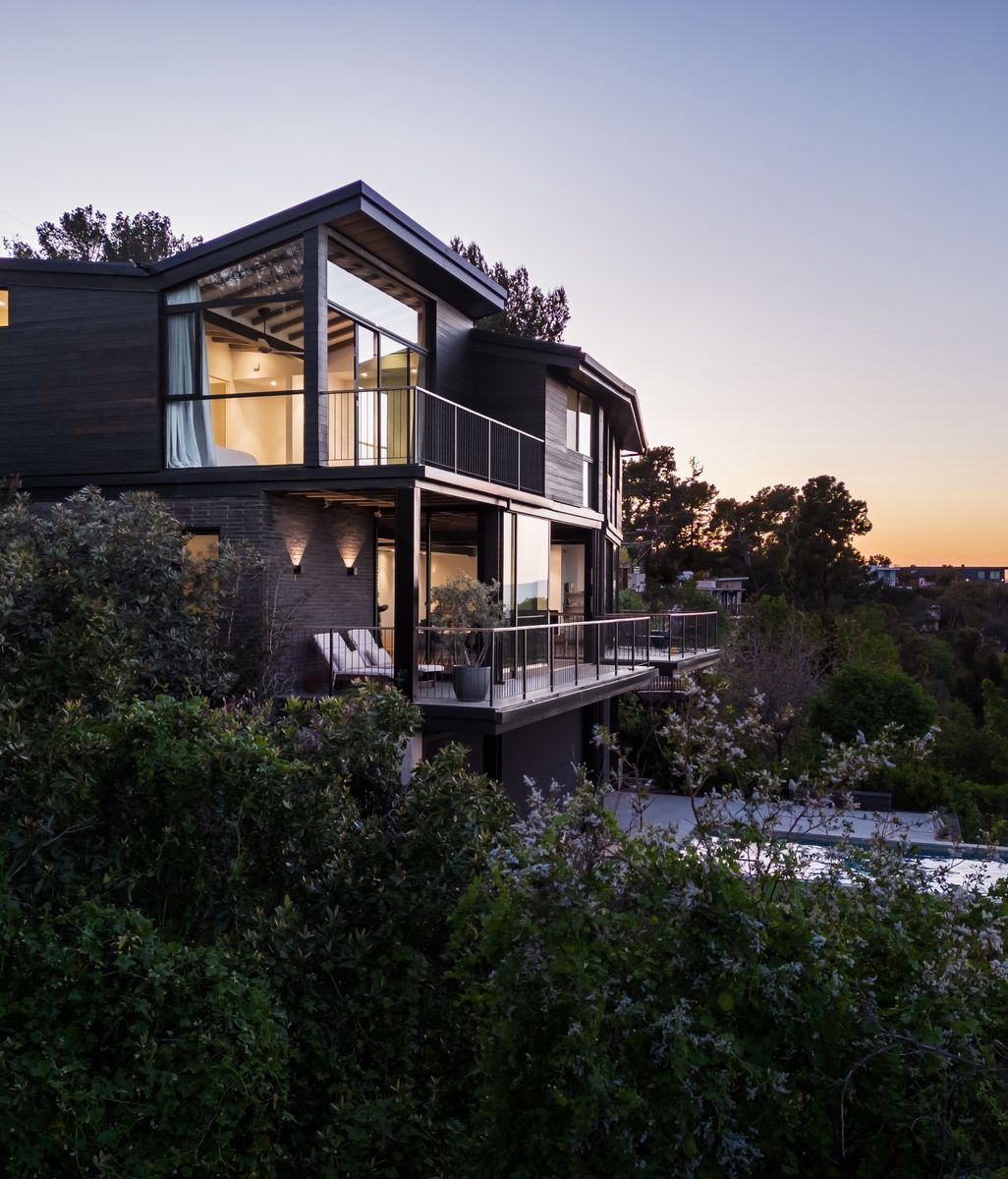
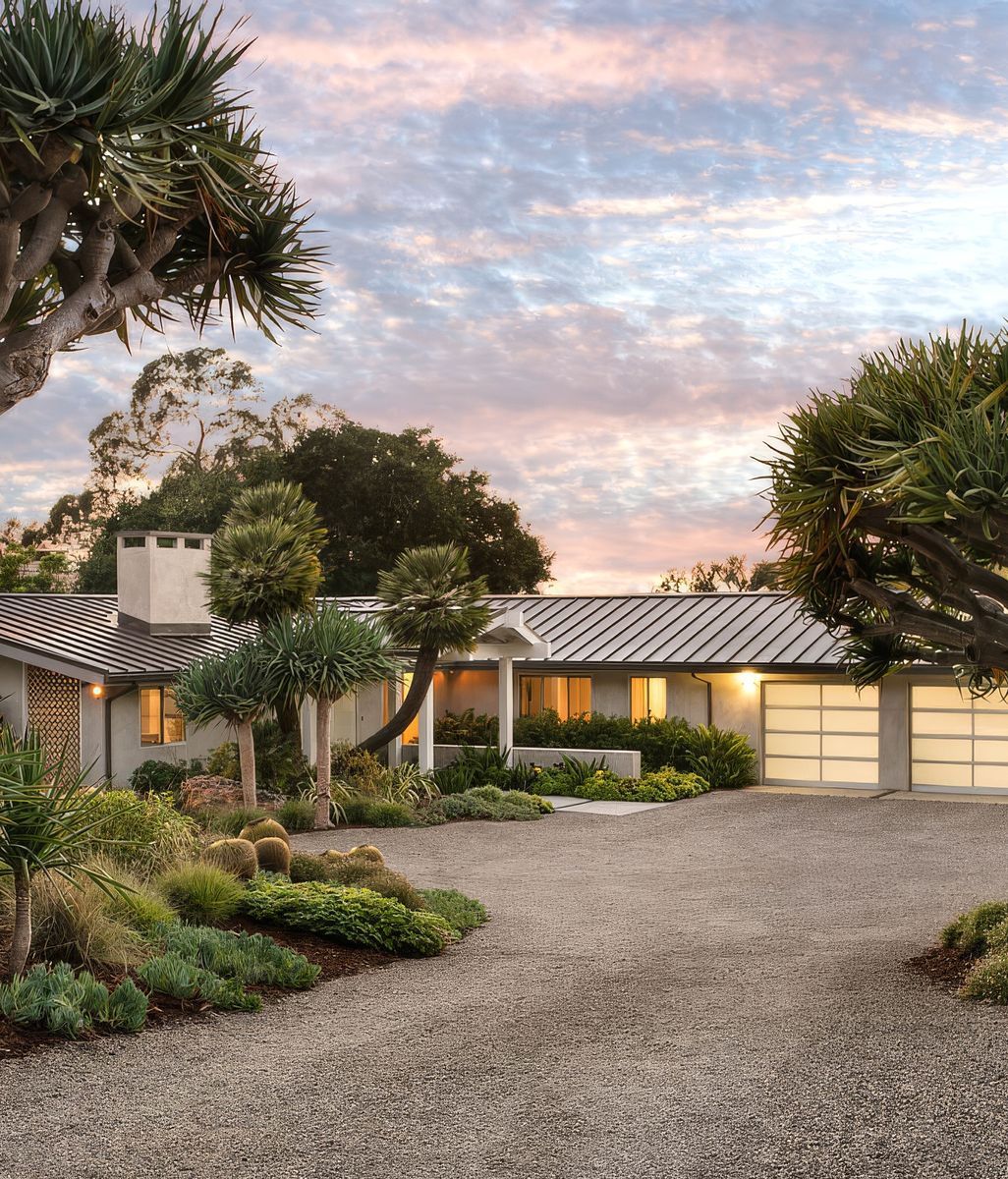
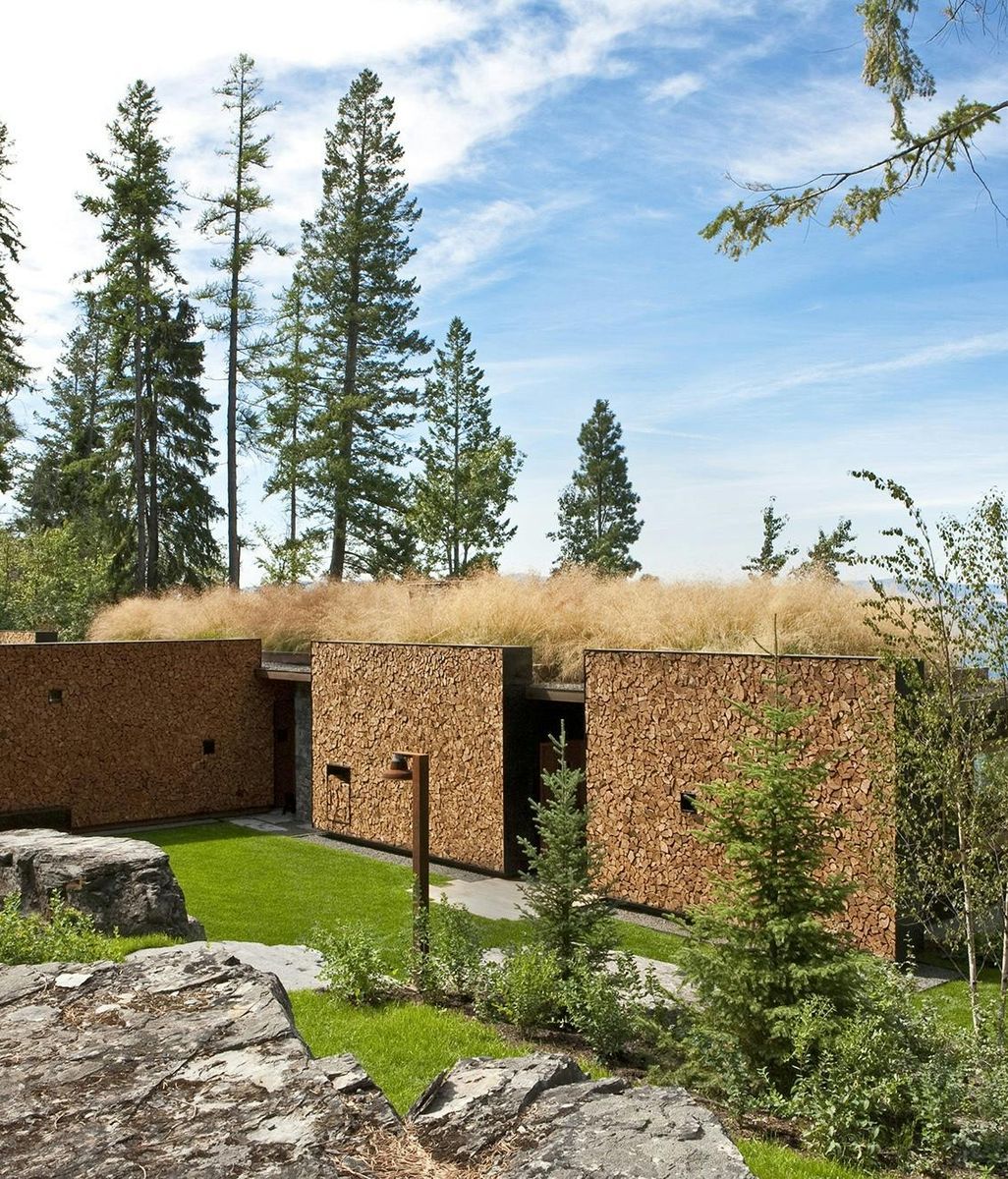
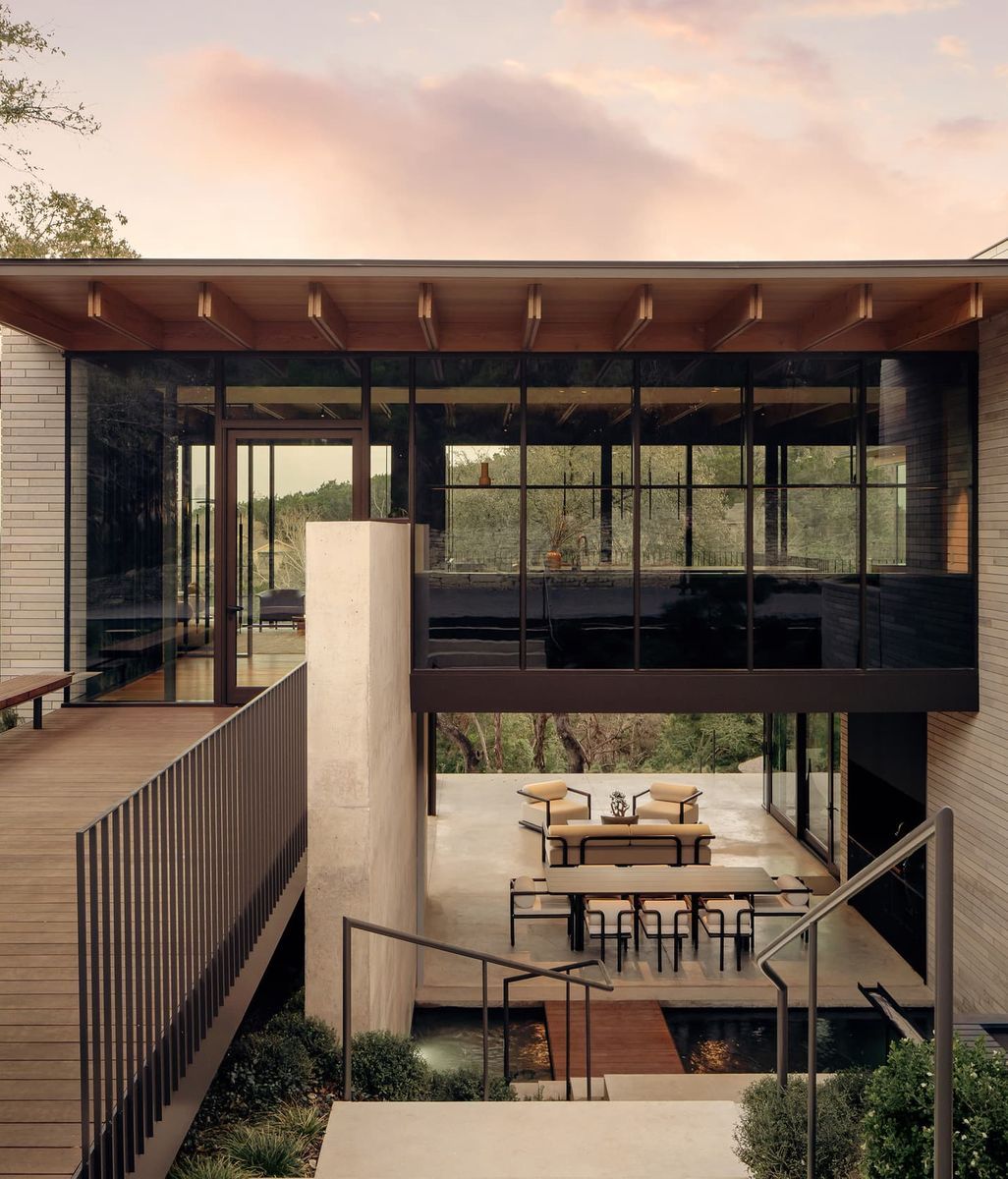
Asked what they want the practice’s contribution to the next decade of American residential design to be, Britt Zunino’s answer wasn’t about a material or a form. “I want people to feel empowered to be different, have a weird house, something special and singular, and that’s okay,” she said, pointing to how much fear of resale value has flattened design choices, particularly in expensive markets. Damian’s advice? “Buy what you love, and don’t worry about where it's going to go,” chuckles the self-proclaimed problem-solver. “In all seriousness, take a risk, follow what you love, and it will lead to the thing that feels most personal to you.” It’s a fitting way to describe a studio whose stated goal is refinement without sterility: rooms that read as collected over years rather than installed all at once, and homes built to hold the particular, sometimes odd, things that make a family feel like itself.


Explore Studio DB on ArchiPro, browse their residential projects across New York and the Northeast, and discover more architects and designers shaping the next chapter of American residential design.