Corso House: A layered Gold Coast home grounded in natural materials

featuring Tongue & Groove

Tongue & Groove logo

At Corso House by Justin Humphrey Architects, European oak from Tongue & Groove brings warmth and cohesiveness to a home with canal views and a strong connection to nature.
Visit Website

Featured Professionals

Written by

  • Joanna Seton
Image credit: Andy Macpherson.

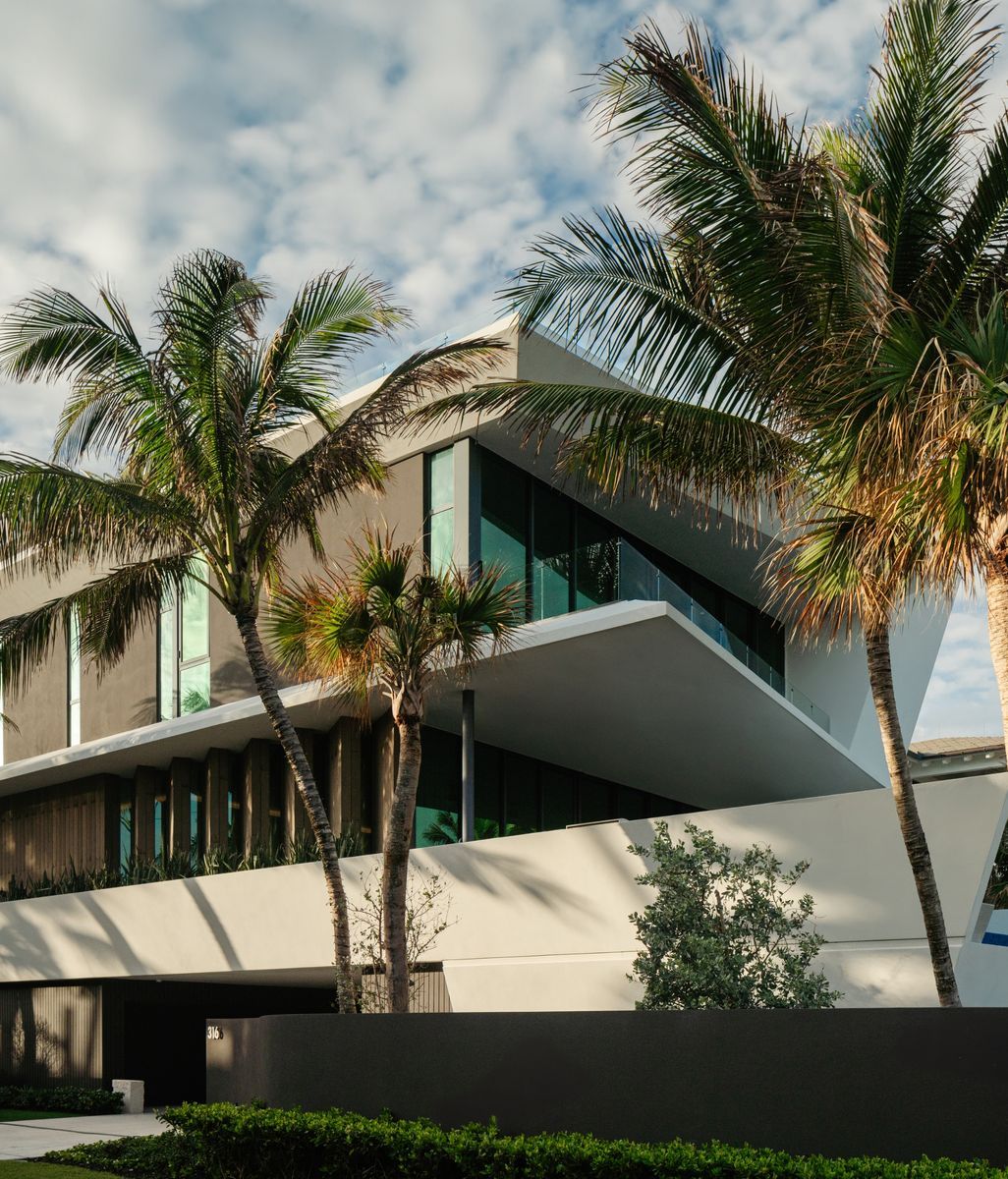
On the Gold Coast, it is easy for a canal-side house to become all about the water. At Corso House by Justin Humphrey Architects, the north-facing outlook towards the Surfers Paradise skyline is spectacular, but it is only one part of the experience. Across the street, mature gum trees and a busy soccer park offer a different kind of outlook, while distant hinterland ranges and established greenery bring a sense of depth to a tightly constrained urban site.

The architecture makes room for all of it – from expansive views across the water to quieter garden corridors where the house makes direct connections with nature.

This layered approach to how the home is experienced extends to the material palette. Exposed concrete, stone and timber give the interiors a tactile quality, their contrasting weights and textures creating warmth and depth without relying on the familiar white-on-white palette often associated with coastal homes.

European oak flooring from Tongue & Groove plays an important role in this balance. The Chamoisee Grande Classic flooring extends beyond the floors to the stairs and ceilings, so that the timber becomes a recurring element in the architecture rather than a finish confined to one plane. Its natural grain brings a softer counterpoint to the concrete and stone, helping the interiors feel warm, textural, and cohesive.

As Kevin Nel from Tongue & Groove explains, “Using the timber across the floors, stairs and ceilings is a standout feature. It allows the material to become part of the architecture rather than simply a floor finish, creating a strong sense of continuity throughout the home.”

The choice of wood tone was an important part of getting that balance right. The original selection was Sienna, before the team moved to Chamoisee to better suit the other materials in the house. 

“The timber needed to work with the architecture and create a balance between the harder finishes and the warmth of natural oak,” says Nel, “so it was important to find a colour that worked well with the overall design and complemented the other materials.”

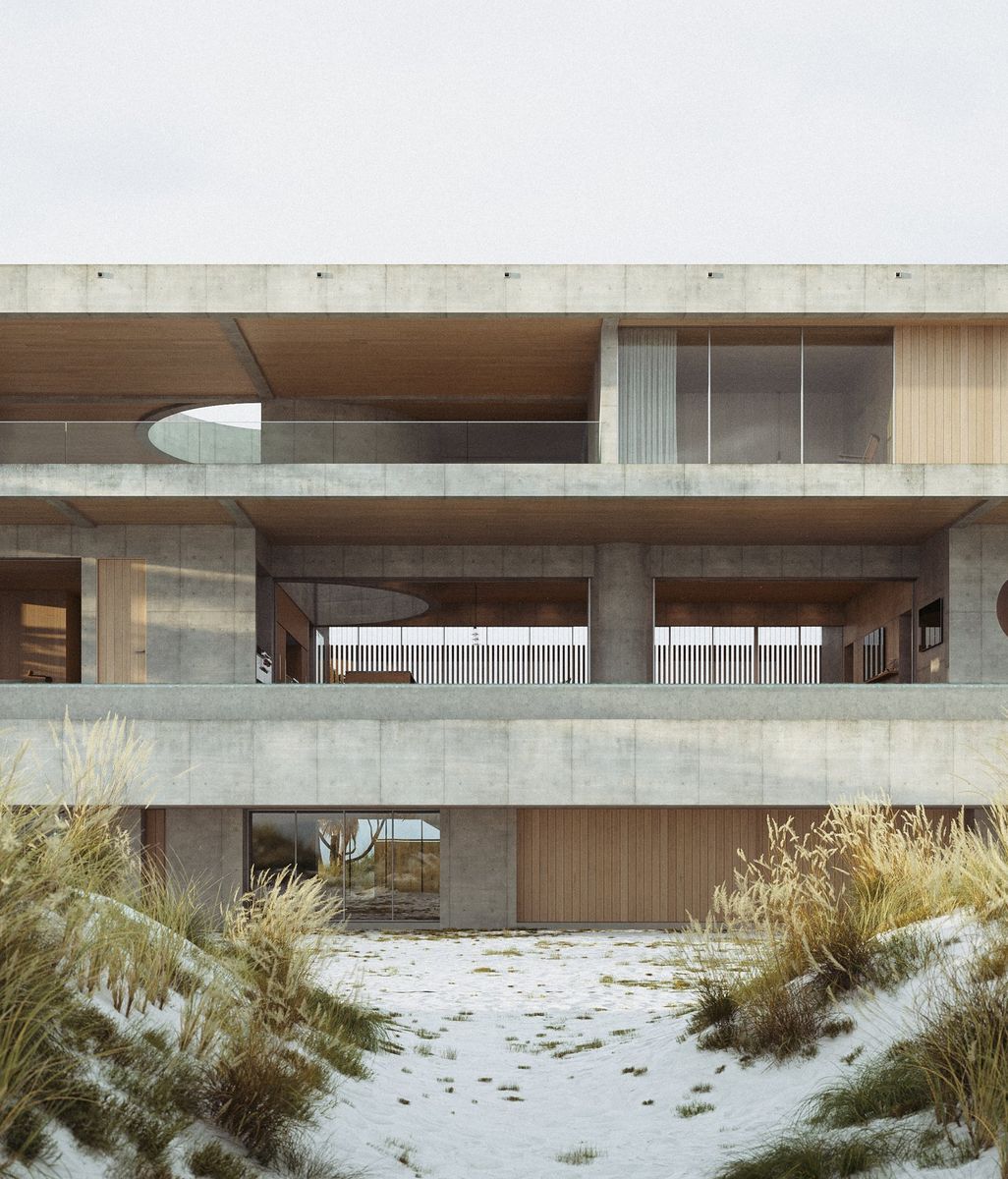
Arrival at the home is deliberately dramatic, with a sculptural concrete awning sweeping across the entry and a planted roof softening its edges. Passing beneath it, visitors move into a double-height void before the house opens into the living spaces with their views towards the water. Here, the oak helps both unify and delineate the different spaces. 

In the kitchen and dining spaces the timber is recessed into the ceiling within a sweeping curve that reflects the home’s architecture. At the same time, it provides a counterbalance to the concrete floors underfoot, while giving a material context for the timber cabinetry. In the media nook this balance reverses, with a curved concrete ceiling juxtaposing sweeping oak floors and an oak-lined picture window.

The grain of the Chamoisee Grande Classic flooring and its natural variation give the interiors a sense of texture that a uniform manufactured finish would struggle to replicate, while the repeated use of the same timber helps the eye move between levels and spaces. 

Nel says the thoughtful use of the oak in its different applications is key to the success of unifying a complex material palette. “My favourite aspect is the way the timber has been used beyond the floor, extending across the stairs and ceilings. It demonstrates how versatile timber can be and how a considered material choice can help bring the entire design together.”

Several years on from completion, Corso House has become the setting for family celebrations, engagement parties, baby showers and gatherings that spill across its indoor and outdoor spaces. As the gardens mature and the natural materials continue to settle into the life of the house, the architecture feels increasingly at ease in its setting. The oak, too, will continue to evolve with use. As Nel says, “Natural oak develops character over time. With regular use, the timber will develop its own patina and become part of the home’s story.”

At Corso House, the view may draw you in at first, but it is the interplay of materials, light and connection with nature that makes the house rewarding to live in.

Explore other stunning projects using timber from Tongue & Groove, or browse projects, professionals and products on ArchiPro. 

Credits