
Project team
- Light and Dwell Interiors
- Cole Moser
A long-time client gave Light and Dwell an almost unheard-of brief: create a dream Mexican retreat, and surprise us.
What happens when a designer earns complete creative trust
Most design projects involve countless presentations, approvals and revisions. Samples are reviewed, fabrics are debated and every finish is carefully signed off before the next decision can be made. La Favorita was the opposite.
When a long-time client asked interior design studio Light and Dwell to help create a new family retreat in Cabo San Lucas, Mexico, the brief was remarkably simple: Design a home capable of bringing together an extended family of nearly 40 people, build it to last and make it feel unmistakably like them.
"It's a designer's dream," says Light and Dwell’s Katie Cunningham. "We've worked with these clients for around 15 years, so they trust us to run with it. We'd show them the overall architectural direction and things like plumbing fixtures, but they didn't see the bedding, the fabrics or the furniture until it was finished."
That level of trust fundamentally changed the way the project unfolded. Rather than working towards a fixed design package assembled over a matter of weeks, the 17,000-square-foot home evolved gradually over four years. Every trip and every vintage discovery added another layer.
When the clients had initially purchased the empty site, they brought Light and Dwell into the project from day one alongside architect Manolo Mestre. The vision was for a place capable of holding multiple generations of the extended family for decades to come. Eight bedrooms, 13 bathrooms, staff accommodation and numerous living areas all needed to work as one cohesive whole.
"It really was their dream," Cunningham says. "Mexico is such a special place for their family, and they wanted somewhere everyone could come together."
With so many rooms, restraint became just as important as expression. Rather than treating every bathroom or bedroom as a separate design exercise, the team developed a consistent architectural language. Repeated plumbing fixtures, unified tile selections and a restrained palette of creamy plaster created visual calm, allowing the more expressive moments to stand out.
Initially, the designers imagined a relatively muted interior, but the project evolved as they immersed themselves in the local culture.
"The landscape and the culture in Mexico became our biggest inspiration," Cunningham explains.
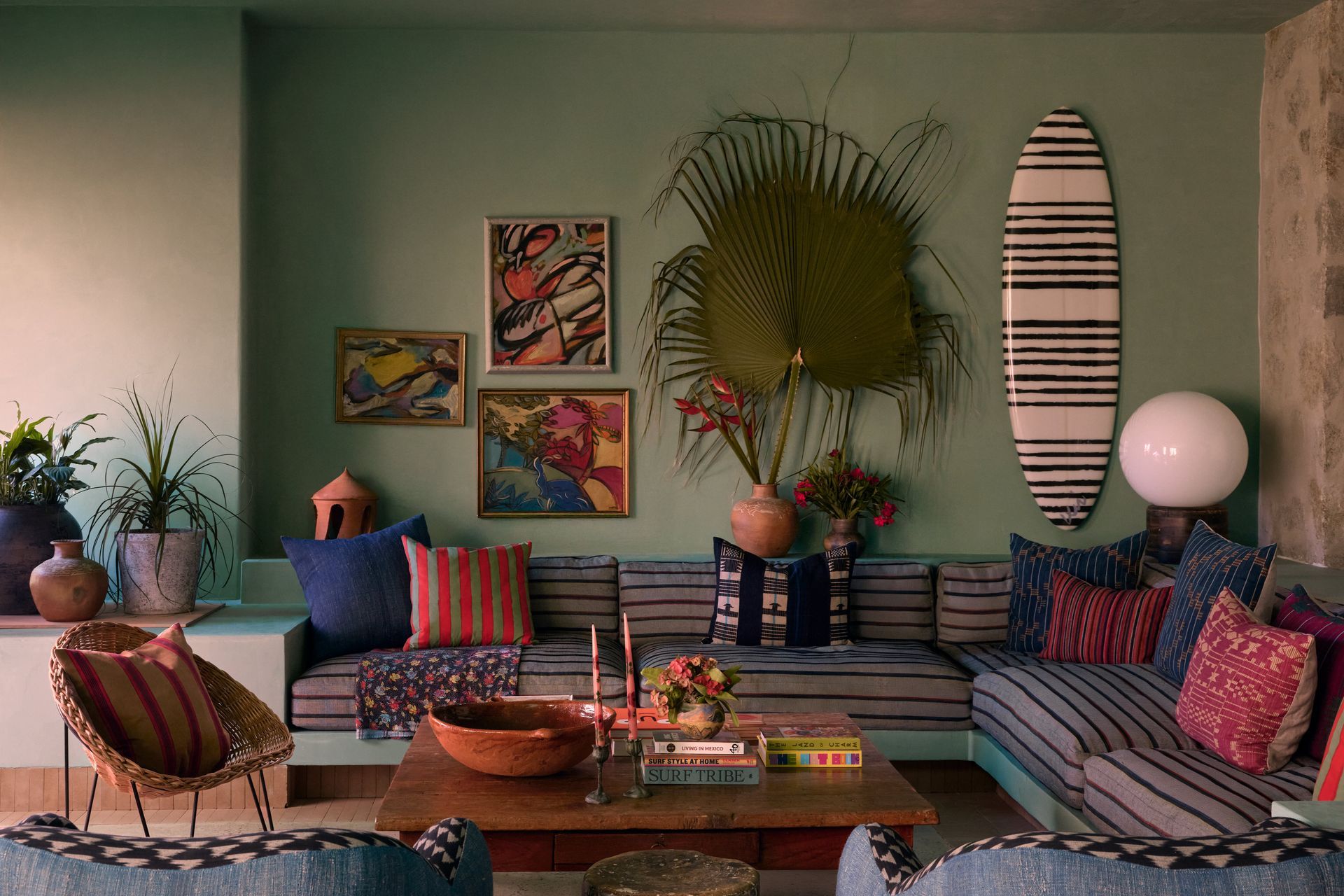
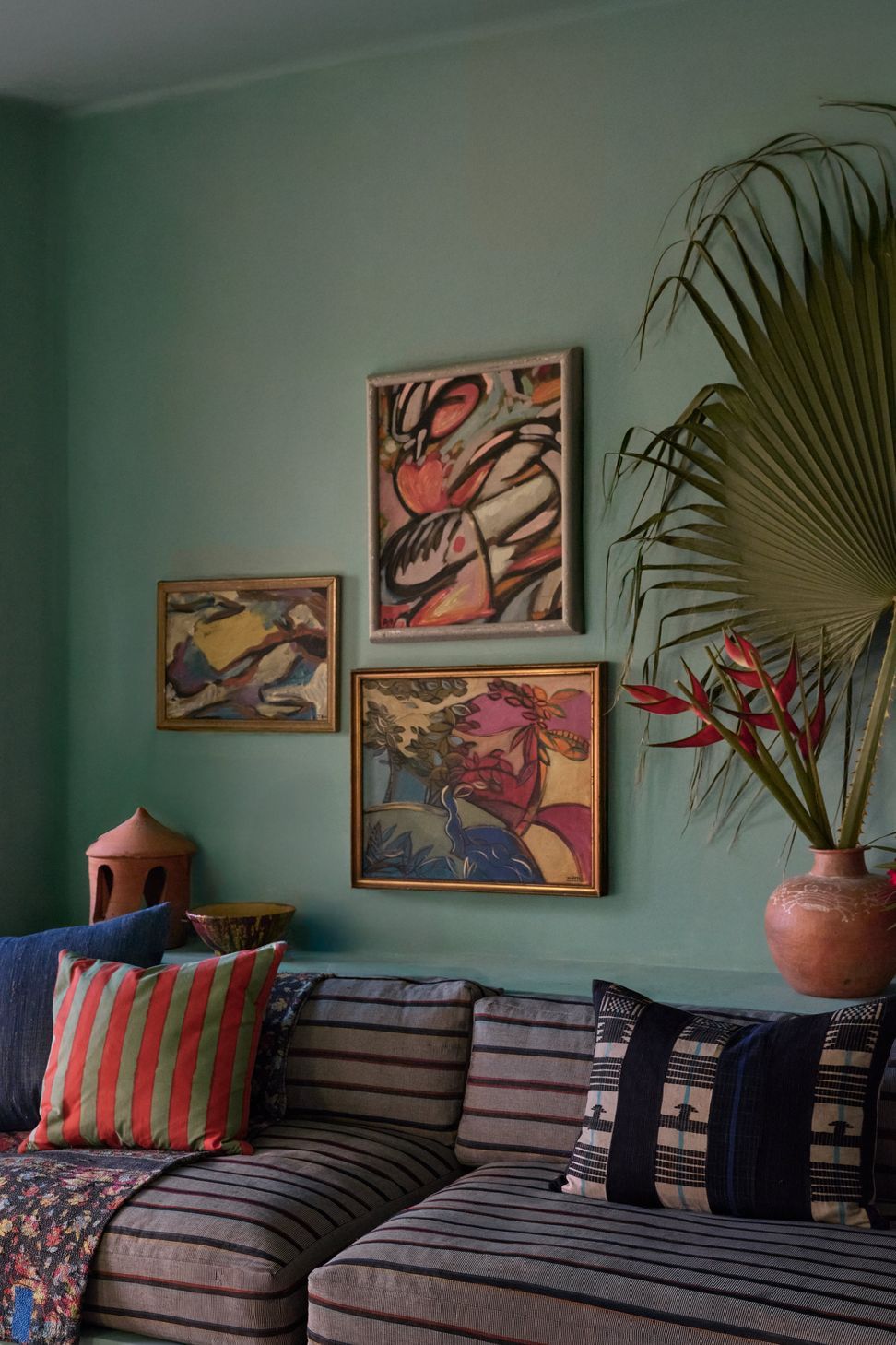
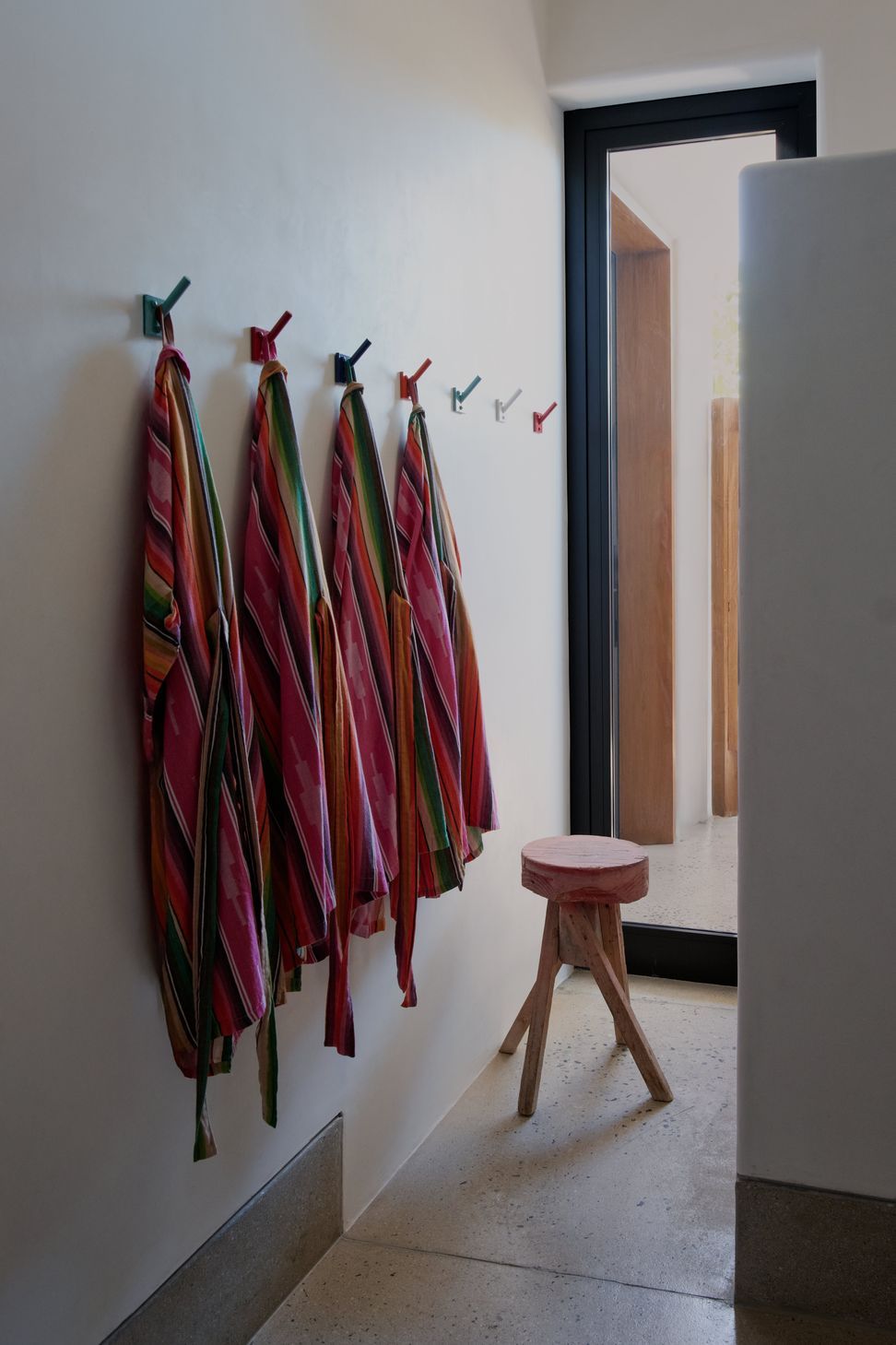
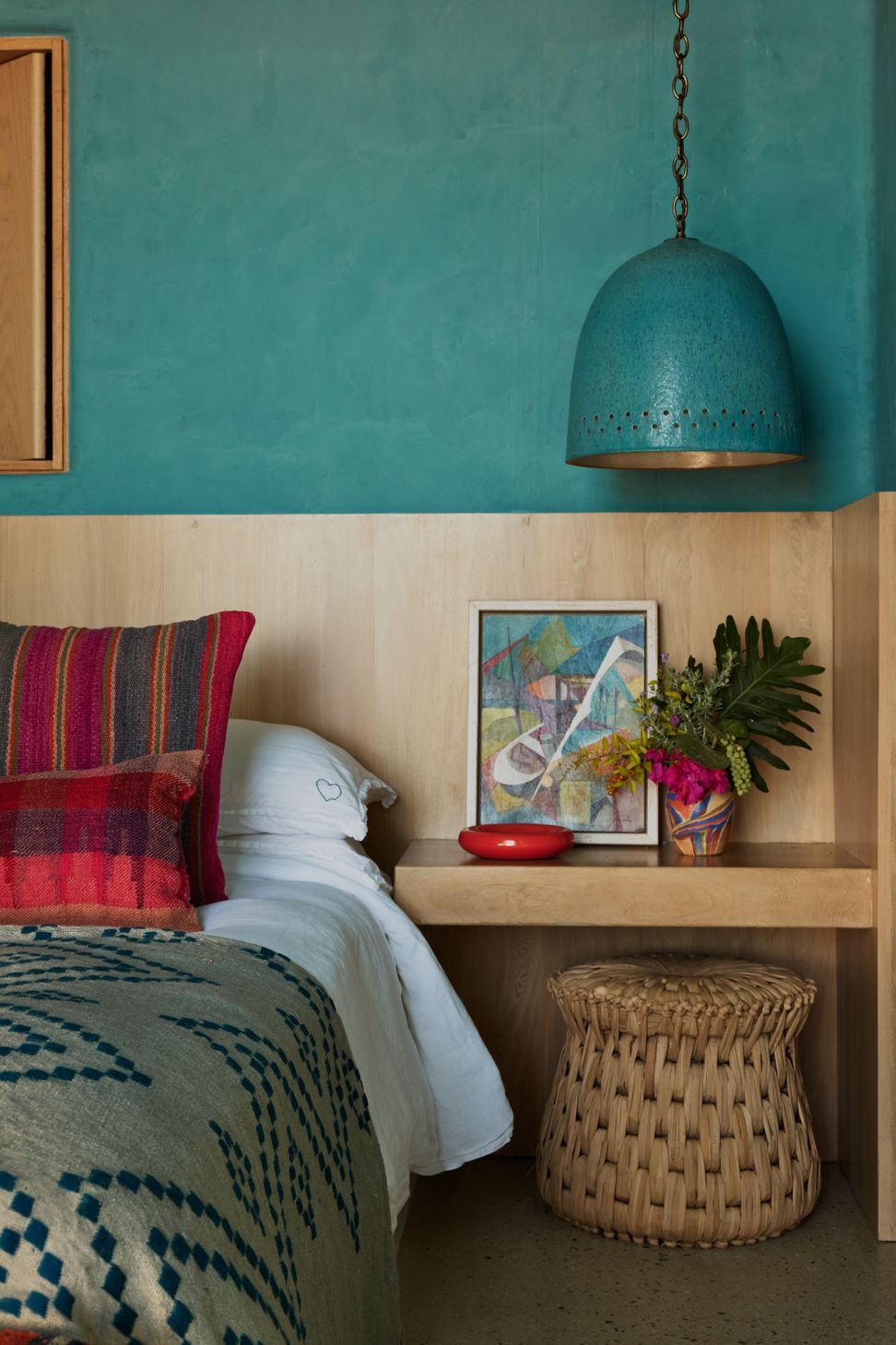
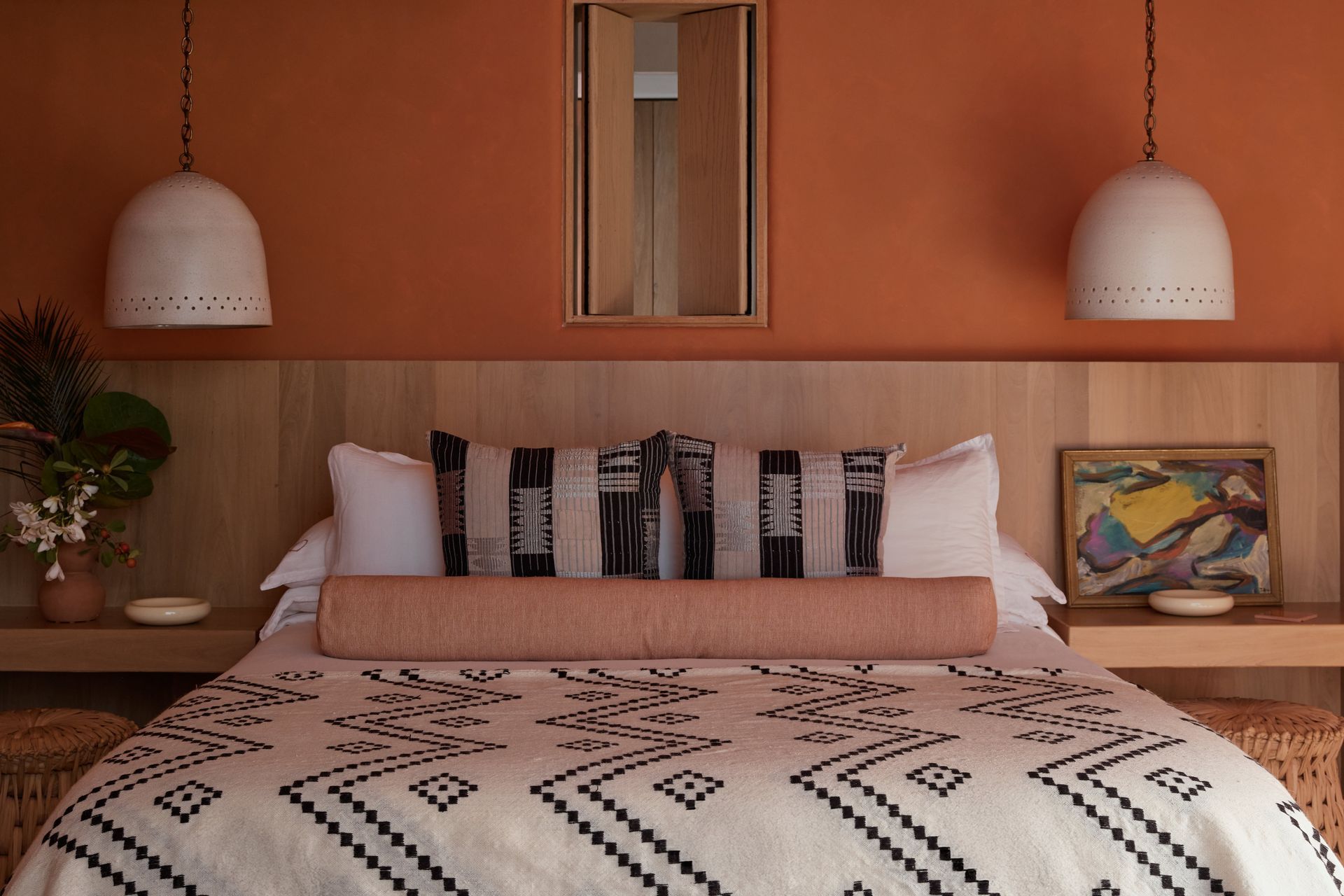
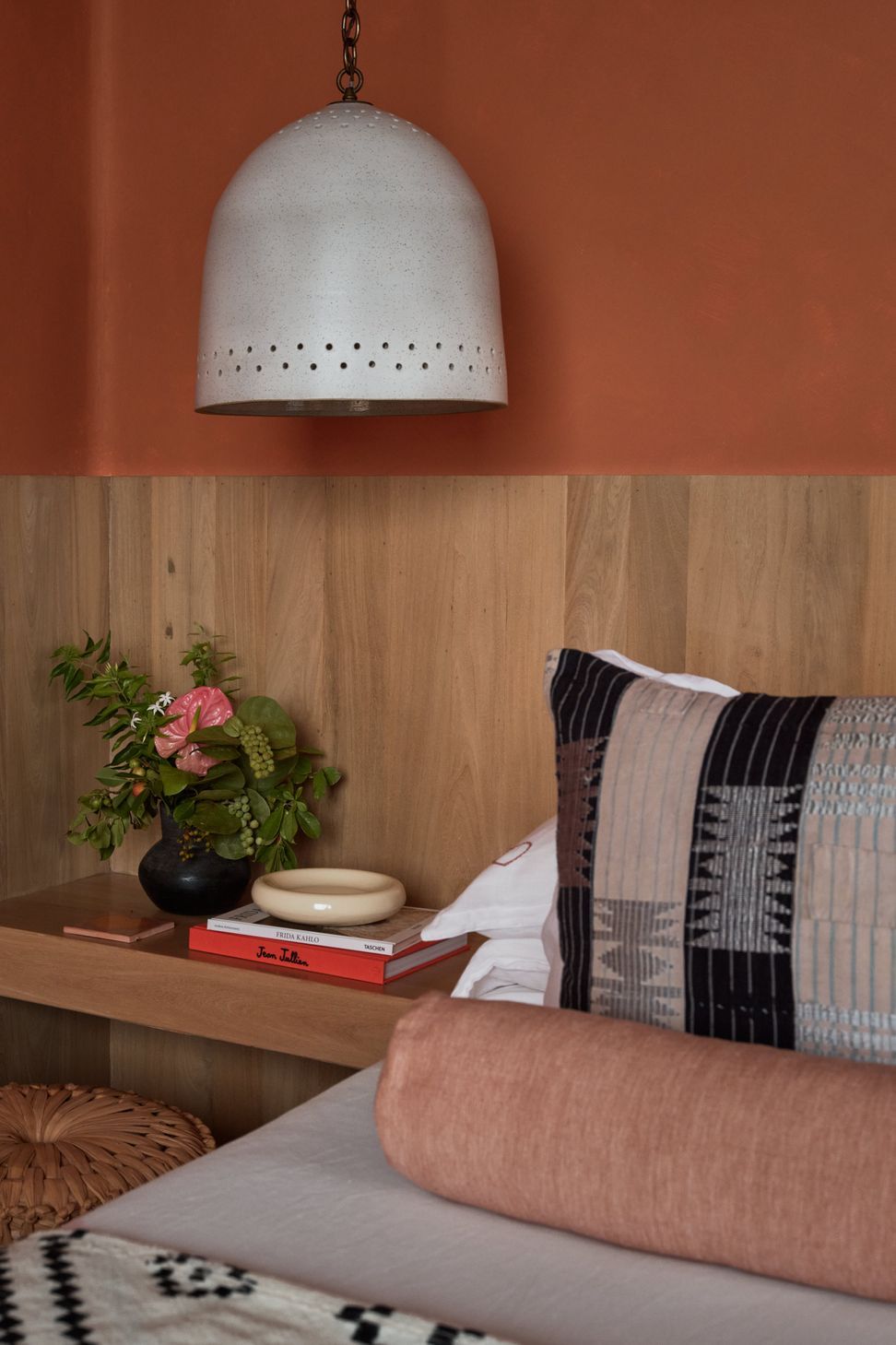
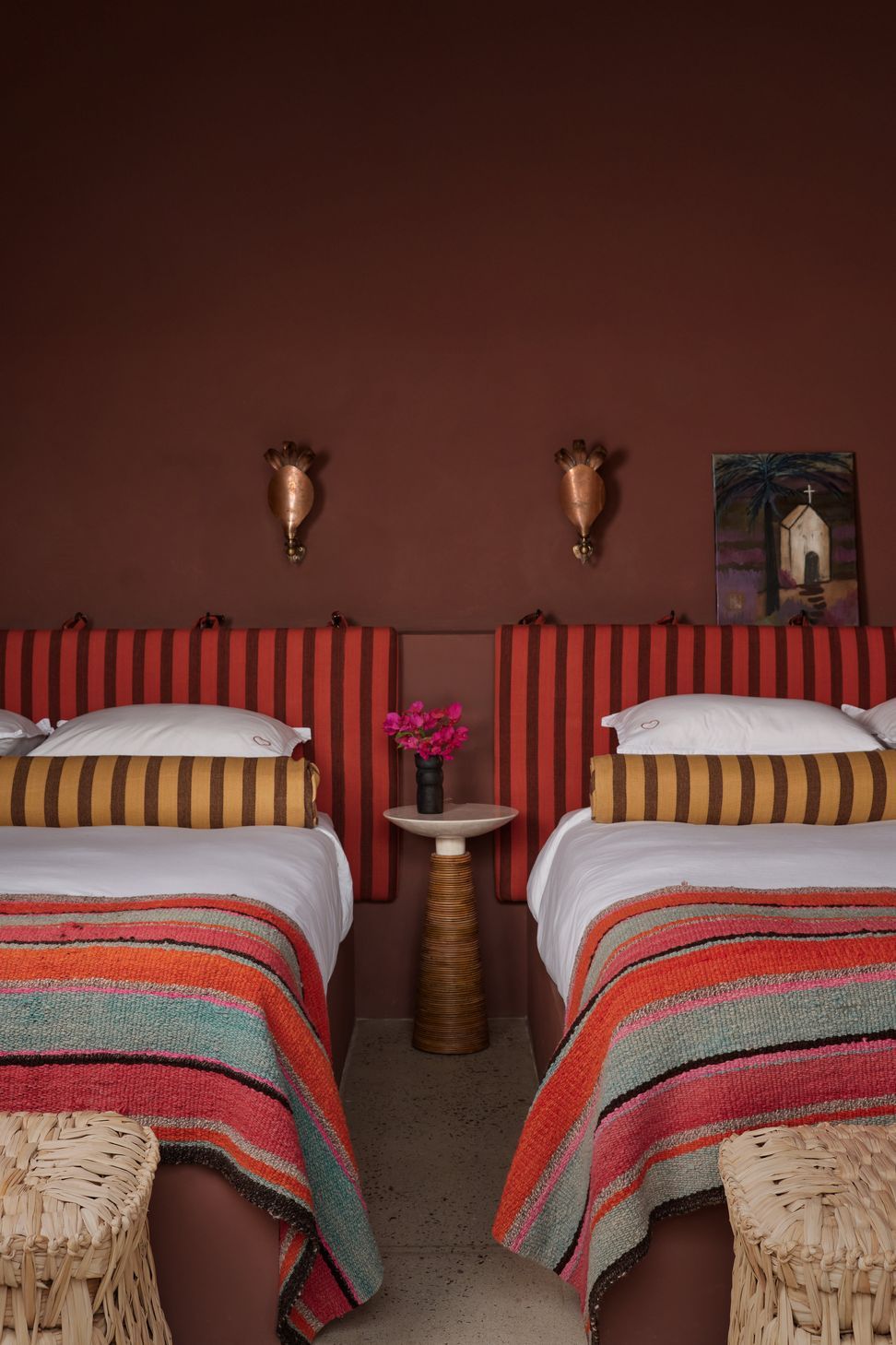
Creamy plaster walls remained, but richer terracottas, saturated colors and handcrafted pieces gradually replaced the quieter palette they had first imagined.
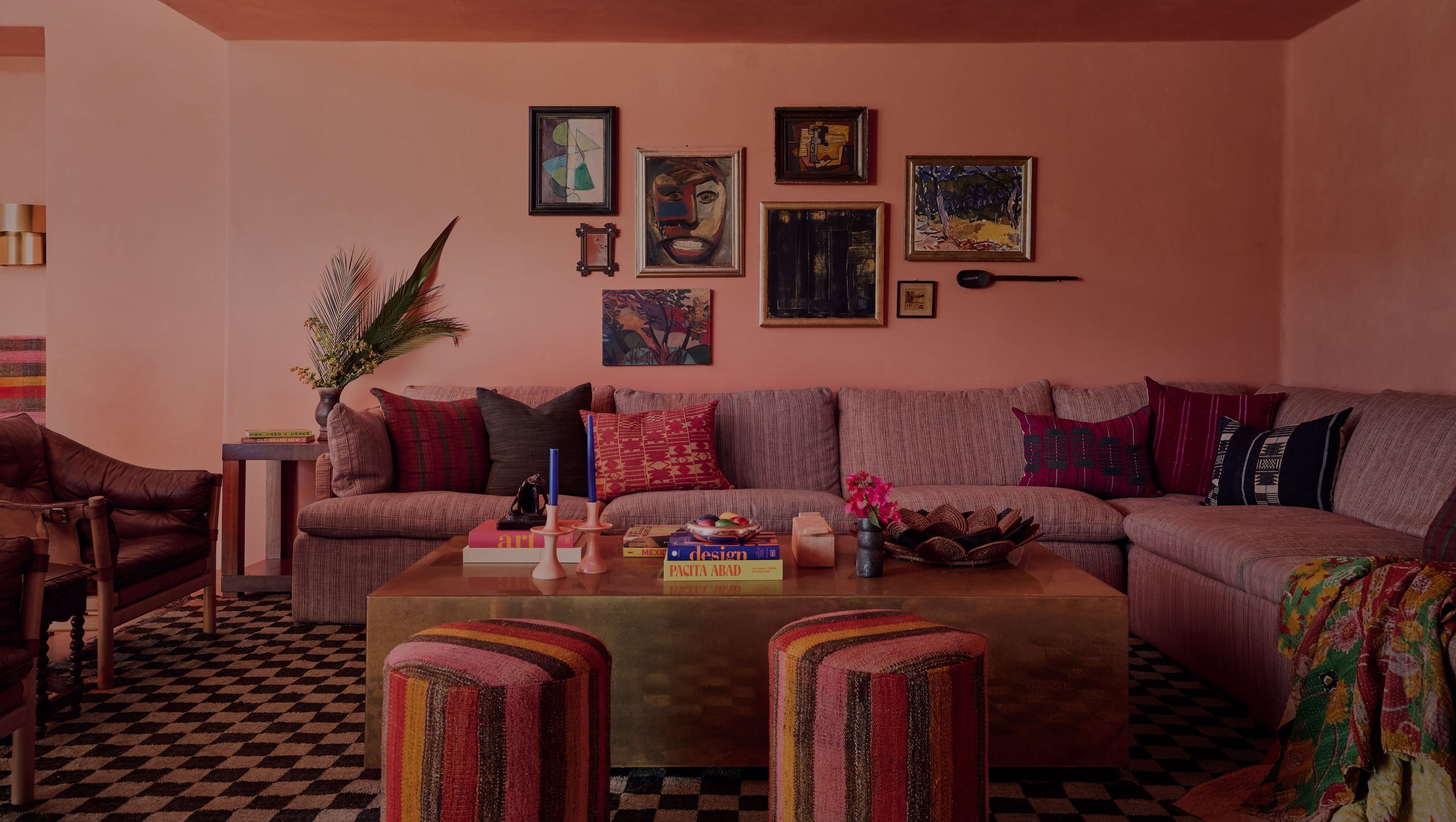
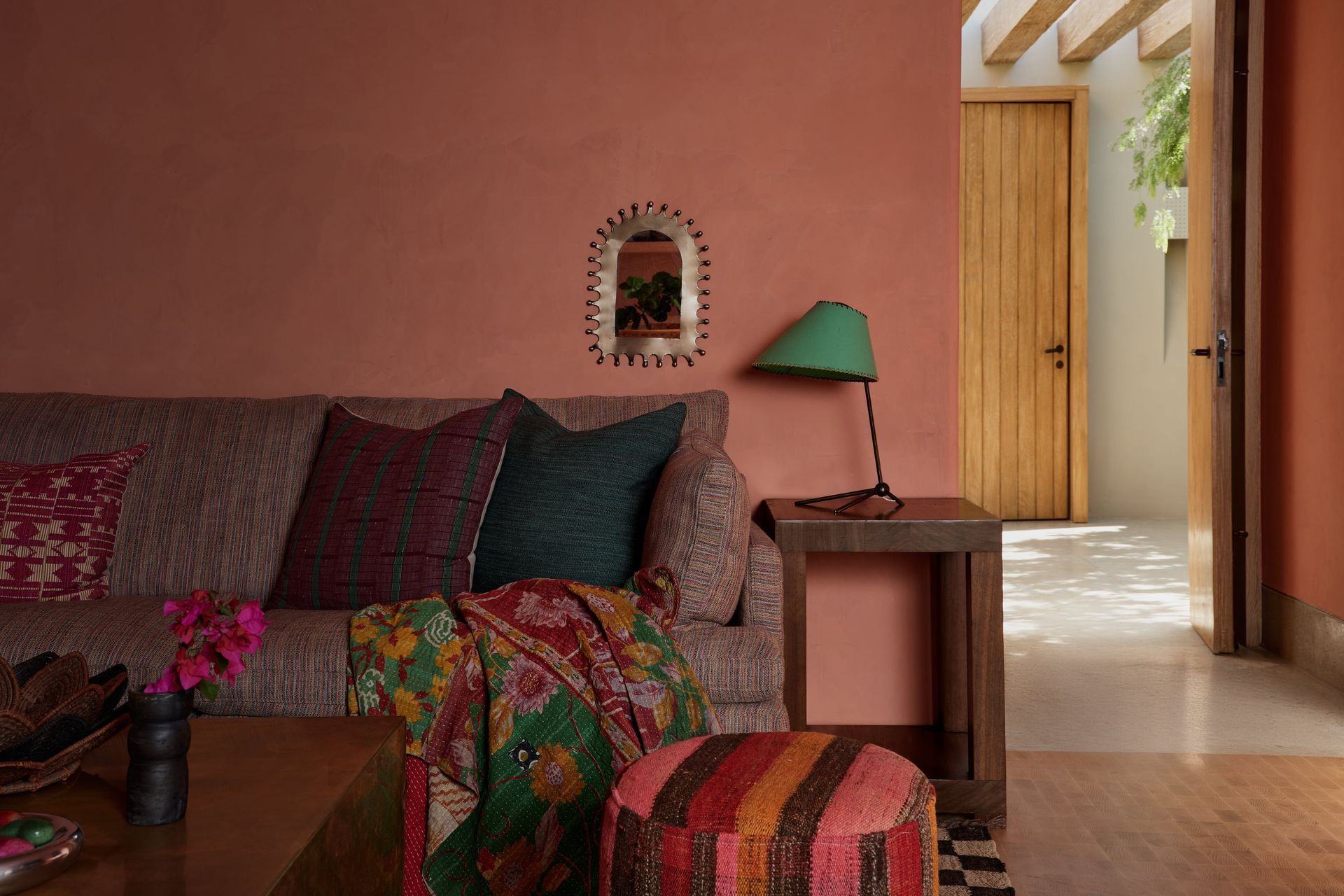
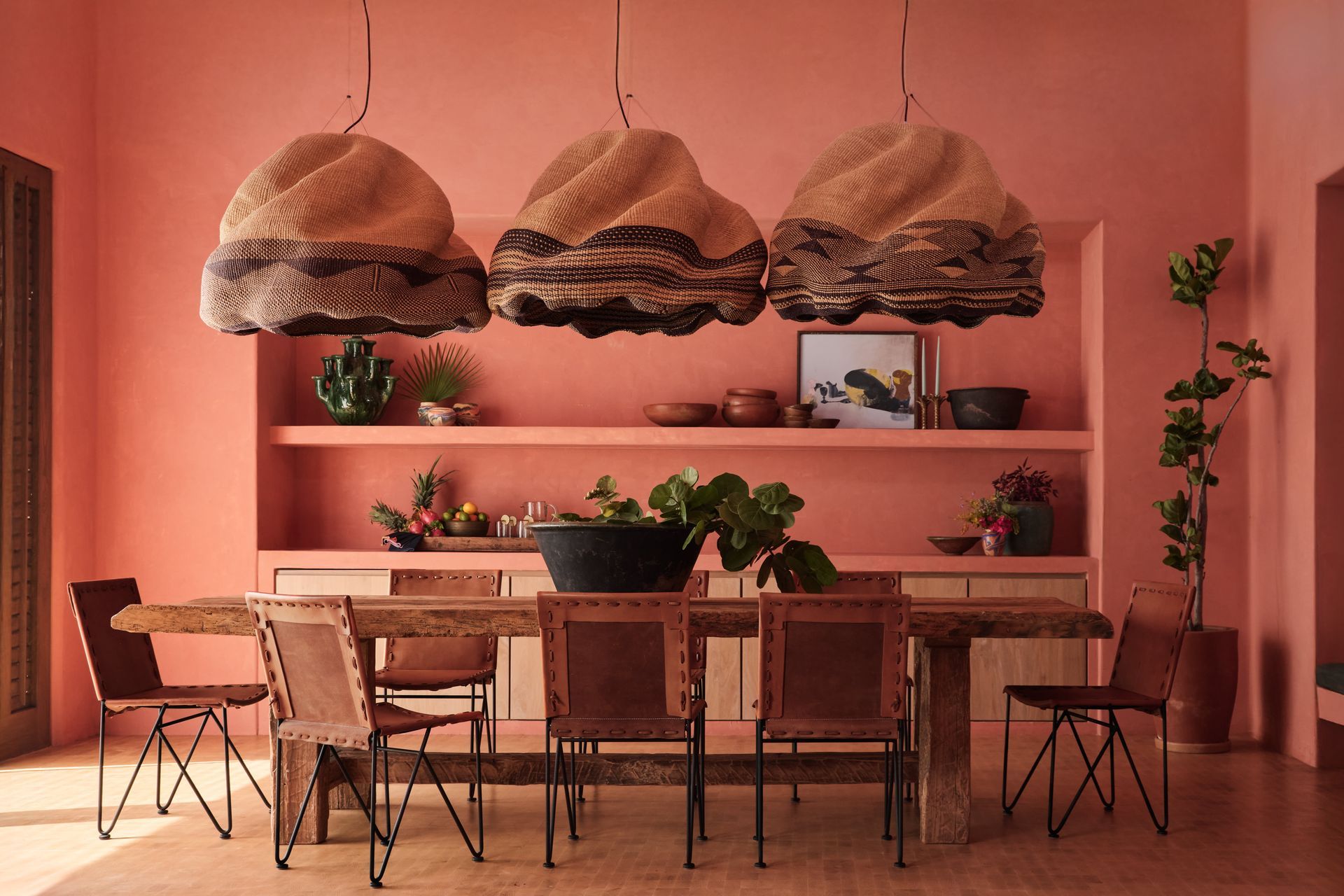
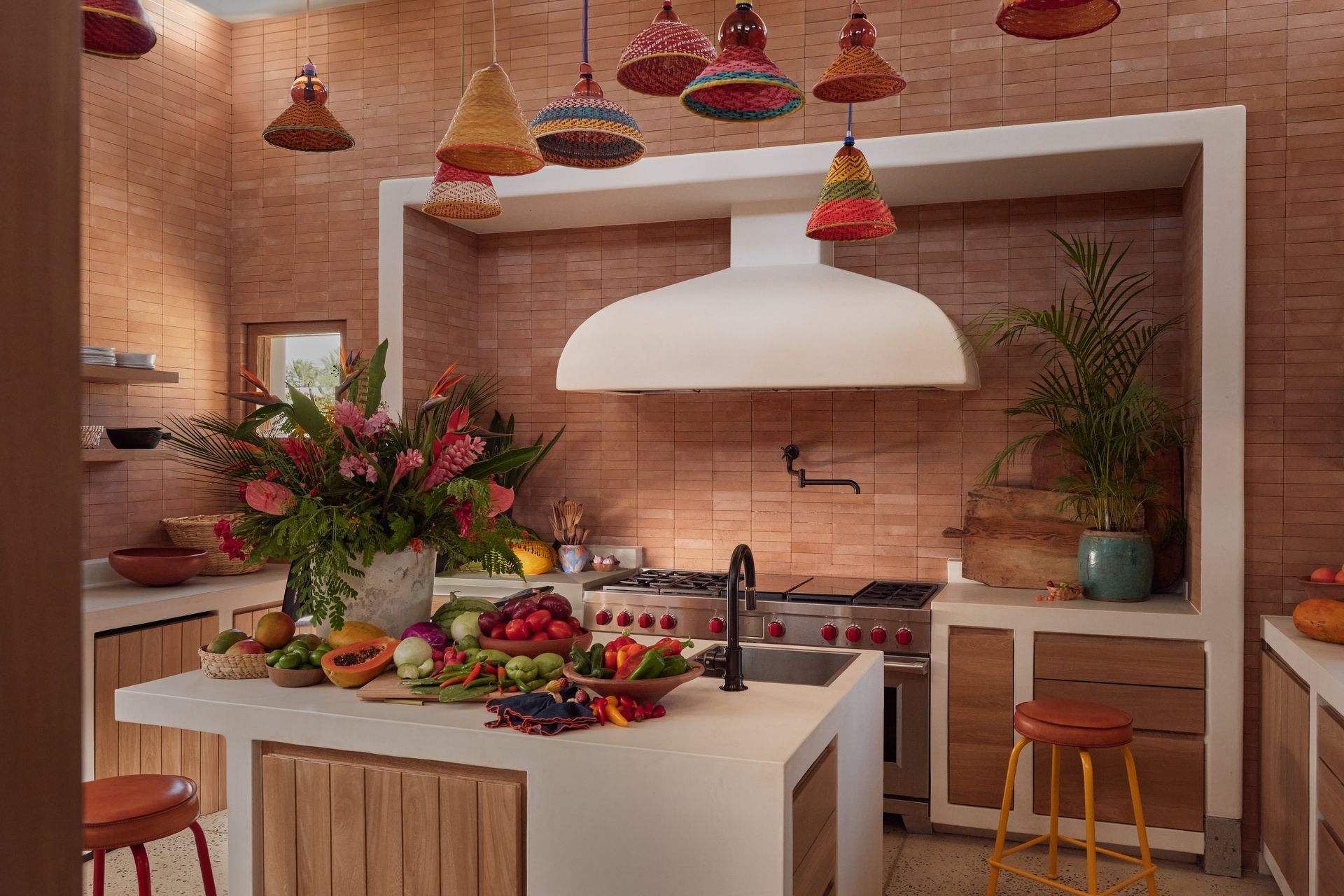
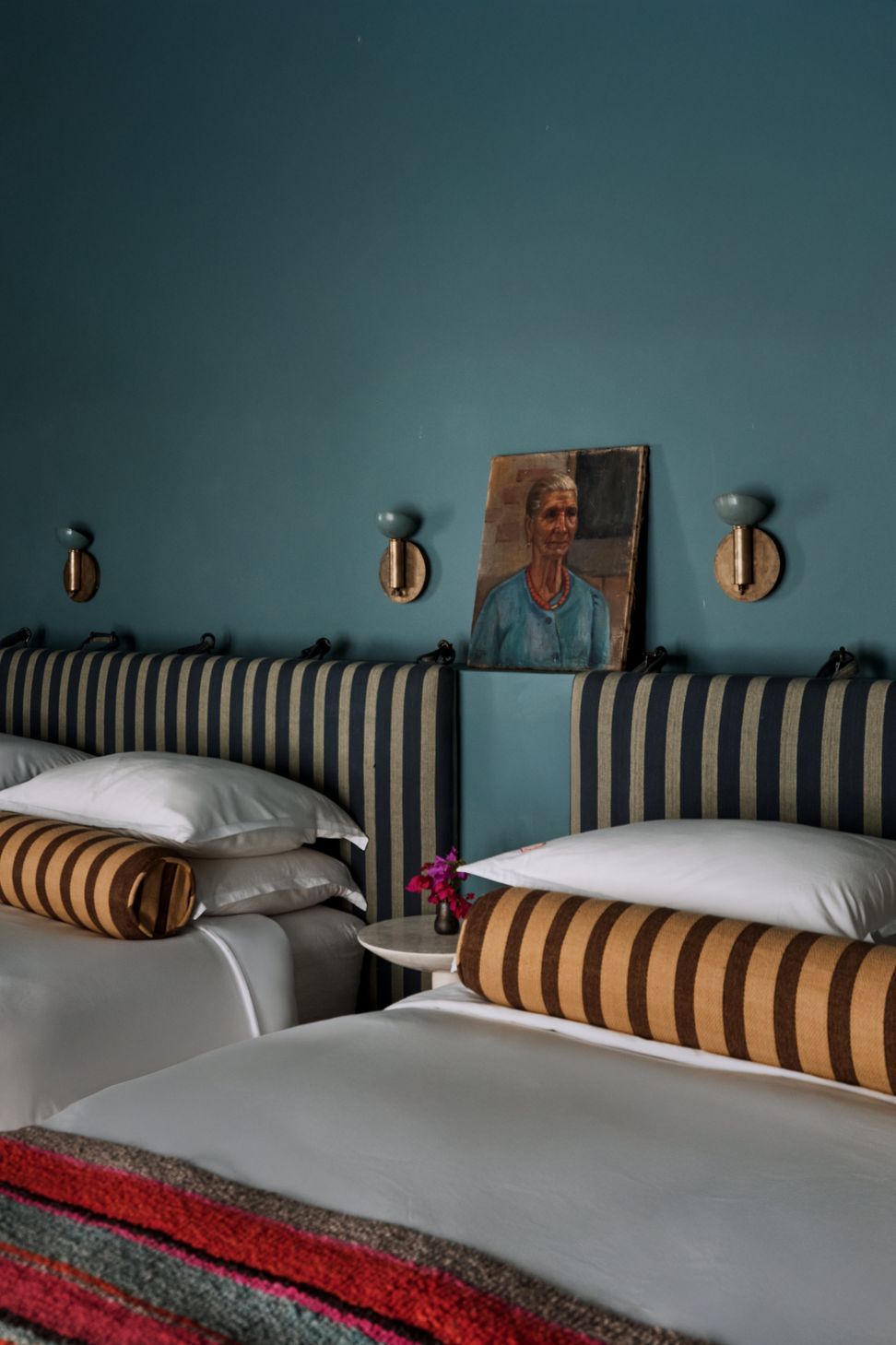
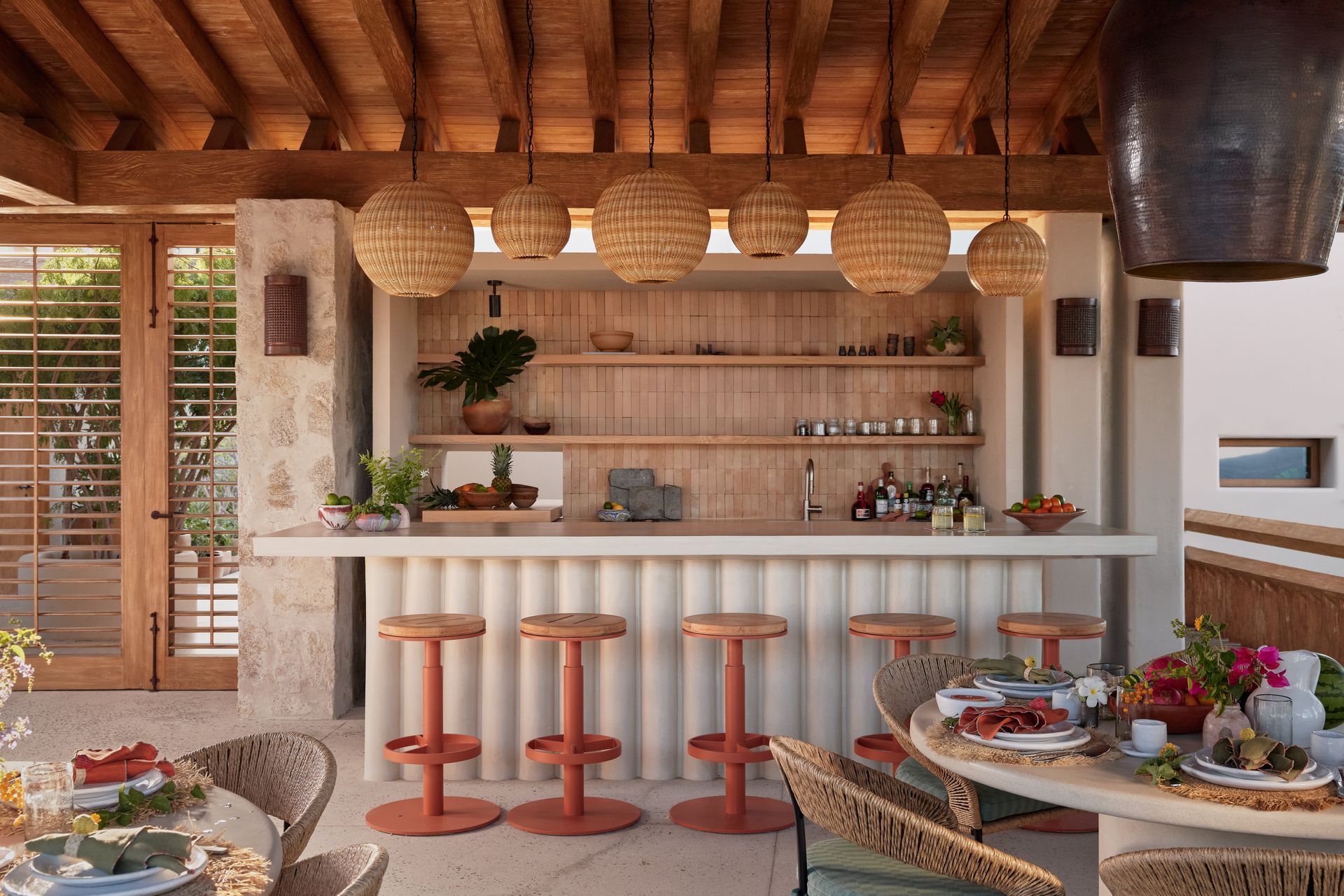
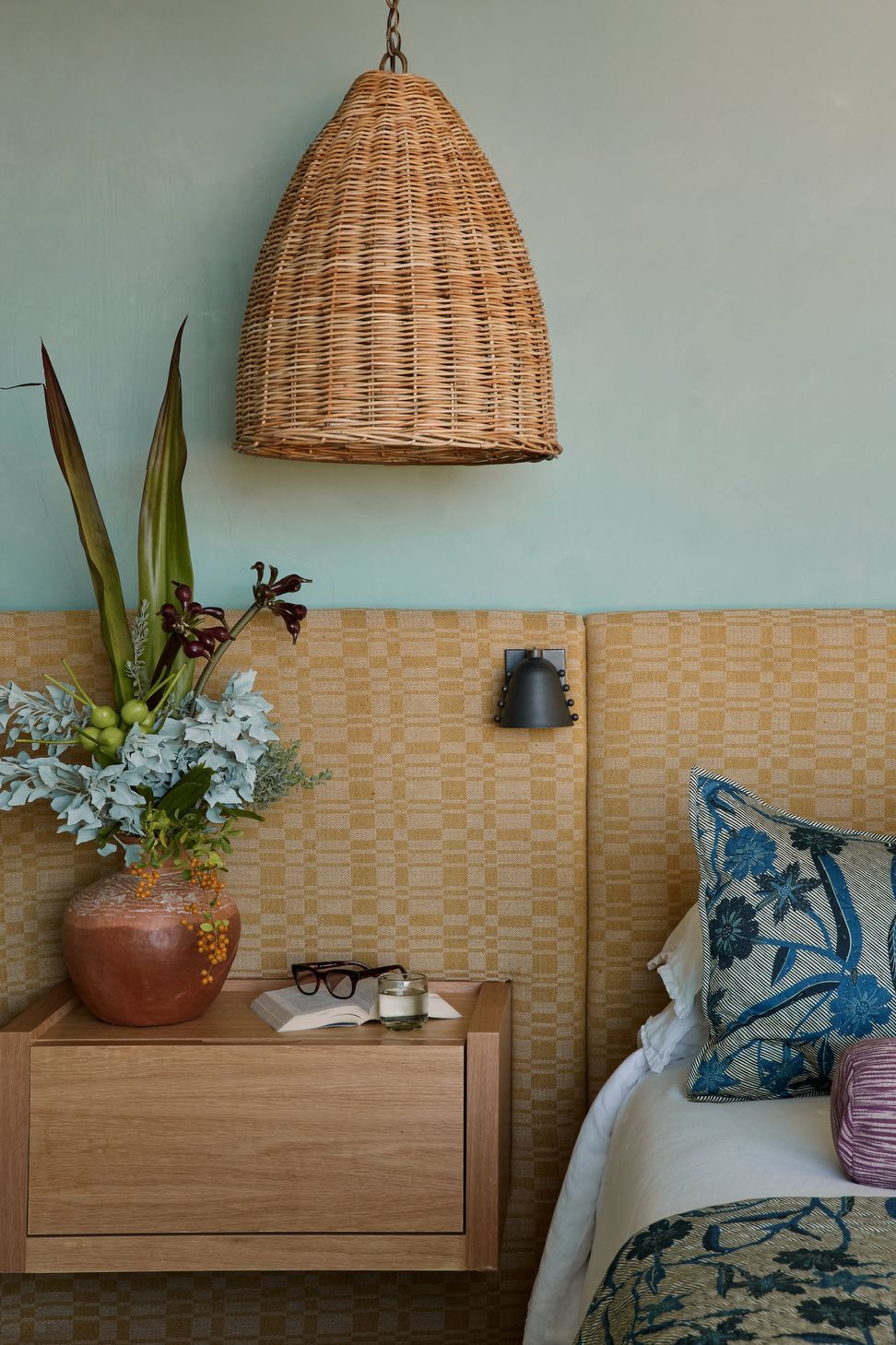
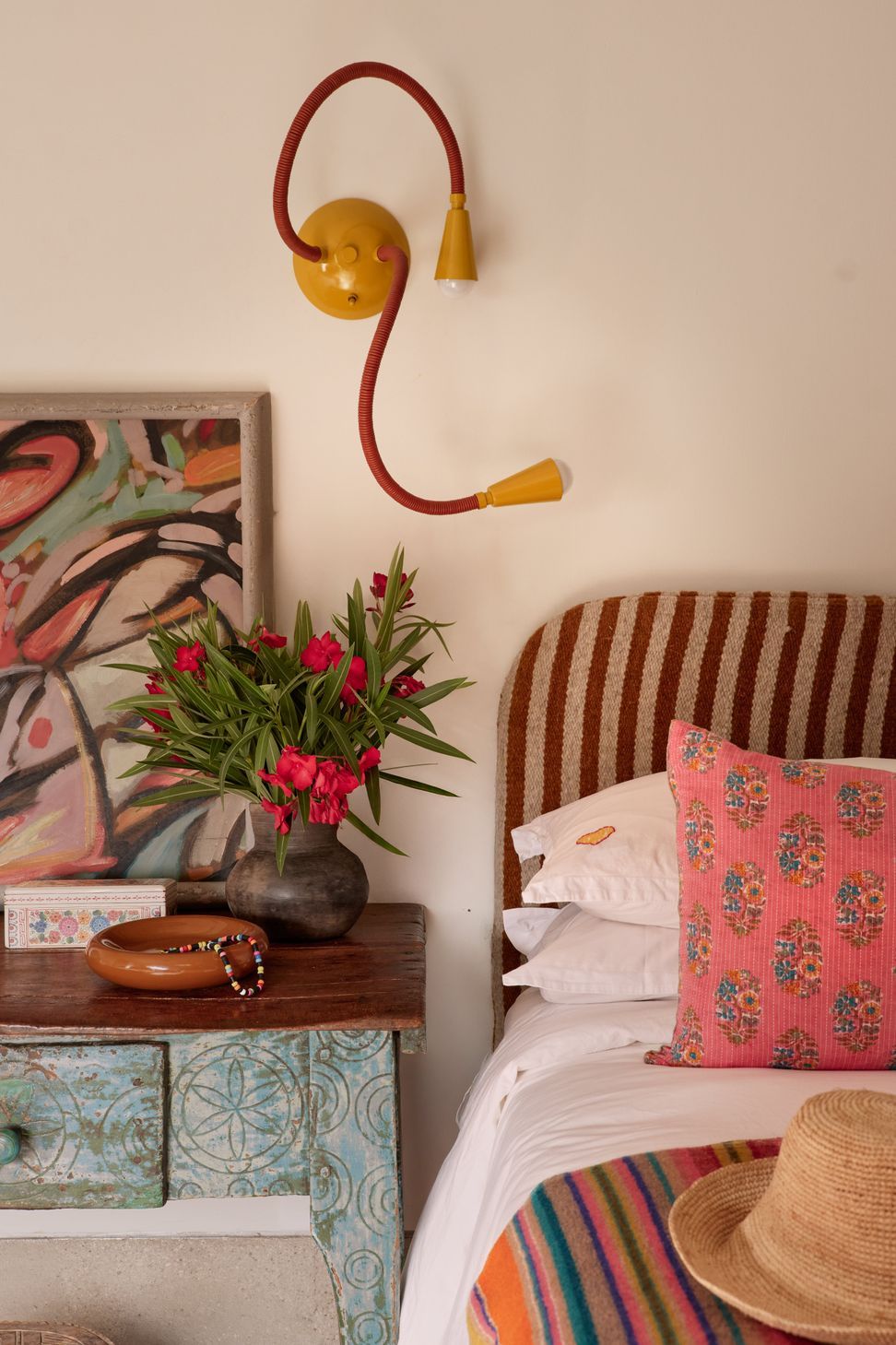
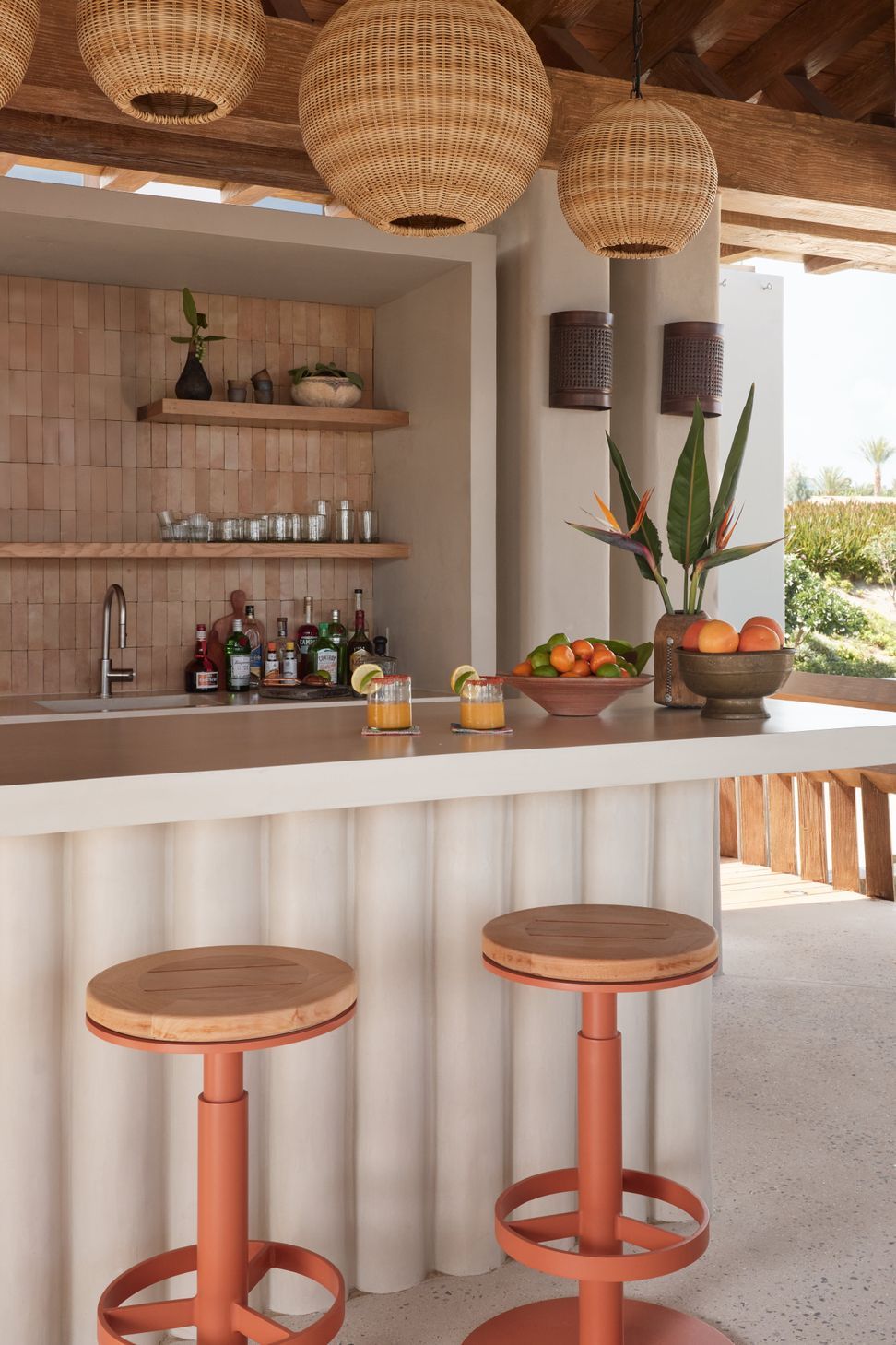
Mirrors and beds were custom-made in Mexico City. Mexican artisans hand-wove textiles that appeared throughout the house. An artist in Cabo painted hand-crafted ceramic hearts that identify each bedroom, while oversized woven pendants by PET Lamp introduced sculptural scale while celebrating recycled materials and traditional craftsmanship.
Rather than importing a preconceived aesthetic, the interiors became increasingly rooted in place. The ability to collect and layer the material choices over time was one of the biggest luxuries of the project; because the designers weren't racing towards a presentation deadline, they could wait for the right pieces to appear.
They collected vintage lighting, including one extraordinary copper light that became the starting point for a dining space. A later discovery of four blue vintage fixtures informed another room of the house.
"It just built and built and built," Cunningham says. "Anything that was good, we collected, and eventually it found its place in the house."
That approach created interiors with an authenticity that couldn't have been achieved through a single round of sourcing.
The formal living and dining room exemplifies this layered process. End-grain timber flooring introduces rich texture beneath oversized woven pendants suspended above a custom dining table crafted in Mexico City. Upholstery incorporates antique rugs sourced from Mexico and Turkey, while a brass coffee table was deliberately weathered with seawater to encourage a natural patina.
"The client doesn't mind things showing their age," Cunningham says. "The ring from a glass on the table becomes part of the story of all the people who've been there before."
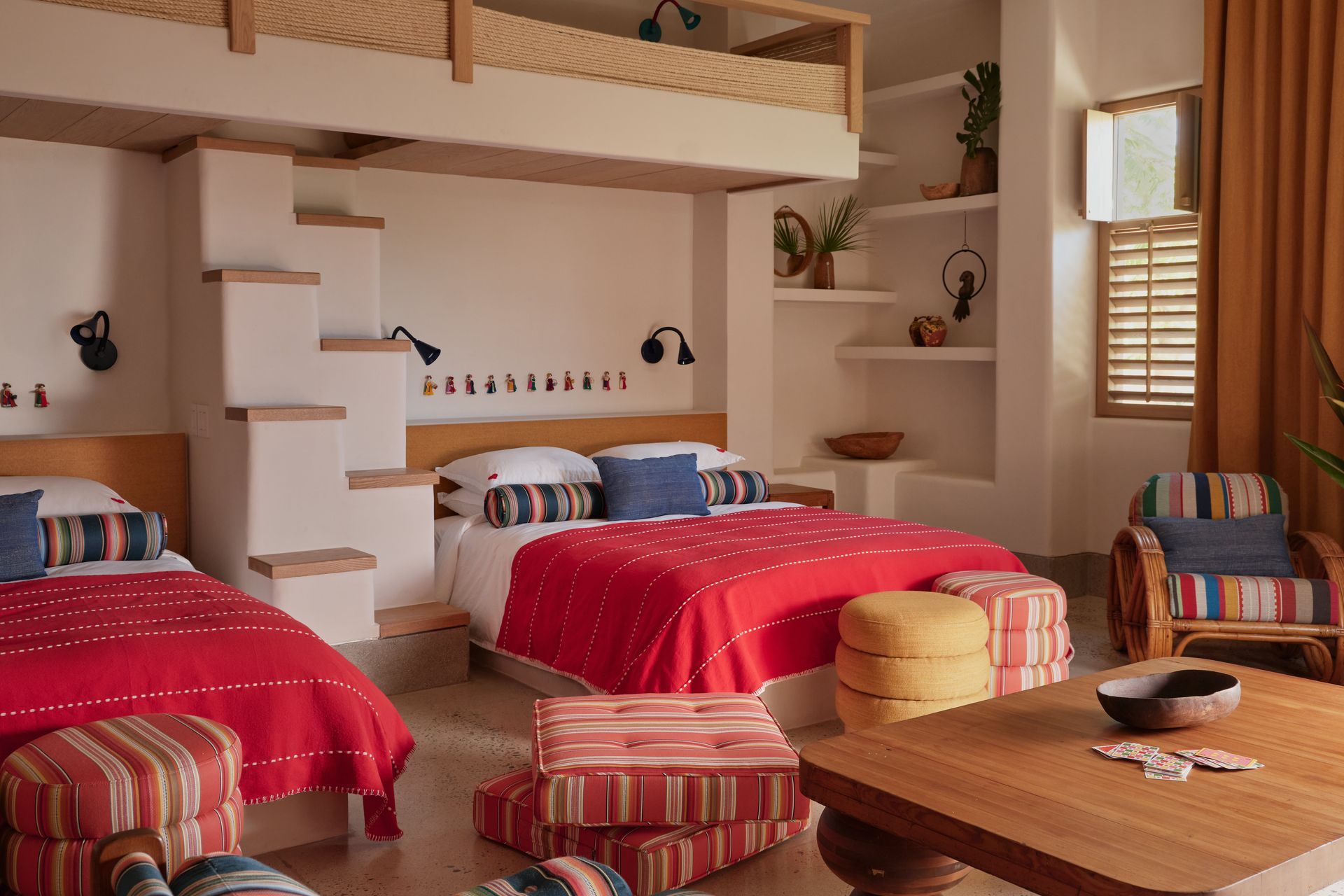
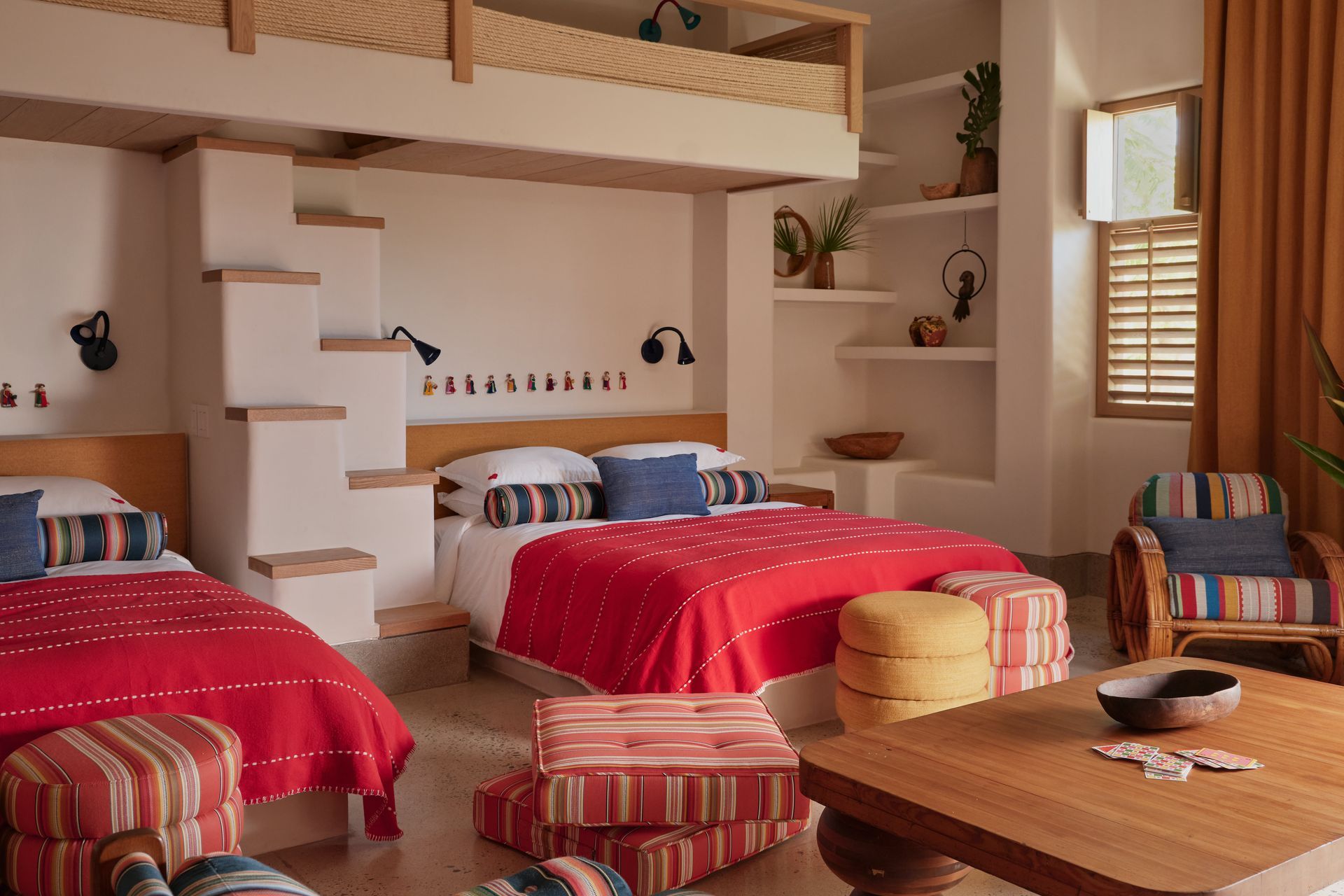
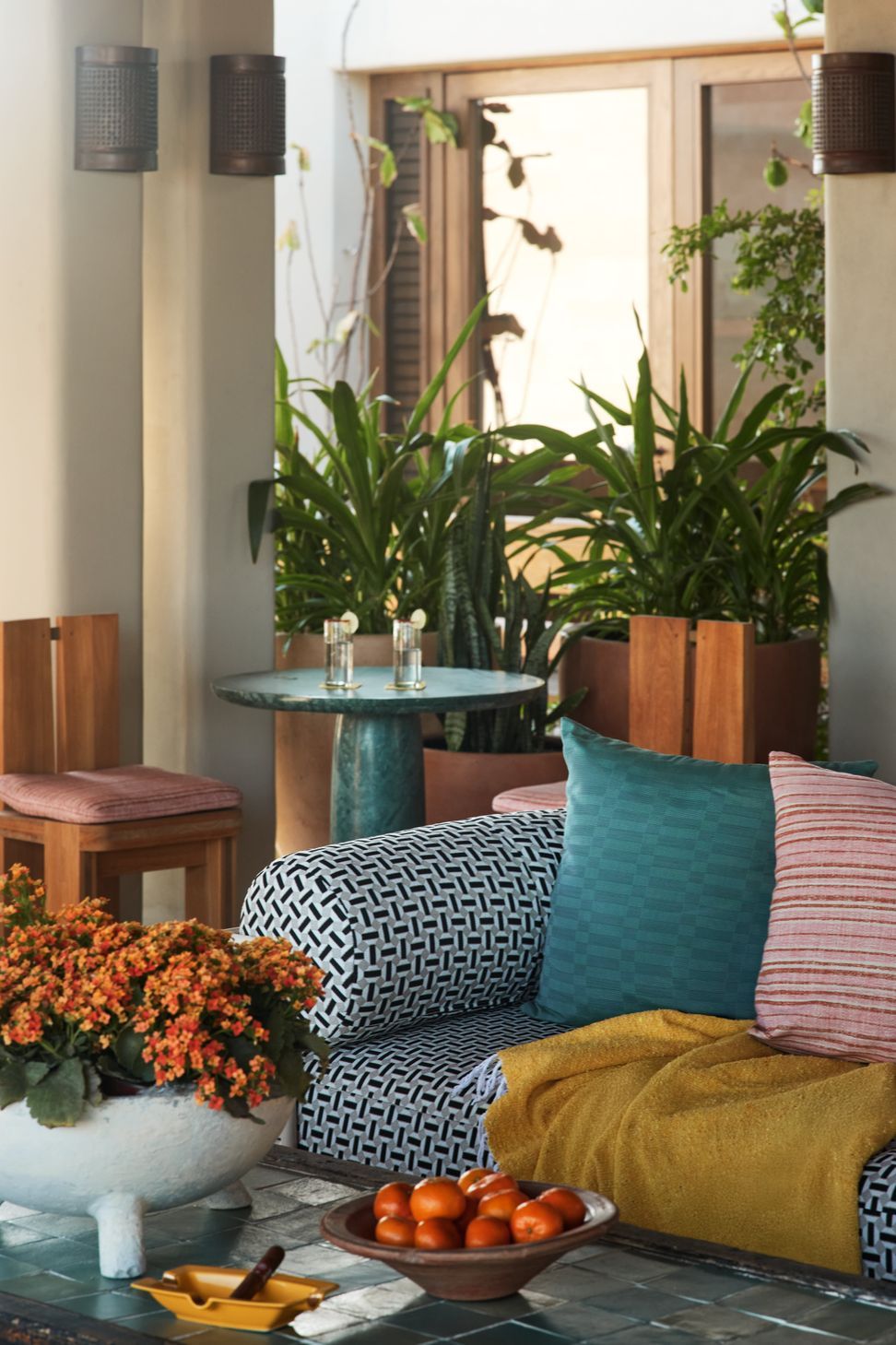
Elsewhere, rammed earth tiles extend from floor to ceiling throughout the expansive kitchen, connecting visually with the warm terracotta tones beyond. Outdoor rooms are unified through repeating textiles, while children's bunk rooms embrace playful color and pattern.
When the family finally experienced La Favorita, Cunningham says the greatest success wasn't any individual room.
"It felt like them," she says. "That's always what we're trying to achieve. The house tells their story, not ours."
For Light and Dwell, the project demonstrates what becomes possible when a client gives the gift of absolute trust. Instead of designing around individual decisions, the studio was able to build an interior thoughtfully and instinctively, until every object, material and artwork felt as though it had always belonged.
- Building style
- Art Deco















Like this Project?
Hire Light and Dwell Interiors
Professionals used in
this project
The practices and trades credited on this project.

More projects from
Light and Dwell Interiors
Other work by Light and Dwell Interiors, across every category they build in.


More in
Luxury Homes
Everything else in Luxury Homes, from every practice on ArchiPro.


Next Project
Keep scrolling