Modern Aluminium Window Sills: The Durable Upgrade for Contemporary Homes

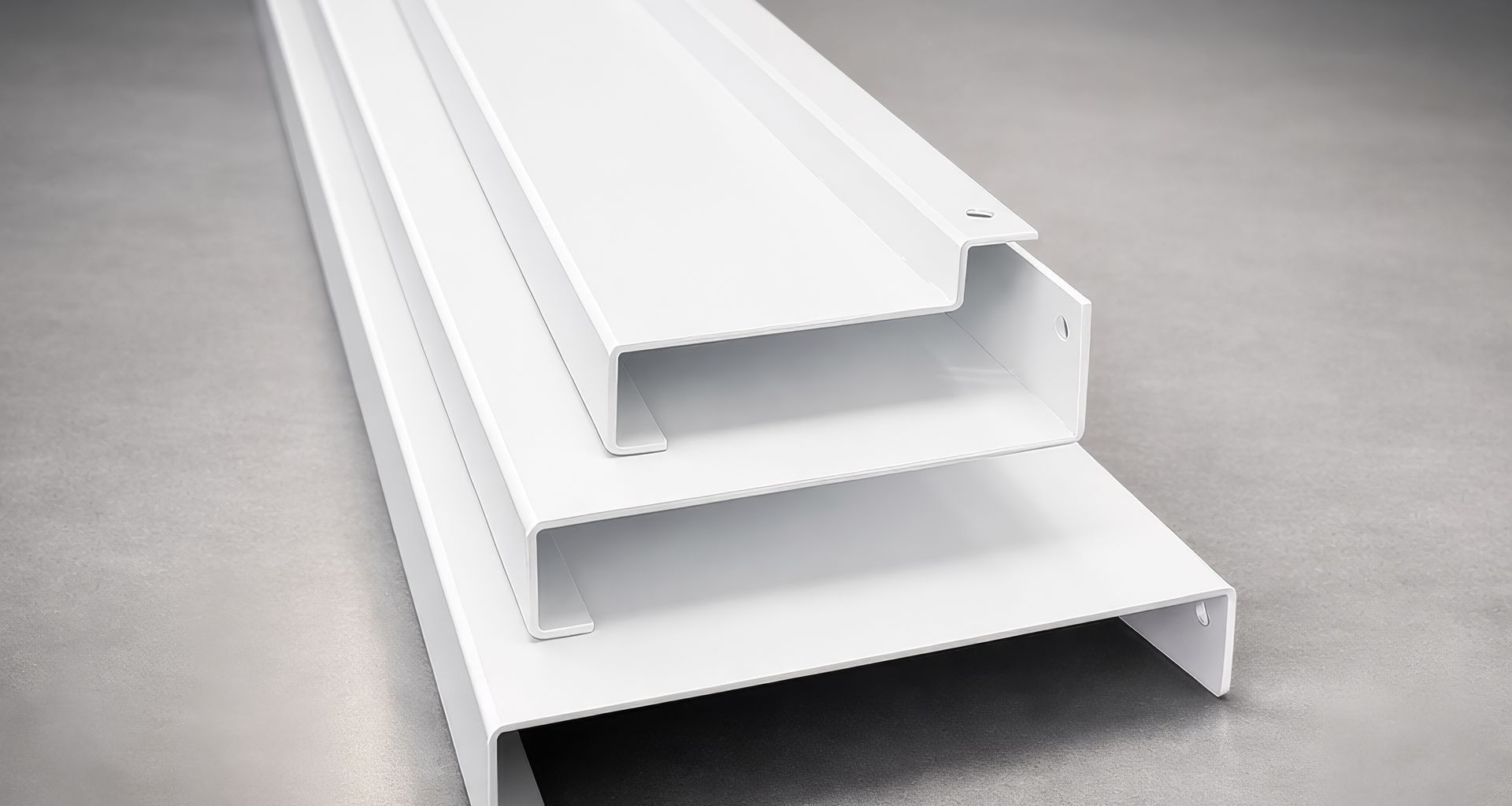
When designing or renovating a building, small architectural details can make a surprisingly large impact. One of the most overlooked components is the window sill, the horizontal ledge located at the bottom of a window that protects the structure while completing the visual finish of the façade.
In modern construction, aluminium window sills are becoming a preferred alternative to traditional materials such as timber or concrete. Their clean lines, durability and low-maintenance finish make them ideal for contemporary homes, apartments and commercial buildings.
In this guide, we explore why aluminium window sills are becoming the preferred choice for architects, builders and homeowners, and how they can improve both the performance and appearance of a building.
What Is a Window Sill and Why Is It Important?
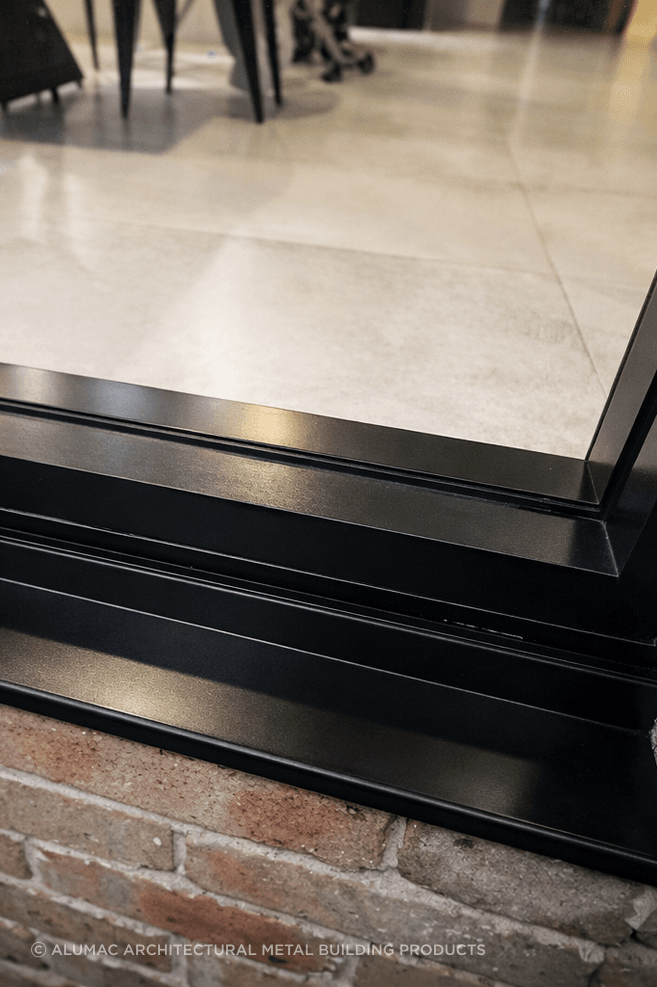
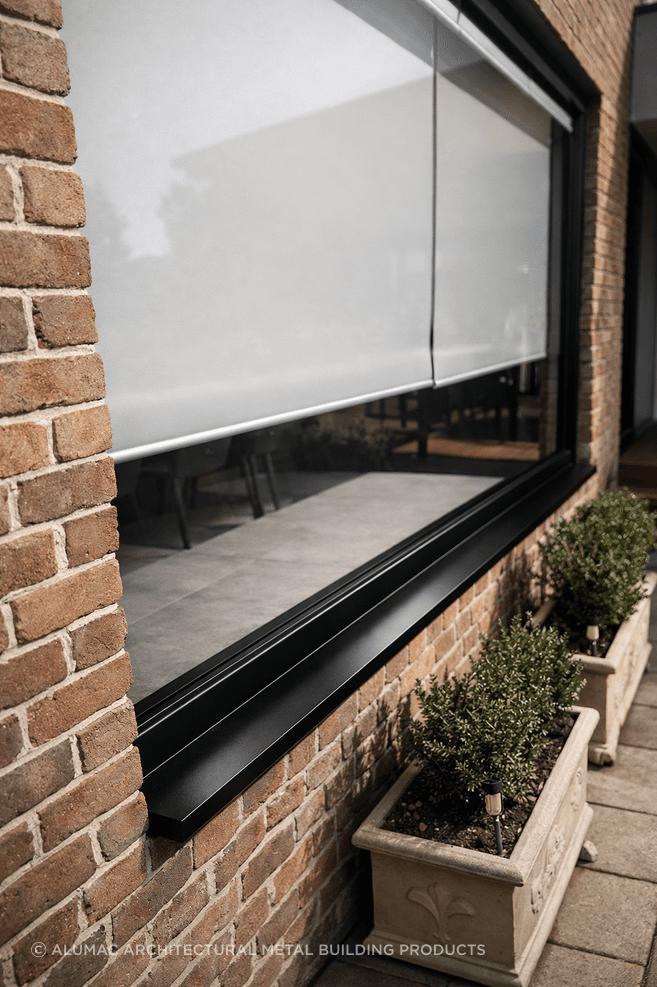
A window sill is the horizontal structural element installed beneath a window frame. Its main purpose is to help direct rainwater away from the wall and window opening, reducing the risk of moisture damage.
Without a properly designed sill, water can seep into the wall cavity, which may lead to:
- Water damage
- Mould growth
- Deterioration of plaster or render
- Long-term structural issues
External window sills are typically designed with a slight fall so water drains away from the building rather than running back toward the façade. While they play an important functional role in protecting your home or business premises from rain and wind, they also contribute to the overall architectural finish of the property.
Why Aluminium Window Sills Suit Modern Architecture
Modern homes increasingly use aluminium for architectural features such as window frames, louvre screens, sun hoods and façade details. Aluminium window sills complement these elements with a sleek, refined appearance and practical long-term performance.
1. Durability in Australian Conditions
Our in-house powder coated aluminium is highly resistant to corrosion, UV exposure and harsh weather. Unlike timber, it does not rot, warp or crack over time. This makes it especially suitable for Australian homes and commercial buildings, including coastal and high-rainfall locations.
2. Low Maintenance
Traditional timber window sills often need ongoing repainting, sealing and repairs. Aluminium requires very little maintenance beyond occasional cleaning, making it an efficient long-term option for both residential and commercial projects.
3. Clean, Contemporary Finish
One of the main reasons aluminium is popular in modern architecture is its clean profile and crisp lines. It works particularly well with:
- Powder-coated aluminium windows
- Rendered façades
- Contemporary cladding systems
- Other custom metal architectural features such as window hoods
Available in a range of powder-coated finishes, aluminium window sills can be matched to surrounding architectural elements to create a cohesive exterior design.
4. Custom Fabrication
Every project is different, and one of the major advantages of aluminium is its flexibility. Custom aluminium window sills can be fabricated to suit different window sizes, projections and façade requirements.
This makes them an excellent solution for:
- Architectural homes
- Renovations and extensions
- Multi-residential developments
- Commercial buildings
5. Effective Water Management
A well-designed aluminium window sill helps manage water runoff and direct moisture away from the building envelope. This improves durability around the window opening and helps protect the surrounding wall system over time.
Aluminium Window Sills vs Traditional Materials
When comparing materials, aluminium stands out for its balance of style, performance and low maintenance.
- Timber window sills offer a traditional appearance but can rot, swell or require repainting.
- Concrete window sills are durable but heavy and less flexible in design.
- PVC window sills may be economical, but can become brittle or fade over time.
- Aluminium window sills provide a modern appearance, custom fabrication options and long-term durability.
Although aluminium may have a higher upfront cost than some alternatives, its longevity and reduced maintenance often make it a more cost-effective option over time.
Where Aluminium Window Sills Are Commonly Used
Modern aluminium window sills are commonly specified for a wide range of projects, including:
- New residential homes
- Architectural renovations
- Townhouse and duplex developments
- Commercial and mixed-use projects
- Coastal properties
Because aluminium is lightweight, durable and easy to customise, it suits projects where both performance and appearance matter.
Creating a Cohesive Modern Façade
Aluminium window sills can also be paired with other architectural metal elements to create a more considered external finish. Depending on the project, they may be matched with:
- Aluminium louvre screens
- Window shrouds or sun hoods
- Laser-cut screens
- Custom powder-coated façade elements
Using coordinated finishes across these features helps create a more consistent and premium architectural outcome.
What to Consider When Choosing an Aluminium Window Sill
When selecting a window sill for a project, it is important to consider:
- The sill projection
- Drainage and water runoff
- Powder-coated colour selection
- Compatibility with the window system
- Integration with flashing and surrounding cladding
A custom-fabricated aluminium solution allows for a better fit and improved finish, particularly on architectural builds or renovation projects where standard off-the-shelf products may not suit.
Looking for Custom Aluminium Window Sills?
If you are designing a new home, upgrading an existing façade or specifying a product for a commercial project, aluminium window sills¹ offer a durable and visually refined solution.
They combine modern architectural appeal with practical performance, making them a smart choice for a wide range of building styles.