Designing with the tide
Written by
01 April 2026
•
5 min read


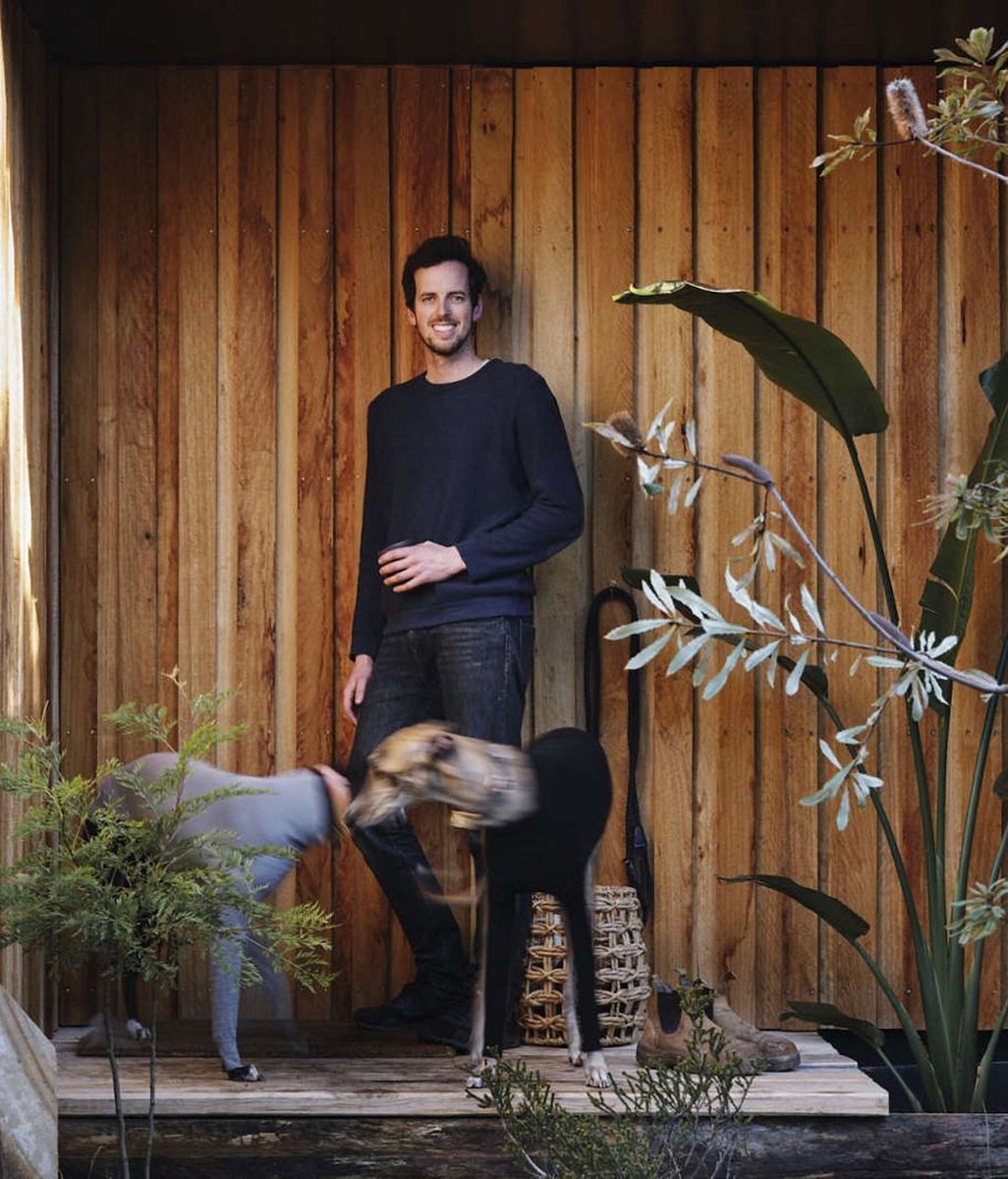
There is something formative about growing up on the coast. There’s an attunement to the surf and tides, to the horizon line, the light and the elements. For Wayne Greenland of Habitat Studio Architects, that sensibility is not just a childhood memory but a methodology in his architecture practice.
“I grew up surfing from a really young age, and you kind of get tuned into knowing where the wind’s coming from, what the tides are doing, and how the sun moves,” Greenland explains.
“Even now, I can walk onto a site and know where the cooling breeze is and where the harsh light will hit.”
It’s this understanding that underpins an approach to design that feels both grounded and instinctive.
The origins of Habitat Studio Architects are, by contrast, less romantic. Founded in 2010 in the wake of the global financial crisis, the practice began not from a strategic ambition but from necessity.
“I started the business after losing my role in a local firm due to the global financial crisis,” Greenland says candidly. “Everything had sort of crashed, and there just weren’t opportunities, so I set up in the back bedroom and tried to make it work.”

That early period was defined by constraint. Small renovations, incremental extensions, and the kind of residential work that demands patience and resilience. Without the ability to draw on previous large-scale projects, Greenland was effectively starting from zero.
“You’ve got no reference material to lean on,” he says. “So you just take on anything you can and work really hard at it.”
Yet it is precisely this phase that seems to have shaped the practice’s enduring ethos. Working at a smaller scale offered an accelerated education, one that required Greenland to engage with every aspect of a project, from concept through to construction detail.
“You get thrown in the deep end and learn to swim,” he reflects. “There’s no one to ask, so you just figure it out.”
As the studio began to grow, so too did its capacity. A student here, a graduate there, and eventually a converted garage that operated as a semi-formal office for close to a decade. It is a familiar trajectory for many small practices, though Greenland is frank about the challenges that come with it.
“Not everyone can do everything,” he notes. “Some people are strong in design, others in documentation. Building a team is about balancing that.”

The move into a dedicated studio space six years ago marked an important shift. Beyond the practicalities, it signalled a new level of confidence.
“It was a big step, committing to a lease,” he admits. “But it changed how clients saw us and how we saw ourselves. It helped the business grow.”
Despite this evolution, the core of Habitat Studio Architects’ work has remained remarkably consistent. The projects may now carry larger budgets and greater scope, but the underlying principles are unchanged. They are, in fact, explicitly articulated through a series of guiding ideas that Greenland has carried with him since the early days of the practice: Rejoice in the place; tune to the site; invite the breeze; move with the sun.
“They’re simple, but they really resonate,” he says. “They keep us focused on what actually matters.”
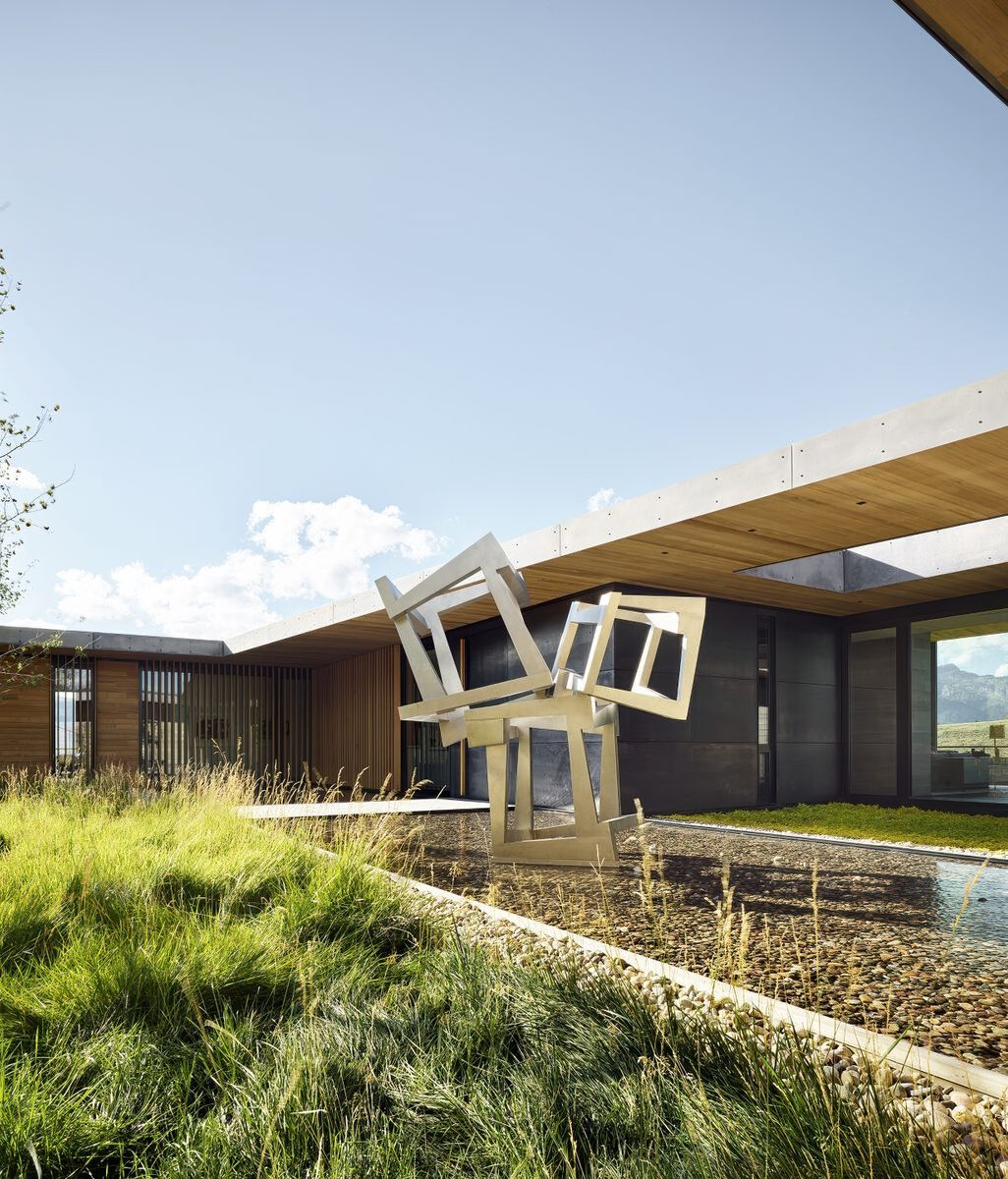
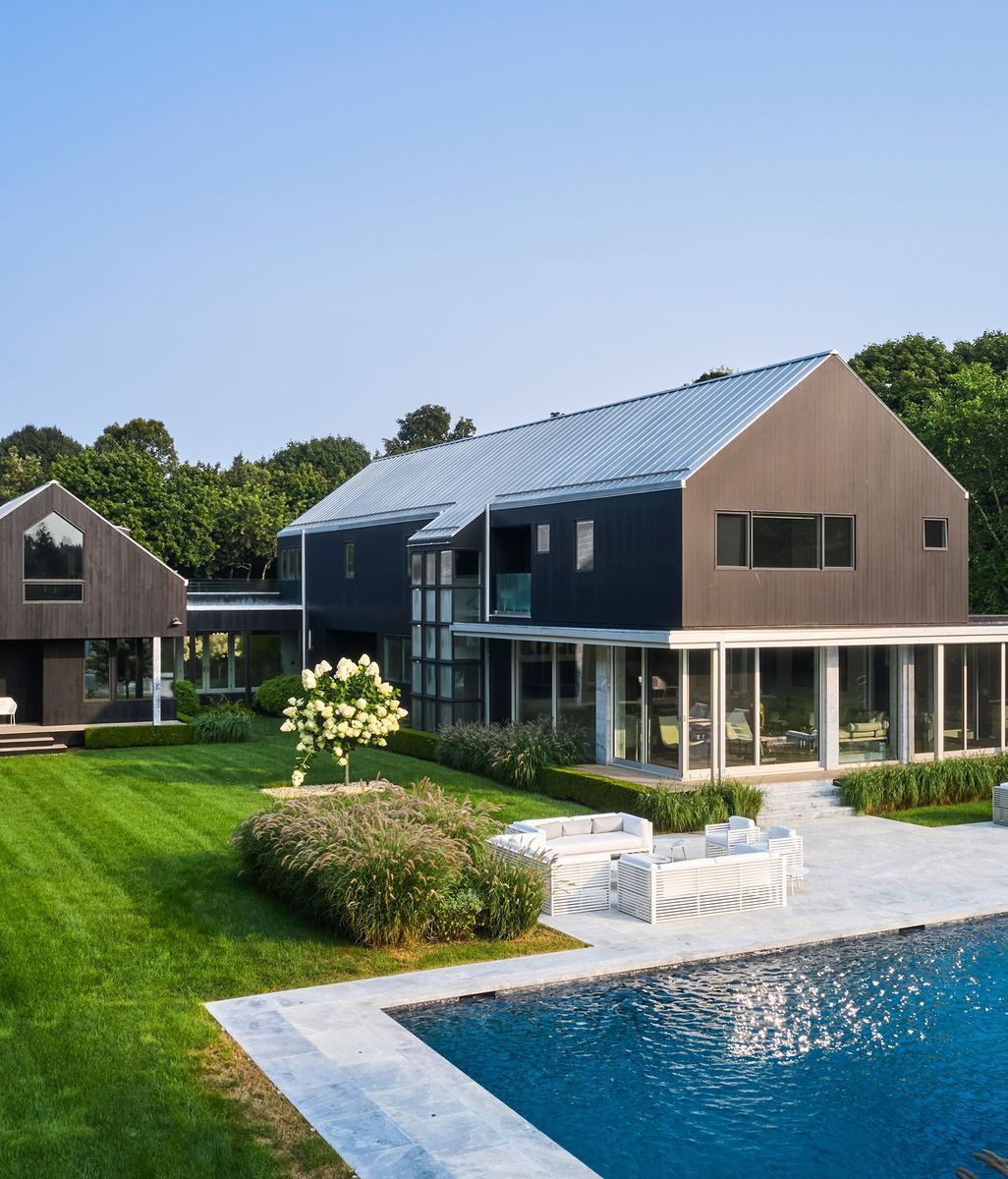
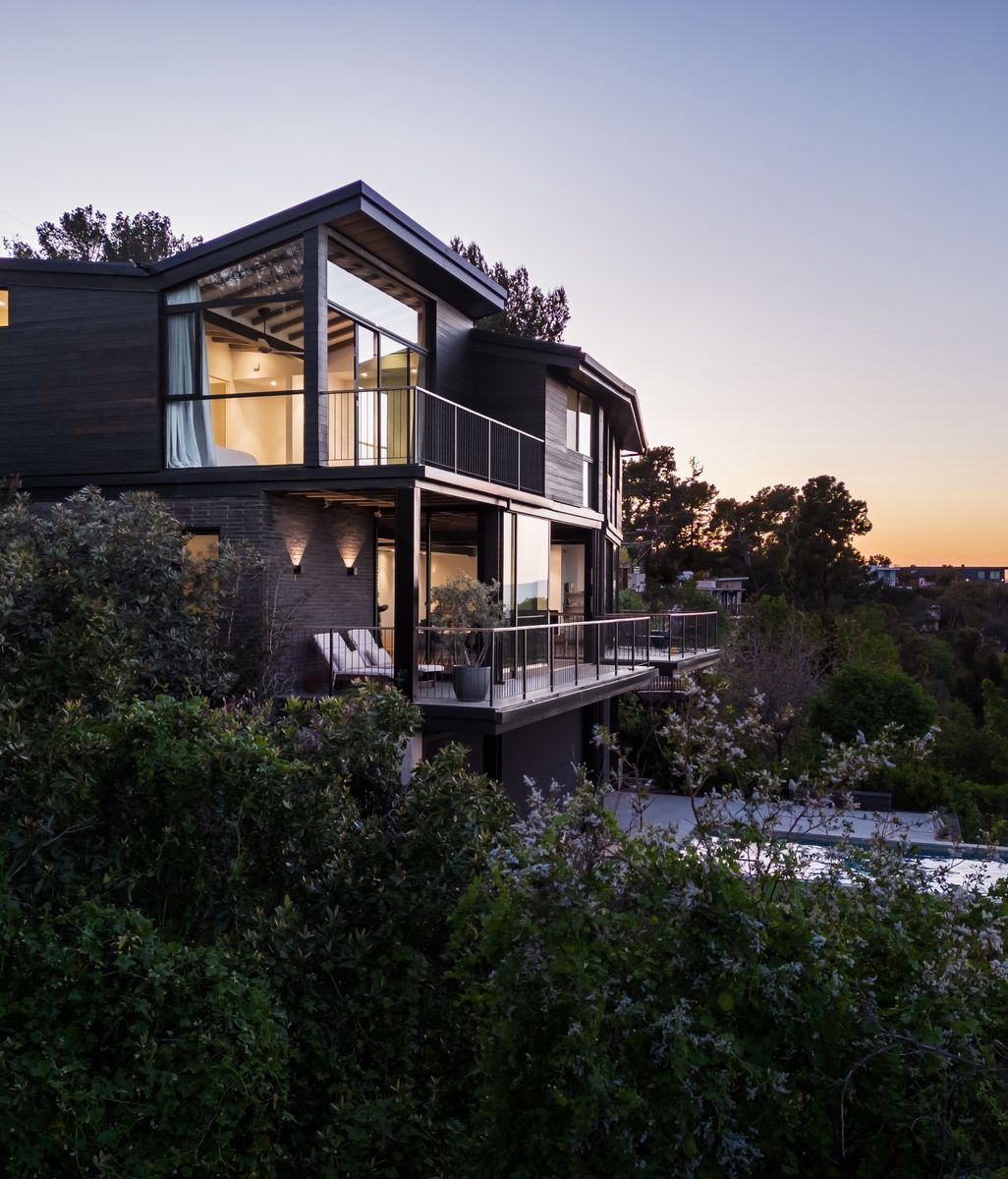
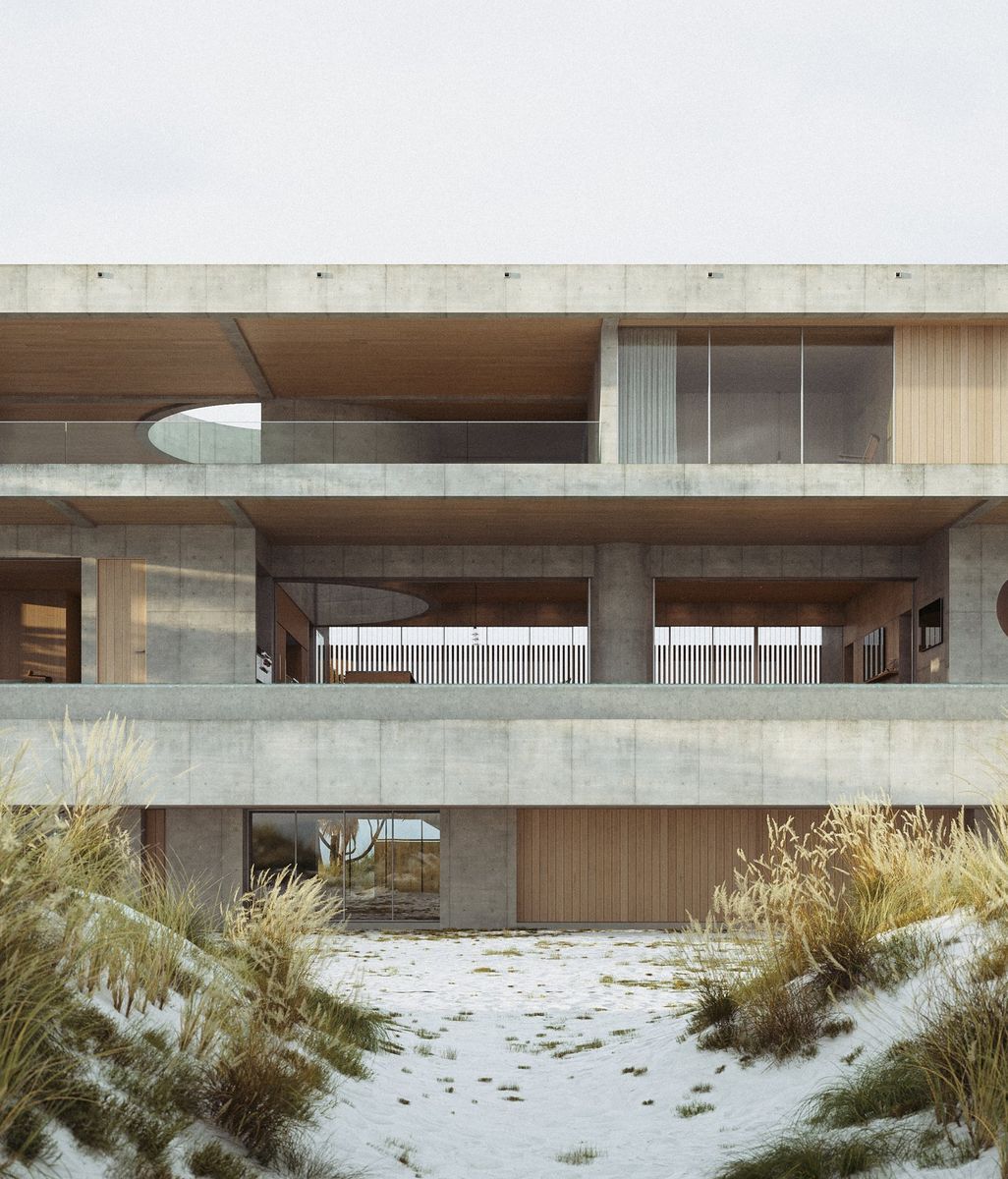
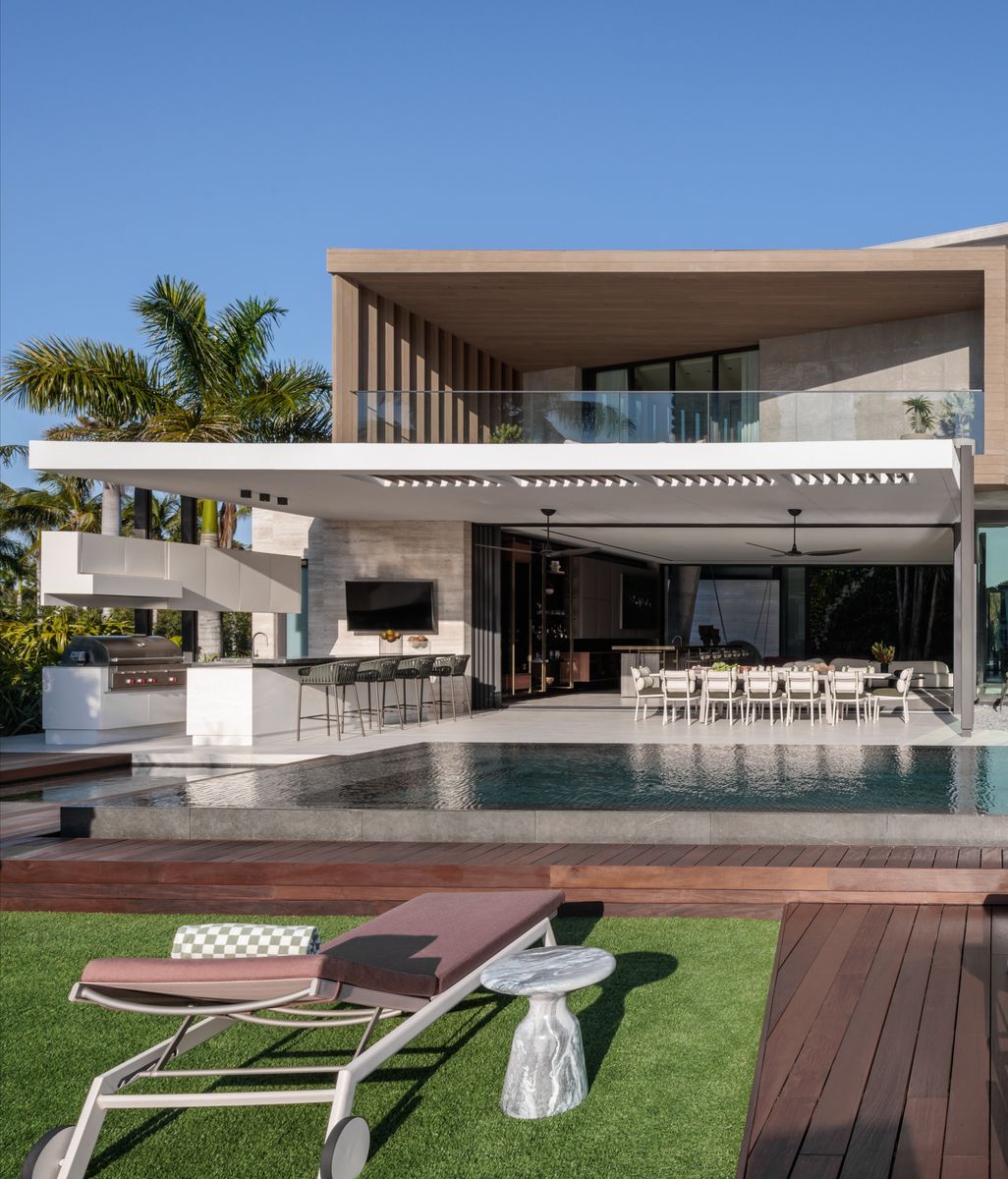
This commitment to a site-responsive, environmentally attuned architecture is perhaps most evident in the studio’s more recent work. Vespa stands out as a defining project, not only for its material richness but for the freedom it afforded.
“The clients gave us a great brief and trusted us,” Greenland explains. “They said they liked industrial tones, but beyond that, we had the space to explore.”
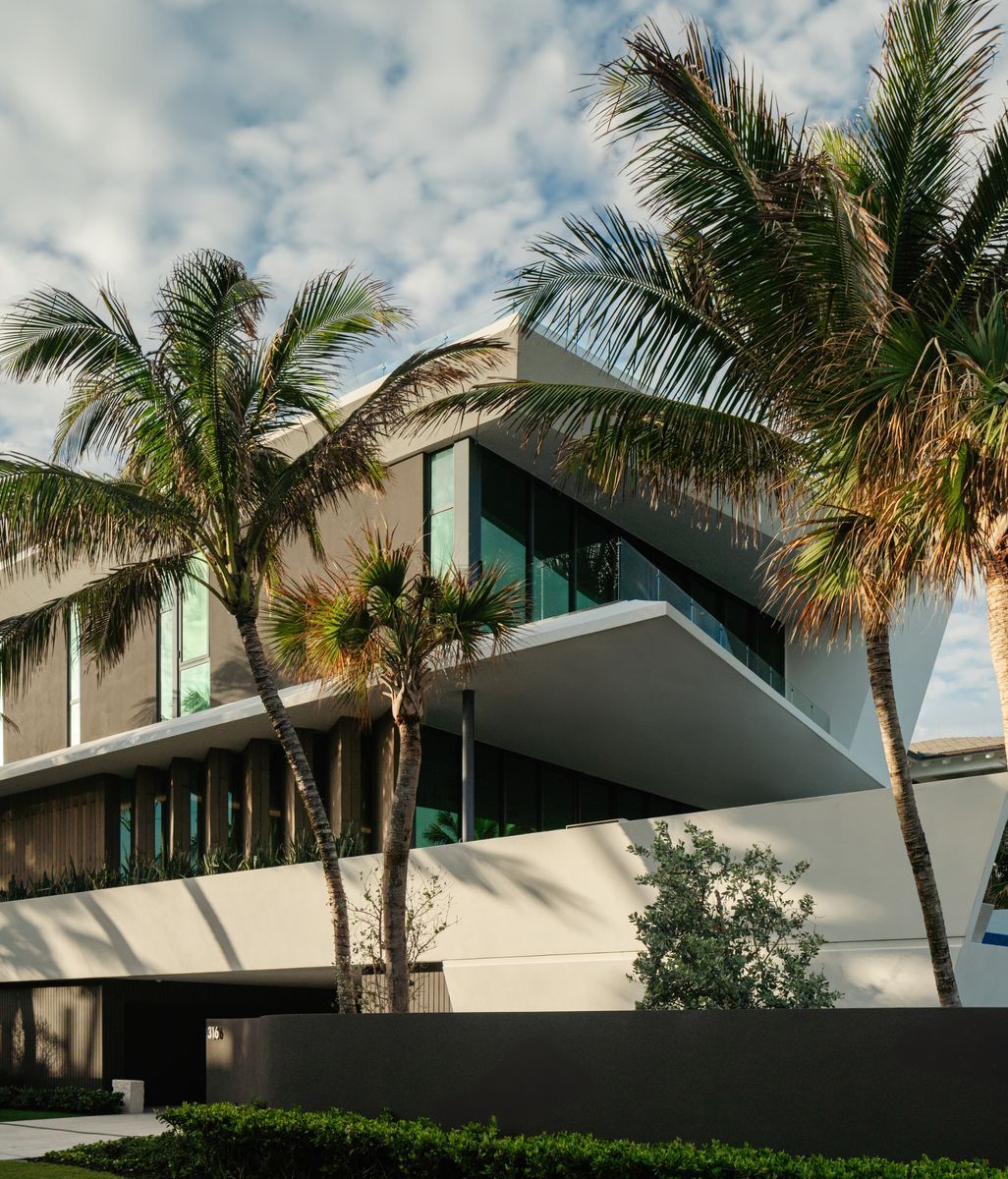
The result is a home that draws on subtropical influences, balancing robustness with permeability. Concrete and timber sit alongside moments of openness, where breezes are invited through and boundaries are softened. It is an architecture that feels both deliberate and relaxed, shaped as much by climate as by composition.
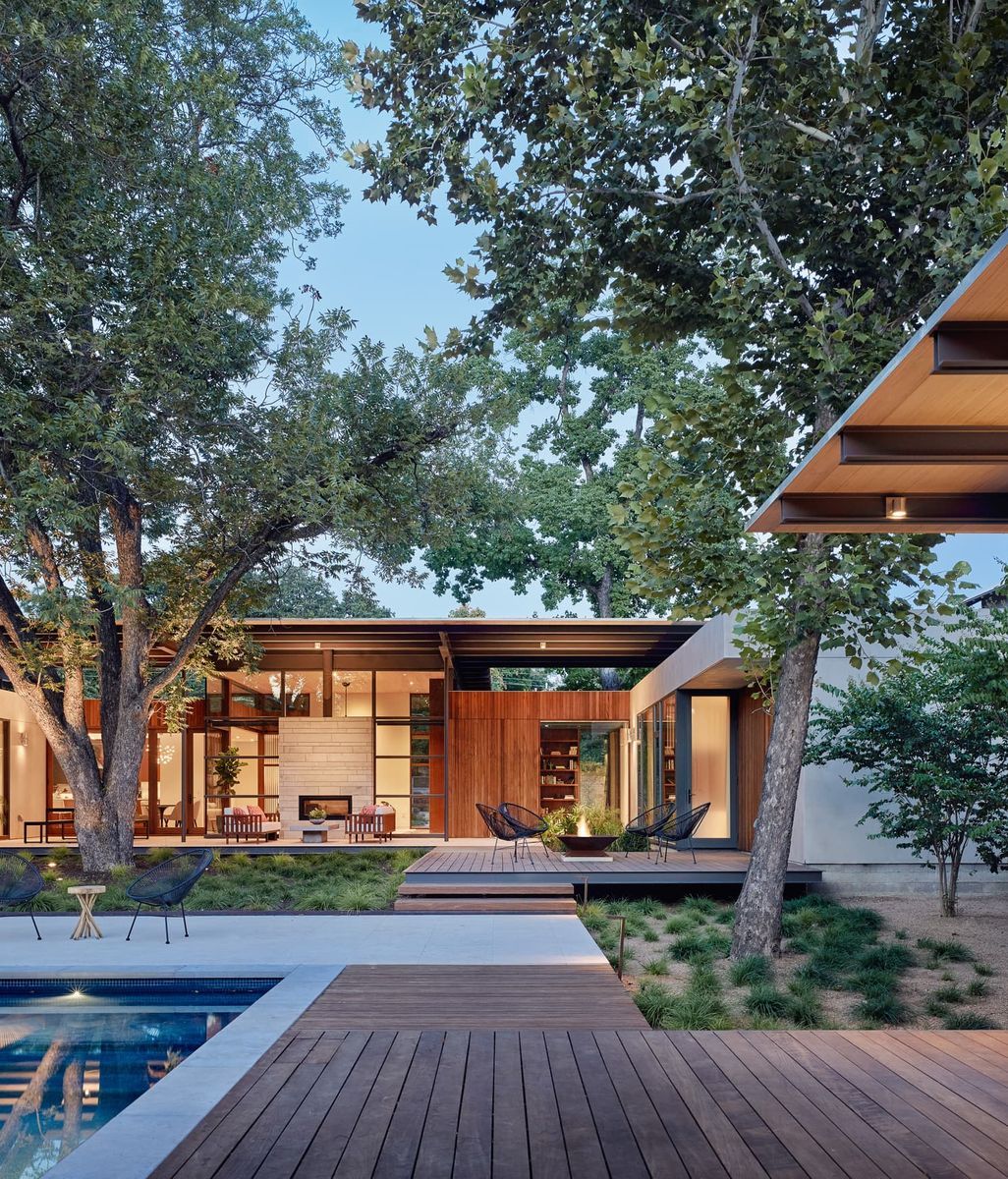
“I’ve always been drawn to subtropical architecture,” Greenland says. “There’s something about that connection between inside and out, the way materials weather and spaces breathe.”

Earlier projects reveal a gradual progression towards this clarity. A house completed around 2014 for a client within the construction industry proved to be a turning point. With a more generous scope for detailing, Greenland was able to refine his approach and test ideas more rigorously.
“We had the time to really think about every junction and threshold,” he recalls. “It taught me a lot about the level of detail you need to achieve a certain outcome.”
Importantly, it also reinforced a commitment to timelessness over trend.
“We try not to get caught up in those Instagram styles,” he says. “It’s more about creating something that will still feel good in 10 or 20 years.”
Looking ahead, there is a sense that Habitat Studio Architects is entering a new phase. A number of projects currently in design promise increased scale and complexity, alongside the opportunity to further explore material and spatial ideas.
“We’re starting to get that freedom more consistently now,” Greenland notes. “Budgets are a bit higher, and that allows us to push things further.”
For all this forward momentum, there is little appetite for shortcuts. Reflecting on his journey, Greenland is clear that the challenges have been integral to the outcome. “I don’t think I’d do anything differently,” he says. “You’ve got to learn what you need to learn to get where you are.”
It is a sentiment that extends beyond practice to life more broadly. “If you’ve got a dream, just go for it,” he adds. “Don’t put it off, because you don’t know what’s going to happen.”