A waterfront site reimagined for Tauranga’s next chapter
On Tauranga’s waterfront, where the city meets the sea, a new chapter is being written. The Northern Quarter, designed by First Principles Architects and Interiors (FPA), occupies a 3,500sqm site that holds significance for the city.
“The Strand waterfront was the original heart of the city,” explains architect Graham Price. “During Tauranga’s early settlement years, the harbour was one of the main trade routes. There were jetties and stores, and the primary way to get goods into the settlement was by water or, alternatively, over the Kaimais.”
That history sits just beneath the surface of the Northern Quarter. The waterfront has, like many urban centres, experienced a period of quiet, but now with Tauranga undergoing a steady resurgence, the time was ripe to develop this downtown site into a buzzing commercial city hub. The project forms part of a wider civic transformation, reconnecting the city to its harbour while reinforcing the Strand as a place of gathering and activity.
It is unusual to be able to design a whole city precinct, for a private office and hotel development. Additionally, what makes the project especially meaningful is that the client’s family have owned the site for generations and for a long time had a vision to build something significant to help activate this part of the city.
“The client wanted to create a destination that was going to be unique, re-vitalising the waterfront and in a sense would become a legacy project,” Price says. “We spoke many times about the vision and different ideas and future uses for this site, and after a number of conversations, we understood that the brief was for a truly timeless architecture.”
That idea of timelessness becomes the project’s guiding principle. It is not expressed through grand gestures or fleeting trends, but through a careful calibration of material and proportion.
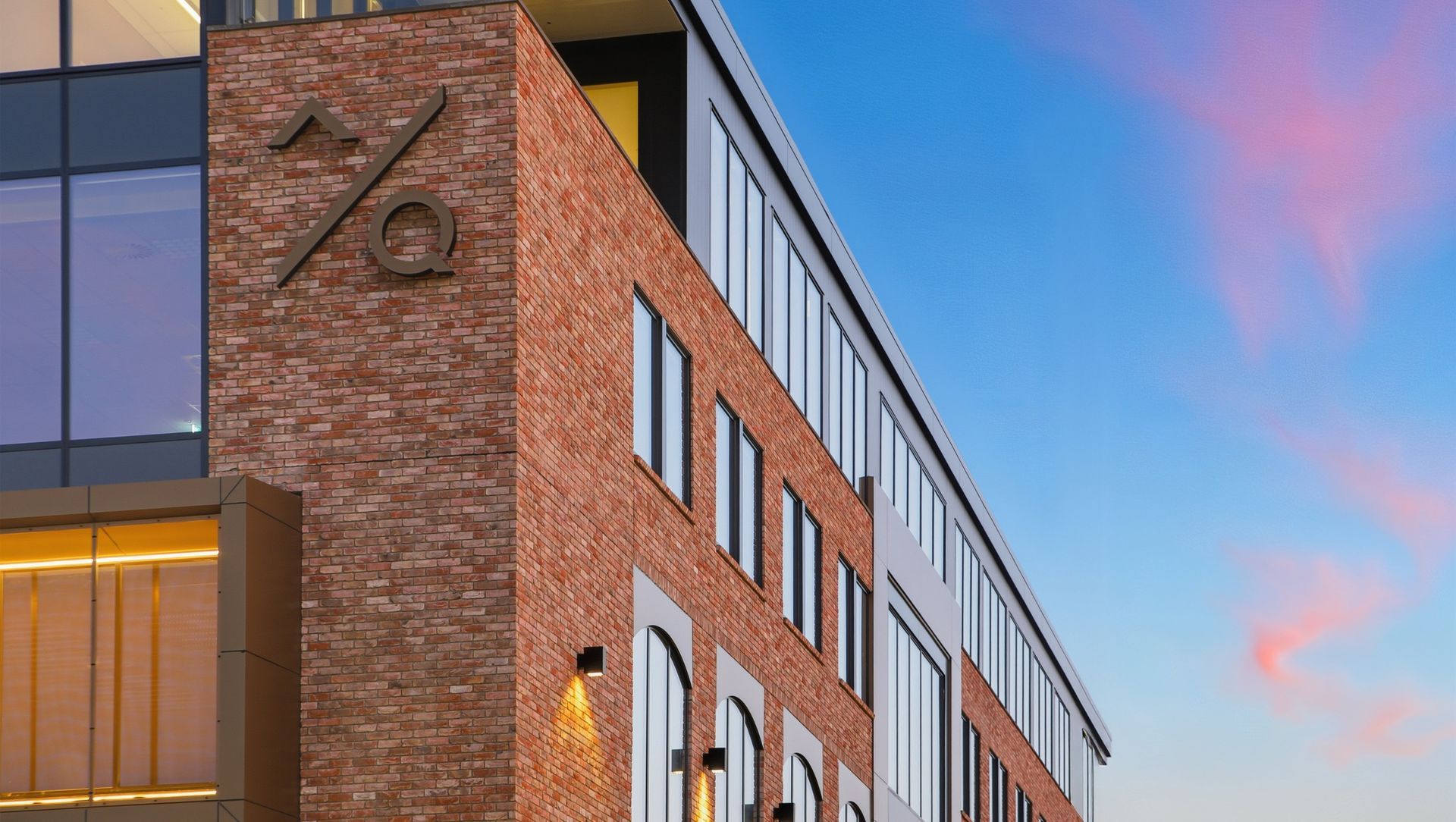
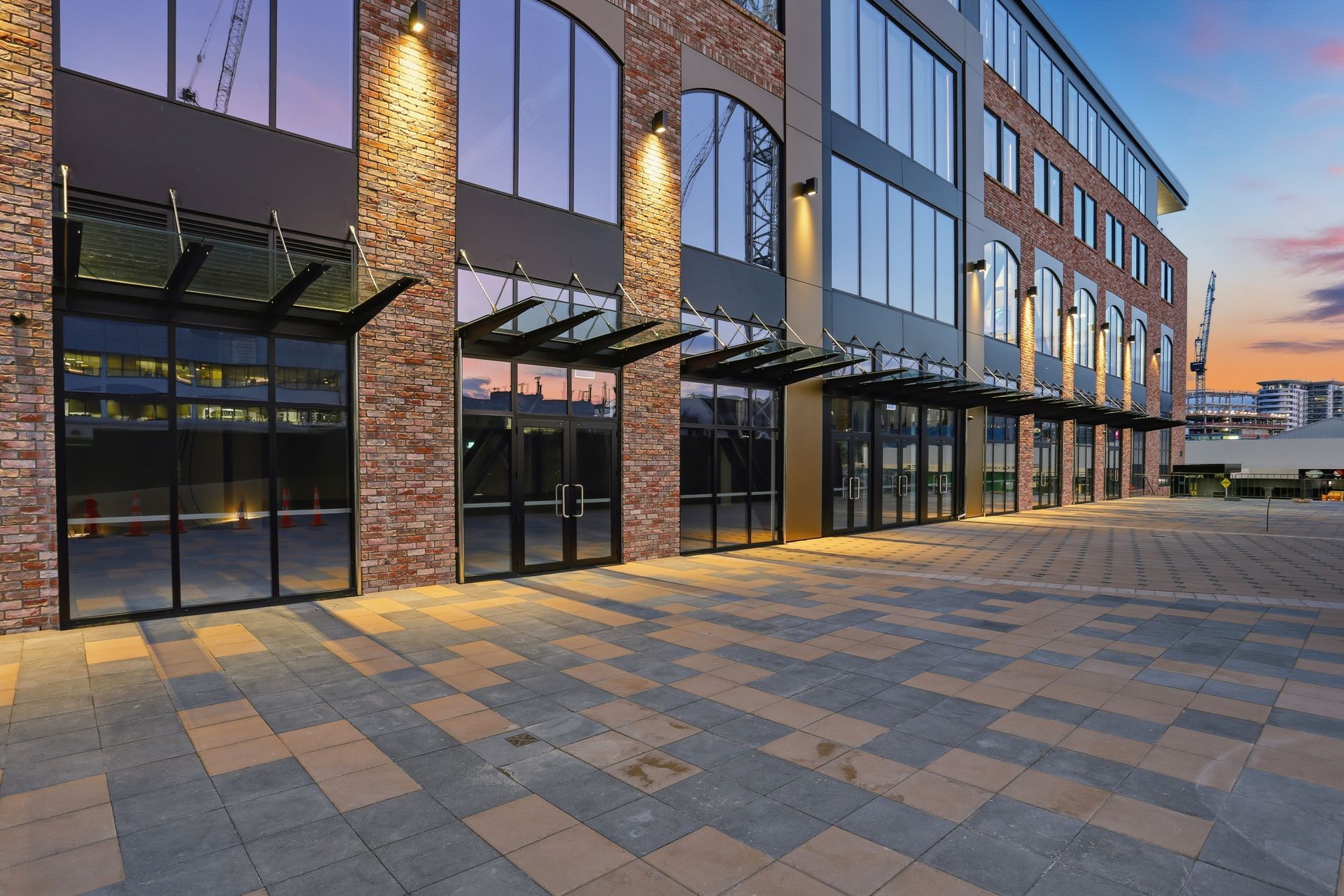
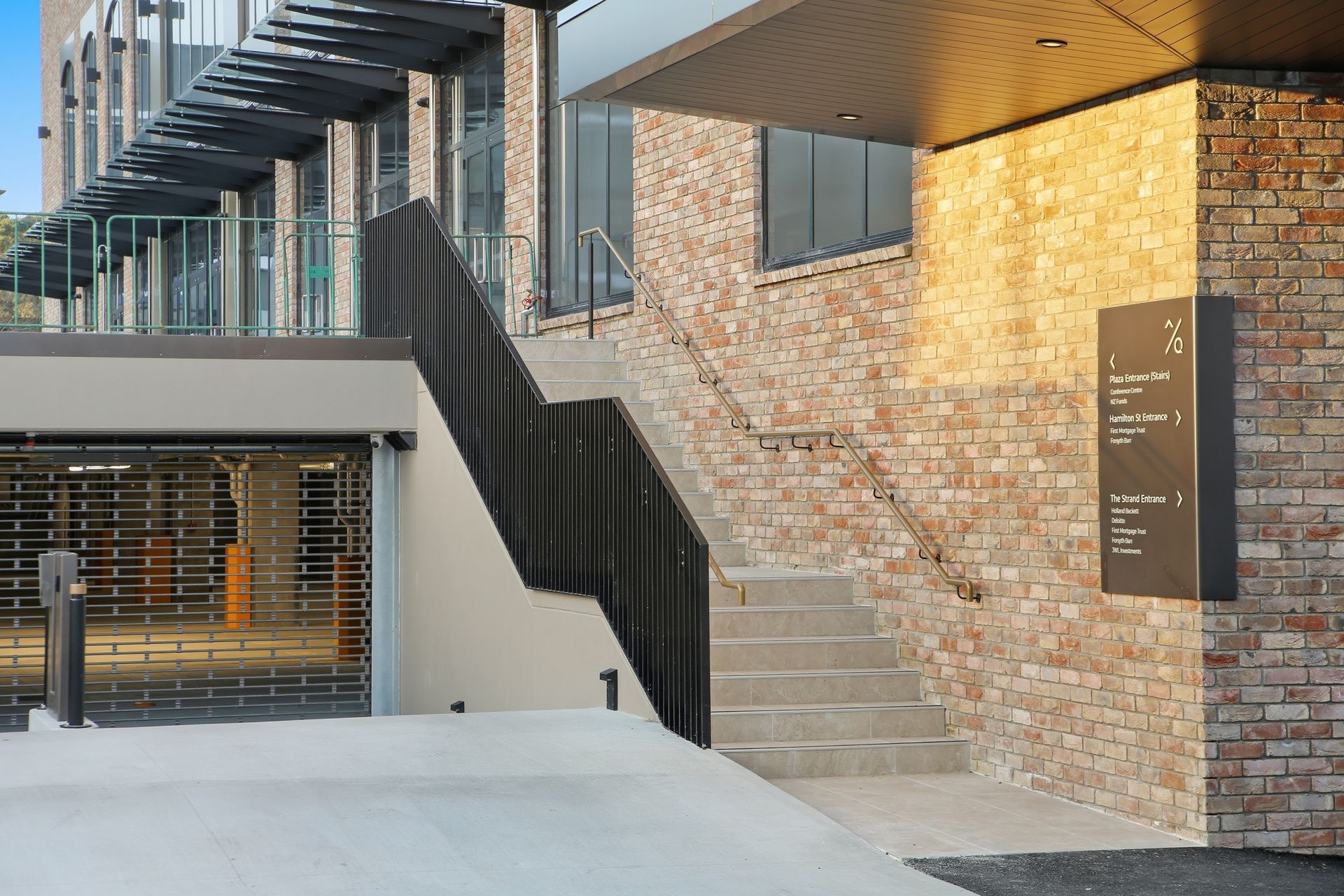
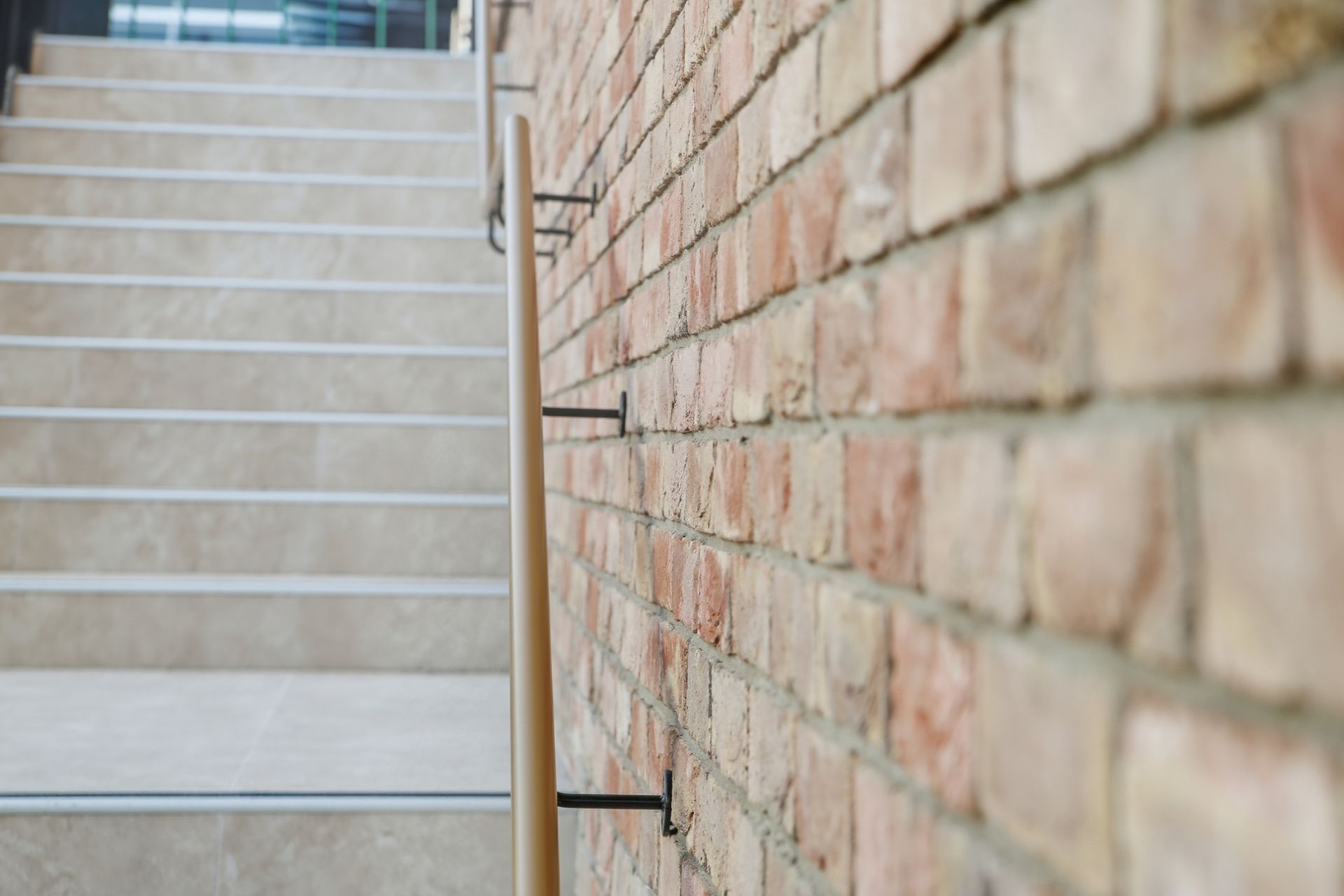
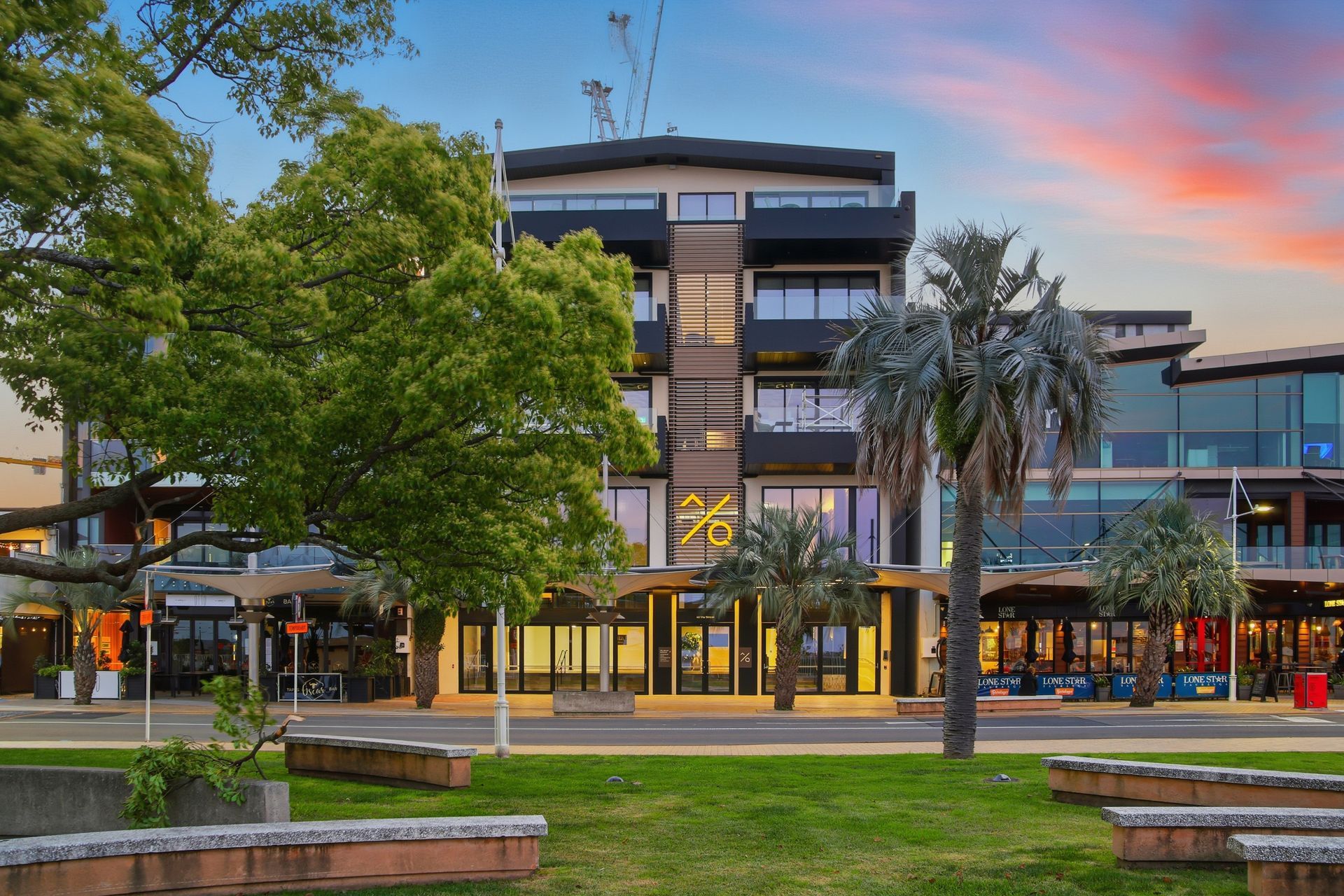
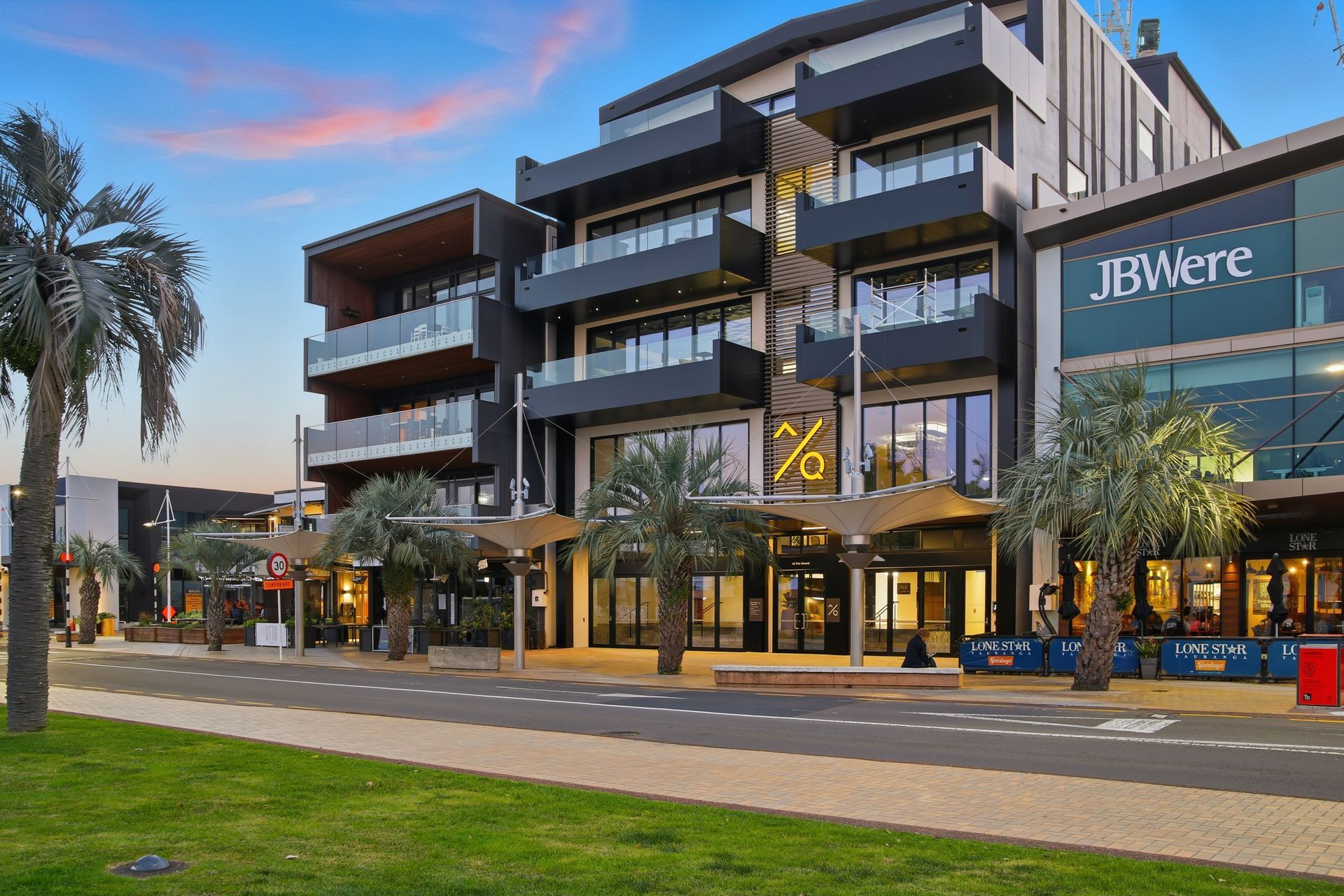
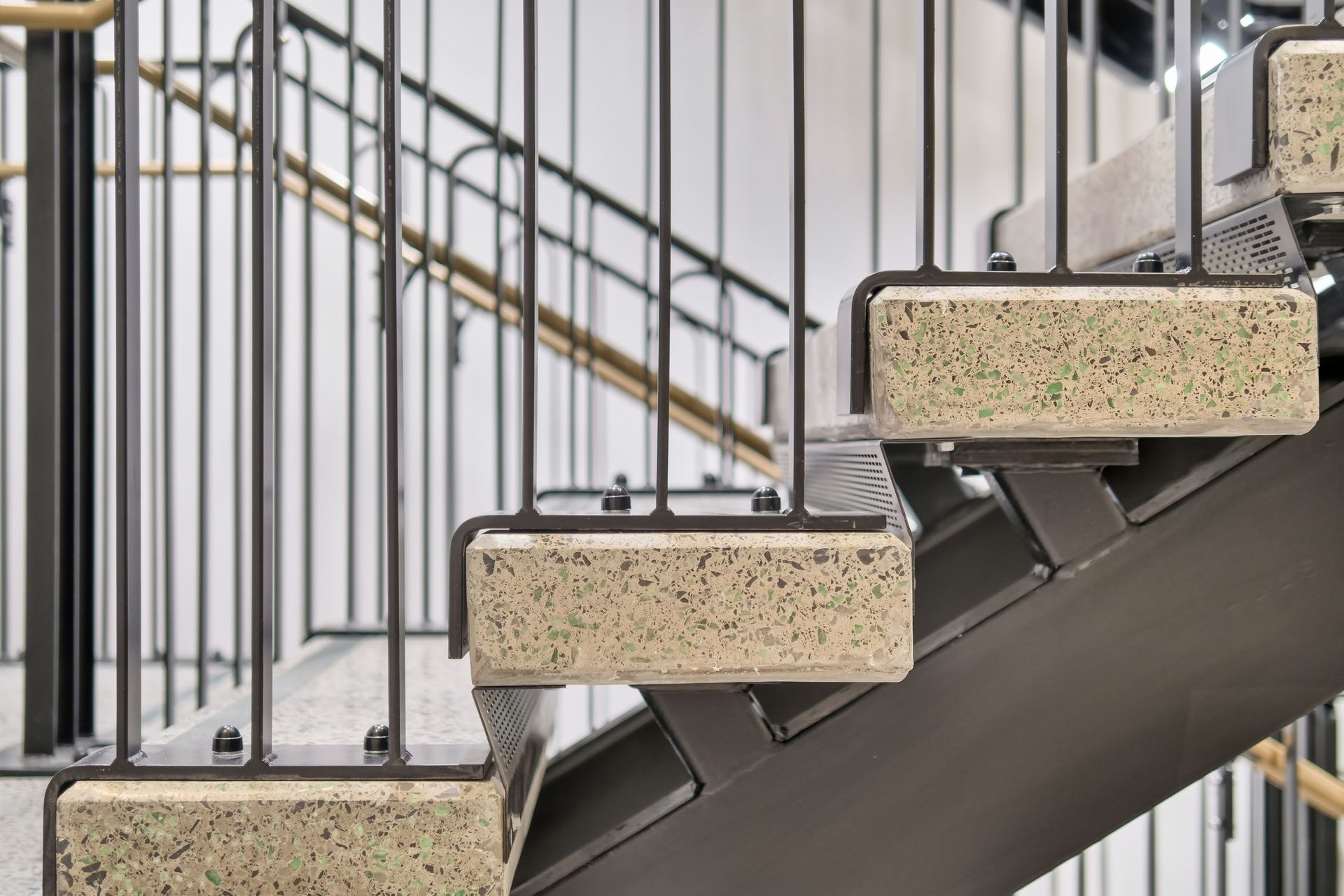
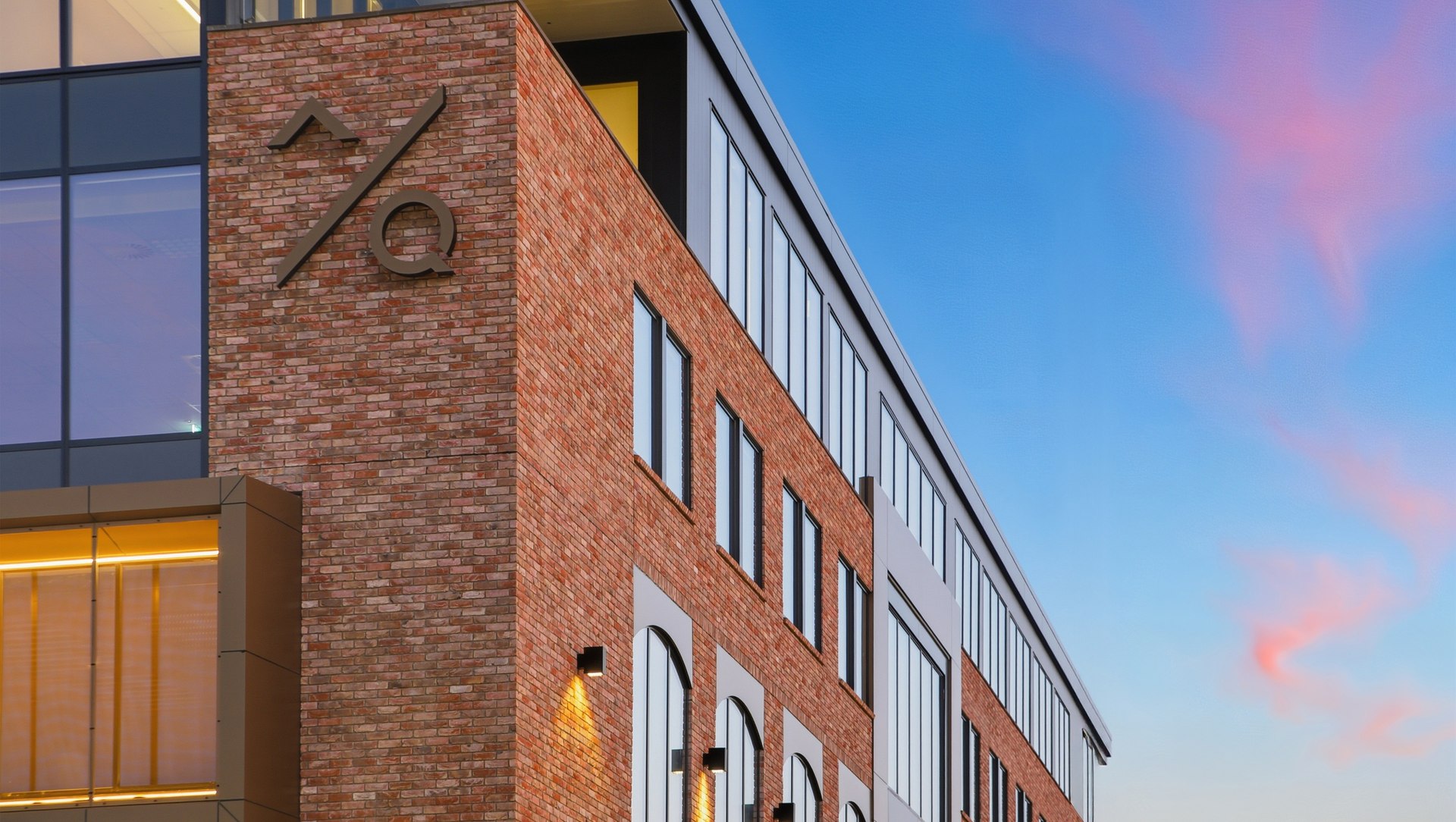
Brick, in particular, anchors the building to a lineage of industrial architecture found throughout New Zealand. Referencing the trading stores and warehouses that once defined the waterfront, it offers durability and familiarity while being reinterpreted through a contemporary lens. The inspiration to create a modern docklands architecture and five-storey building, using textured brick, exposed steel, glass and concrete, results in a building that feels both grounded and forward-looking.
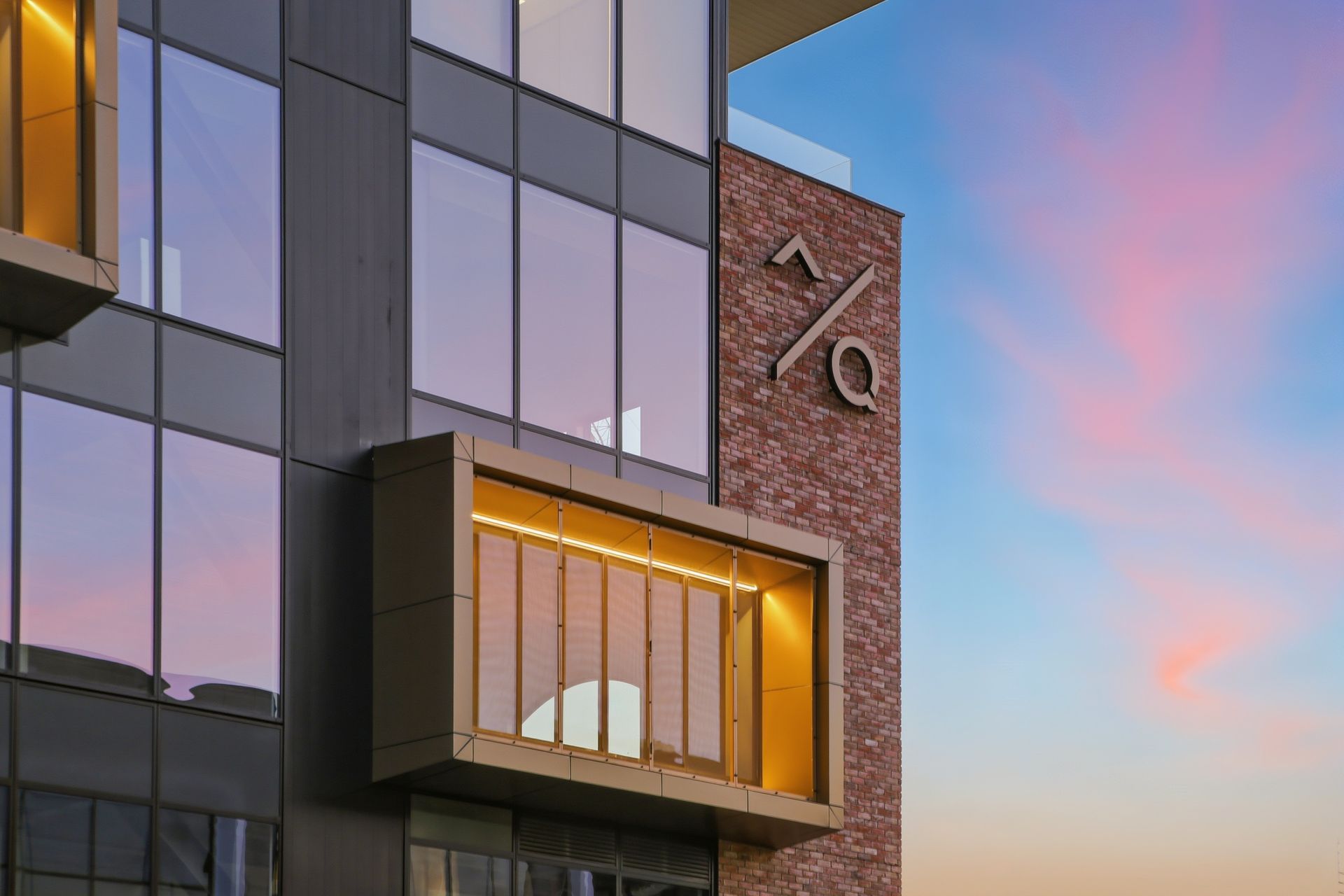
This clarity extends to the way the building addresses its surroundings. Each façade responds to orientation, light, and context in its own way, creating a nuanced architectural expression that shifts as one moves around the streets. The southern elevation opens itself up with transparency, revealing the life within, while the western face is more solid, its brickwork forming a rhythmic, almost classical composition. To the north, carefully considered shading elements recall the functional projections of historic waterfront buildings, reimagined here as projecting sculptural forms. Meanwhile, the narrowest facade faces east, with cantilevered balconies and break out spaces, overlooking the inner harbour.
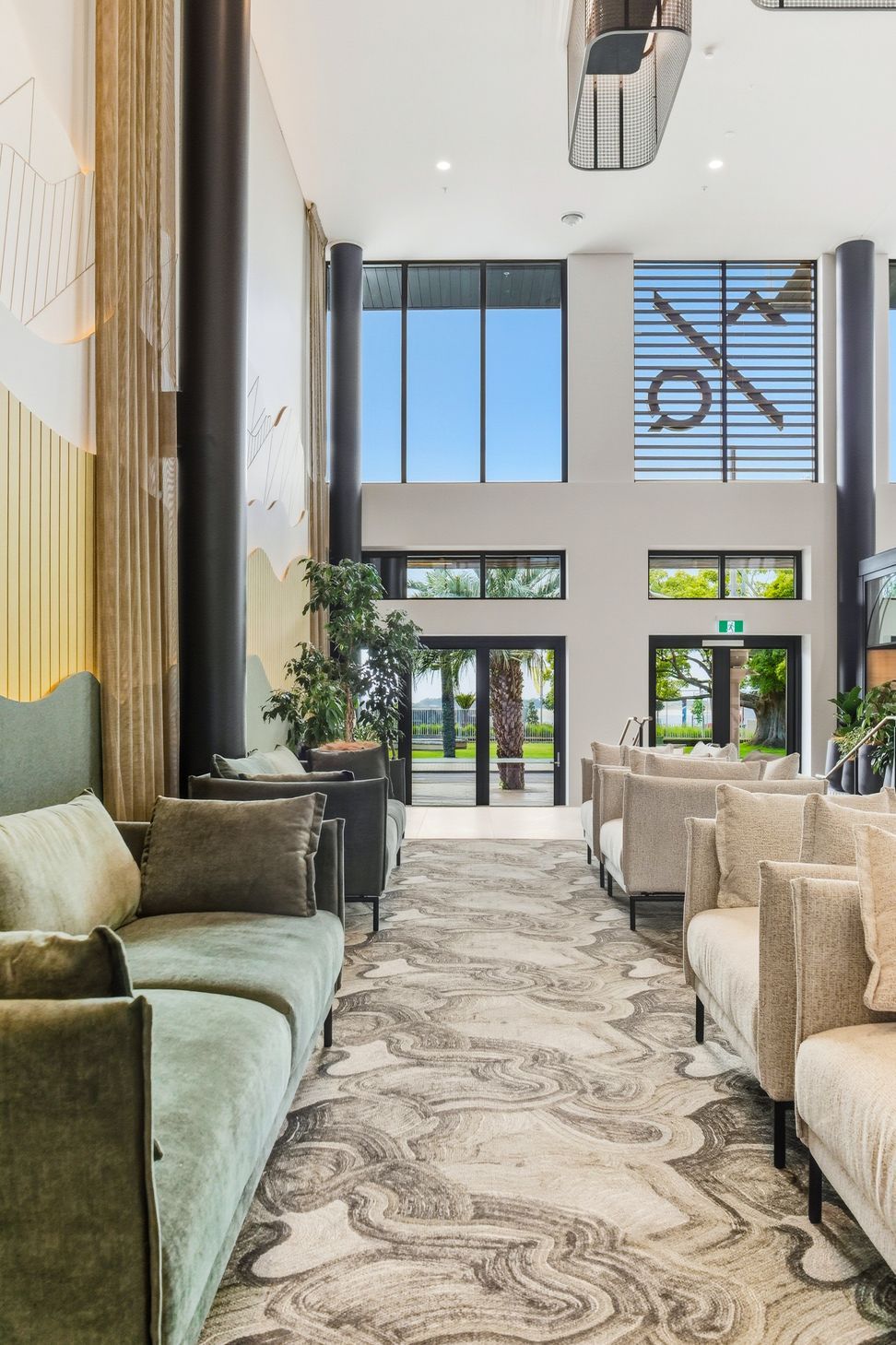
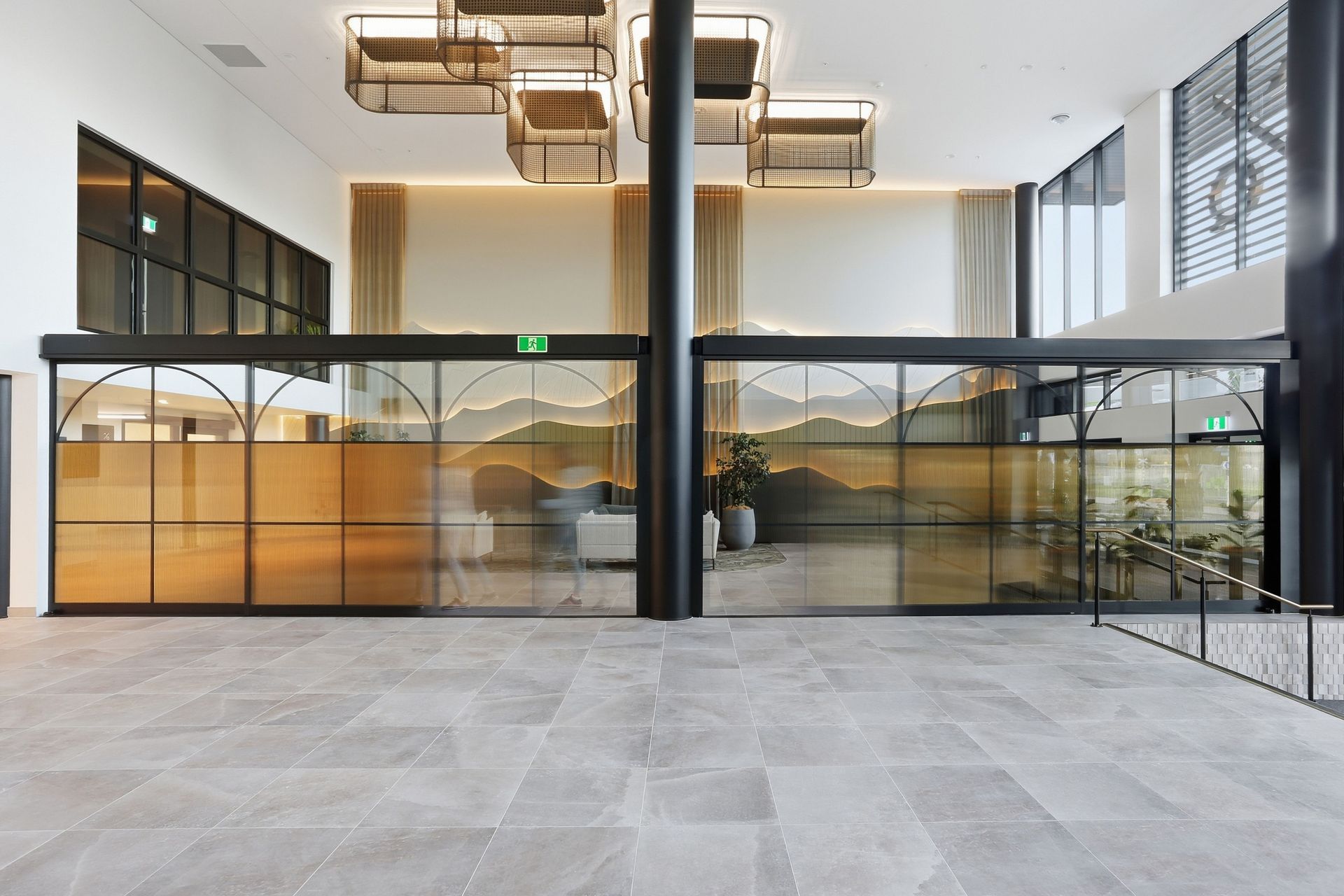
This insistence on meaning is felt throughout the project. Nowhere is it more evident than in the internal public spaces, where architecture and narrative intertwine. The double-height foyer, facing the Strand, is conceived as both threshold and experience. Here, a feature wall inspired by the Kaimai ranges (chosen for its history as a trading route) becomes an immersive artwork, its layered composition formed from acoustic materials and subtly illuminated to create depth and atmosphere.
“We don’t just design for the sake of it,” shares Price. “The inspiration comes from sharing stories about a place and it’s people with our clients and the team. It has to mean something “
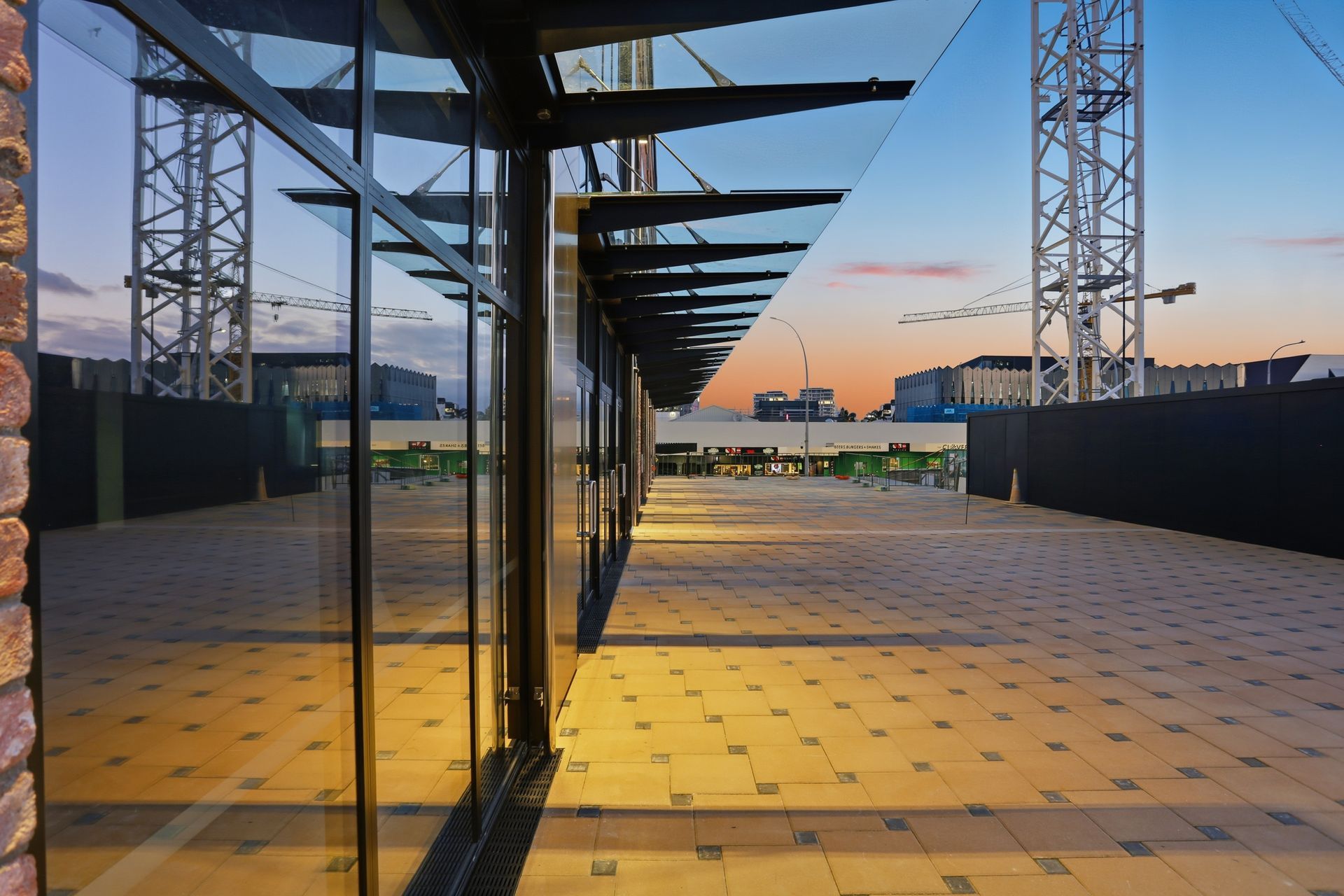
Yet Northern Quarter is not only an architectural response; it is also an urban one. Occupying a full city block with four active frontages, the development operates at the scale of a precinct rather than a single building. Its design prioritises connection, drawing people through and into the site via a carefully orchestrated pedestrian laneway, that links the waterfront to the city beyond.
“This is one of my favourite spaces,” Price says. “When we design buildings in a city, we think about public space, as much as the building itself. The real success is how they come together.”
The laneway, conceived as a shared, open environment, will ultimately be activated further by the project’s second stage, a planned hotel that will bring additional life and continuity to the precinct. Together, the office building, conference space and future hotel are intended to support one another, creating a destination that serves both the local community and visitors to the city.
Sustainability, too, plays a central role in the client’s vision. Achieving a 6 Star Green Star design rating is no small feat, particularly for a privately developed commercial building. It reflects a long-term commitment from the client, one that aligns with the idea of a future legacy in its truest sense.
“For a private developer to push for a six-star rating, you have to be very confident,” Price says. “They believed in creating a building that would endure well over the next 50 years and longer ”
This has already been rewarded with the anchor tenants Holland Beckett, one of Tauranga’s most established law firms, occupying one and a half floors of the building.. It reflects confidence in the development and a broader shift back towards the city centre. The building has also been met with an overwhelmingly positive response from the public, something Price acknowledges is unusual for new architectural developments
“People say this is going to help Tauranga become a better destination. It’s an interesting and exciting building and we even wish our offices were here.”
In many ways, Northern Quarter represents how Tauranga sees itself in the future.It is a project that looks outwards and inwards at once, reconnecting with its origins, while embracing the possibilities of urban growth and a catalyst for rejuvenation of the city.