How a former linen factory became a richly layered workplace for collaboration, hosting and industry connection
Faraday Street was never intended to become a conventional shared office. From the beginning, the brief called for something more layered: a workplace, a showroom, a hosting space and a kind of physical expression of the creative network around Casa and its surface application arm, Surface. For Wonder, the opportunity sat in finding the balance between utility and atmosphere, creating a space that could hold focused work by day and industry gatherings by night.
Set within a former linen and sewing factory, later home to Red Rabbit Coffee Roasters, the building already carried the kind of character the client had spent a long time searching for. Rather than taking a new commercial tenancy and attempting to manufacture depth, Casa wanted a space that felt naturally aligned with the architectural and design world it was increasingly part of.
“They were looking for a really character-filled building,” says Buster Caldwell, director of Wonder. “They didn’t want to take anything new or too commercial and try to get character.”
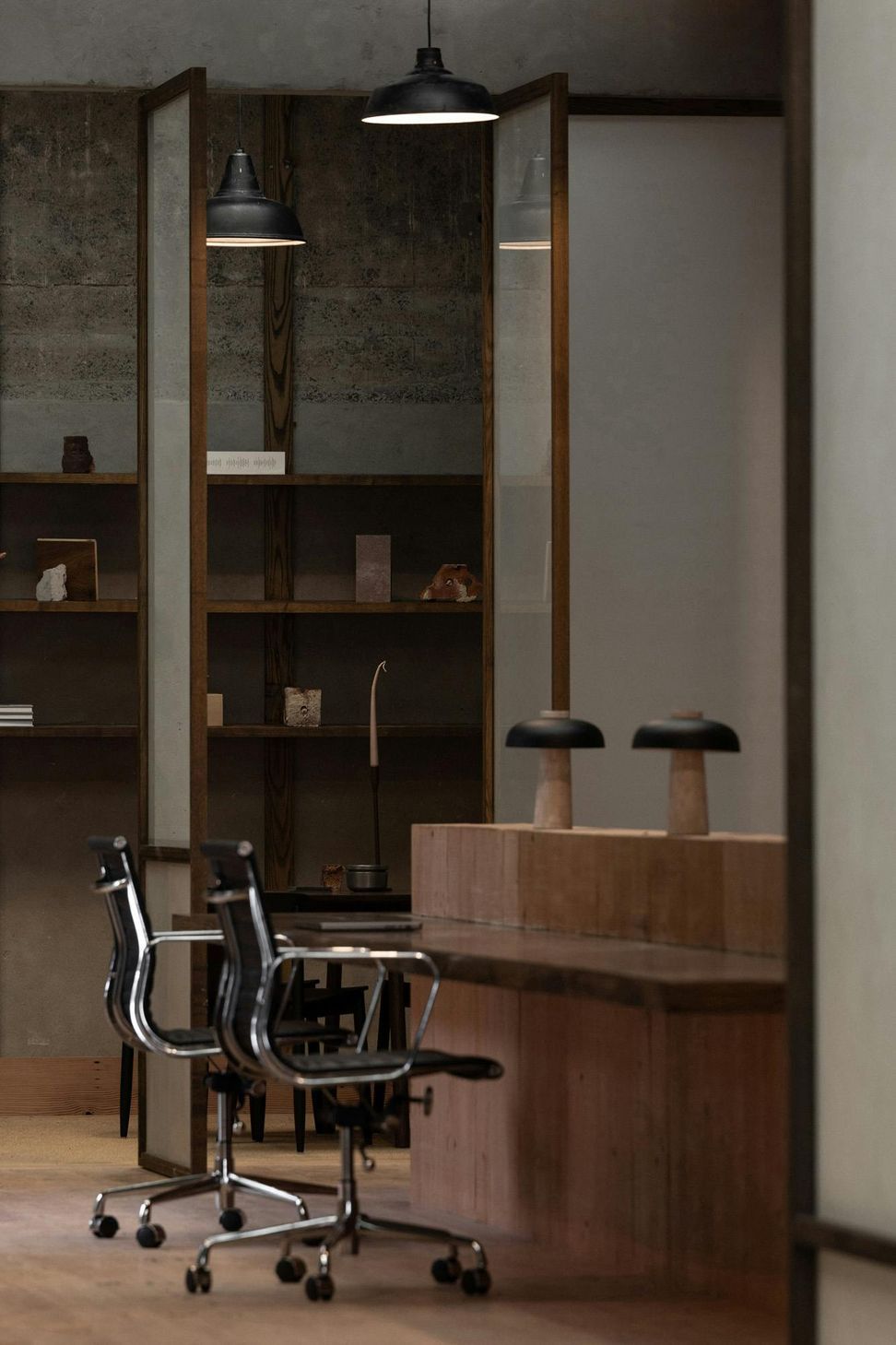
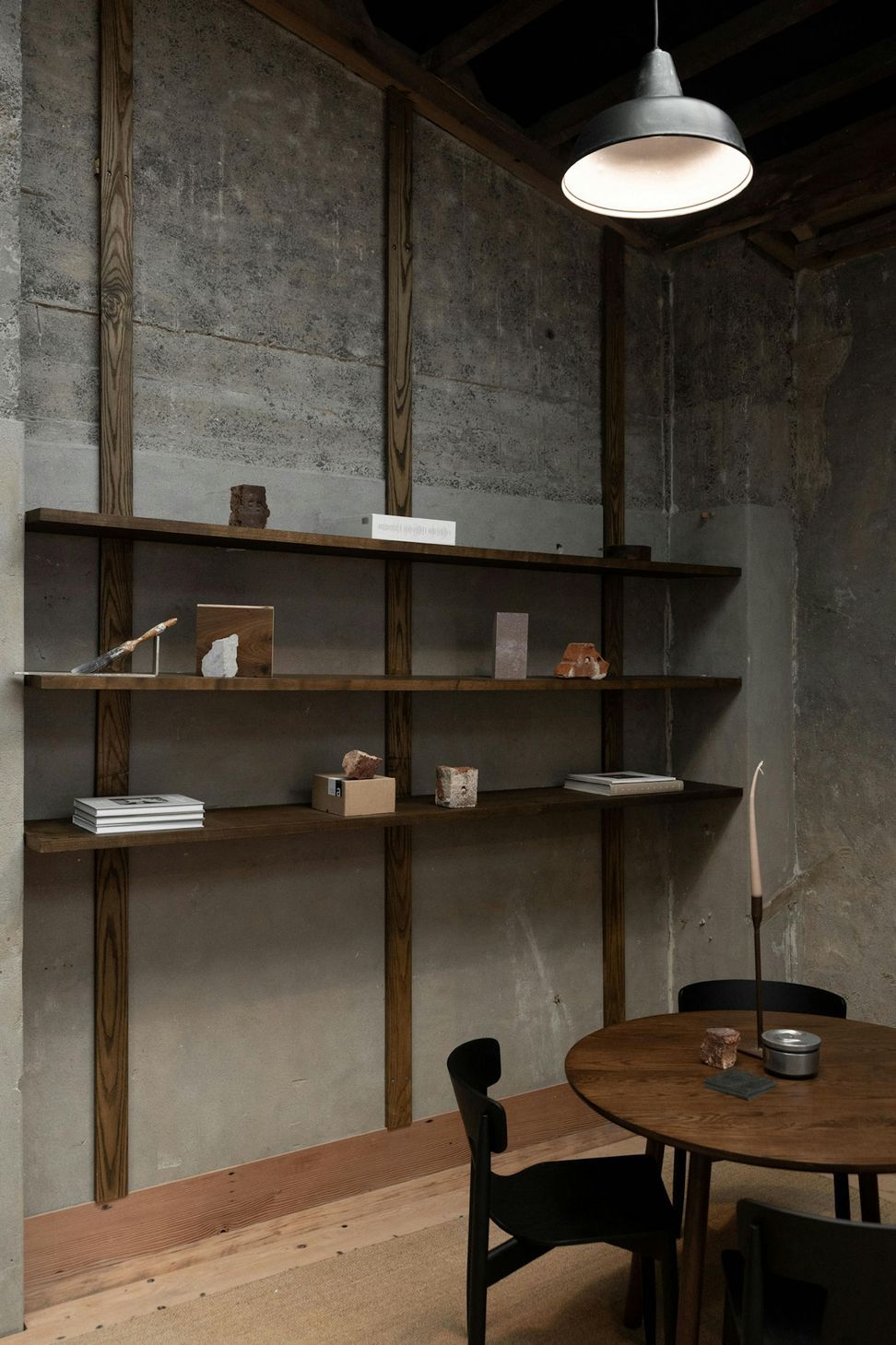
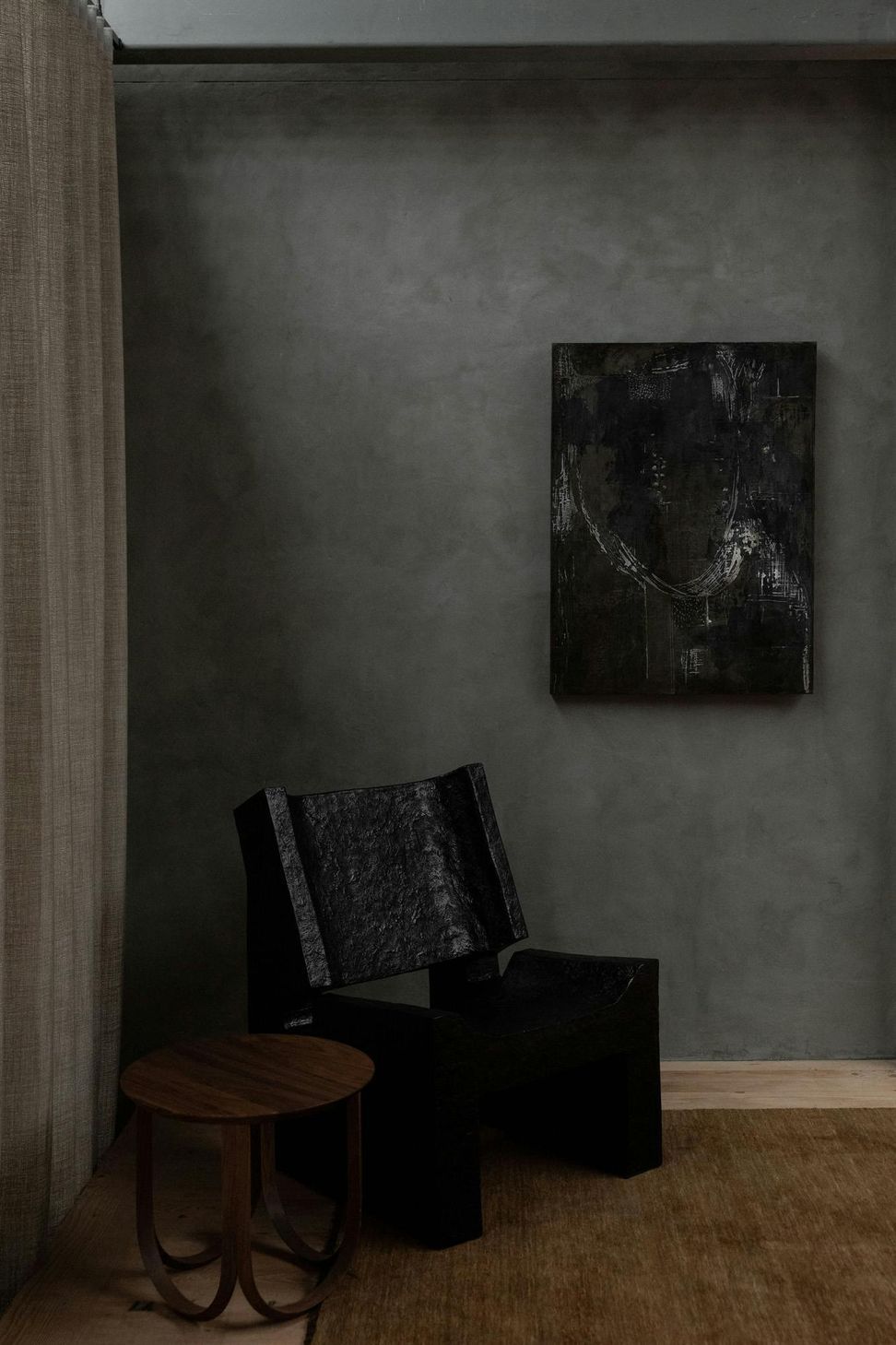
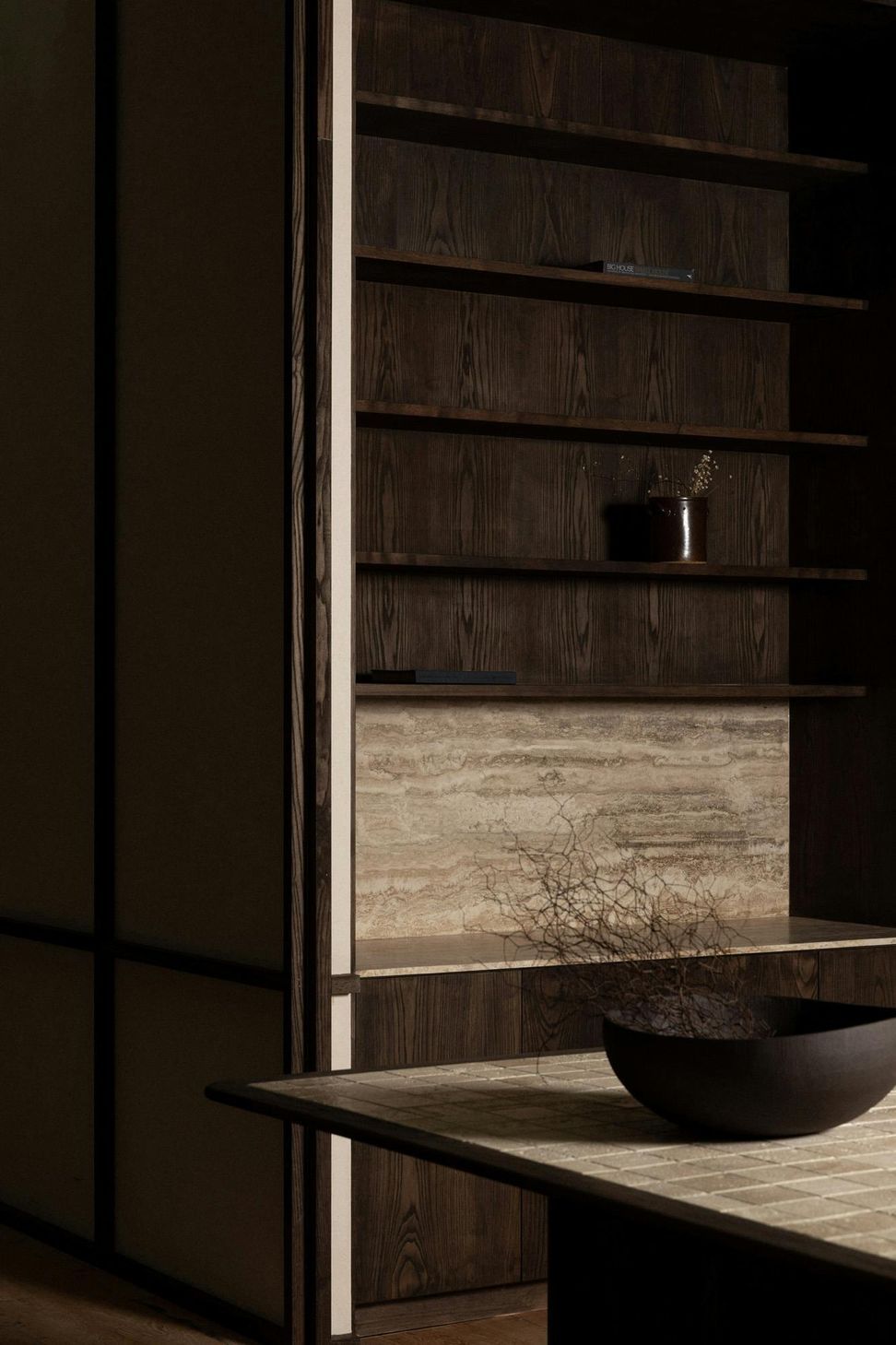
By the time Wonder came on board, the interior had been stripped back to its bare structure. This became the starting point for a restrained but deeply considered fit-out, one that worked with the existing shell rather than over-designing it. The project retains a strong visual language of exposed structure, timber, brick, drapery and darker detailing.
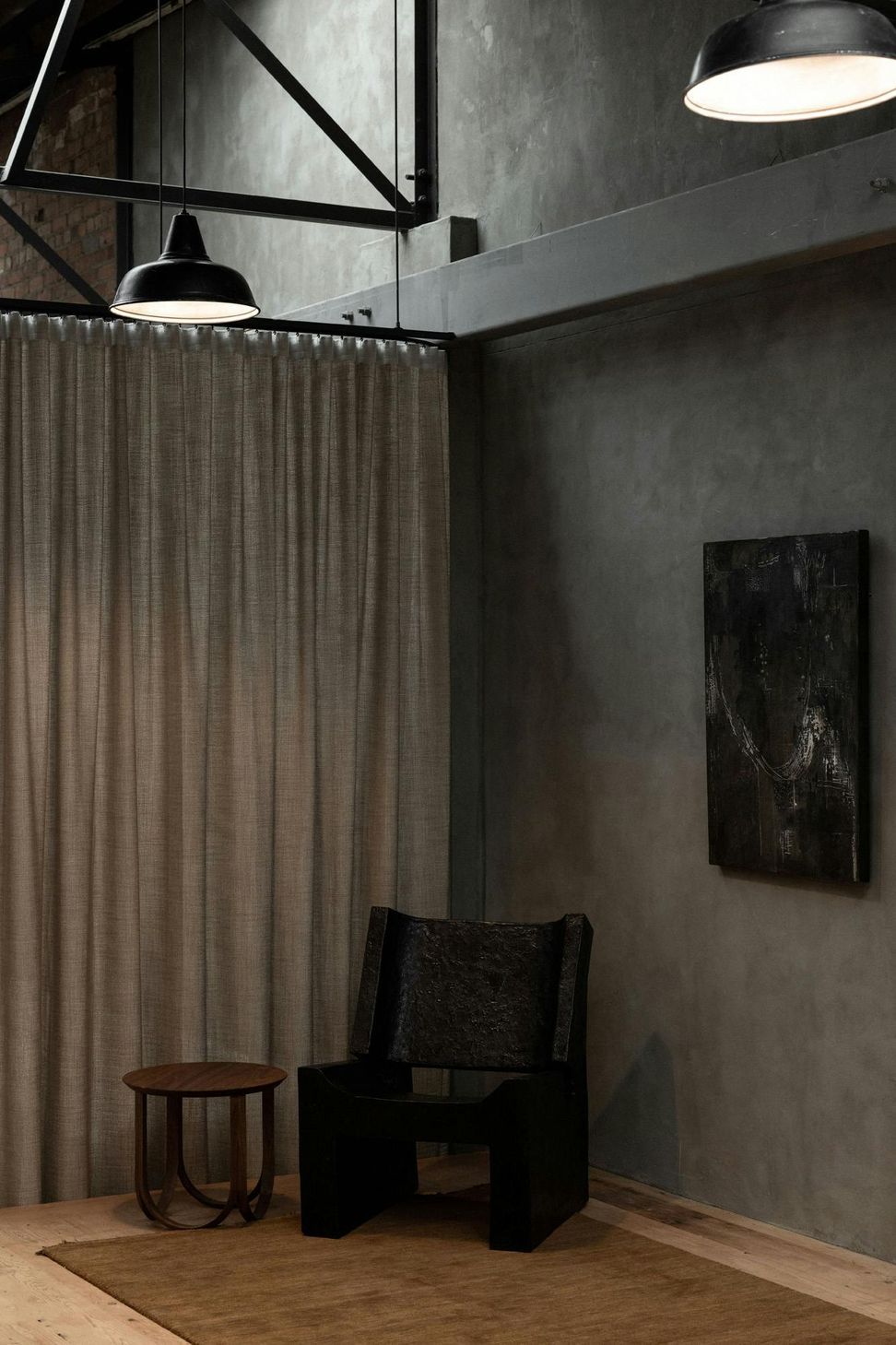
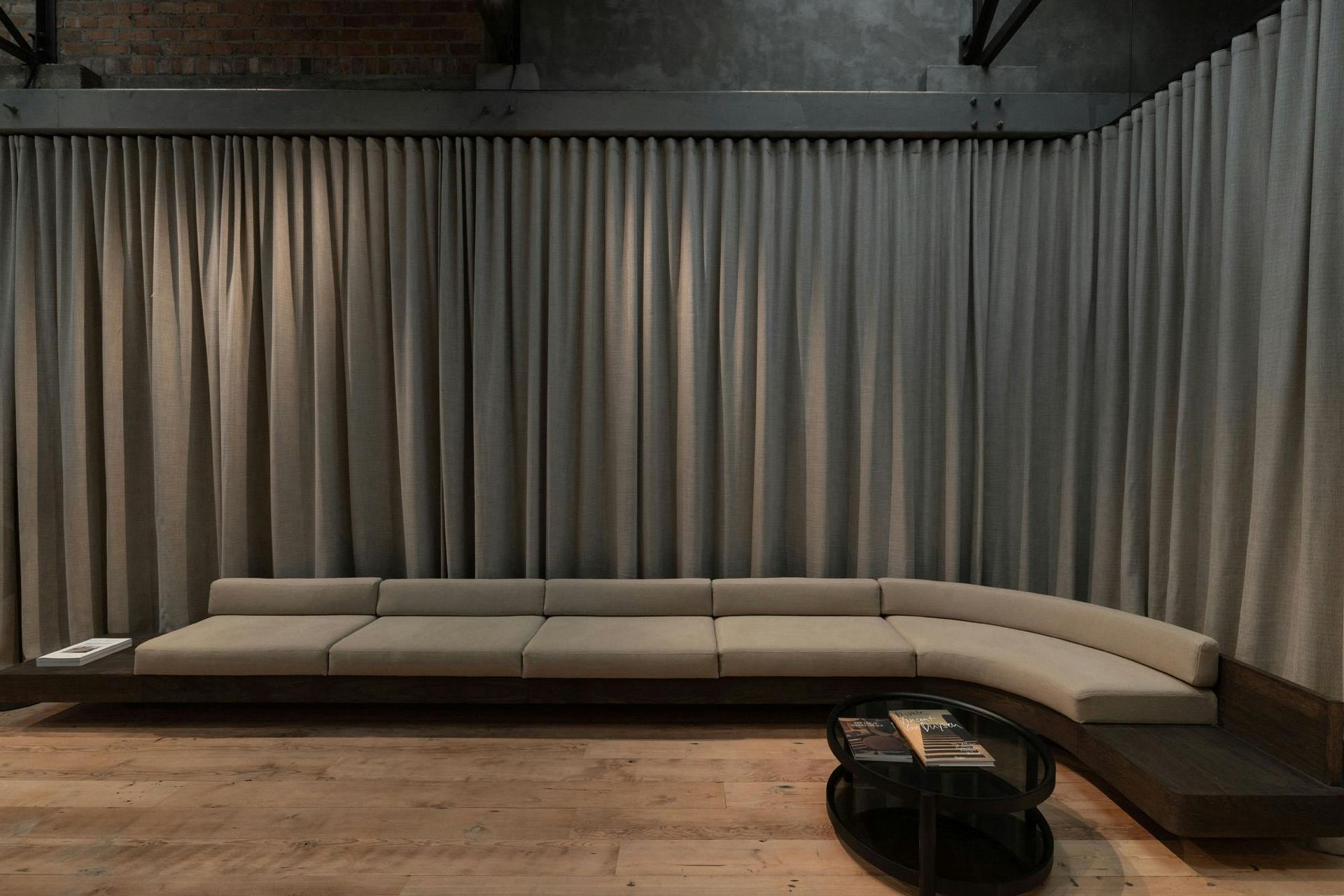
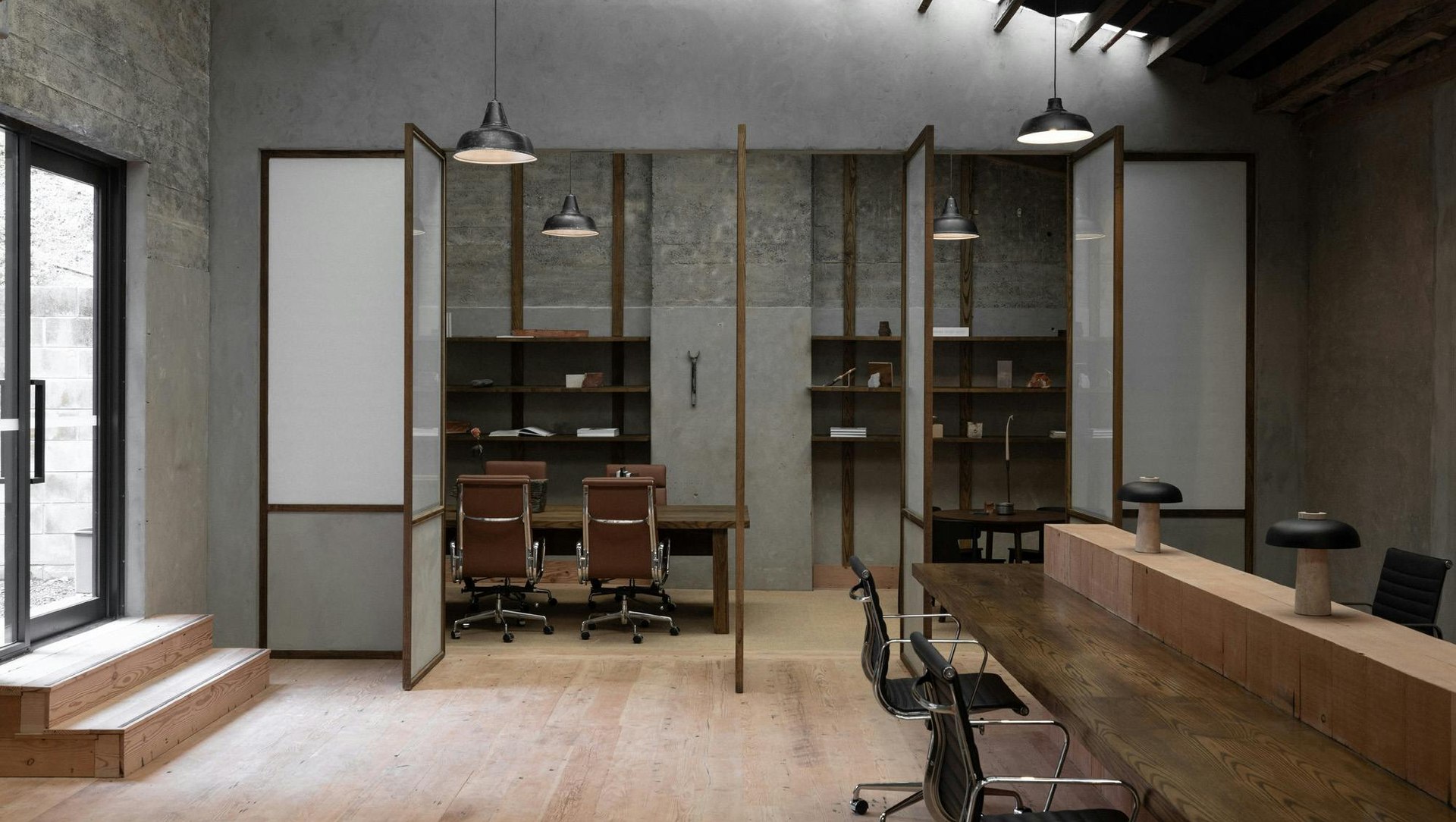
The planning was relatively simple. A line was drawn through the space. The front half would be dedicated to hosting, events, dinners and industry gatherings, while the rear would hold the more focused parts of the business, including desks, computers and meeting areas. But the separation was never intended to feel fixed. Curtains allow the space to open and contract, enabling activity to move fluidly from one zone to the next.
“The front’s for hosting and parties and late-night soirées and never-ending dinners,” says Caldwell. “The back half is more for the serious, heads-down work. But there’s no separation between the two in many ways. You can pull the curtains back and open the whole space up.”
This duality became central to the project. Casa needed a headquarters that could support its day-to-day operations, but also a place where collaborators, designers, trades, applicators and suppliers could come together. It was to be both workplace and stage, with enough confidence to represent the quality of the business, but enough looseness to feel generous and alive.
A major part of that hosting function sits in the kitchen. From the outset, the client imagined it as more than a workplace amenity; it needed to feel generous, social and highly visible, with the warmth and abundance of a domestic kitchen scaled for industry gatherings. The result is not a polished corporate kitchenette, but an open butler’s kitchen with solid timbers, exposed fittings and a strong sense of theatre.
“It was very much this full open butler’s kitchen where you could imagine a few people moving around and cooking big feasts while talking to everyone,” says Caldwell. “Everything’s on display. It has this raw, gutsy, open host nature to it.”
Throughout the project, Wonder’s approach was to intervene only where necessary. The existing building was largely left intact, with new elements designed to feel as if they had always belonged. Uplighting was used to reveal the ceiling and structure, while additions such as the bathroom block were carefully tied back to the existing material language.
The palette is deliberately reduced. Rice paper dividers separate the workspace from the boardroom, referencing the building’s history as a linen factory while filtering light and providing privacy. Plaster finishes in the bathroom block echo the same texture, creating a subtle continuity between old and new. Recycled timber was used wherever possible, including in the raised rear workspace, where second-life timber was sourced from salvage yards, stripped back, restained and reinstalled.
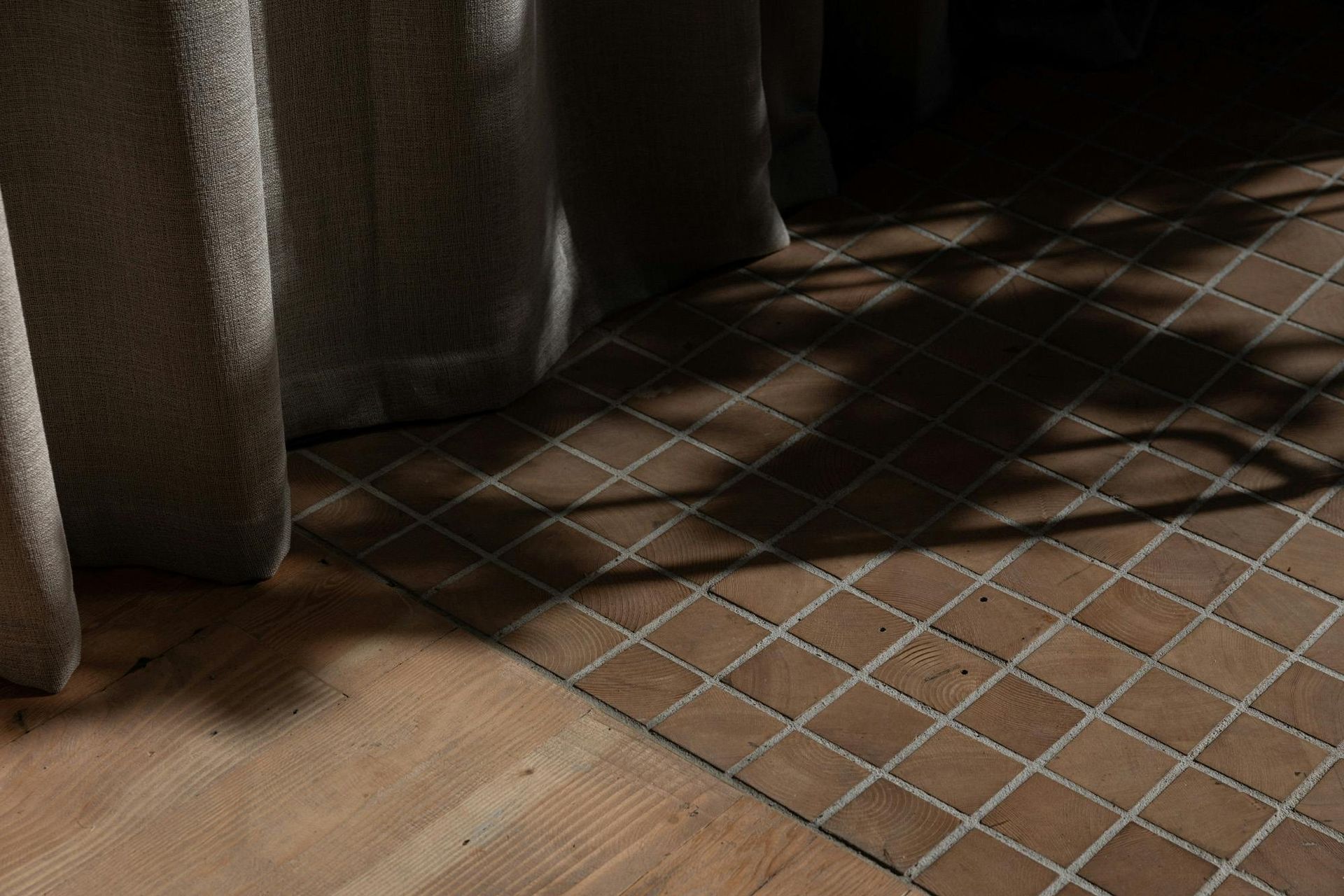
At the entry, an end-grain timber cobble provides both visual texture and a practical threshold. Positioned directly off Faraday Street, where gravel and debris could easily be carried inside, the surface acts almost like a built-in scuff mat. It is a small gesture, but one that captures the broader attitude of the project: functional, tactile and quietly expressive.
Nothing in the space is designed to shout. The neutrality is intentional. Casa’s work spans different sectors and design sensibilities, so the interior needed to communicate capability without prescribing an aesthetic.
“It was never our intention to make something that stood out or was trying to be a peacock,” says Caldwell. “It’s meant to be a well put-together but neutral backdrop, where any sort of event or any sort of client can come through and see that they have a commitment to quality, but they’re not defined by any particular aesthetic.”
That neutrality, however, is not emptiness. The space is rich with detail, proportion and material care. It tells visitors that everything has been considered, without appearing overly precious. For Caldwell, that quality is important to how the space performs, both as an office and as a venue.
From a work perspective, he says, Faraday Street carries a sense of confidence. It immediately positions Casa as a business that understands how to present itself. From an events perspective, the mood shifts. The space becomes loose, social and robust.
“You can fill it up with human beings, and it’s got the space to hold them,” says Caldwell. “You never feel contained or claustrophobic. It has really good solid volume, but also you can let loose because nothing in there feels precious.”
That robustness may be one of the project’s greatest strengths. In an era where commercial interiors can date quickly or decline as soon as materials begin to wear, Faraday Street has been designed to gather patina. The timber, plaster, brick and exposed finishes are not surfaces that need to remain untouched to retain their value. They are intended to age.
“It’s one of those venues that will only get better with time,” says Caldwell. “Every material that’s gone into there is an honest, natural material that will just gather patina and get better with age.”
Faraday Street offers a compelling model for a new kind of workplace, particularly for creative businesses and design-led collectives. It is not simply about desks, boardrooms or a hospitality layer added for effect. Instead, it recognises that a commercial interior can operate as a social infrastructure, supporting work, gathering, presentation and exchange.
For Wonder, the project is a study in restraint as much as expression. It shows how the most powerful commercial spaces are not always the most polished, but the ones that understand what to keep, what to reveal and where to allow life to happen.