How McClean Design built a vertical world above the Sunset Strip
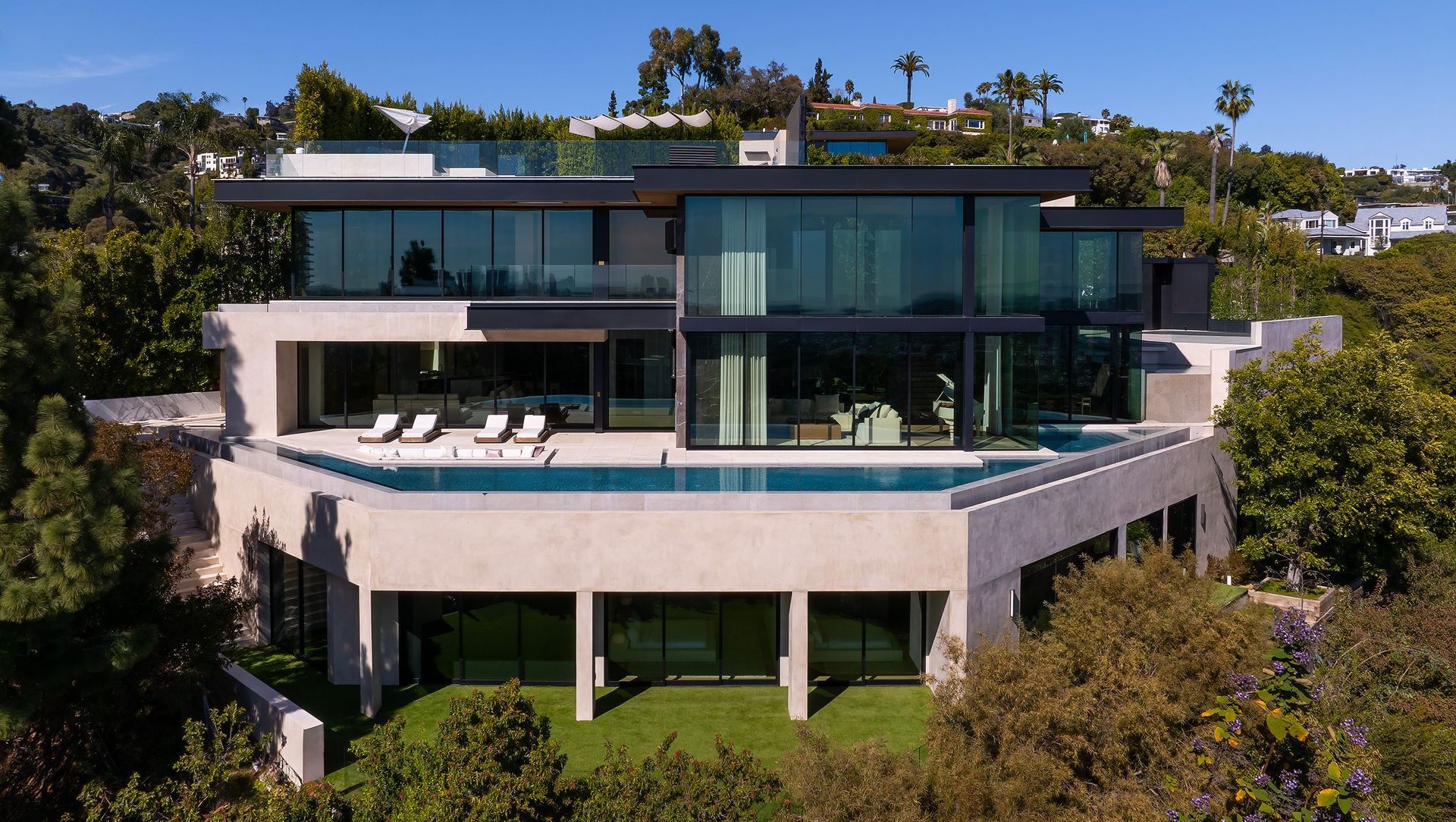
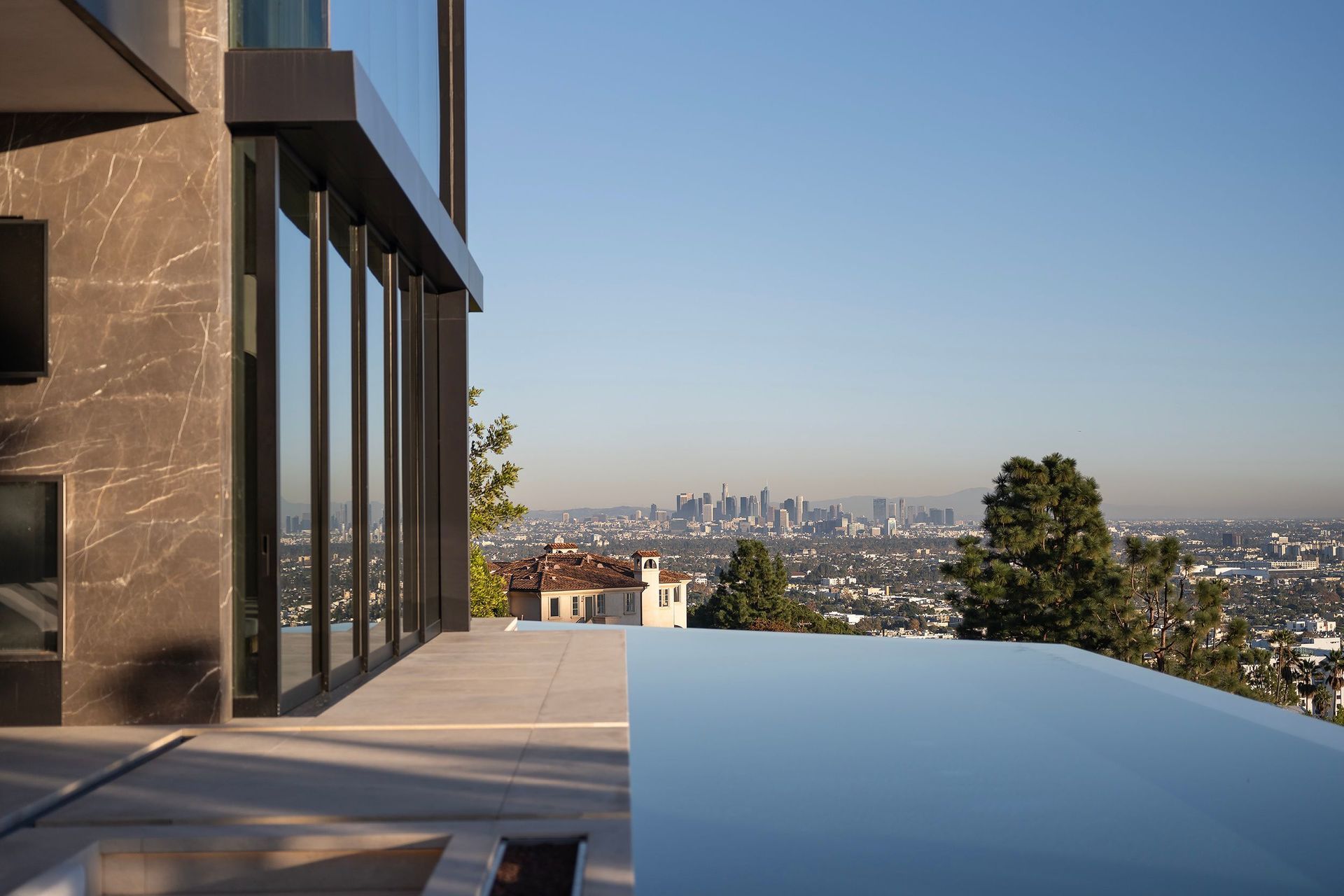
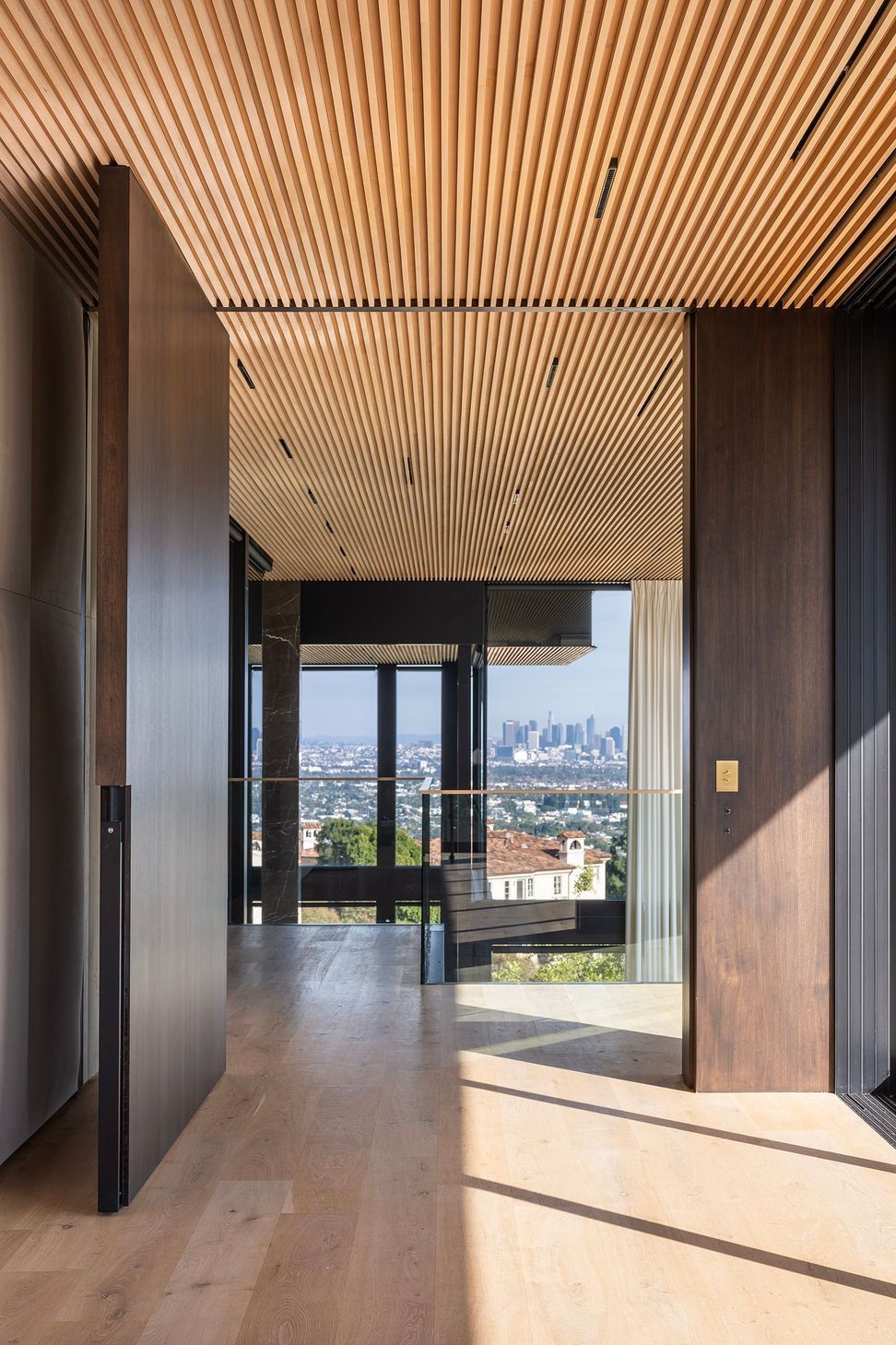
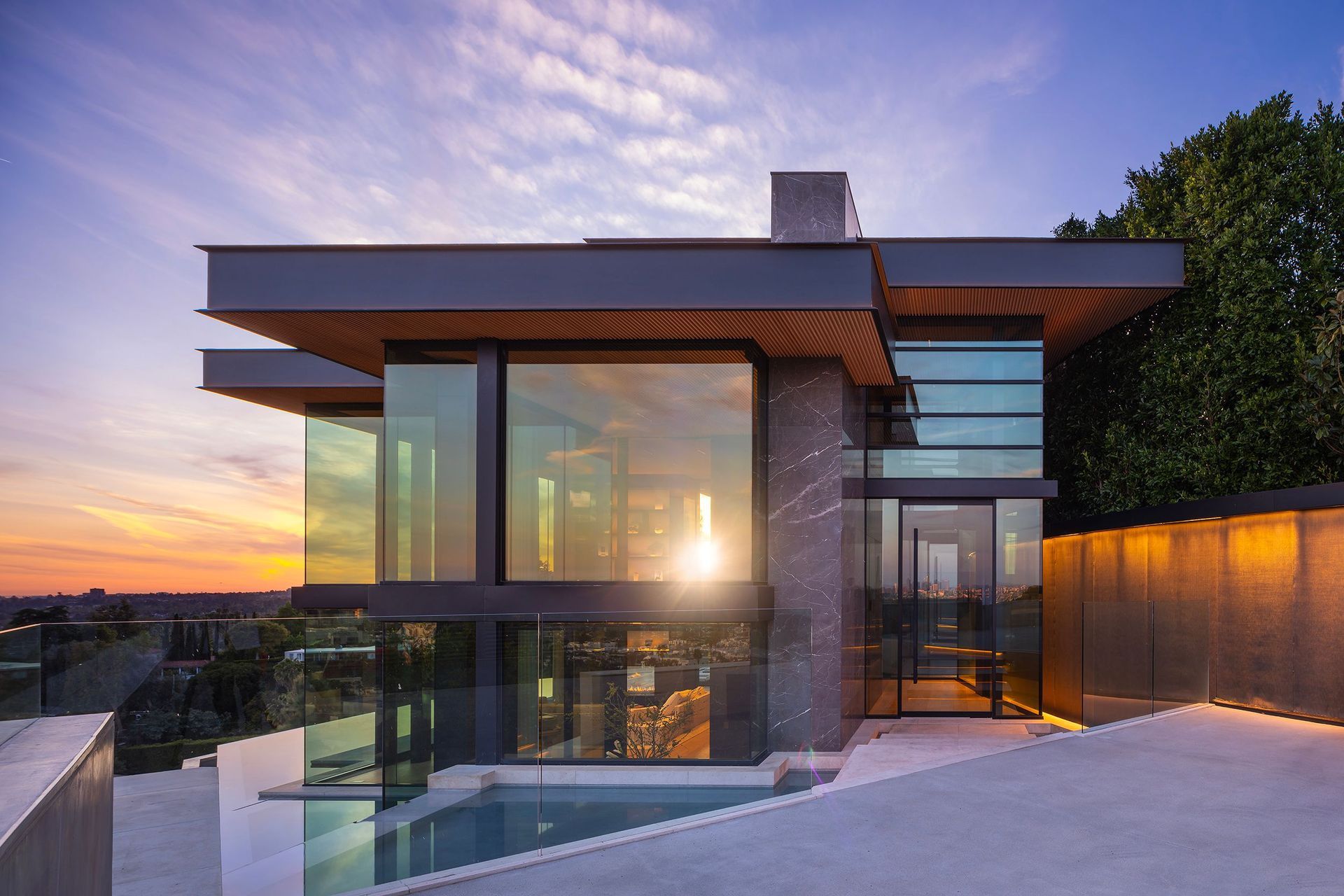
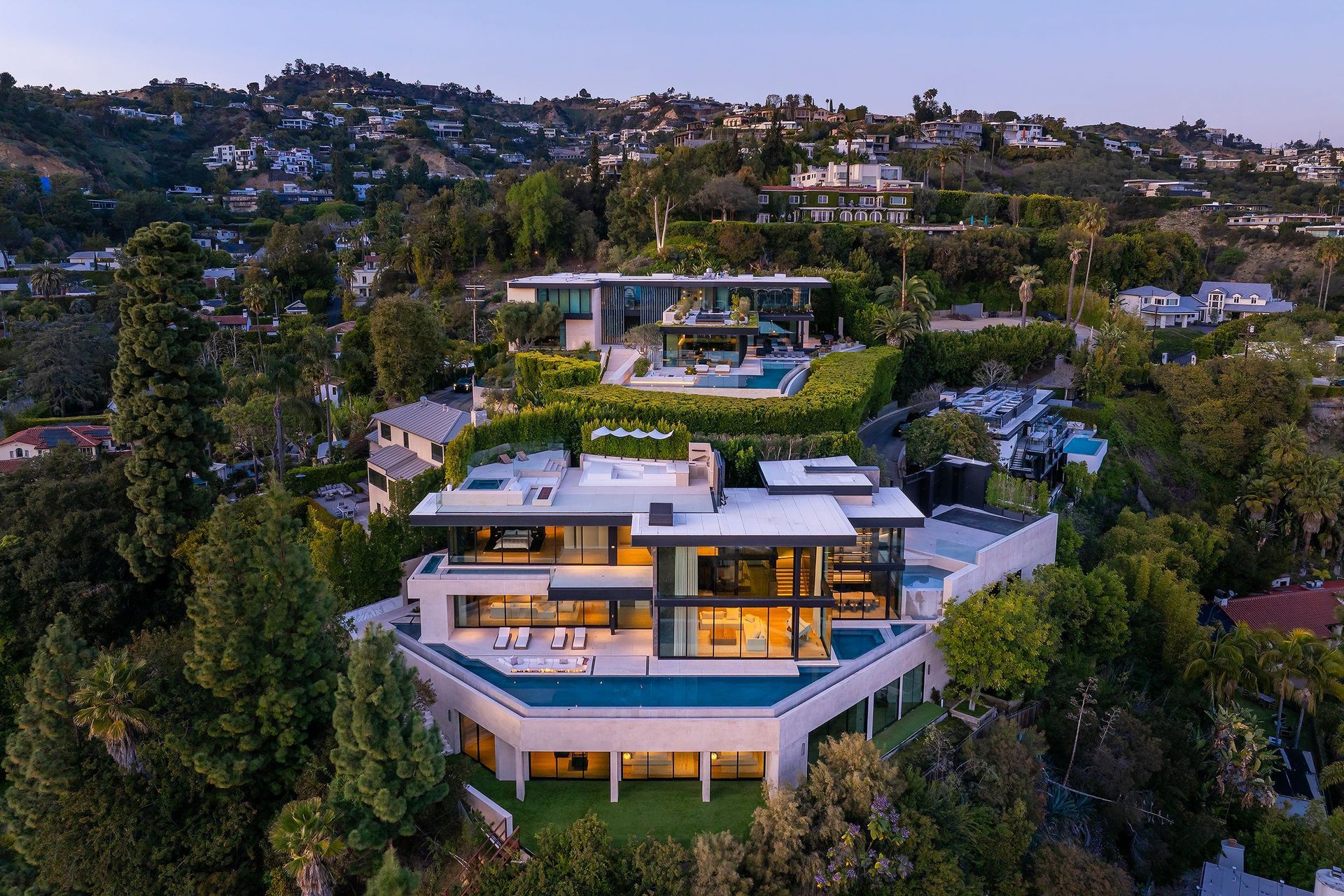
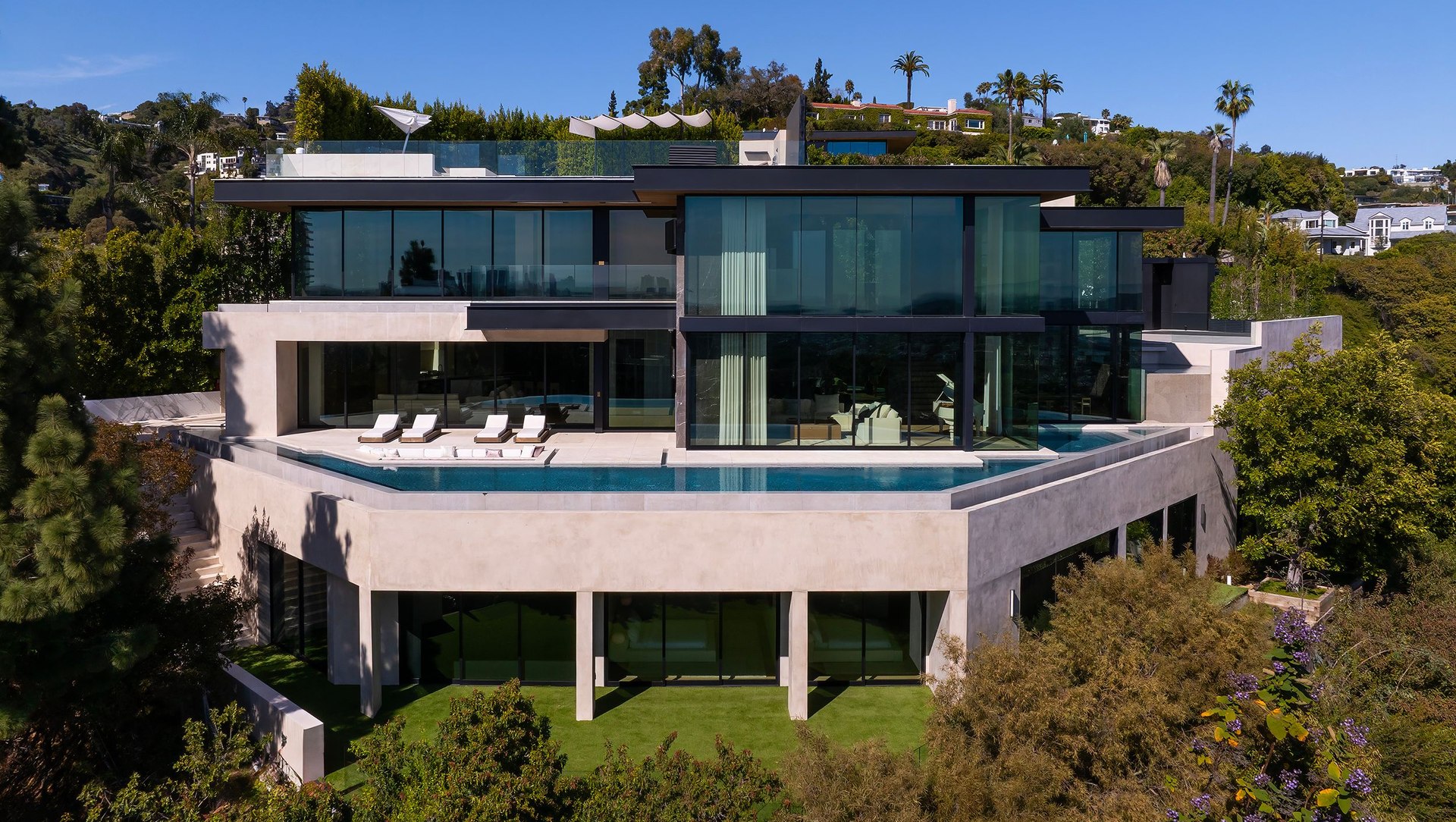
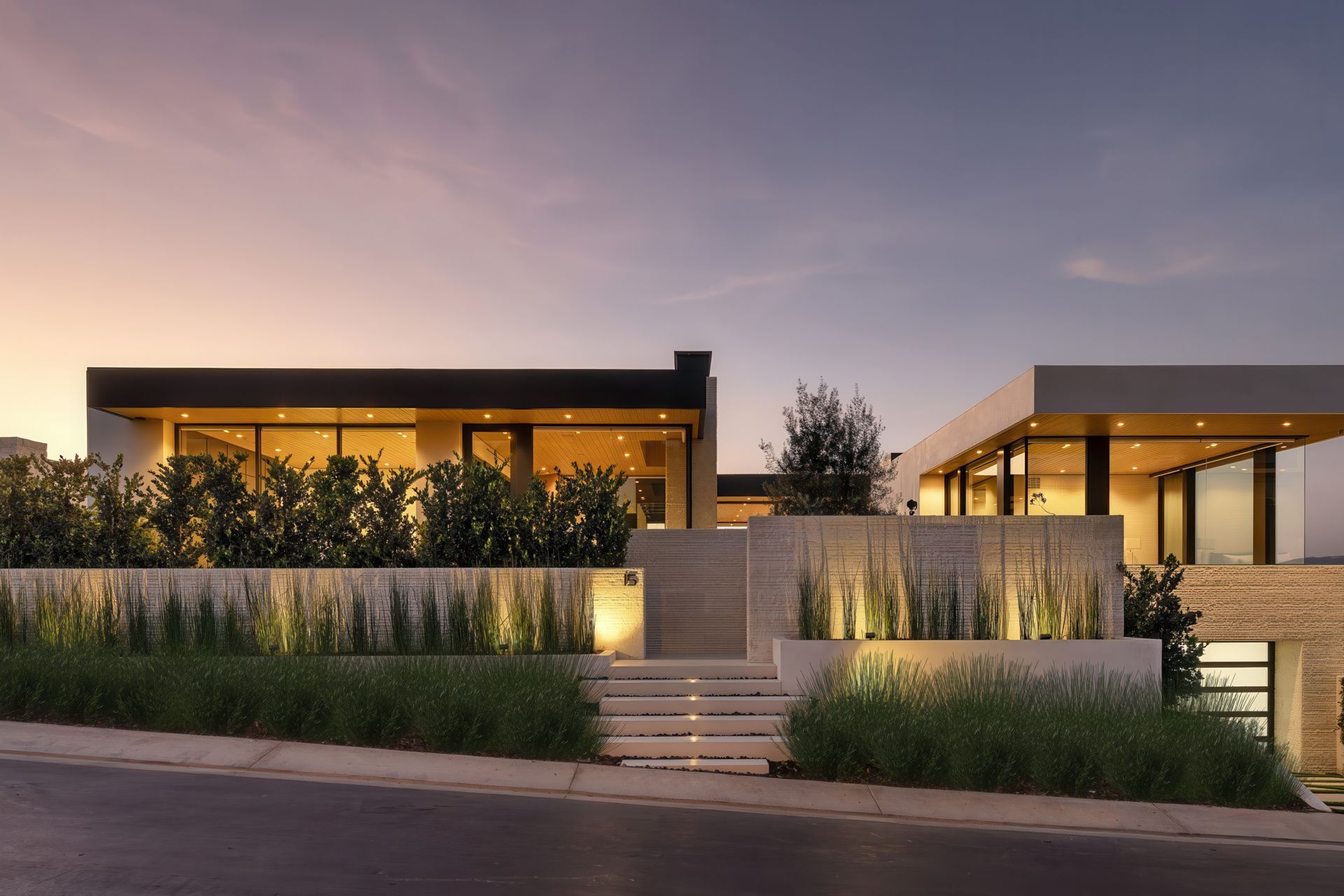
From the street, Cordell 2 gives little away. Perched above West Hollywood, the house reads as a composed, almost restrained structure. A clean architectural form set against the city below. What it doesn't reveal is that the house continues downward. Two basement levels extend beneath the main floor, transforming a steep 12,000-square-foot lot into a four-story vertical world of living, wellness, and entertainment.
For McClean Design, the challenge was not simply how to make the house dramatic. It was how to make an ambitious, highly personalized brief work on one of the most constrained sites the practice had encountered.
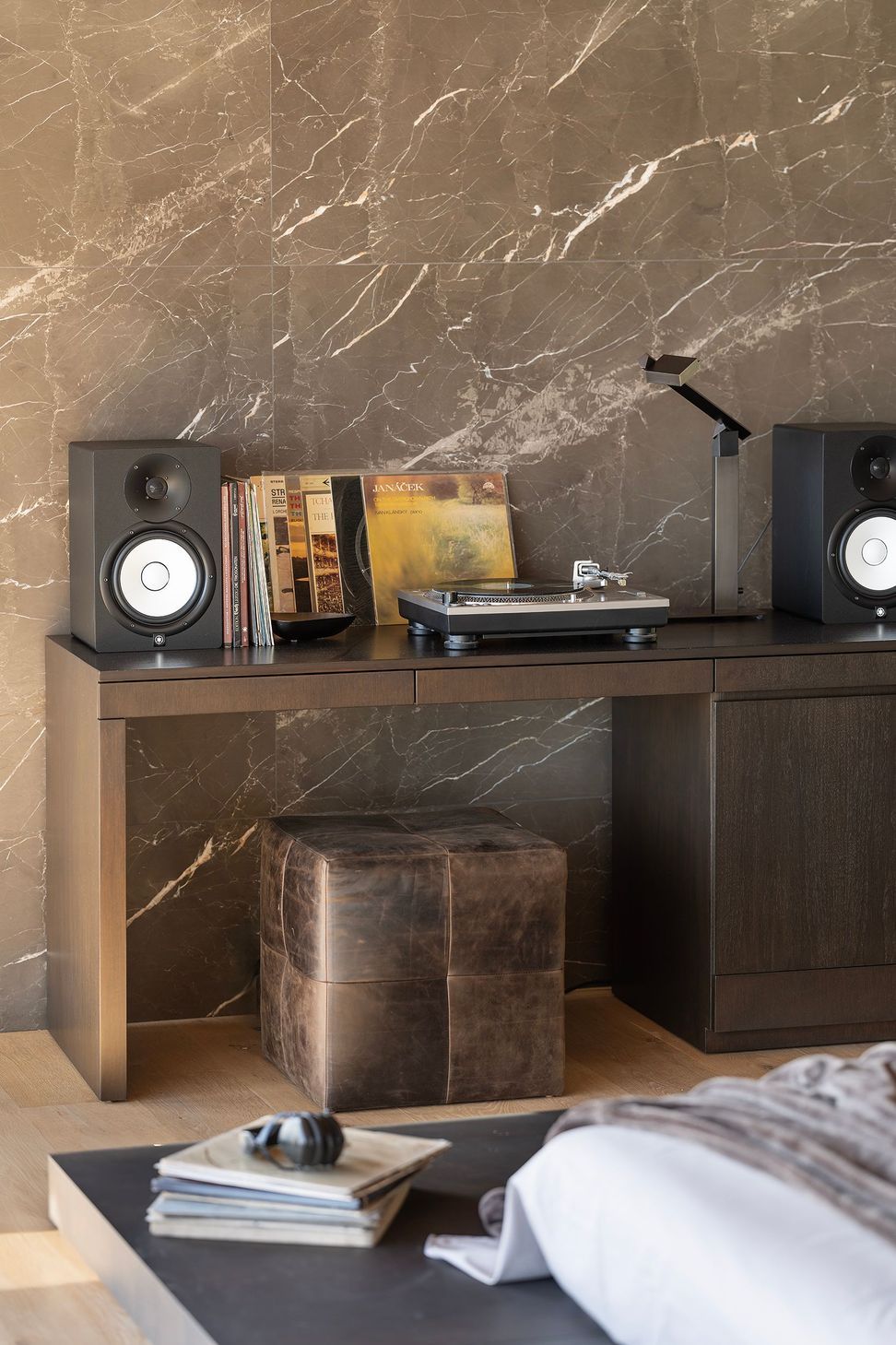
The client was Alexander Grant, the music producer better known as Alex da Kid, whose creative sensibility shaped the project from the beginning. Chris Pozil of McClean Design describes the process almost like creating a song with a producer. Pozil describes Cordell 2 as “a piece of frozen music in space”, shaped through the same kind of creative iteration its owner would bring to a song.
The client was deeply engaged in the process, reviewing the 3D model, turning it over, making adjustments and continuing to refine the home across what became a 10-year journey. Unlike music, where a track can be changed almost until the moment it is uploaded, architectural changes carry time, cost, and construction consequences. But that creative back and forth also gave the house a particular energy.
The form of the home had to support two very different modes of living. On one hand, the house needed to function as a day-to-day residence. On the other, it needed to operate as a highly capable, state-of-the-art entertainment environment. McClean Design responded by creating three distinct zones.
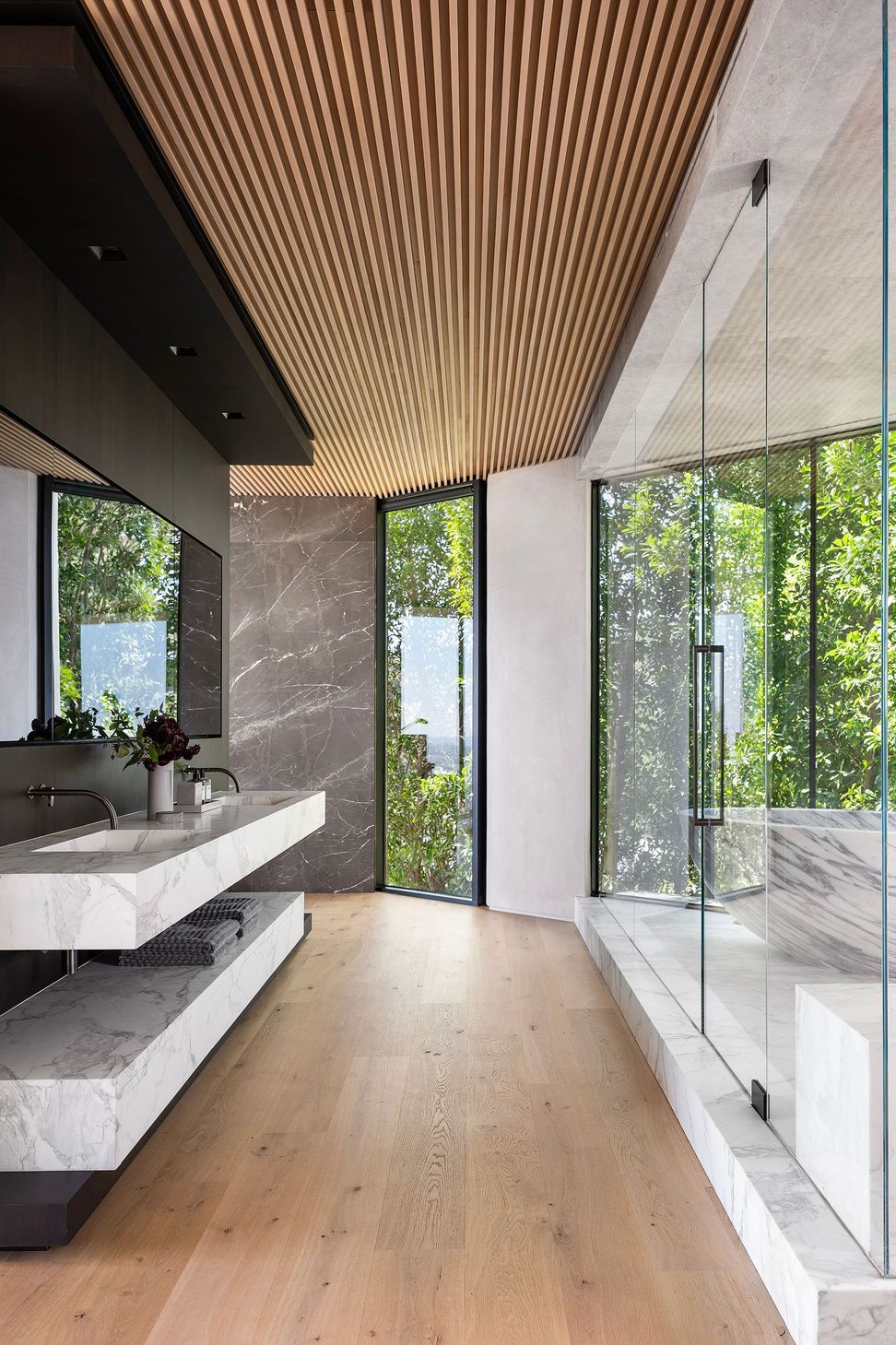
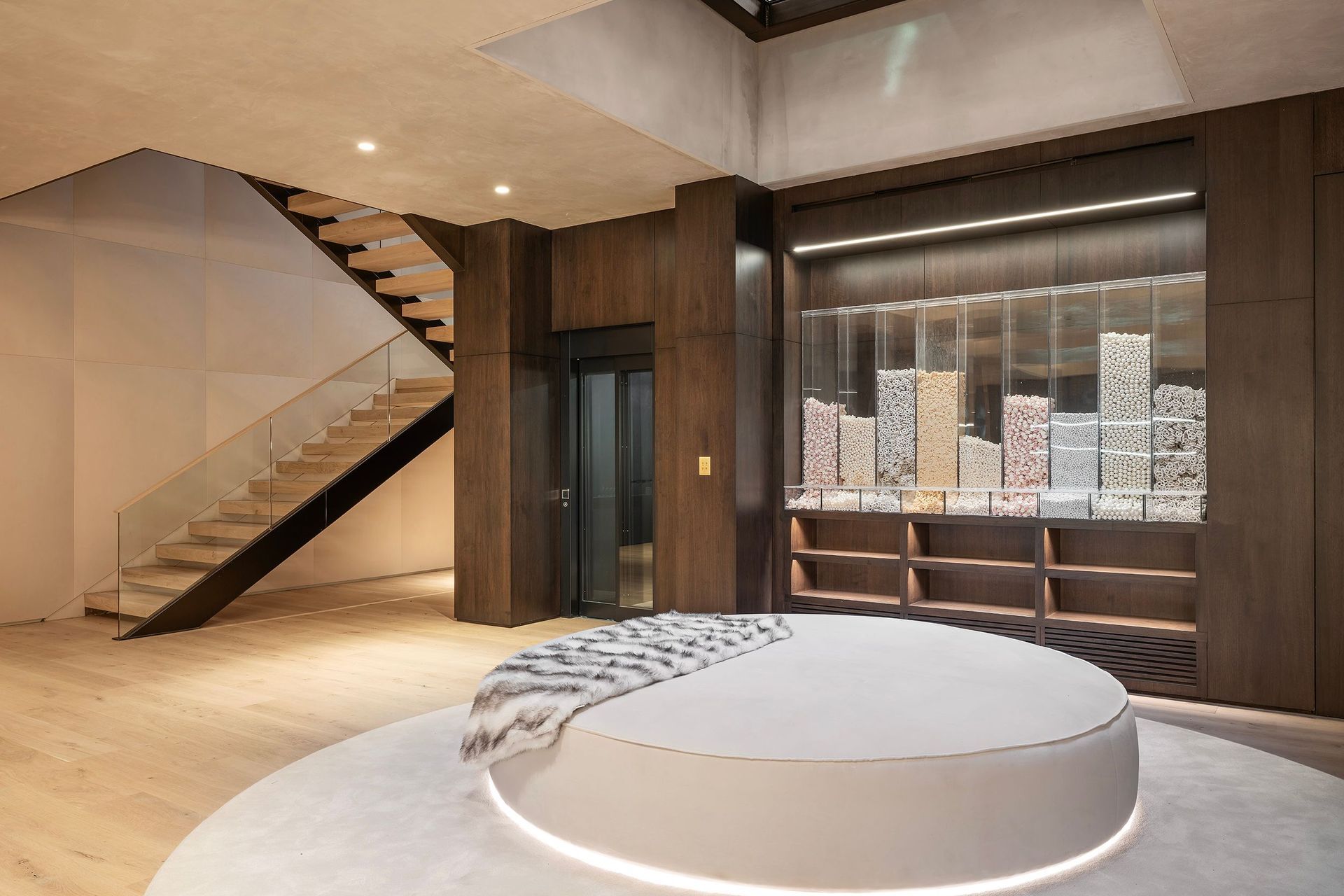
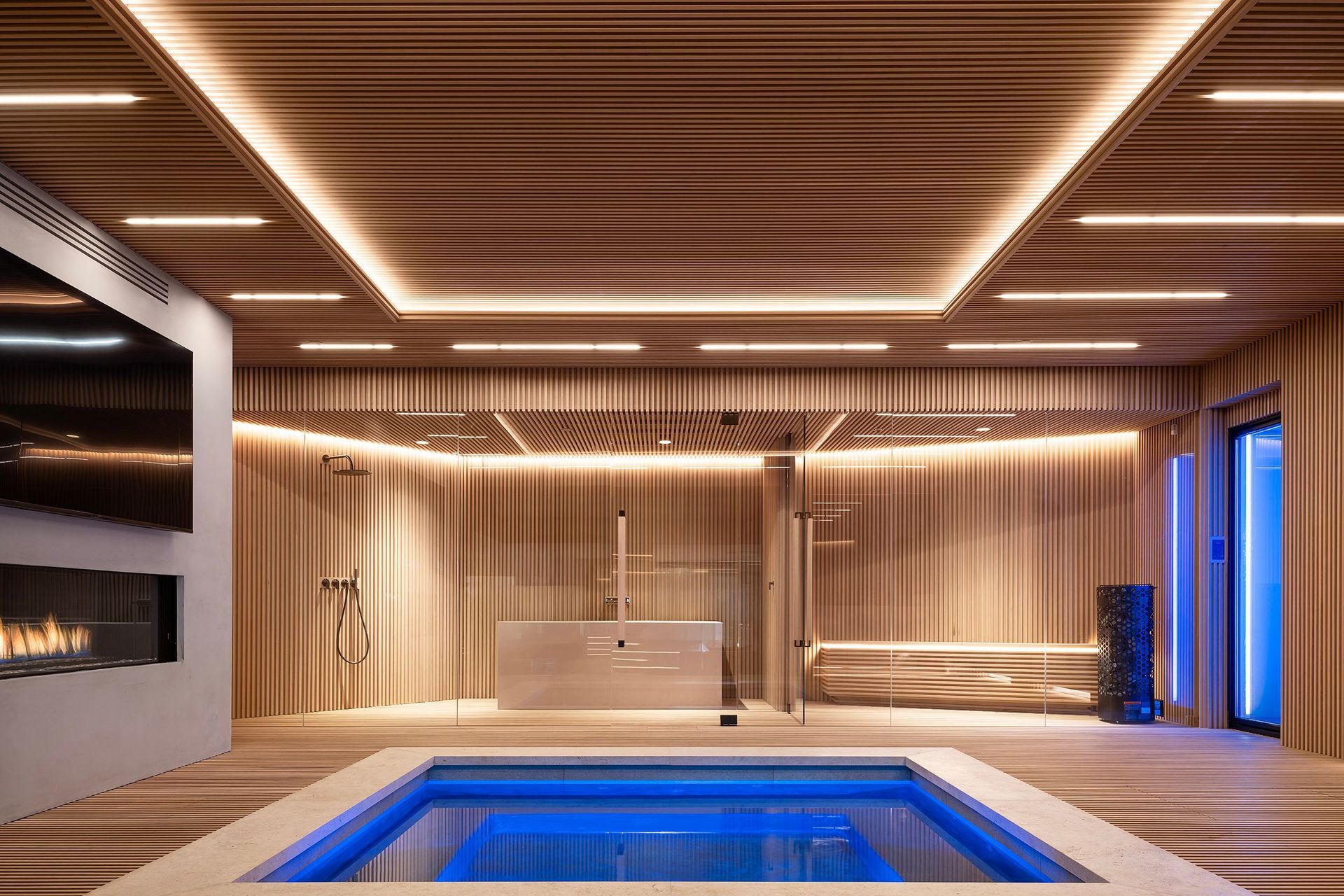
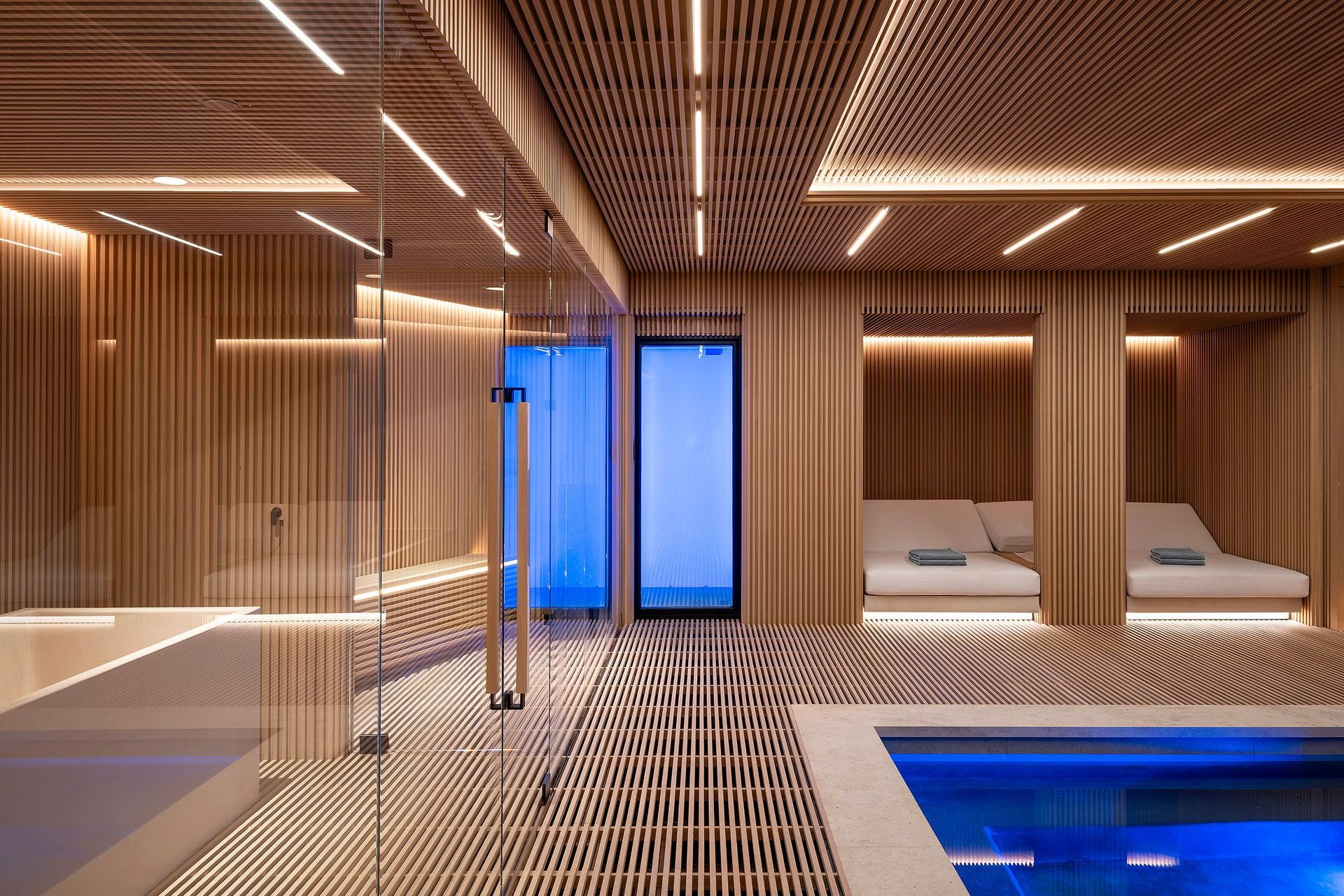
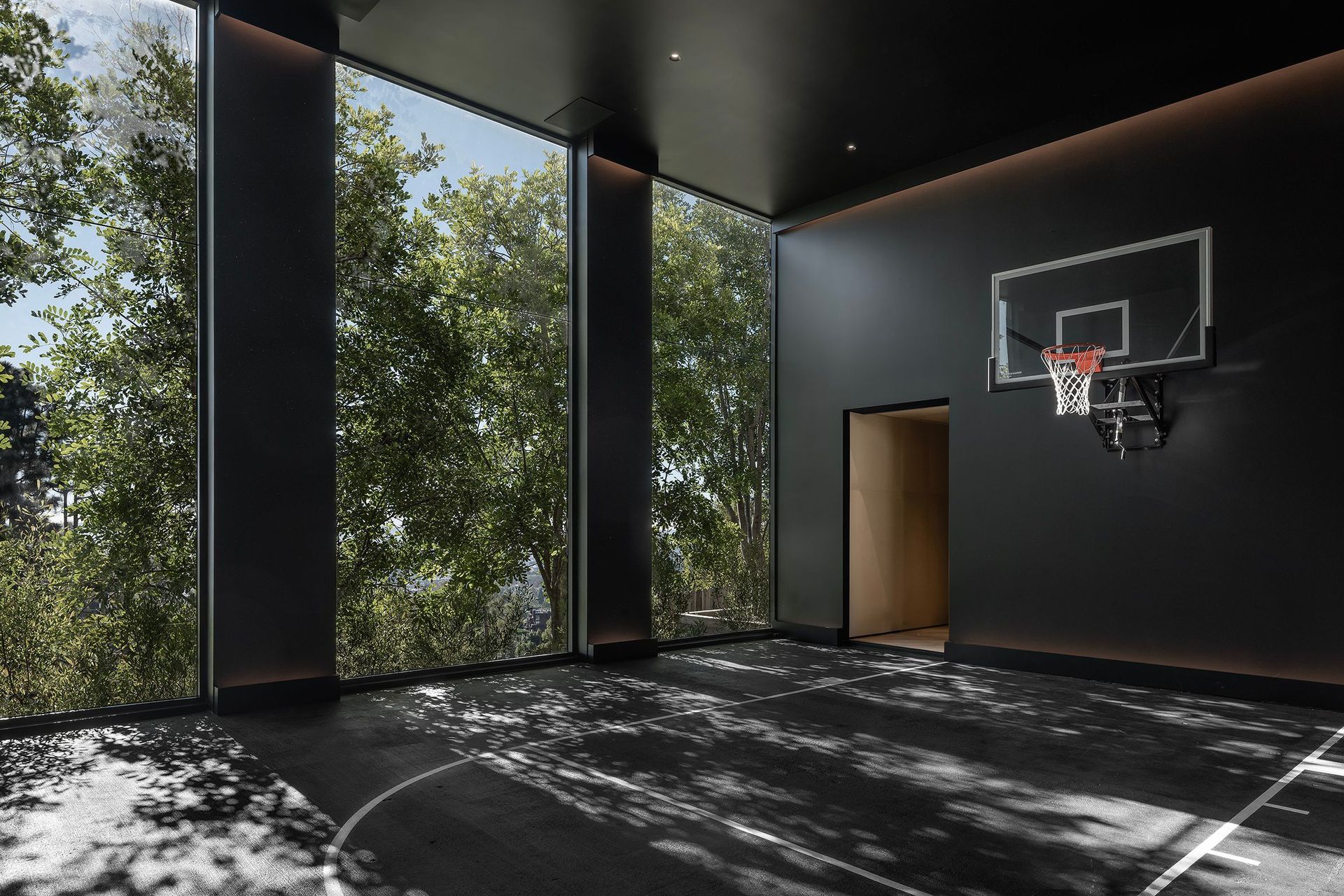
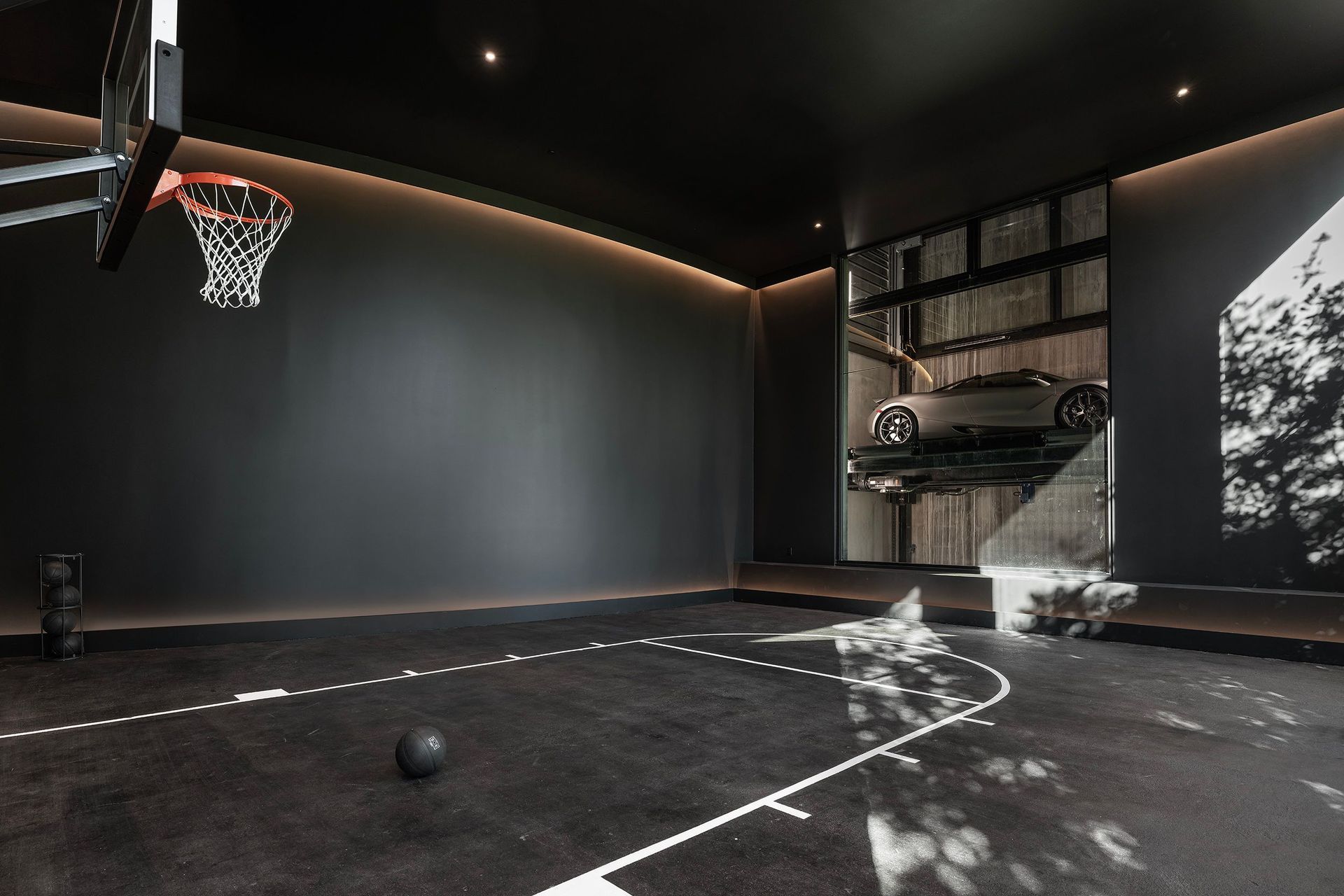
The main and upper levels support daily life with the main floor containing the kitchen and living spaces, while the upper floor is dedicated almost entirely to the primary suite. Below is the first basement level, which holds the wellness, guest, and recreational areas. This includes guest suites, a gym, a spa, a basketball court, and one of the practice’s favorite wellness suites, detailed with hemlock slats that align across walls, floors, and ceilings.
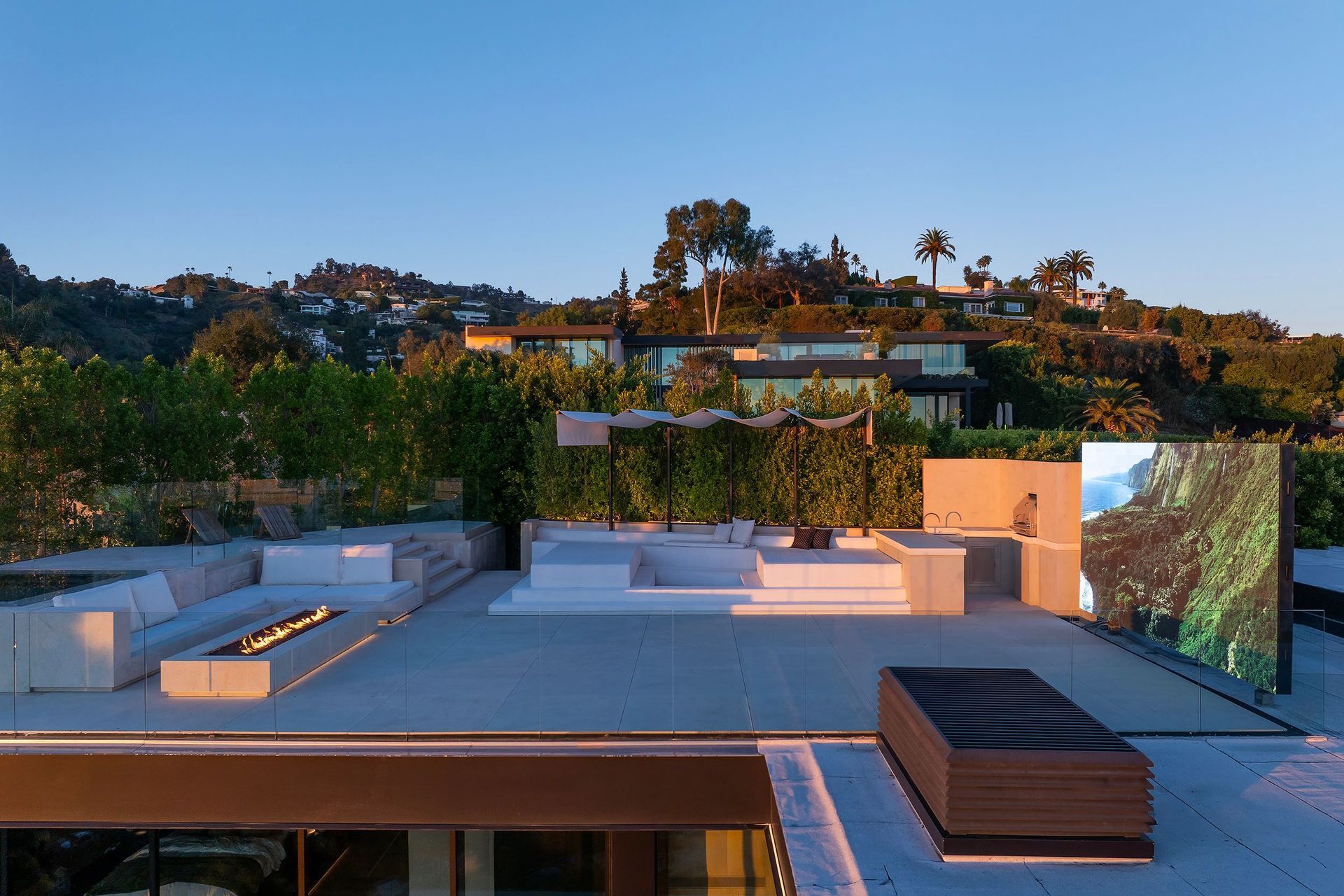
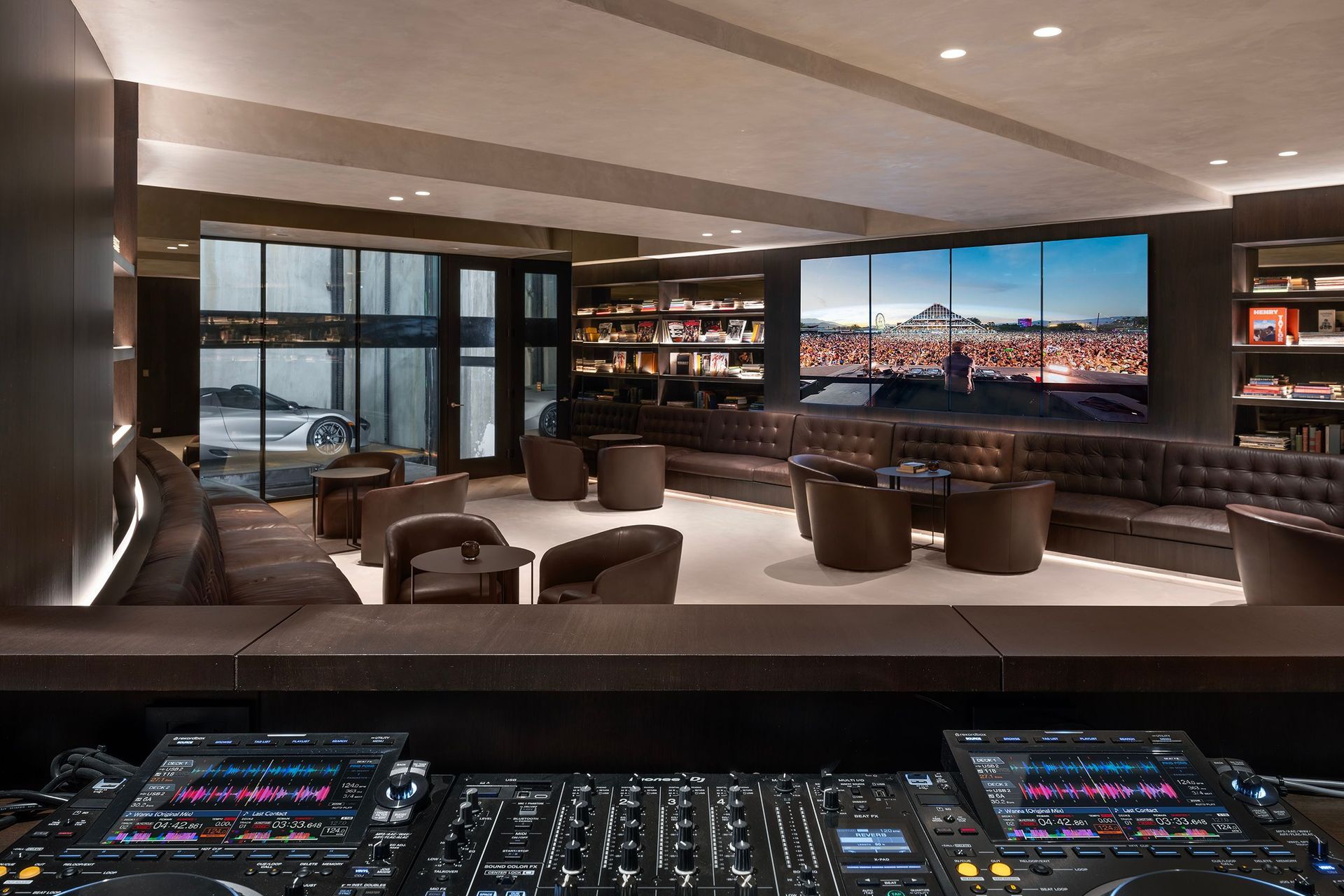
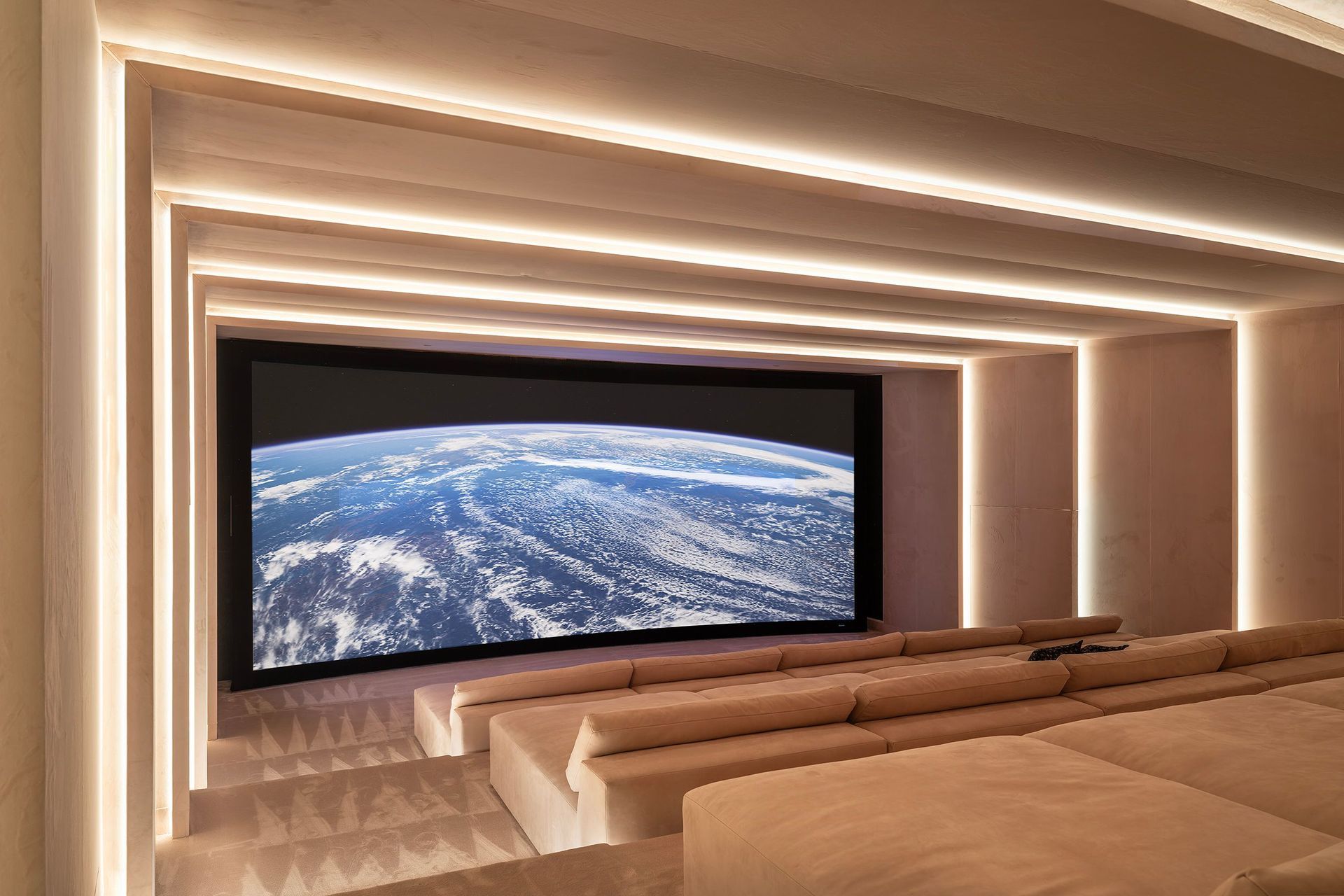
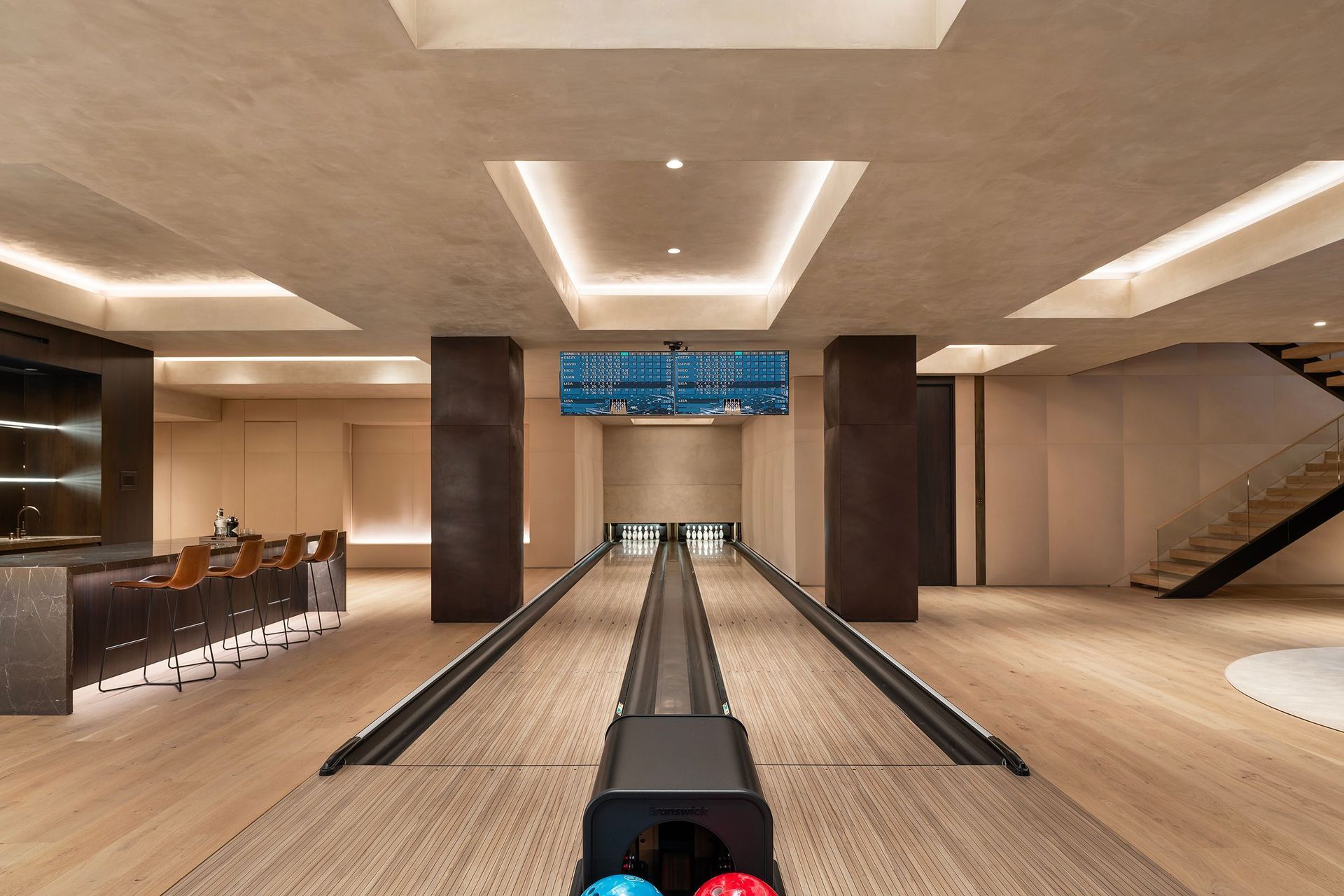
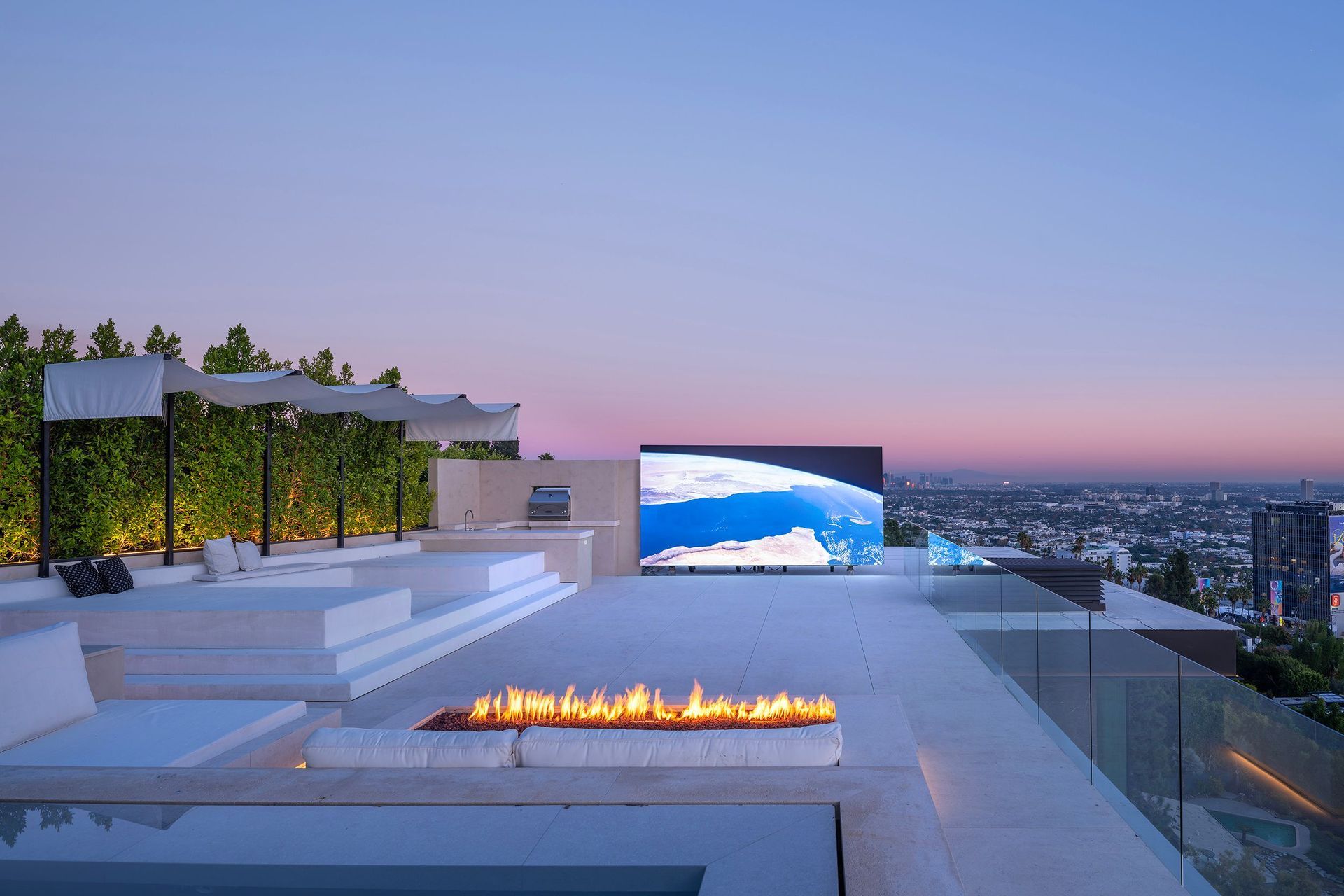
The lowest level is dedicated to entertainment. Here, the house becomes more immersive, with a full movie theatre, nightclub, bowling alley, bar, and a collection of spaces designed for everything from small gatherings to large-scale parties. Above, the roof deck creates a second entertainment layer, complete with a hot tub and a retractable outdoor screen that can fold down to reveal the full city view.
The result is what Pozil describes as an “iceberg mansion”, where the house is modest in its street presence, but expansive below the surface. The site’s verticality became one of the project’s defining architectural challenges. McClean Design is known for horizontal houses that stretch across generous sites, but Cordell 2 required a different strategy where the house had to be connected through depth rather than breadth.
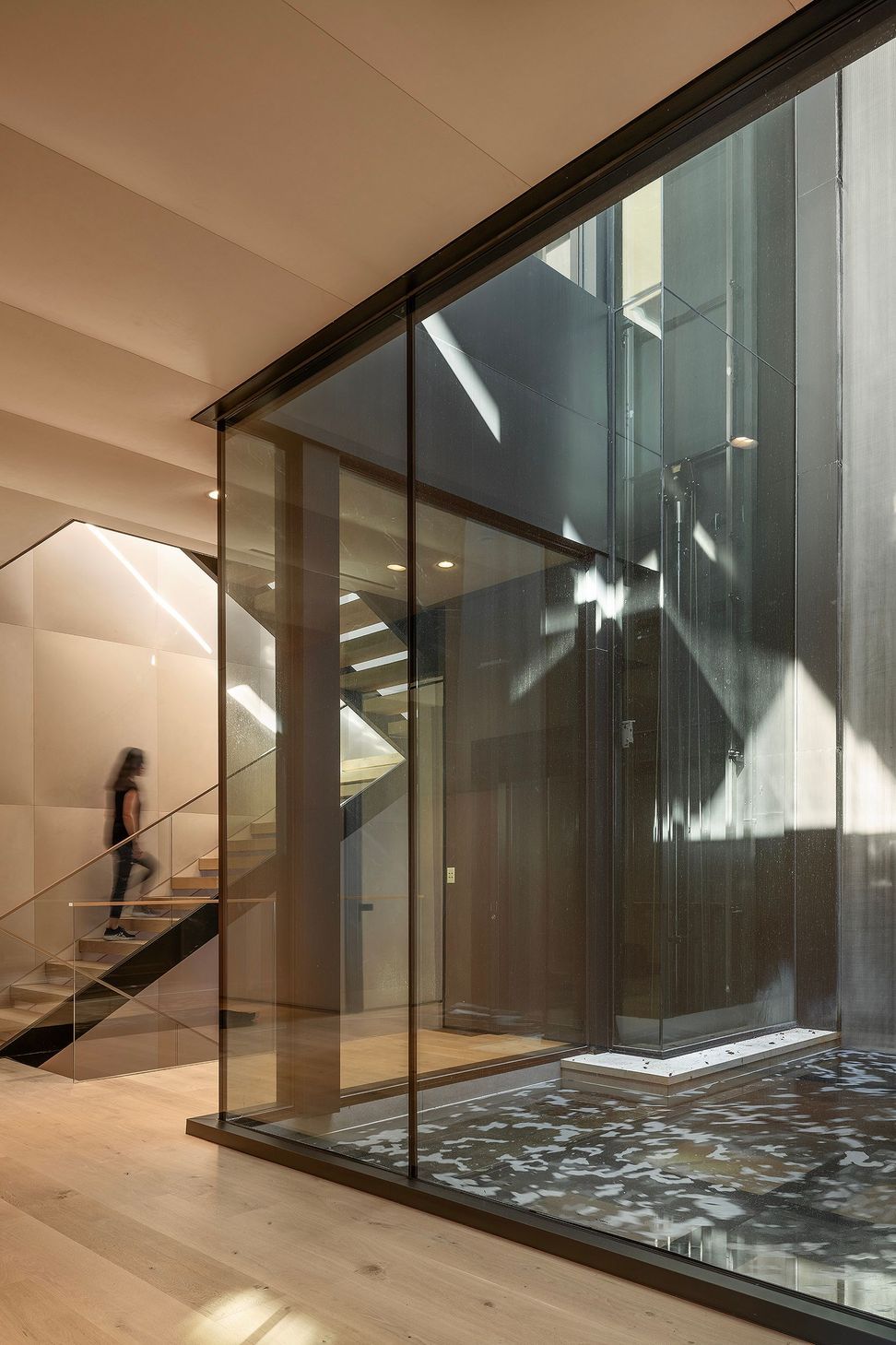
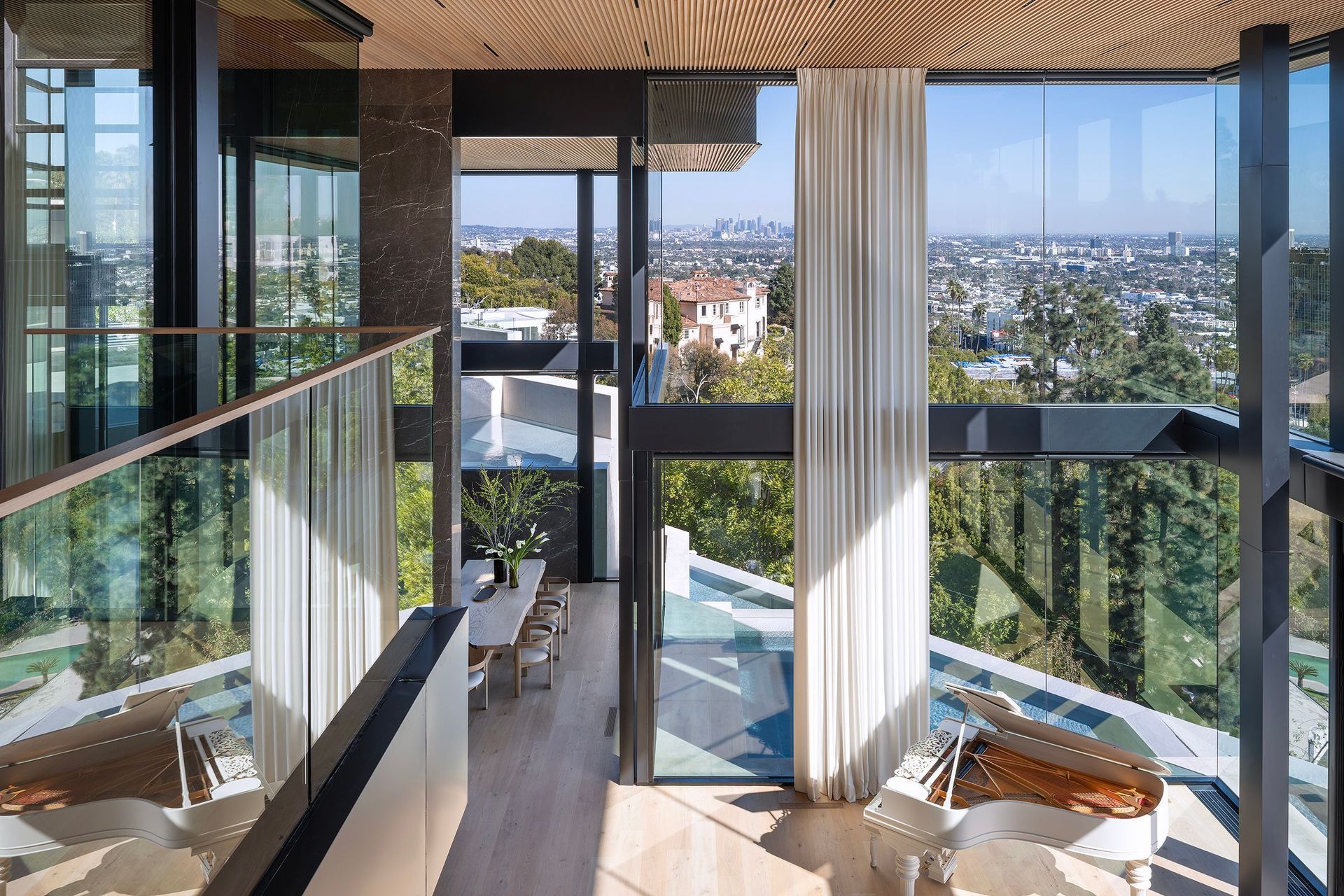
To achieve that, the firm introduced a series of vertical elements that link the four levels. A glass elevator moves through the core of the house and a water wall begins at the entry courtyard and drops through the home to the entertainment level below. A four-storey video wall introduces another layer of atmosphere, often displaying moving imagery of water, forests, or vegetation. Even the car elevator becomes part of the experience, allowing vehicles to appear within the nightclub and basketball court zones as they move through the building.
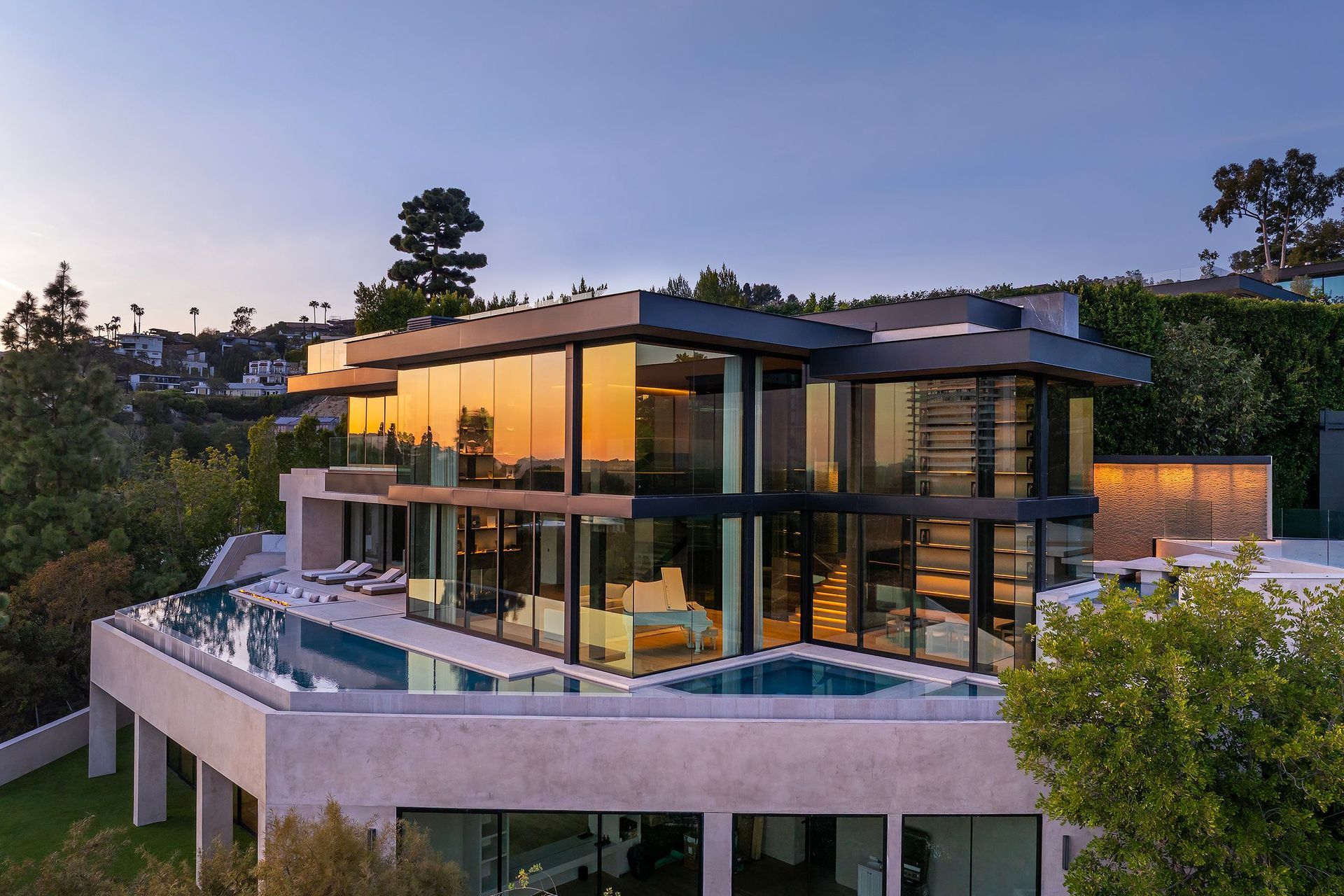
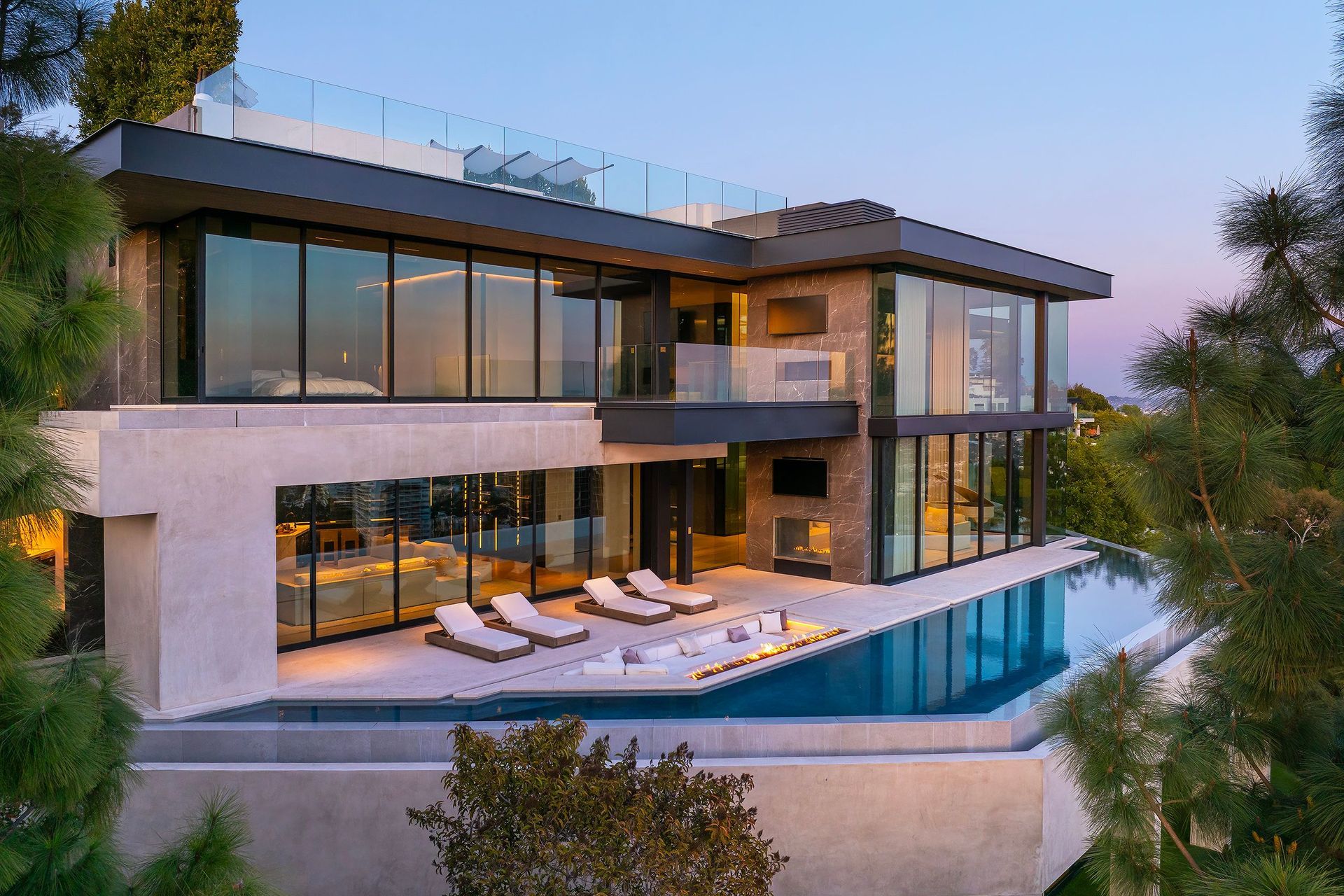
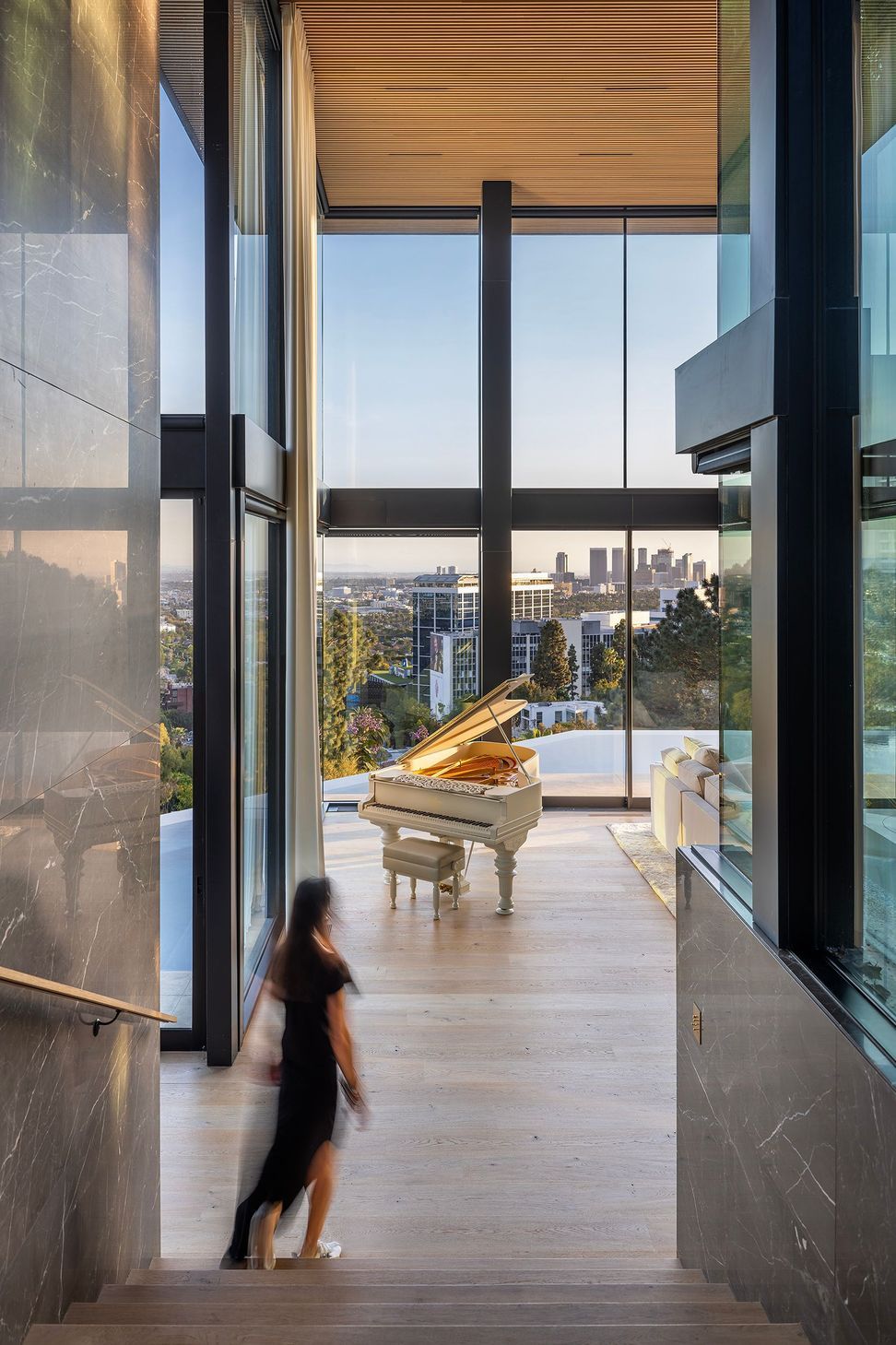
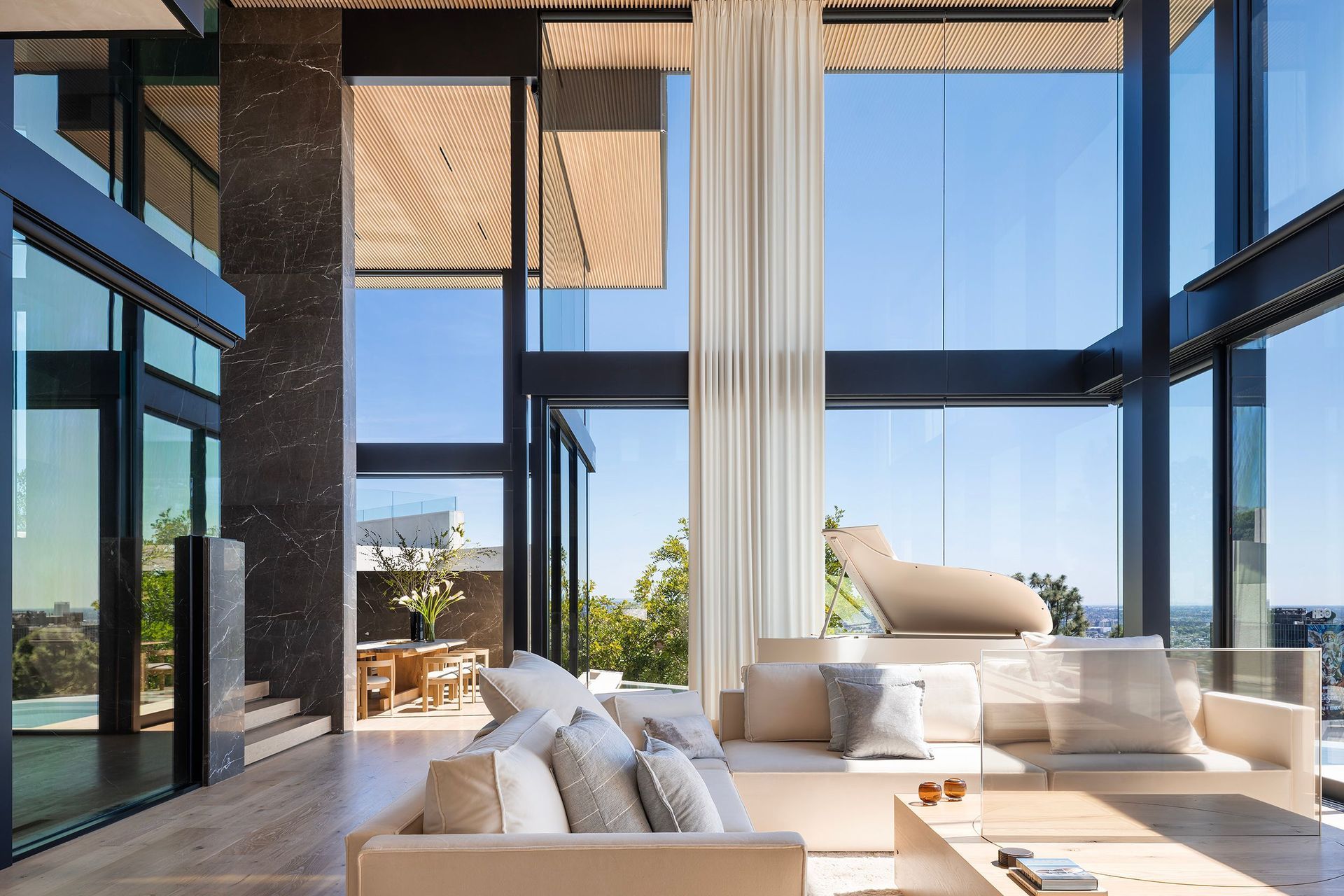
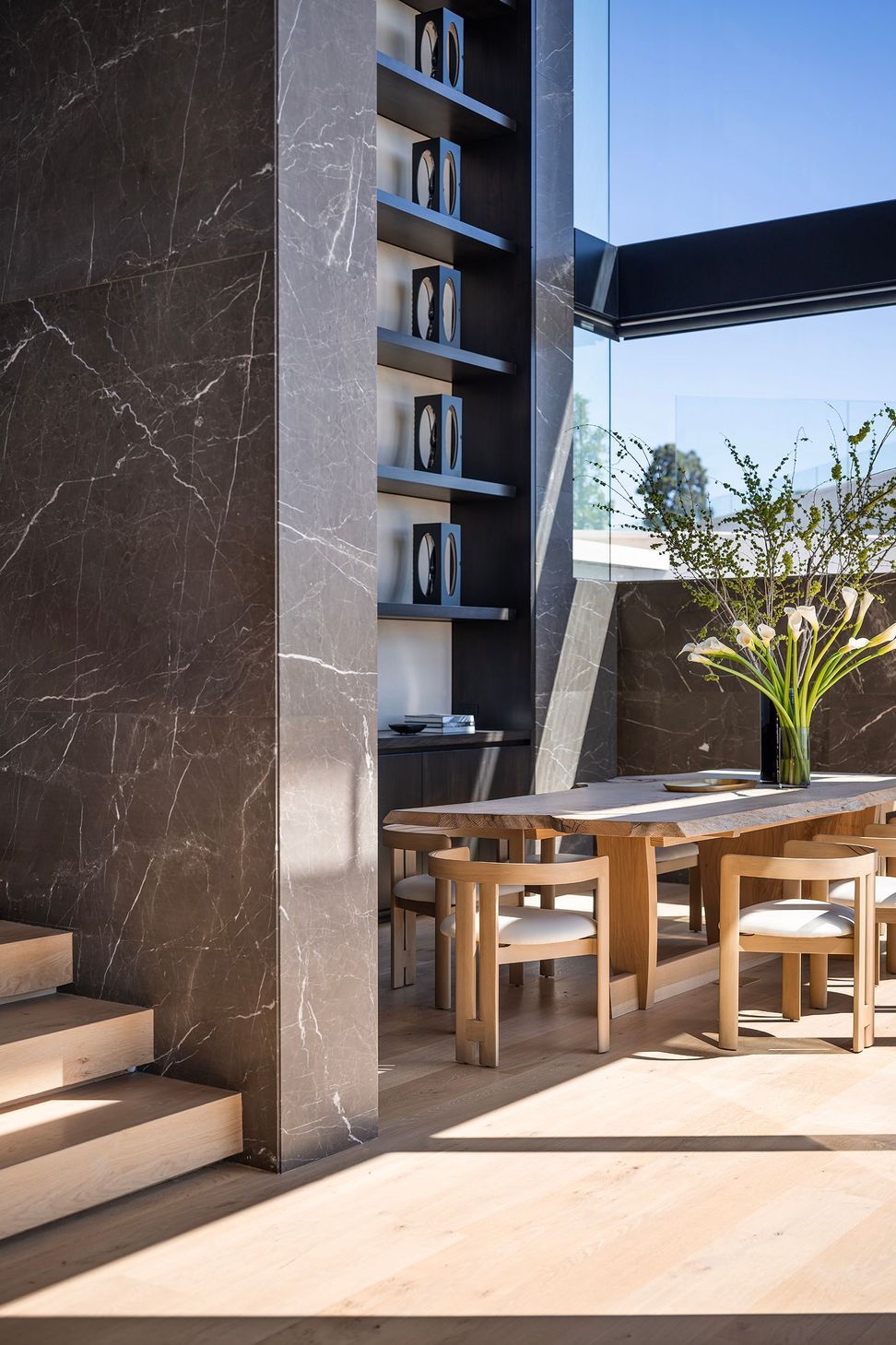
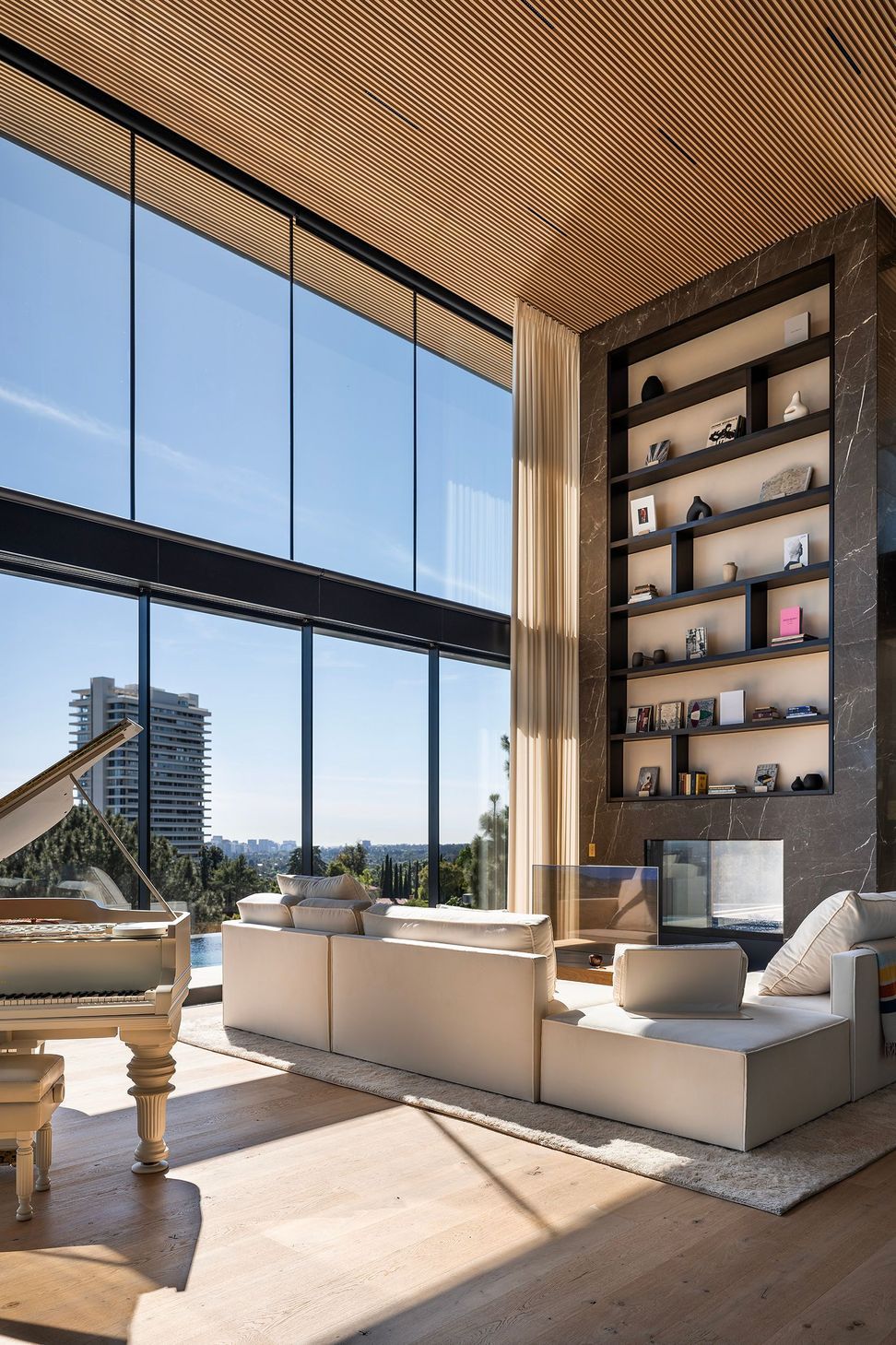
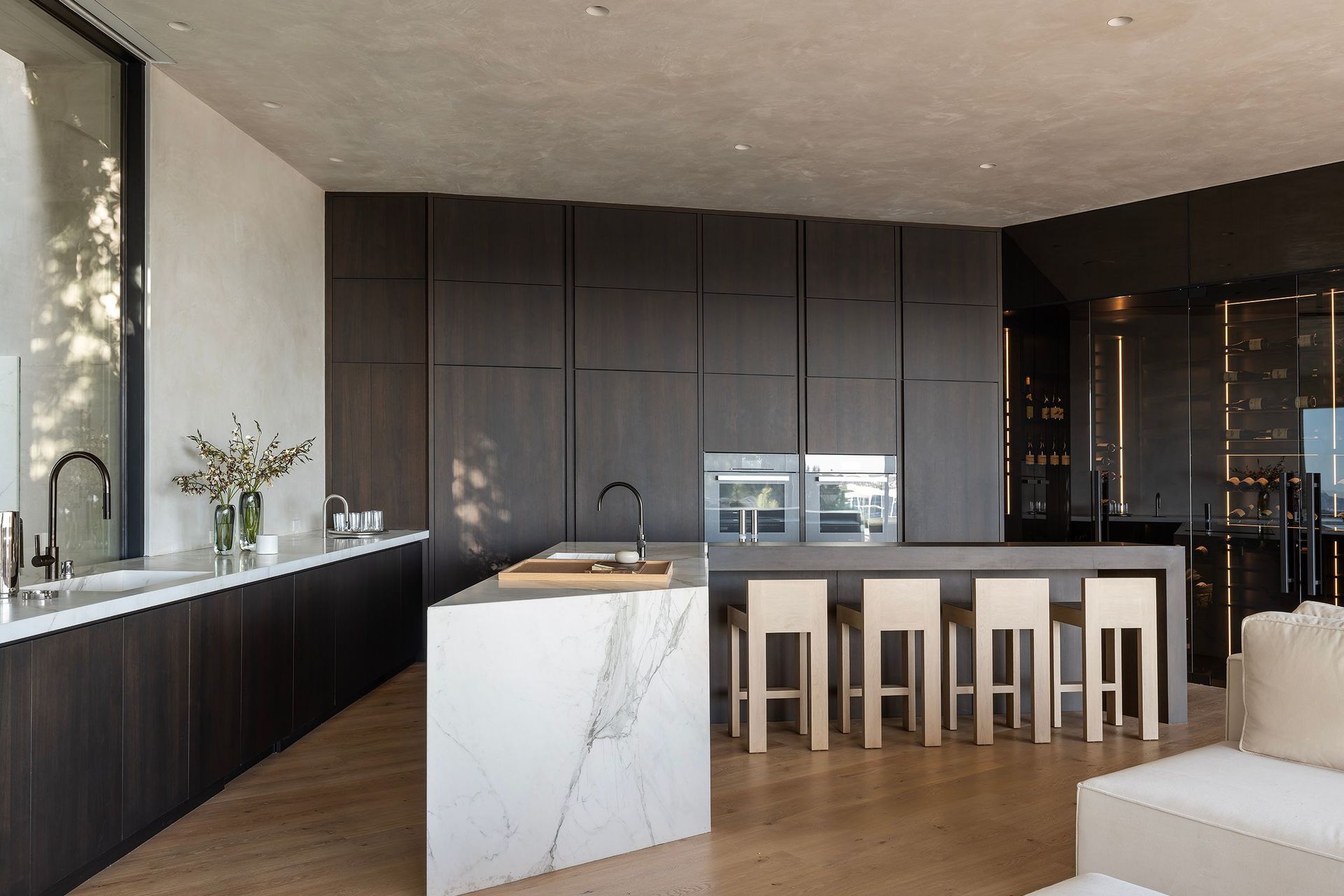
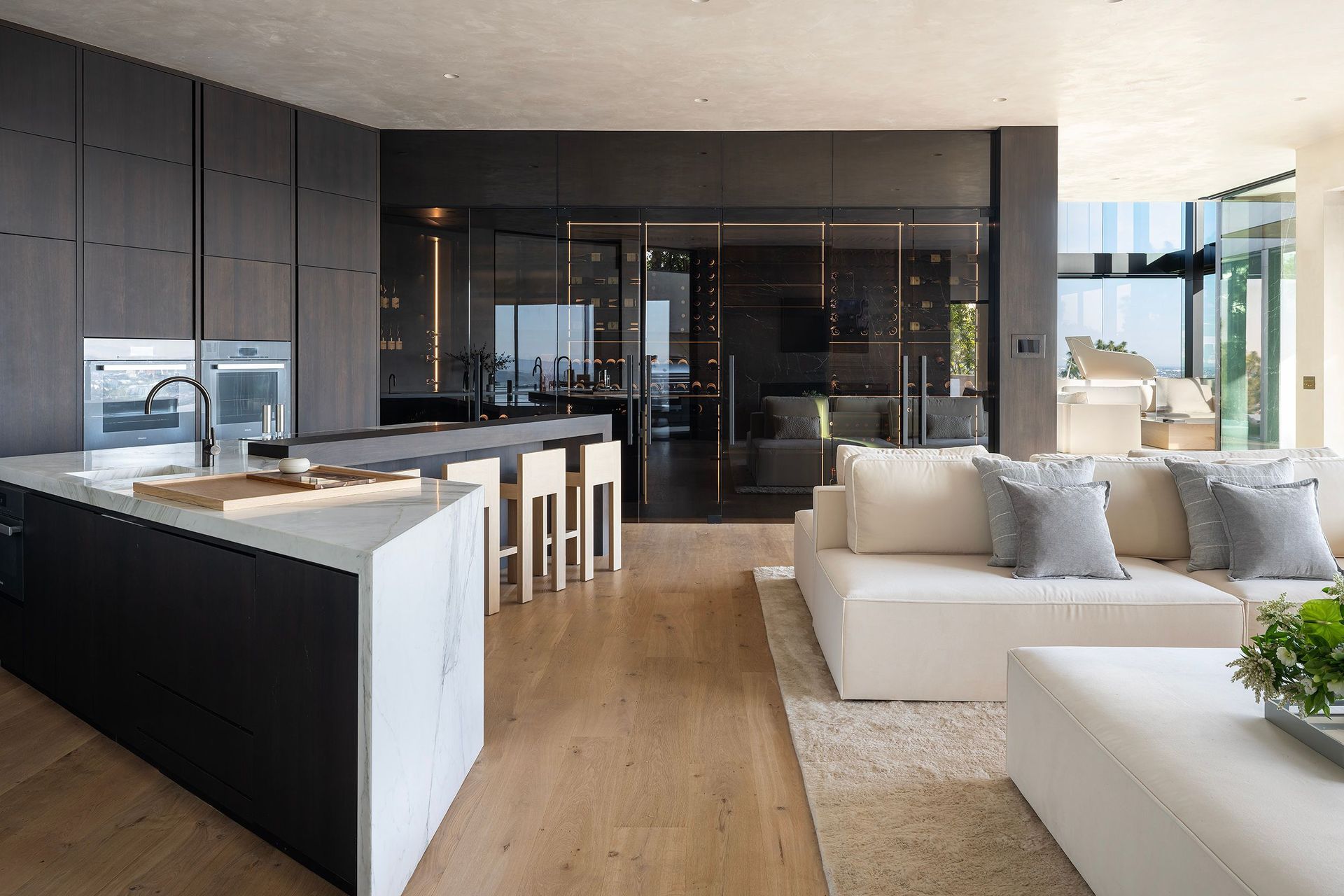
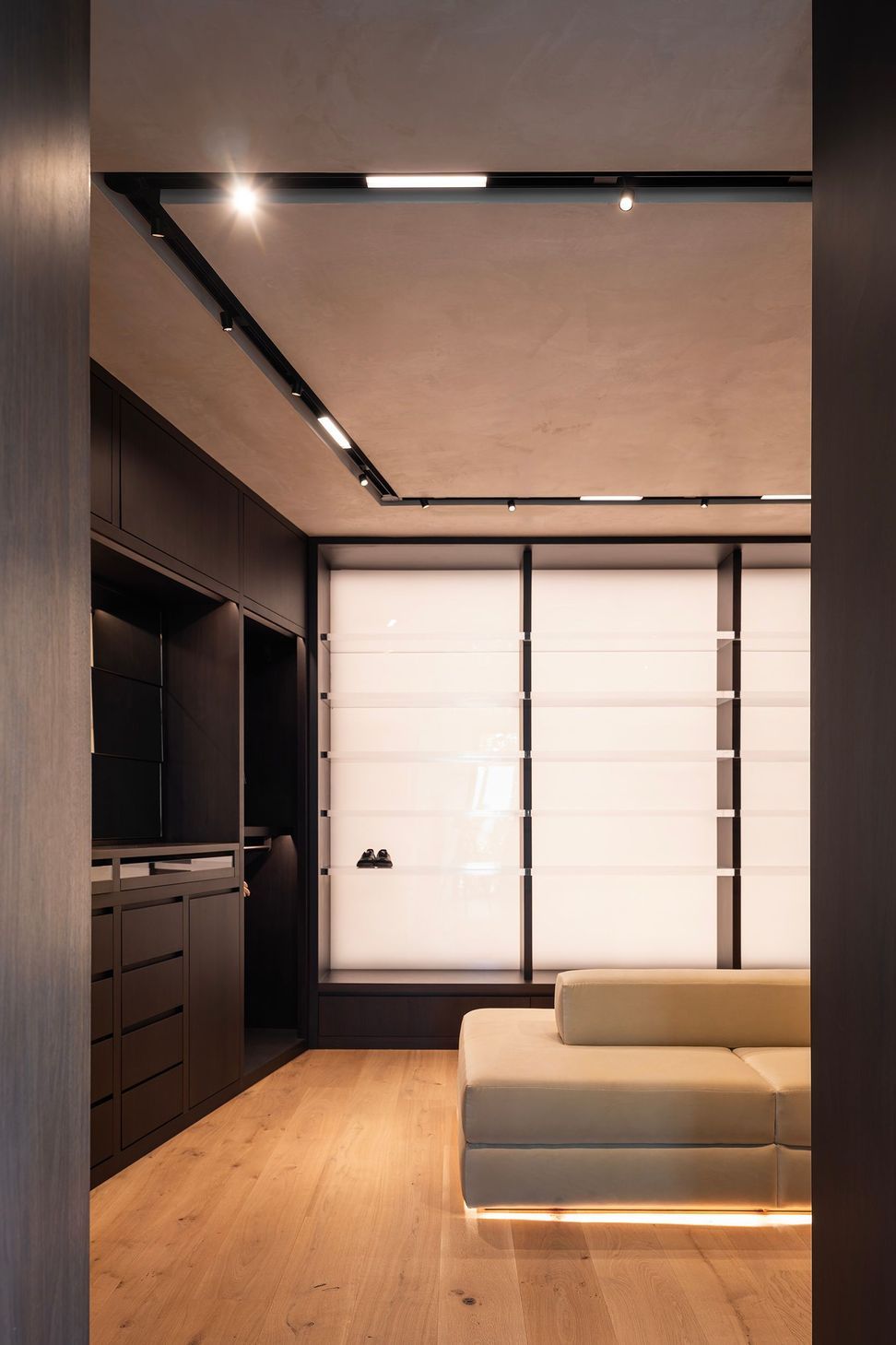
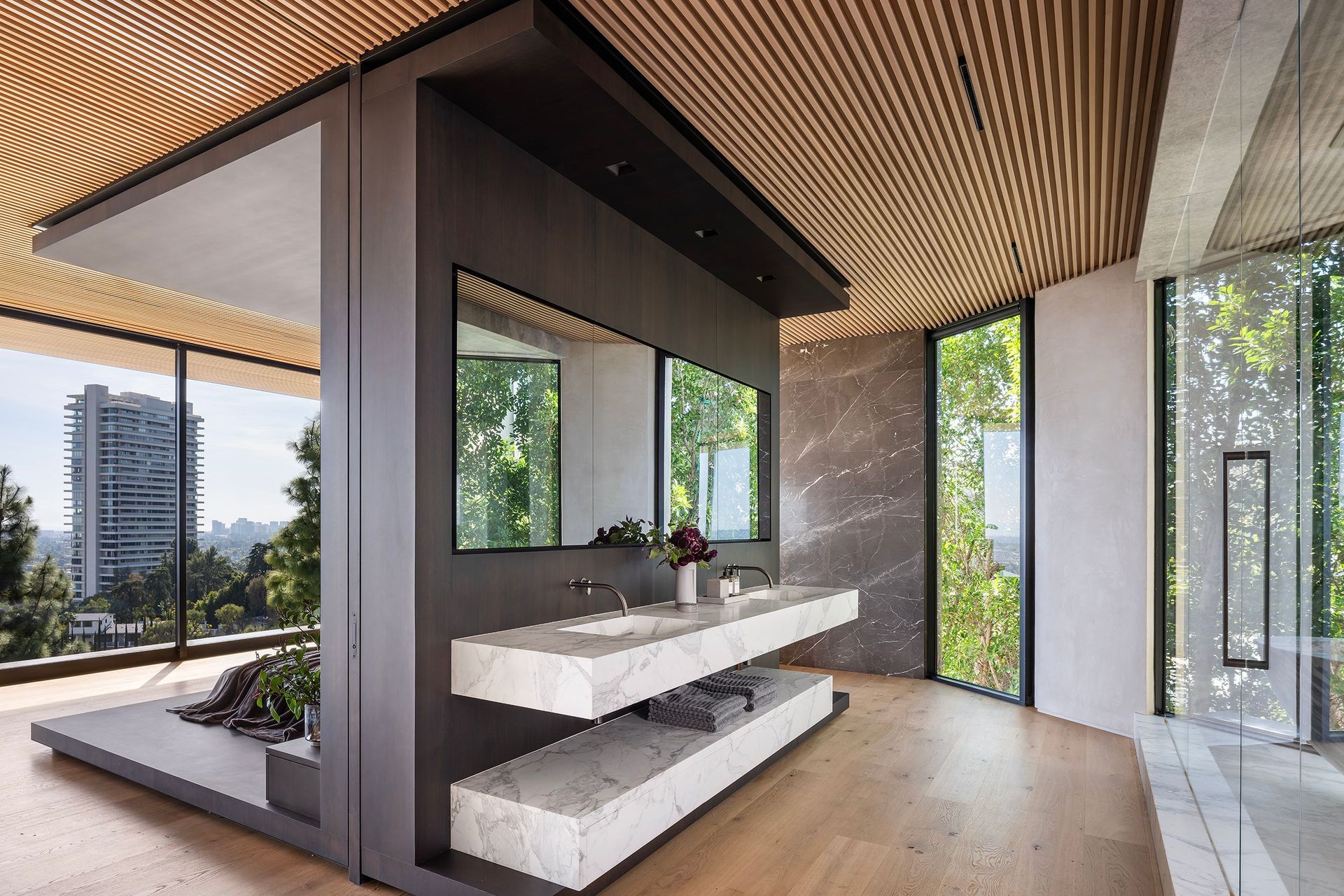
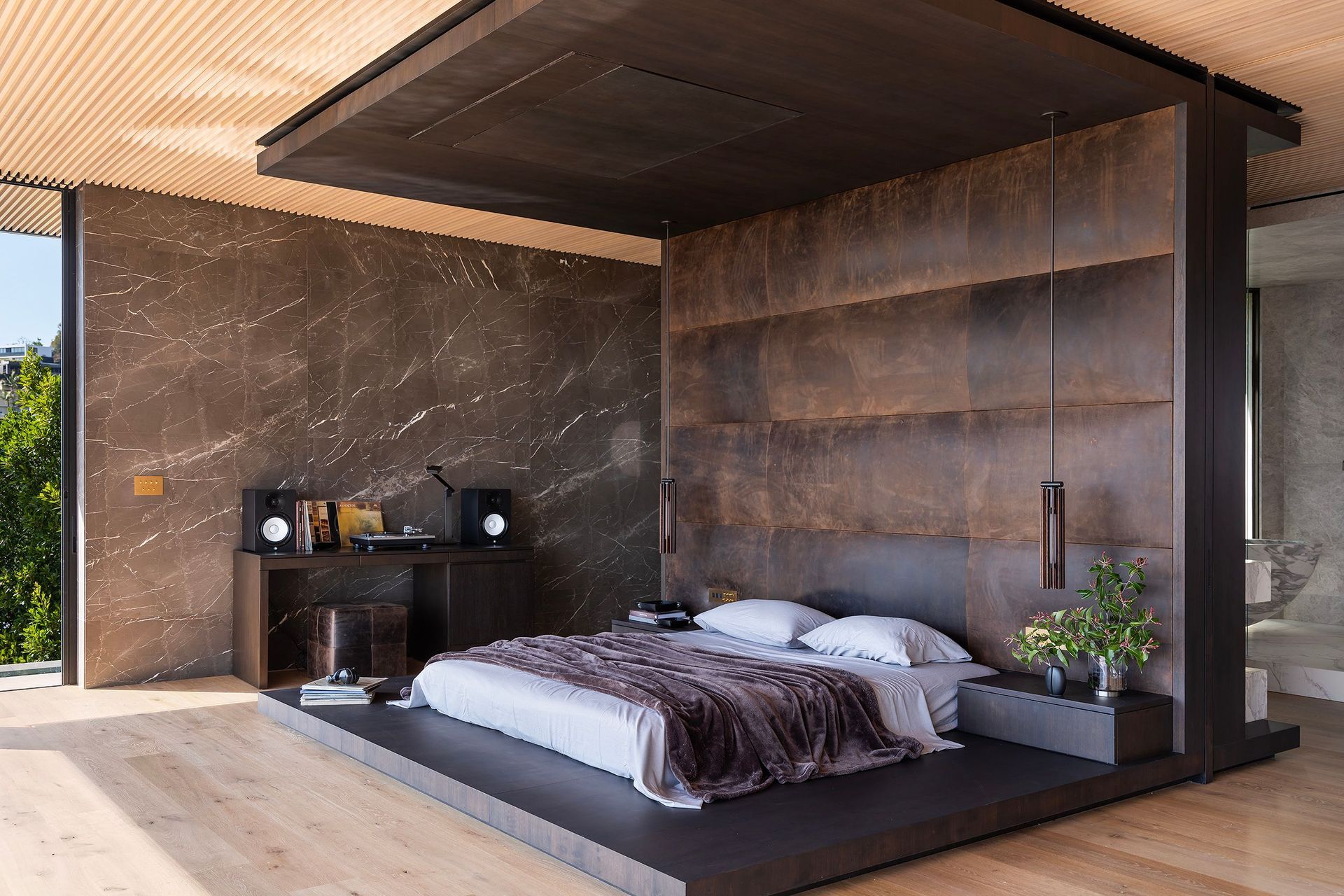
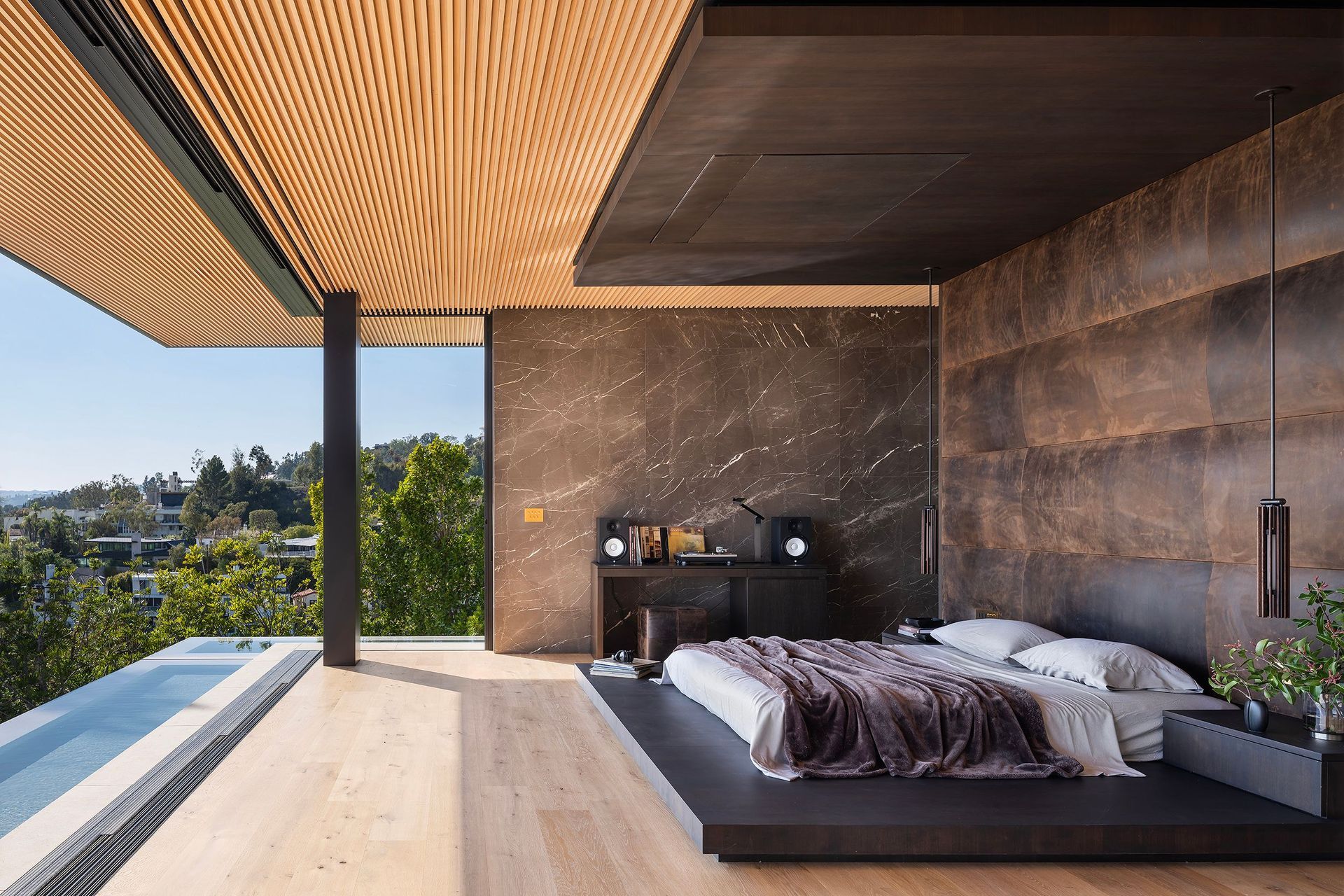
Materials were chosen to reflect the character of the home and the client. Unlike many family residences, which often lean towards quieter or more neutral palettes, Cordell 2 has a moodier, more masculine quality. Dark espresso marble, stained oak and light plaster are contrasted with bleached oak floors and pale hemlock ceilings. The palette is sleek and controlled, but it also supports the building’s entertainment-driven personality.
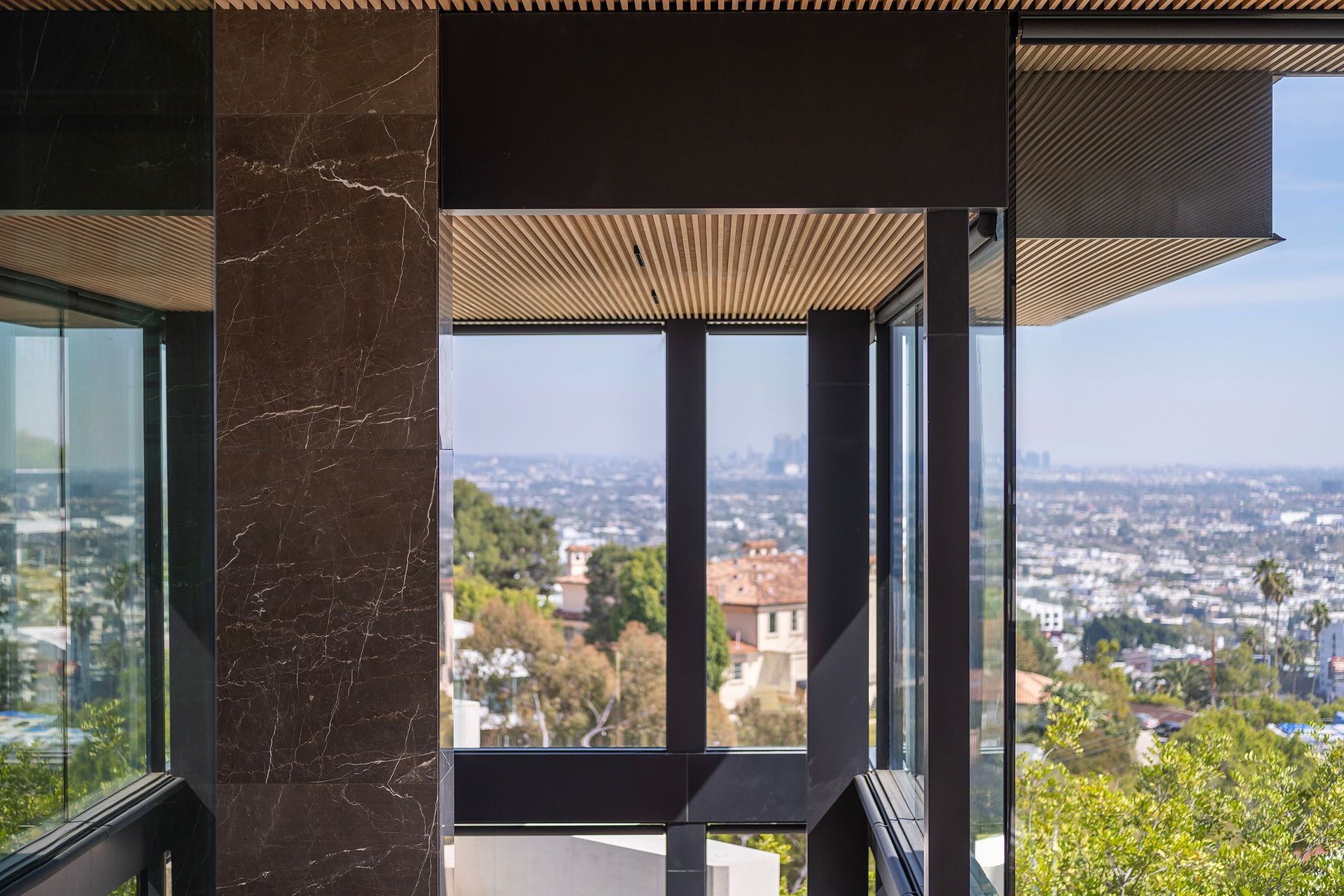
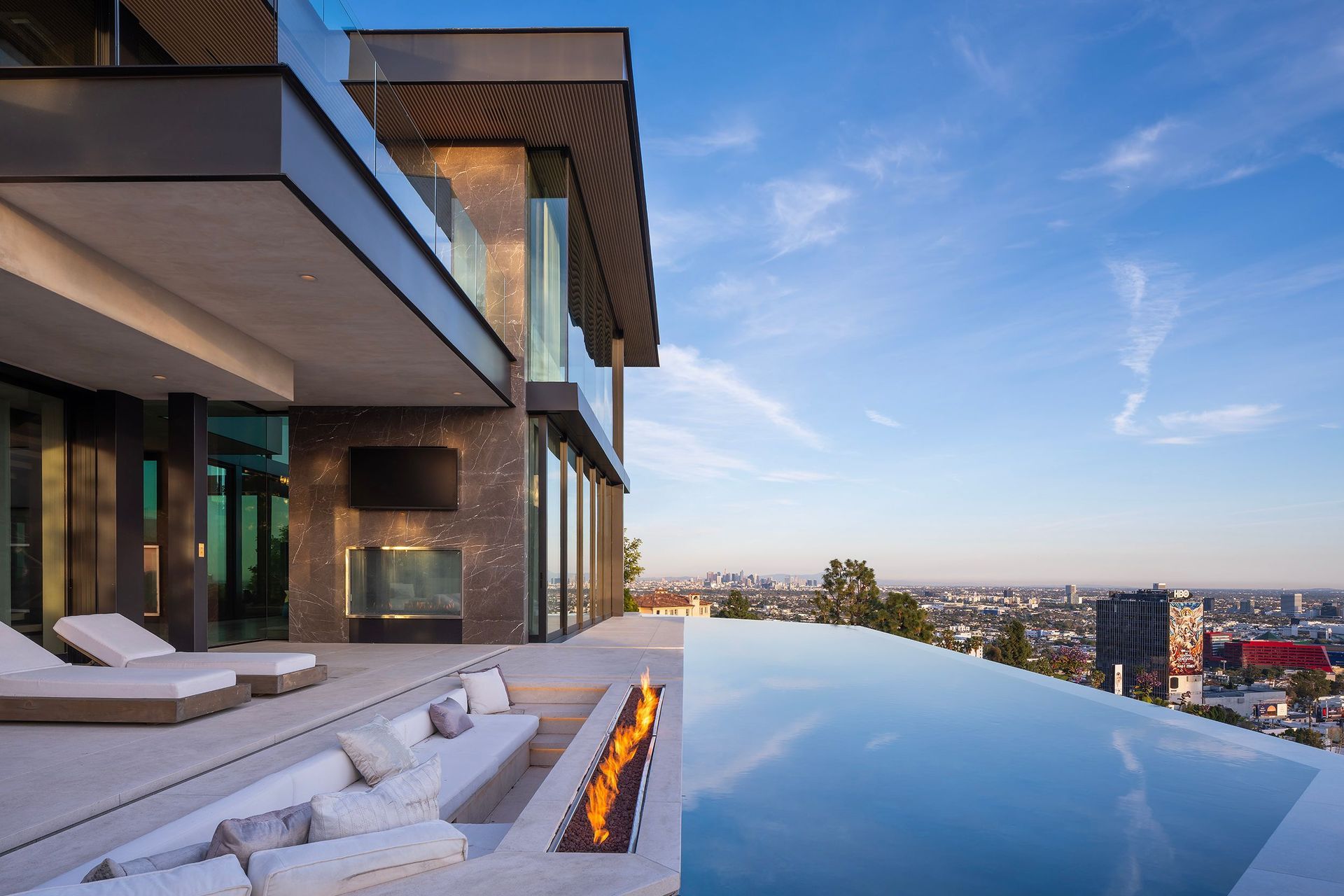
Glass is equally important. McClean Design uses transparency as a way of allowing the house to stay out of the way of the view. In this location, the city is not a distant backdrop. It is immediate. The home sits directly above West Hollywood, close to the energy of the Sunset Strip, yet it still offers privacy and seclusion. Layers of glazing allow the house to feel connected to that context, while still operating as a private retreat.
Cordell 2 is a project of marvel, but its success lies in how carefully it is organized. The complexity is hidden inside a clear architectural strategy, the home’s form is stacked, movement is choreographed, and entertainment is deeply integrated into the bones of the home rather than treated as an accessory.
For homeowners, Cordell 2 offers a powerful lesson in how a difficult site can become the generator of a more inventive home. On ArchiPro, projects like this reveal not only the finished architecture, but the decisions, collaborators, materials, and constraints that shaped it. Explore McClean Design on ArchiPro, browse more architect-designed homes or discover the products and professionals that help turn complex sites into extraordinary places to live.
Words by Tara Bird