Reframing a landmark: 25hours Hotel The Olympia
At the intersection of Oxford and South Dowling Streets, the Olympia has long held a particular presence within Sydney’s urban fabric. Originally constructed in 1911 as one of Australia’s first purpose-built cinemas, it sits on a site layered with history… both visible and unseen.
“It’s one of Sydney’s primary roads,” says Tim Greer. “Socially, culturally and historically it’s always been a place of movement.”
That movement extends far beyond the building itself. Oxford Street traces an ancient Gadigal pathway, shaping the city’s development over thousands of years. It’s this depth of context that informed TZG’s approach to the project. Not as a standalone intervention, but as part of a much larger story.
When the practice began work in 2018, the building had been vacant for over a decade. The brief was straightforward. Determine whether the site could support a hotel. The challenge lay in everything surrounding it. Heritage constraints, planning controls, neighbouring conditions and the complexity of building within a conservation area.
“The brief was actually quite simple,” Greer explains. “But the process of getting to something that’s buildable is where the real work sits.”
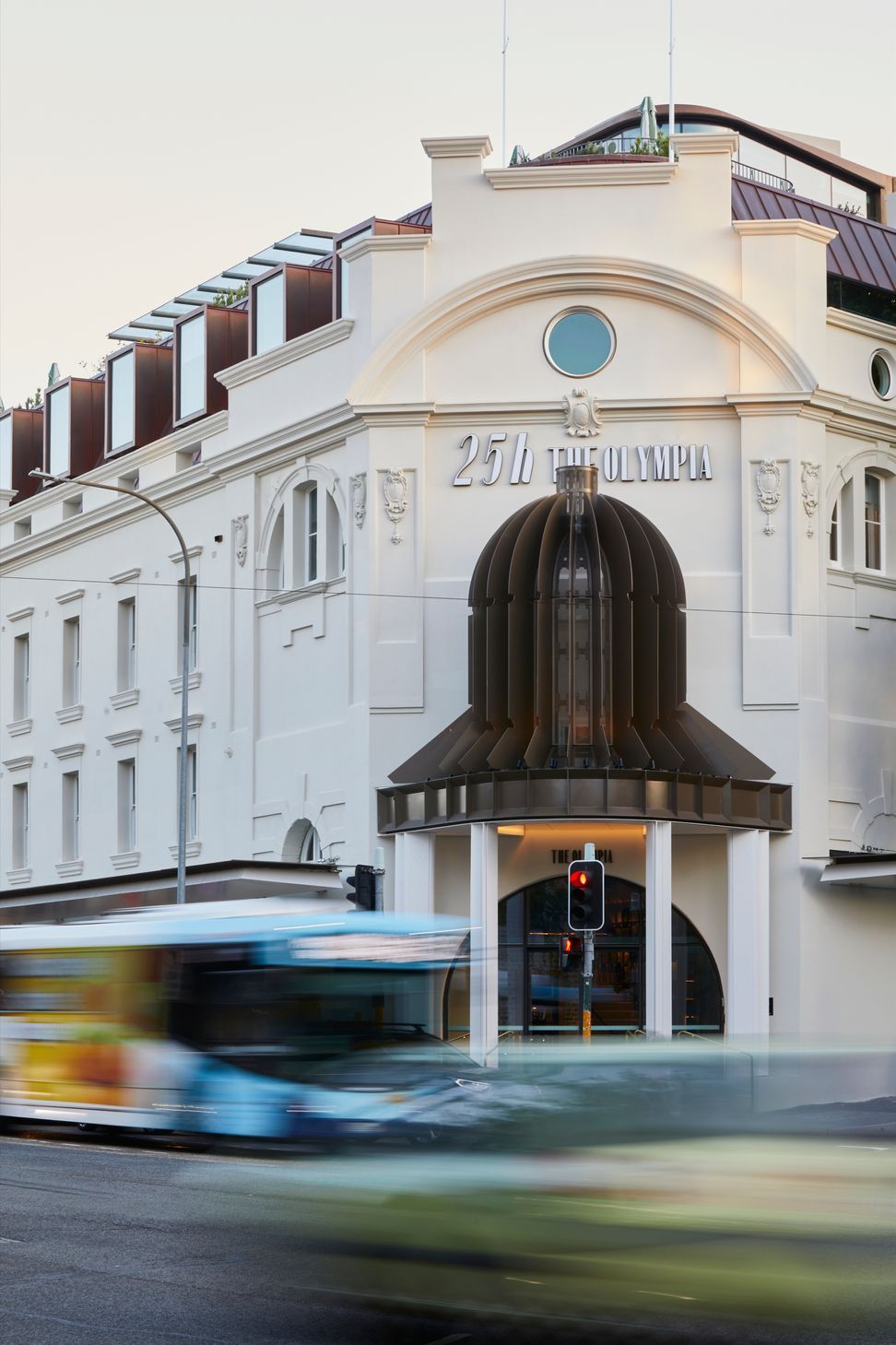
Rather than replicate the past, the approach centred on interpretation. Key heritage elements, including the original cinema entrance, were reinstated, reconnecting the building to the street and re-establishing its presence within the urban fabric.
Alongside this, the corner lantern, once a defining feature, was reimagined as a contemporary gesture. Not a reconstruction, but an interpretation of what that element represented: visibility, identity and a sense of arrival.
“It’s about translating what was there into something that belongs now,” Greer says.
Above, a copper-clad roof introduces a bold yet considered addition to the building. Drawing on the rhythm of Paddington’s terrace houses, it consolidates the form while introducing a distinctly contemporary expression.
But the most significant move lies at the centre of the building.
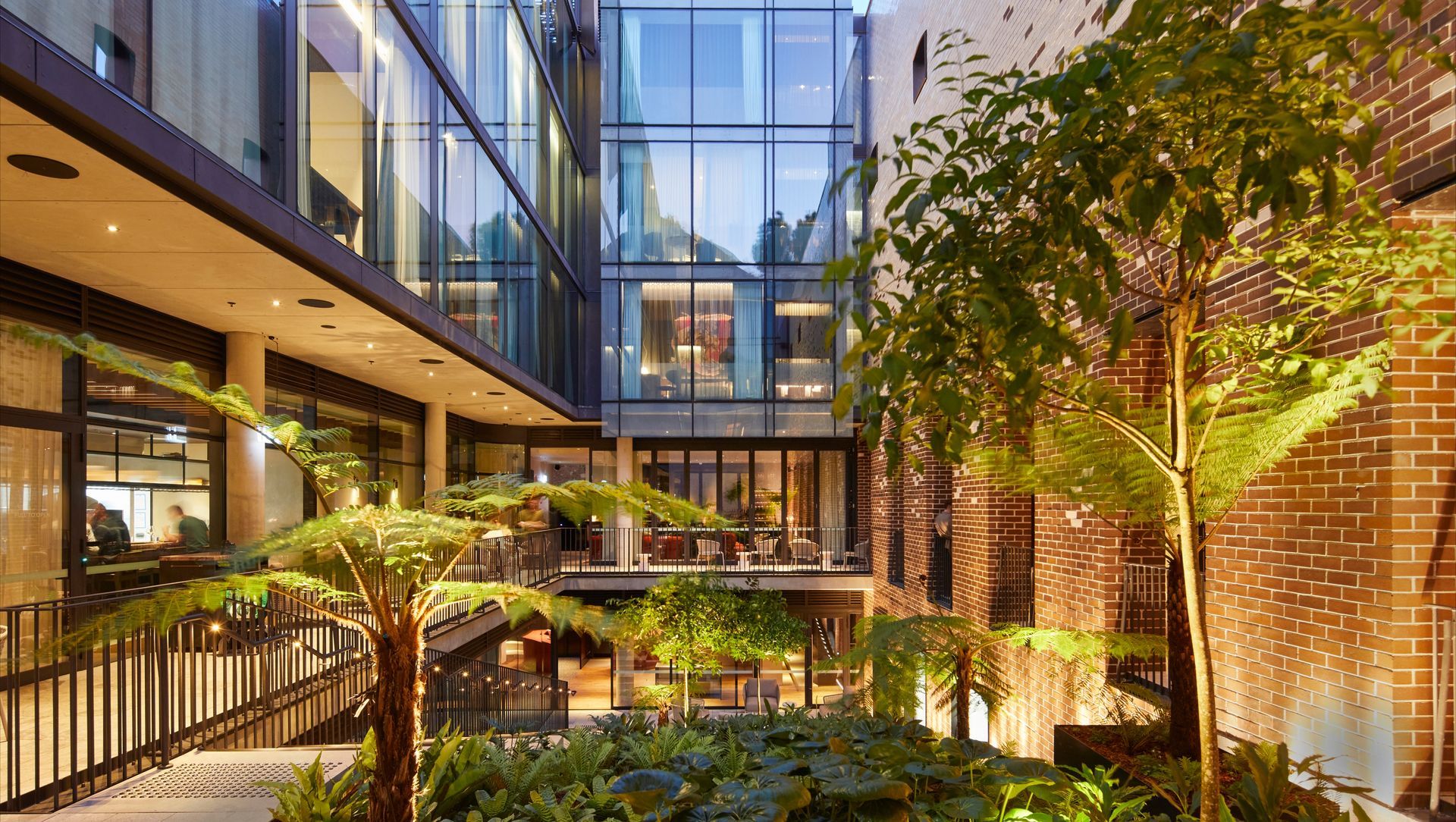
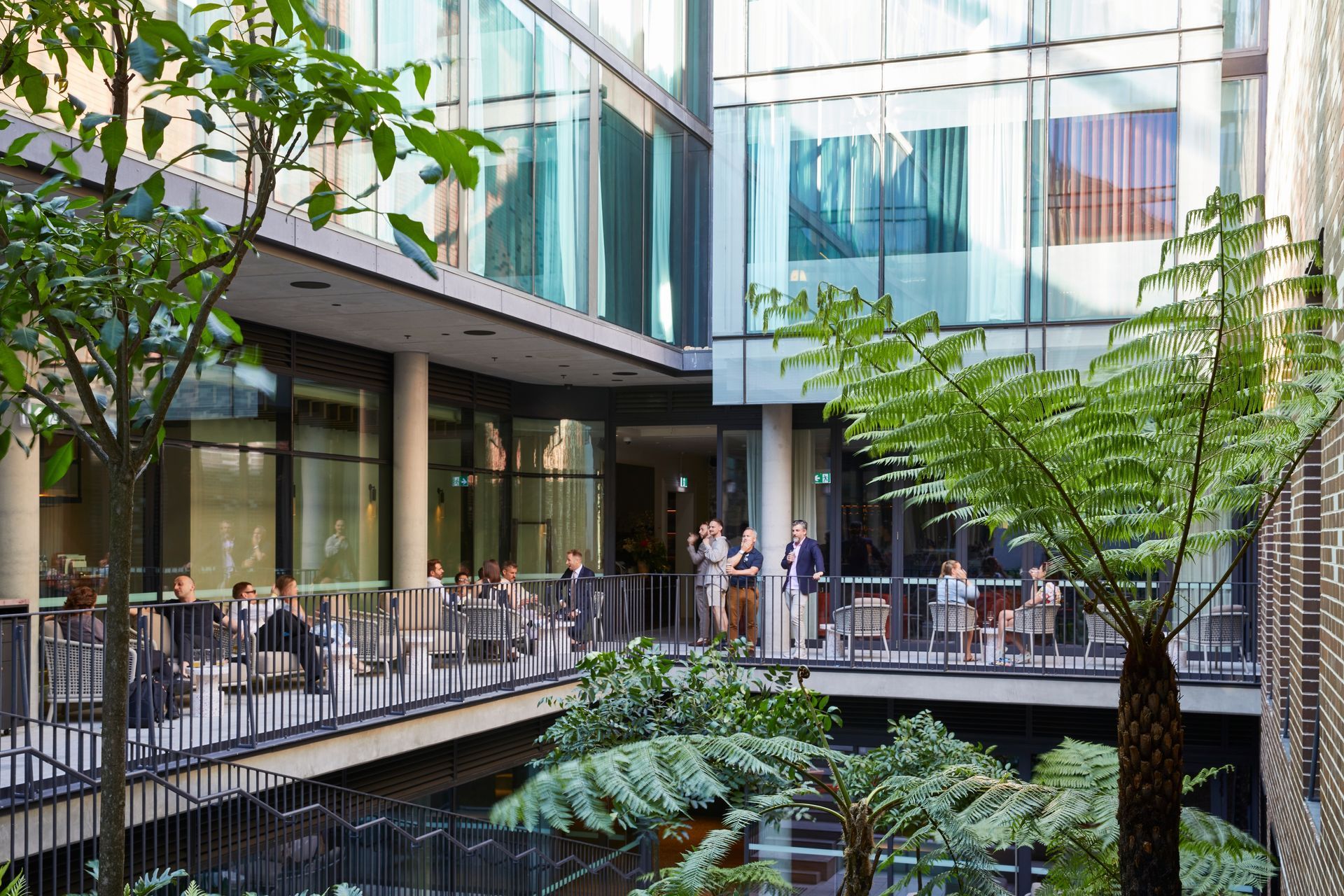
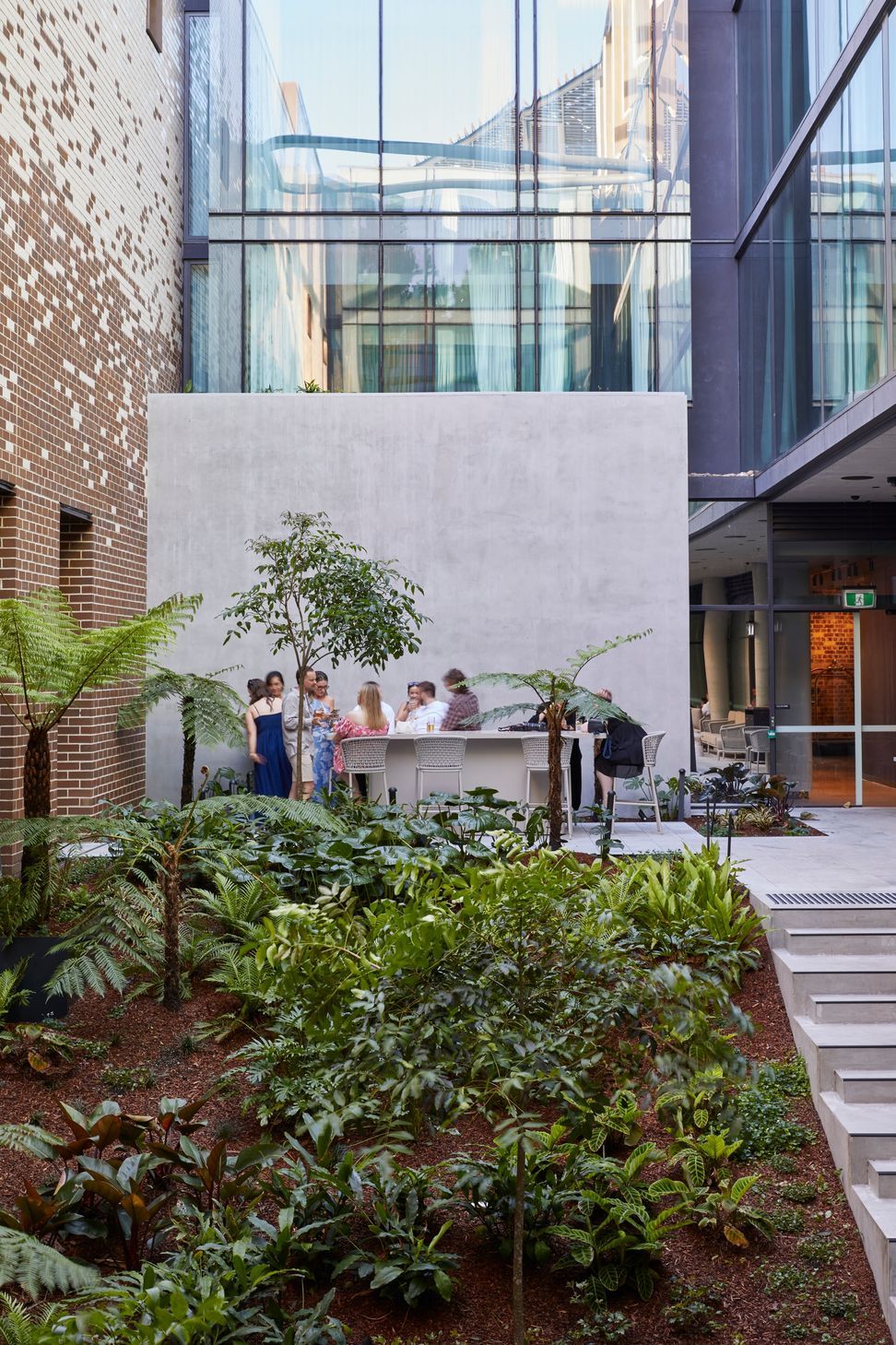
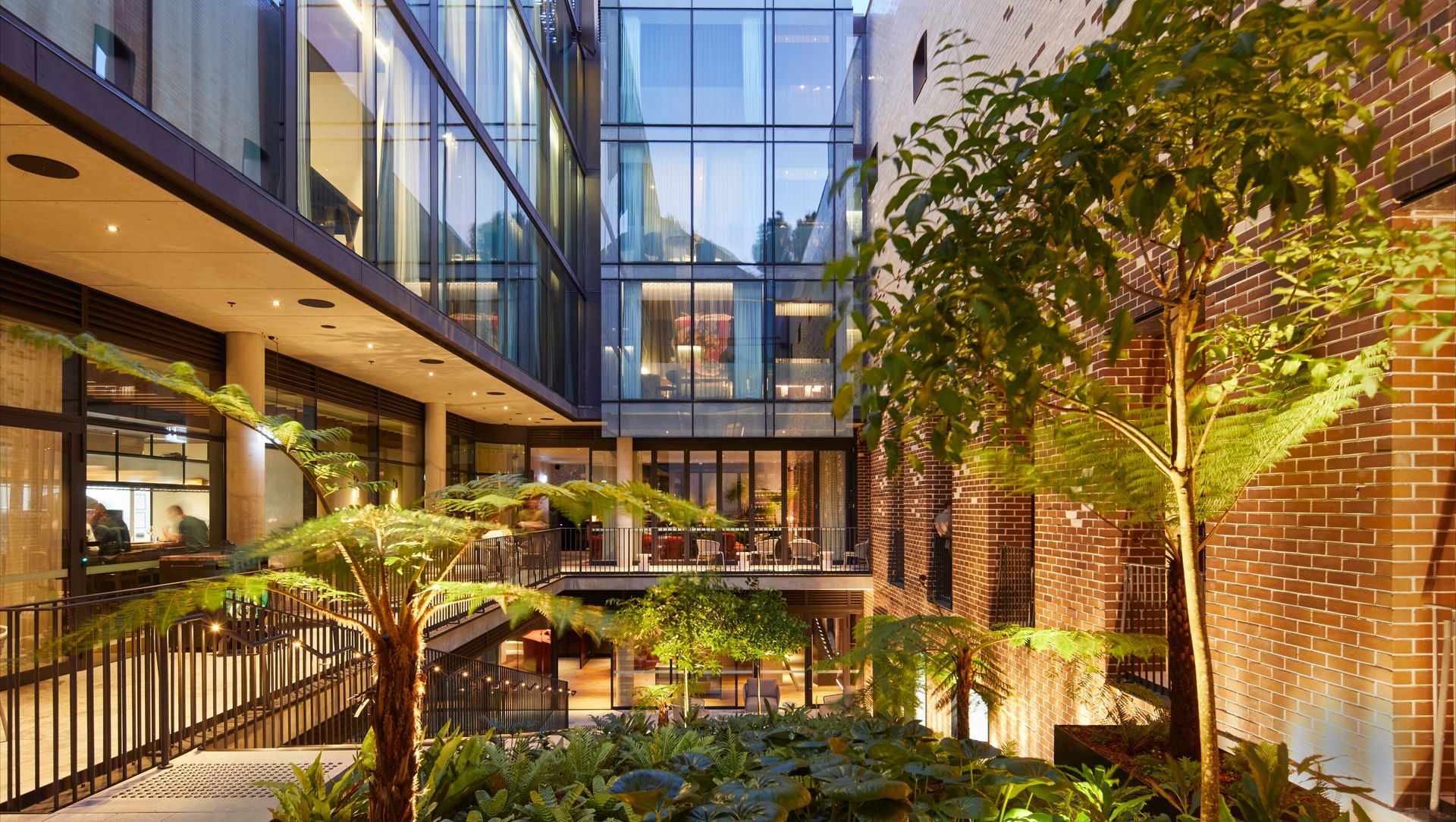
Organised around a courtyard garden, positioned above the heritage-listed Busby’s Bore, the hotel introduces a moment of openness within an otherwise dense site. It’s a space that reshapes both the planning and the experience of the building.
“You walk in through the original arch, and then suddenly there’s this garden,” Greer says. “People don’t expect it.”
That sense of surprise was intentional. The courtyard not only creates a focal point within the building, but also allows for a more nuanced arrangement of spaces.
“We knew early on that the courtyard would become the heart of the project,” adds Jarrod Hughes. “It defines how the building works, but also how it feels.”
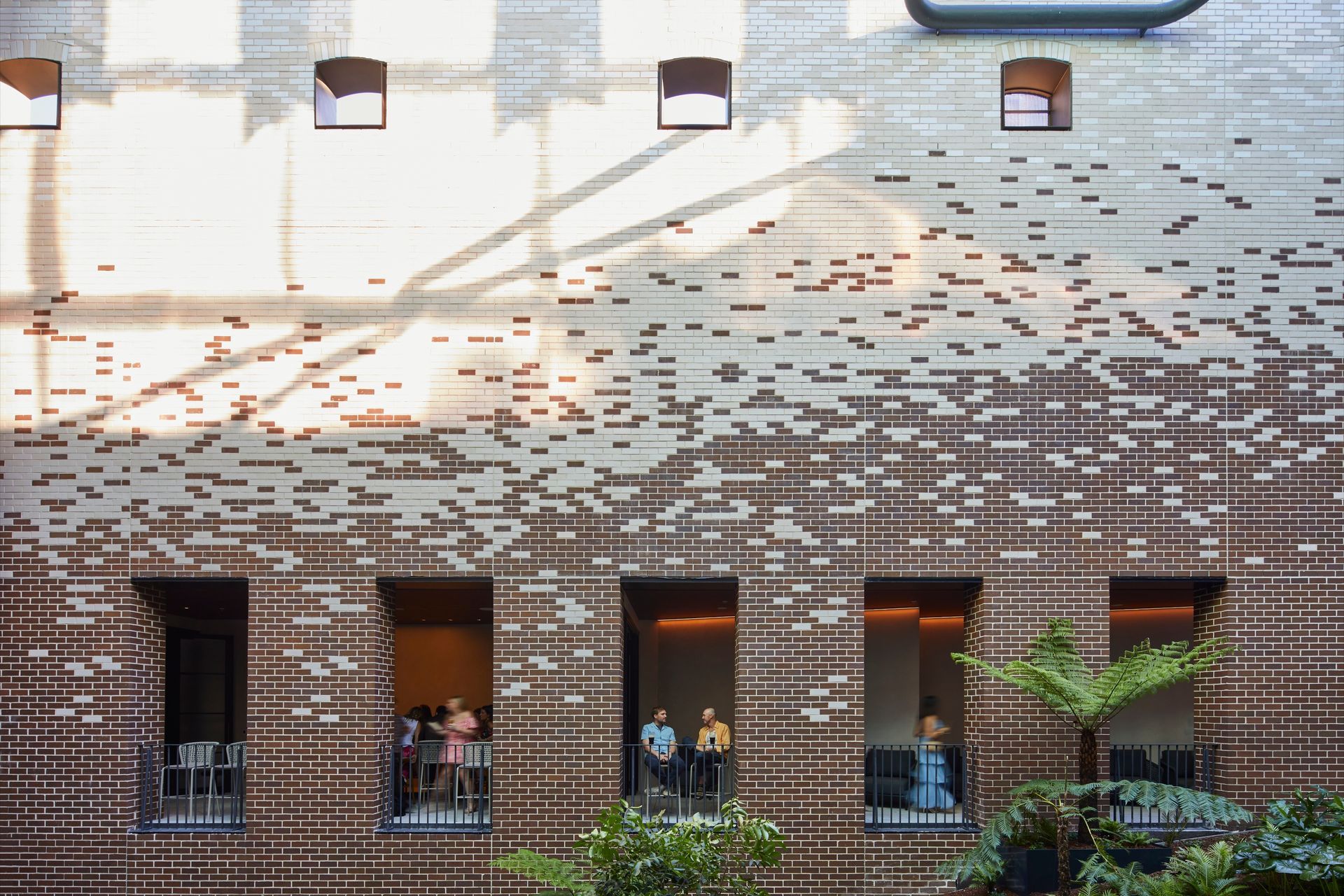
This approach carries through to the hotel rooms, which are deliberately divided into two distinct conditions. Those facing Oxford Street engage directly with the energy of the city, while those oriented toward the courtyard offer a quieter, more contemplative experience.
Beyond the building itself, the project engages carefully with its neighbours. The small-scale terrace houses to the south presented both a constraint and an opportunity.Oone that TZG approached with a level of generosity.
By effectively returning portions of land to these properties, the project improved their amenity while easing the planning process. A move that reflects the practice’s broader thinking around architecture as part of a shared environment.
“It made sense,” Greer says. “It benefited everyone involved.”
At ground level, the building is designed to engage with the street. Retail and hospitality spaces activate the edges, contributing to the evolving identity of Oxford Street and its transition toward a more continuous, 24-hour economy.
Above, a rooftop bar, carefully negotiated within a sensitive context, offers expansive views across the city, adding another layer to the building’s programme.
Now complete, the Olympia has re-established itself as a marker within the city. Not through nostalgia, but through a careful balance of memory and reinvention.
“What’s always interesting is how people use it,” Greer says. “That’s when the building really comes to life.”
Words by Tara Bird