PH5 Pendant by Louis Poulsen
by Cult Design
Sydney, Australia

- 3.4M profile views
- 319 saves
Poul Henningsen developed the PH 5 in 1958 in response to constant changes to the shape and size of incandescent bulbs by bulb manufacturers. The PH 5 was introduced as a classic new product, and no one knew at the time that it would eventually become synonymous with the PH light. Irrespective of how the light is installed or the light source used, the PH 5 is and remains completely glare-free. The fixture was christened pH 5 due to the 50 cm diameter of the main shade. Poul Henningsen wanted to improve the colour reproduction characteristics of the light source in the PH 5.
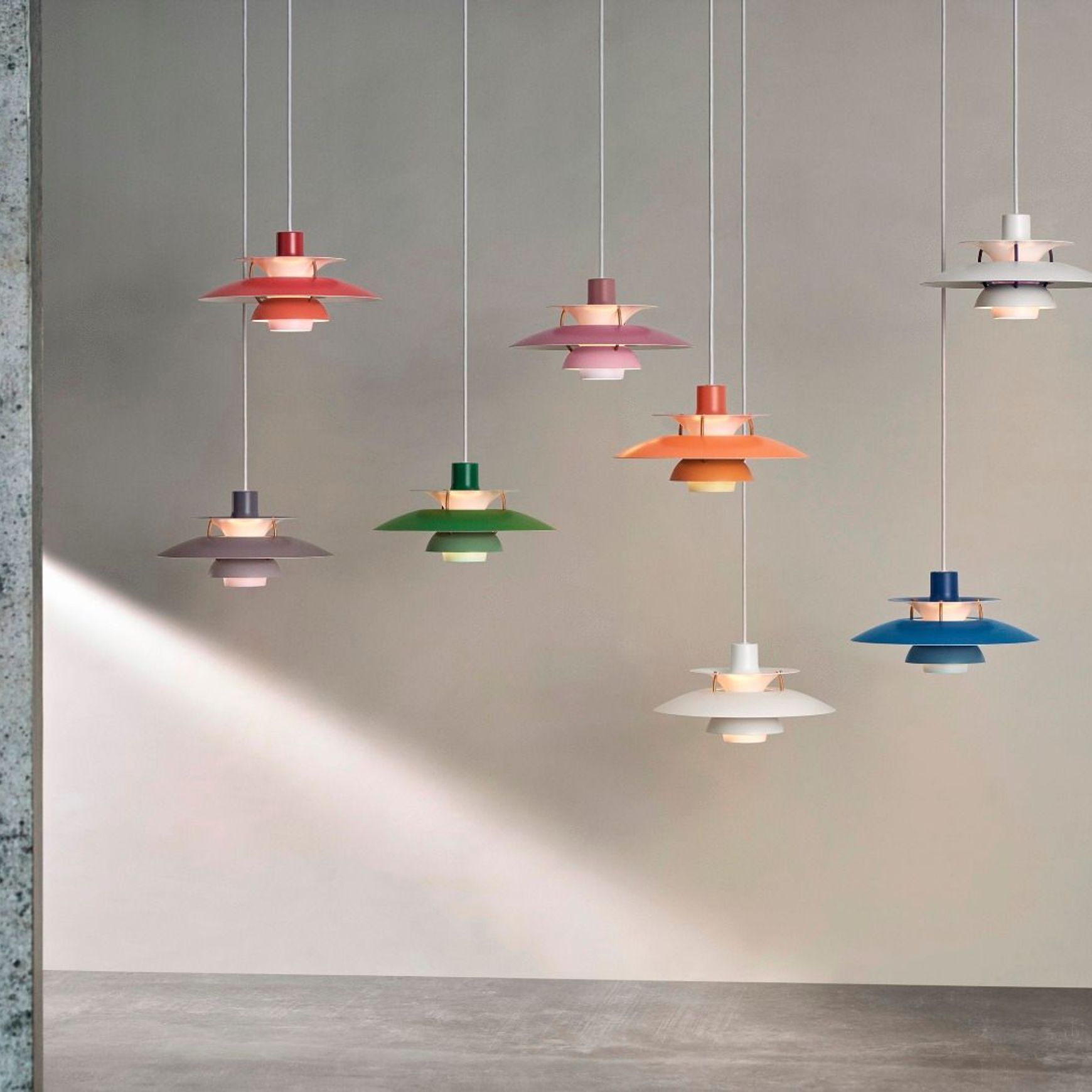
Small red and blue shades were therefore inserted to supplement the colour in the part of the spectrum where the eye is least sensitive – the red and blue areas – thereby subduing the light in the middle yellow-green region where the eye is most sensitive. The PH 5 design has been regularly updated as light sources have developed. The PH 5 plus, designed for use with energy-saving bulbs, was introduced in 1994. To achieve higher efficiency, the metal plate was replaced with frosted glass and the light was painted using a purer white colour. To mark the 50th anniversary of the PH 5 in 2008, the PH50 was introduced – a high-gloss version in five new colours. In 2013 the PH 5 was introduced in 4 new matt colour combinations.
Product Details
- Product
- PH5 Pendant by Louis Poulsen
- Category
- Pendant Lights
- Sold by
- Cult Design
- Range
- Louis Poulsen
Cult Design is specified by
 Bryant Alsop ArchitectsArchitects
 TKD ArchitectsArchitects
 DKOArchitects
 Porebski ArchitectsArchitects
 Alexander &CO.Architects
 Rama ArchitectsArchitects
 DX ArchitectsArchitects
 IF ArchitectureArchitects
 Hindley & CoArchitects
 JOST ArchitectsArchitects
 Taylor KnightsArchitects
 Lucy Clemenger ArchitectsArchitects
 Rezen StudioArchitects
 mcmahon and nerlichArchitects
 Mihaly Slocombe ArchitectsArchitects
 Tham ArchitectsArchitects
 Scale ArchitectureArchitects
 Studio DuoArchitects
 By MysaArchitects
 Mathieson ArchitectsArchitects
 Cadence & CoArchitects
 Brcar Morony ArchitectureArchitects
 Winter ArchitectureArchitects
 Carter Williamson ArchitectsArchitects
 panda studio architectureArchitects
 Olivia Giangrasso InteriorsInterior Designers
 Anna Carin Design StudioInterior Designers
 Greg NataleInterior Designers
 Reitsma & AssociatesBuilding Designers
 STUDIO CDInterior Designers
 Studio GestaltInterior Designers
 Studio NicholasInterior Designers
 Ambit CuratorInterior Designers
 Collaroy Kitchen CentreKitchen & Bathroom Designers
 APC BuildBuilders
 Mud OfficeLandscape Designers
 Ioanna Lennox InteriorsInterior Designers
 studio mknInterior Designers
 ModifyDesign & Build
 Premier Kitchens AustraliaKitchen & Bathroom Designers
 Studio ApercuInterior Designers
 Pamment ProjectsBuilders
 Cahill Building GroupBuilders
 MAC Design StudioInterior Designers
 New SpacesBuilders
 Smac StudioInterior Designers
 Schemes & SpacesInterior Designers
 Annie Bowen DesignInterior Designers
 Susie Miles DesignInterior Designers
 Laidback Lee DesignInterior Designers
 U+I Building StudioBuilding Designers
 BiasolInterior Designers
 Nadine K DesignBuilding Designers
 Bond TheoryInterior Designers
 zooi designInterior Designers
 tote design studioInterior Designers
 KarmatectureBuilding Designers
 Design by ArtisanInterior Designers
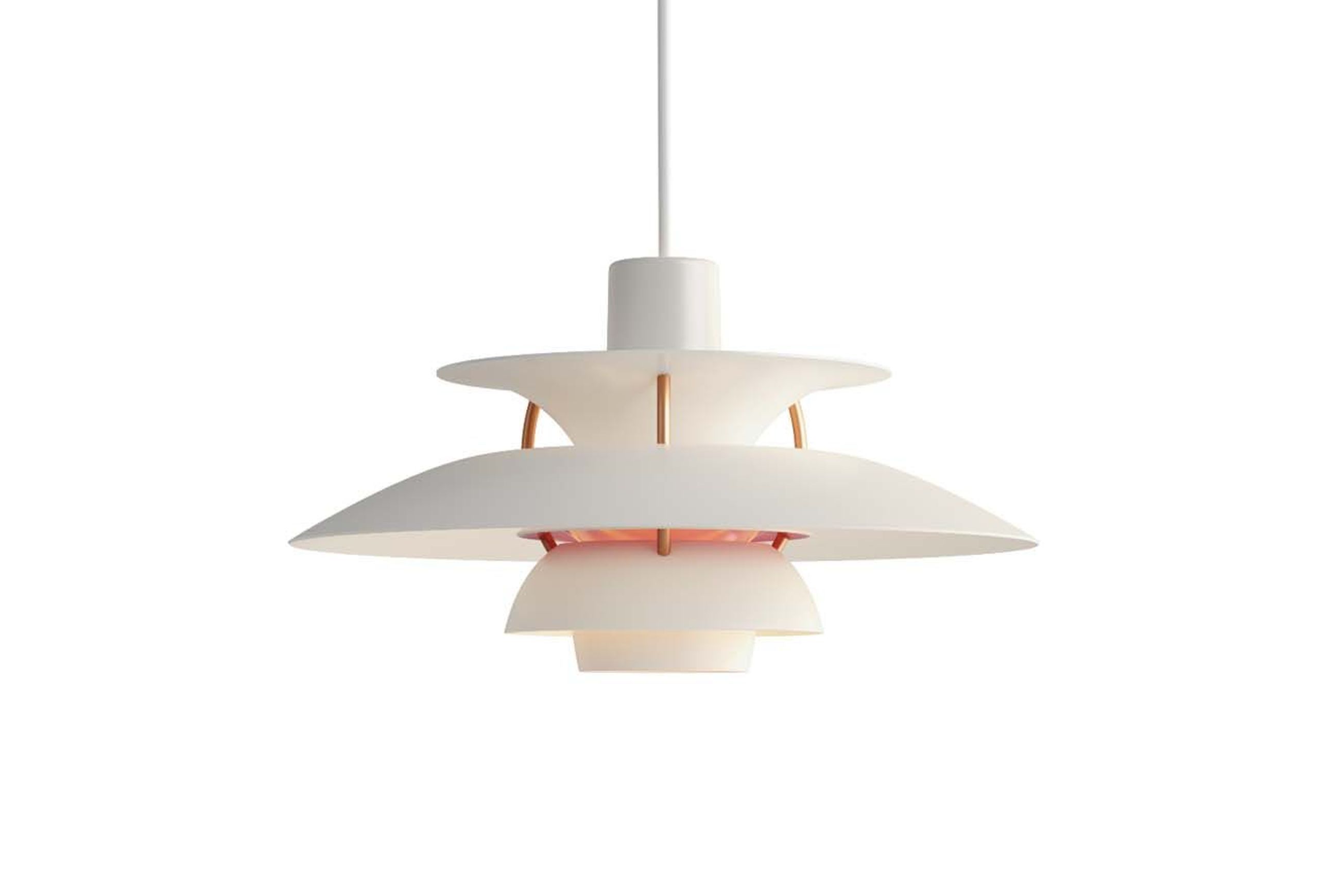
Poul Henningsen developed the PH 5 in 1958 in response to constant changes to the shape and size of incandescent bulbs by bulb manufacturers.
The PH 5 was introduced as a classic new product, and no one knew at the time that it would eventually become synonymous with the PH light. Irrespective of how the light is installed or the light source used, the PH 5 is and remains completely glare-free. The fixture was christened pH 5 due to the 50 cm diameter of the main shade. Poul Henningsen wanted to improve the colour reproduction characteristics of the light source in the PH 5.
Small red and blue shades were therefore inserted to supplement the colour in the part of the spectrum where the eye is least sensitive – the red and blue areas – thereby subduing the light in the middle yellow-green region where the eye is most sensitive. The PH 5 design has been regularly updated as light sources have developed. The PH 5 plus, designed for use with energy-saving bulbs, was introduced in 1994. To achieve higher efficiency, the metal plate was replaced with frosted glass and the light was painted using a purer white colour. To mark the 50th anniversary of the PH 5 in 2008, the PH50 was introduced – a high-gloss version in five new colours. In 2013 the PH 5 was introduced in 4 new matt colour combinations.
- Specs
- Designer - Poul Henningsen
- Shades: Spun aluminium.
- Anti-glare disc: Blue, red, pale rose, green, dark grey or turquiose, spun aluminium.
- Struts: Aluminium coloured, purple or bronze coloured, rolled aluminium.
- PH 5: Classic White, Modern White, Copper, Brass, Hues of Rose, Hues of Grey, Hues of Orange, Hues of Red, Hues of Green, Hues of Blue.
- Suspension type: Cable 3x0,75mm². Canopy: Yes. Cable length: 3m
Downloads
Downloads (2)2 Direct downloads • 6 Available on request
Frequently asked questions about
PH5 Pendant by Louis Poulsen
The PH5 Pendant by Louis Poulsen is supplied by Cult Design. It is also on their website, and you can browse every product Cult Design lists on ArchiPro.
Cult Design does not publish a price for the PH5 Pendant by Louis Poulsen on ArchiPro. for pricing, or visit their website.
It is listed under Pendant Lights on ArchiPro, where you can compare it with pendant lights from other suppliers.
Yes. It is part of the Louis Poulsen range from Cult Design, where you can see every product in the range together.
from this page, see their contact details on ArchiPro, or visit their website. The Cult Design profile on ArchiPro has the rest of their products.
More products from
Cult Design
The rest of this range, and everything else Cult Design makes.


More in
Pendant Lights
Everything else in Pendant Lights, from every supplier on ArchiPro.