Why the best houses are never sold

Written by
30 April 2026

 • 

5 min read

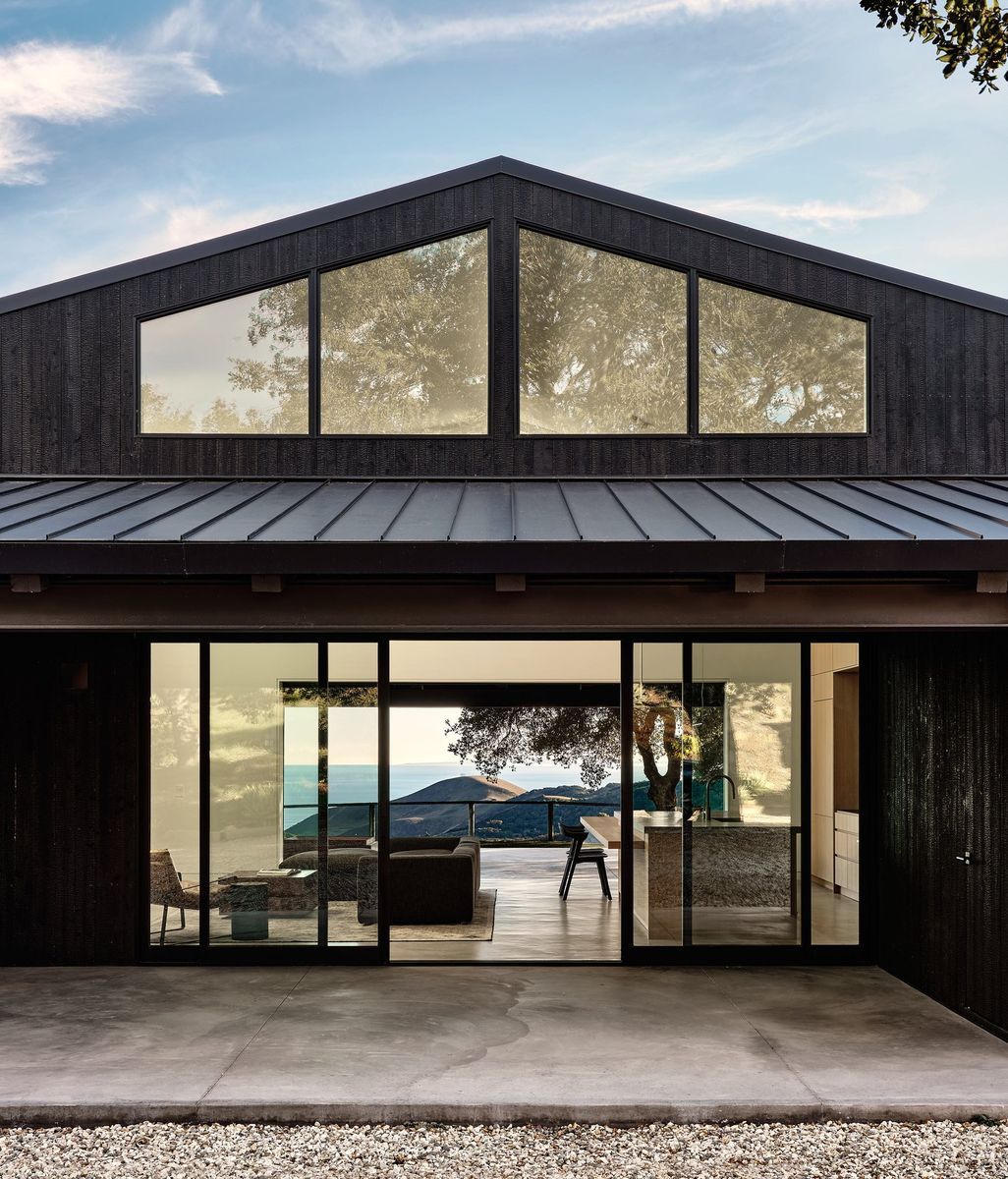
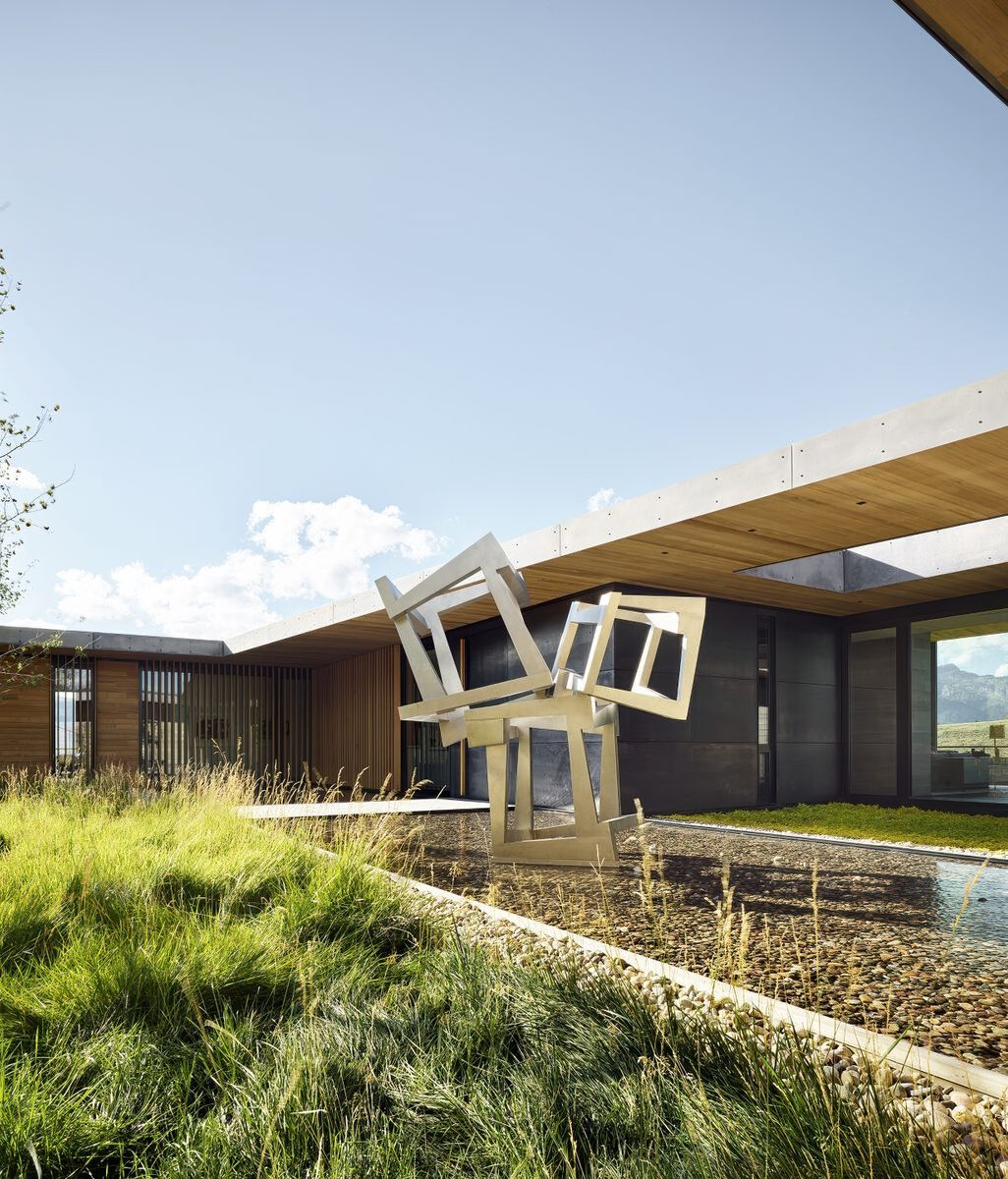
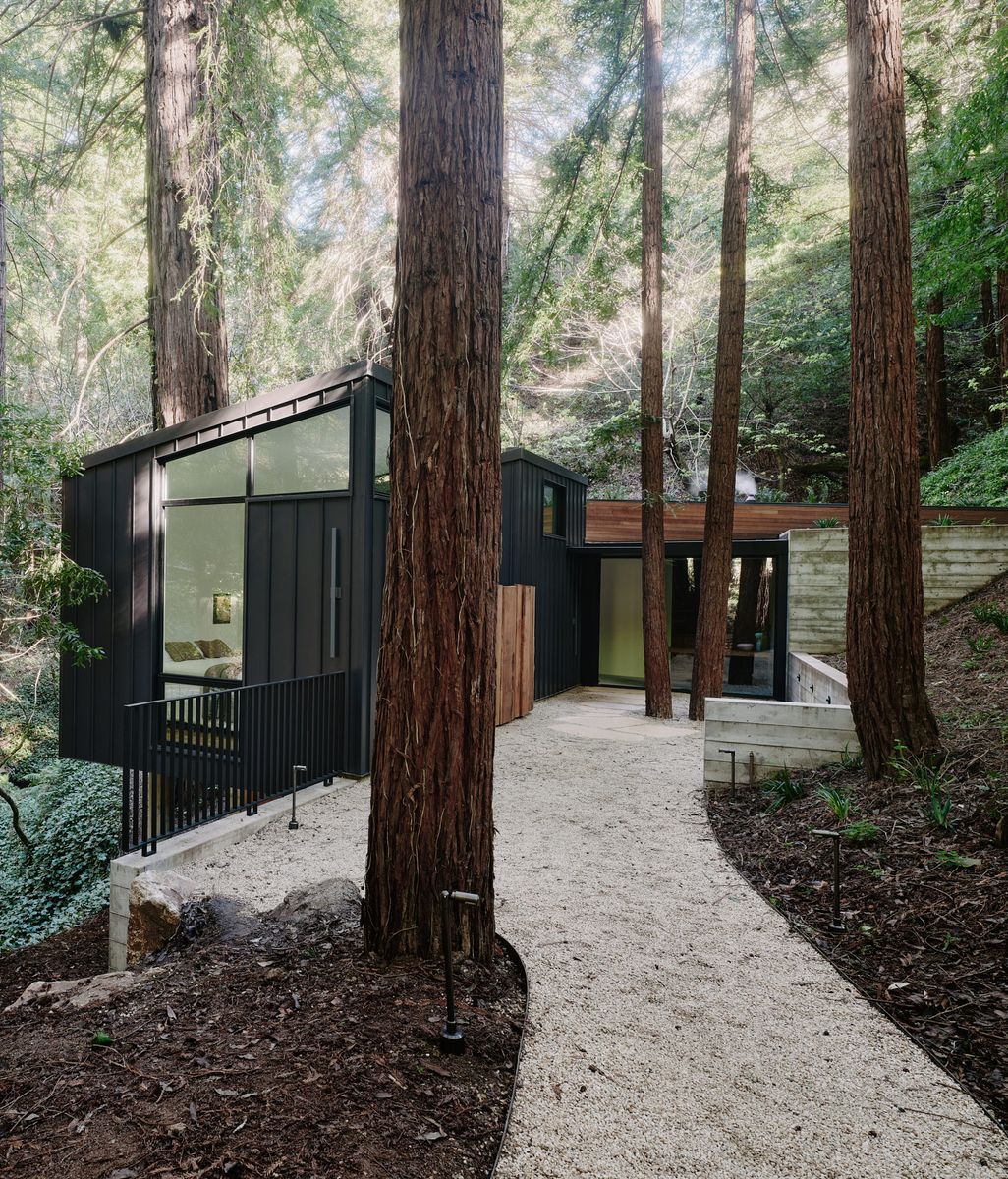
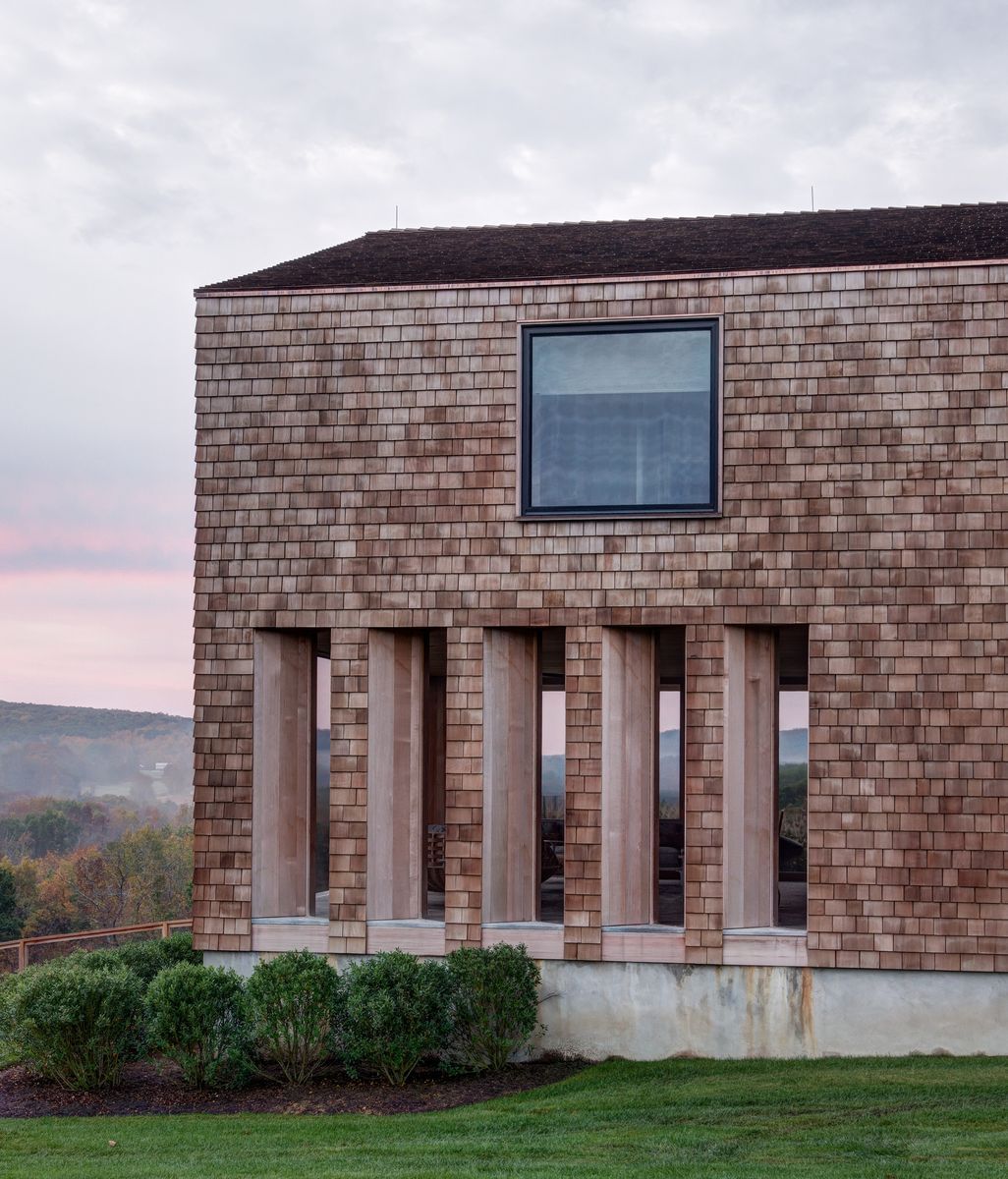
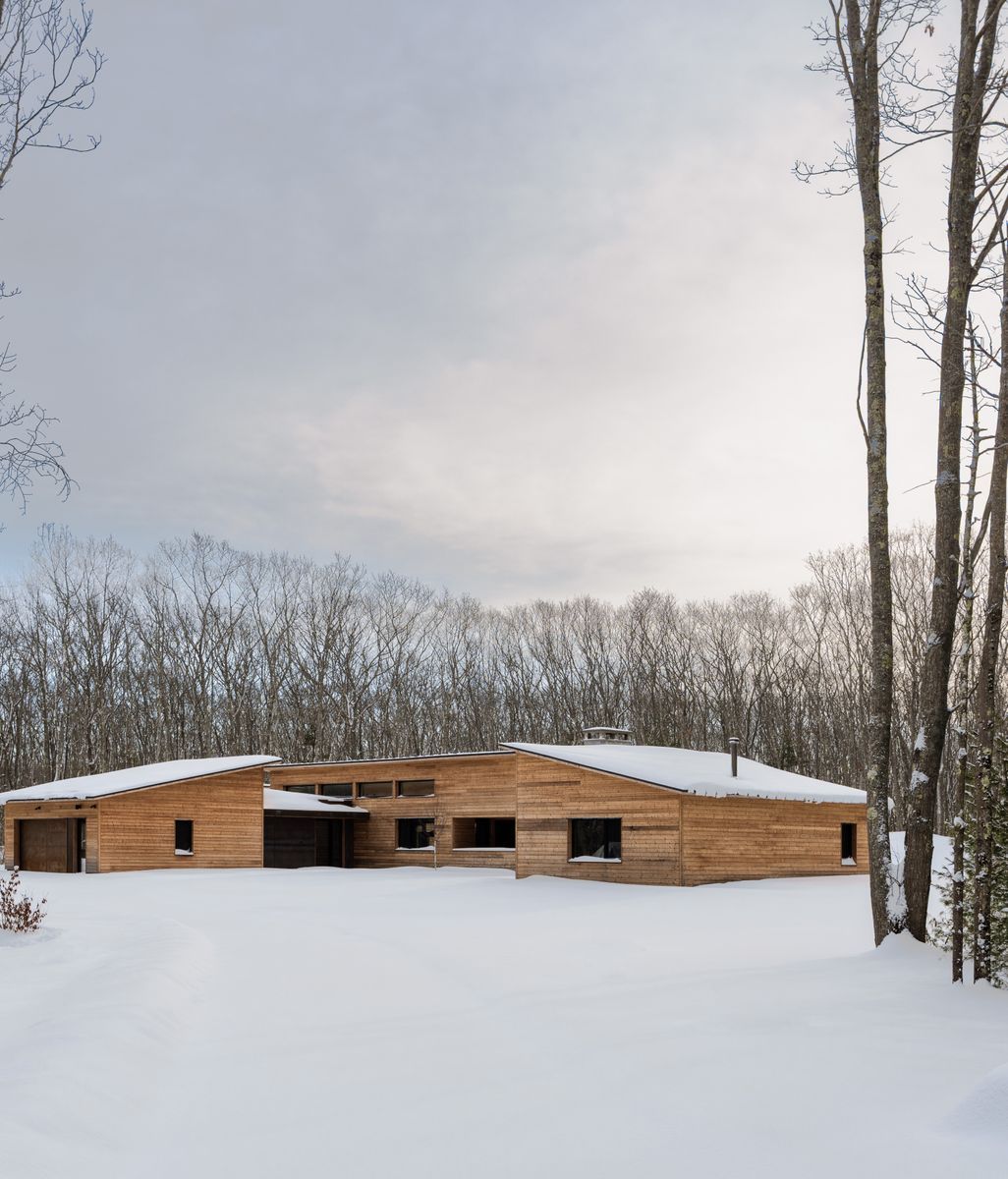
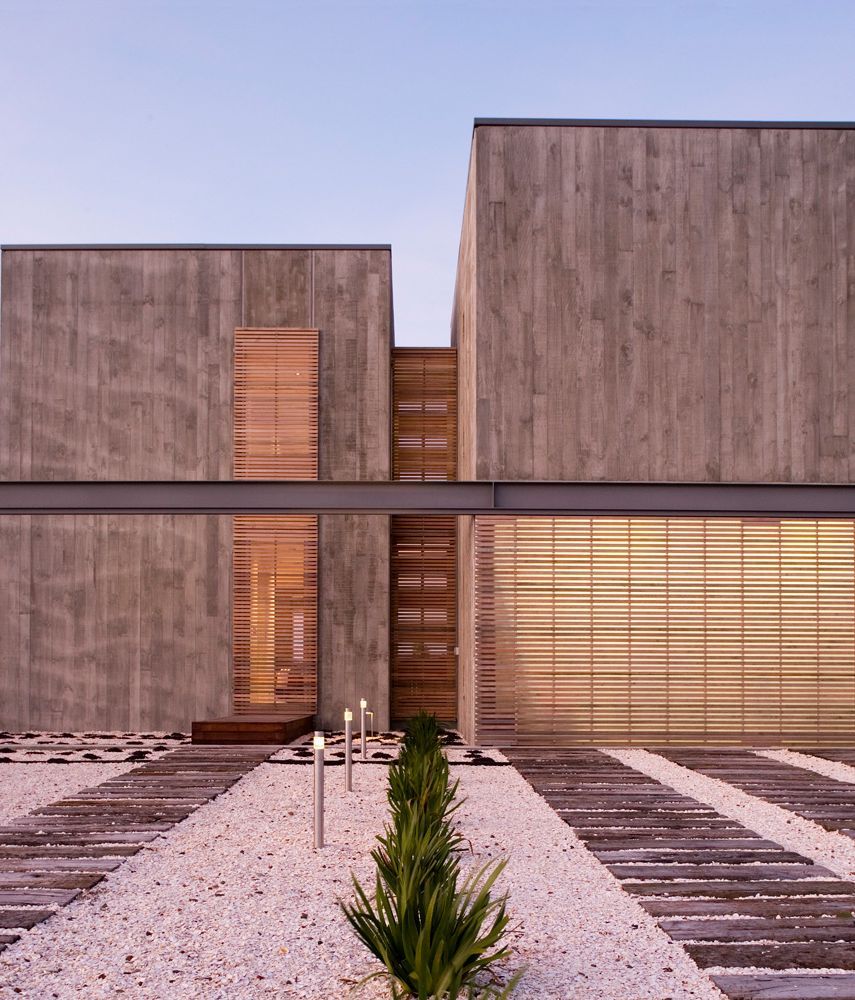
Hideaway home at Tara Iti by Abri. Image credit: Mark Smith.
In an industry often defined by change, ABRI’s approach centres on connection and crafting homes designed to be lived in and held onto.
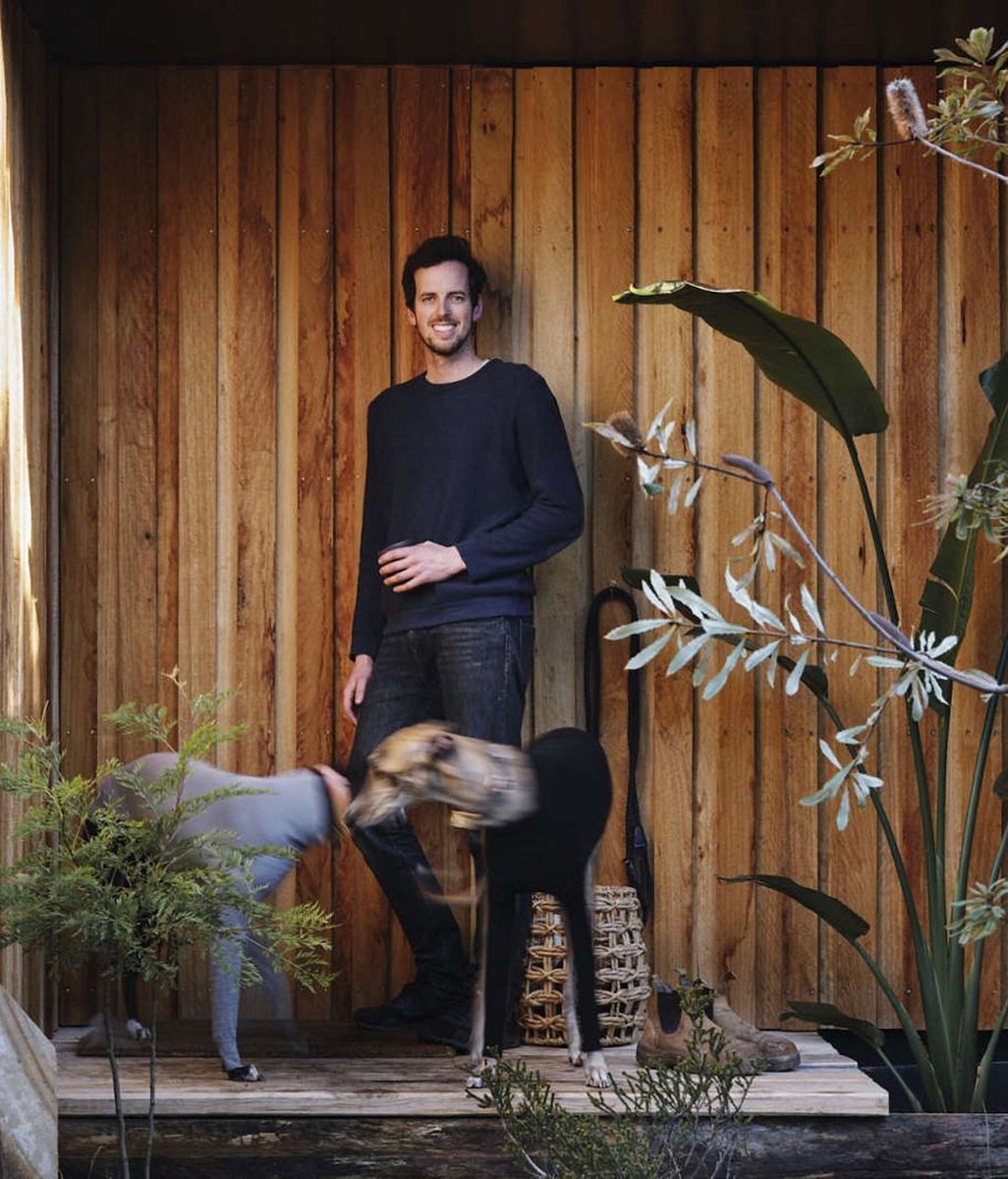
ABRI's John Durkin.
ABRI's John Durkin.

Over the course of four decades in practice, architect John Durkin has designed hundreds of homes across New Zealand. Yet, curiously, very few of them have ever returned to the market. It is not something he set out to achieve, but designing homes that are held onto is certainly a measure of architectural success. 

“We don't tend to get a lot of repeat business, which is a real pain,” Durkin laughs. “So I suppose what that means for me is that we have made something that has really become a part of our clients, something that they truly relate to.”

That sense of permanence is perhaps unsurprising when viewed against the circumstances in which his practice began.

In early 1988, Durkin was recovering from a serious diving accident that left him without sight in one eye and out of work for several months. When he returned, the design-build company he had been working for had collapsed in the wake of the 1987 stock market crash.

“After the crash, all the commercial work went upside down, and on my first day back I was made redundant,” he says. “So I started my own practice and took a number of clients with me.”

What followed was a deliberately broad body of work. Residential projects sat alongside commercial commissions, renovations alongside new builds, each contributing to a practice defined by adaptability rather than specialisation.

That breadth continues to underpin ABRI today, which Durkin now leads alongside architect Samantha Zondag. 

“It’s coming up to the stage where I have been in practice for almost 40 years, and being able to bring Sam on board has matured the practice to the point where it will carry on regardless,” Durkin says. “It’s a legacy thing, and I’m happy it means that the work will carry on regardless of whether I’m part of it.”

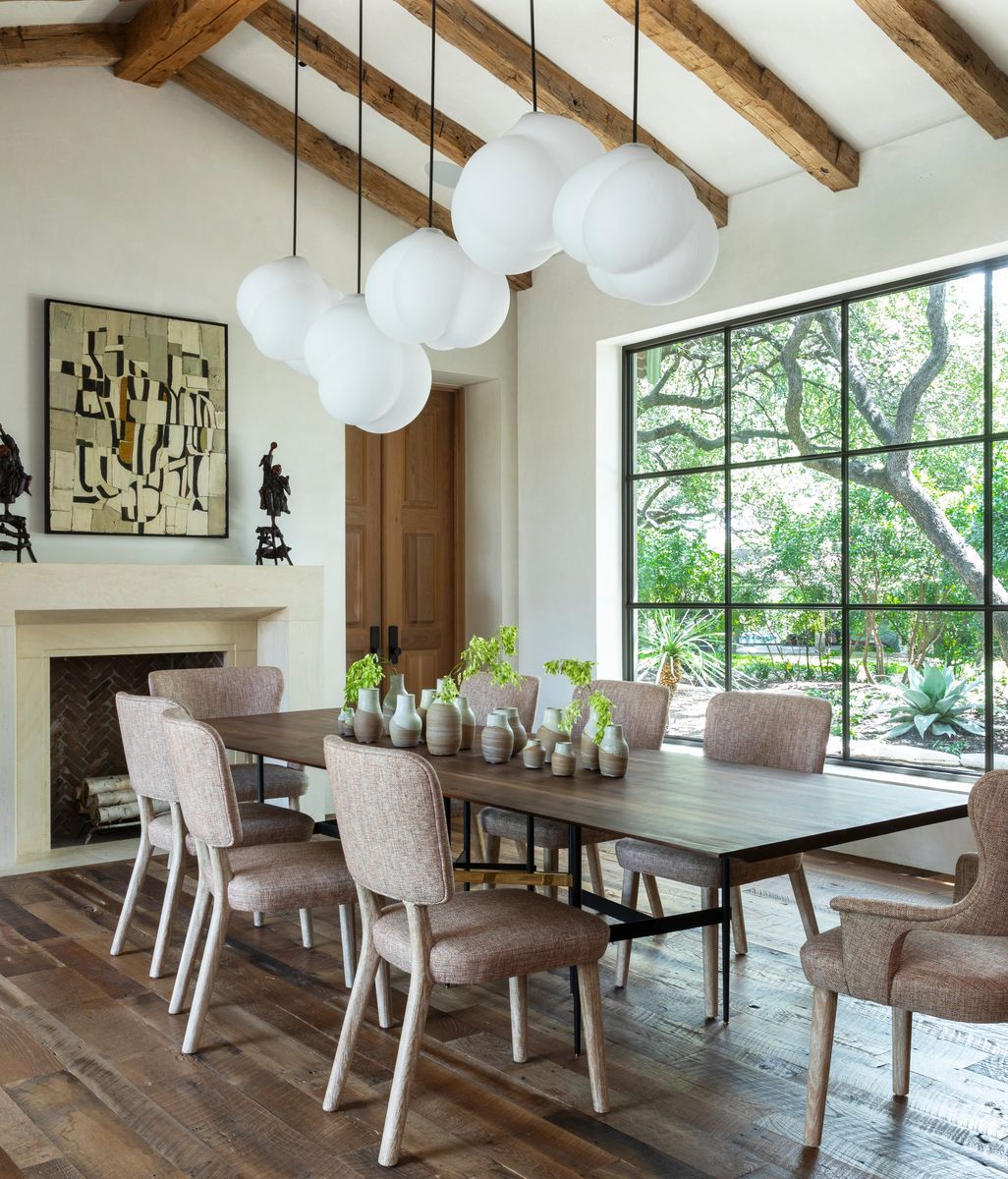
Abri transformed the old Parnell library into a home for the owners, who still live there 20 years later.

If there is a consistent thread through that legacy, it lies in Durkin’s resistance to a fixed architectural language. There is no prescribed aesthetic at play. Instead, each project begins with a conversation between site and structure.

“I’ve never been particularly attached to one particular style or type,” he explains. “It’s more about having the site speak to the architecture, and then the architecture speak back.”

This reciprocal way of working is perhaps most evident in projects shaped by dynamic natural site conditions. Coastal homes, lakefront retreats, and buildings embedded within golf courses all demand a heightened awareness of landscape. Over the past decade, Durkin’s long-standing connection to golf has increasingly informed this aspect of the practice, offering opportunities to engage with terrain in a more deliberate way.

Yet, for all the drama of these settings, Durkin is quick to point out that designing for context is not reserved for spectacular settings. In suburban environments, where the landscape is defined less by topography and more by proximity, the same principles apply.

“There are obvious universal design principles, such as where the sun comes from, where the wind comes from, where the rain comes from, but then there are also things like where the neighbours sit, how the trees fall, how the outlook works,” he says. “The experience of the space is the most important aspect of it, and how you are going to feel inside it.”

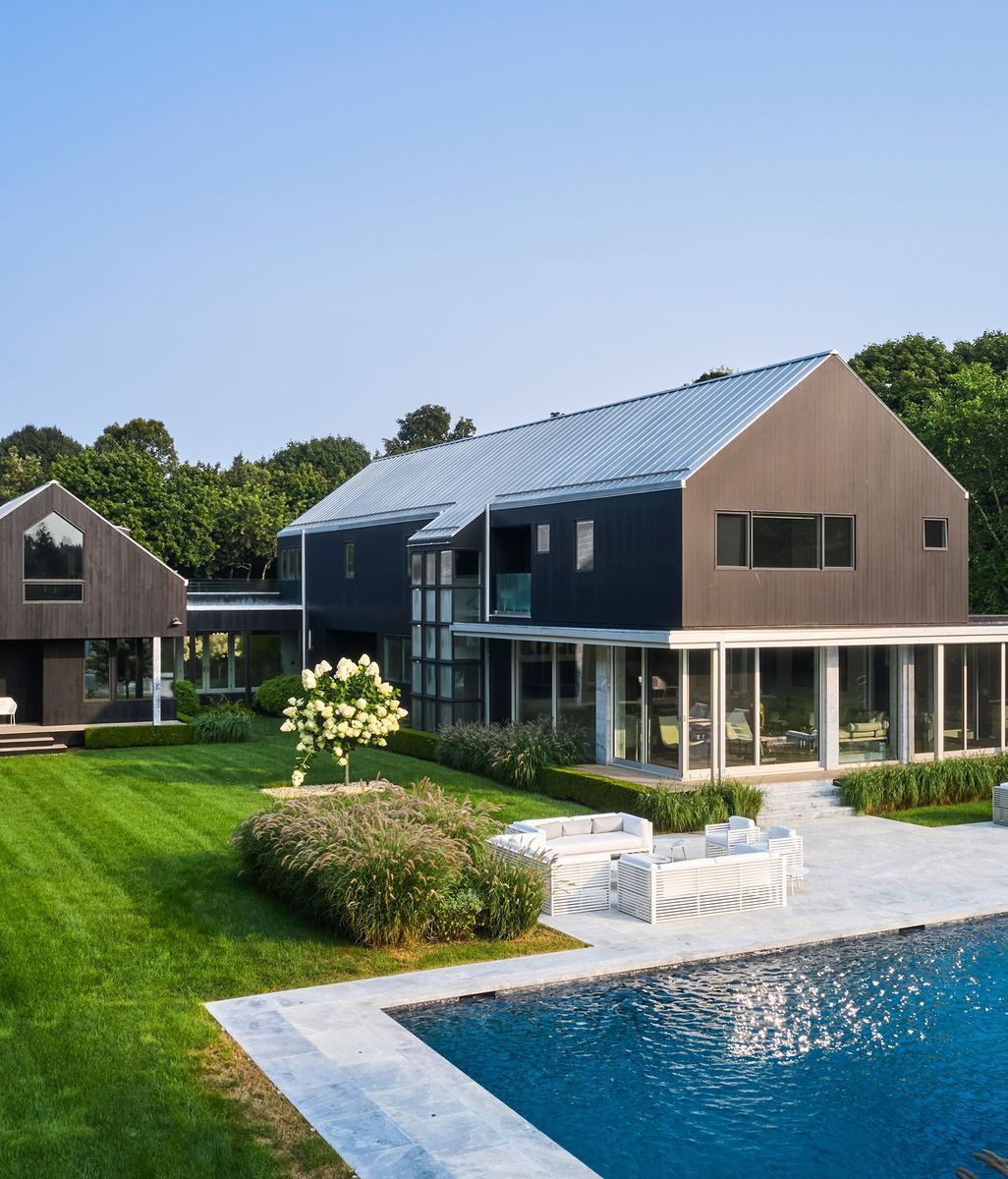
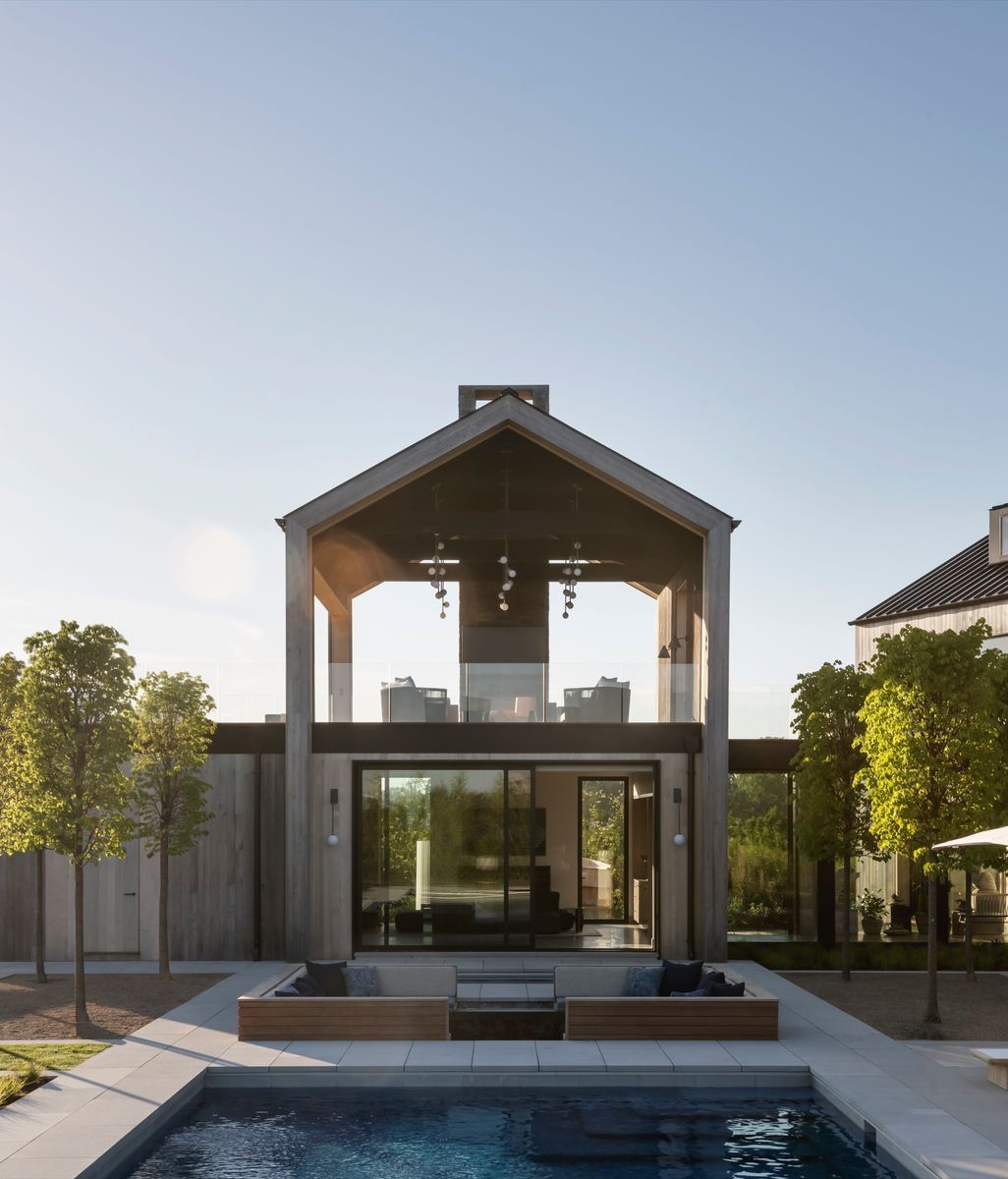
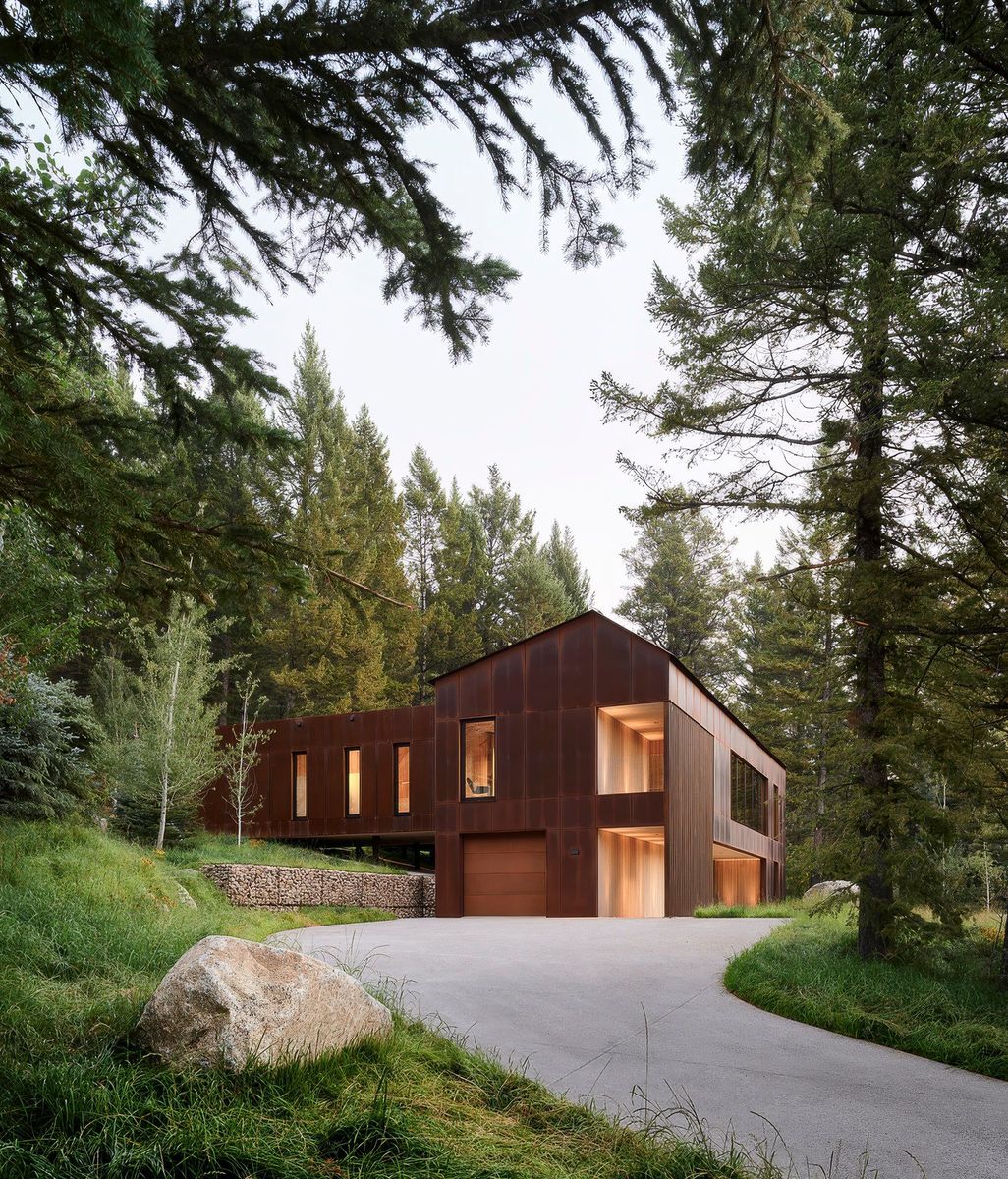
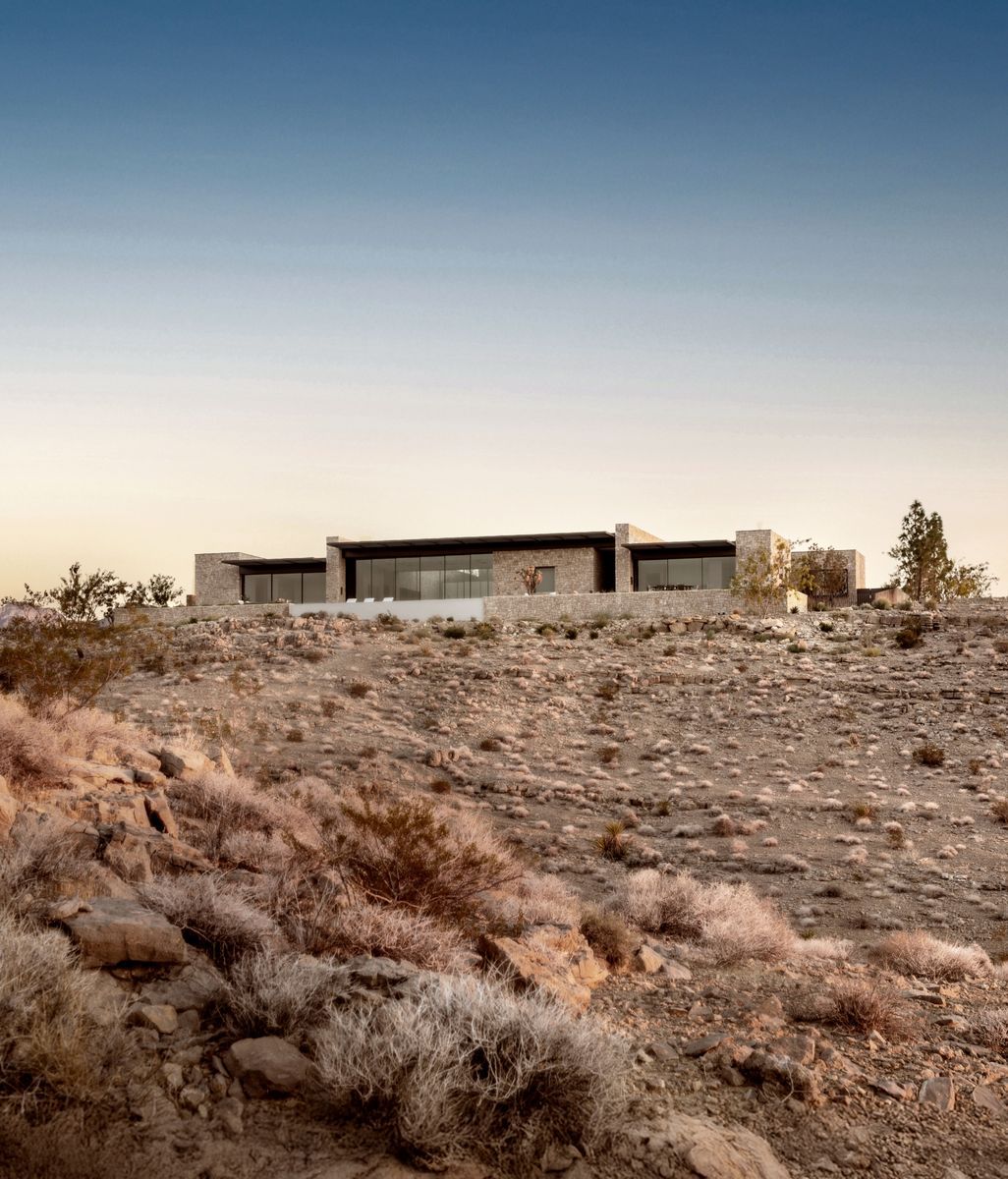
A timeless design at Tara Iti golf course by Abri.

This focus on lived experience rather than visual impact shapes not only the outcome of ABRI’s projects, but also the process behind them. Design is approached as an iterative dialogue, one that requires a level of client involvement that can, at times, feel unfamiliar.

“Clients sometimes think that you go away and magic up a design, but if you are trying to make the design fit how people run their lives, you have to understand a lot about them,” Durkin notes. “We work backwards and forwards with them an awful lot, rather than us telling them how to live.”

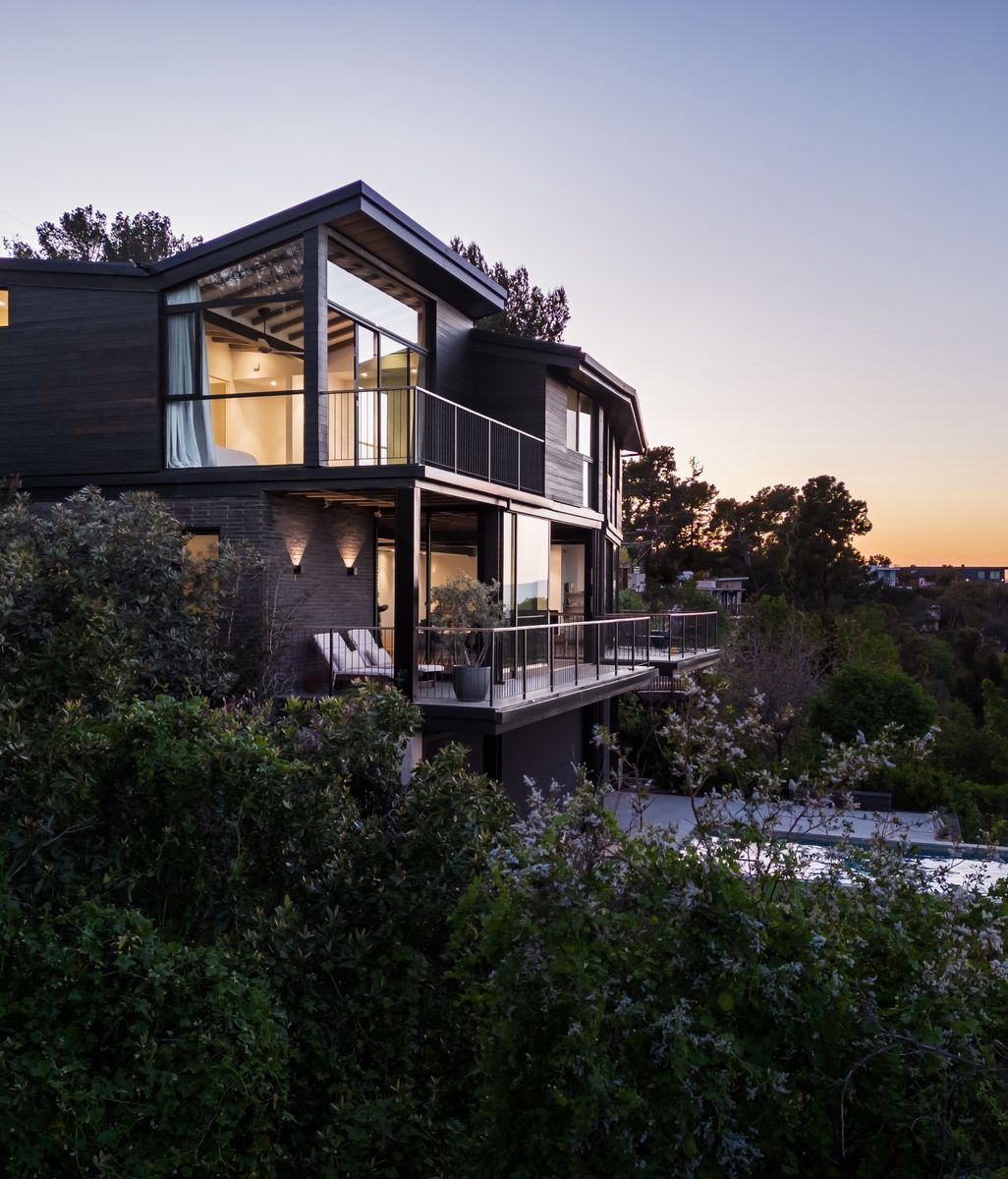
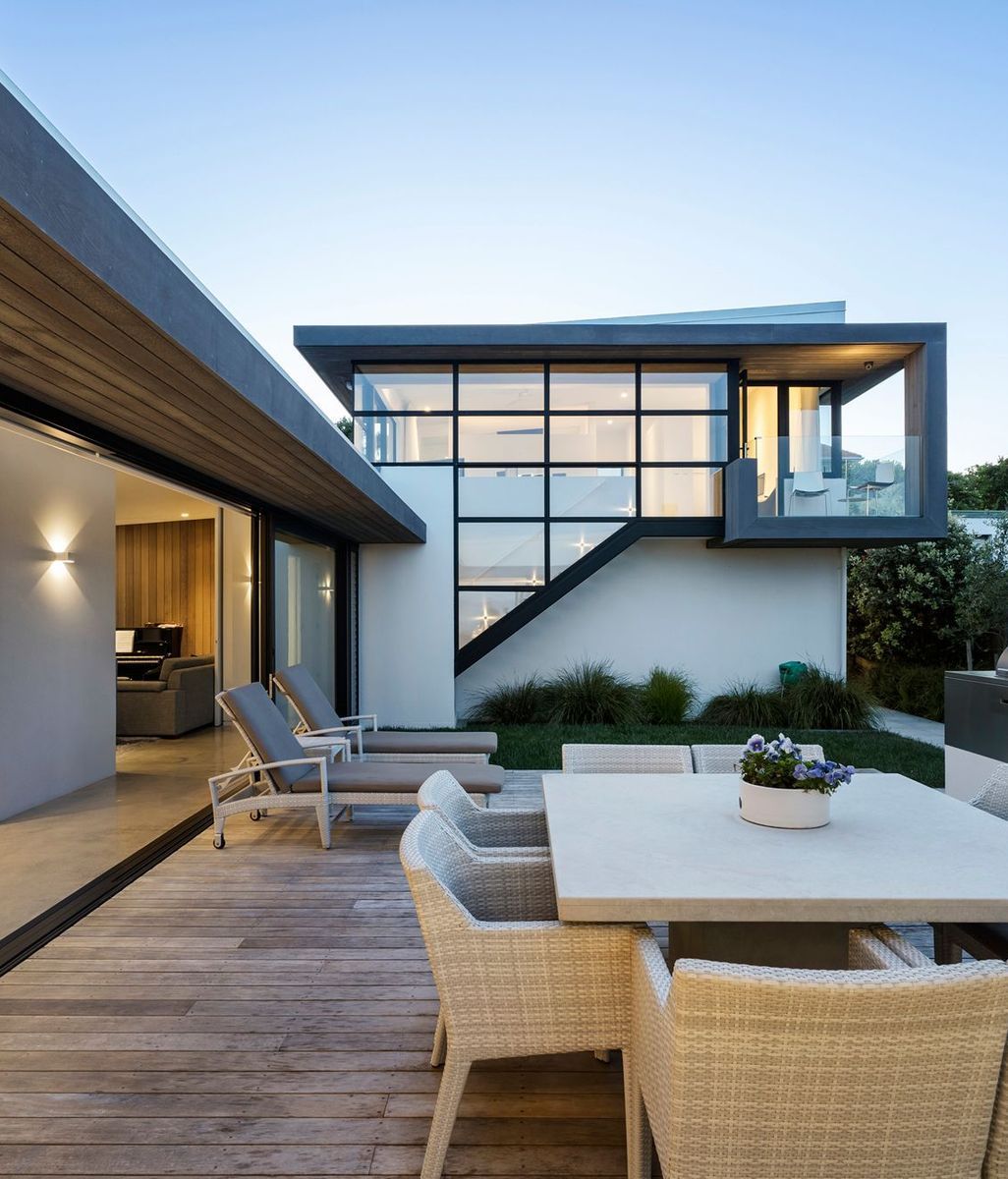
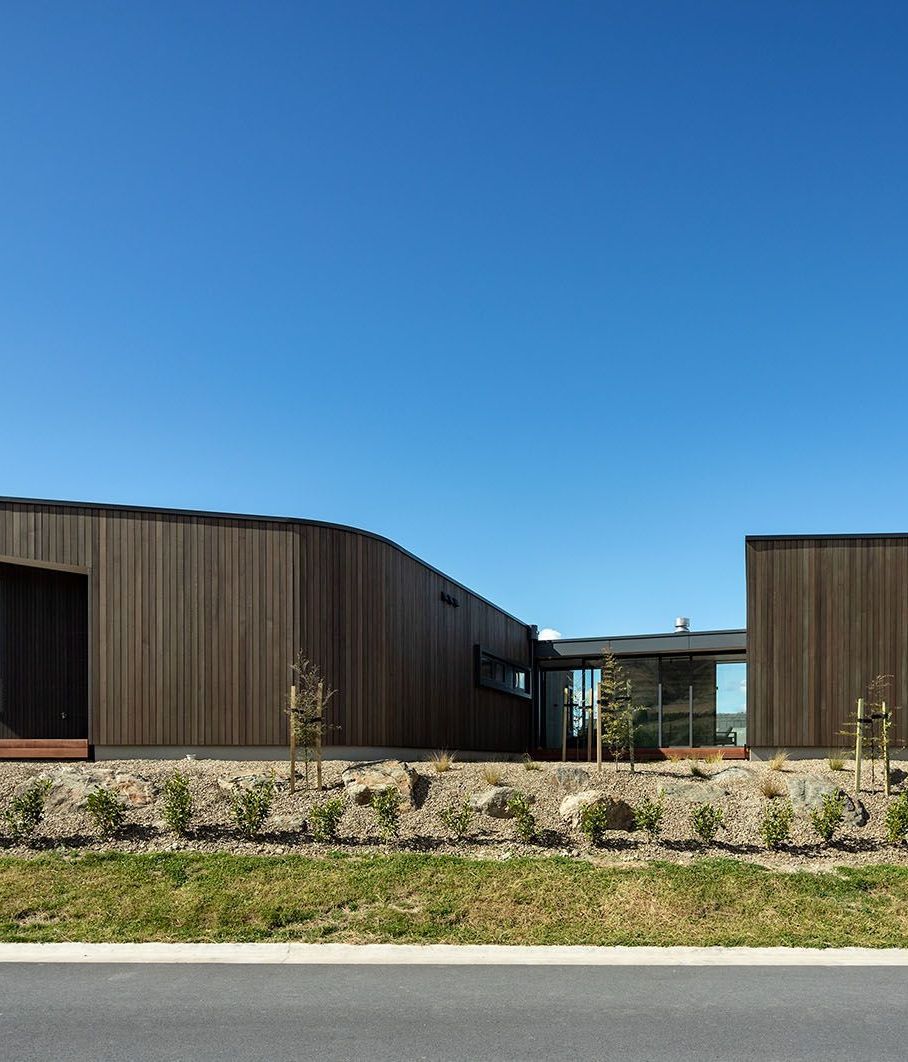
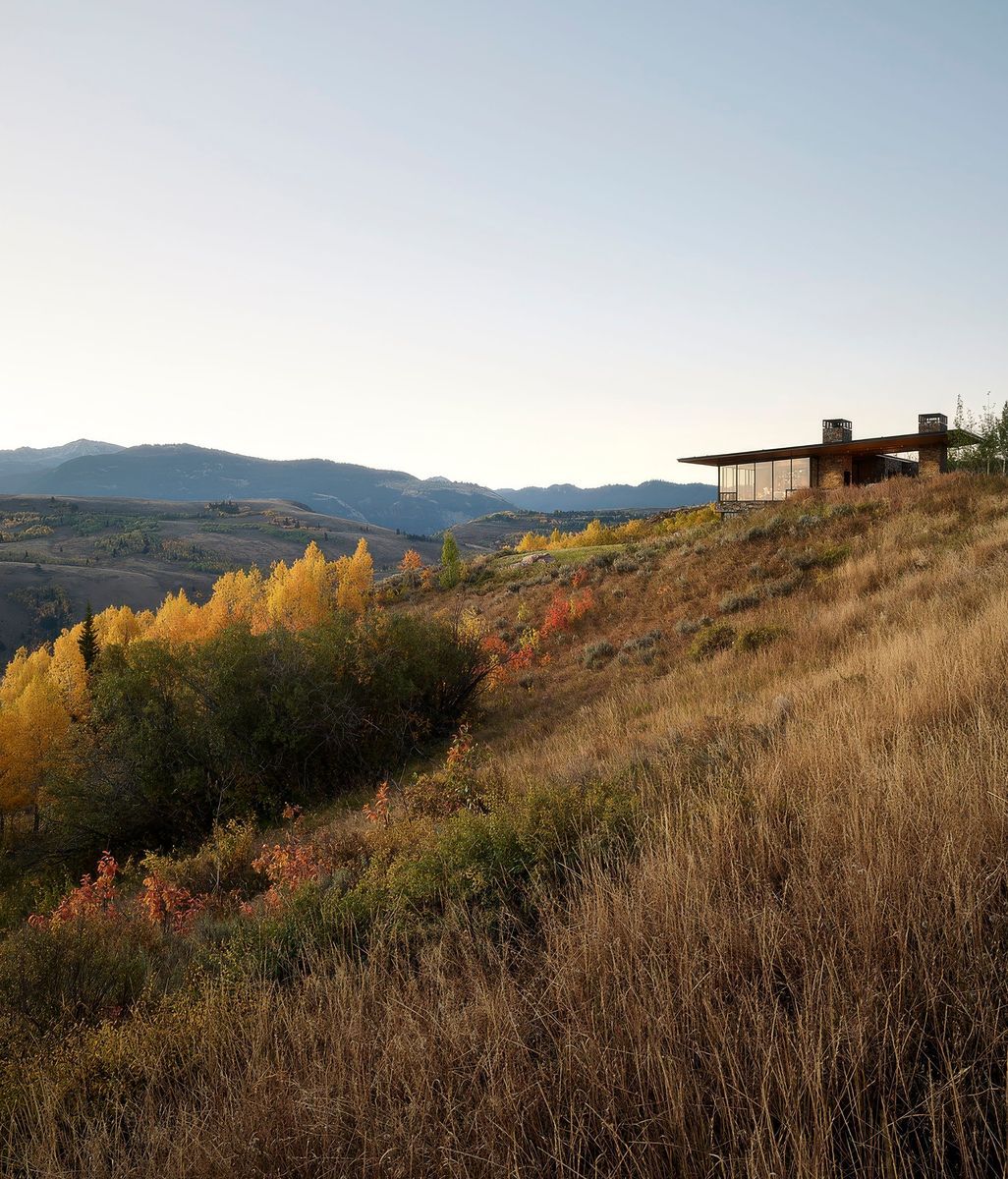
It is a methodology that shifts the role of the architect from author to interpreter. The resulting buildings are not statements in isolation, but responses to both site and inhabitant. A house in Whangamata, positioned carefully into a hillside, transforms an exposed, windswept location into a sheltered living environment. Elsewhere, a series of pavilion-style forms align precisely with views and movement across a site. Even adaptive reuse projects, such as the reimagining of a former library into a private residence in Parnell, retain their original character while accommodating entirely new ways of living.

In this sense, the enduring nature of ABRI’s work is not incidental. It is embedded in the way each project is conceived. Homes are designed not as fixed objects, but as frameworks that can evolve over time. They allow for continuity, and for the subtle shifts that come with inhabiting a building long-term.

As Durkin looks ahead, he feels his legacy is not tied to recognition or a catalogue of iconic forms, but to something more personal.

“One of the things I think about often in architecture is that whole connection thing—connecting people with place, and making the place something that they really love,” he says. “A place where they can connect with the landscape, and connect with their context.”

In an industry often driven by trends, ABRI’s work offers a more long-term outlook. It suggests that the true success of architecture may lie in how rarely it changes hands.