Why good documentation is the quiet key to a successful home build

Written by
12 May 2026
•
3 min read
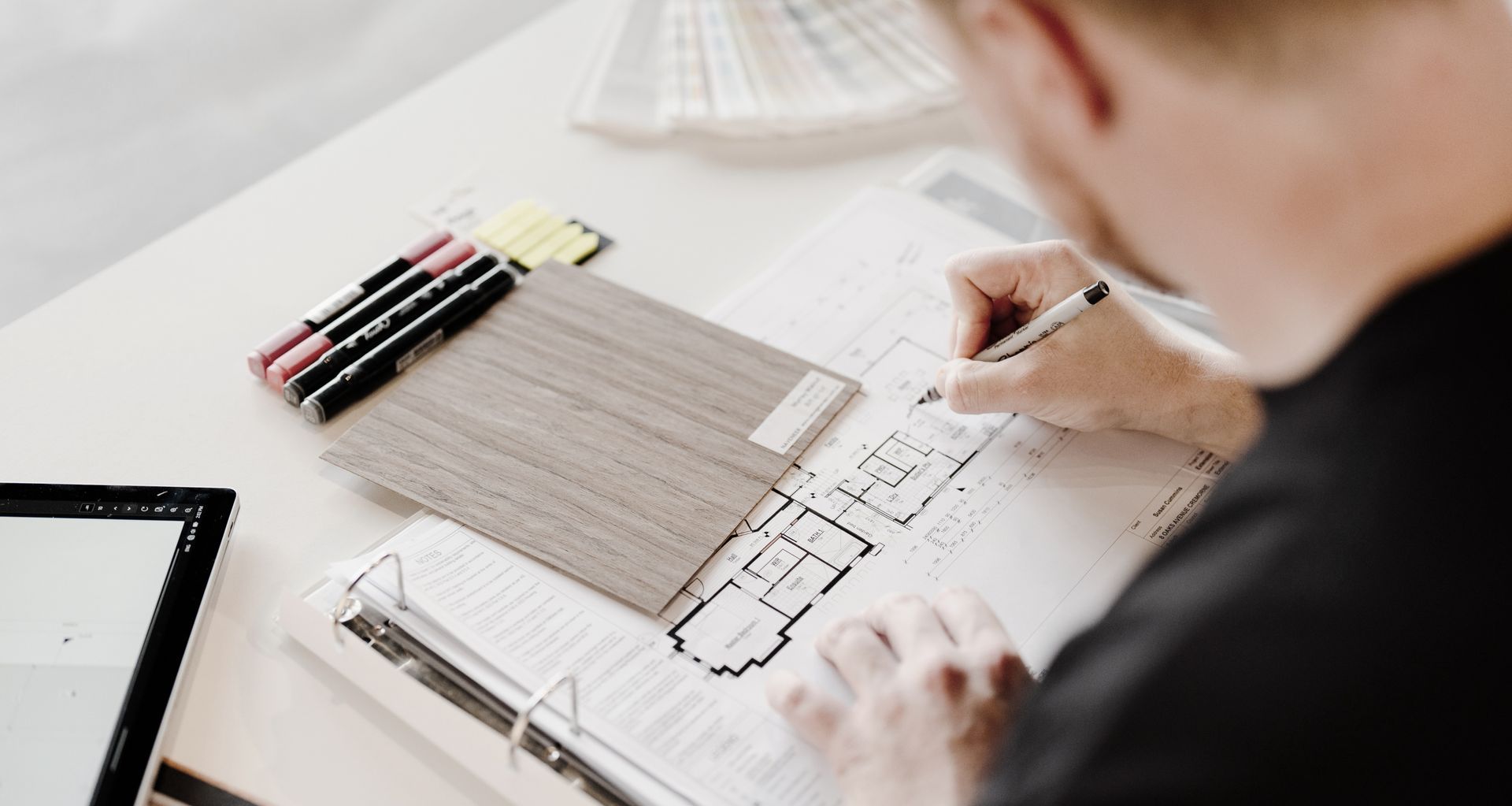
Documentation. It’s not glamorous, but it’s the step that determines whether a project runs smoothly or becomes unnecessarily stressful.
“Builders need clear information,” Kennedy says. “If everything is properly documented, they know exactly what they’re doing before construction starts.” In simple terms, documentation is the detailed planning that translates a design idea into something that can actually be built.
For Kennedy, good documentation is about resolving as many decisions as possible before construction begins. That includes how materials meet, how structural elements connect and how smaller details; lighting, windows, curtain tracks, are integrated into the building. It may sound technical, but these details shape both the construction process and the finished result.
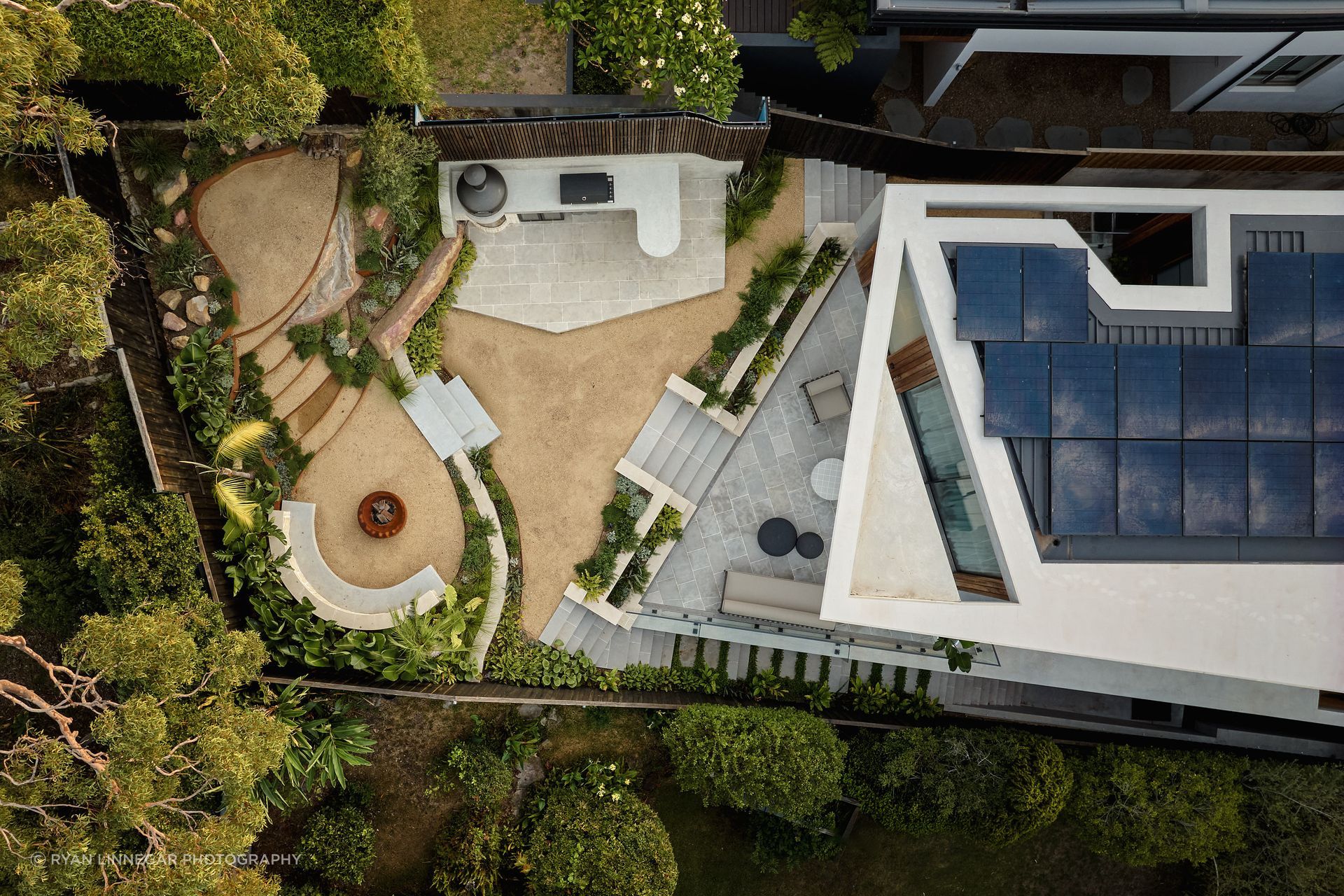
“When builders have clear drawings and specifications, things move much faster,” he says. “You avoid a lot of confusion on site.”
Without that level of clarity, projects can quickly become reactive. Questions arise. Decisions are made under pressure. Costs begin to creep upward.
“You end up with variations during construction,” Kennedy explains. “That’s where projects can start to lose time and money.”
Many homeowners underestimate how much thinking goes into a well-resolved house. Beyond the main floor plan, there are dozens of technical decisions that affect how a building performs and feels once completed.
Take recessed lighting, concealed curtain tracks or window frames that sit neatly within walls. These details might appear simple when finished, but they require careful planning during the design stage.
“If those things are decided early and documented properly, the builder knows exactly how to achieve them,” Kennedy says. The result is often a home that feels more considered and cohesive.


One of the ways Kennedy approaches projects differently is by staying closely involved once building begins. Rather than handing over drawings and moving on, he works alongside the builder throughout the construction phase.
“I like to stay engaged with the process,” he says. “It helps ensure the design actually gets built the way it was intended.”
This hands-on approach also helps maintain efficiency on site. Questions can be answered quickly and design decisions can be clarified before they become issues. It also strengthens relationships between designers, builders and consultants. Something Kennedy sees as essential to good outcomes.
Every project in Kennedy’s practice begins with a site visit. He does not charge for that first meeting. Instead, he treats it as a moment for both the client and the designer to understand whether the partnership feels right.
“You’re working on someone’s biggest asset,” he says. “It’s important the relationship starts well.” From there, projects move through sketch design and concept development before entering the detailed documentation phase. Only once the design has been thoroughly resolved does construction begin.

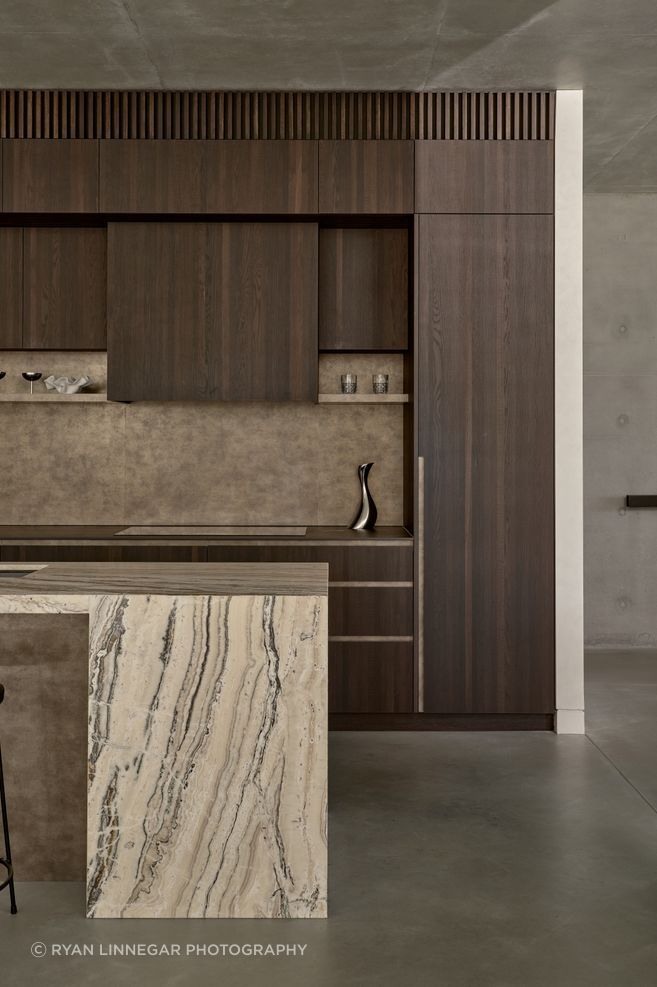
For homeowners embarking on a new project, Kennedy’s advice is straightforward. Invest in the planning process. It may not be the most exciting part of a build, but it has a lasting impact on how smoothly the project unfolds.
“People often try to save money by reducing the design or documentation stage,” he says. “But in my experience, that usually costs more later.”
A well-designed house can appear effortless once finished. Behind that simplicity, however, lies a significant amount of careful thinking and coordination. And according to Kennedy, it is that early investment in clarity and detail that often makes the biggest difference.
If you’re planning a new home or renovation, taking the time to understand the process early can make all the difference. On ArchiPro, you can explore projects, connect with experienced architects, architectural designers and builders, and discover the products that shape well-resolved homes.