Top window furnishing trends for 2026

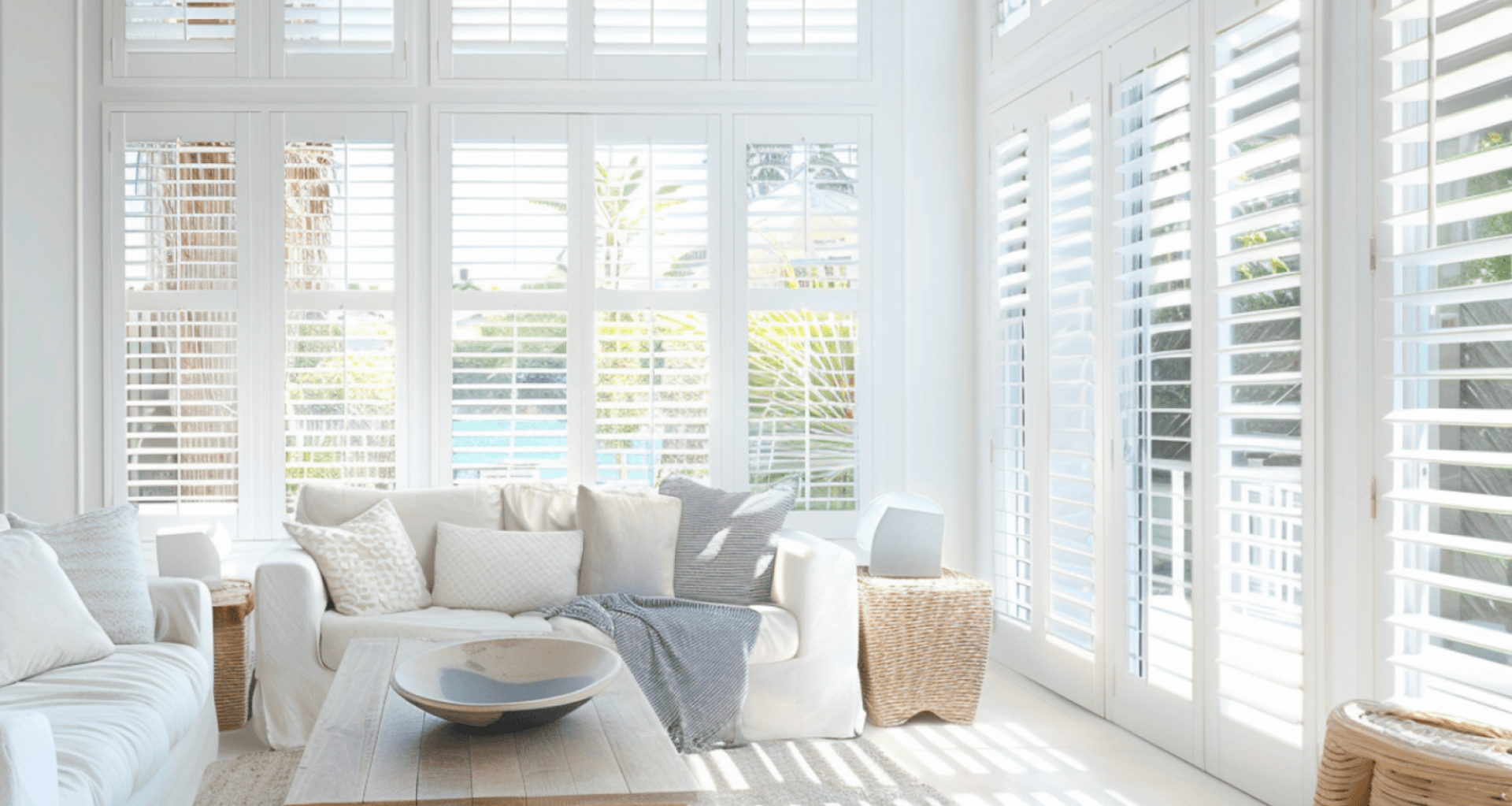
Top window furnishing trends for 2026
In 2026, window furnishings are playing a more architectural role than ever. Rather than simply covering glass, curtains, blinds and shutters are being used to shape space, manage acoustics and support the broader material palette in New Zealand homes.
Drawing on recent projects and product development, Redgraves Home Fabrics sees several clear window furnishing trends for 2026 emerging across modern, coastal and heritage contexts.
Trend 1: Soft sheer layering
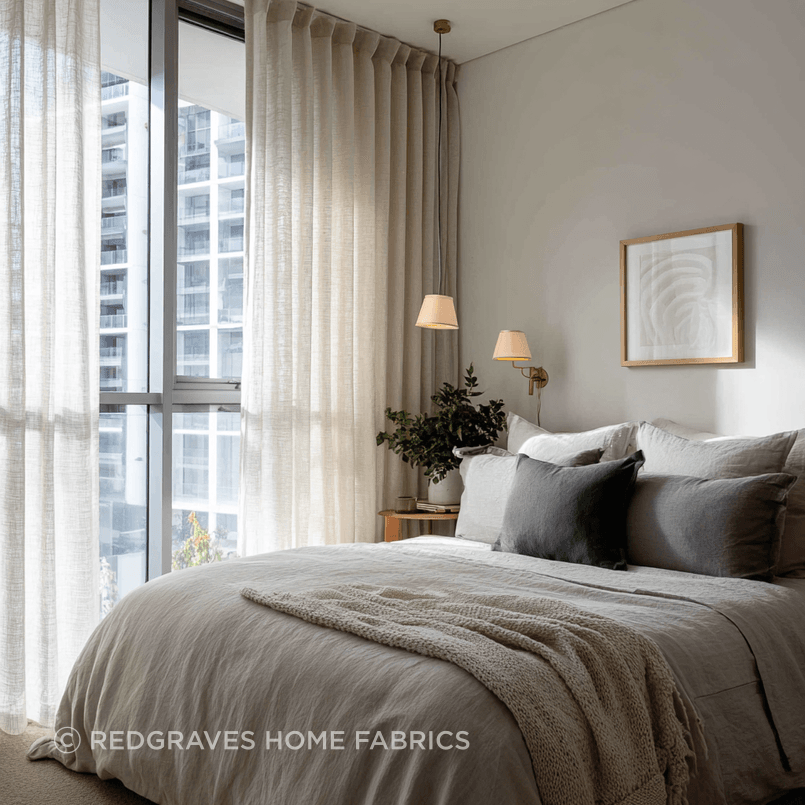
Sheer curtains continue to be one of the strongest trends, particularly in living and dining spaces.
Key characteristics:
- Full‑height sheers in wave headings, often running wall‑to‑wall.
- Layering sheers with blinds or blockout curtains for flexible light control.
- Using sheers as soft room dividers, not just at windows, in open‑plan plans.
This aligns with broader international curtain trends for 2026, where drapery is described as “fluid architecture” – defining thresholds and zones while preserving light and transparency.
Trend 2: Warmer, nature‑inspired palettes
Colour is shifting away from cool whites and greys towards warmer, nature‑inspired tones:
- Neutrals such as stone, sand, mushroom and warm grey.
- Greens influenced by planting – sage, olive and eucalyptus.
- Soft blues and muted terracottas in coastal and rural settings.
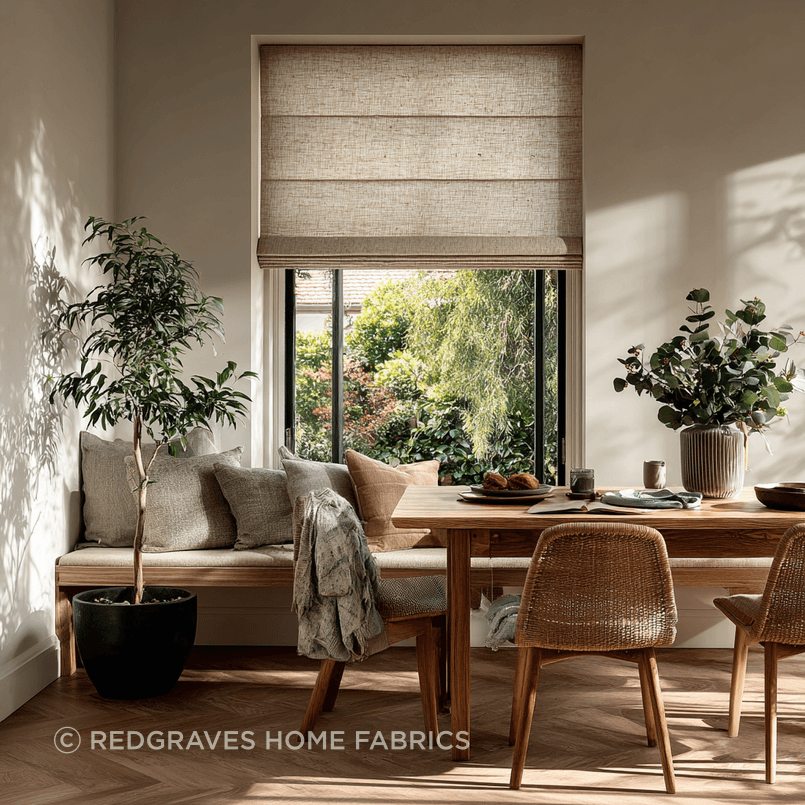
Window furnishings are often specified a half‑step deeper or softer than wall colours, creating subtle depth without high contrast. This approach works across curtains, Roman blinds and even roller blind fabrics.
Trend 3: Texture and tactility
Texture is a major driver of current curtain trends. Rather than bold prints, designers are favouring fabrics that add visual and tactile nuance:
- Linen‑look and natural fibre blends.
- Bouclé and subtly slubbed weaves.
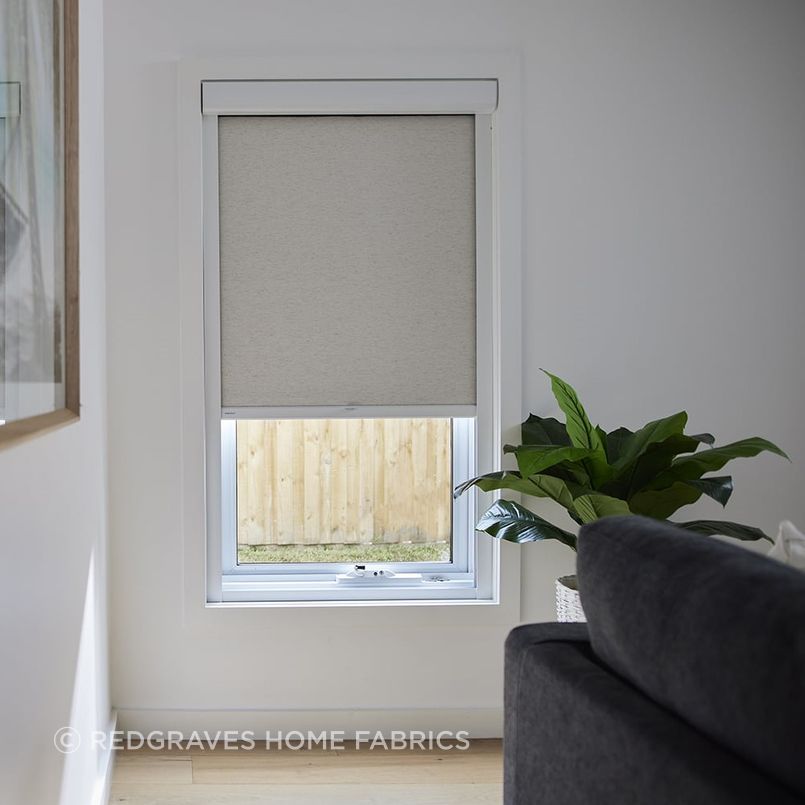
- Roller blind fabrics with a textile‑inspired appearance, softening their presence in the room.
Used at scale, these materials act almost like a woven wall, contributing to the acoustic quality and perceived warmth of a space.
Trend 4: Layered solutions for performance
Layering continues to be central to window furnishing trends in 2026, especially in homes with expansive glazing:
Typical combinations include:
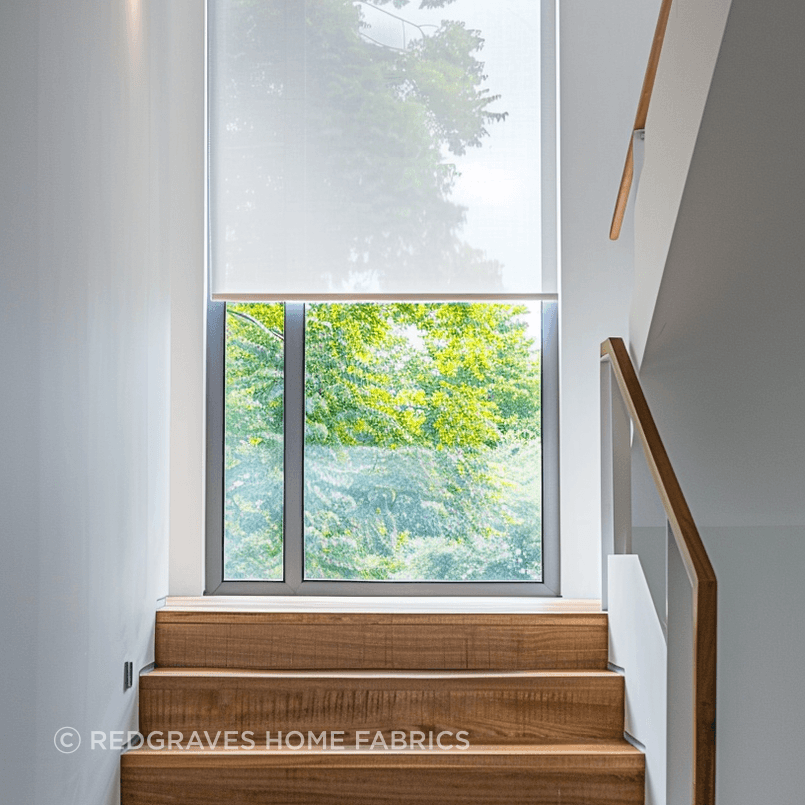
- Sunscreen blinds + sheer curtains in living areas exposed to strong sun.
- Blockout blinds + sheers in bedrooms, balancing sleep quality with softness.
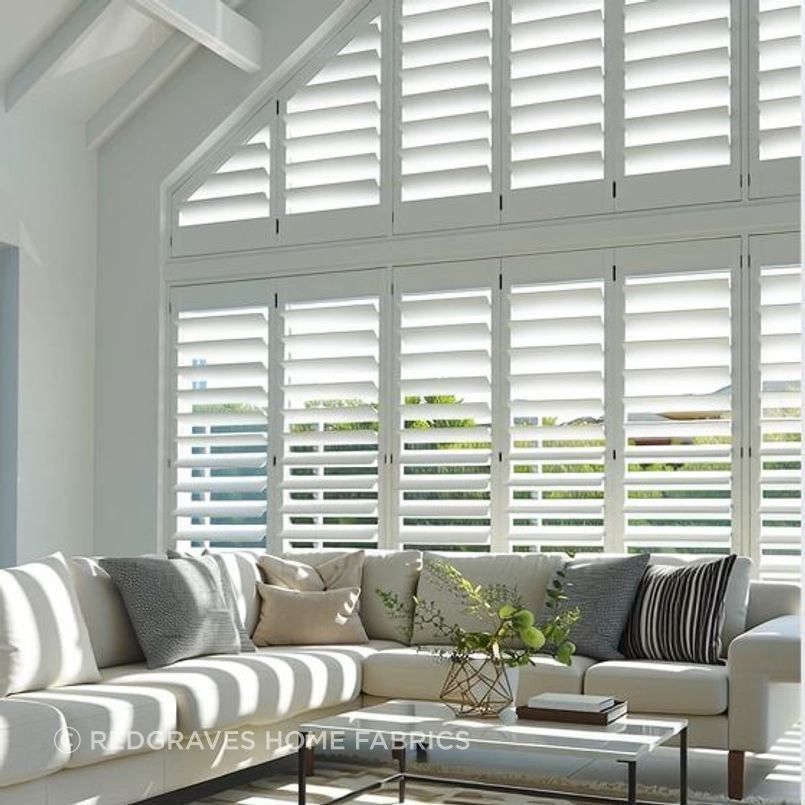
- Shutters + curtains in heritage and character homes, combining crisp lines with warmth.
This layered approach allows nuanced control over daylight, privacy, insulation and acoustics across different times of day and seasons.



Trend 5: Sustainability and energy performance
Clients are increasingly asking how curtains and blinds can contribute to sustainability goals, both in terms of materials and performance:
Key directions include:
- Fabrics with recycled content or more transparent supply chains.
- Low‑VOC finishes and durable constructions that extend product life.
- Linings and configurations that improve insulation, particularly over large glazed areas.
In New Zealand’s climate, well‑designed window treatments can significantly reduce heat loss through glazing, supporting energy‑efficient home design.
Trend 6: Smart and automated window treatments
As smart‑home ecosystems become more accessible, automated curtains and blinds are moving from niche to mainstream.
Common applications include:
- Motorised roller blinds on double‑height or hard‑to‑reach glazing.
- Automated sheer and blockout layers in media spaces and primary suites.
- Integration with lighting and climate control for coordinated scenes.
Early coordination between the design team, electrician and window‑furnishing specialist ensures that power, controls and hardware are concealed and consistent with the architectural language.
Trend 7: Bespoke solutions for complex architecture
Finally, as glazing becomes more ambitious – from corner windows to double‑height voids – bespoke window‑furnishing solutions are increasingly the norm.
Redgraves’ work with architect‑led projects often involves:
- Custom track layouts for corner, bay and faceted windows.
- Layered treatments for large sliders that must read as part of the architecture.
- Careful coordination of fixings and detailing to maintain clean lines.
In these contexts, window furnishings become an integral part of the spatial design, rather than an accessory.
For architects, designers and homeowners looking to incorporate 2026 window furnishing trends into current projects, Redgraves Home Fabrics can advise on product selection, detailing and installation across curtains, blinds and shutters.