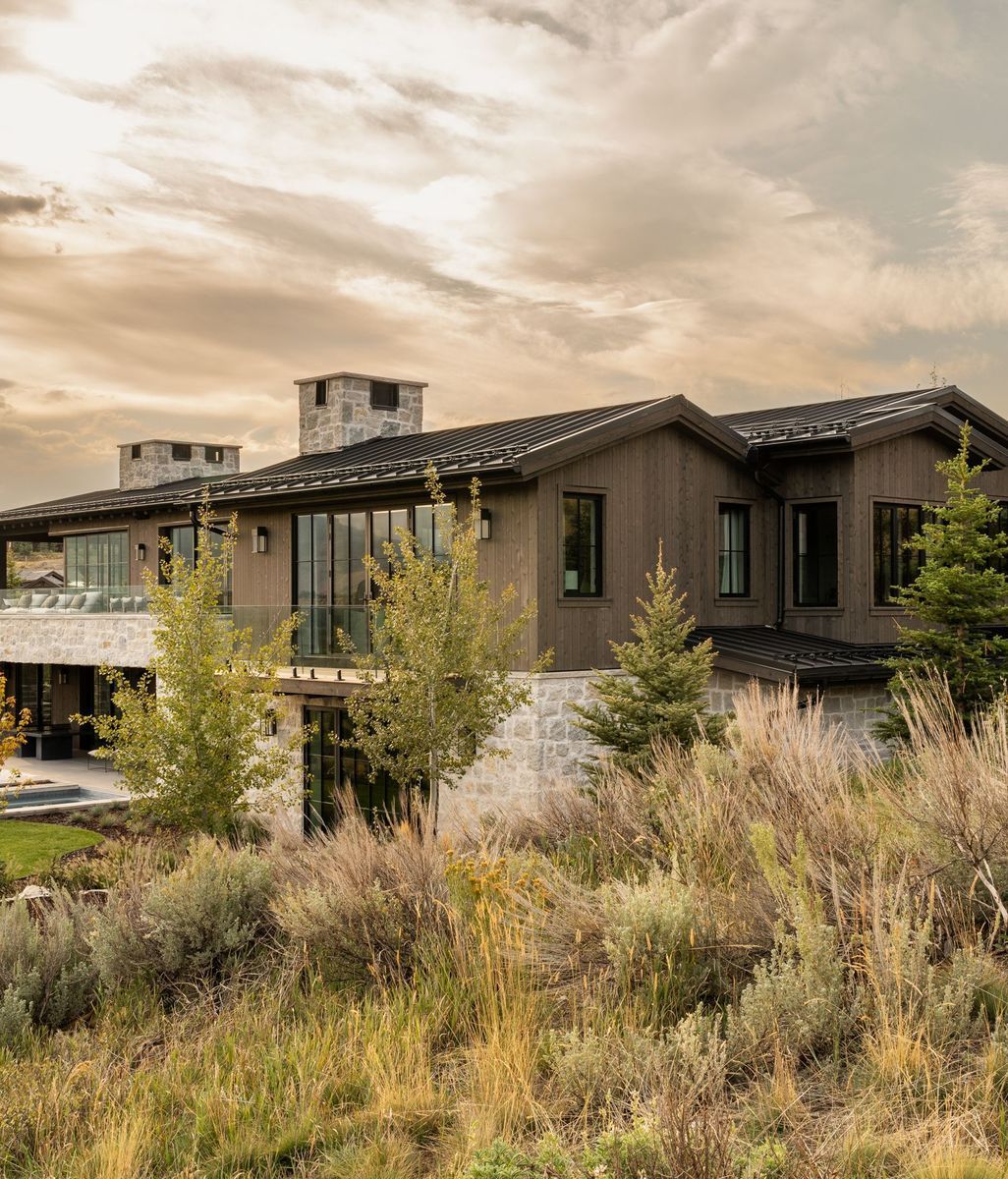
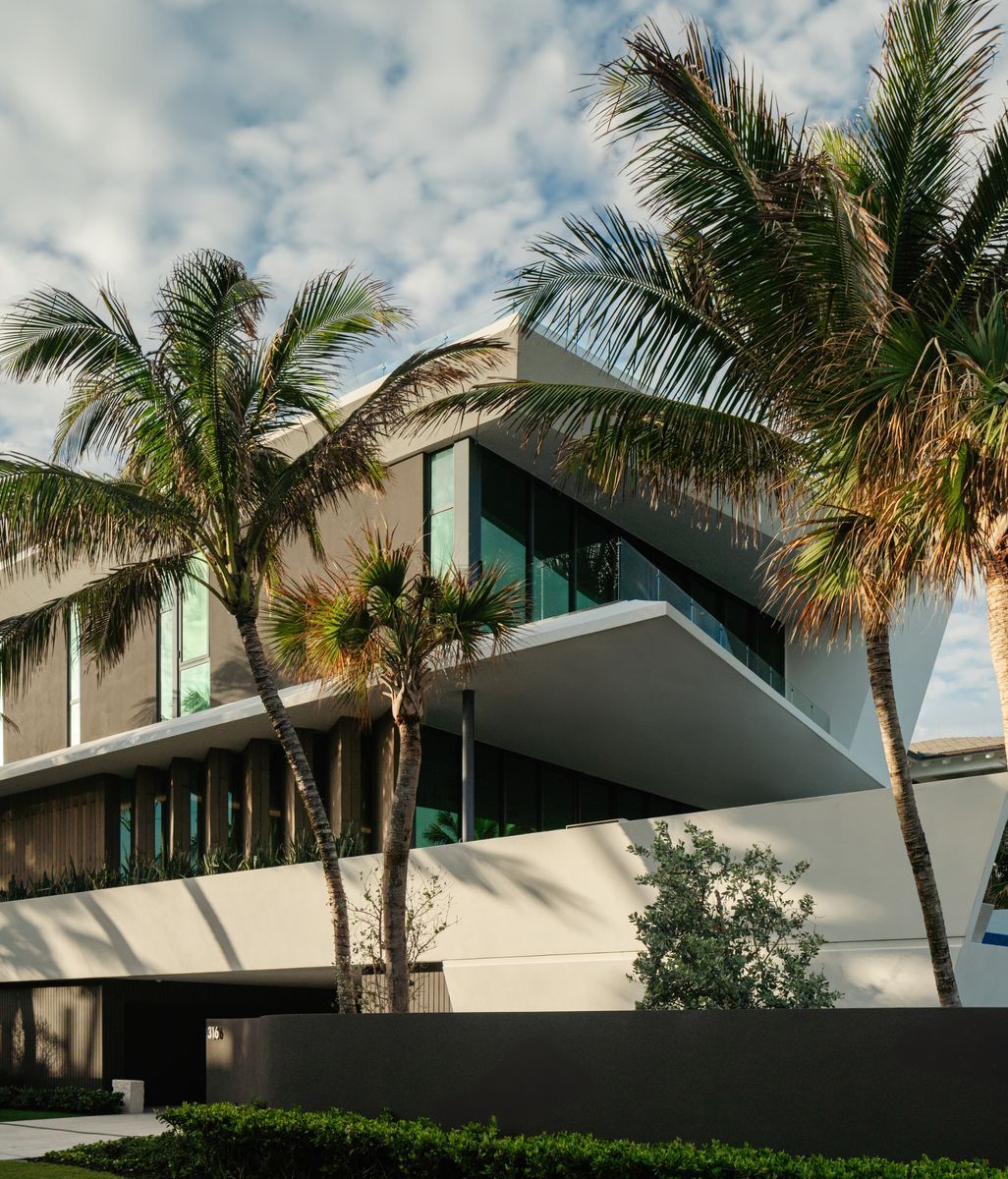
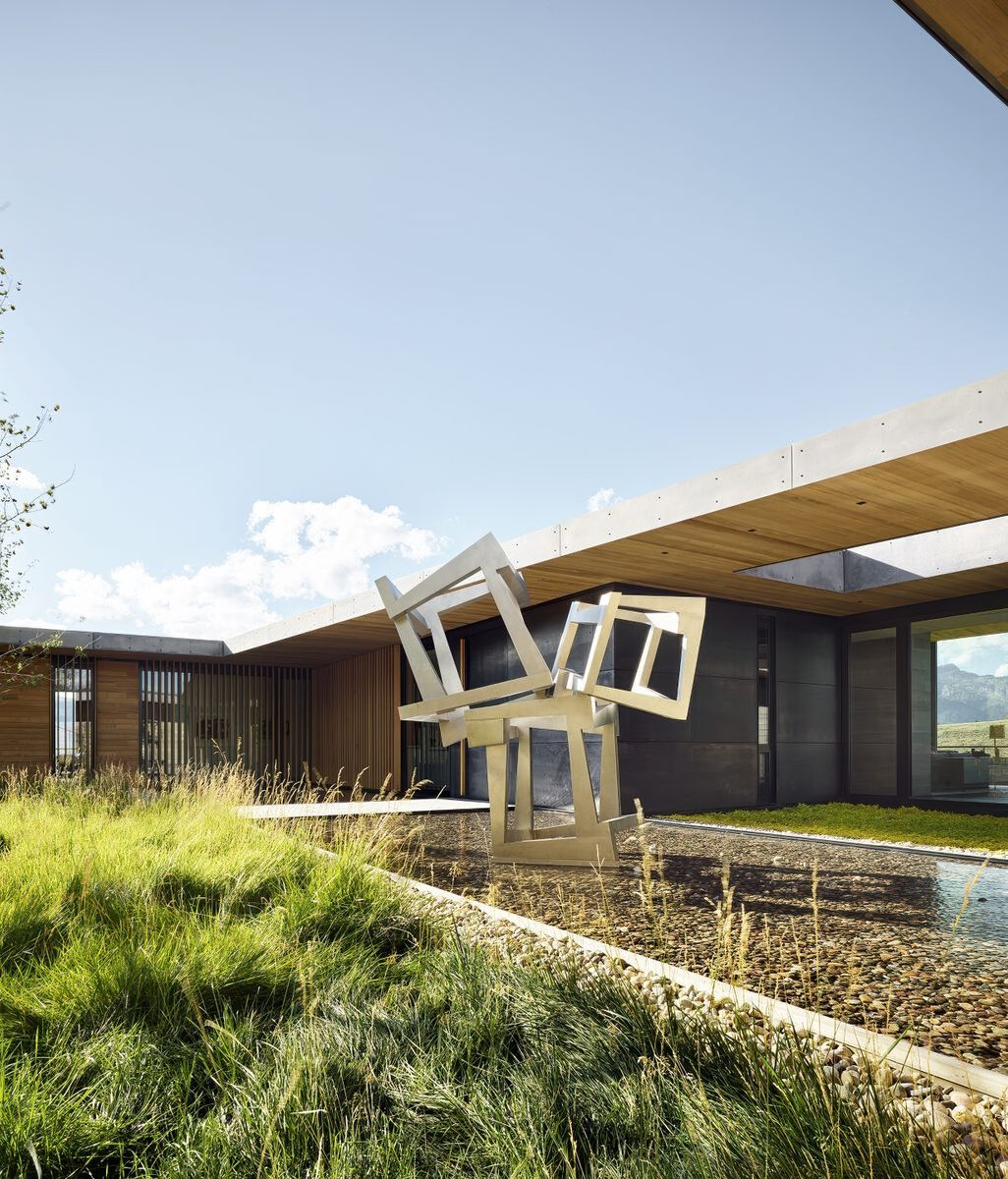
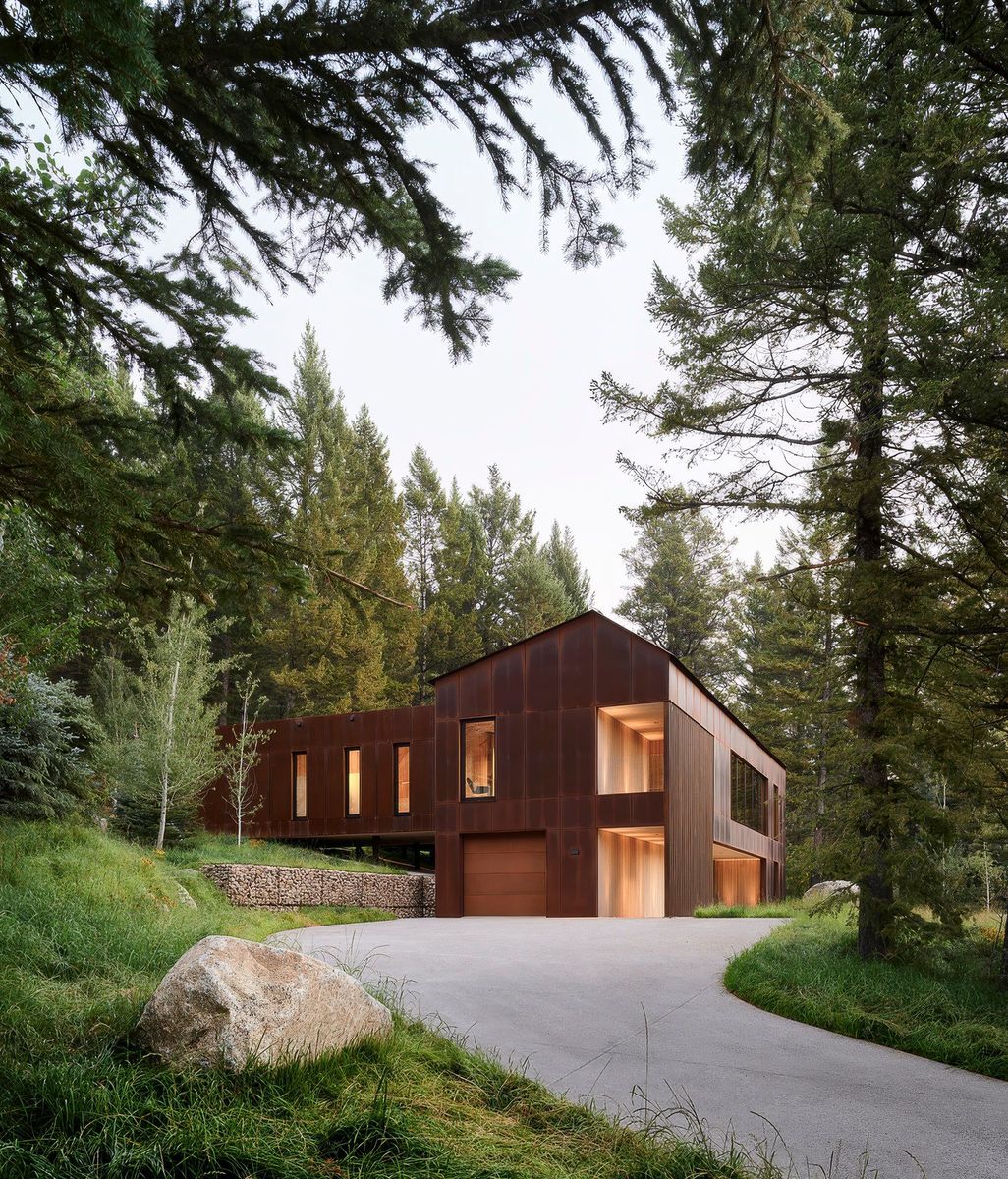
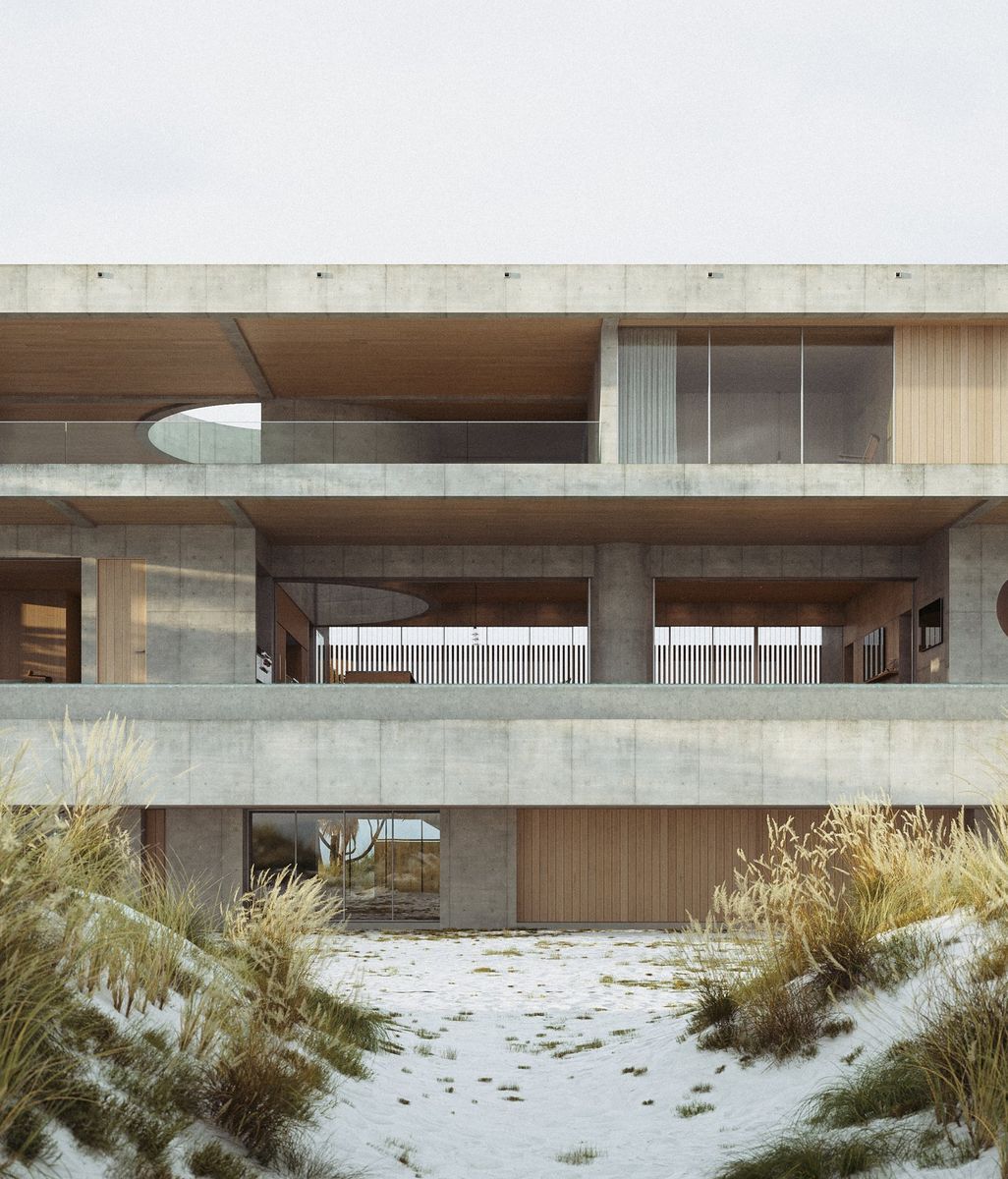
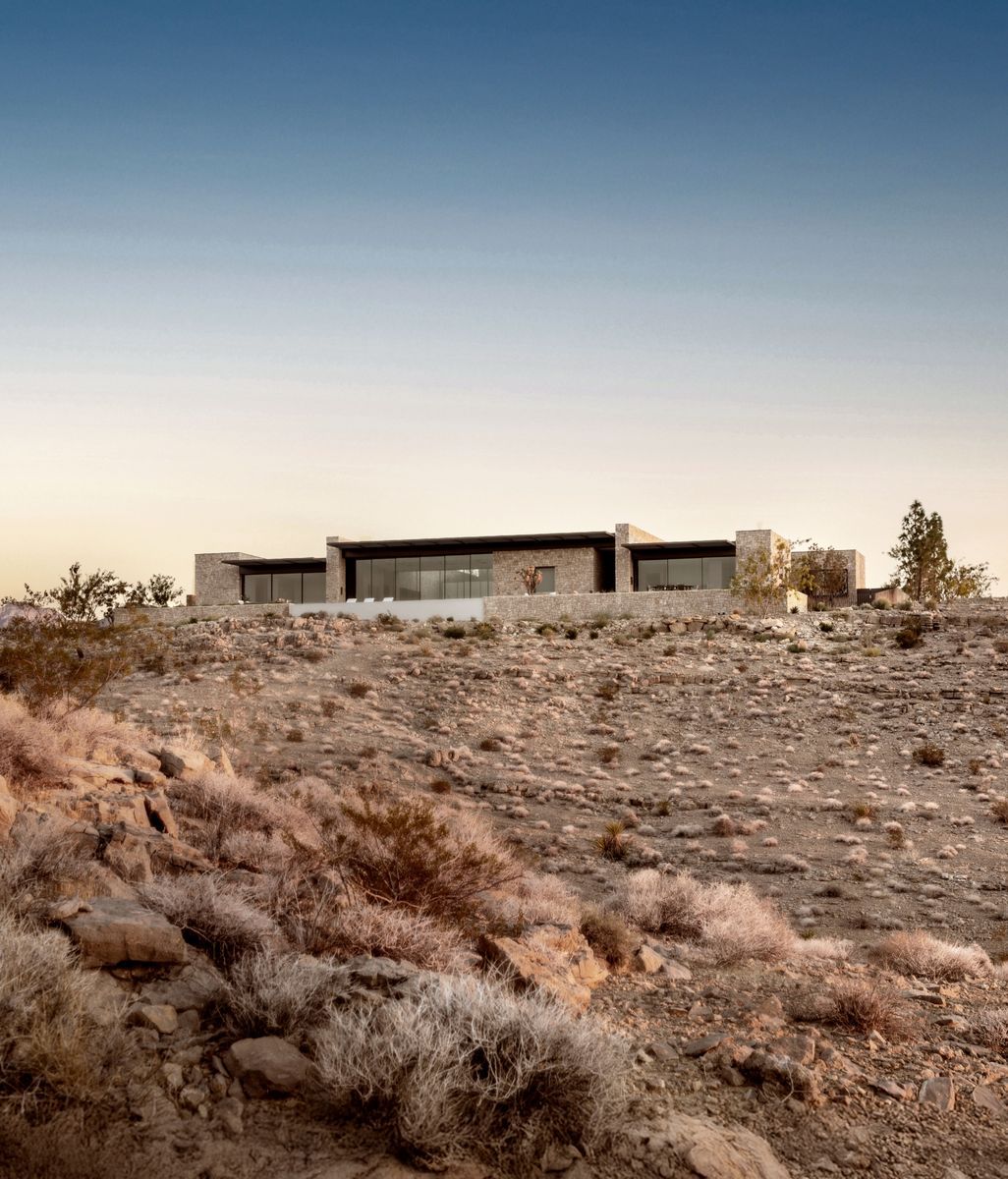
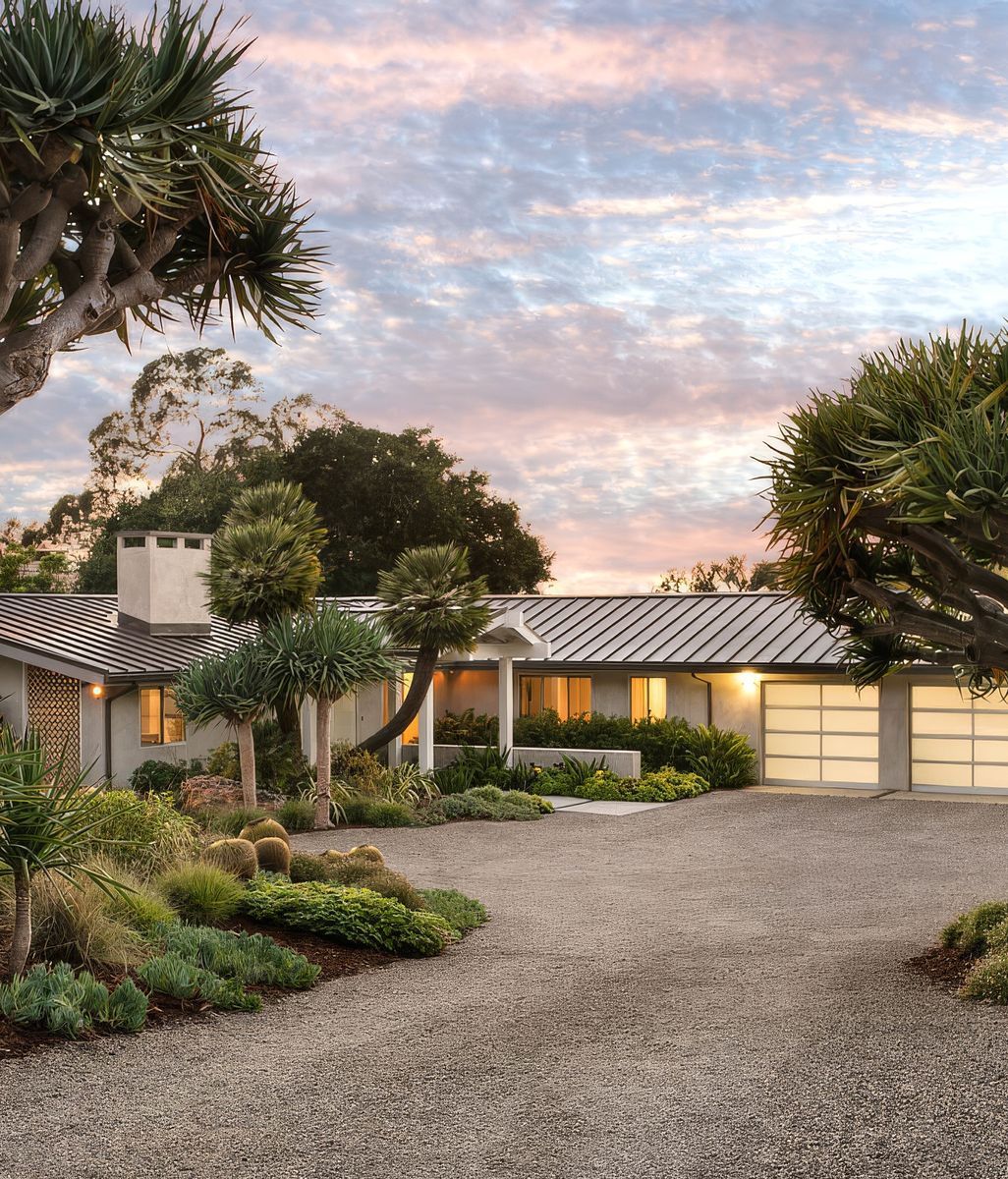
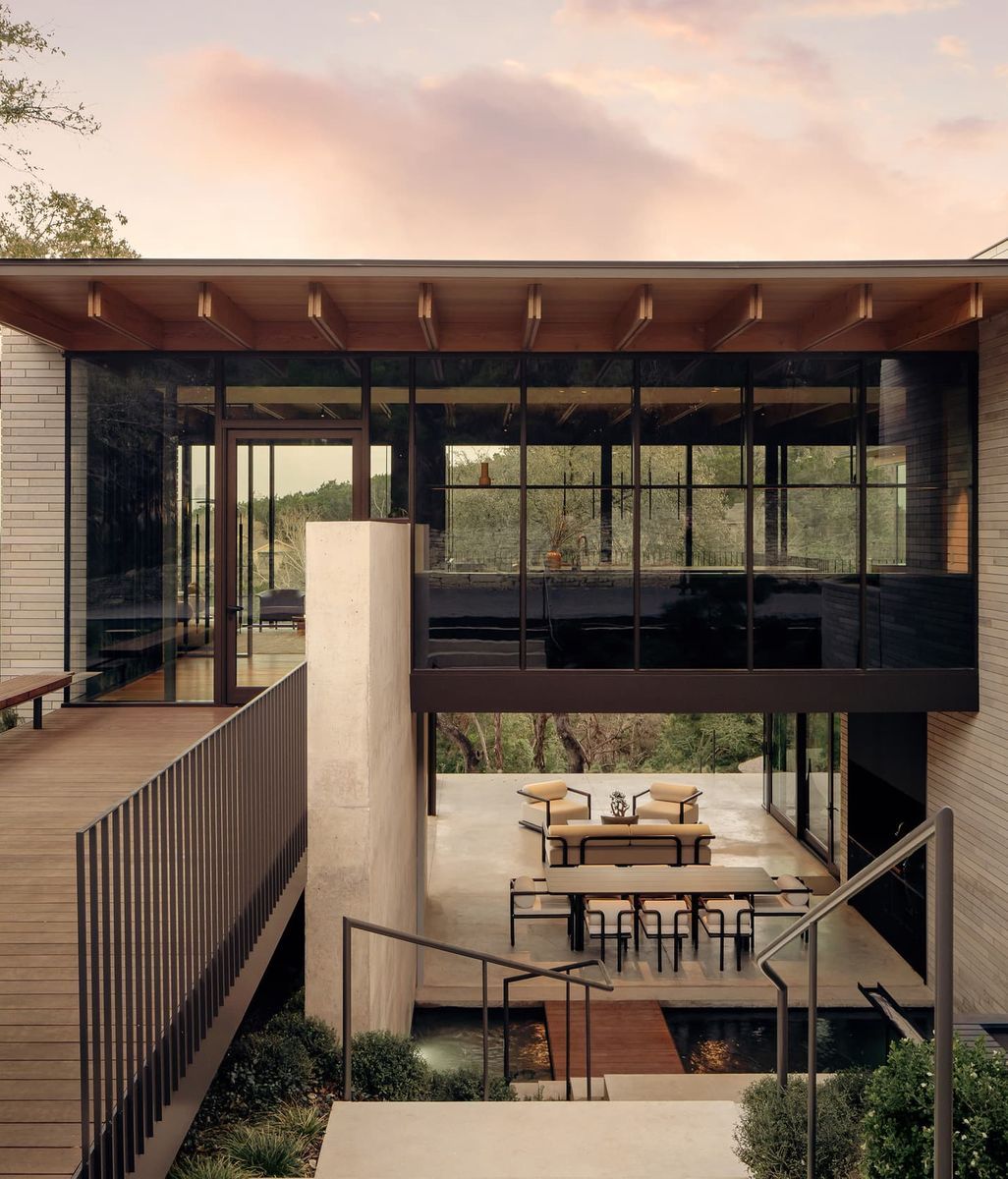
Hideaway House by Cera Stribley | Photography by Timothy Kaye
ArchiPro spoke to architect Josh Fitzgerald of Archier, interior designer Imogene Pond of Cera Stribley and Queensland builders Sam and Chels Barlow of Barlow Build about how collaboration and experience across disciplines create the kind of foresight that keeps projects on track, and why in design and building, the best value is often found long before construction begins.
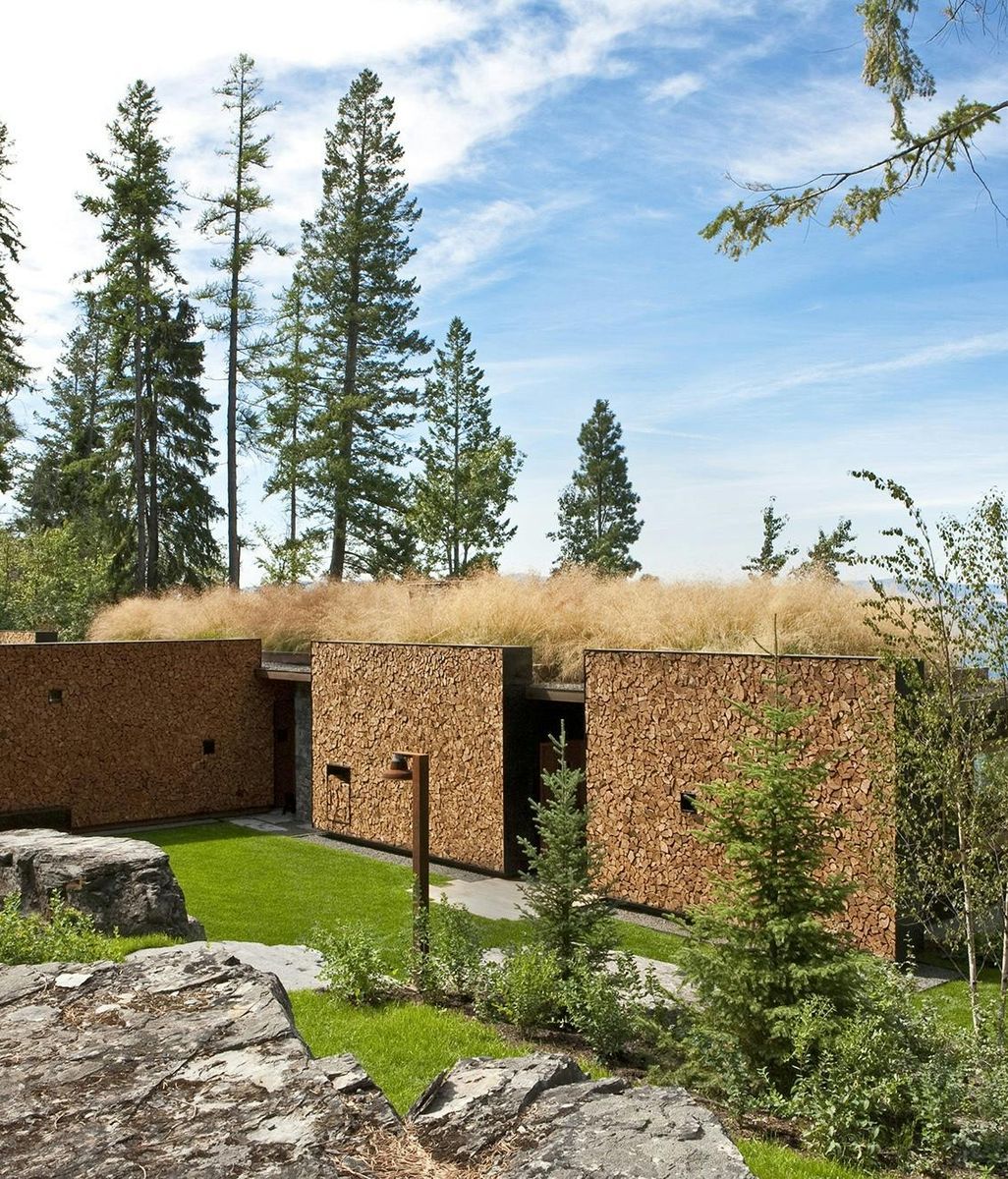
Off Grid House | Archier
Getting the Timing Right
Most problems in building aren’t design failures or budget blow-outs; they’re timing issues.
“The earlier we’re all in the room, builder, architect, designer, the smoother it runs,” says Chels Barlow. “Everyone’s reading the same plan from day one.”
Josh Fitzgerald agrees. “The old model was to design, document, and only then find out the cost at tender,” he says. “That’s the worst way to do it. We now bring a builder in at concept stage so we’re making smart decisions before drawings harden.”
For Sam Barlow, that openness saves real money. “We’ve been handed plans that are fifty or a hundred percent over the client’s original budget,” he says. “If we’re there early, we can be honest about what’s achievable. That first conversation saves a lot of stress later.”
Deco House by Cera Stribley
Seeing What Others Can’t Yet See
Understanding how a space will feel before it exists is where professional experience quietly pays for itself. Every choice on paper carries forward into structure, light, and use and reading that chain of cause and effect takes practice.
Josh describes it as pattern recognition. “Every detail now affects something twenty steps later.”
Imogene says that same experience helps clients visualise what can’t yet be seen. “We’re all trained to think three-dimensionally, which we don’t expect our clients to be able to do,” she explains. “It’s part of what we do every day. We can start to understand how a space might unfold and how different conditions will impact different decisions, be it ceilings or openings or even just how you functionally operate in that space.”
For Sam, that translation happens on site. “Plans are full of markings that make perfect sense to us but mean nothing to most clients,” he says. “We’ll walk them through another build so they can see what those lines really mean.”
Together, their perspectives describe a kind of shared literacy - one learned over hundreds of projects - that lets professionals see beyond drawings and anticipate how a home will actually live.
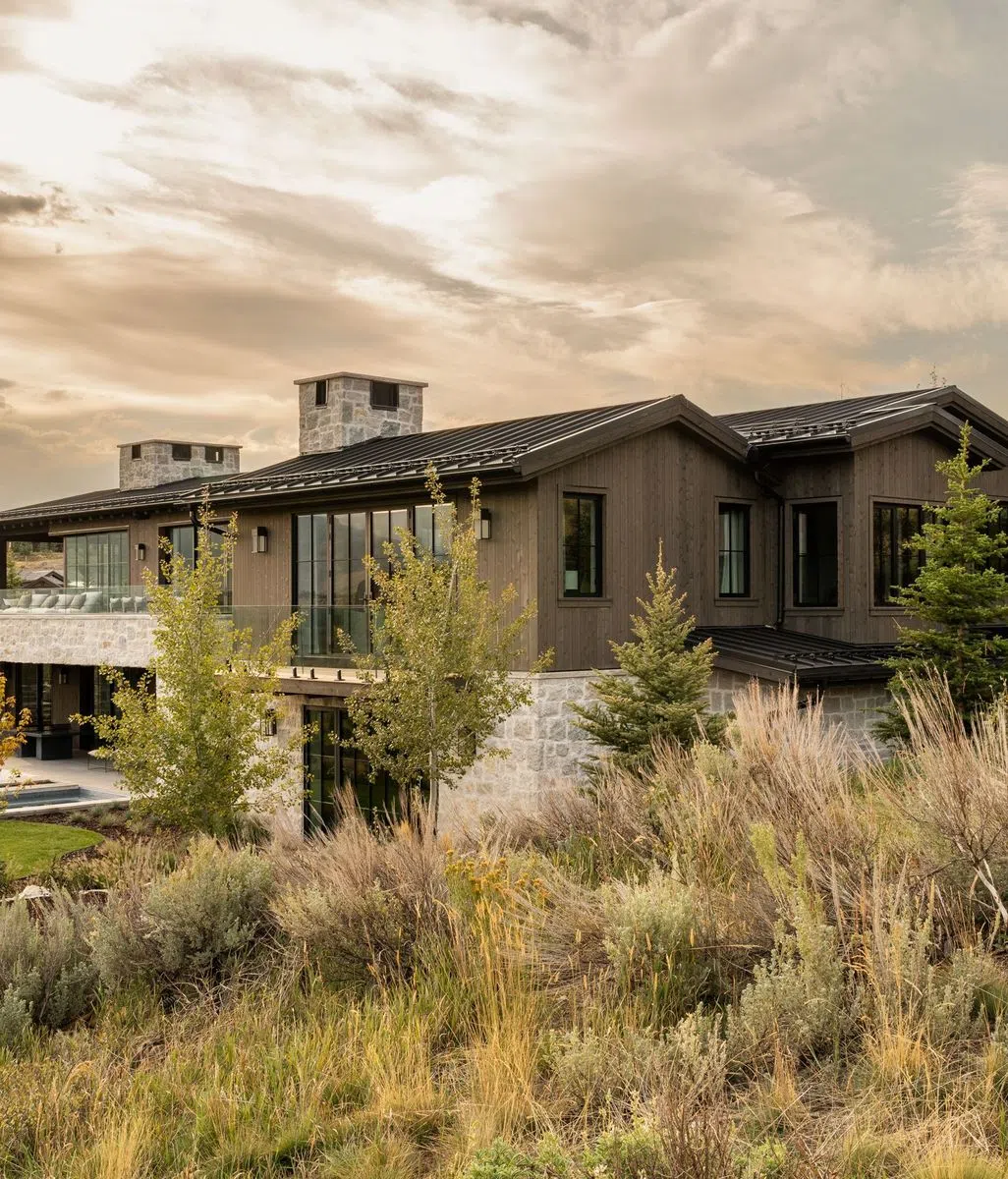
Zarma by Barlow
Zarma by Barlow
Turning Cost into Value
Every profession on a project measures value differently, but all agree that foresight turns cost into clarity.
That transparency, Josh says, is a shift from old architectural models. “It used to be that you only found out the cost at the end, at tender,” he explains. “But that’s the worst way to approach it. Now we’ll bring a builder in at concept stage. It’s not just about how it’s built, but how much it will cost.”
Having the full team involved from the start means budget and design evolve together, not in competition. “It can be scary for clients to talk about their budget upfront,” says Sam. “But if you find the right builder, they’ll want to make sure you can actually build the home you’re envisioning, not spend months designing something you can’t afford.”
Imogene agrees that professional input early in the process saves both cost and compromise later. “The earlier you get a professional involved, the less cosmetic their input is,” she says. “That’s when the ideas about how you’ll live, how spaces connect, how lighting or joinery will function, can be properly integrated. That’s where the value really sits.”
Clear communication underpins that process. For all three, foresight is inseparable from documentation - good drawings and honest dialogue protect a project from the drift between design intent and construction reality.
Zarma by Barlow
Spend Where It Shows, Save Where It Hurts Least
When every decision has a price tag, knowing where to spend and where to hold back becomes a form of design intelligence.
Chels says lighting is one of the easiest ways to get it wrong. “If you leave it to the electrician, you’ll end up with a grid of downlights,” she says. “Think about how you’ll live, where you’ll read, sit, cook, and gather. A lighting plan done properly changes everything.”
For Josh, value lies in performance over polish. “Insulation and glazing don’t sound glamorous,” he says, “but they make a home feel right. A couple of thousand dollars there saves you from living in a house that’s hot, cold or damp forever.”
Imogene focuses on what she calls the “touchpoints”, the things you interact with every day. “It’s your tapware, appliances, door handles, benchtops, the surfaces you touch constantly,” she says. “Those are where quality lives. They don’t have to be extravagant, but they should feel right.”
All agree that restraint can be as powerful as indulgence. As Josh notes, the best results come from favouring quality over quantity, not in finishes but in square metres. “If you have a smaller footprint, you can have more glass and the room will actually feel bigger and better,” he says.
And when budgets tighten, Chels adds, it’s better to stage than to compromise. “Complete one zone properly, then move to the next when you can. Don’t live in a half-finished house forever.”
Deco House by Cera Stribley
The Quiet Dividend
For architects, designers and builders alike, foresight isn’t instinct; it’s the product of experience shared early. When professionals challenge and inform each other from the start, every decision carries more intelligence forward.
Imogene calls it “the difference between cosmetic and considered.” Josh sees it in coordination, “making smart decisions before drawings harden.” For Sam and Chels, it’s about translation, making sure what’s designed is actually what gets built.
That shared foresight doesn’t make a home cost less, but it makes every dollar work harder. It’s the quiet dividend of collaboration - the difference between a project that simply meets expectations and one that feels right from the moment you walk through the door.