The psychology of space: Designing for how we actually live

Written by

12 February 2026

 • 

4 min read

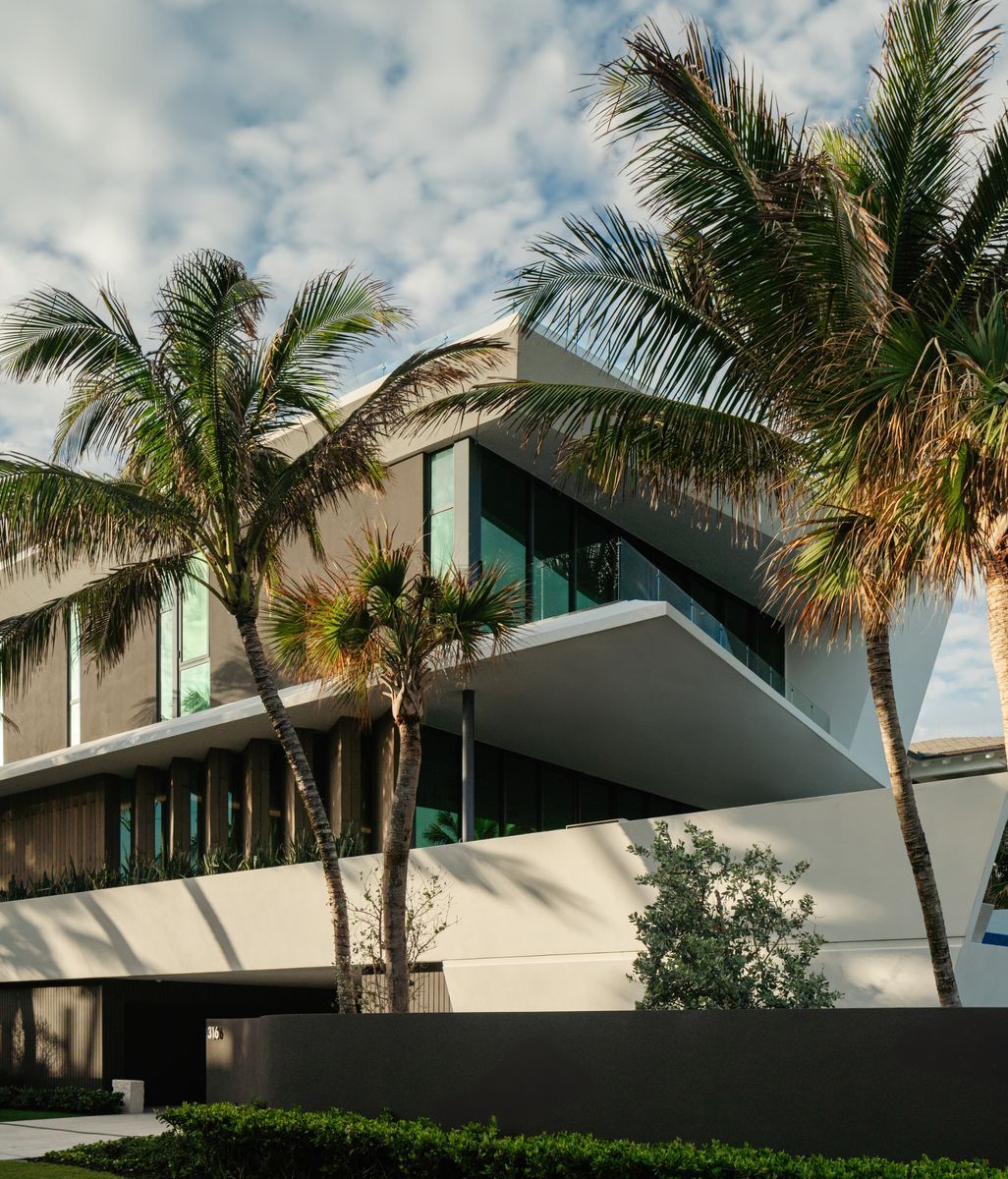
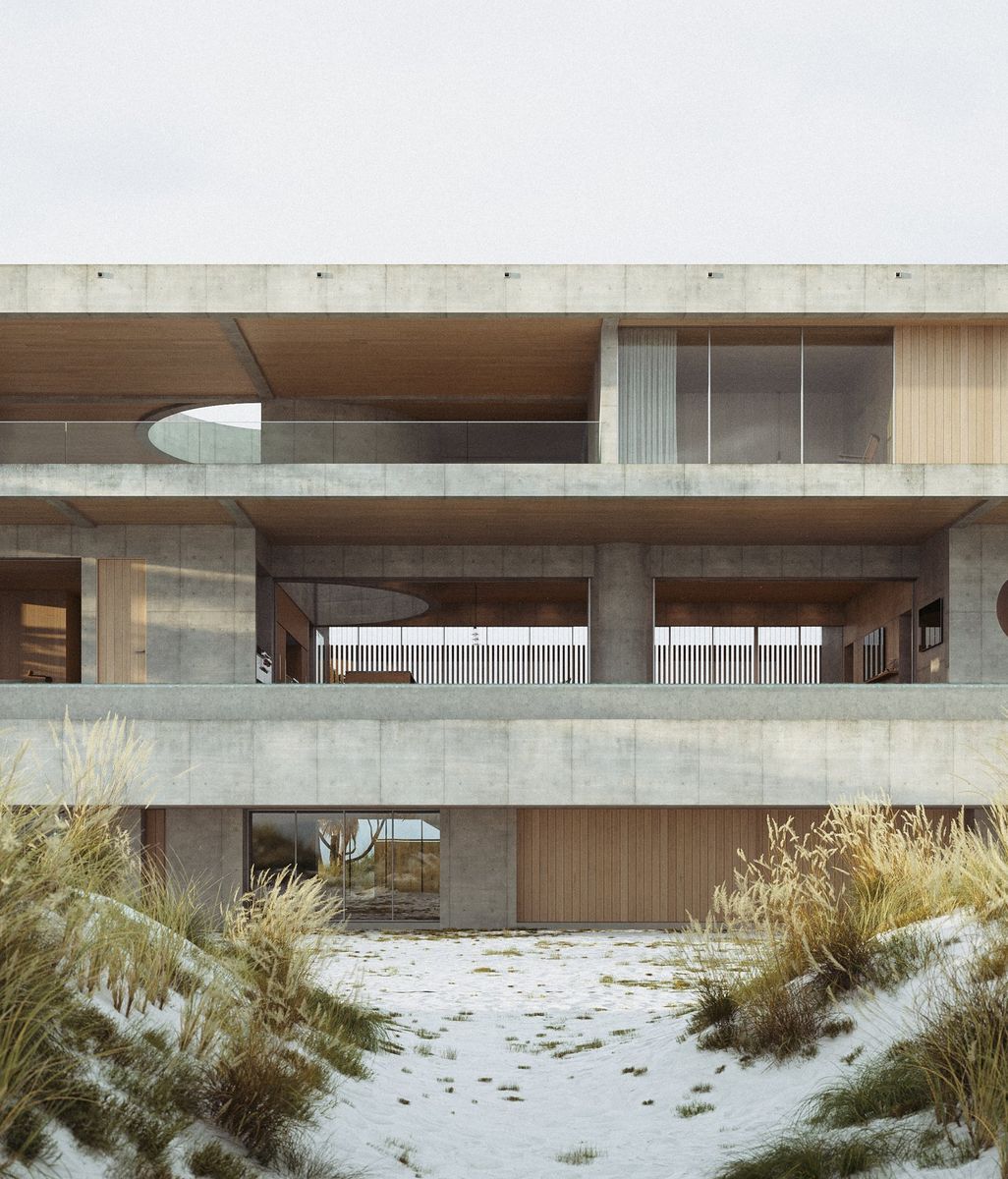
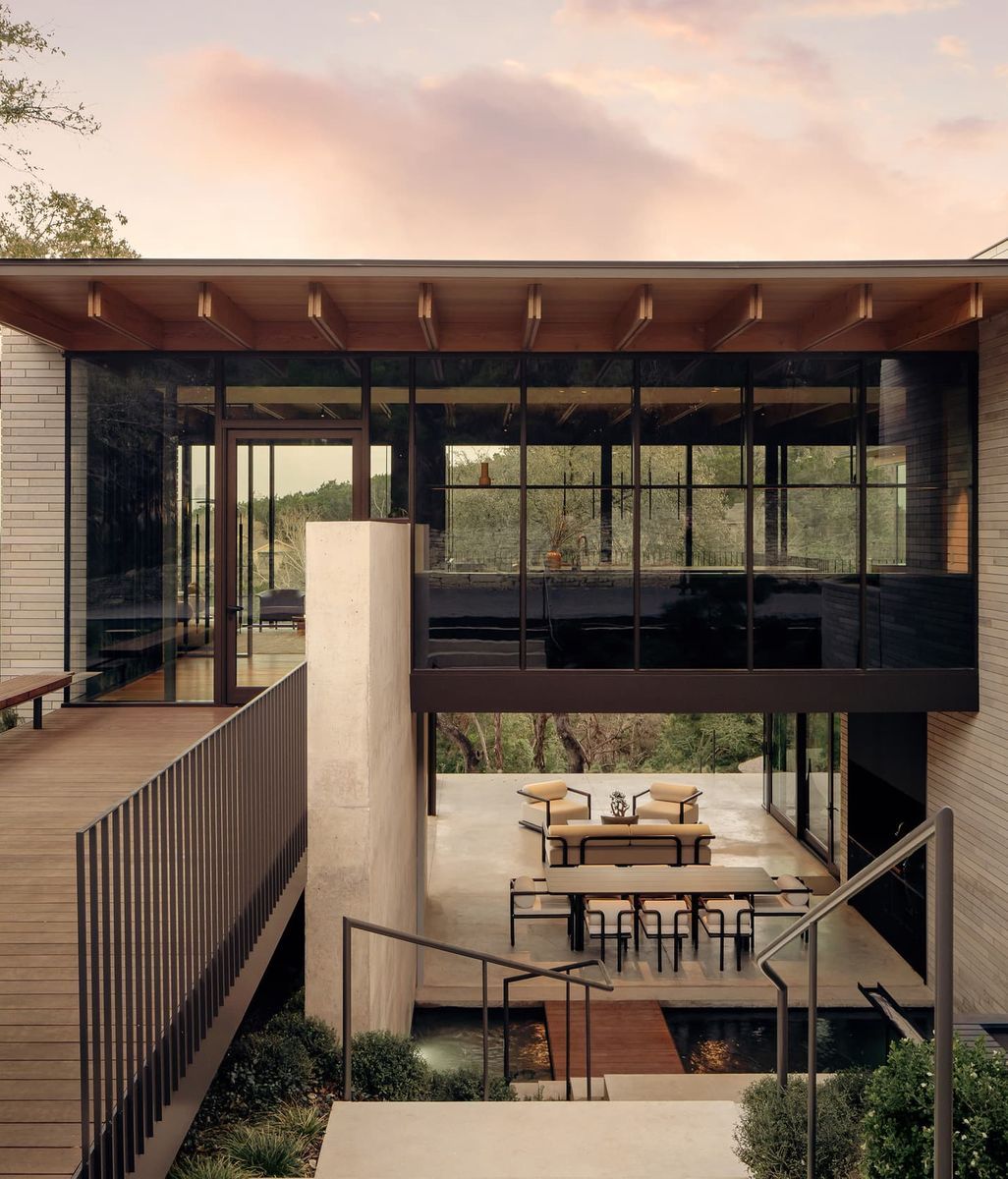
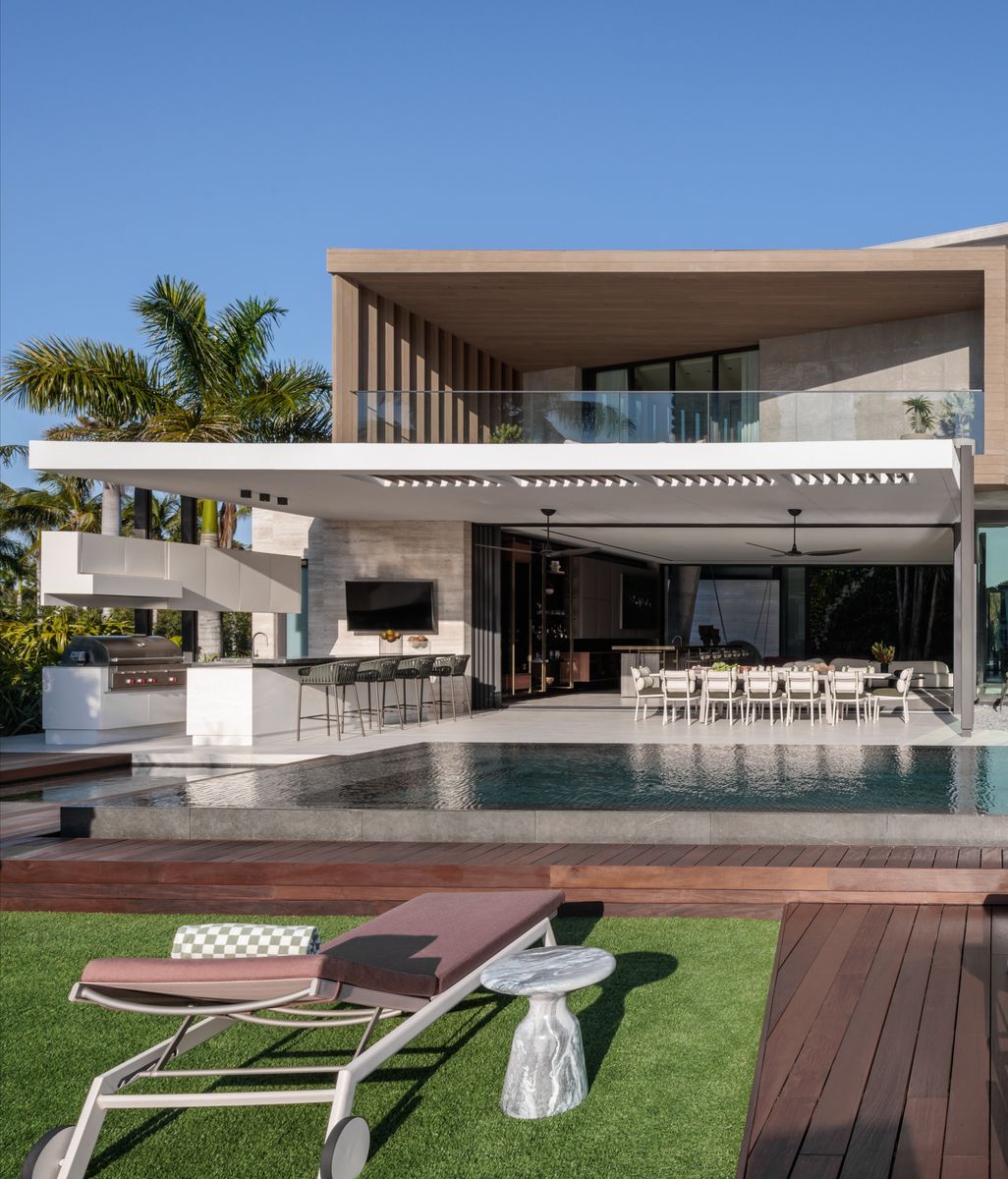
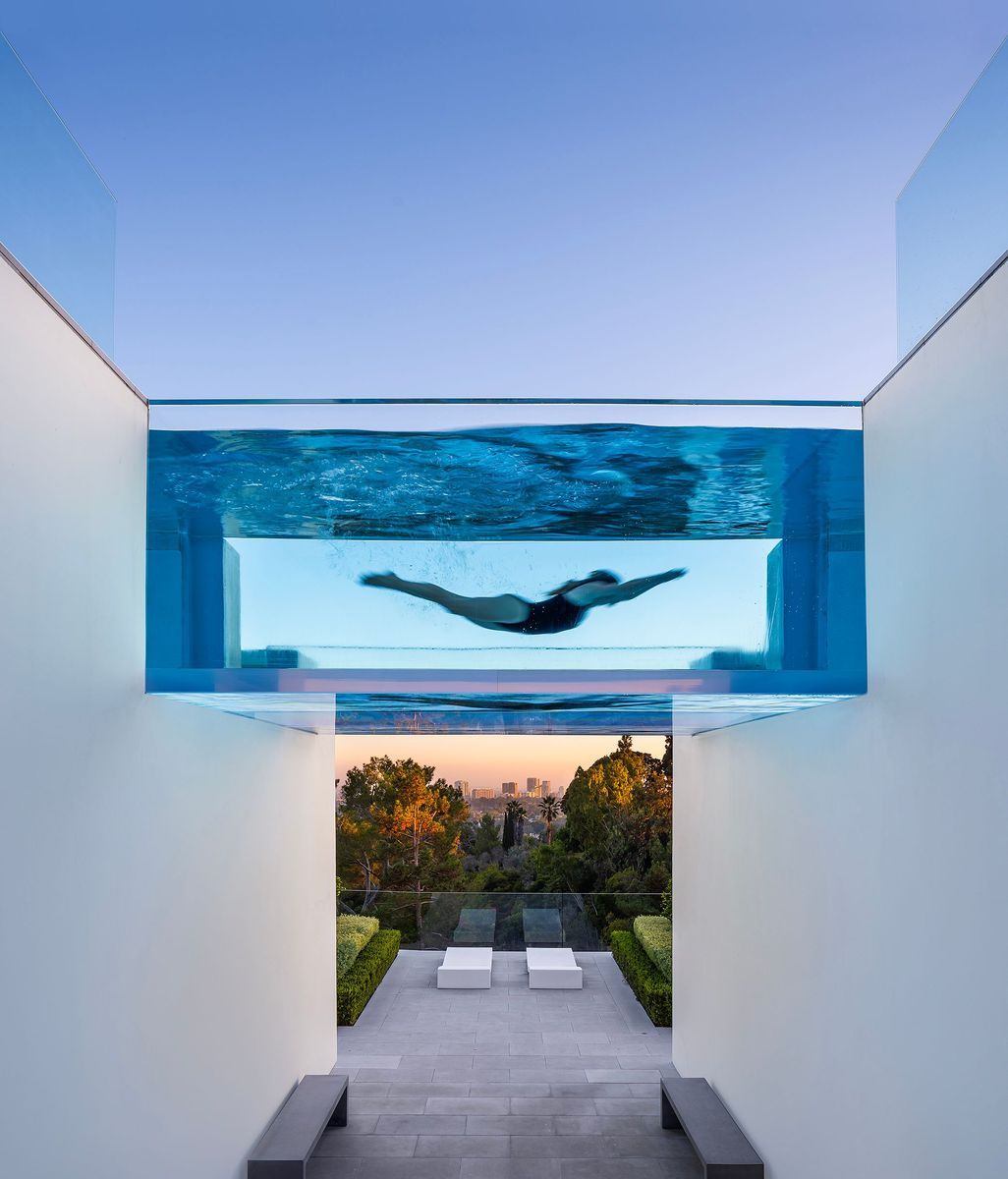
Horizon House by Rama Architects.
Good architecture doesn’t just shape space, it shapes how we feel within it.
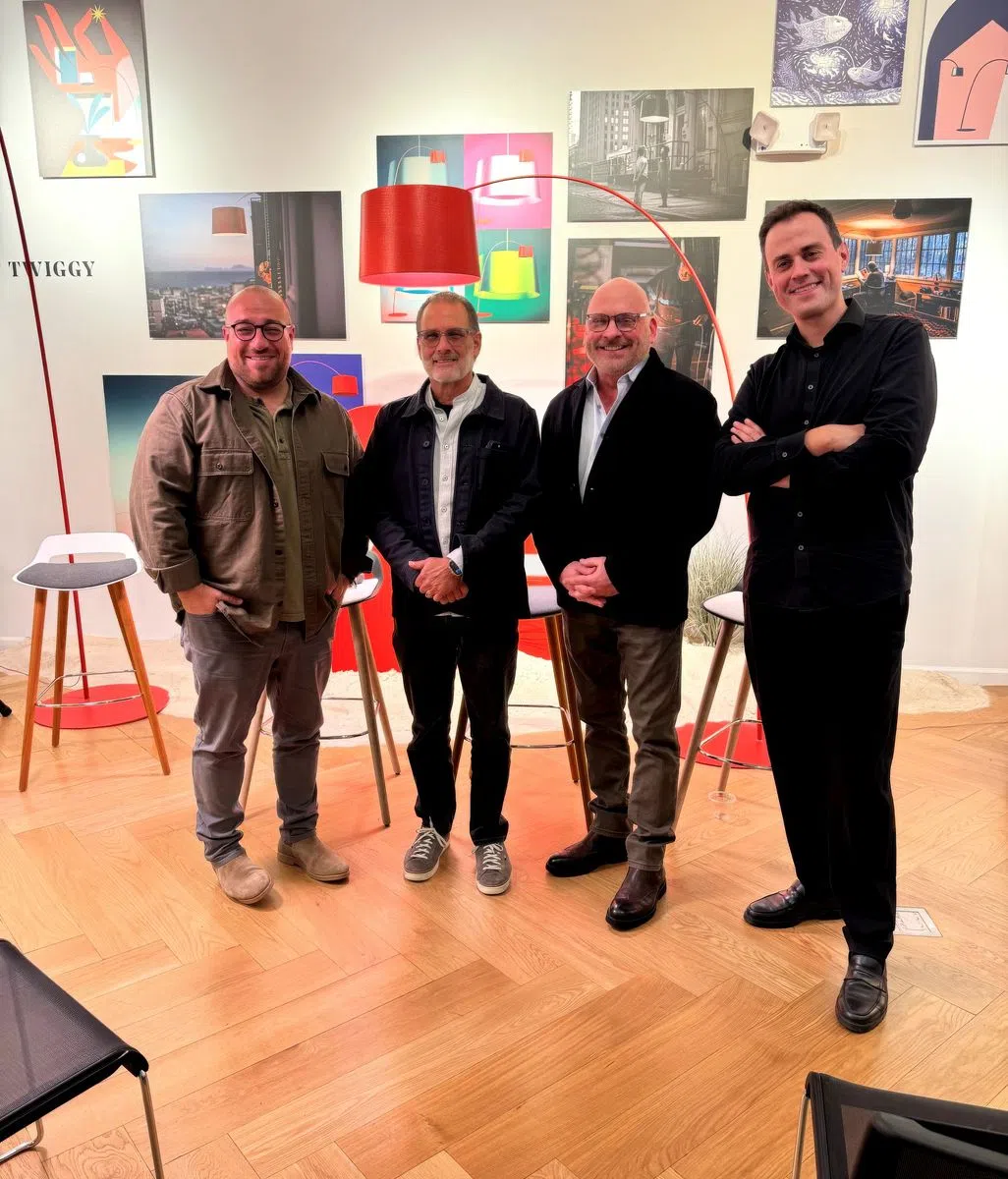
Architect Thomas Martin.

Architecture is often discussed in terms of form, aesthetics and materials, but beneath the clean lines and carefully resolved details is something far more visceral: How a space makes us feel. How it slows us down, wakes us up, invites connection or offers retreat. For architect Thomas Martin of Rama Architects, this psychological layer isn’t an abstract add-on, it’s embedded in every decision, from the moment you step through the front door to how a building is allowed to age over time. Here, Martin shares five ways to design for wellbeing. 


1. Create a pause at the entry


The starting point to successful spatial psychology, Thomas believes, begins at the entry to the home. 

“The flow or the journey from walking through the front door is very important,” he shares. “That moment when you walk in the entry way, maybe through a mud room before you enter a corridor, allows you that moment of pause to collect yourself before you journey through that space and into the large volume. I think that is always a very powerful moment in architecture.”

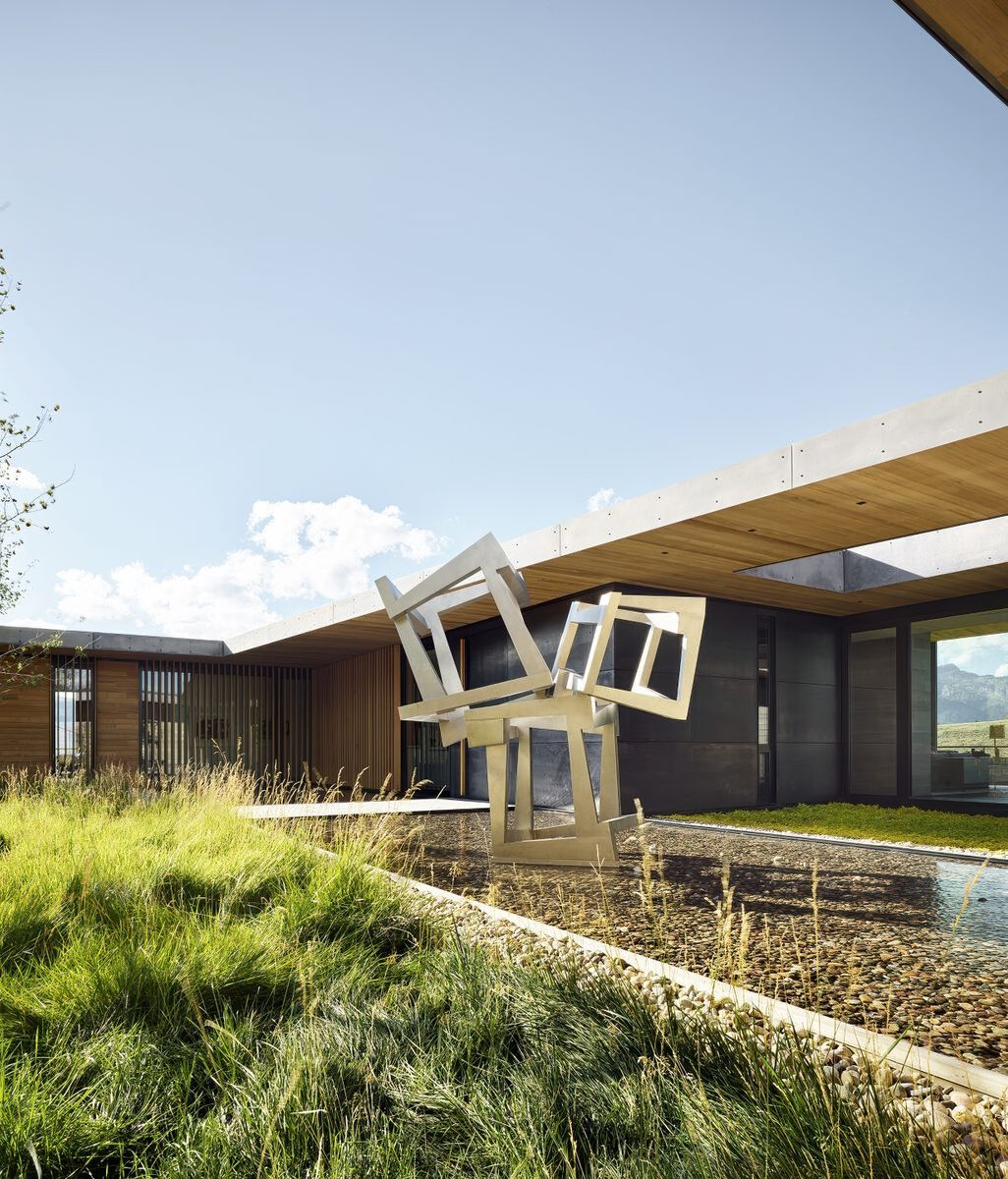
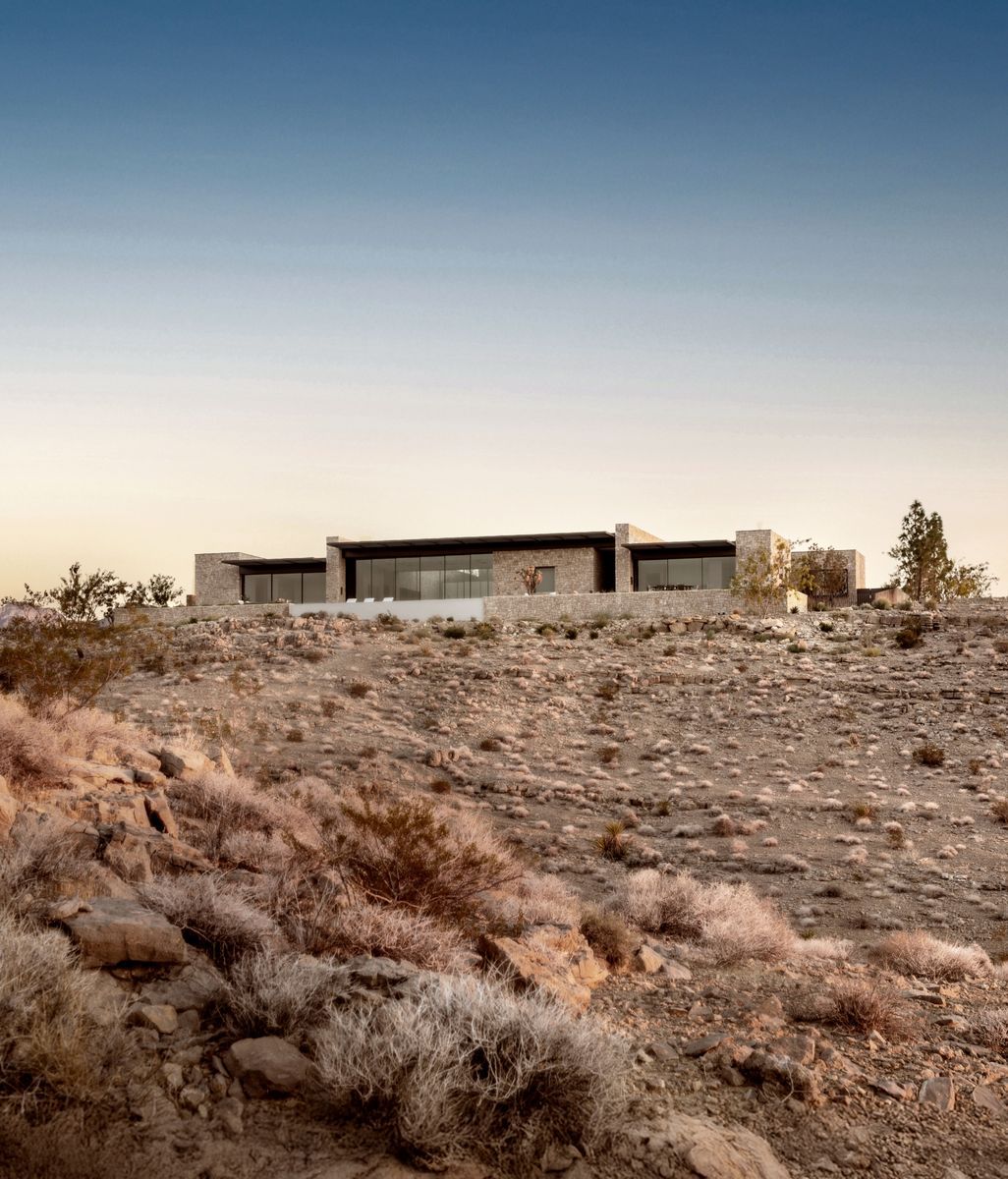
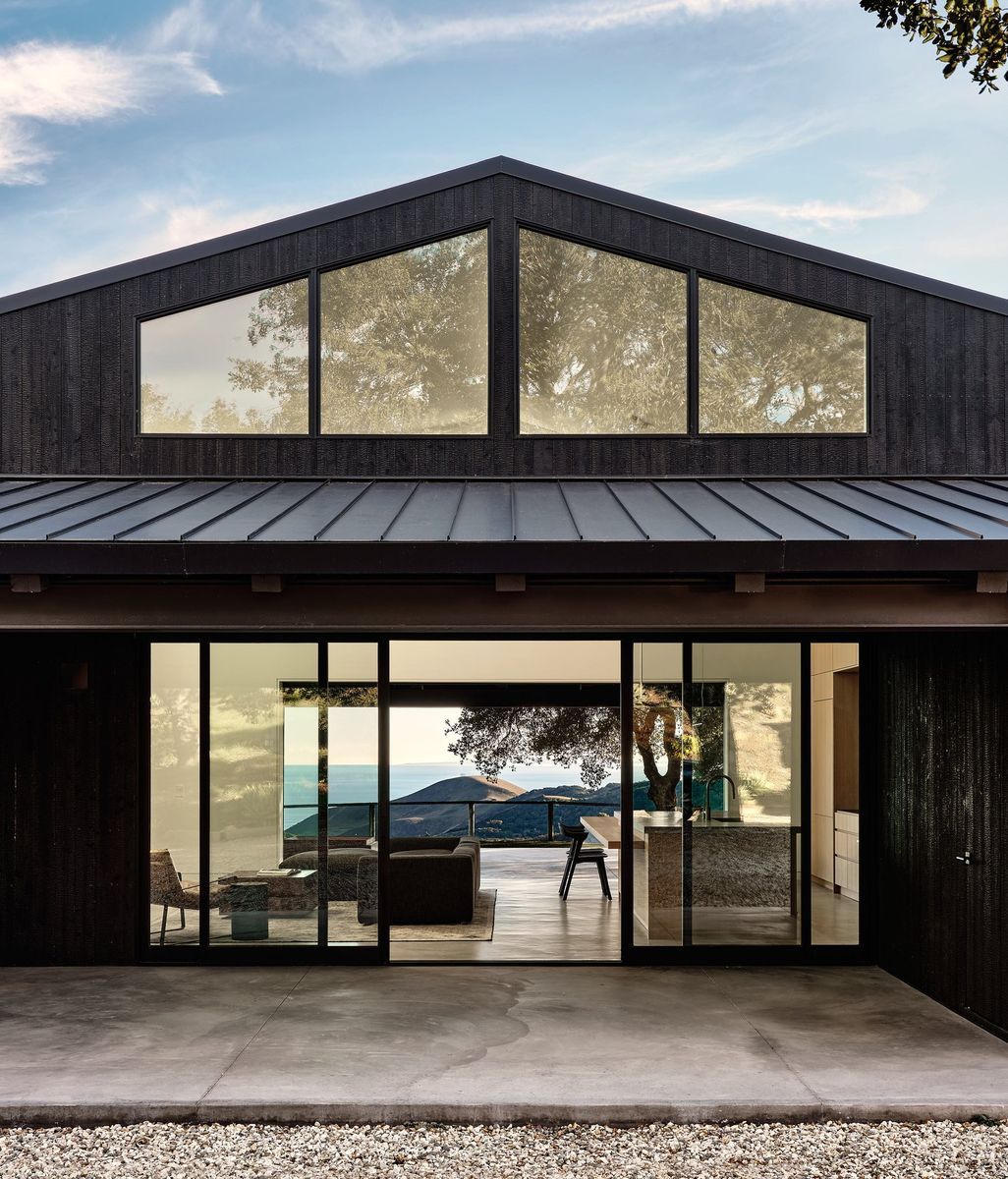
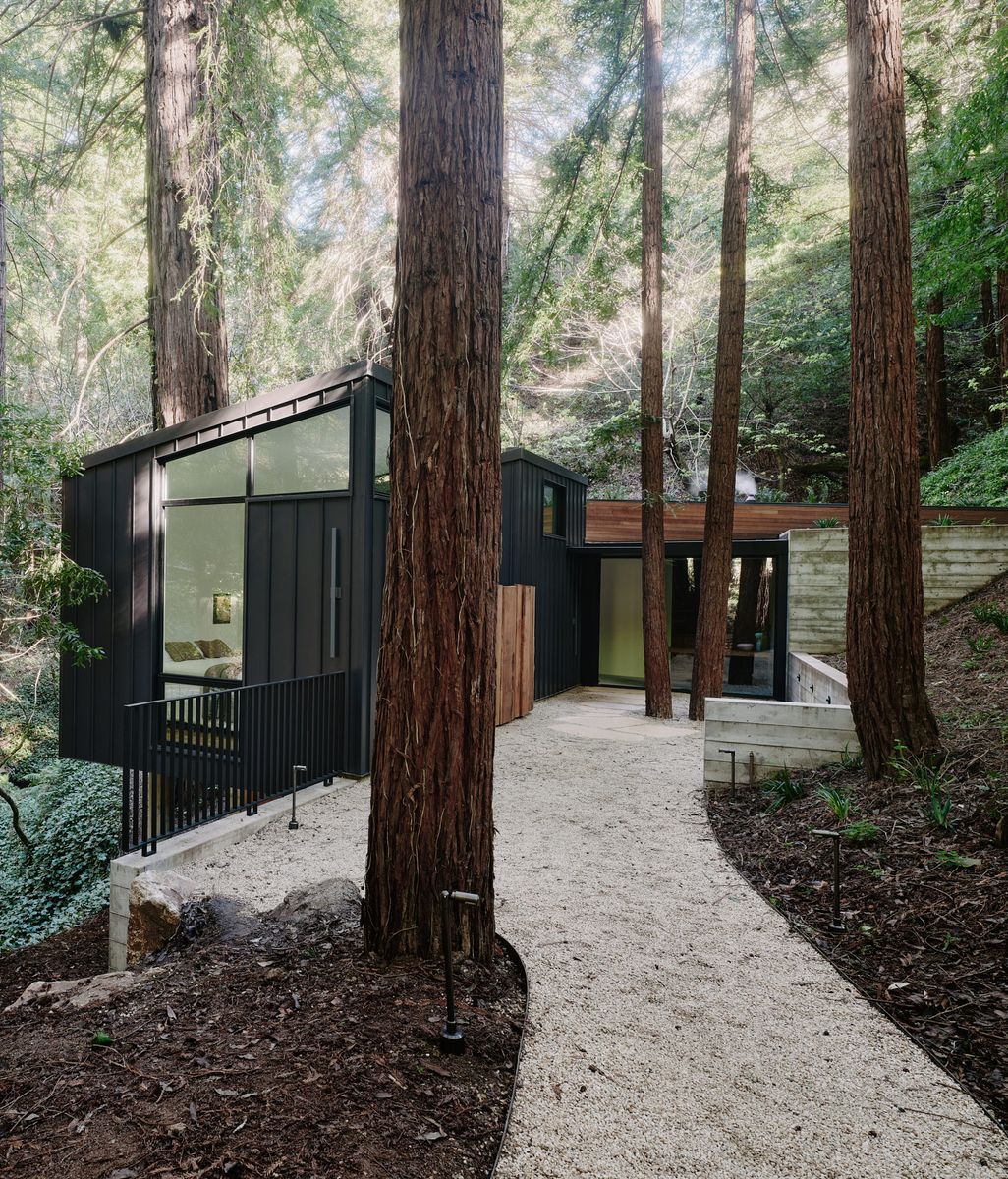
Back-to-front House by Rama Architects.

2. The kitchen at the head of the hierarchy


From there, a careful choreography between the kitchen, dining and living spaces is key to the experience of the home. Thomas believes the social heart of the home should be a central focal point, reinforcing everyday rituals of togetherness. 

“As Australians, we always like to sit around the kitchen. We have one person cooking and the other people, whether it's family, whether it's friends, sitting around and communicating as one cooks, so a celebration of the kitchen space is always really important.” 

3. Connection to the outdoors is essential


Within these shared spaces, as well as the more private spaces, connection to the landscape should be at the forefront of design thinking.  

“From a psychology point of view, you have to have that connection to outdoors for your general health,” shares Thomas. “It’s powerful because we have such beautiful landscapes around us and to walk into a house and feel a sense of space, and have that connection to what’s beyond, is what makes Australian architecture powerful.”

Designing internal courtyards into the very centre of the home is a design move that can be effective even in homes where there isn’t a garden or a view, he shares. 

“We’re currently working on a terrace house where we have created a large external courtyard in the centre of the building to get the outdoors into the heart of the building,” Thomas shares. “It’s a great way to bring both light in and a connection with nature.”

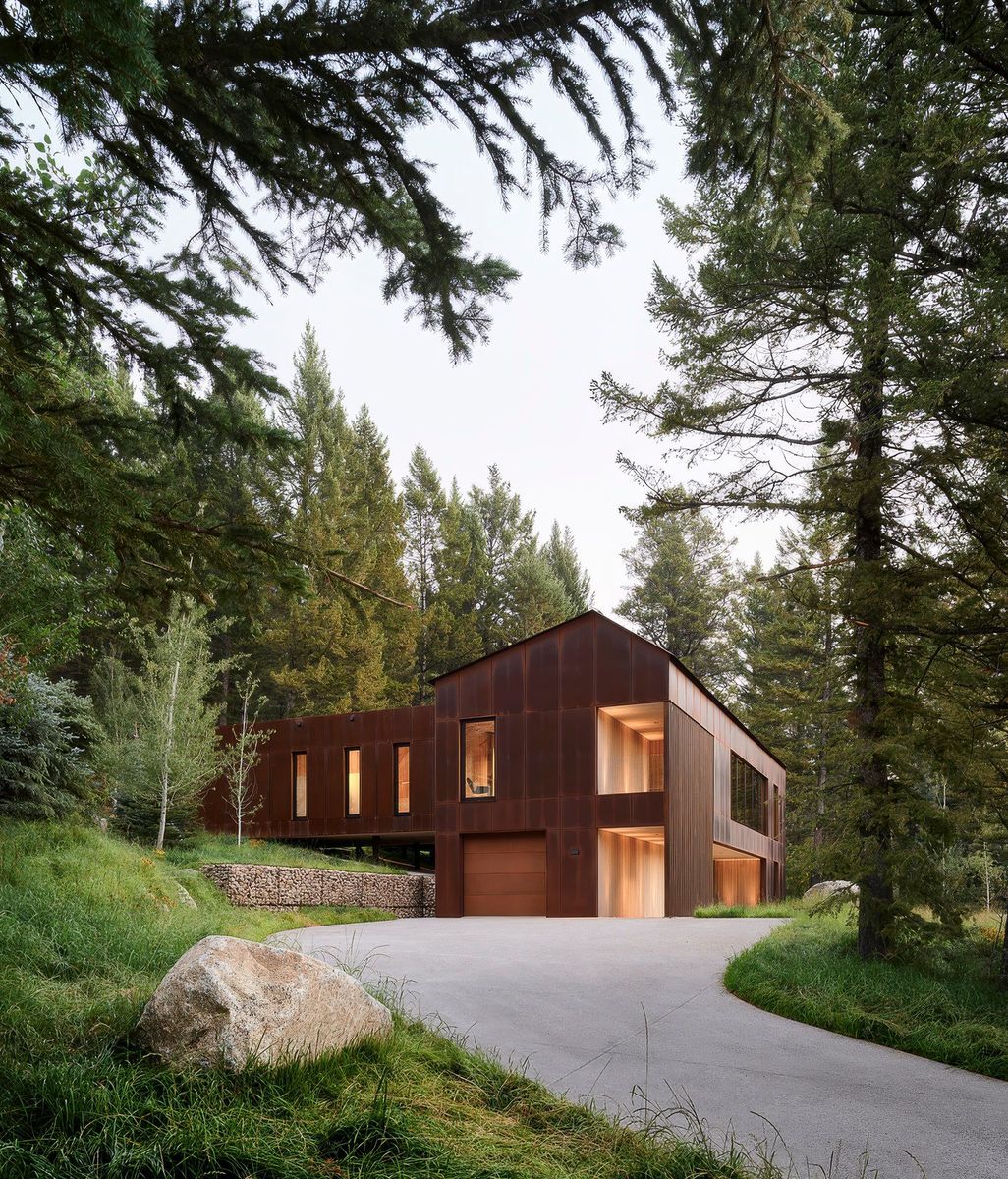
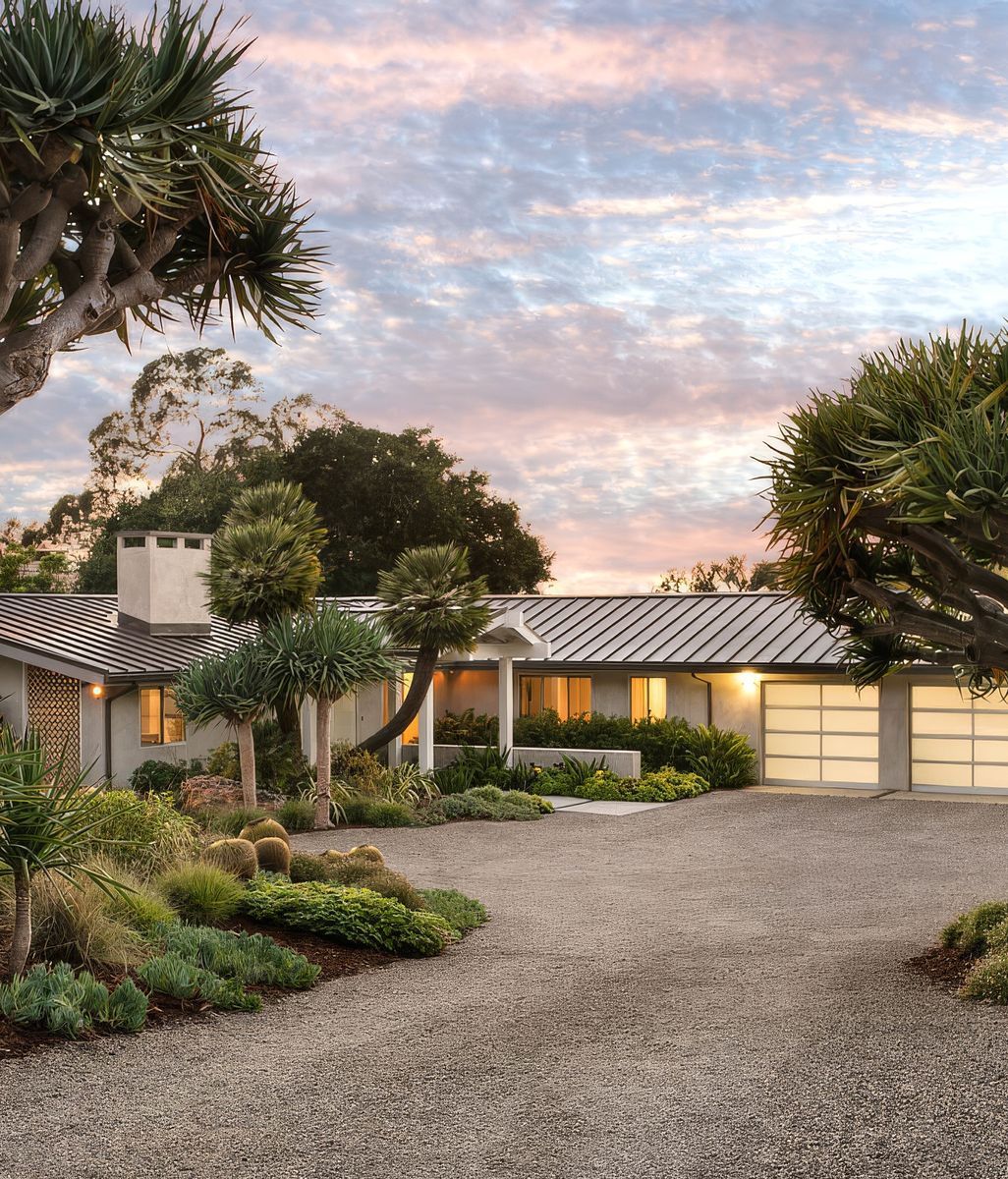
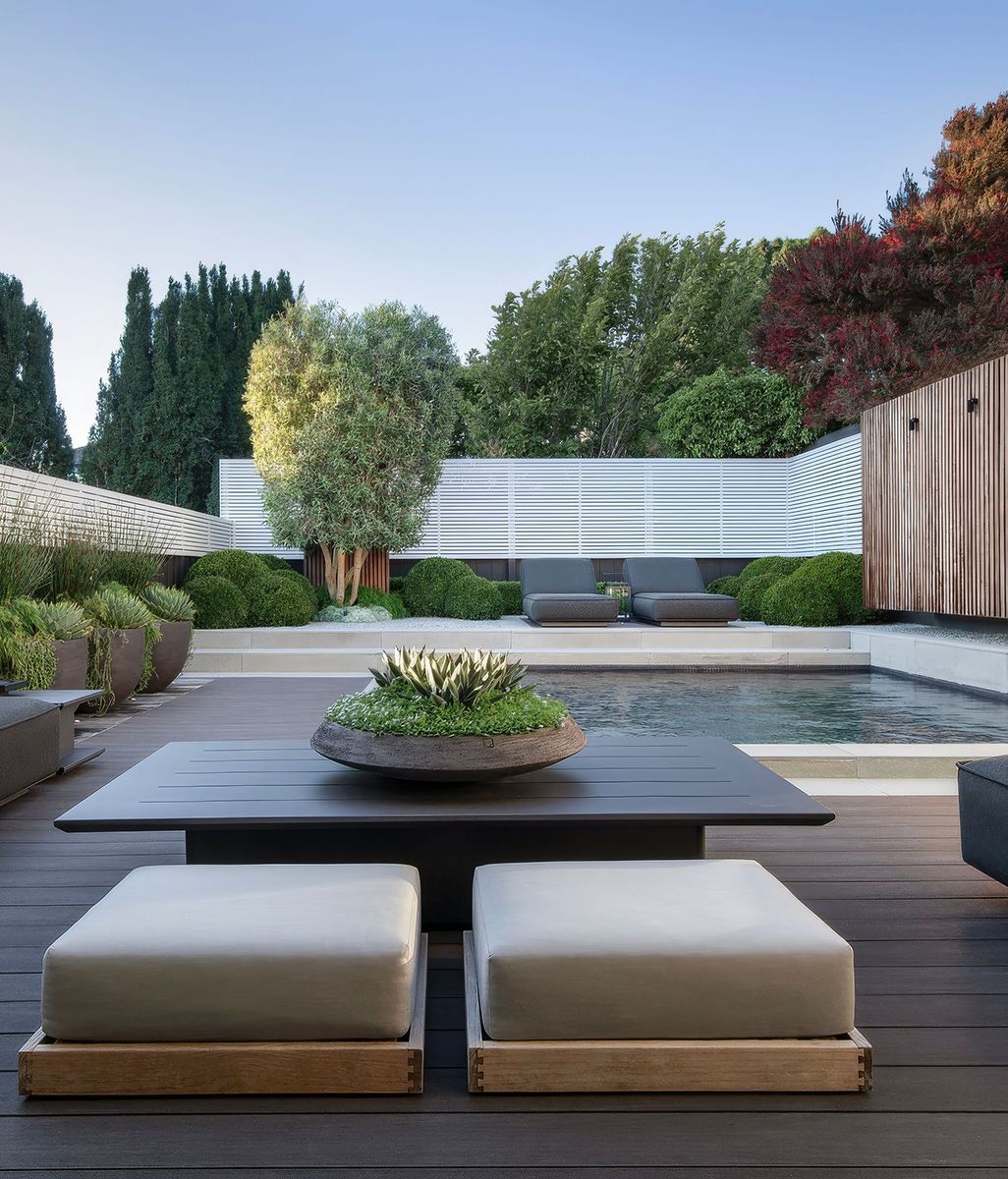
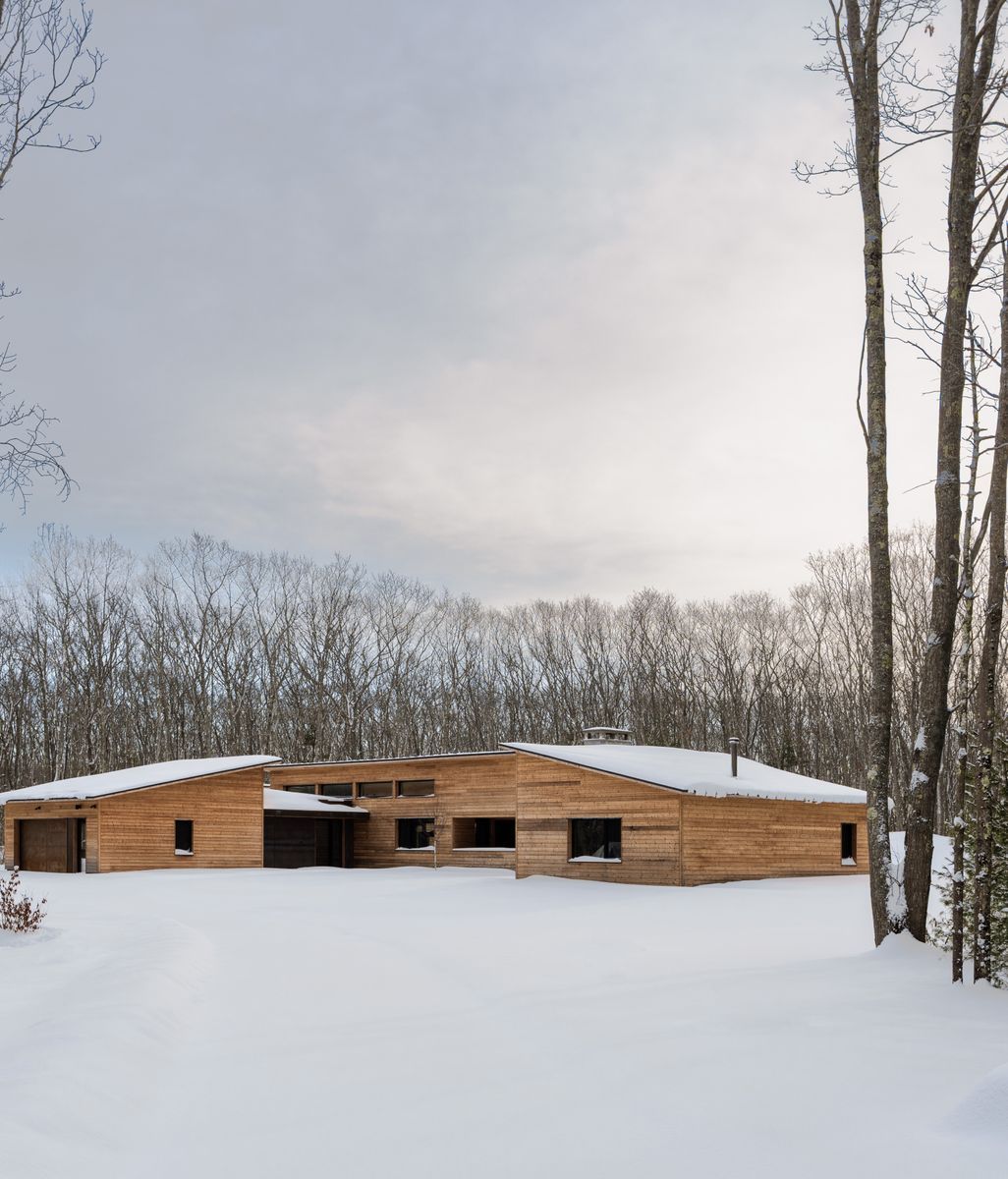
Bow-tie Cliff House by Rama Architects.

4. Orientate for light


Orientation, Thomas says, is one of the most underestimated psychological tools in residential design. Early in Rama’s pre-concept stage of the process, clients are asked a deceptively simple question: Are you a morning person?

“I love waking up to natural light,” he says. “I don’t like waking up with a curtain drawn.” 

Positioning bedrooms to capture morning sun isn’t just poetic, it actively shapes daily rhythms, energy levels and long-term health.

In spatial layouts, this often means locating service spaces (for example, bathrooms, laundries, and powder rooms) in areas where there isn’t much natural light, so that living spaces and bedrooms can take priority. 


5. Choose only 3 materials


When it comes to materiality, Rama Architects favour simplicity: one or two primary materials, with a third complementary material. Whether rendered walls with terracotta roofs or rustic timber against stone, the guiding principle is clarity. 

“You really don’t want to overdo it,” Thomas says. “Too many colours or materials can overwhelm.”

Natural materials dominate the palette: timber, stone, metal. Not polished to perfection, but chosen for their ability to age. 

“We love materials that patina and get character as time goes on,” Thomas explains. “Letting a building move and even crack naturally can be scary, but we love that.” 

In coastal projects, metal cladding is allowed to dull, soften and spot with rust; timber is left to grey and weather. The building becomes less static, more alive.

This ageing process, Thomas believes, has a profound psychological effect. “It’s almost like the building is a living thing,” he says. “We all get grey, we allget wrinkles, and to see buildings do that too is powerful.” 

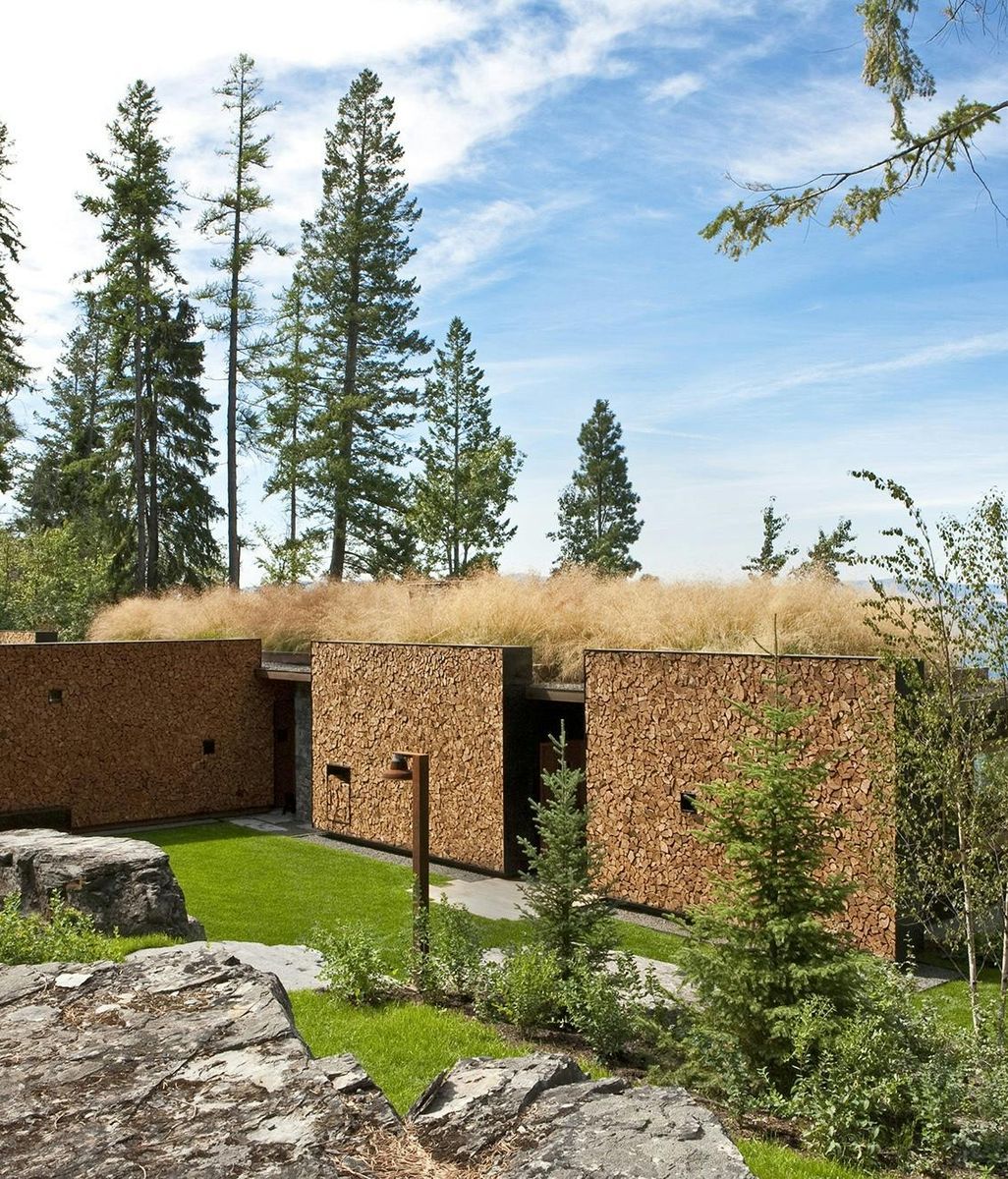
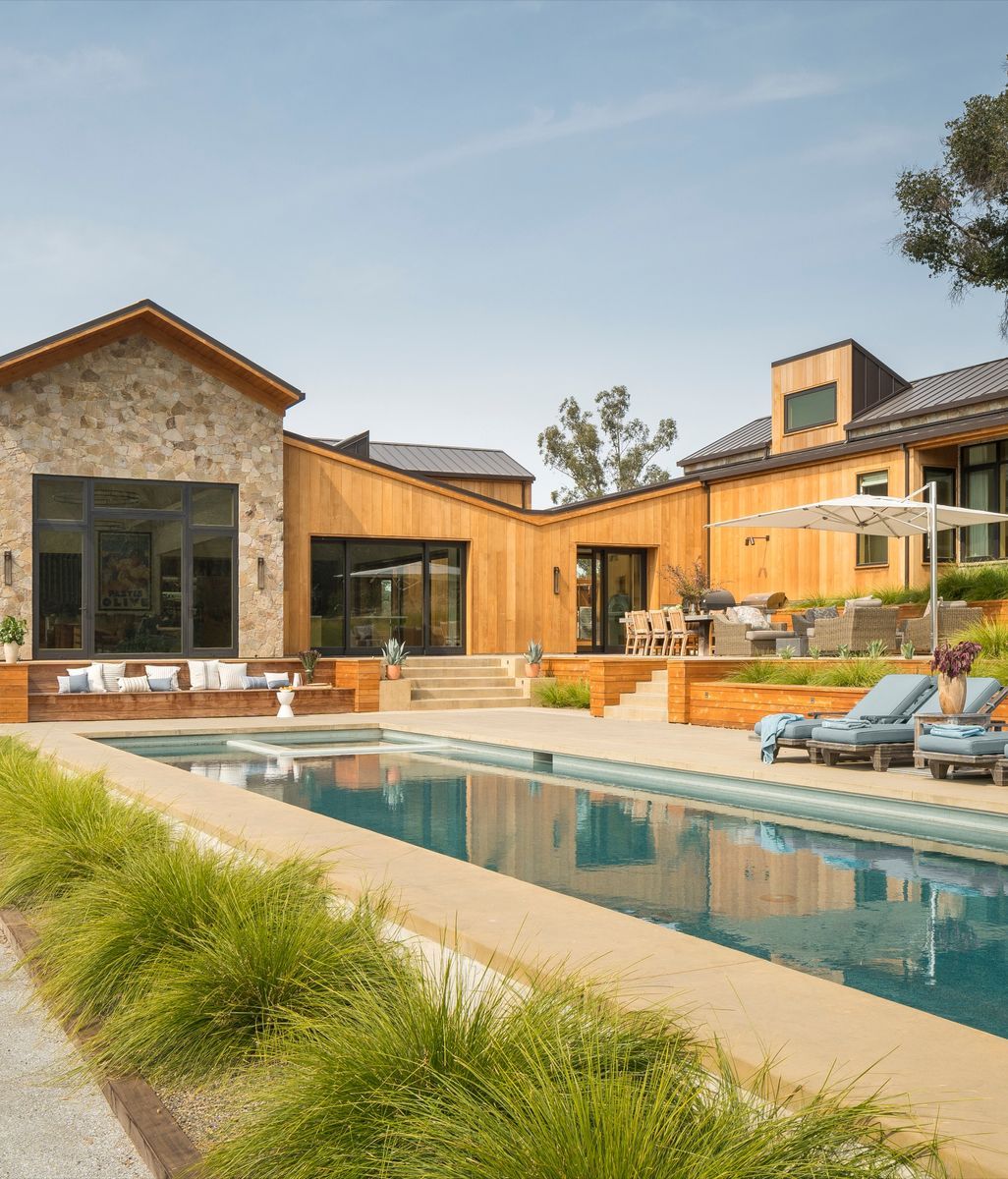
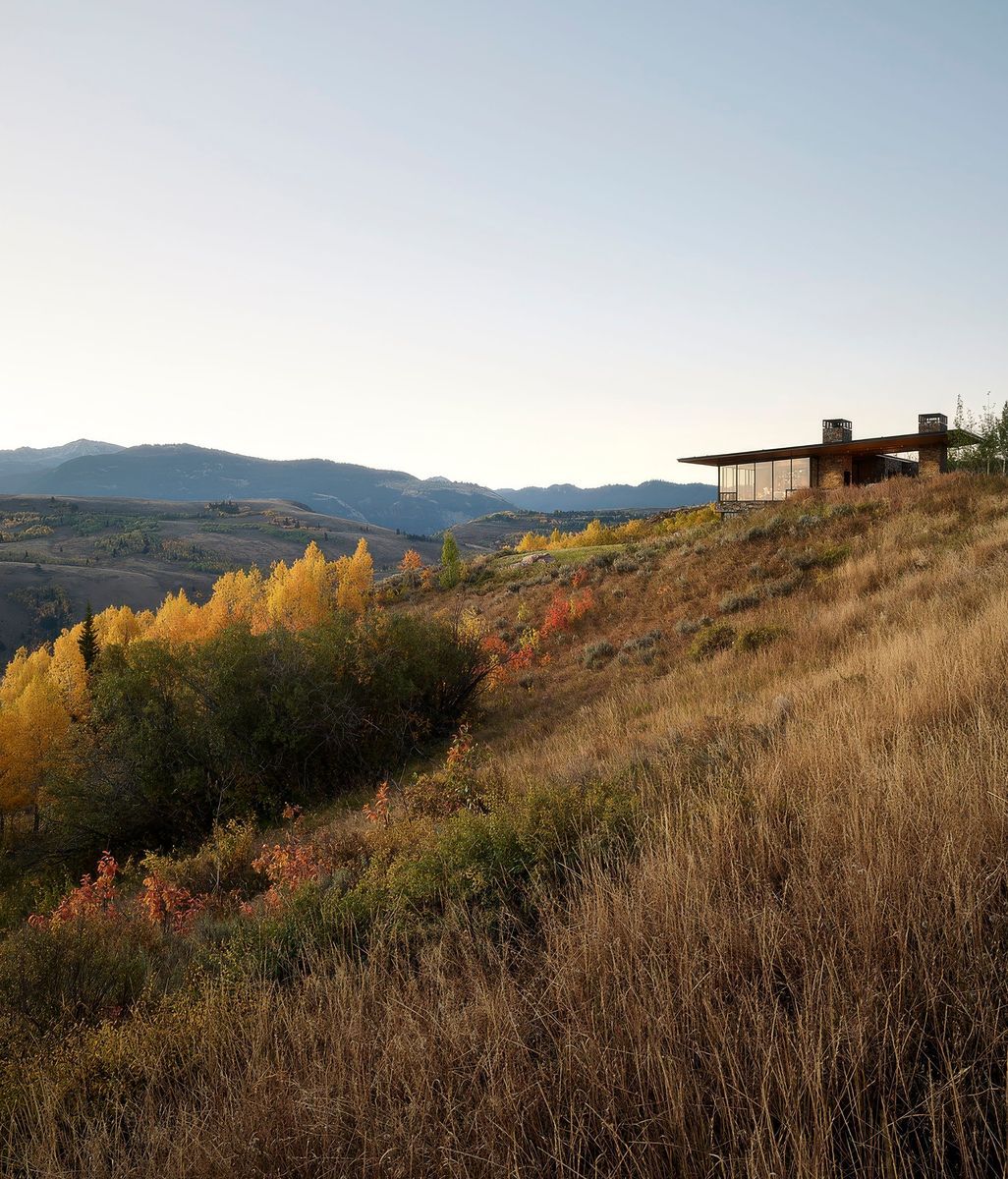
Whale Beach House by Rama Architects.