The Image vs. Reality Complex
In our design practice, we prioritize critical engagement with the built environment not only through the creation of physical spaces, but through the investigation of their social-emotional impacts— both in theory and tangibly.
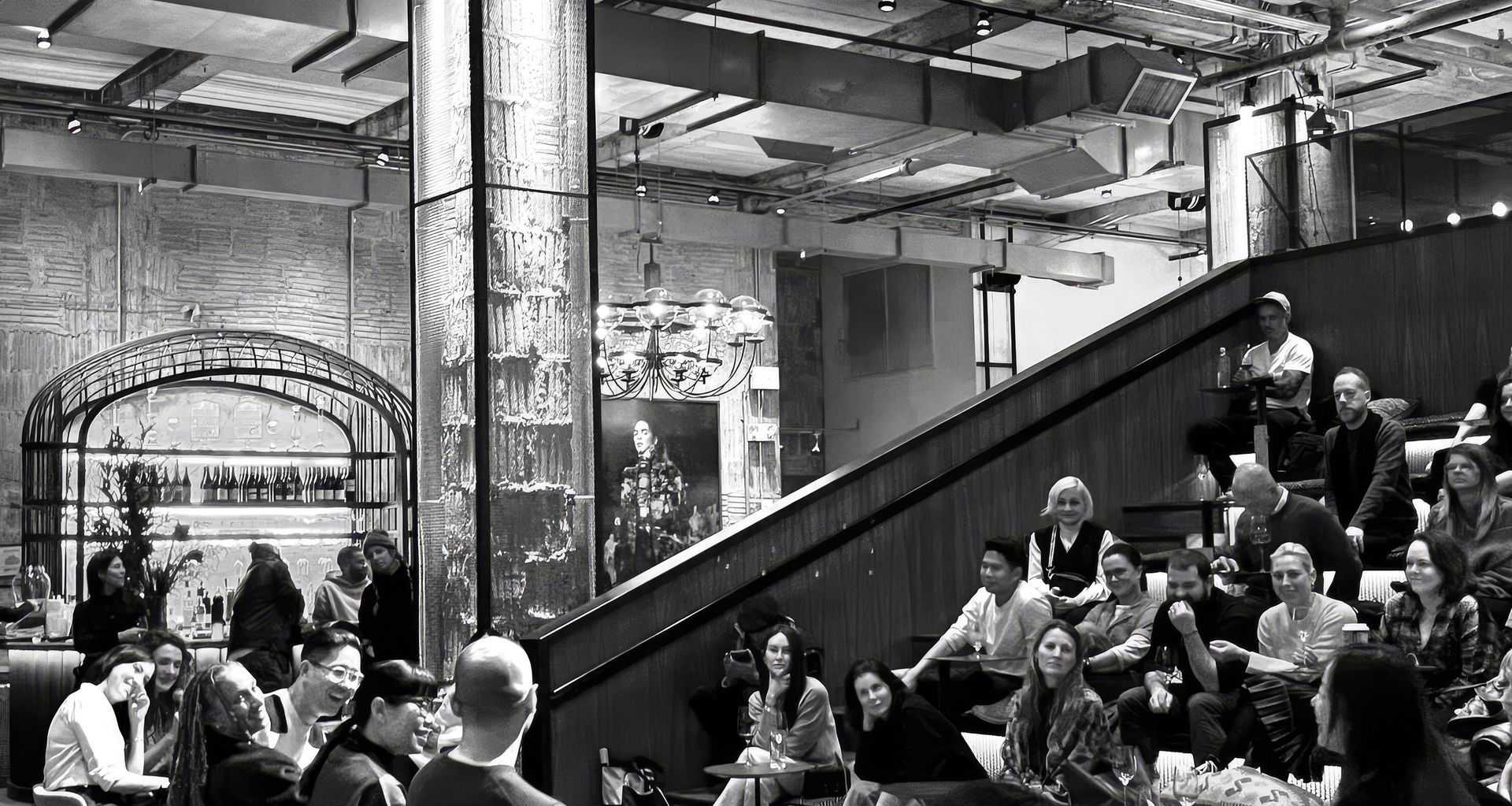
In our first live-format Field Notes, we invited design industry cohorts whose work and perspectives we admired into conversation to observe and explore the built environment alongside us. Hosted by NeueHouse in NYC, we took a collective look at how, in today’s image-based culture, architecture and design have become increasingly diluted. We have witnessed the proliferation and ubiquity of “the image” as it teeters between a tool used within the industry, to that of over-saturation.
The rise of internet based photo sharing throttles designers into a disheartening and uninspiring closed-loop circuit of image-based inspiration exchange, at times alienating designers from clients who want their spaces to reflect status, or the most clicked trend, while designers remain emotionally disconnected and at the mercy of the fast paced, over shared media economy.
Yet at the same time, the image’s role within our industry is key: many practices depend on it, both for inspiration and sourcing, as well as for marketing finished projects and connecting with new clients.
How present is this sense of alienation? How may it be inhibiting valuable emotional connections between designers and clients, or designers and the public? More pertinently, between designers and their requirement to address the core needs of comfort, care, security, safety, and long term sustainability that design should provide? And how are designers responding to these tensions? How are industry leaders maneuvering the role of the image toward its healthy, productive utility? What is today’s design image saying, doing – or even being?
Together, we unpacked the value of design within and beyond the image, from lots of different angles and with lots of different nuances. Read on for some of the highlights of our conversation.
Design vs Curated Idealism
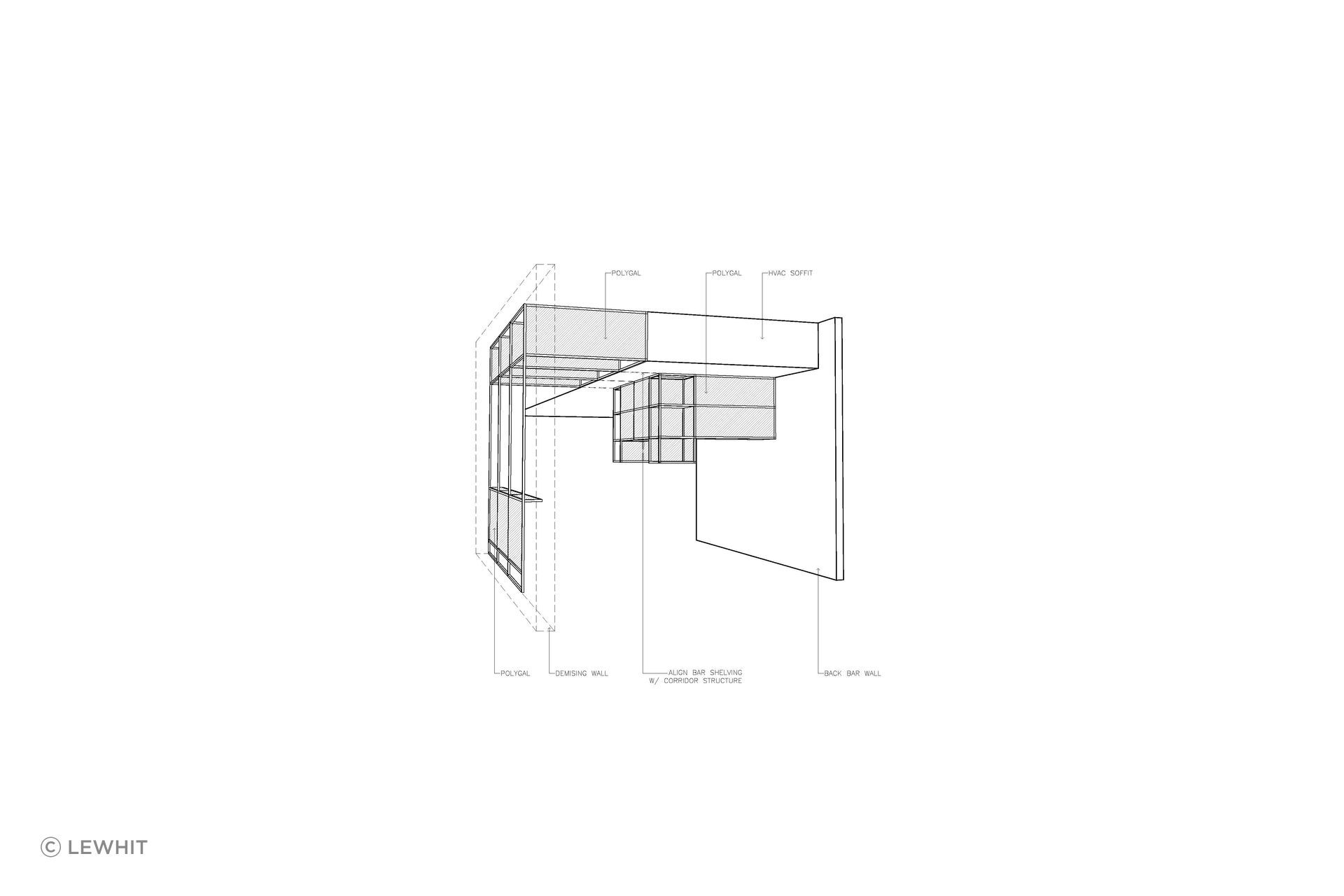
The 2D image plays a key role in how design practices gain business. At the same time, design is in fact a 3D sensorial experience, one that an image— no matter how provocative— cannot fully capture. While the image may be a culprit in potential disconnects between clients and creators, we explore how to move beyond its challenges to productively, communally understand its utility.
MKCA:
“We begin our process always about the values of the project – our work must comport with what our client sees as “good” in the world, for it to be beautiful to them. What animates desire, for example? With clients, what animates want? We like to say, let’s set the images aside and return to values. The vast majority of our work comes to us because of press. There’s a vital partnership with image-makers because our work comes from them. We’re conscientious of what’s left out of the image. The values of the work we’re doing may be left out.”
Estelle:
“ You strike the balance between form and function. Sometimes what is beautiful isn’t always comforting. People want to be positioning themselves a certain way. We have to put more time into our spaces, maybe we care about the aesthetics a bit more. It’s an interesting rabbit hole of perception versus reality, and what that means in design [post-pandemic]. Before, no one needed mud rooms! And now, we see all these authentic design solutions that simplify our lives.”
Liza:
“Who is design for? The access to imagery of design has likely shifted exposure to design in many senses. And how does that affect expectations of design, whether that’s from the public or from clients? People are sick of the perfection of images.”
Corey:
“During COVID especially, your life was so acutely represented in 2D form. We were operating socially and professionally from the screen. And we work in 3D space, so there was a particular challenge to our field.”
The Problematic Sway of the Image
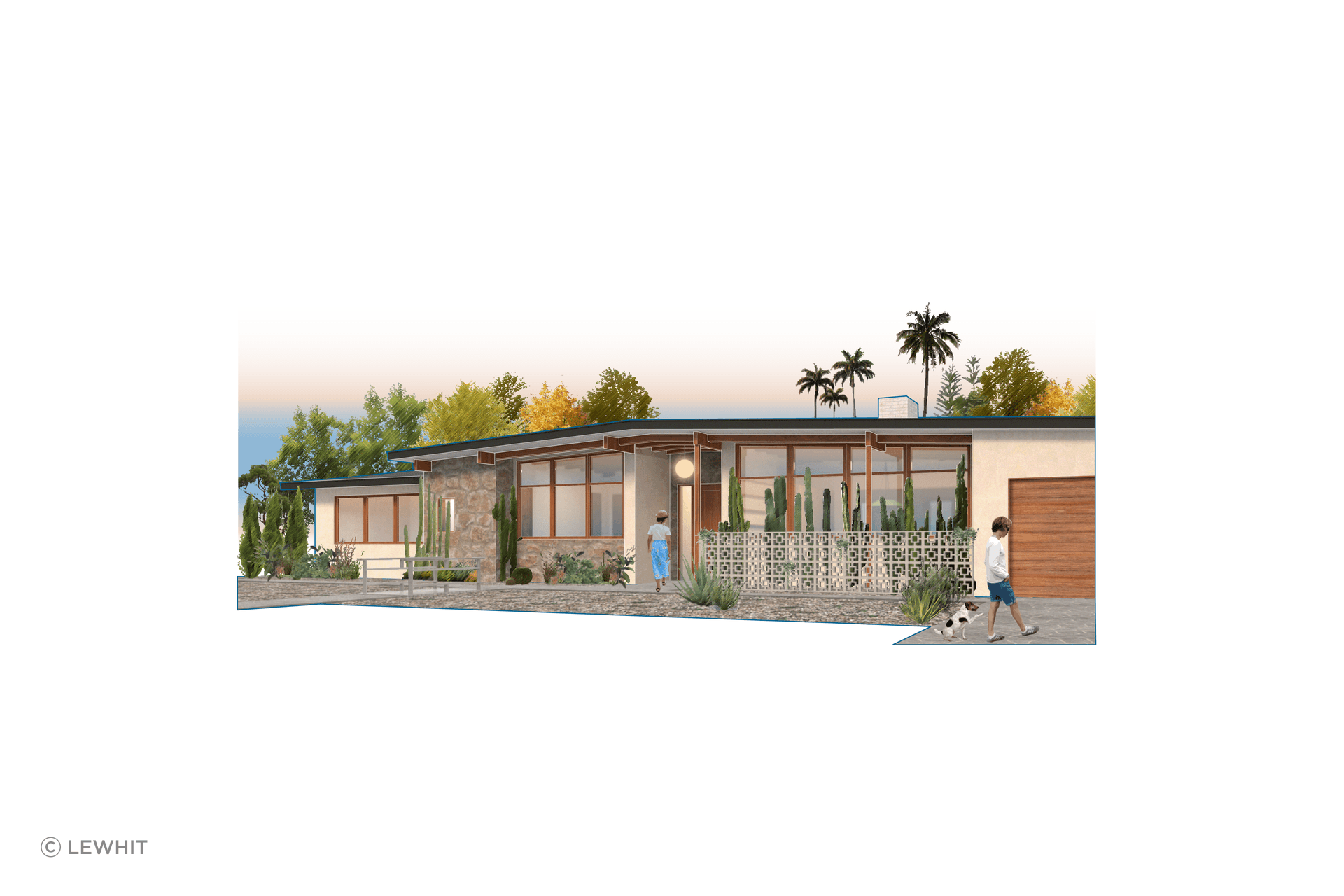
Though design is something that needs to be fully experienced with all senses, images are still a necessary tool for communicating work with clients and the general public— be it through renderings and process images, or finished projects within the glossy pages of a magazine. Here, we explore how the image can be a double-edged sword.
Estelle:
“Clients love the feeling and attention to specific detail - the ‘hand touch’ - even though my hand renders suck! Hand or human touch [can be] the difference between a photograph and a rendered space. Sometimes the image is not conducive to design. But at the same time I love the inspirational art image, too. But with a certain amount of flaws. How, as a designer, do we create certain spaces to hide the mess? How can we create peace of mind for a client that way?”
Angela:
“I get to enjoy the fruit of everybody’s labor. I get to document it. It’s fun for me – I’m often the first one to see the end result. Where I come in, I get to take the spaces, and choose where I put my camera, choose exposure time, choose the postproduction [decisions]. Some images can look completely sterile – it’s up to the photographer to come in with their own touch.”
Jack:
“Now is an interesting time for design media images – we’re awash in images; People are hungry for another layer of information from the images. They want inspiration, how it’s built, greater or multiple narratives. Ideally the photographer is given something from an editor to work with. But the photographer can go in and find or highlight the narrative, to pull something out that shifts the perspective or focus. People want real images, real stories, real spaces, real people. Architects want that crisp, symmetrical space. So as an editor, you’re like ‘no’! People want to see the images where someone has kicked off their shoes. I trained as an architect. I have sympathy! But as an editor I respect and admire what everyone is doing to get to that final point of the image.”
Liza:
“To have your photographer come in and literally frame your work helps remind us about the beauty of a project that we’re really in the trenches on, and, by the point of completion, likely have our own neuroses about.”
MKCA:
“We collect references , we use images as a form. The point at which to introduce renderings is a fraught decision! But when done well they add efficiency to a process. It can become a confrontation with what clients see in their mind. It becomes powerful [to visualize it].”
Corey:
[in response to Michael] “Renders nowadays can be used to convince people of the power of design, but it can at times seem utopian. We question if they’re actually as powerful as they seem.”
by Le Whit, in collaboration with Emily R. Pellerin and Nabi Williams