The enduring presence of New Zealand stone

Written by

23 June 2026

 • 

8 min read

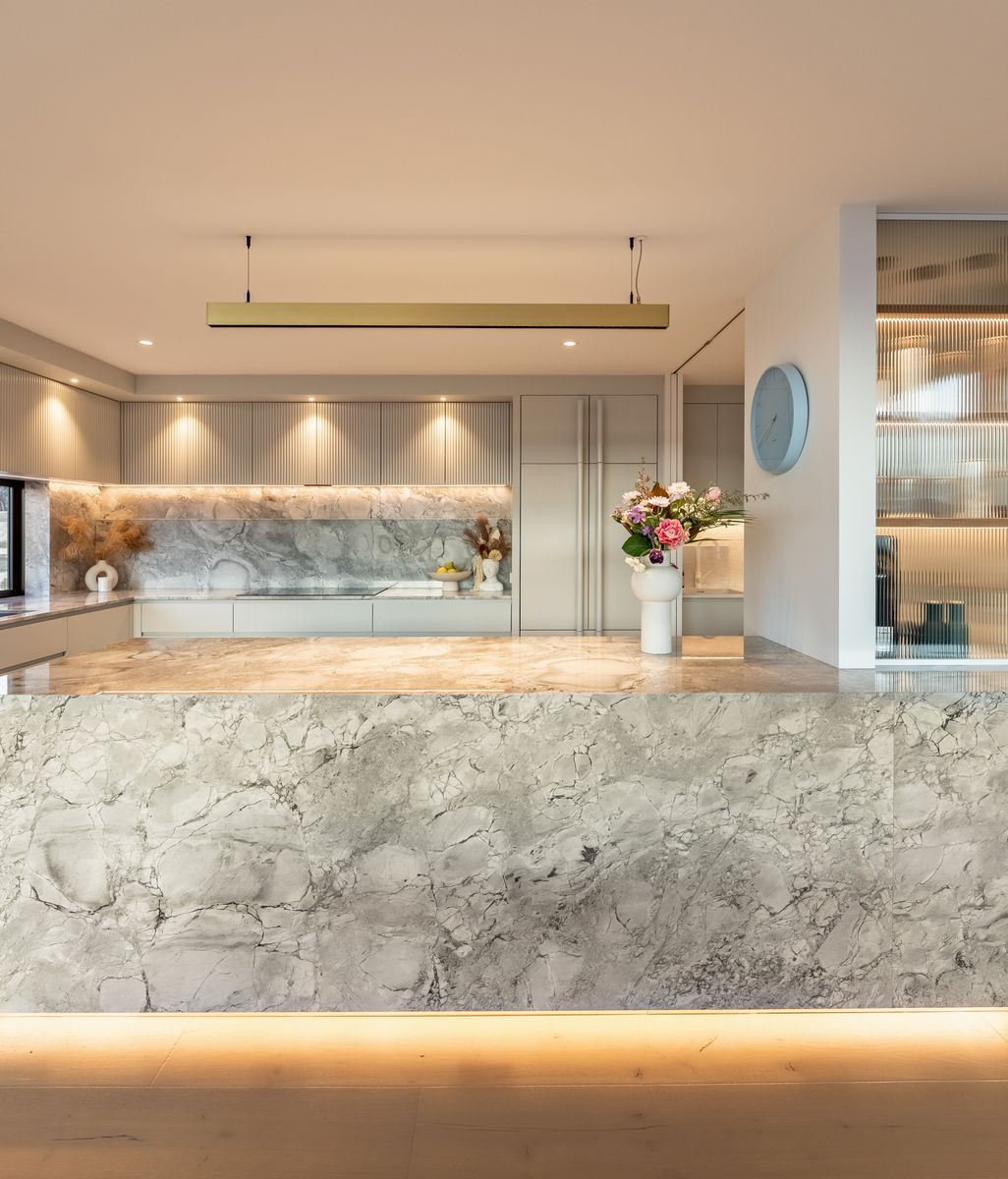
Aria limestone by The Natural Stone Co. defines this Waiheke Island home by Cheshire Architects, bringing weight, texture and a quiet connection to the surrounding coastal landscape. Photo Credit: Sam Hartnett
How The Natural Stone Co. is helping architects bring local material, geological character and bespoke craft into contemporary homes. Natural stone has a particular kind of stillness. It does not ask for attention, yet it holds it. In a finished home, a limestone wall, schist fireplace or hand-dressed boulder hearth can feel as though it has always belonged there.
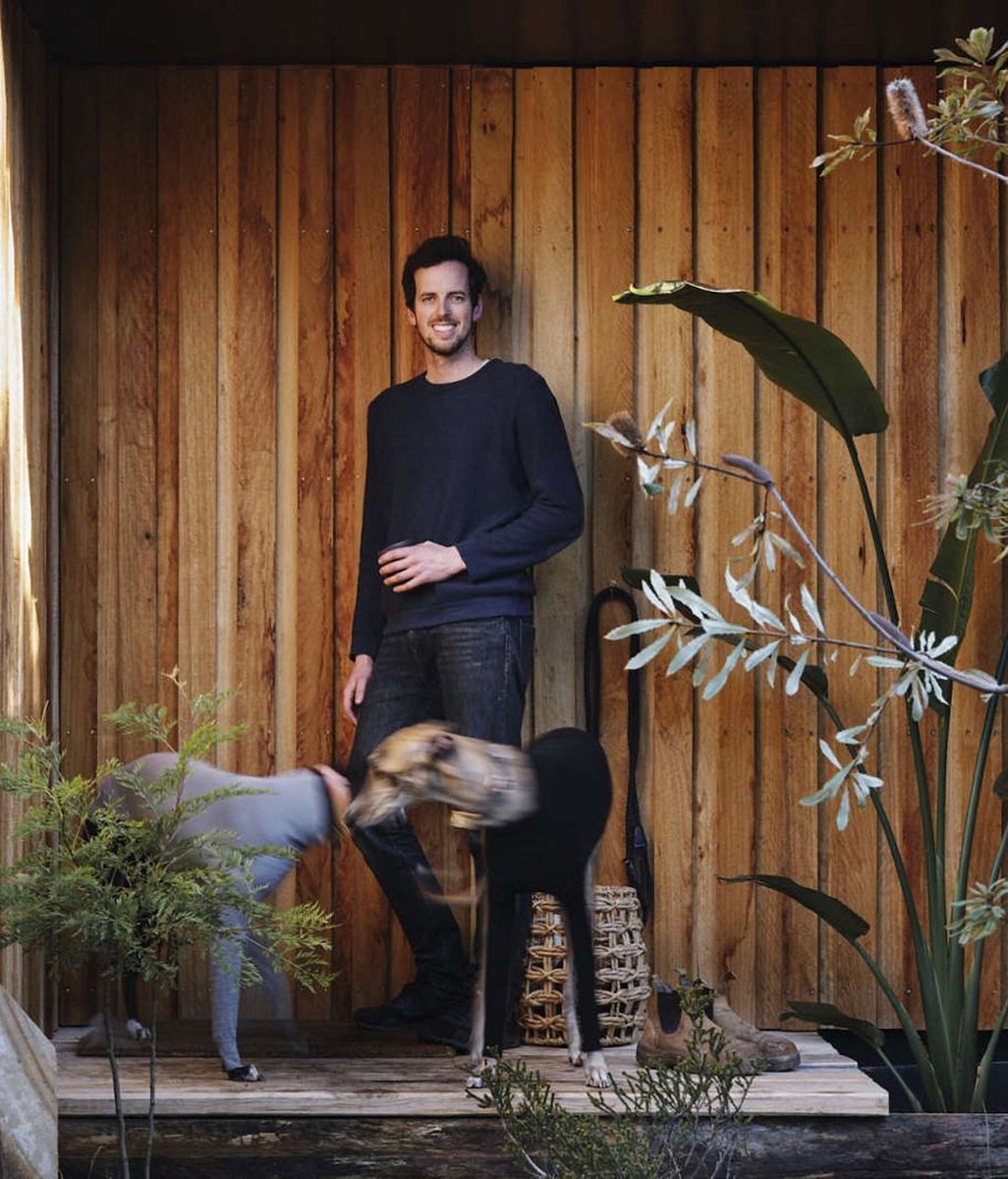
Michelle and Peter of The Natural Stone Co., whose nearly two decades of work with New Zealand stone has been shaped by quarry relationships, material knowledge and a deep respect for local provenance.

For The Natural Stone Co., that sense of permanence begins long before the stone reaches site. It begins in the quarry, in the landscape and in the slow process of understanding what a material can become without losing what made it compelling in the first place.

It is the kind of story we love to explore. One where material selection goes beyond aesthetics and into the practical realities of design and construction.

While natural stone is often celebrated for its beauty, its success in a project depends on something more technical and more collaborative: early specification, material knowledge and bringing the right people into the conversation at the right time.

The business has been working with New Zealand stone for nearly 20 years, developing relationships with quarries across Central Otago, the West Coast, the North Island and beyond.

At Waiheke House by Cheshire Architects, Aria limestone from The Natural Stone Co. is used as both structure and landscape gesture, anchoring the home within its coastal setting.

Today, its work spans schist, limestone, andesite, basalt and increasingly, emerging local marble resources. But at its heart, The Natural Stone Co. is not simply supplying stone. It is helping architects and designers translate a natural material into architecture.

New Zealand has an extraordinary depth of natural stone, yet for a long time, much of the construction industry looked offshore for material. Part of The Natural Stone Co.’s work has been to shift that perception, proving that local stone can be processed, detailed and delivered at a level that meets the demands of high-end residential architecture.

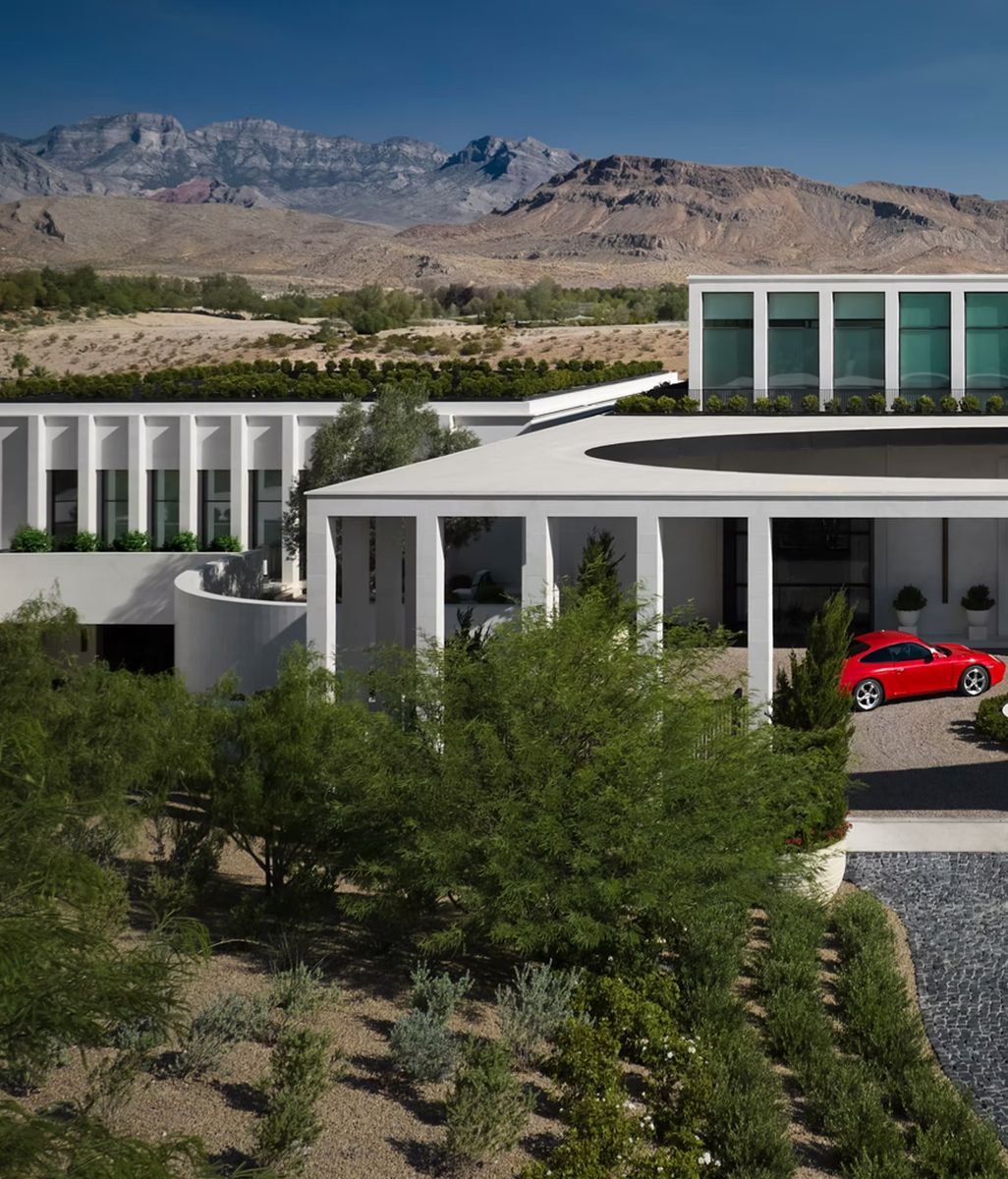
Hilton Hotel, Queenstown, features Gibbston schist cladding by The Natural Stone Co., used across exterior walls and feature pillars to ground the architecture in its alpine setting.

The company’s early work in lightweight New Zealand stone cladding began with a challenge. A large Queenstown hotel project required a lighter stone solution due to geotechnical constraints, particularly around weight below ground. The answer was not sitting ready-made on a shelf.

It needed to be tested, prototyped and proven. Stone was sourced, cut, trialled and taken to Auckland for review by architects, project managers and contractors.

From there, the concept of a lightweight New Zealand stone cladding system began to take shape.

That project became a turning point. It showed what was possible when technical constraints, material intelligence and a willingness to experiment came together.

Behind each stone project is The Natural Stone Co.’s wider team, bringing practical experience across quarry relationships, material selection, technical detailing and installation.

The limestone story followed a similar path. Architect David Ponting of Ponting Fitzgerald Architects approached the team with a coastal project at Langs Beach that called for New Zealand stone, but not the grey, linear character of schist. The brief was for something warmer, softer and more organic. That request led the team to explore limestone, including whether it could be cut into lightweight cladding and formed into corners with the level of refinement required for a residential project.

From that first enquiry, limestone became a major part of the business. Today, The Natural Stone Co. works with a range of limestone quarries, creating cladding, paving, tiles, crazy paving, hearths and bespoke feature pieces that carry a distinctly local material language.

The company’s role is often most valuable before a project is fully resolved. When architects are imagining a stone hearth, a cladding blend, a landscape feature or a singular piece of stone that will define a space, early engagement can determine whether the idea is not only beautiful, but buildable.

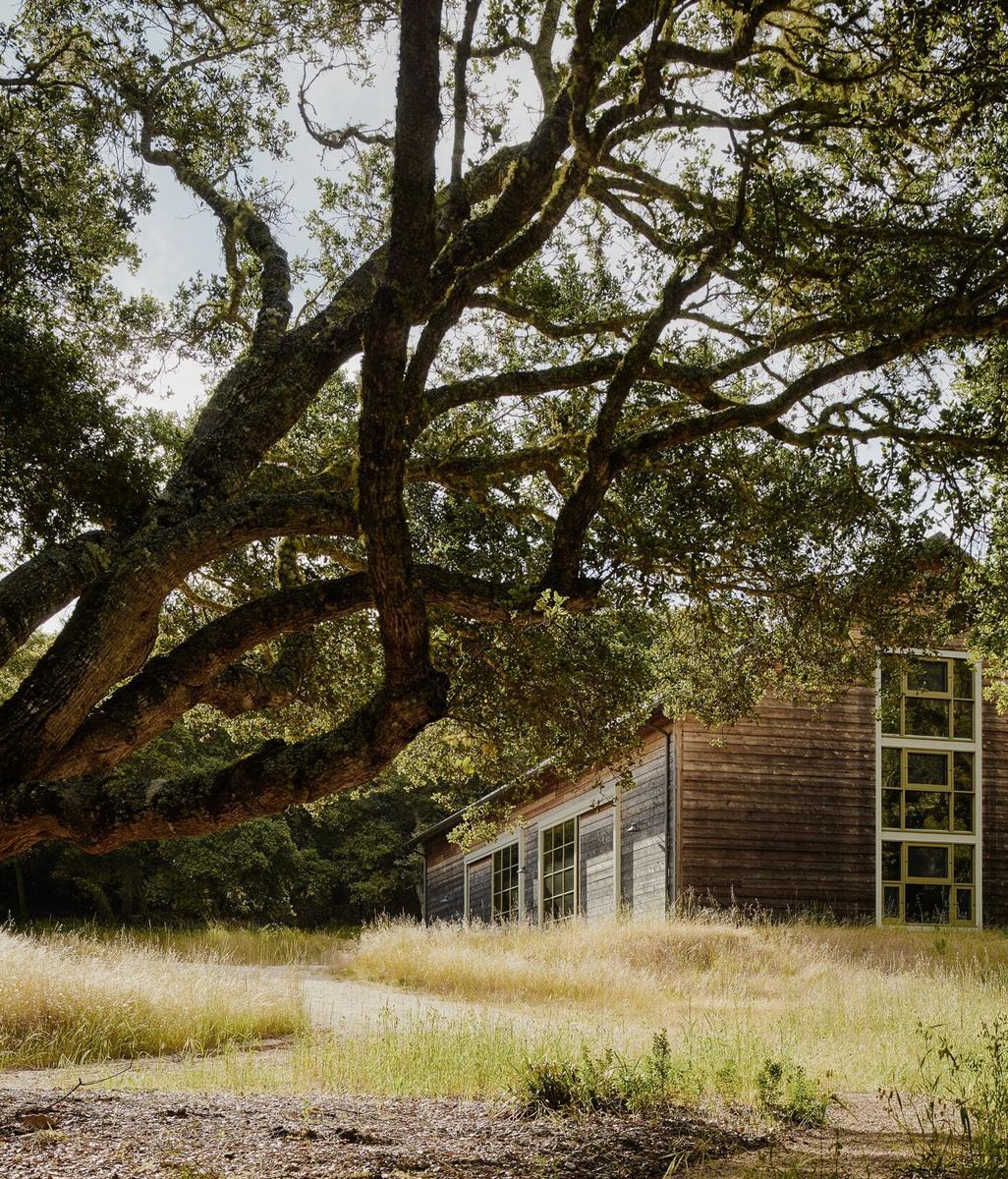
At Langs Beach, The Natural Stone Co. worked with architect David Ponting on one of its early bespoke limestone projects, developing a warm, organic Te Kūiti limestone cladding that helped bring the architectural vision to life.

A drawing may capture the ambition. The stone determines the reality.

For architects using ArchiPro to research materials, products and specialist suppliers, this is where the value of an experienced collaborator becomes clear.

A four-and-a-half-metre hearth, for example, is not as simple as finding a large block and cutting it to size. The team needs to understand which quarry can produce stone of that scale, how the boulder can be extracted, how it will be split, how it will be moved, what machinery is required and how it can arrive on site without compromising the integrity of the material.

In some cases, a piece may need to be split by hand in the quarry, drilled along a line, then separated using feathers and pins or transported to a wire saw for trimming and dressing. The logistics are architectural in their own right. A large stone element may need to be craned into place before the roof goes on. A late decision can mean cutting an opening into an already enclosed pavilion simply to get the piece inside.

Large boulder processing requires specialist machinery, planning and technical knowledge, particularly when a single stone piece needs to be shaped for a highly specific architectural use.

This is why The Natural Stone Co. places such emphasis on early conversations with architects and designers.

The work is deeply collaborative. The architect brings the spatial idea, the atmosphere and the relationship to the wider palette. The Natural Stone Co. brings knowledge of source, scale, structure, finish, movement and limitation. Together, they find the point where the concept and the material can meet.

That process also requires a particular respect for natural variation. Stone cannot be controlled in the way a manufactured product can. It can be selected, shaped, split, dressed and detailed, but it must still be allowed to be itself. A quarry face might suggest a tone or texture, but the inside of a stone is not always fully known until it is opened. Veining, colour shifts, mineral traces and sedimentary layers reveal themselves through the process.

For some projects, that unpredictability is precisely the point.

This is the kind of material decision ArchiPro’s project and product ecosystem is designed to make more legible. For homeowners, stone may first appear as an aesthetic choice. Through the work of architects, designers, builders and specialist suppliers, it becomes something more layered: a question of provenance, performance, installation and long-term presence.

There is also a strong sustainability and provenance story in using New Zealand stone. The Natural Stone Co. works with local quarry operators rather than importing stone from distant sources. The processing is largely mechanical, relying on diamond saws, water and electricity rather than chemical-heavy processes. Material is not being shipped across the world and clients can often understand exactly where their stone has come from.

In some cases, homeowners and designers are taken to the source. They can see the quarry, meet the people involved and physically select the pieces that will become part of their home. That connection changes the way a material is understood. Stone stops being a finish and becomes part of the project’s origin story.

The company’s decision not to own quarries has also shaped its approach. Rather than being tied to one source, The Natural Stone Co. works across multiple quarry relationships, blending materials to achieve a specific tone, texture or architectural intent. A project might call for schist and limestone from related sources, or a custom blend of stone selected for a particular wall, landscape or fireplace. This gives architects a high degree of flexibility while still grounding the work in local materials.

It also reflects the company’s broader position: design-led, technically engaged and relationship-driven.

The Natural Stone Co. is not trying to replace the architect’s vision. It is there to help realise it. The team’s value sits in knowing what to ask, what to test and where an idea may need to shift slightly in order to become stronger. Sometimes the answer is a highly bespoke feature piece. Other times, it may be a more accessible use of local stone, such as a fireplace, cladding element, garden wall or paving detail.

At Cluden quarry, The Natural Stone Co.’s relationships with quarry operators are central to its process, allowing the team to understand each stone at its source before it is selected, shaped and brought into a project.

For homeowners exploring ideas on ArchiPro, this distinction is important. Not every project needs a 90-tonne boulder or a sculptural hearth. The presence of New Zealand stone can be introduced at many scales. What matters is that the material is considered early, detailed properly and brought into the project through the right professional expertise.

A successful installation also requires the product to be well-supported technically. The Natural Stone Co. has invested significantly in the development of its suite of technical resources that underpin its stone offering, from early-stage specification through to consenting. This is matched by a team with decades of knowledge and hard-won experience in natural stone, who are only a phone call away to discuss RFIs or the requirements of any special detailing.

After nearly two decades of working with local stone, The Natural Stone Co. sees this as only the beginning. New products are being developed. New capabilities are emerging across quarrying and processing. Limestone bricks, schist applications, custom tiles, slabs, cobbles and feature pieces are all part of a growing conversation around what New Zealand stone can become.

For architects, designers and homeowners, the opportunity is not simply to choose a beautiful material. It is to work with something that carries weight, texture, provenance and memory. Something drawn from the same land the home belongs to.

In that sense, natural stone does more than finish a project. It gives it grounding.

Explore The Natural Stone Co. on ArchiPro, and discover the products, projects and professionals shaping more considered homes across New Zealand.