The architecture studio rethinking design & environmental responsibility
Written by
19 April 2026
•
4 min read


New Zealand’s construction industry is at a point of transition. Expectations are rising, not only around design quality, but also around how quickly buildings can be delivered, how much they cost, and how lightly they sit in the environment. Housing, in particular, has become a testing ground for these overlapping demands. For RTA Studio, it’s an invitation to rethink how architecture can respond.
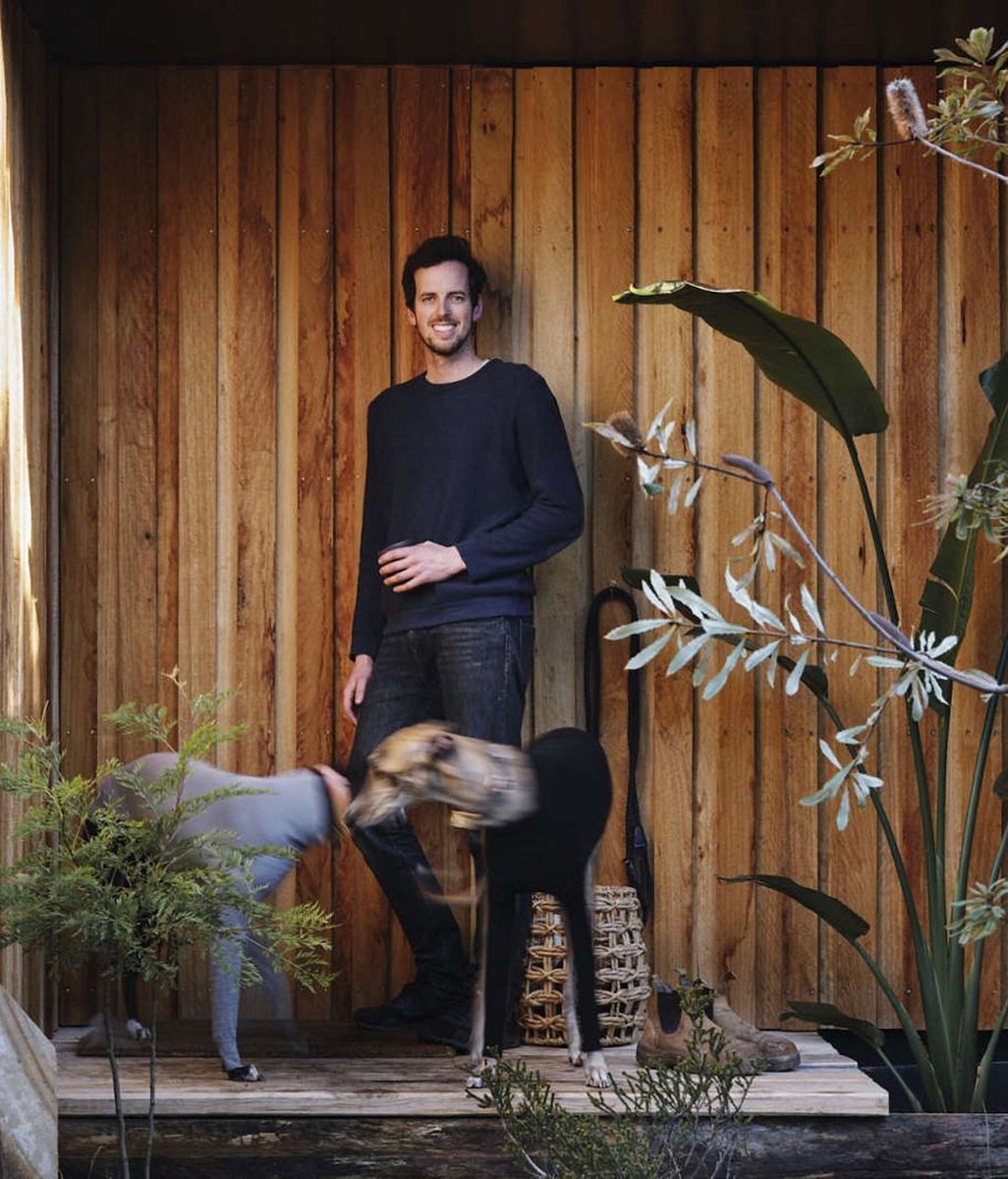
“The problems that we’ve got in New Zealand are that the construction industry is extremely unsustainable, and the speed of construction is very, very slow,” says RTA Studio architect Mitchell Round. “You’re averaging 12 months or so for a standard low-cost house.”
Rather than treating sustainability, design and cost as separate conversations, RTA is attempting to bring them into alignment.
The Living House, a relatively new offshoot of the practice, comes directly from this context. Built using cross-laminated timber and designed for rapid assembly, it proposes a different model. Construction can be completed in a matter of weeks, with costs significantly lower than conventional builds. Yet the ambition is not simply speed or affordability in isolation. It is about rethinking the system as a whole, asking how architecture can operate more intelligently within real constraints.
Since its founding more than 25 years ago by Rich Naish, RTA Studio has built a reputation on carefully considered, site-responsive architecture. From its base in Auckland, now expanded across Hawke’s Bay and Queenstown, the practice has maintained a strong design ethos while growing to a team of around 35. That ethos has always balanced expression with restraint.

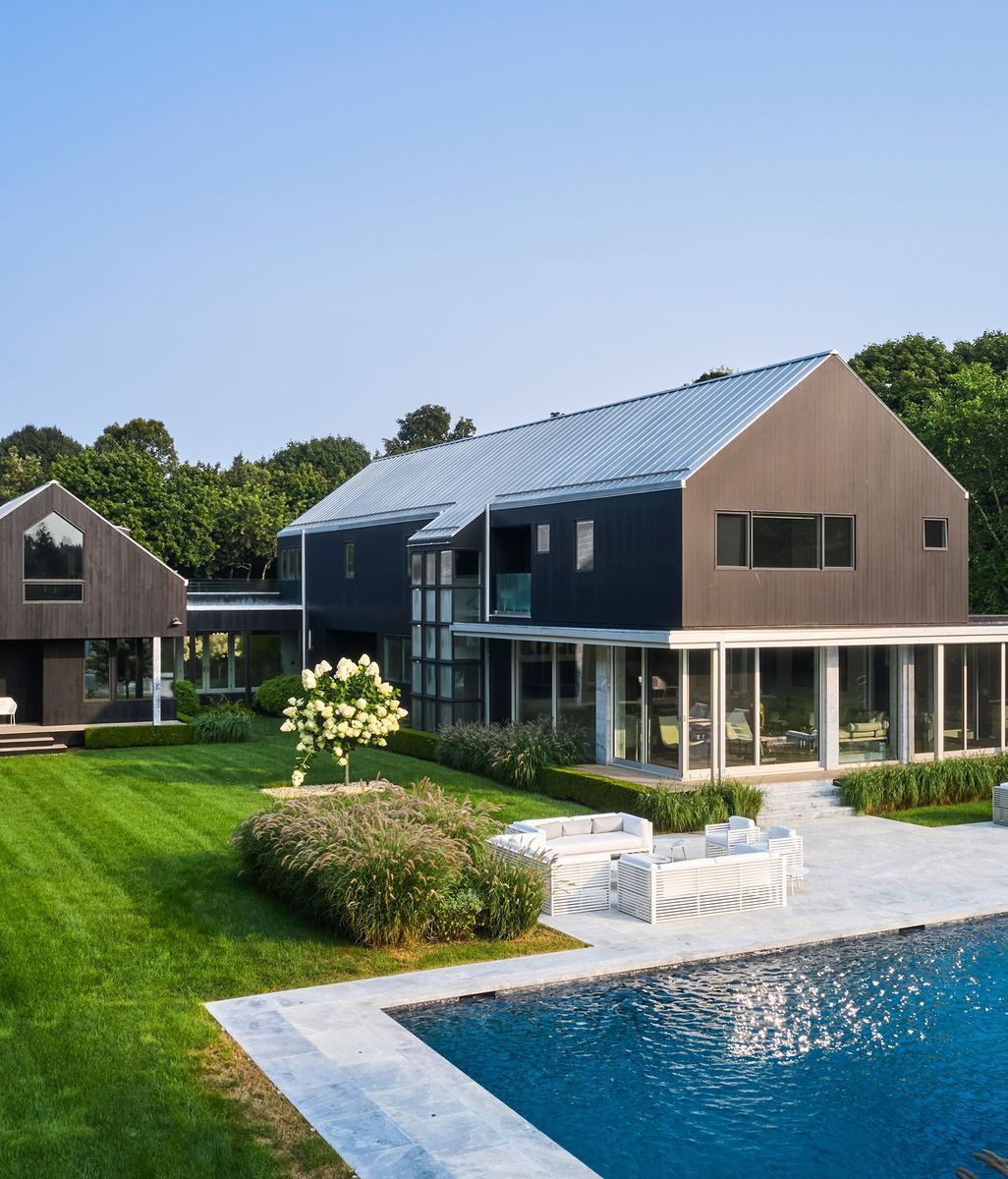
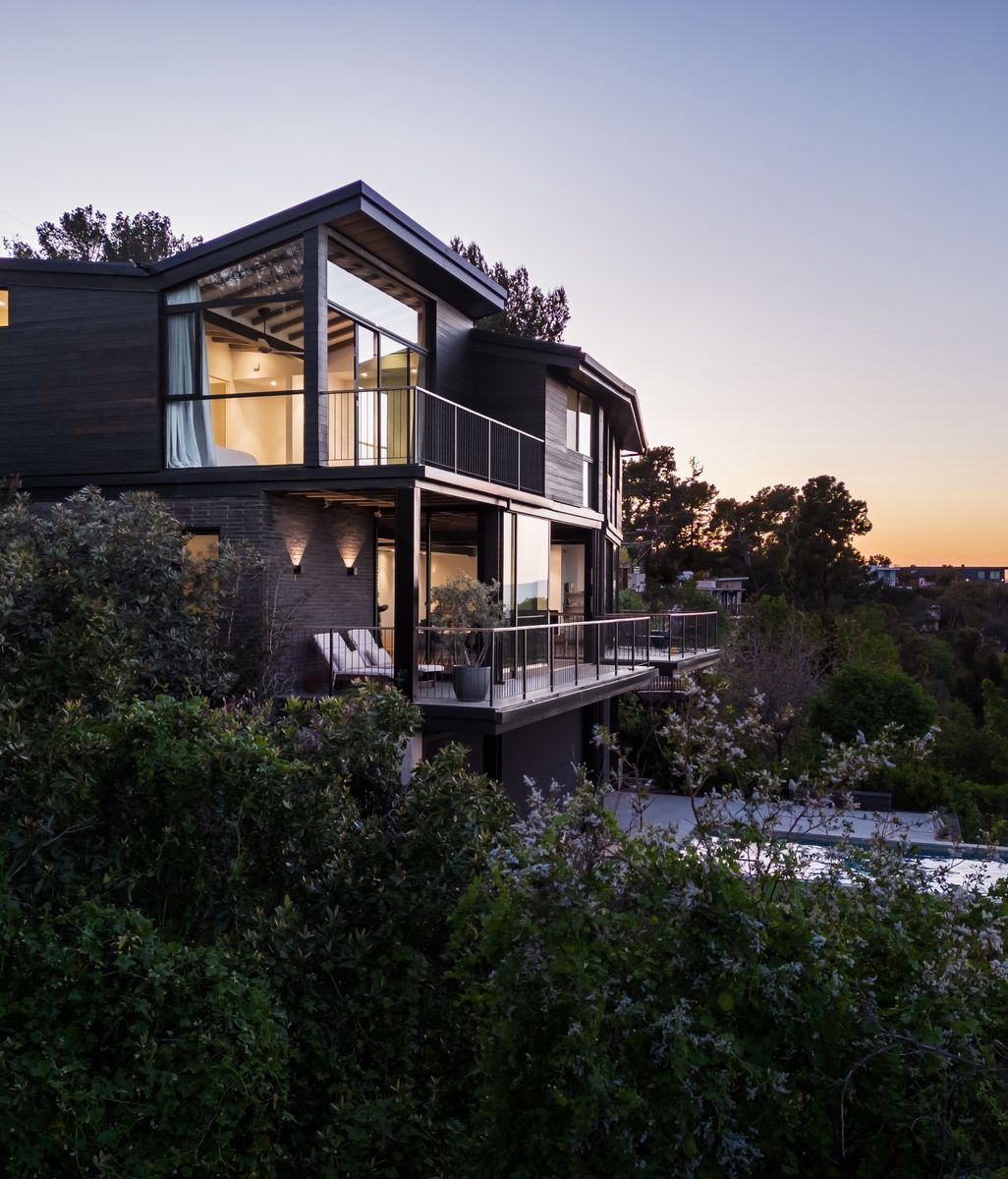
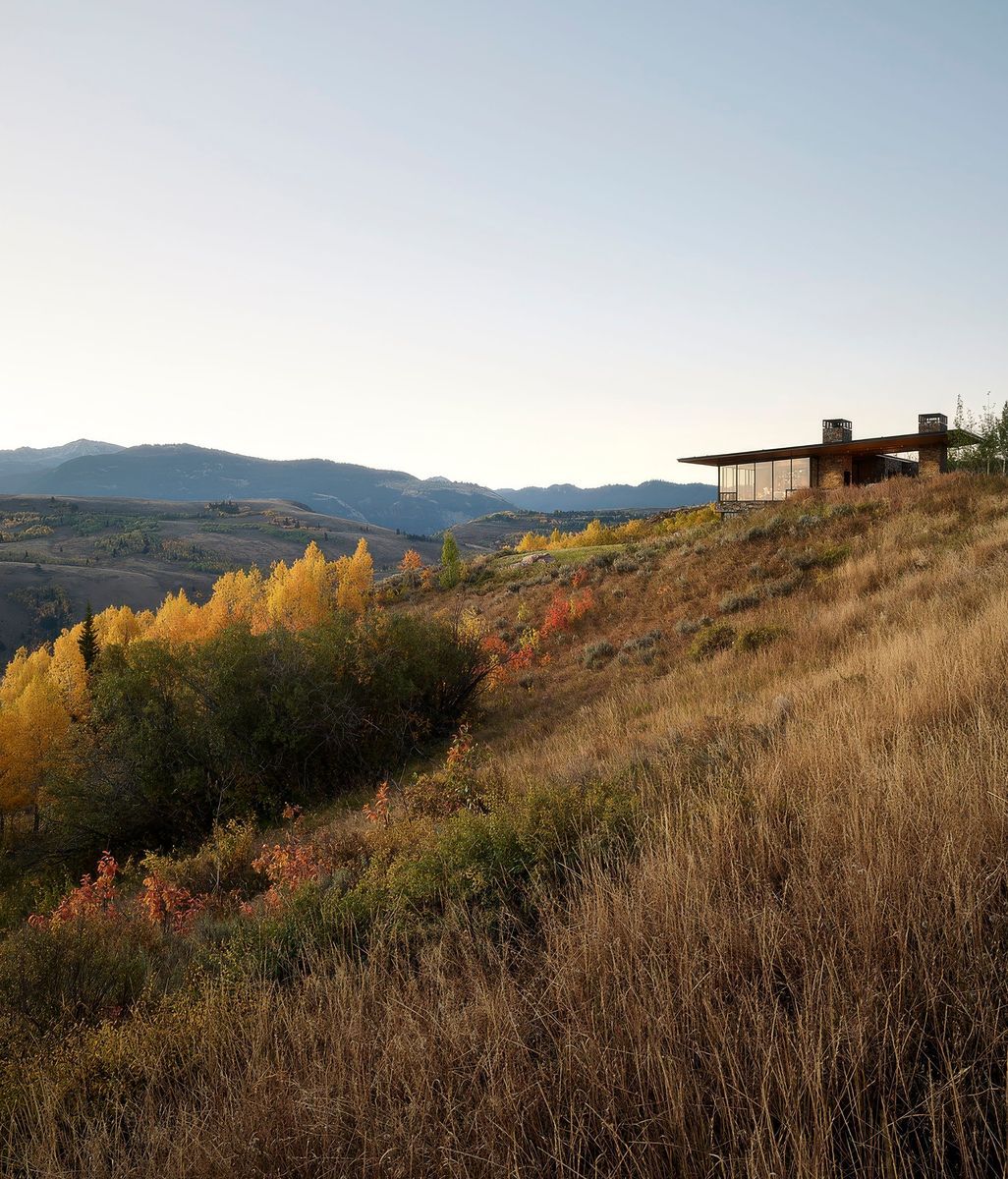
That synthesis is perhaps most legible in the way the practice approaches site. Rather than imposing a preconceived form, RTA begins with careful observation. The land, its contours, its histories and its views are treated as generative forces.
“We don’t design buildings that ignore the context that they’re placed within,” says Round. “They should support and enhance the environment they’re being located in.”
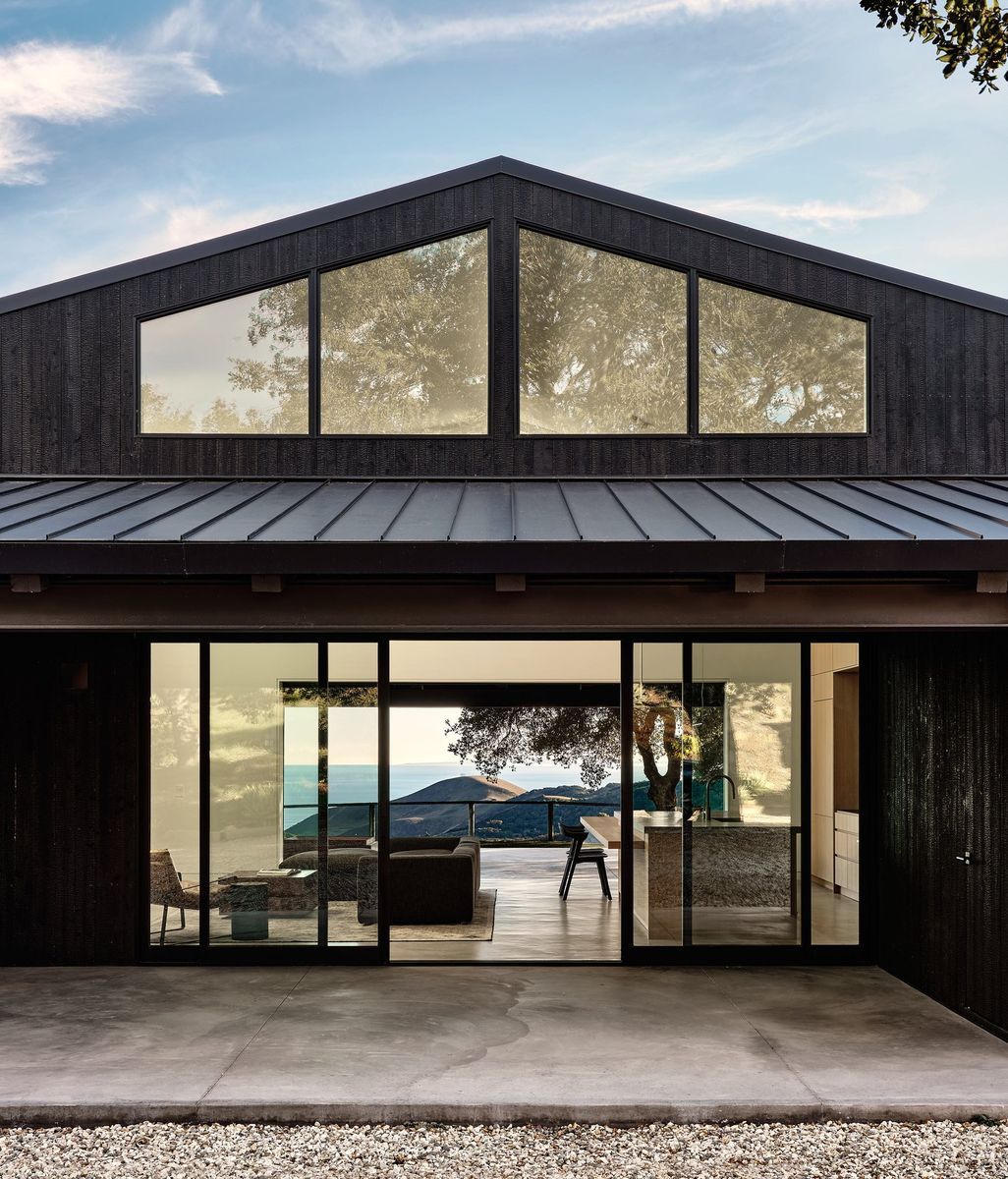
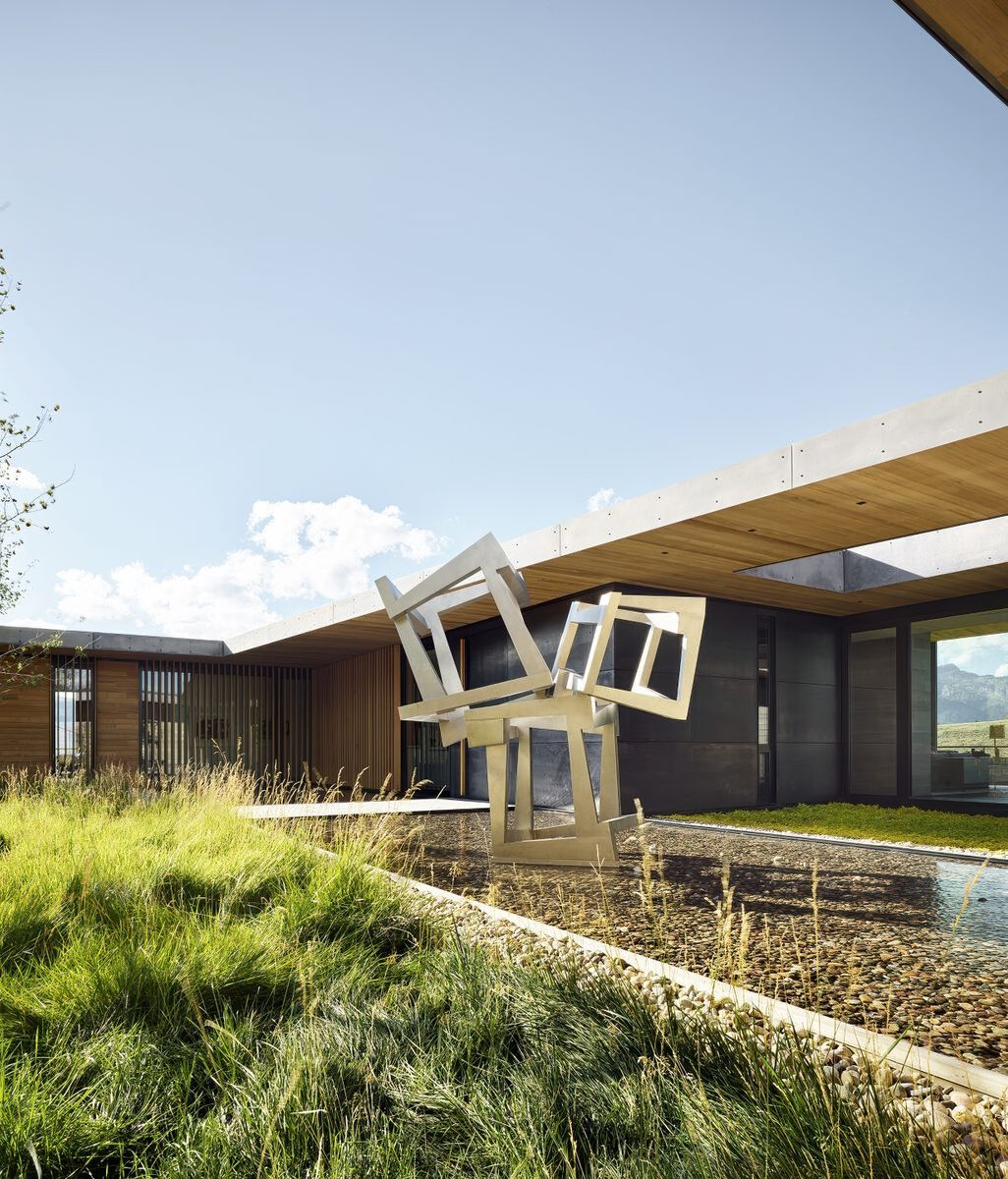
Projects such Arrowtown House illustrate this sensibility perfectly. Conceived as a series of pavilions rather than a single monolithic volume, the house is arranged to frame specific views across the Wakatipu Basin. Each element is customised to its surroundings, both visually and materially. The result is a building that feels embedded rather than imposed, a collection of forms that echo the logic of the landscape.
Material choices further reinforce this connection. Schist, weathering steel and other locally resonant materials are deployed not as aesthetic gestures, but as extensions of place. This approach is equally evident in projects like the Kārearea House, where the form draws inspiration from the New Zealand falcon, translating a contextual reference into an architectural language that shelters and frames. These are not literal metaphors, but conceptual anchors that give the work depth.

Yet for all this attention to context and form, RTA’s process remains grounded in fundamentals. The plan comes first.
“We still feel that form follows function rather than the other way around,” Round says. “We always start with the floor plan and form the architecture around that.”
In an era where visual impact is often prioritised, this commitment to spatial logic is important. It ensures that the resulting buildings are not only compelling to look at, but also intuitive to inhabit.
While earlier projects demonstrate RTA’s ability to craft highly resolved, site specific architecture, the Living House initiative extends those principles into a more systemic proposition. It asks whether the same level of care can be applied at scale, and whether good design can be made accessible without compromise. The answer, at least in its early iterations, is cautiously optimistic.
For the studio, there is also a growing emphasis on material innovation. Mass timber, in particular, is becoming a key focus, not only in residential work but also in larger commercial projects. The shift reflects a wider commitment to reducing carbon impact while maintaining architectural quality.
That direction is not without its tensions. Balancing performance, cost and architectural ambition is rarely straightforward. But for RTA Studio, that friction is precisely where the work becomes most interesting.
“We’re trying to be brave, to do something unexpected and challenging,” says Round. “But it also needs to be balanced, environmentally sustainable, and economically savvy.”