The architecture studio designing beyond convention
Written by
25 May 2026
•
5 min read


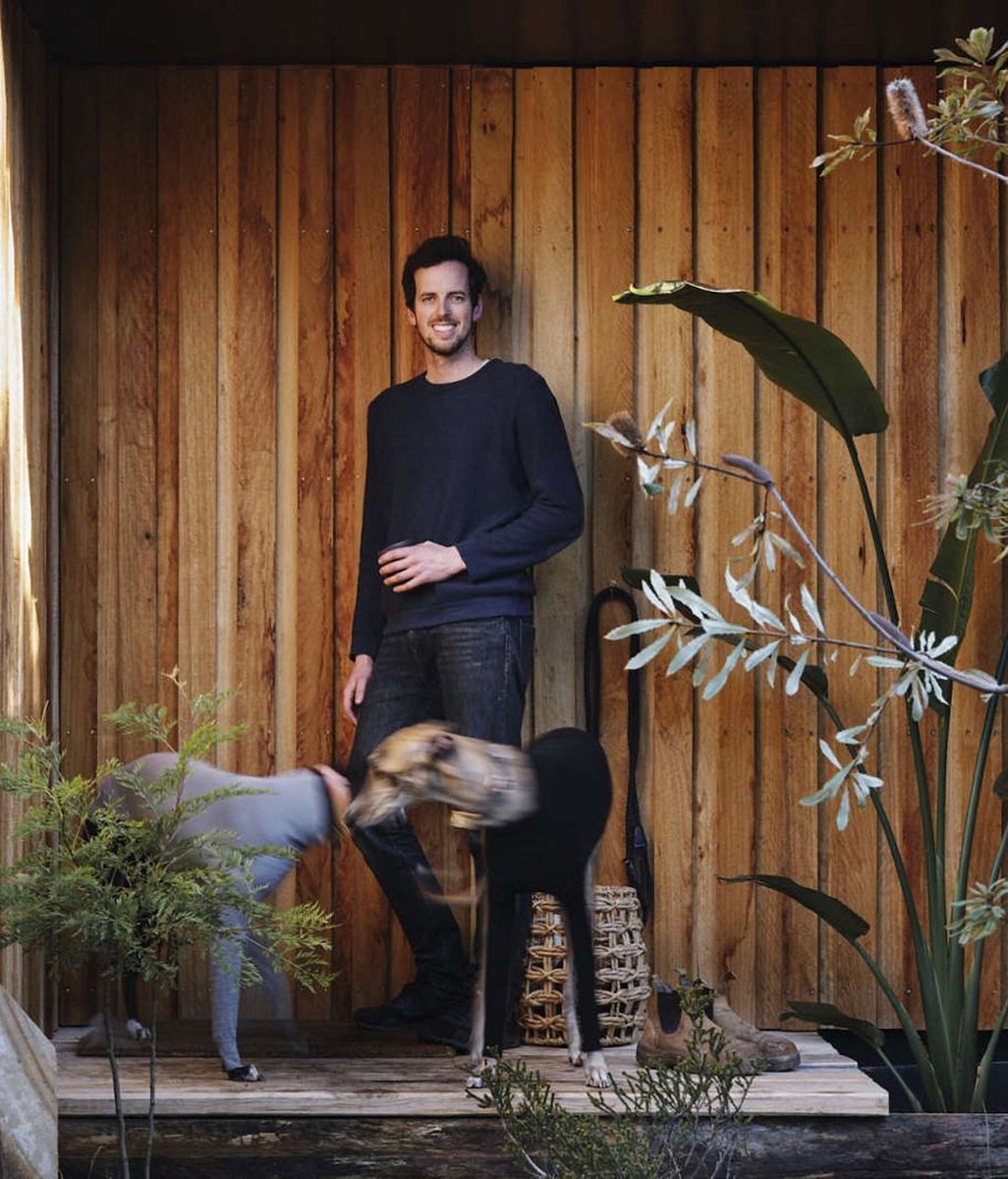
There is a particular kind of optimism that underpins architecture at its best. Not naive optimism, but a deliberate belief in possibility. For Tom Rowe of RB Studio, that outlook can be traced back to a single directive from architect Noel Lane early in his career.
“I never want you to tell me how or why we can’t do something,” Rowe recalls him saying. “I want to know how we can.”
After nine years working for Lane, Rowe founded RB Studio alongside partner Saskia Baetens in 2010. The practice began modestly, but from the outset there was a clear ambition behind the work. Rather than building a large commercial studio, Rowe and Baetens intentionally kept the practice small, allowing them to remain deeply involved in every project.
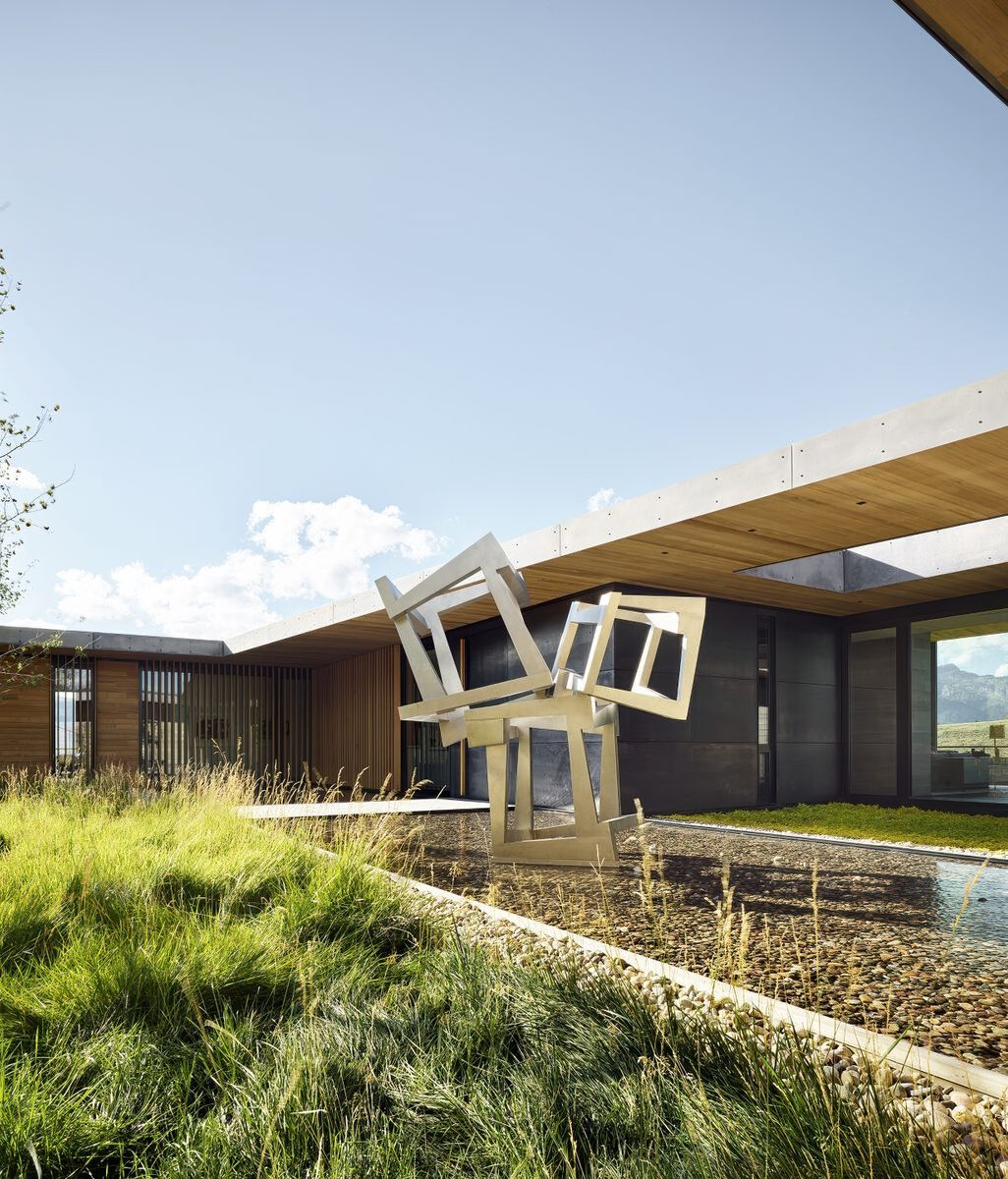
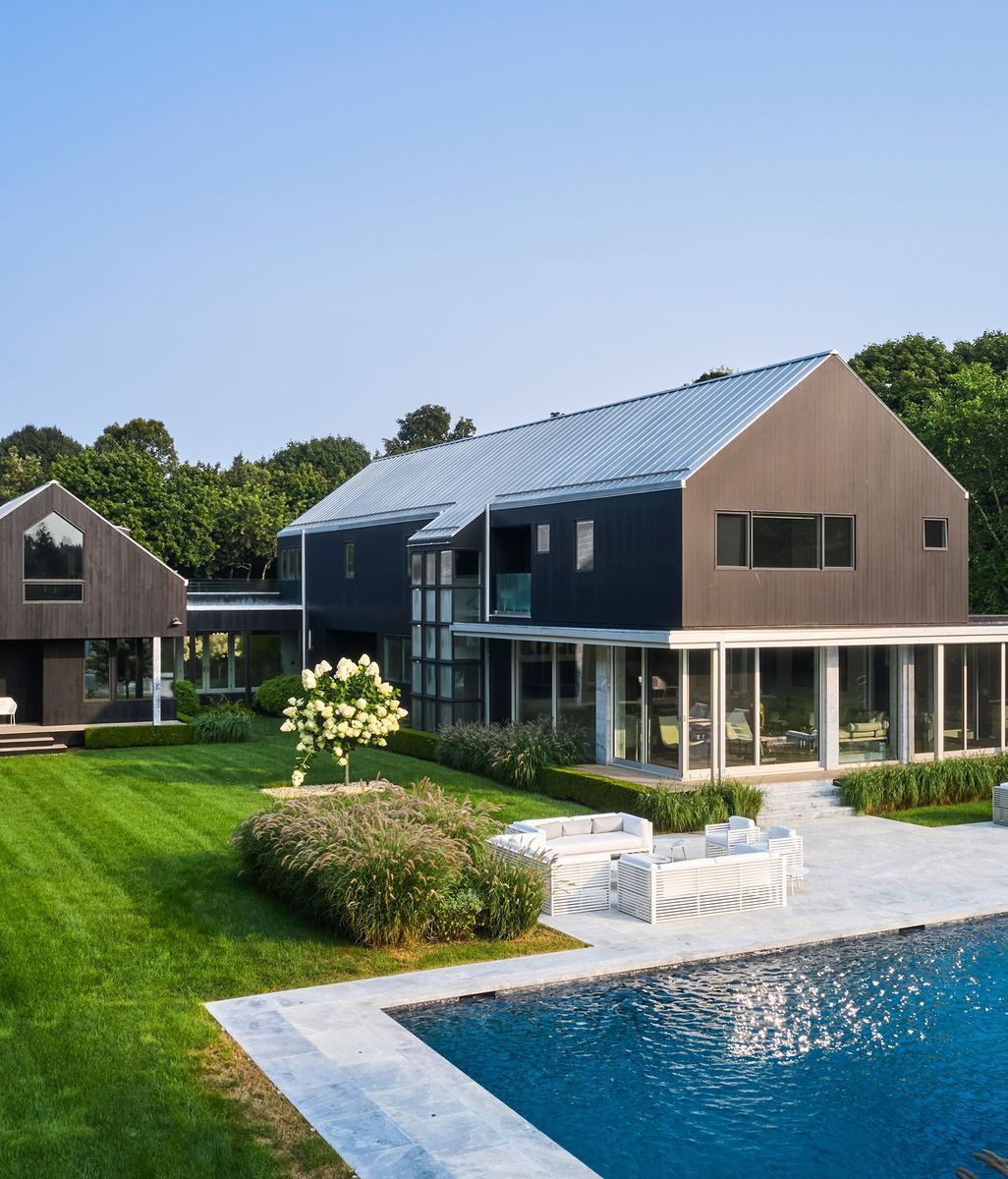
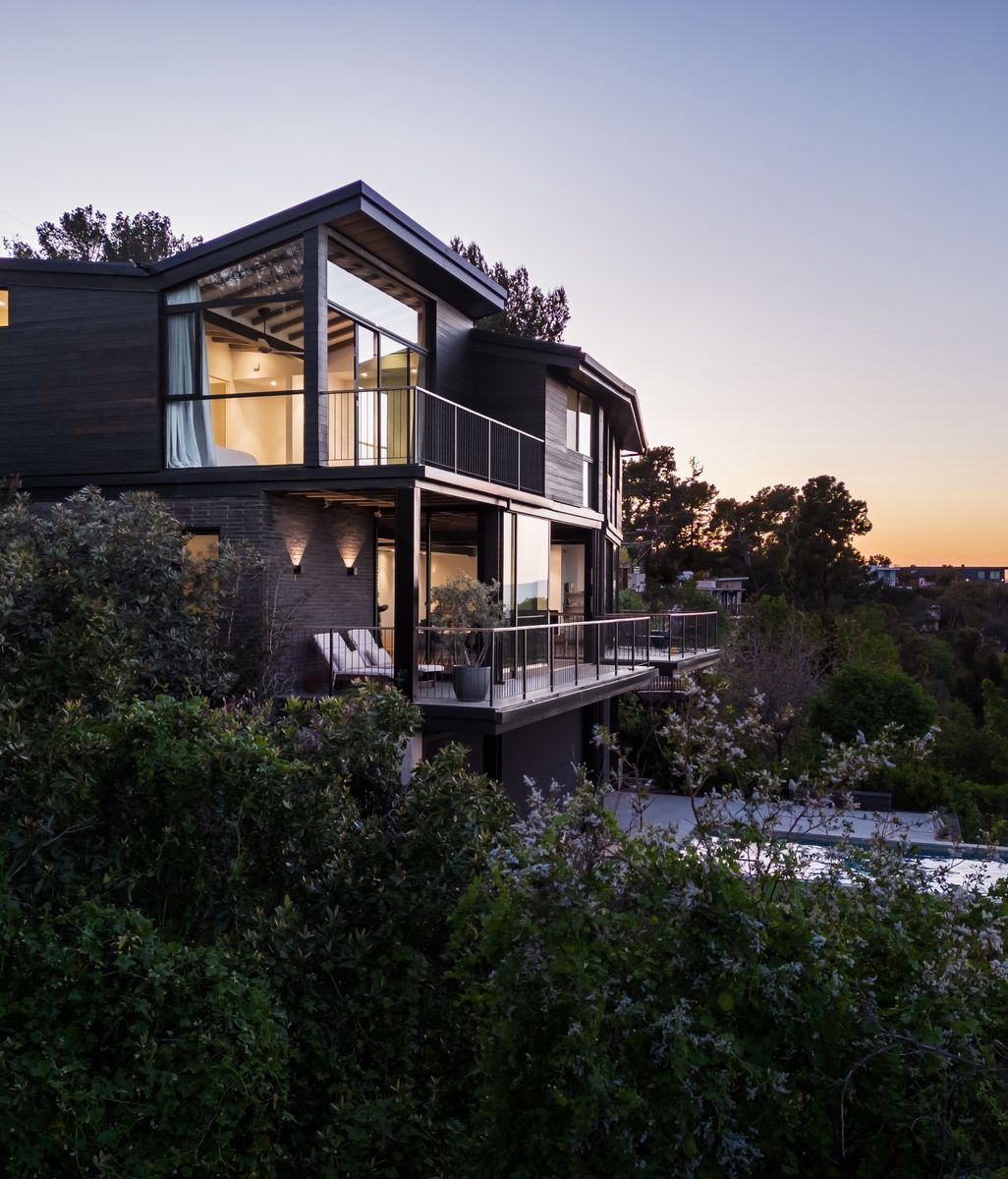
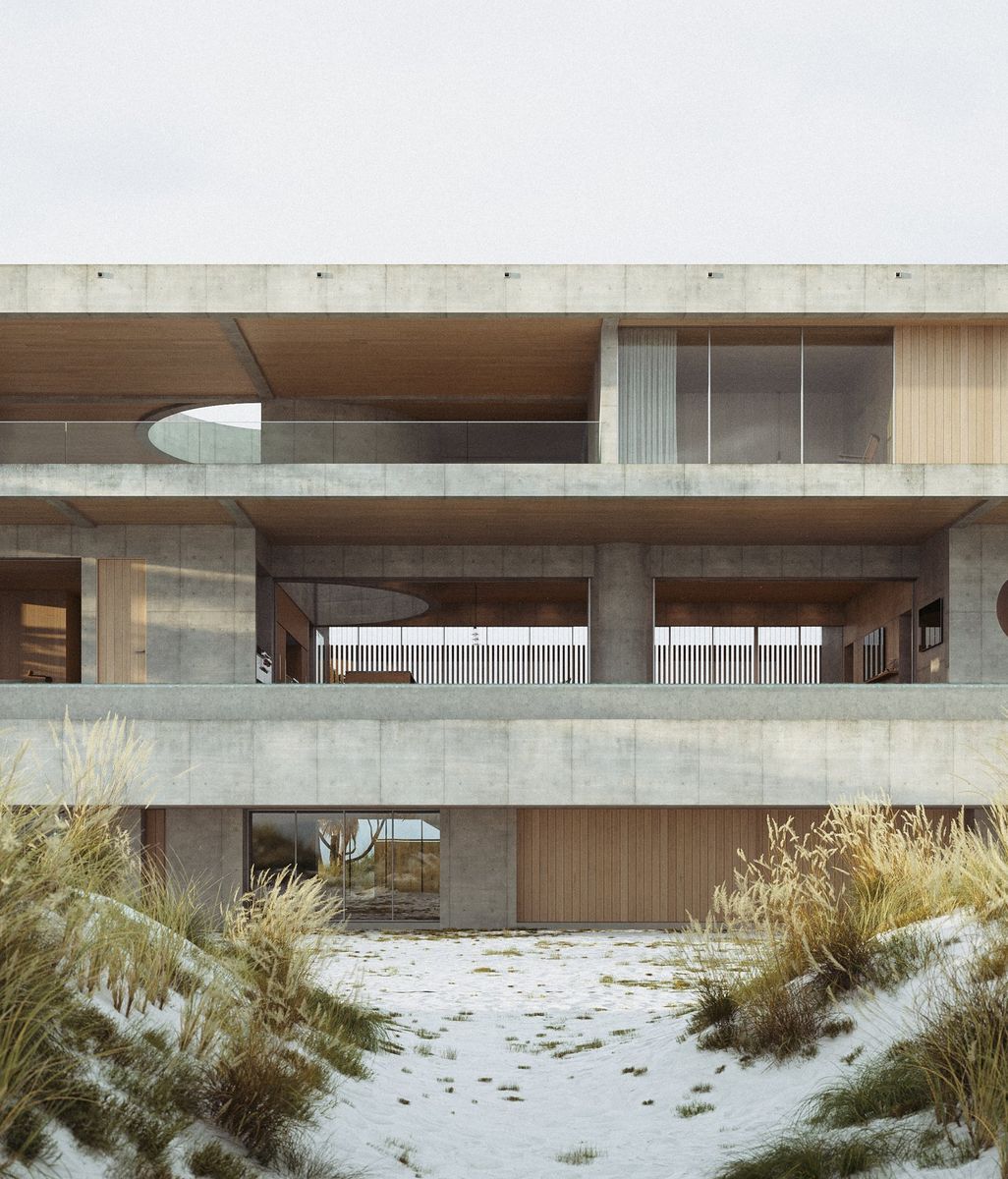
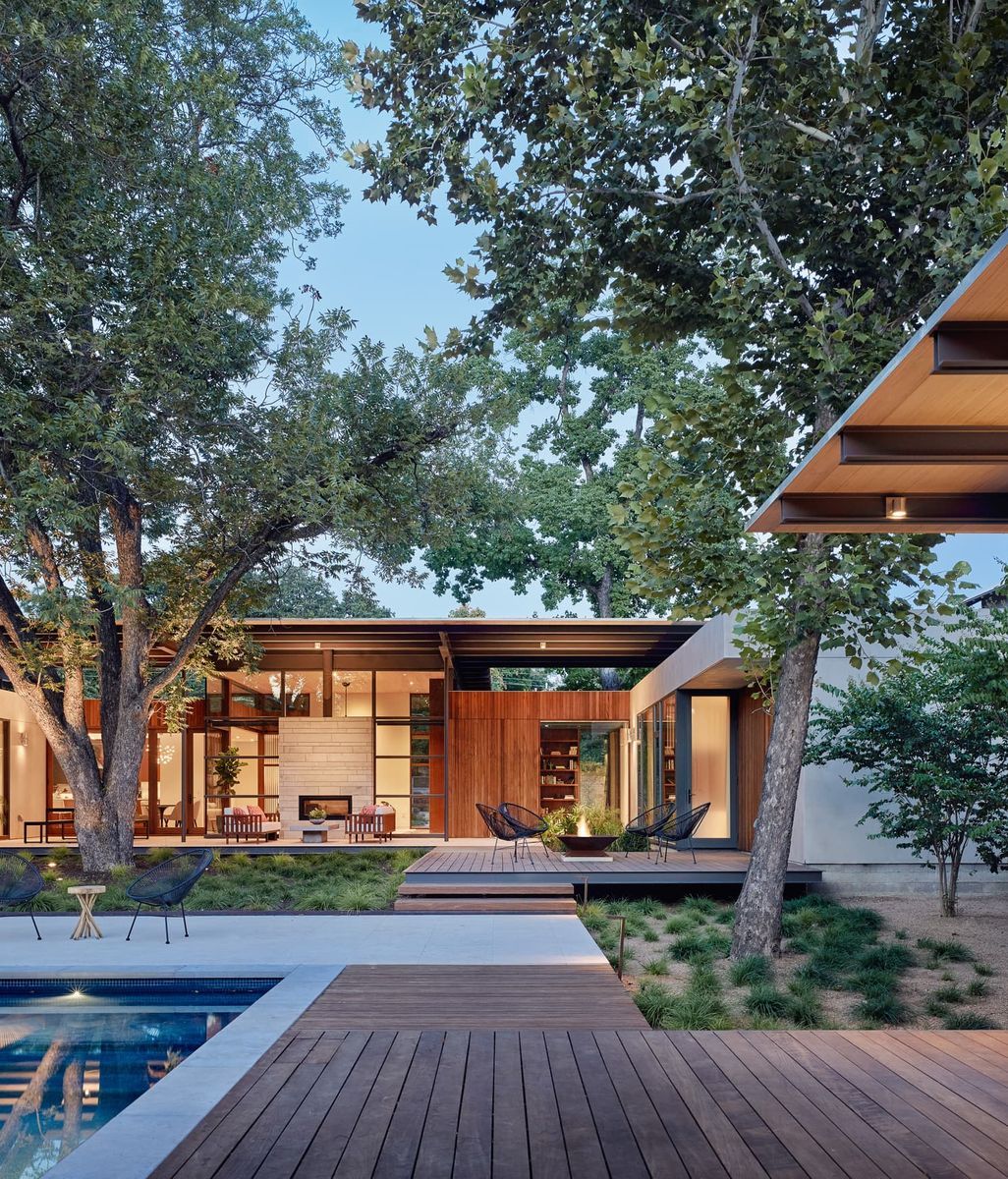
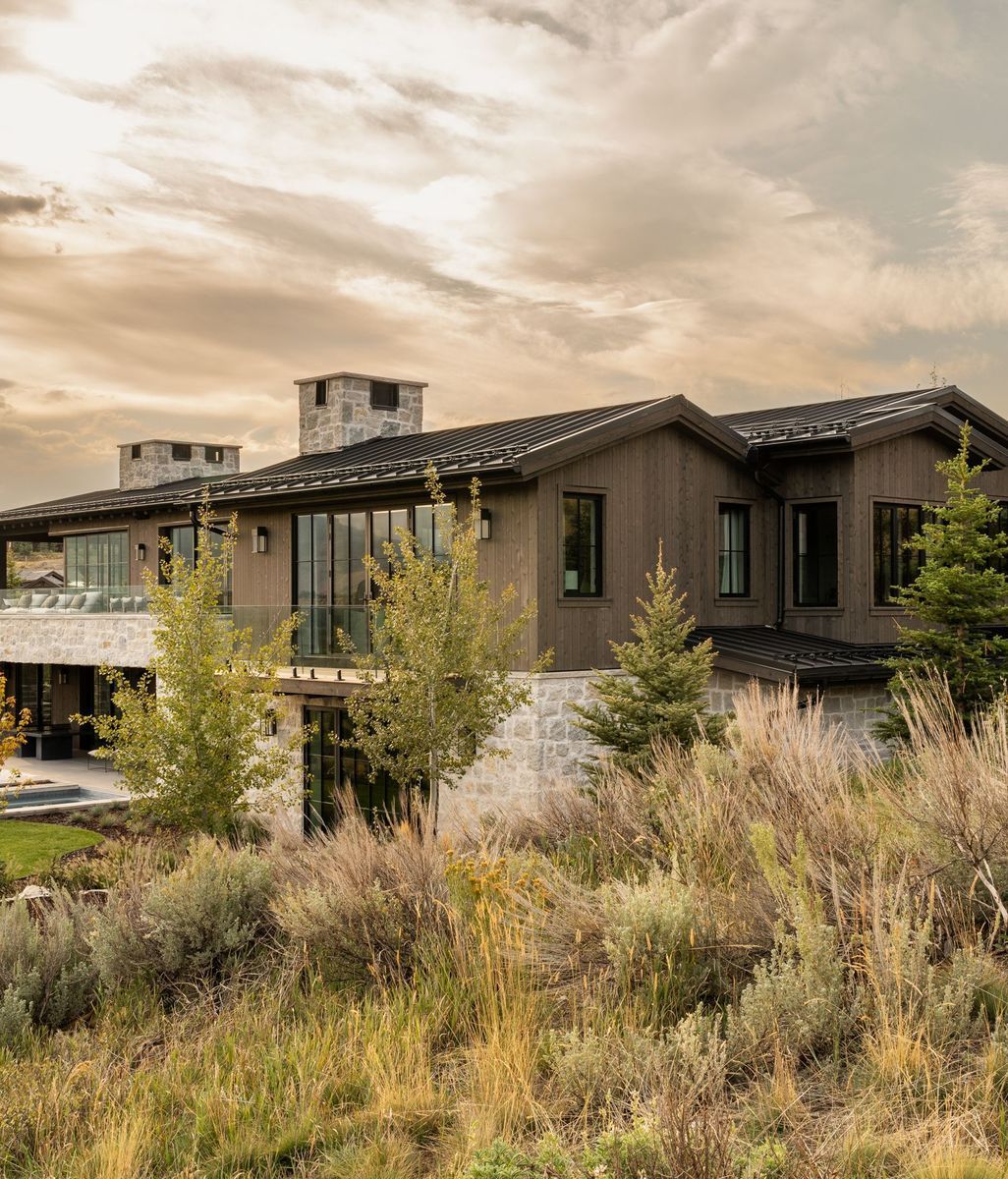
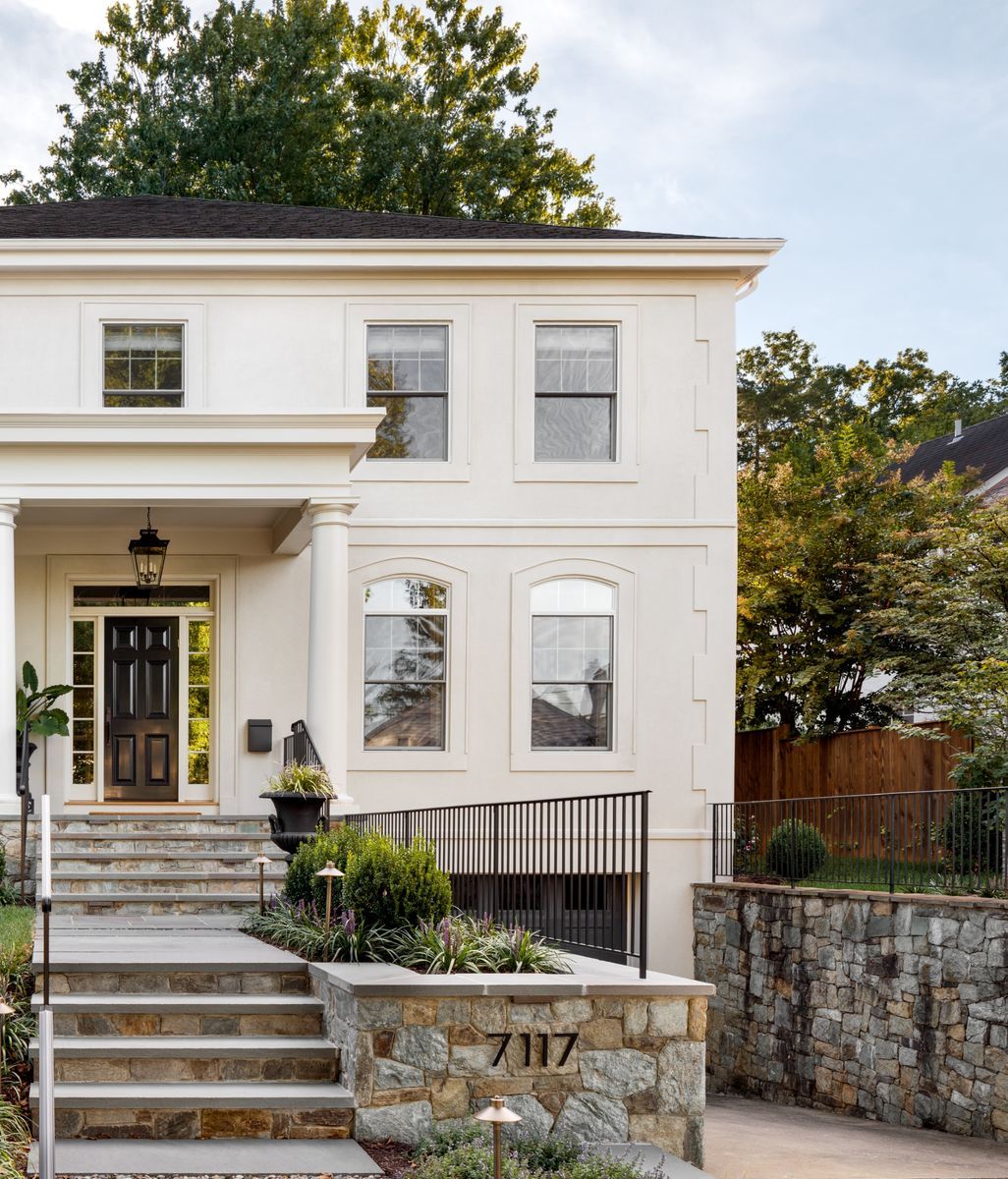
That scale became central to the studio’s identity. Each project is treated as a singular response rather than a repeatable formula, resulting in houses that often feel difficult to categorise geographically or stylistically.
“The feedback we often receive from people visiting our houses is, ‘this is not ordinary New Zealand, but it feels familiar’,” Rowe says. “It strikes a chord with people's spatial memory.”
For RB Studio, that means questioning assumptions rather than inheriting them. Why are things done a certain way? What actually improves the experience of a building?
“Our work is essentialist in that way,” Rowe explains. “We’re not trying to repeat what’s done elsewhere. It’s more about thinking about what is important and uplifting and responding in a meaningful way.”

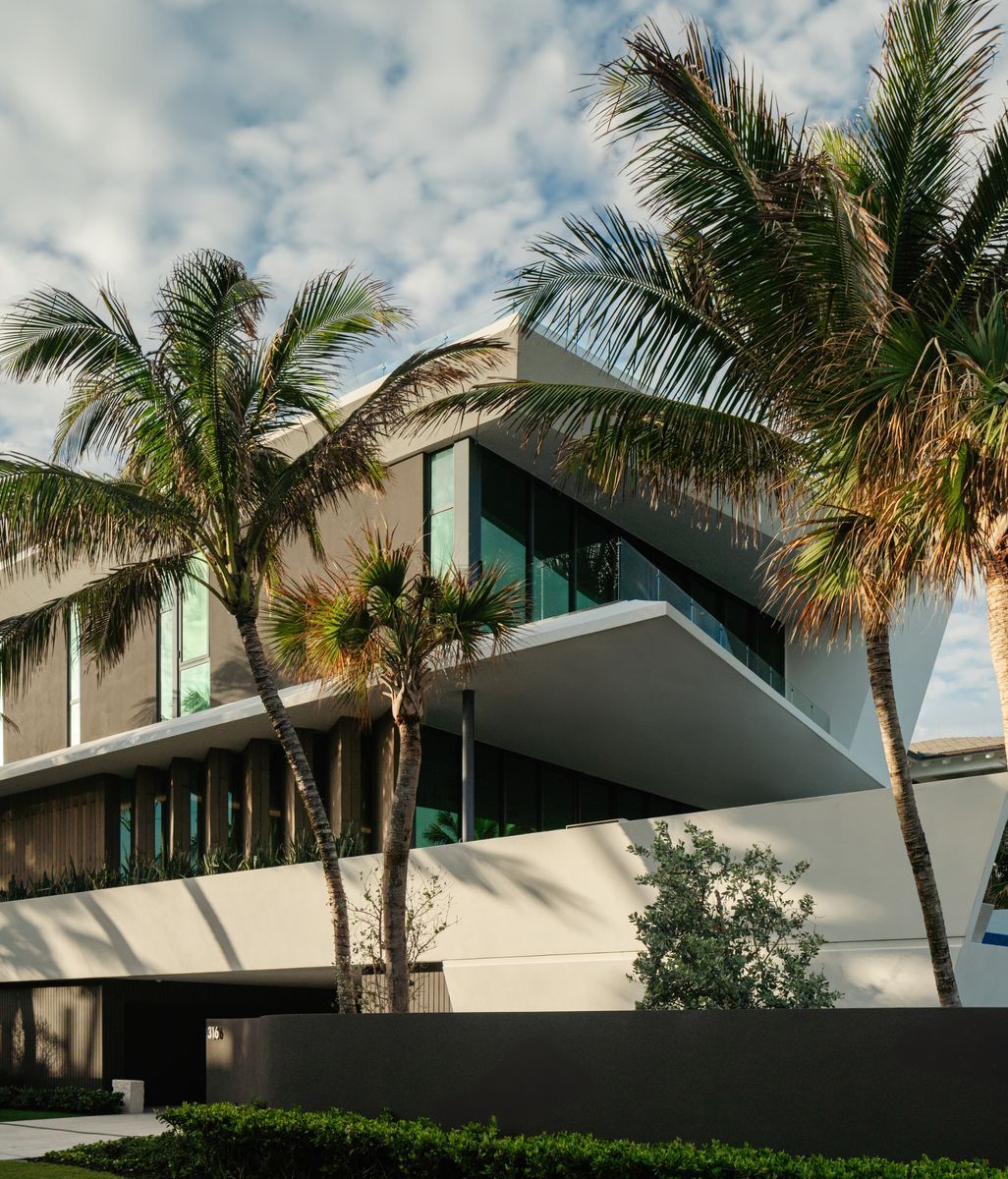
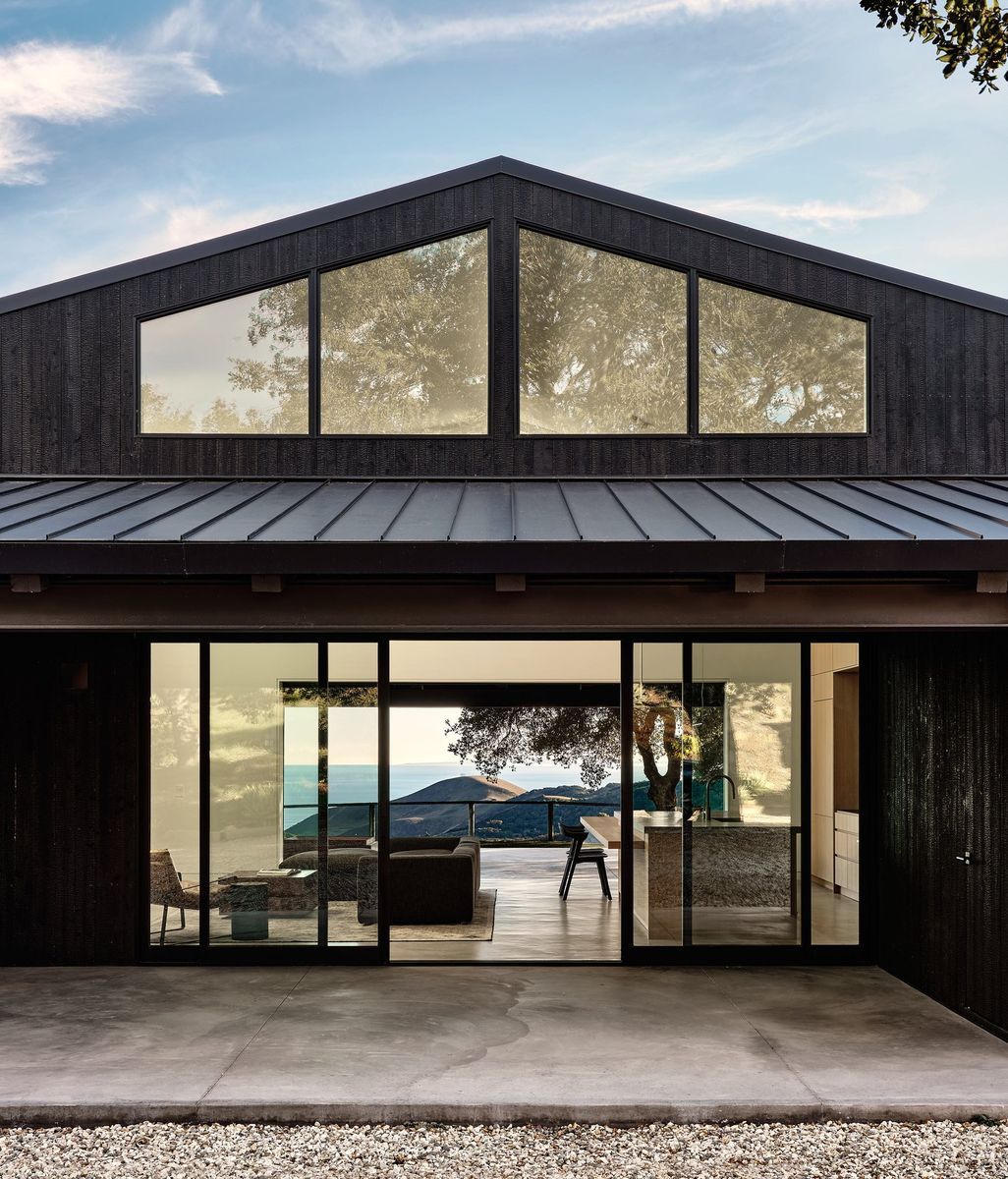
That philosophy gradually shaped the trajectory of the practice, but one project in particular became a defining turning point: Volcano House. Completed in 2017 and awarded at the NZIA Auckland Architecture Awards 2018, the project marked an inflection point where the studio’s ideas fully aligned with execution, client trust and public recognition.
“It was a great project to do philosophically, and the clients, contractors, and whole team were really invested in it,” Rowe says. “The whole orchestra of contractors, consultants, and specialists collaborated seamlessly from the beginning to the end.”
Importantly, the house shifted the direction of the practice itself. The project resonated widely and helped establish RB Studio’s reputation for architecture that is both rigorous and deeply resolved.
“It was probably a real turning point in shifting the type of work that we did,” he reflects. “It resonated with people, and it continues to.”
Part of what made the project significant was the clarity with which the original concept carried through to completion — something Rowe sees as one of architecture’s greatest challenges.
“The easiest thing to do would be to compromise, to default to what is easy and obvious for everybody,” he says. “The way to maintain consistency is to collaborate in a manner where everyone is on board.”
RB Studio’s process centres on identifying the core idea of a project early and protecting it throughout the design and construction process. In a profession shaped by consultants, budgets, regulations and competing opinions, maintaining that clarity requires discipline and collaborative respect.
“There’s a lot of competing noise towards getting to an end-point,” Rowe explains. “The question is: what is the core belief from the concept that needs to translate to the finished building?”

For the studio, good architecture is rarely about excess. It is about precision, restraint and staying true to the original intent. That approach has continued to define the practice as it has evolved. Despite remaining intentionally small, RB Studio has developed a body of work that reflects a consistent set of values: careful materiality, conceptual clarity and an insistence on architecture that feels considered rather than generic.
“We’re in the business of producing work that matters,” Rowe says. “We believe in what we’re creating and while that’s a real luxury, it’s also a challenge.”
Looking beyond the studio itself, Rowe is optimistic about the broader direction of architecture in New Zealand. While the construction industry continues to face economic pressure, he believes there is a growing cultural appetite for thoughtful design.
“I think there’s a real groundswell in New Zealand to commission good work,” he says. “If you look at what architects are creating today compared to 10 or 20 years ago, it’s significantly better, not just stylistically better.”
He sees that shift happening not only within the profession, but among clients as well. Architecture is becoming more widely understood as something valuable rather than optional — a cultural shift that is raising expectations around the quality of the built environment.
“There’s a culture building up in the background where people in New Zealand value architecture more than they have in the past,” Rowe explains. “People have started to see the difference and positive impact.”
For architects, that increasing awareness brings both challenges and opportunity. The expectation to produce meaningful work becomes sharper, but so too does the possibility of creating buildings that genuinely improve how people live.
And despite rapid advances in technology, Rowe believes that role will remain fundamentally human.
“Architects believe in the imaginary world,” he says. “In things that don’t yet exist, and our job is to visualise, translate, and transform that world into existence.”
The best architectural ideas are rarely static. They evolve through dialogue, experimentation and a deep understanding of people and place. For more stories from New Zealand's leading architects, designers and makers, discover the latest projects, insights and inspiration on ArchiPro.