Team Green Architects: Designing out the cold
Written by
18 March 2026
•
6 min read


There is a familiar refrain among those who arrive in New Zealand from the UK, and it usually arises sometime in the first winter. The cold is not just outside, it is inside too. Walls leak heat, windows weep with condensation and the simple act of stepping out of the shower becomes an ordeal. For architect Siân Taylor, that moment was not just uncomfortable, it was catalytic.
“We were living in a house with ice inside the windows in winter,” she recalls. “Every time you went to have a shower, it was almost the worst thing because you’d have to take clothes off or you’d get out of the shower and be really cold. You’d just never get warm and it didn’t make any sense.”
It is this sense of dissonance that was formative to the story of Team Green Architects, the practice Taylor founded in the early 2010s after undertaking Passive House training. Having come from the UK, where building standards were steadily tightening, she found herself confronted by a construction culture that lagged behind both scientifically and philosophically.
“I knew what was being done overseas and that standards were improving every few years,” she says. “There was a trajectory towards better performing homes, and here we just were not even on that path. Once I understood Passive House, I felt really strongly that it would make a big difference, not just thermally but in terms of durability and how buildings age.”
The practice formally began around 2012 by Taylor and (now husband) Mark Read, whom she had met years earlier in an established architectural office in Arrowtown. Their shared history offers a telling prelude to the ethos of Team Green.
“From the minute Siân arrived, she drove us all a bit crazy by pointing out things that were antiquated,” Read says. “We were designing beautiful homes, but not necessarily better ones. It was frustrating because the conversation never really went anywhere.”
That frustration became fuel. Passive House training gave Taylor both a framework and a confidence she had previously lacked.
“It made me realise it wasn’t just me being annoying,” she says. “There was a whole scientifically driven movement that says this is how you should design. That gave me the confidence to actually act on it.”

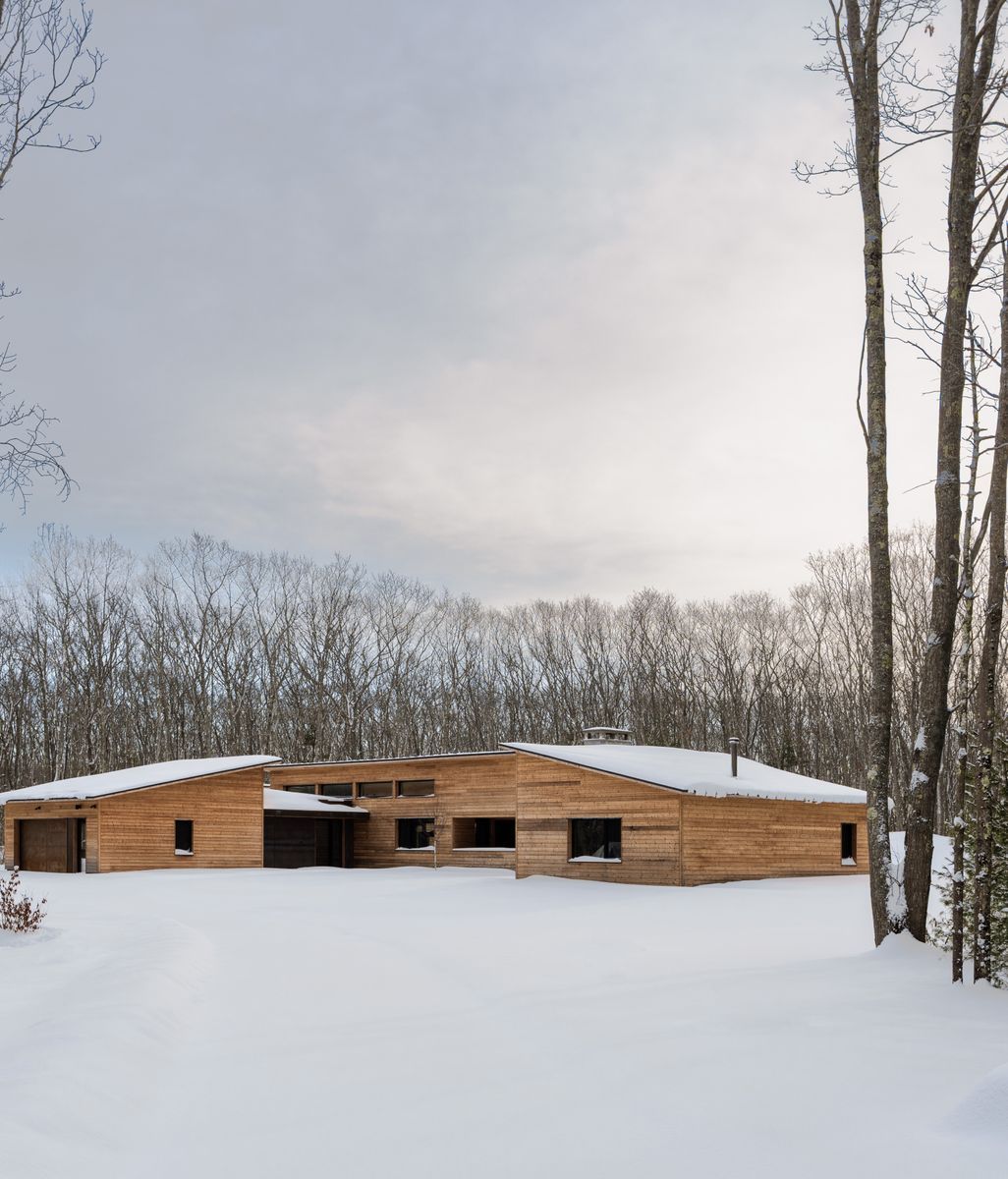
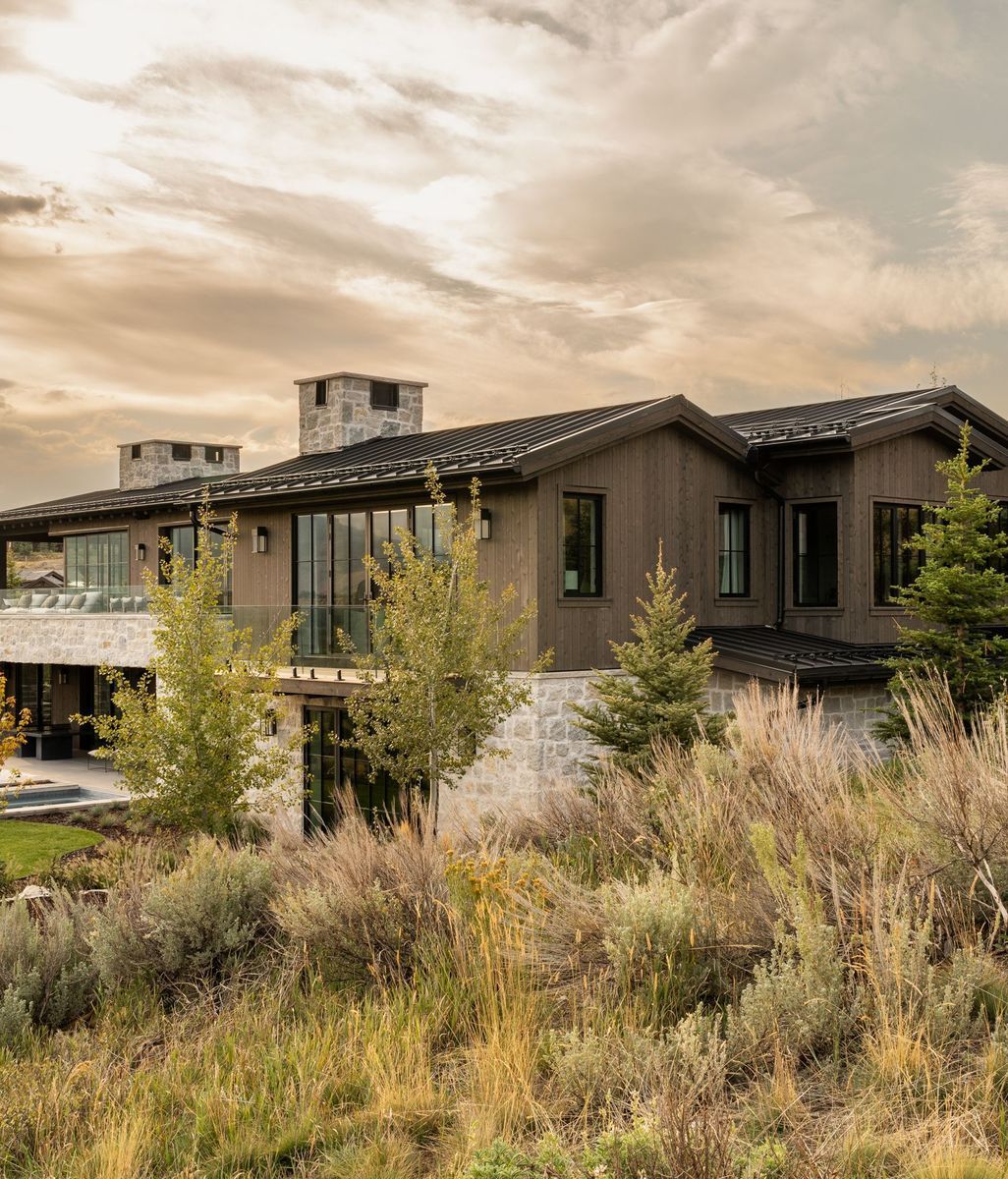
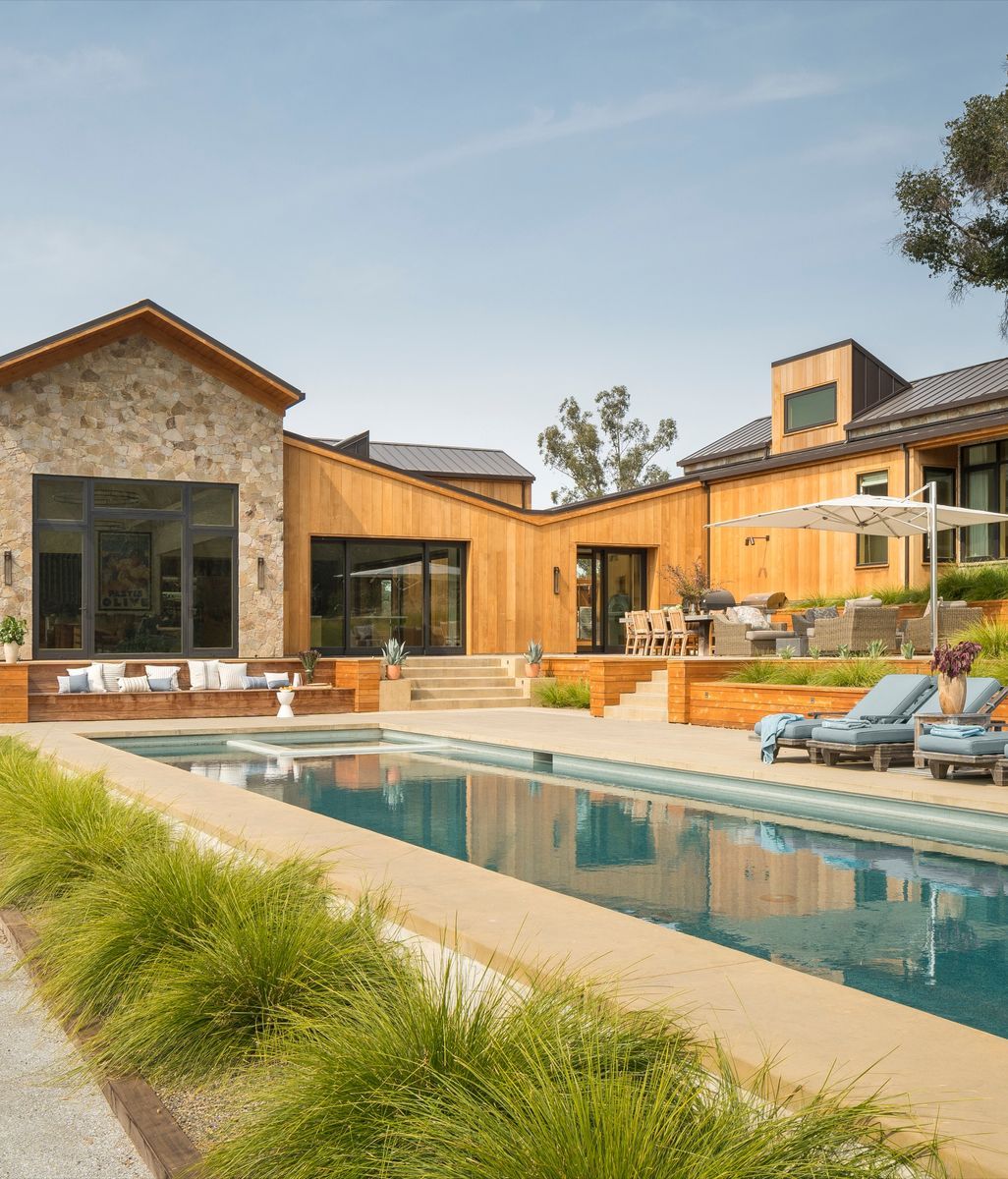
From the outset, Team Green Architects set itself apart by refusing to treat performance and aesthetics as competing priorities. If anything, the practice has built its reputation on the insistence that the two are inseparable.
“Between the two of us, I probably have more of a scientific brain and Mark has more of an artistic one,” Taylor explains. “He holds a really high standard of what the architecture must be. We always said we have to balance those things. The buildings must still be beautiful, but they will also perform better.”
Read agrees, describing performance as a generator rather than a constraint.
“I really enjoy that Passive House is specific to place,” he says. “It is not a cookie-cutter approach. You’re optimising for a particular site, a particular climate and that actually makes the architecture richer because it is grounded in something real rather than arbitrary.”
If the early years of the practice were defined by conviction, they were also marked by a surprising level of receptivity from clients, particularly in the Queenstown Lakes region. Rather than resistance, there was demand.
“It went really quickly,” Taylor says. “People were crying out for it. In the first year it was just us, and suddenly we had multiple projects and had to bring in more people.”
Read remembers being struck by how informed their clients already were.
“I was amazed at who was coming through the door and how much they already knew,” he says. “They wanted someone to help them navigate how far along that spectrum of doing better they could go.”
One of the earliest challenges was not convincing clients of the value of better performance, but reconciling it with entrenched design habits. Queenstown sites, with their prized views, often demanded compromises that ran counter to Passive House principles.
“Initially, we were more rigid, with rules like avoiding large areas of glazing on the south face and expecting the building to perform,” Read says. “We had to explain that logic, but over time you realise there is flexibility. You can still achieve the view and the performance if you are thoughtful about it.”


An early project proved formative. The Oliver’s Ridge Road House was a technically demanding project that required collaboration, innovation and a willingness to step into the unknown.
“It took everything to another level,” Read says. “We did not really know how we were going to get there, but we had to fully commit to it. It was the most technical project I had been involved with at that point.”
Looking back, Taylor sees that project as a kind of benchmark.
“The science does not lie,” she says. “Even though we did not know exactly where the finish line was at the time, we got there. And it is still the same finish line today. That is reassuring.”
As the practice grew, it reached a peak of around six to eight staff before the disruption of Covid-19 prompted a fundamental shift. The couple moved into a home they had designed, transforming part of it into a studio and embracing a more flexible, remote way of working.
“I just did not want to go back to the office,” Taylor says. “We had this beautiful place and a young daughter, and it made sense to stay. It changed how we operate completely.”
The shift has made the practice more nimble, particularly in a market that has since cooled. It has also reinforced a key lesson about people and process.
“Good people do not have to be in the room with you,” Read reflects. “I did not think we could do what we do remotely, but I was wrong.”
If there is a single thread that runs through Team Green Architects’ journey, it is a growing confidence. Confidence in the science, in their instincts, and in their willingness to advocate for better outcomes even when it is uncomfortable.
“You have to speak up when you know what is right,” Taylor says. “We had projects early on where we did not push hard enough and we learned from that. Now we are much clearer about what is needed to make a building perform.”
It is a clarity born of experience, but also of purpose. What began as a reaction to cold, inefficient homes has evolved into a practice that firmly raises the bar for what residential architecture in New Zealand can be.