Te Arai’s quiet rise as a build enclave

Written by

17 March 2026

 • 

4 min read

Mangawhai | Oliver Tuck Construction
From building on shifting sand dunes to coordinating remote-site logistics, Te Arai is emerging as one of New Zealand’s most distinctive residential build environments.

Coastal luxury often leans toward spectacle. Te Arai appears to be charting a different course.

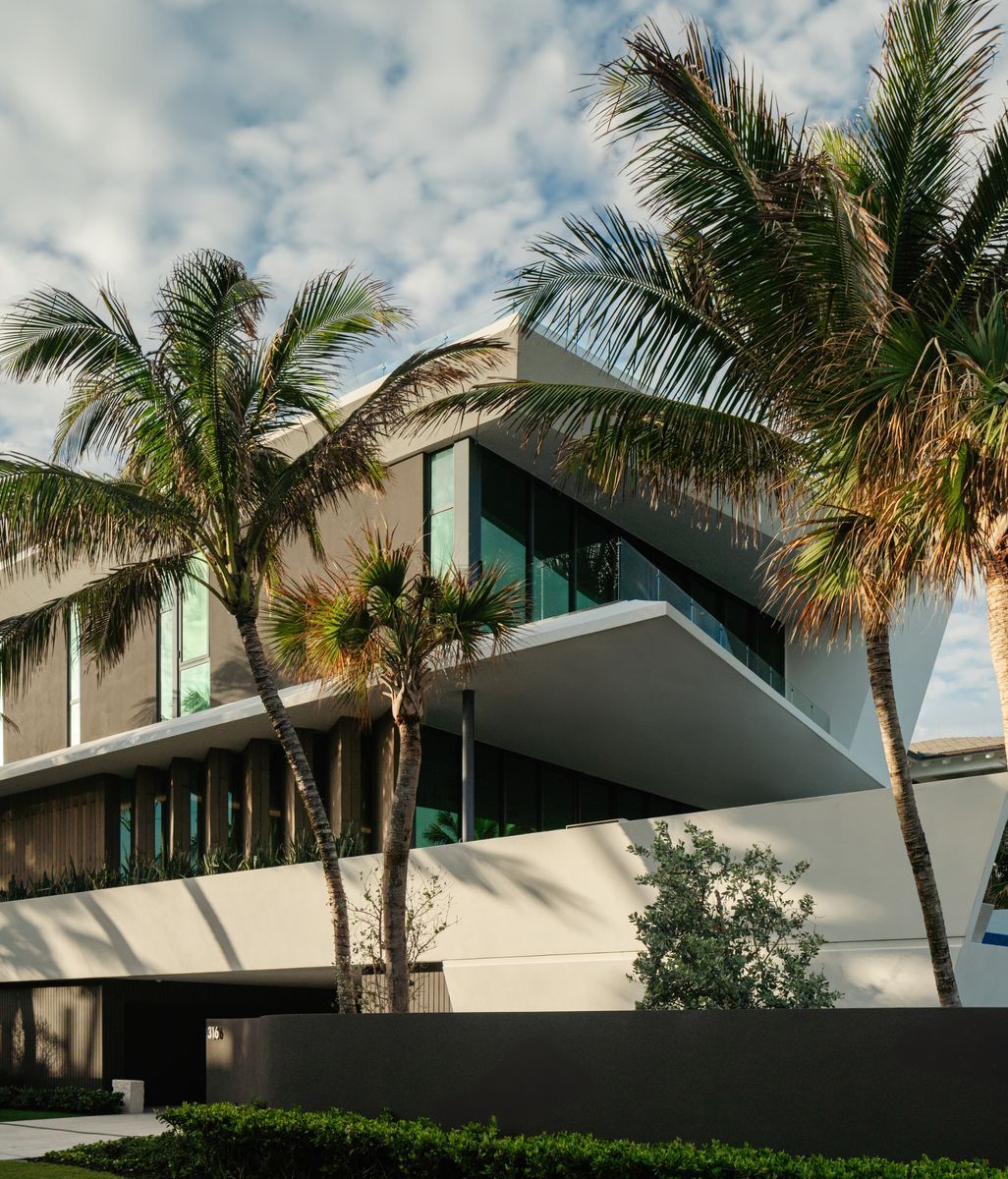
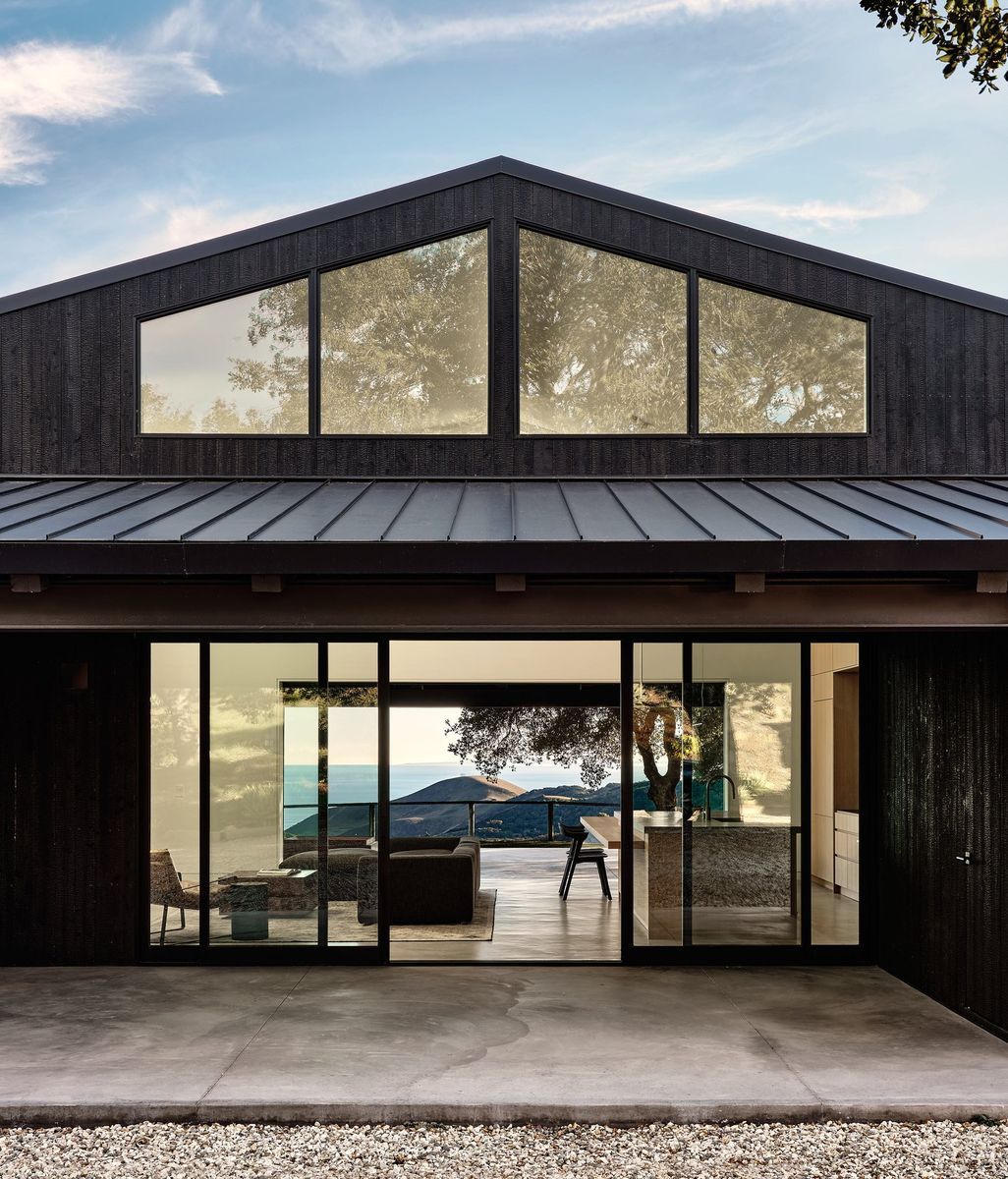
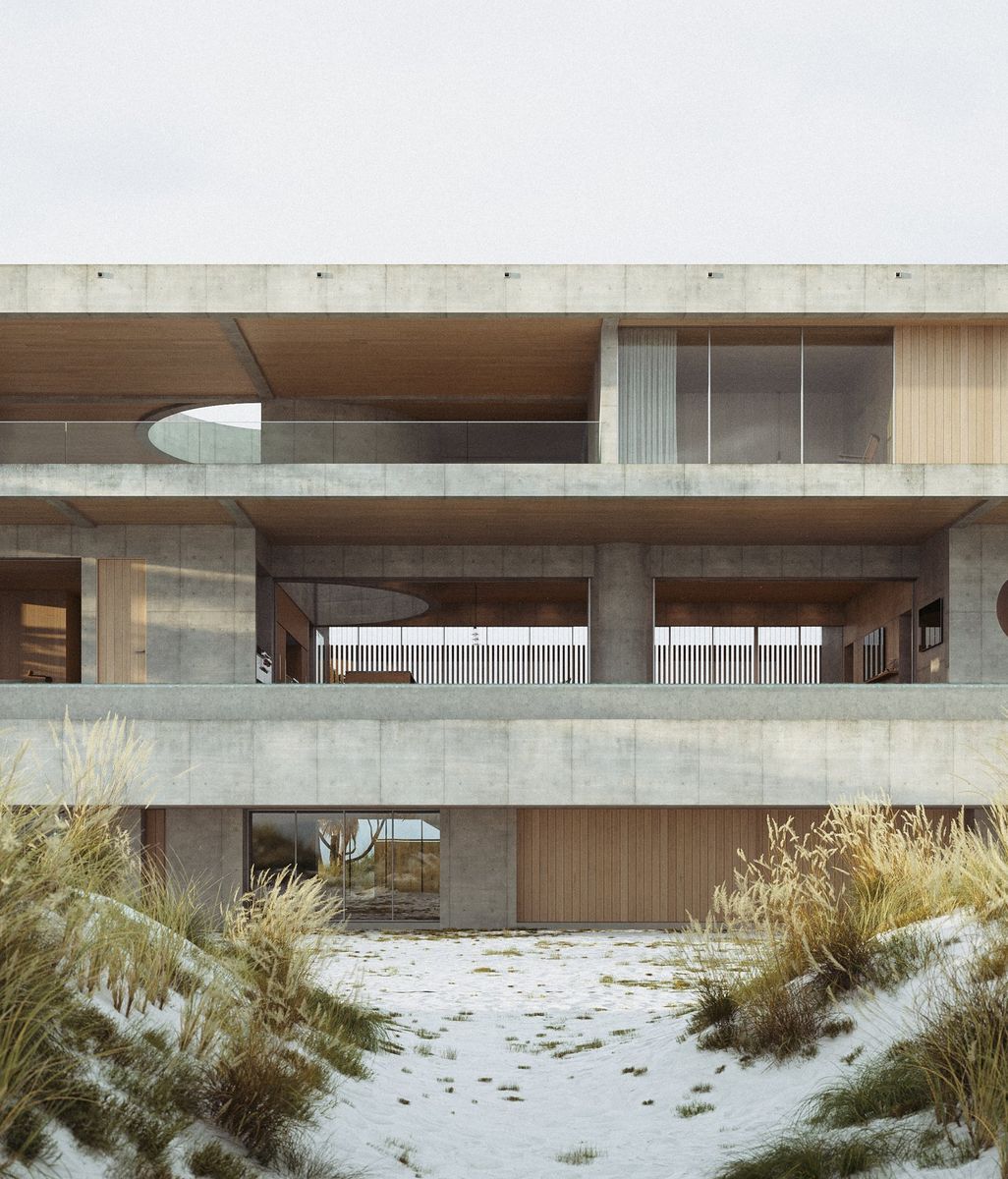
Over recent years, a cluster of architect-led homes has begun to define the area. The draw is clear. A dramatic coastline, proximity to Auckland and a growing reputation for discretion. What distinguishes Te Arai, however, is the framework shaping what gets built.


Mangawhai  | Oliver Tuck Construction
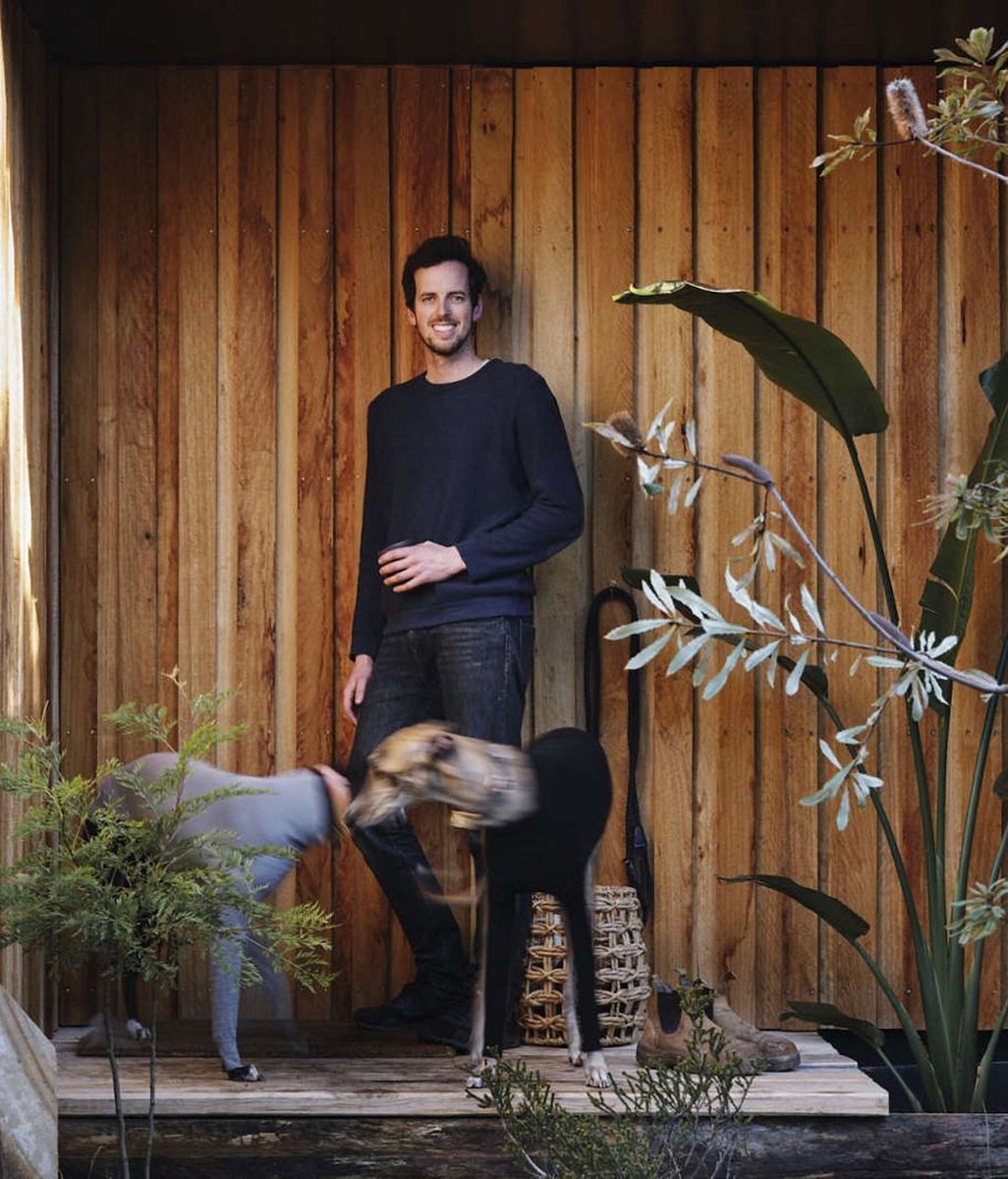
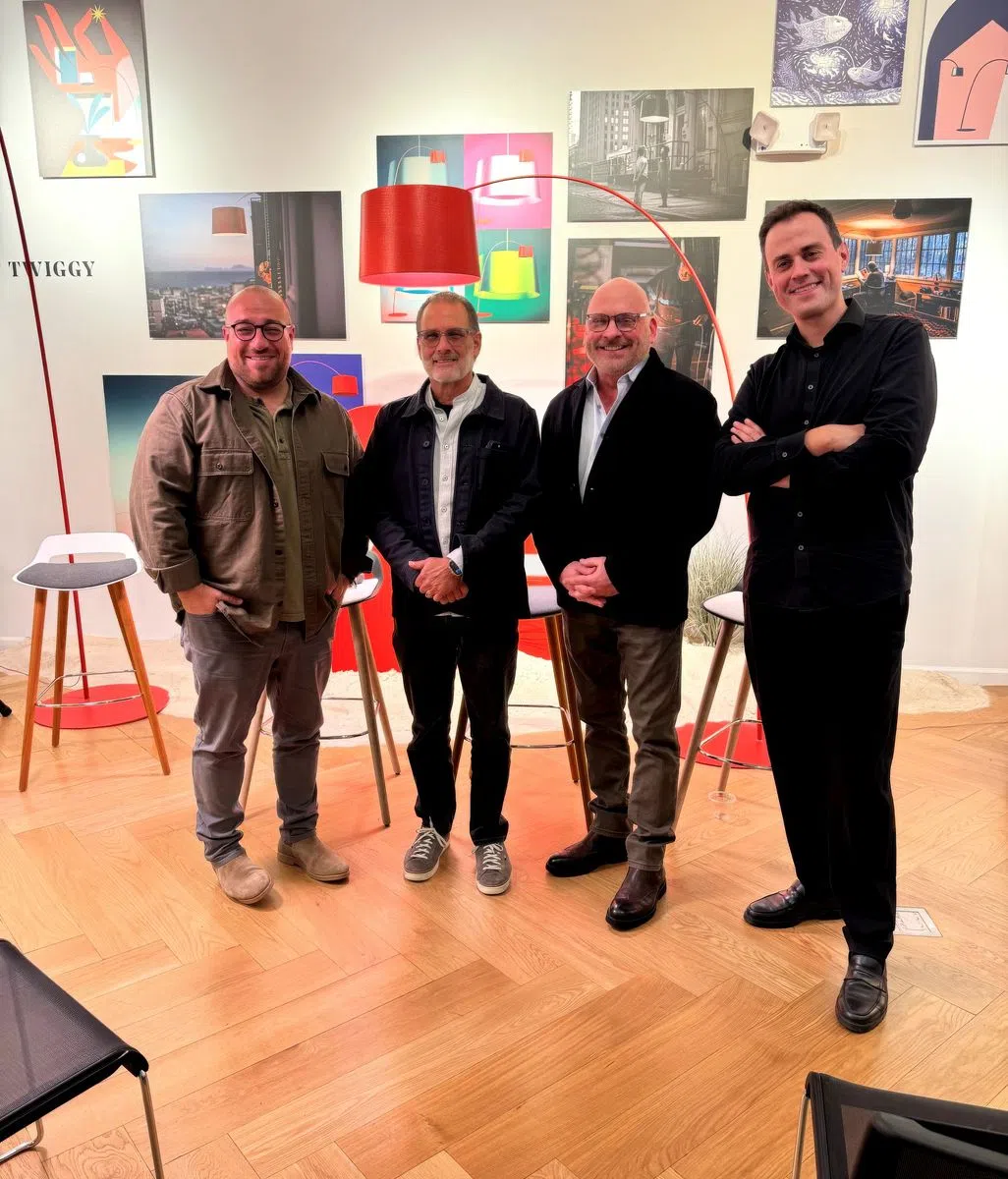
Oliver Tuck | Owner of Oliver Tuck Construction

For Oliver Tuck of Oliver Tuck Construction, who has delivered multiple projects in the area, the defining feature is not scale but scrutiny.

“All builds are vetted by a panel of architects,” he explains. “There is an expectation that homes are refined and recessive, responsive to the landscape rather than dominant.”

That review process establishes an architectural tone early. Massing, material selection and siting are assessed against a broader vision for the community. The result is a built environment that feels cohesive rather than competitive.


The environmental obligations reinforce that restraint. Tree removal requires replacement. Pest management systems are mandatory. Builders receive briefings identifying local wildlife before work begins. These measures are not peripheral. They shape logistics, sequencing and material decisions from the outset.

The physical conditions present their own discipline. Sand, salt and prevailing winds accelerate wear. Tooling and materials are tested constantly.

You have to think carefully about durability,” Oliver says. “The environment is beautiful but it is unforgiving.

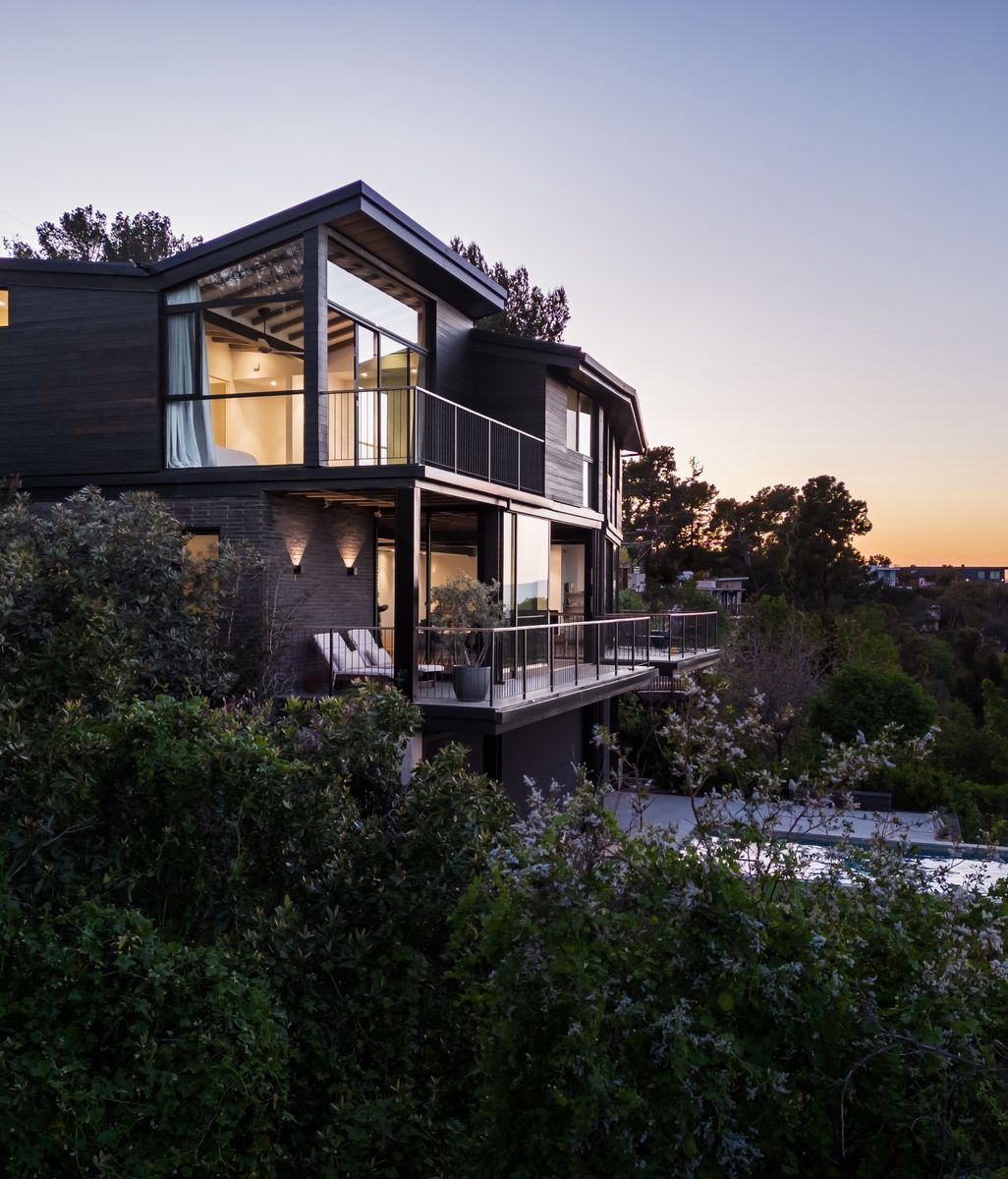
In response, many builds consider elevation and shelter as core design moves. Living spaces are configured to respond to shifting weather conditions. The architecture becomes adaptable, not static.


Todd Wickenden | Director and Builder of Broswick Builders

For Todd Wickenden, director and builder at Broswick Builders, the appeal of Te Arai extends beyond the buildings themselves.

“Te Arai has one of the best golf courses in New Zealand and is set in scenery unlike any other course,” he says. “As you enter through the gates it feels like you are entering a beautiful resort in its own little bubble.”

That resort-like atmosphere has helped shape the design language emerging across the community. Despite the scale of many homes, the architectural approach remains deliberately restrained.


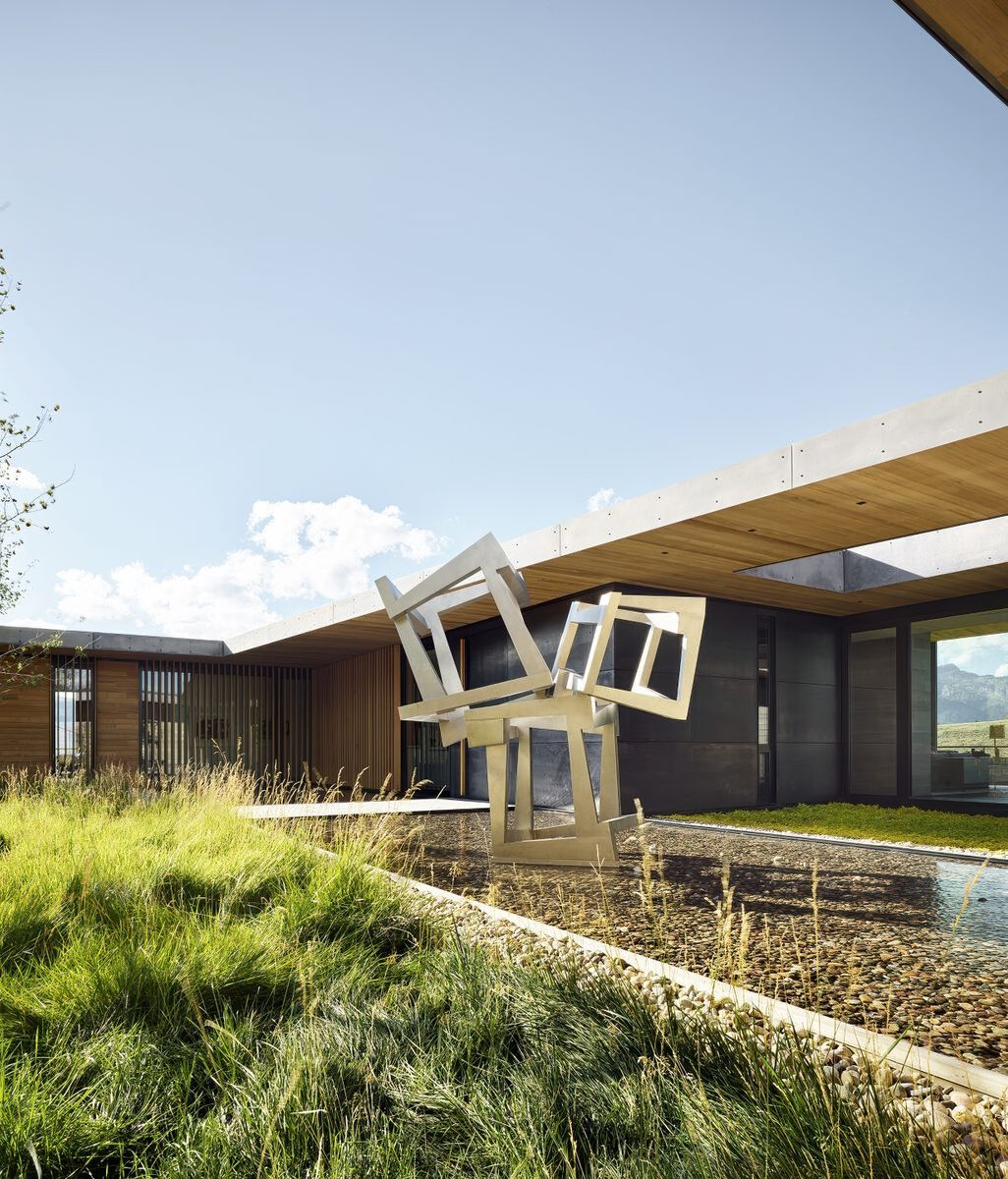
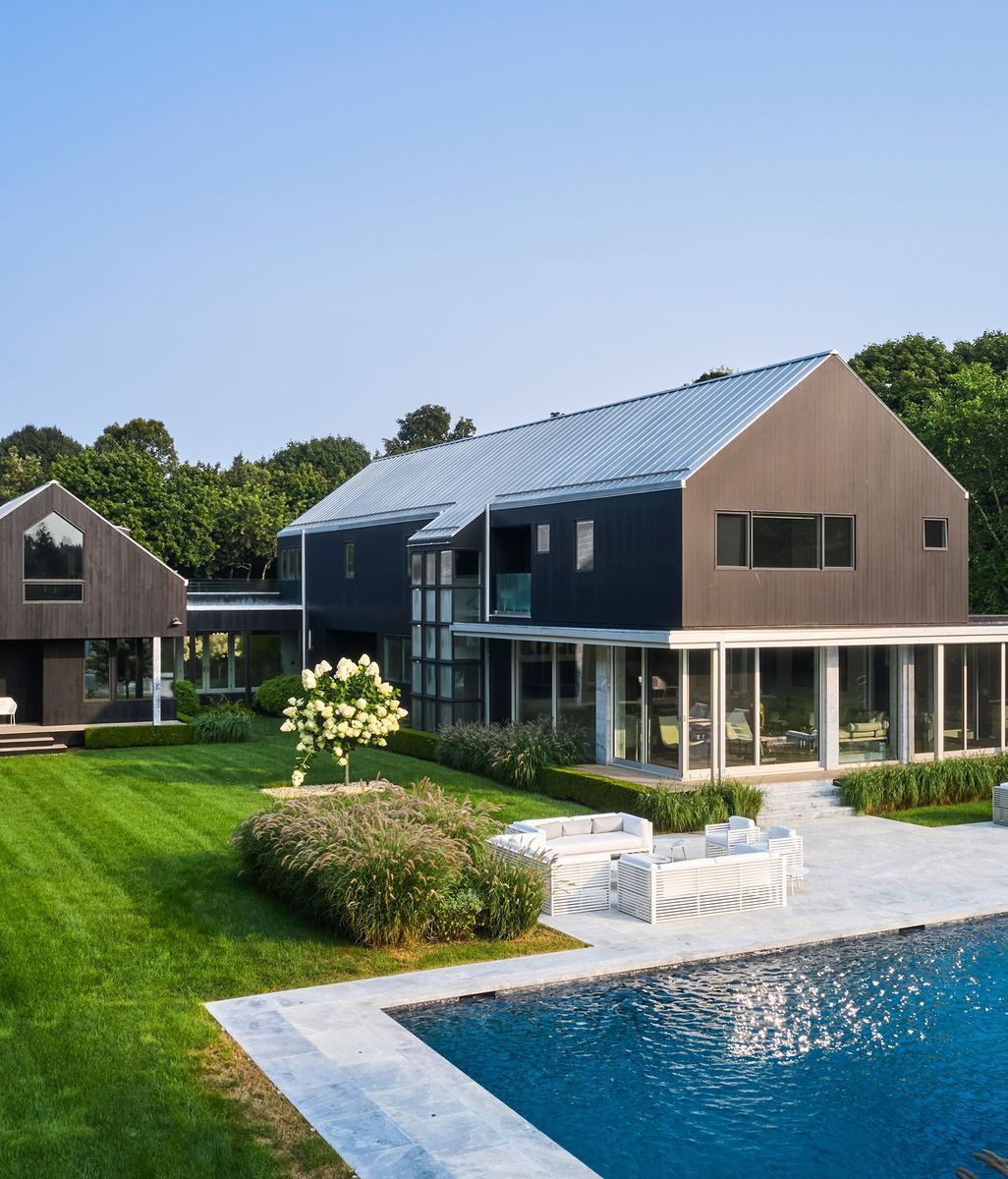
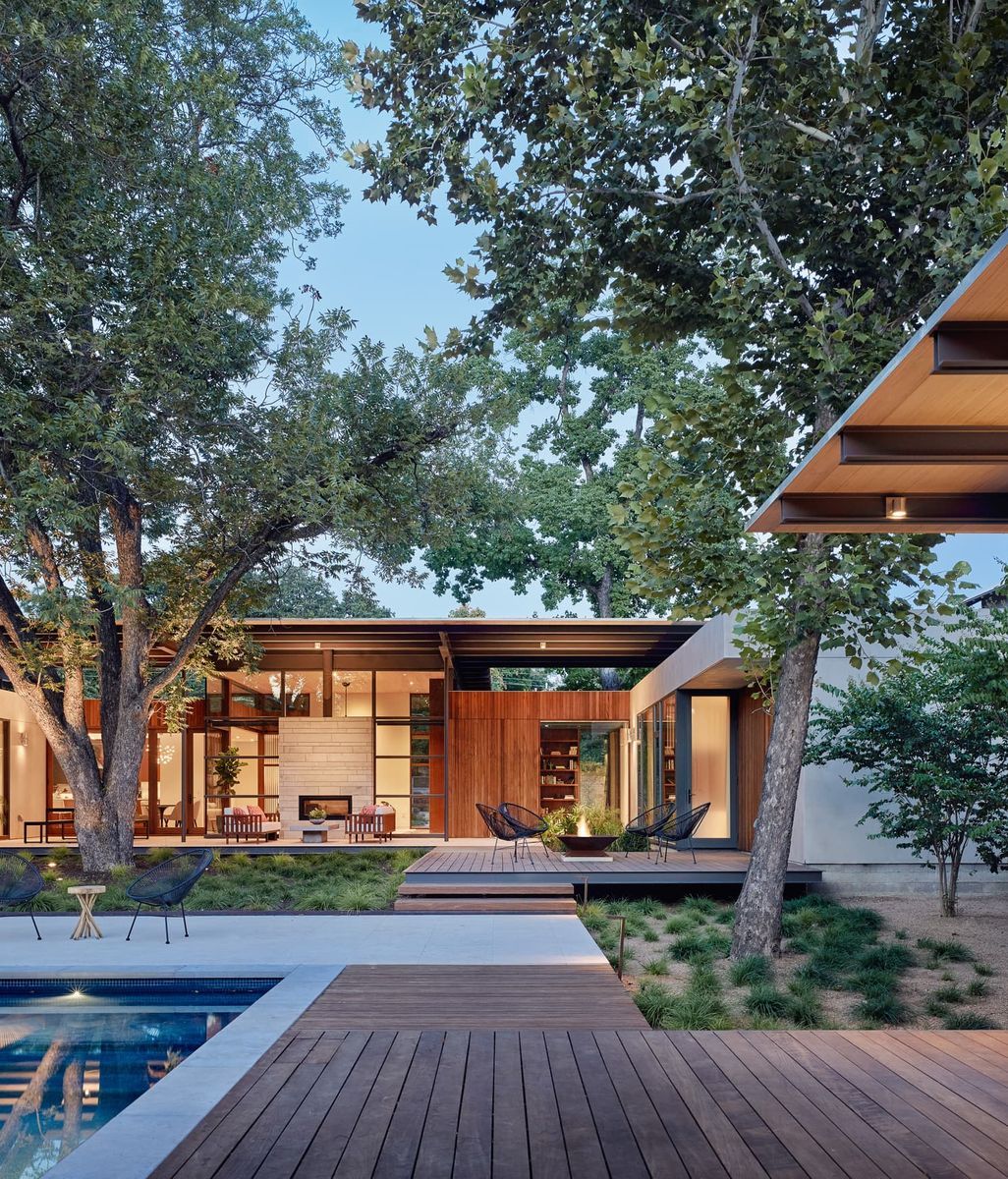
“All of the designs are very cohesive and sympathetic to the natural environment,” Todd explains. “Many of the houses are large, but they’re tucked into the landscape. Muted and natural materials are being used, which gives the whole place a beautiful aesthetic.”


Working within the dune environment also introduces specific construction challenges. Building on sand requires a different approach to foundations and site management, particularly when the goal is to protect the existing landscape rather than reshape it.


Building on the sand in the dunes is a big factor,” Todd says. “You’re anchoring the house without changing the dune itself. That means foundations and site setup are quite different from a normal build.

The remote setting also affects construction logistics, requiring careful coordination of deliveries and trades.

Yet despite the technical challenges, both builders point to a shared mindset among those working within the area.

“Everyone is on the same page,” Todd says. “There’s no compromise on quality, style or looking after the surrounding environment.”

That alignment has helped create a distinctive culture across the enclave. Builders, architects and clients operate within a shared expectation that architecture should enhance the landscape rather than compete with it.

For Oliver, that collective mindset ultimately defines Te Arai more than any individual home.

“There is a quiet confidence to the builds there,” he says. “The focus is on quality and longevity, not on making a statement.”

For those exploring how architecture responds to coastal landscapes, Te Arai offers a compelling case study in restraint, durability and site-led design. On ArchiPro, you can explore Oliver Tuck Constructions and Broswick Builders, discover projects emerging from Te Arai, and see how designers and builders are approaching coastal residential architecture with sensitivity to landscape, climate and community context.