Seventy years of evolution in architectural metalwork

Written by
30 March 2026
•
2 min read

In contemporary construction, the performance of a building is increasingly shaped by the systems that sit behind its visible form. Façade detailing, drainage, screening and fabricated elements are no longer secondary considerations. They are integral to how buildings function, age and are ultimately experienced.
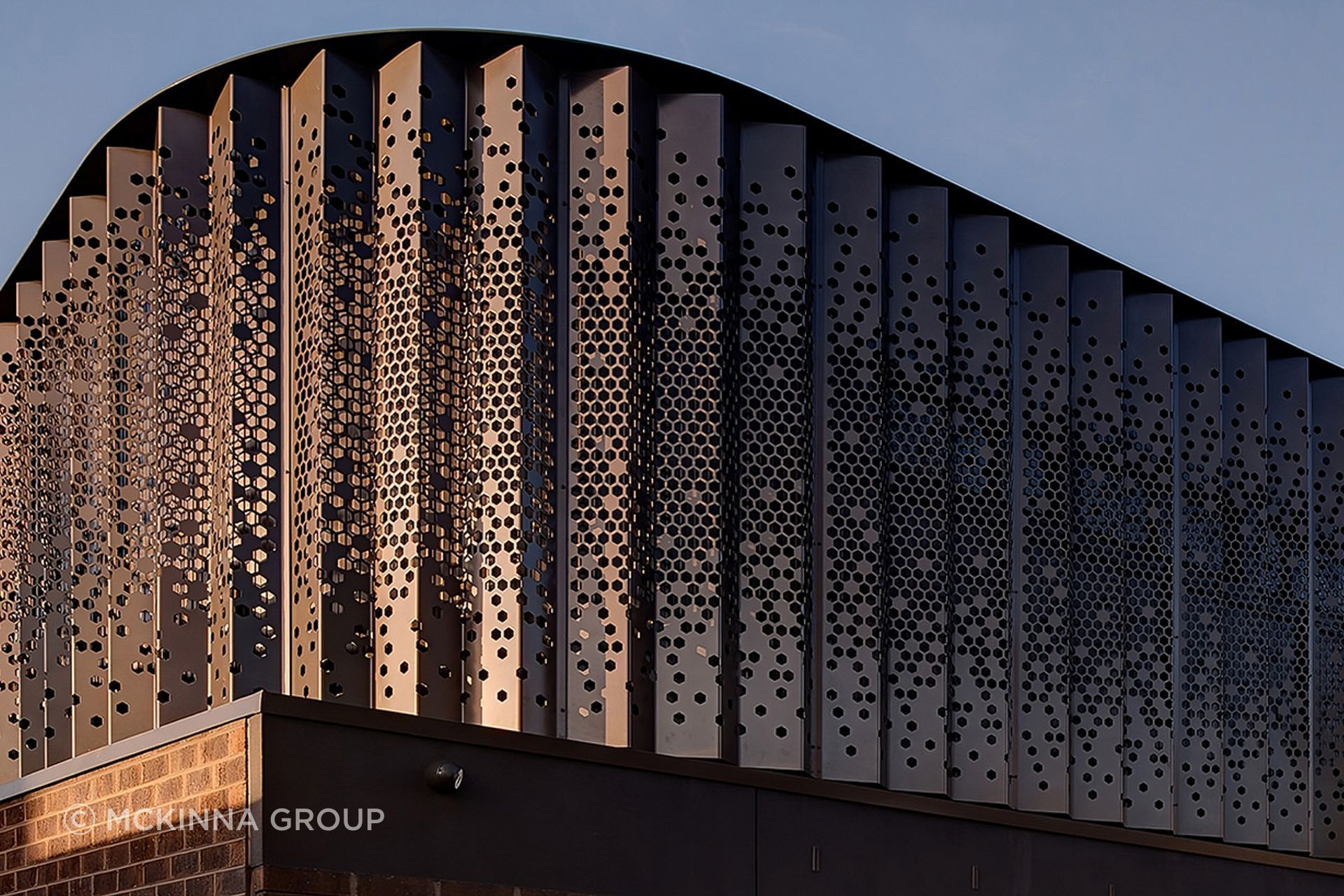
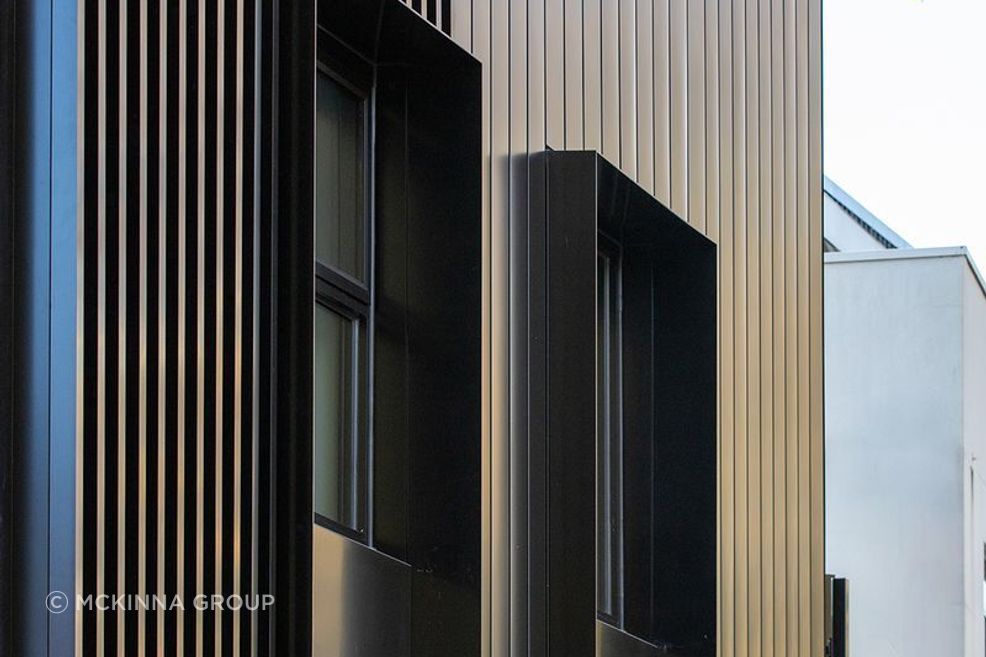
Against this backdrop, milestones such as a 70-year anniversary offer a useful lens into how the role of specialist manufacturers has changed.
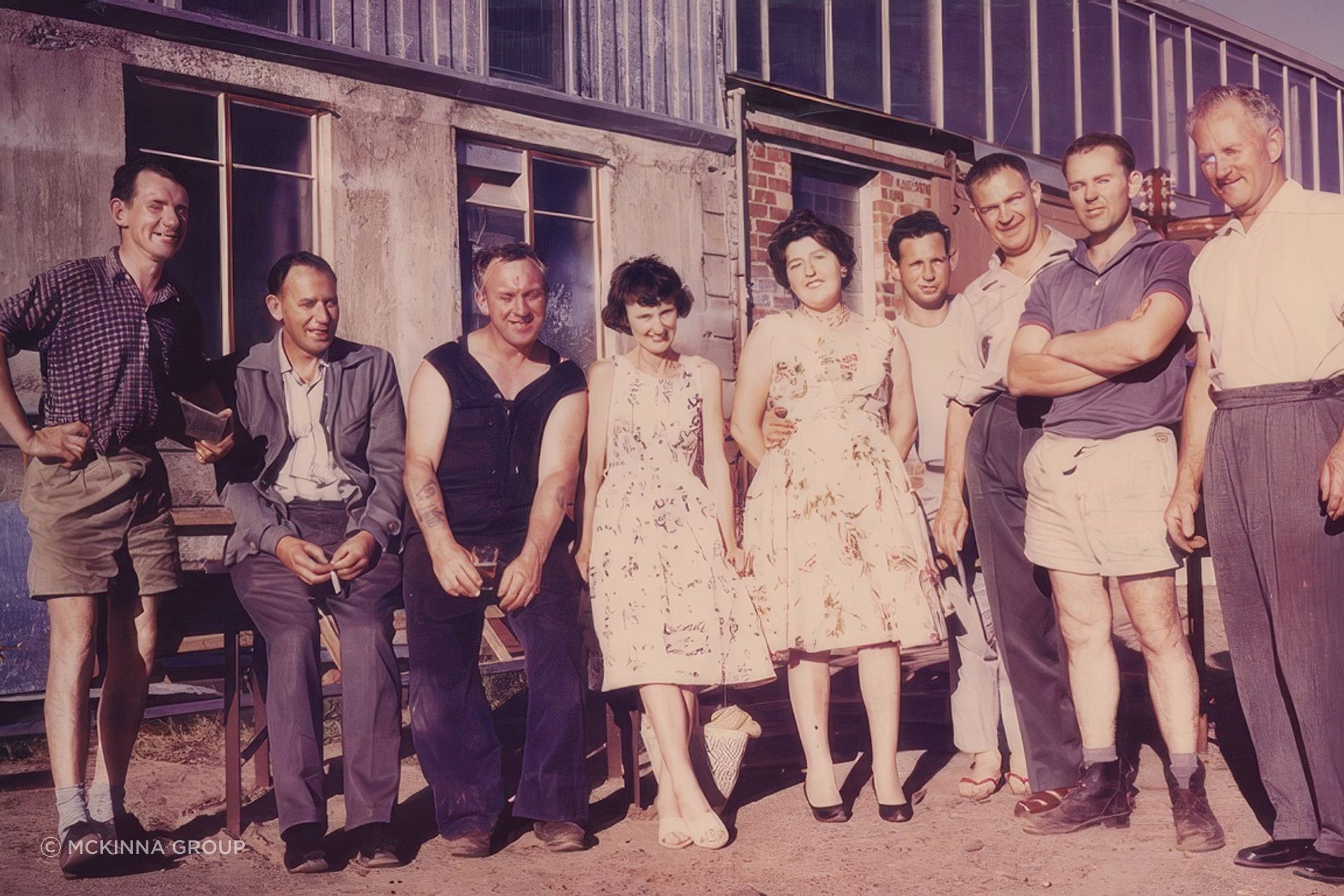
Founded in 1955, McKinna Group began as a small family operation producing building components through traditional sheet metal processes. Like many manufacturers of its time, the early years were defined by craftsmanship, manual production and close relationships with local builders.
What has changed over the past seven decades is not simply scale, but the nature of what is required from building products themselves.
Today, the role of the manufacturer is markedly different. Architectural metal products such as cladding systems, window shrouds and drainage systems are expected to meet multiple requirements at once, such as, durability, compliance, constructability and visual integration.
A key turning point came with the introduction of laser cutting and digital manufacturing technologies in the early 2000s. These systems enabled a shift toward precision, allowing more complex detailing and greater consistency across projects.
As buildings have become more resolved, manufacturers are also being engaged earlier in the design process. Rather than supplying standard components, they now contribute to how details are developed and delivered on site.


For McKinna, growth has followed this broader industry shift. Investment in technology has been matched by an expansion in team capability and services, including the introduction of a dedicated installation division. The result is a more integrated approach, where manufacturing is directly connected to on-site outcomes.
Seventy years on, the significance of the milestone lies in how the role of architectural metalwork has evolved. From standalone components to coordinated building systems, it has become an essential part of how projects are resolved in practice.

On ArchiPro, you can explore McKinna Group alongside key categories such as cladding systems, architectural screens and drainage systems, and see how manufacturers are supporting more precise, coordinated building outcomes.