Rocky Ridge House


In 2022, two Te Anau-based homeowners had completed a bach and were enjoying the experience of having a warm, purposebuilt and comfortable space to live in. Their primary home was old and no longer up to scratch, lacking adequate shelter from the extreme climate and cold of Southland.
Seeking to create a new permanent residence, they reached out to Fabric, the architectural practice behind the bach they were enjoying as a temporary home. Fabric, an award-winning Christchurch architecture practice led by registered architect Mitchell Coll, prides itself on creating spaces that not only feel right for its clients but also connect them to the surrounding environment, designing buildings that seem as though they’ve always been there.
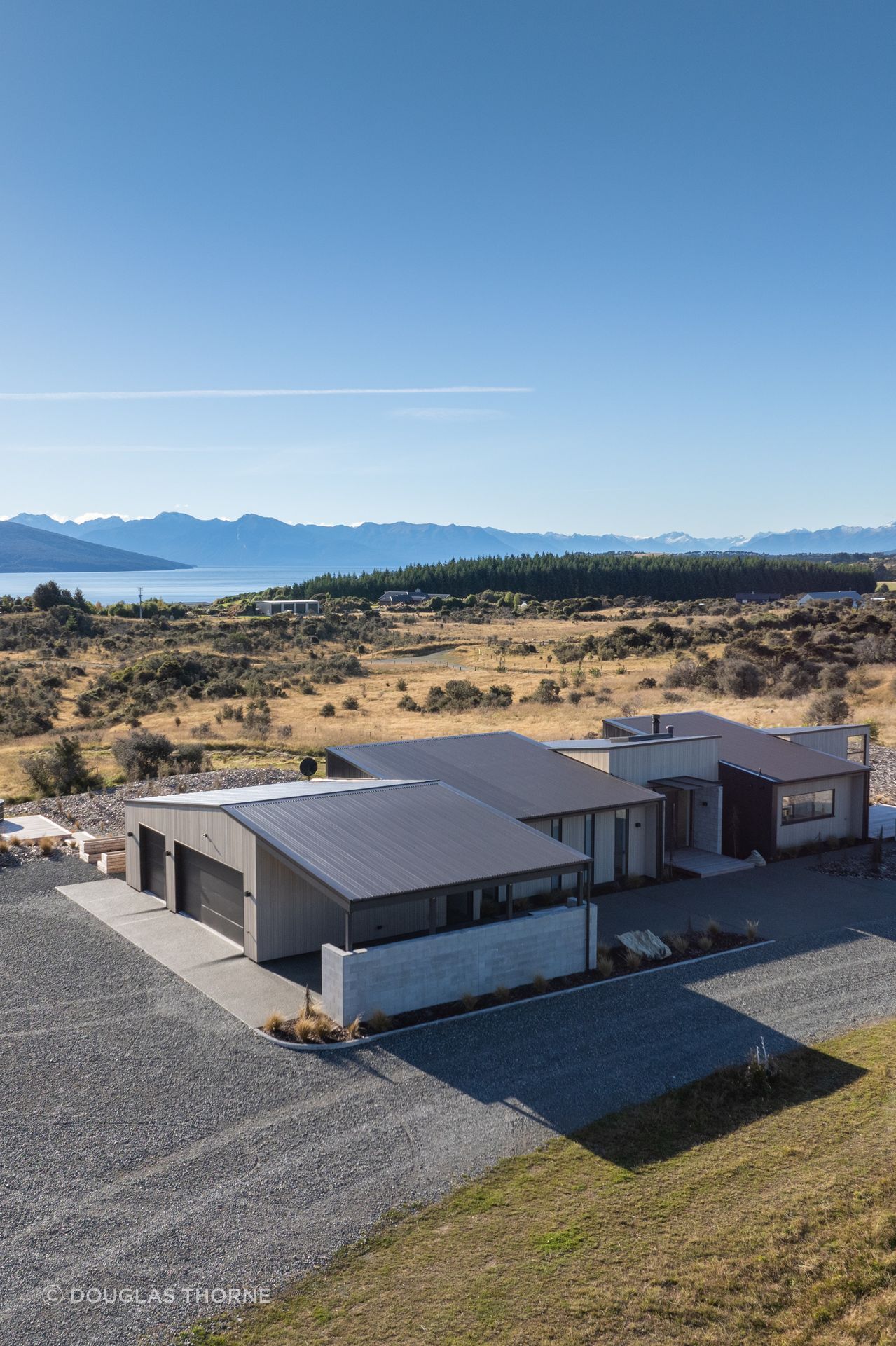
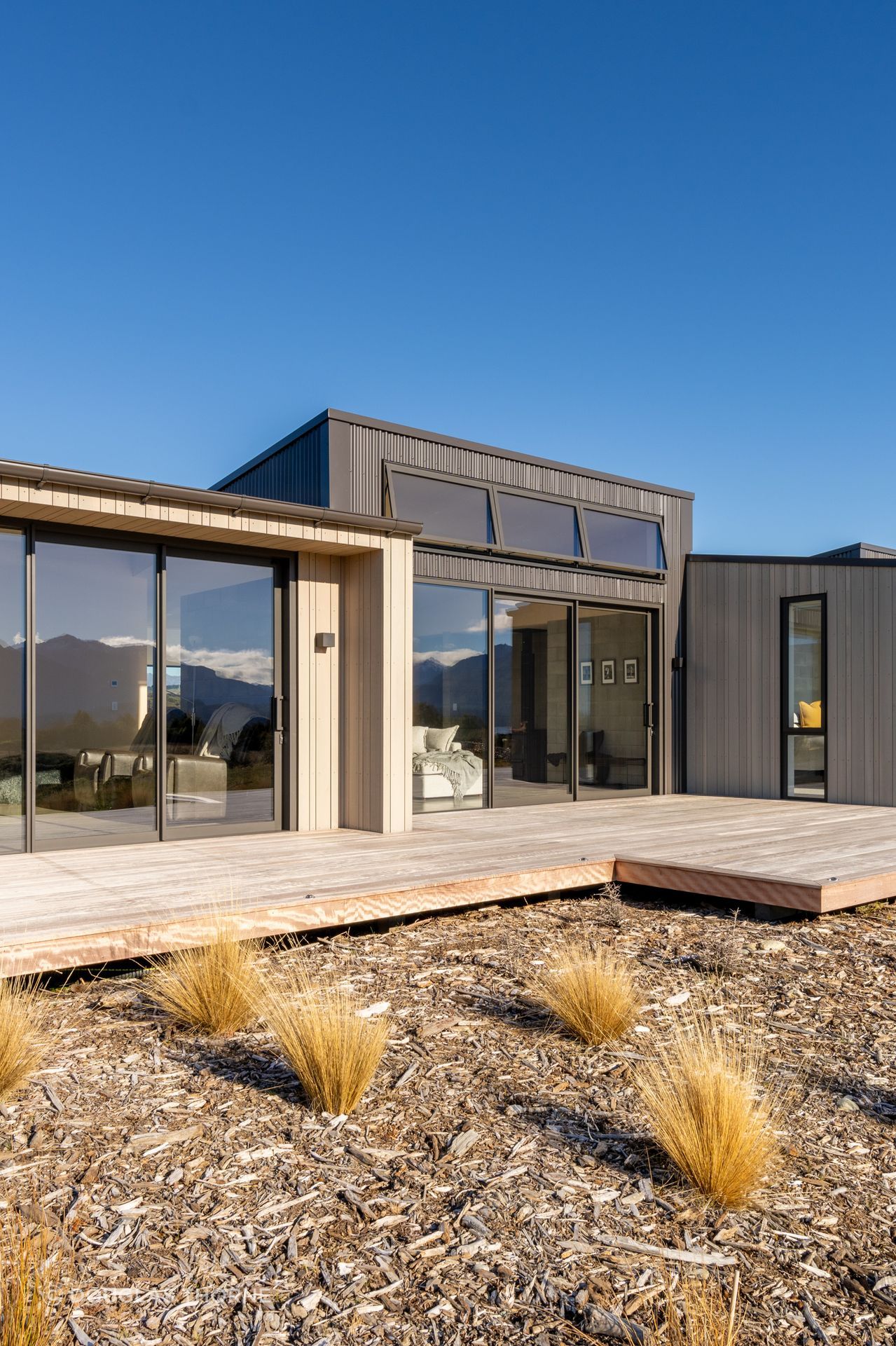
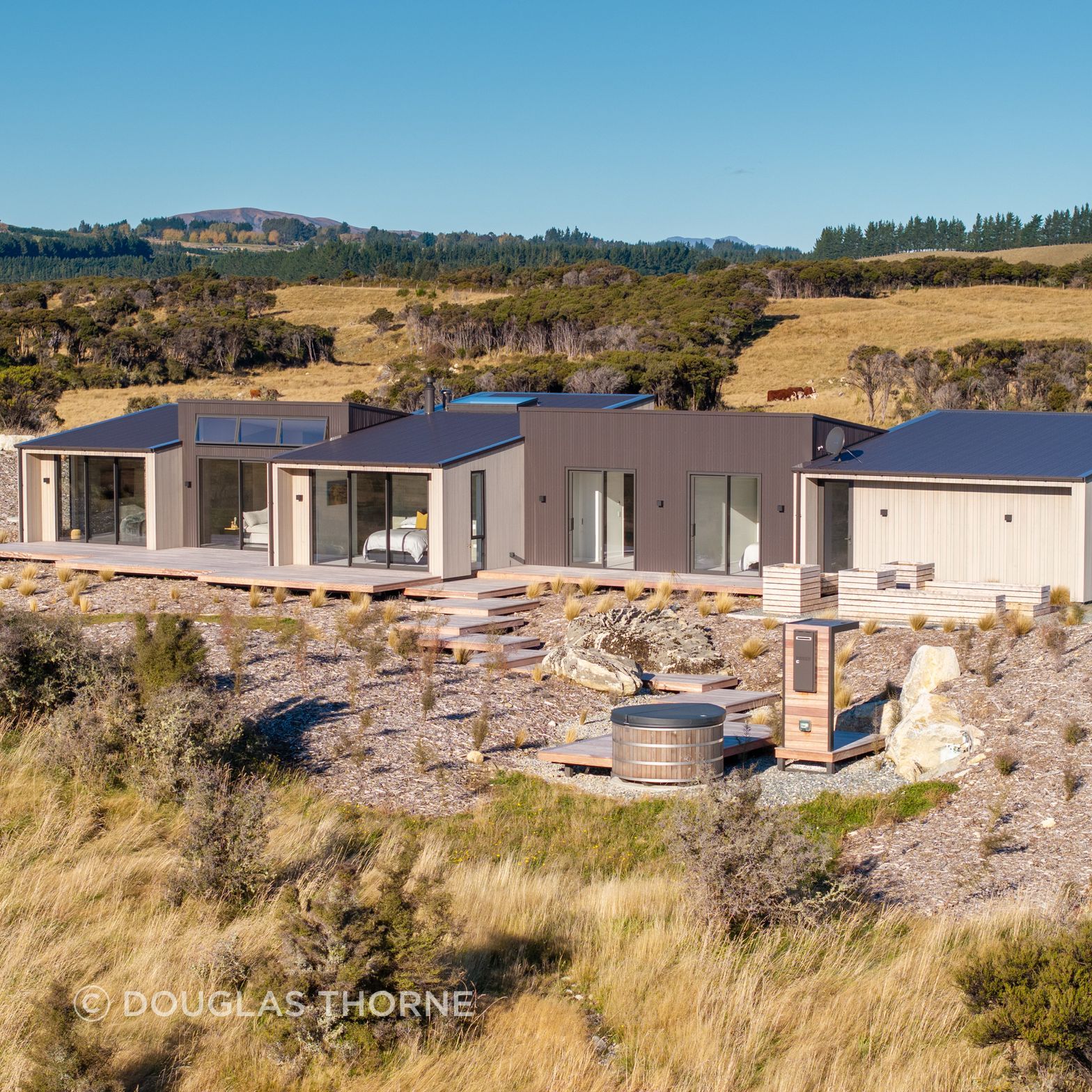
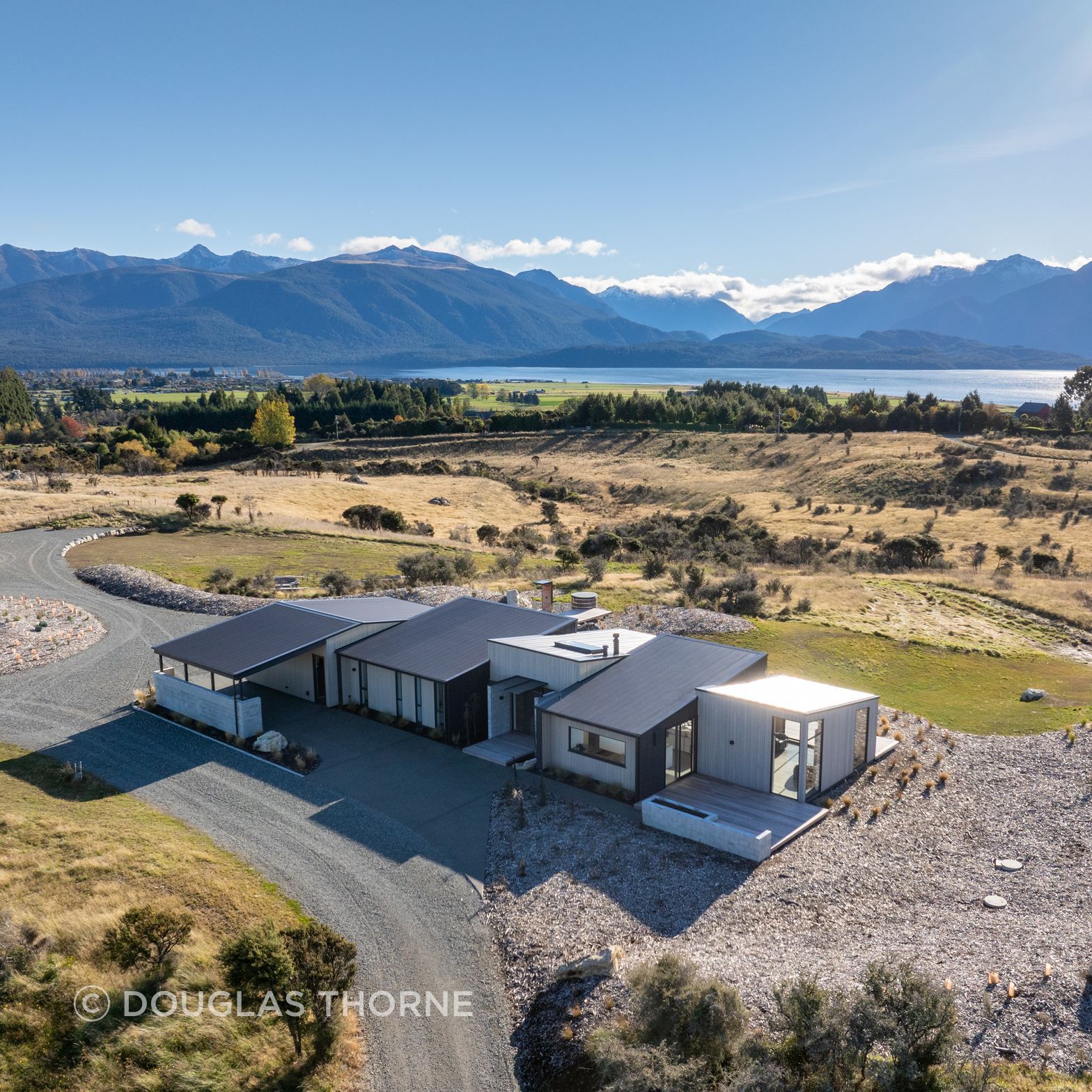
Knowing their clients had lived in Te Anau for a long time, Fabric understood the importance of creating a place that enhanced everyday living by providing comfort and a strong connection to the local environment. Thus, the story of the Rocky Ridge home began. Mitchell says, “With clients who understood that this should be more than a house with great views, we set out to create a deeper sense of place with two key thoughts. Their home should blend with the surrounding landscape and be part of the rocky ridge it sits on. And, having spent most of their lives in the area, it should feel familiar, despite being brand new.” Te Anau’s extreme climate presented significant challenges, necessitating high thermal performance to ensure year-round comfort, while also maximising the impressive views the surrounding landscape had to offer. Mitchell adds, “Being in an extreme climate, high thermal performance was of top priority. The challenge with this house was the panoramic view directly to the west, giving the potential for overheating from the sun.” Fabric rose to the challenge by devising a design that would prevent overheating from the west. It opted for a narrow crosssection, allowing efficient airflow and incorporating high, operable windows to release heat. Thermal modelling ensures
the right balance of sunlight, heat retention and natural cooling. To enhance the home’s interior comfort and ensure efficient operation, the design includes high-performance detailing such as a solar-powered, in-floor hydronic heating system and a fully insulated concrete floor. The main living space and bedroom suite are situated around a central wood fire, with slats between the living and bedroom allowing for easy communication and an even temperature between rooms. Large areas of glazing were strategically positioned to maximise views without compromising the home’s thermal performance. A roof plays a critical role, both in the aesthetic appeal of a home and in its thermal performance. Choosing the right roof underlay and pitch significantly impacts a home’s thermal efficiency by influencing ventilation, preventing moisture build-up, and allowing for proper insulation placement. This assists in reducing heat gain in summer and heat loss in winter, leading to improved energy efficiency and comfort levels within the home. Attention to detail, knowledge, and experience in installing roofs to the required standard in such a vast and extreme environment were crucial when choosing a sub-contractor for Fabric’s clients’ home. The roofing installer chosen was Cory McDowall, from McDowall Roofing Limited.
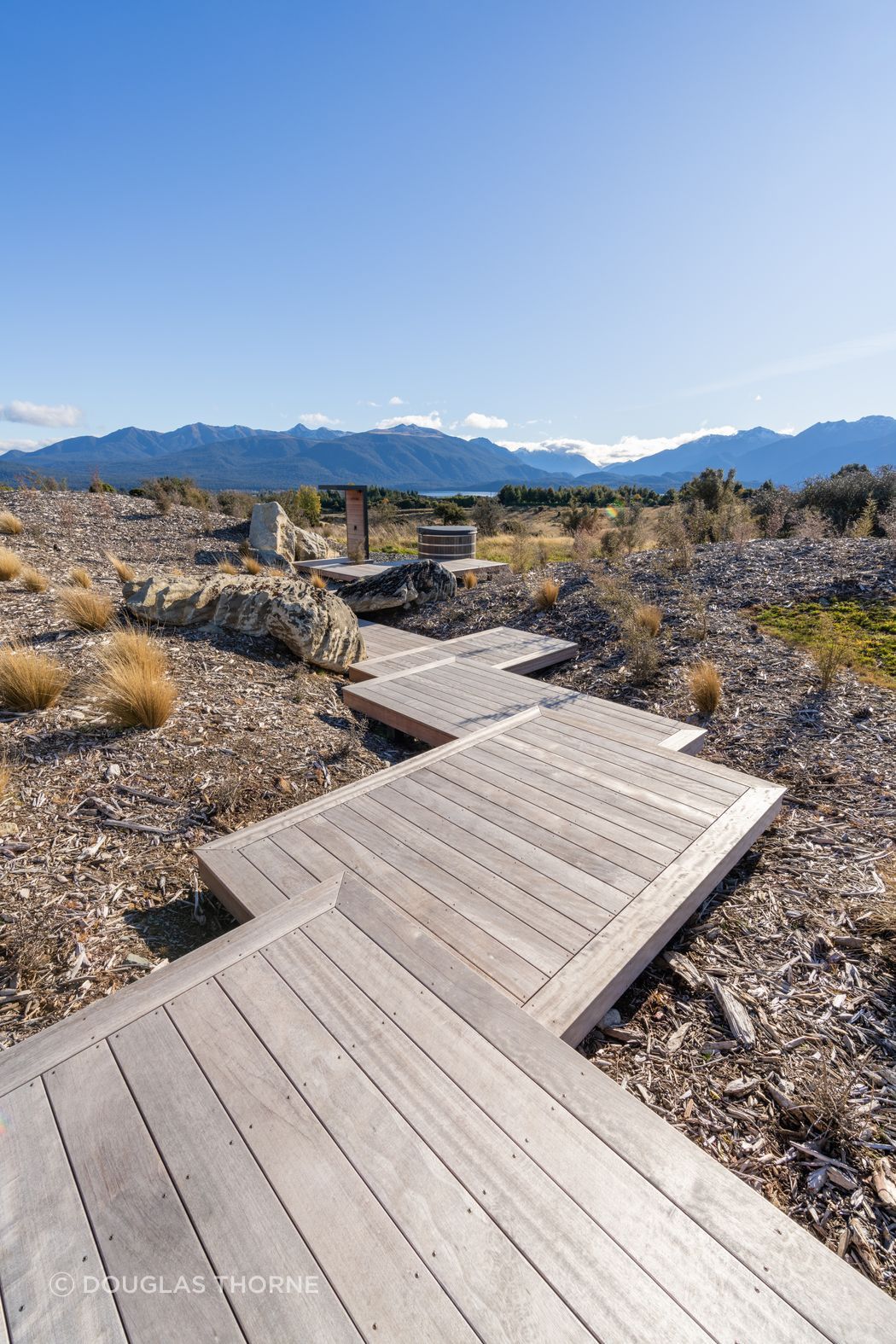
Te Anau’s extreme climate presented significant challenges, necessitating high thermal performance to ensure year-round comfort, while also maximising the impressive views.
Dimond Roofing was McDowall Roofing’s roll former of choice, and 430 linear metres of Corrugate was ordered. As the “No. 8 wire” of roofing profiles in New Zealand, Corrugate offers versatility in design and function. This profile also pays homage to the rich history of corrugated iron used throughout New Zealand and its versatility for both roofing and wall cladding applications.
To further enhance the roof’s performance and for added protection against the elements, the roofing system incorporated ColorCote’s ZinaCore™ substrate and MagnaFlow™ flashings. ColorCote’s ZinaCore™ is renowned for its durability and long-lasting performance, offering superior protection from corrosion and weathering. By opting for MagnaFlow™ flashings, the homeowners ensured an added layer of defence against the harsh climate, giving the roof an extra boost of protection and longevity.
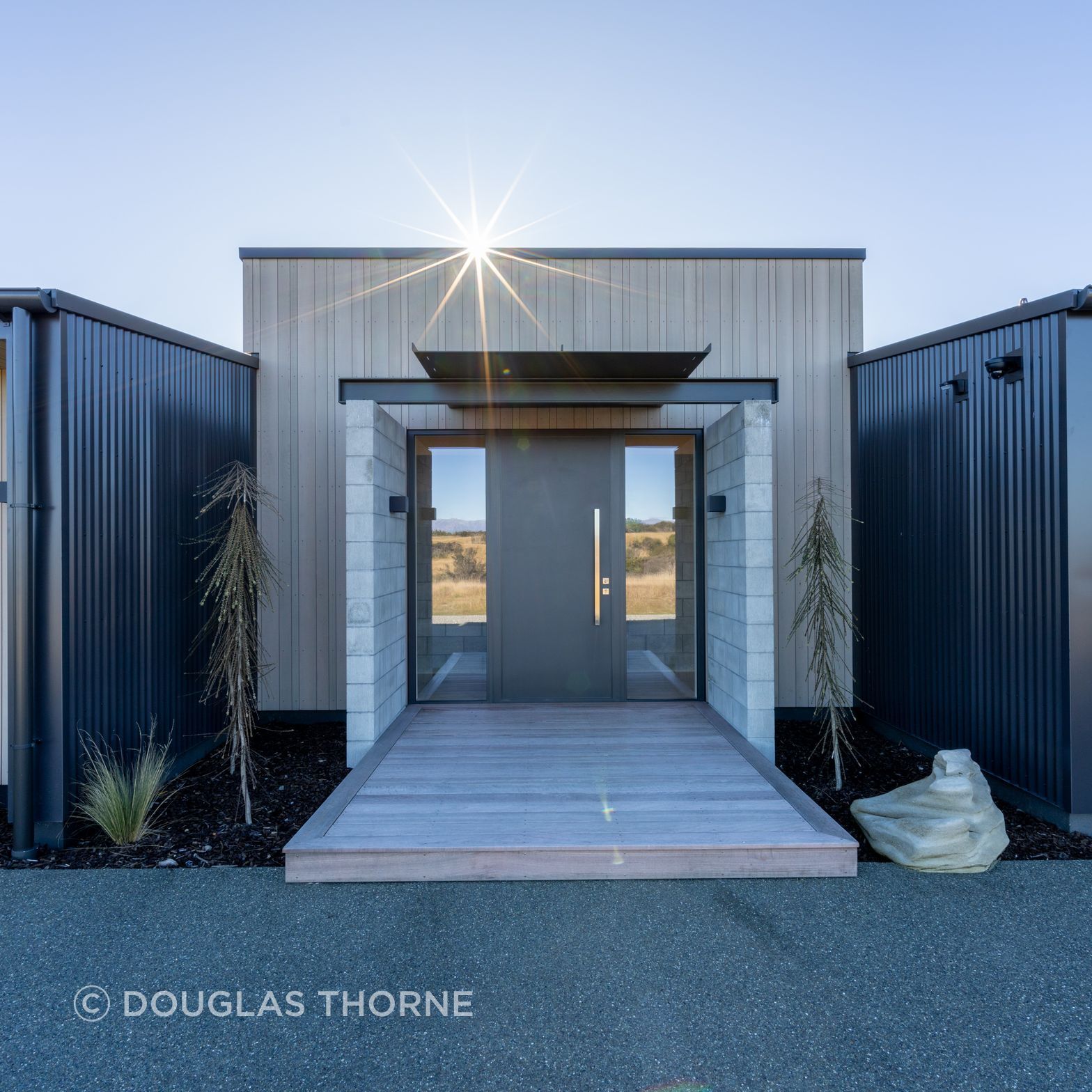
The roof’s colour, Ironsand – a deep brown charcoal – supplied by Dimond Roofing, adds a subtle yet seamless contrast to the home’s soft-toned cedar and birch plywood exterior. This accentuation not only enhances the home’s form but also provides visual interest up close and a more easily understood silhouette from afar. Careful terraforming and re-naturalisation ensure this home and its surrounding structures are part of the landscape.
Now that this home is completed, its ridge-like form sits comfortably in the landscape. Fabric is a prime example of how collaboration, sustainability and impeccable design can come together in architecture and be brought to life through the meticulous craftsmanship of Te Anau Homes Ltd and subcontractors such as McDowall Roofing Ltd.

Credits for Ricky Ridge Project:
Architect: Fabric
Builder: Te Anau Homes Limited
Roof Installer: McDowall Roofing Limited
Roll Former: Dimond® Roofing
ColorCote® Substrate: ZinaCore
Colour: Ironsand