Renovate Now or Wait? An Auckland 2026 Reality Check

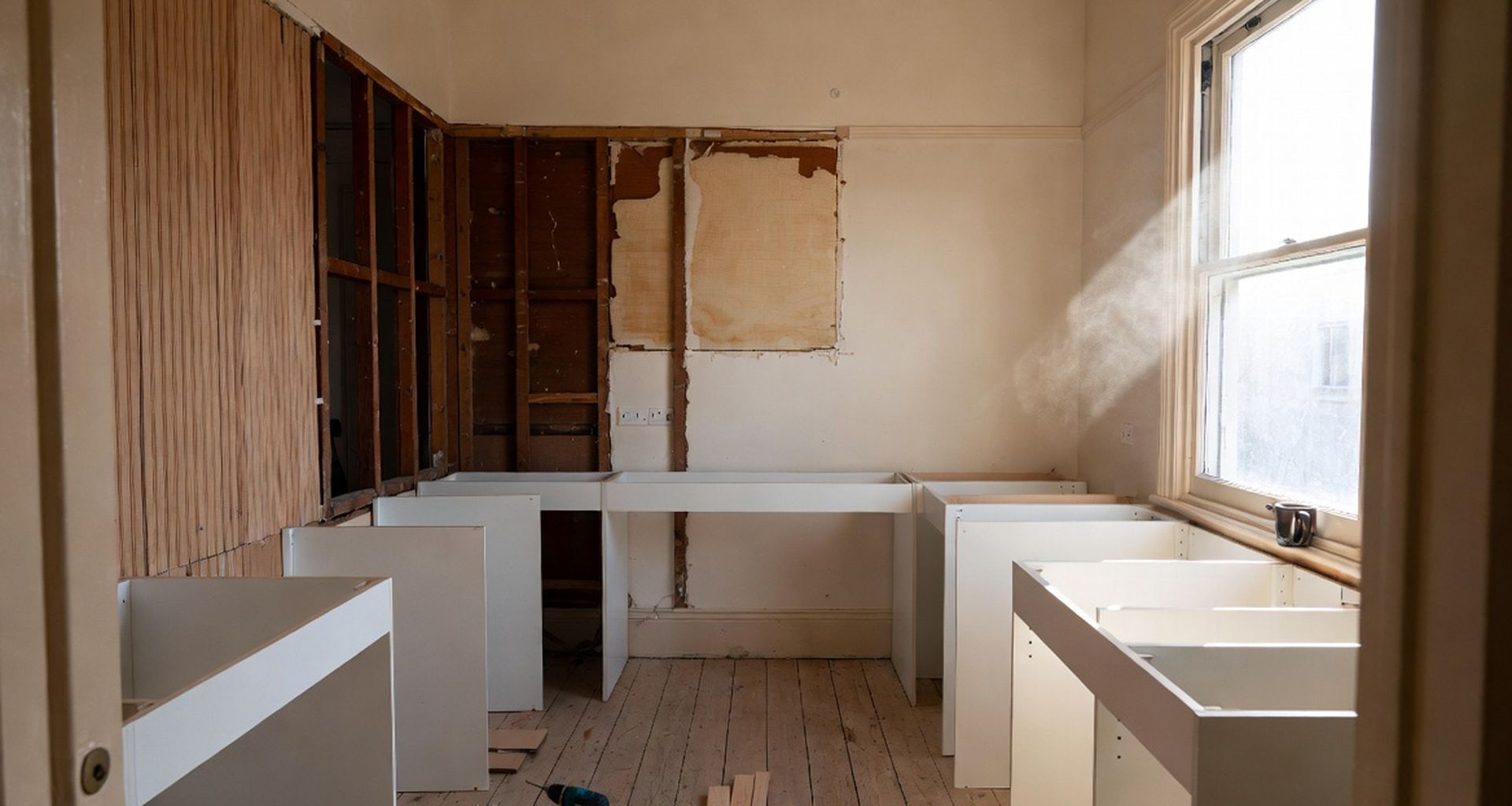
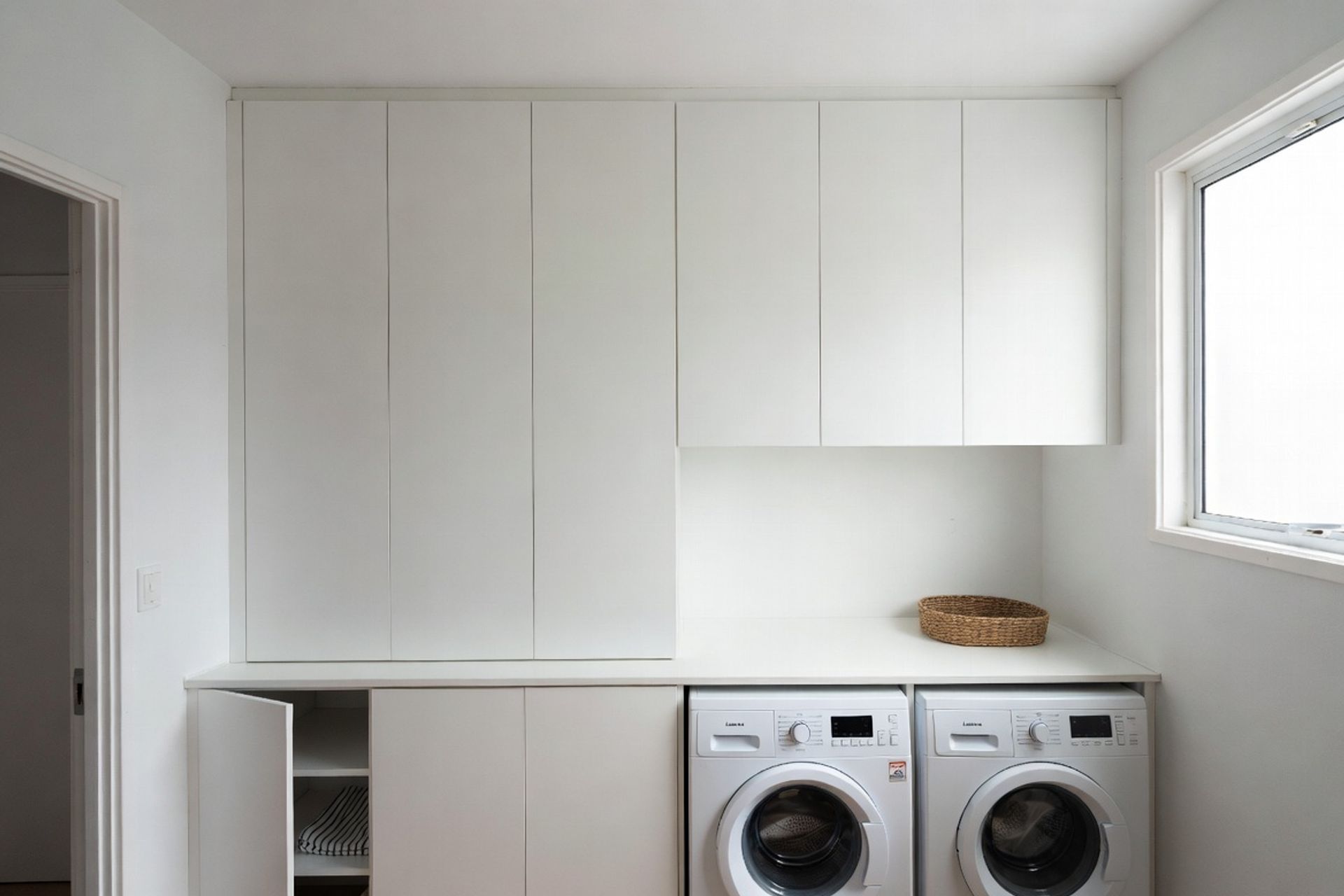

For about three years, the smartest-sounding advice in Auckland was to wait. Wait for interest rates to come down. Wait for building costs to settle. Wait for the market to give you the all-clear. Plenty of homeowners did exactly that — and the renovation they wanted back in 2022 is still a folder of pinned photos and a tired kitchen they cook in every night, whether that's a villa in Grey Lynn or a brick-and-tile in Manurewa. Sound familiar?
Here's the trouble with treating should I renovate now or wait as a strategy: the things people were holding out for have largely already happened, and the cost of waiting kept climbing the whole time. We've completed more than 1,000 renovations across Auckland, and a fair few of our 170-plus reviews start with some version of "we'd been meaning to do this for years." This is our honest read on the timing question — including the times when waiting genuinely is the right call.
The Thing You Were Waiting For Has Mostly Already Happened
Most people who parked a renovation were really waiting for one thing: cheaper money. That wait is largely over. The Reserve Bank cut the Official Cash Rate steadily through 2025 and into 2026, pulling it down from the highs of 2023–24 into the low-2% range, and mortgage rates have followed it down. You can track the decisions yourself on the Reserve Bank site.
If you shelved a project in 2023 because borrowing felt expensive, the maths in front of you now is a different one. Mortgage top-ups — the way most Auckland homeowners fund a reno — are sitting far closer to where you'd hoped they'd land than they were two years ago.
Waiting for rates to fall further is a bet, not a plan. Could the OCR drop another notch? Maybe. But the big move you were holding out for has already played out — and rate cuts tend to do something else at the same time. They warm the housing market back up, which pushes buyer demand and tradesperson availability in exactly the wrong direction for anyone trying to lock in a good builder.
What Waiting Actually Costs You
The hidden number in this whole question is the cost of delay, and it comes in two parts.
The first is construction inflation. Building costs in New Zealand have climbed hard since 2020 — Stats NZ construction price figures and CoreLogic's Cordell index have both tracked construction inflation running well ahead of the headline CPI for years. A renovation isn't a fixed object sitting on a shelf waiting for you to be ready. Put a $100,000 kitchen-and-bathroom job off for two years and, even at a modest 5% a year, you're looking at $110,000-plus for the same scope. Stretch it to a full home renovation and the gap widens with it. Worth sanity-checking your own numbers against our renovation cost calculators before you decide either way.
The second cost never shows up on an invoice. It's two more years of squeezing past a bench that's six inches too short, of the bathroom the kids fight over every morning, of the cold back room nobody uses. We had a client in Glendowie who'd been "about to renovate" since their youngest started school. By the time they rang us, that youngest was halfway through high school.
"The cost people focus on is the quote. The cost they never add up is the wait. I've sat across the table from homeowners who held off for three or four years to save money, then paid more than the original quote anyway — and lost the years of actually living in the house they wanted in between. Money you can earn back. The time, you can't." — Dorothy Li, Design Manager, Superior Renovations
When Waiting Genuinely Is the Smarter Call
We'll be straight with you — not every renovation should happen right now. There are a few situations where holding off is the sensible move, and we'd rather say so than book a job you'll regret.
If your income's genuinely uncertain — a restructure on the horizon, a business going through a rough patch — building a cash buffer first beats borrowing into a renovation. If you're planning to sell within the next 12 months, a major structural reno usually won't recoup its cost in that window, so a targeted refresh makes more sense than a full rebuild. And if you can't get the project to a properly locked scope yet — because the design isn't resolved, or the house has unknowns behind the walls — then pricing it now is guesswork, and you're better off doing the design work first.
Notice what's not on that list: "rates might drop a bit more" and "costs might come down." Those aren't reasons to wait. They're hopes.
How to Take the Guesswork Out of the Timing
If the only thing holding you back is the fear that a renovation will balloon halfway through, that's a solvable problem — and it's the part most homeowners get wrong about timing.
The fix is a fully locked, fixed-price scope before any demolition starts. When the price is fixed and every fitting and finish is specified in writing, mid-project construction inflation stops being your problem — it's already accounted for. That's how our Design-to-Build process runs: we resolve the design, specify the lot, and lock the number before you commit. It's also why a free feasibility report is the right first step if you're on the fence — it tells you what your project realistically costs today, not in some imagined future.
On the funding side, our 18-month interest-free finance through Q Mastercard means you can start now and spread the cost rather than waiting to save the full amount while prices climb.
Once you've decided the timing's right, the bigger call is who does the work — and there's a real gap between a renovation specialist and a general builder, which is worth understanding before you sign anything if you're choosing a renovation builder in Auckland. The same logic runs through every full home renovation we take on: get the design and the team right, and the timing question mostly answers itself.
"Most of the budget fear I see traces back to a horror story about a job that doubled halfway through — and that's almost always a vague scope, not bad luck. When we lock the scope and the price up front, the homeowner stops watching the calendar and starts enjoying the process. Certainty is the thing that actually lets you commit." — Alison Yu, Designer, Superior Renovations
Common Questions About Renovating Now vs Waiting
Will renovation costs come down if I wait?
It's unlikely. Construction costs in New Zealand have risen well above general inflation since 2020, with no clear sign of falling. Waiting to save money usually means paying more for the same scope later — on top of the years you spend living in a home that doesn't quite work.
Is it better to renovate or just move house?
It depends on whether you like where you live. If the location, school zone and section suit you, renovating is almost always cheaper than buying and selling once you count agent fees, legal costs and moving. If the house simply can't be made to work for your family, moving may be the better call.
How do I lock in the price before I commit?
Get to a fully specified, fixed-price scope before any work starts. At Superior Renovations that happens through our Design-to-Build process, where the design is resolved and every cost is confirmed in writing before you sign. That's what protects you from mid-project price rises.
The honest answer to "now or wait" is that the wait rarely pays off — the rate cuts have mostly happened, the costs keep climbing, and the years you spend holding out are the one thing you don't get back. If you're weighing it up, the smartest first move isn't committing to a build; it's finding out what your project actually costs today. Book a free in-home consultation with our team at the Wairau Valley showroom, 16B Link Drive — no obligation, just a clear picture of where you stand. You'll find our full range of services and recent projects at superiorrenovations.co.nz.