Patterson Associates on why cost control starts before design begins

Written by

16 June 2026

 • 

6 min read

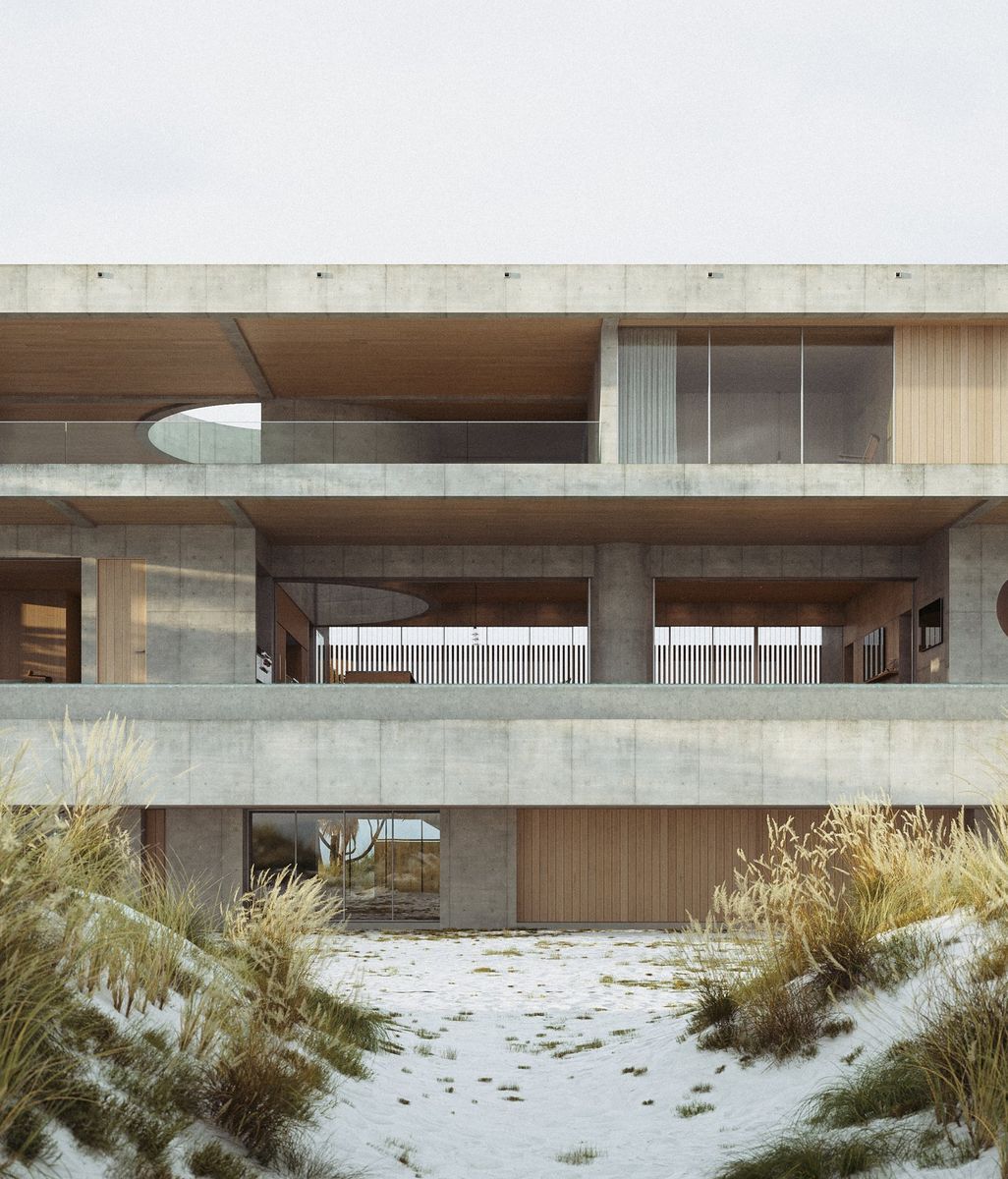
Tahi House sits low within the restored dunes of Pātaua North, its restrained form shaped by site, climate and long-term care for the land.
Cost control is often treated as something that happens after the design is complete. A project comes in over budget, the drawings are reviewed and the architecture is gradually reduced through a value management cost-cutting process. Rooms are cut. Materials are swapped. Details are simplified. What began as a clear idea can become a series of compromises. Leaving homeowners and architects traumatised.

For Patterson Associates, that is the wrong time to start thinking about cost.

For one of the country’s most experienced practices, the most effective cost control begins before a line is drawn. Not by making a project smaller or less ambitious, but by understanding where value actually sits. What matters most to the client? What can flex? What must be protected? What decisions will hold the architecture together if the budget starts to move?

“We spend an enormous amount of time on briefing before we design anything,” says Andrew Patterson.

That early process is where the practice begins to identify the difference between what is essential and what is optional. It is also where creative cost-saving becomes possible. If a project has a clear idea from the beginning, then budget decisions can be made in service of that idea, rather than against it.

Presented on day one, the concept render established the essential form, rhythm and relationship to the dune, giving the project a clear idea to protect through every later decision.

The process usually begins with conversations on-site and in spaces that help reveal what the client truly wants. Patterson Associates does not see a brief as a list of rooms, bedrooms, references and square metres. That is only the surface. The deeper question is how the house should support the life inside it.

How should the home feel? How will it change as a family grows? What daily rituals matter? Where will people gather? What needs to be robust? What should feel calm, open, private or protected?

In many cases, the practice will write the brief back to the client as a draft, based on what it has heard. The client then edits, adds to and refines it. This turns instinct into language. The more precise that language becomes, the less likely the project is to drift once design begins.

From there, Patterson Associates develops what it calls a reverse brief. Rather than setting out requirements alone, the reverse brief describes the future building as a story. It might explain how the front door opens, what the client sees on arrival, where the light enters, what materials surround them, how the house moves into the garden and how the spaces unfold.

It is a vision before it is a drawing.

At Tahi, planning is anchored by outlook, shelter and sequence. Establishing these priorities early helps separate what is essential from what can flex.

For homeowners, this is valuable because it reduces risk. Instead of waiting for a full design package to find out whether the architect has understood them, they can test the idea in words first. They can understand the atmosphere, sequence and intent before the process moves into more expensive drawings, modelling and documentation.

It also gives everyone a shared benchmark. Once the vision is clear, the project team has something to protect. Every later decision can be tested against it.

This is especially important when the budget is under pressure. Patterson Associates identifies what it calls “floats” early in the process. These are pre-agreed areas where adjustments can be made if the project begins to exceed budget. A float might be combining a playroom and cinema room, changing a roof build-up, reducing glazing specification or adjusting an area of the plan.

The key is that these decisions are discussed before the client has emotionally committed to every element as fixed.

If a client falls in love with an expensive timber roof late in the process, removing it can feel like a loss. If that roof has already been identified as a possible float, the decision becomes calmer and more rational. The client can choose to increase the budget or substitute the element without feeling as though the architecture is being dismantled.

This is where cost control becomes creative. It is not about stripping value out of the project. It is about knowing where value lives, then protecting it intelligently.

The practice also uses a quality assurance document to define success before the building exists. For a family home, this might begin with three major objectives. One could be that the house must support the whole of family life, from young children through to teenagers and beyond. Beneath that, the practice defines the practical conditions that would make that true.

Is there a room where toys can be swept away easily? Is there enough storage? Are the materials durable enough for daily use? Can the house feel as good with toddlers as it does with late teenagers? These may sound simple, but they become powerful design tests.

They also help prevent false economy. A cheaper material that marks easily may not be a saving if it undermines how the house is used. A smaller room may not be a saving if it stops the plan working. A different window system may be perfectly sensible in one part of the house, but damaging in another if it weakens the central experience of light, view or proportion.

Good cost saving depends on knowing the difference.

The strength of the project lies in proportion, light and its relationship to landscape, the qualities most worth protecting when budget decisions arise.

Technology helps Patterson Associates make this clarity visible. The practice uses detailed concept models, moving presentations and visualisation to show clients the experience of the building before it is constructed. The aim is not spectacle. It is alignment. The more clearly everyone can see the project, the fewer surprises there are later.

That clarity also reduces decision fatigue. Without a strong concept, every selection can become exhausting. Door handles, glazing, materials, joinery, roof forms and finishes all seem to offer endless options. With a clear architectural idea, those decisions become simpler. There may only be one answer that truly belongs.

For homeowners planning a new build or renovation, the lesson is not to avoid cost conversations. It is to have them earlier, with more imagination. The best savings are not always the most obvious ones. They come from understanding the whole project, then making decisions that preserve the strength of the architecture while giving the budget room to move.

ArchiPro exists to help homeowners enter this process with more confidence. Through ArchiPro, you can explore completed projects, understand how architects approach design, browse materials and products, and connect with professionals who can help shape the earliest decisions of your build. A better home does not begin with cutting costs. It begins with knowing what is worth protecting.

Timber-clad sliding screens protect the home from coastal exposure while allowing the building to become a subdued volume within the dune.