NZ Building Consent Reforms 2026: What Auckland Homeowners Need to Know

Something significant is happening to New Zealand's planning and consenting system — and if you've been putting off a renovation, an extension, or even something as straightforward as a deck, what's coming could change the equation considerably.
In December 2025, the Government introduced two new Bills to Parliament — the Planning Bill and the Natural Environment Bill — that together will replace the Resource Management Act 1991 (RMA). The two laws will usher in a vastly more permissive regime, cutting consent and permit numbers by 46% and slashing the number of council plans from more than 100 to just 17. NZ Herald Ministers have called it a "once-in-a-generation" shift, and for once, that's not hyperbole.
So what does it actually mean for you as an Auckland homeowner? Which projects get easier? What still requires consent? And — critically — what should you do right now, while the system transitions? We've read the government fact sheets, followed the legislation, and translated the whole thing into plain English. Here's the rundown.
The Old System Was Broken — Here's Why It Mattered to Renovators
The RMA has governed what New Zealanders can build, where, and how since 1991. It's been amended dozens of times and grown into something so complex that even experienced professionals needed resource management lawyers to navigate it.
For homeowners, this created a very real problem: projects that felt minor — adding a deck, extending a living area, converting a garage — could trigger resource consent requirements depending on your zone, your neighbours, and an almost infinite range of factors that varied suburb by suburb. The cost of that consent process (drawings, planning reports, council fees, and the time waiting) could add months and thousands of dollars to a project before a single tradie picked up a tool.
RMA Reform Minister Chris Bishop described the changes as the "single largest economic reform in a generation," saying it would pivot the country towards a system that embraced "choice, freedom and opportunity." NZ Herald Setting aside the politics, the practical intent is real: fewer consents, simpler rules, and less power for councils to say no to projects that only affect your own property.
What's Actually Changing — The Key Shifts for Homeowners
Here's what the new planning system proposes to deliver, translated from policy-speak into renovation-speak.
Fewer consents for projects on your own property
The new planning system will support the Kiwi dream of improving your home or building a new one without unnecessary cost or delay. It will make it simpler and faster for homeowners to do things like renovate your house, build a deck or garage or add another storey — often without the need for a resource consent. Ministry for the Environment
Specifically, you won't need consent for things that only affect your own property, like the layout of your house, balconies or private outdoor space. Councils can't stop your project just because it affects someone's sense of amenity — only impacts like noise, shading or flood risk that affect neighbours or the wider area will matter for consents. Ministry for the Environment
For Aucklanders who've been told their extension requires resource consent because a neighbour objected to potential shading, this is a meaningful shift.
Standardised zones across the country
One of the most useful changes for renovators is the introduction of nationally standardised zones. Currently, what you can build in Grey Lynn looks nothing like what's permitted in Henderson, which looks nothing like Remuera — even for essentially the same type of home. Under the new system, nationally standardised rules and zones mean the same basic rules apply across most of the country. These zones will set out rules about how high you can build, how much of your land your project can cover, as well as things like height, noise, vibration and sunlight. Ministry for the Environment
In practice, this means you'll be able to look up what applies to your property without needing a planning consultant to decode 400 pages of the Auckland Unitary Plan.
Simpler consent categories
Under the current RMA, there are six activity categories — permitted, controlled, restricted discretionary, discretionary, non-complying, and prohibited. Good luck knowing which one your project falls into without professional advice. The Bills remove the complex non-complying and discretionary activity categories, shifting most consents to restricted discretionary, and focusing on less than minor effects to speed up approvals for housing and infrastructure. Altra Planning
Four categories. Much cleaner.
When you do need consent, it'll cost less and move faster
If you do need a consent, getting one will be easier, faster and less expensive. There will be clear rules, and you'll know exactly what information you need to provide. Only people who are directly affected by a project can have a say. The public will only be notified about your project if the effects of it are more than minor. A new Planning Tribunal will be set up to help sort out disputes quickly and cheaply. Ministry for the Environment

What This Means for Specific Renovation Projects
Let's get practical. Here's how the reforms are likely to play out for the most common renovation projects we see at Superior Renovations.
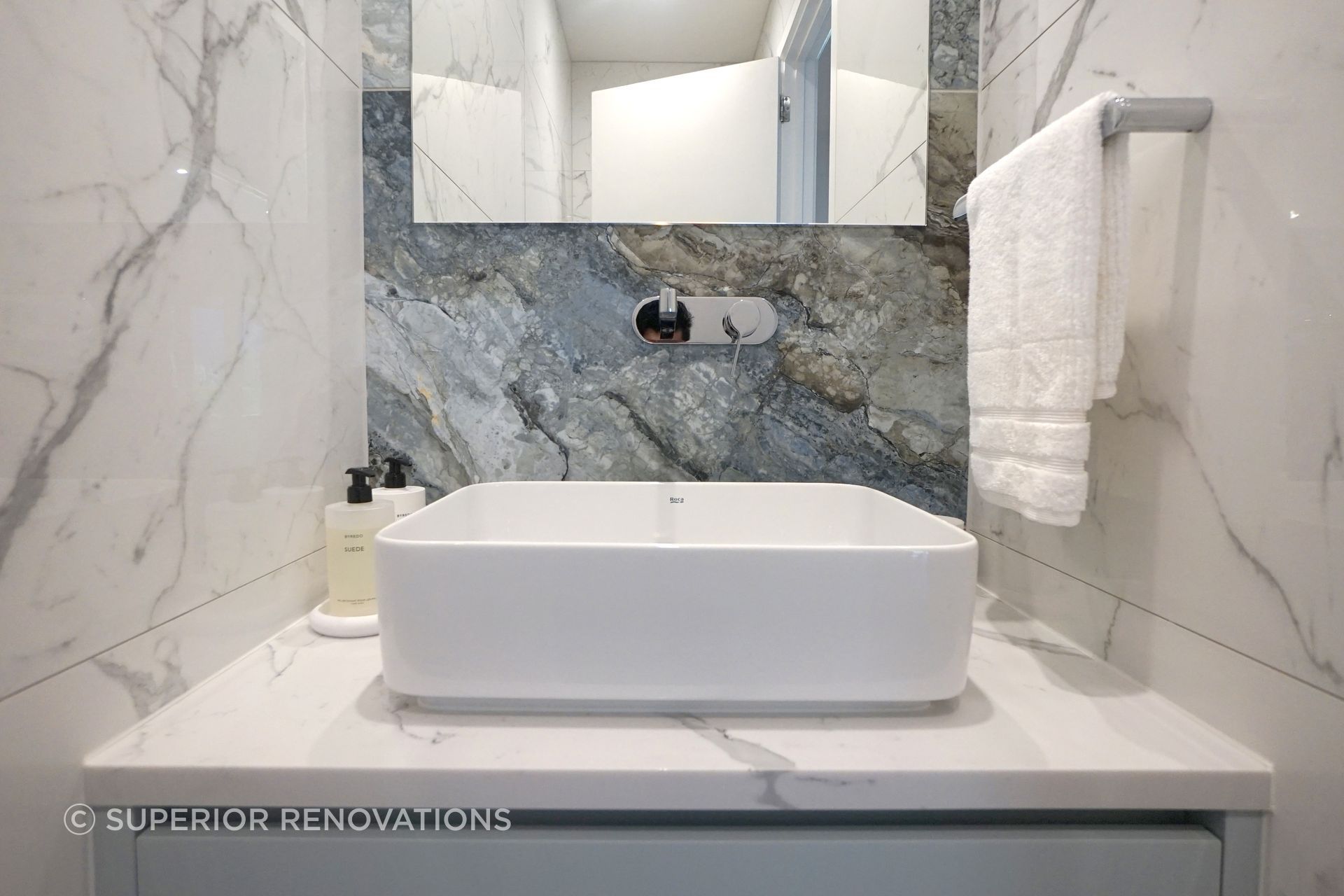
Kitchen and bathroom renovations
Kitchen and bathroom renovations that don't involve structural changes or significant relumbing have largely been covered by building consent exemptions under Schedule 1 of the Building Act already — and that doesn't change under the new system. The building consent process (separate from resource consent) remains in place for work that involves structural alterations, adding new wet areas, or moving plumbing.
The reform that matters here is more about the resource consent side: if you're adding a bathroom where one didn't exist, reconfiguring your home's footprint, or doing work that currently triggers a resource consent due to zoning rules, those thresholds are expected to rise significantly. Fewer projects will need to go through that additional layer.
Extensions and second-storey additions
This is where the changes are most exciting — and most relevant to house extensions in Auckland. Extensions currently sit in a grey zone for many Auckland properties: the building consent is required (and will remain so), but resource consent is often triggered on top of that, depending on height, site coverage, setbacks, and which zone you're in.
Under the new regime, it will be easier to renovate a house, build a deck or garage or add another storey, often without the need for a resource consent. Indian Weekender The building consent process doesn't disappear — structural work still needs to be designed properly and signed off — but stripping out that additional resource consent layer for standard extensions is a real win. It could remove three to six months from a project timeline and $10,000–$20,000+ in planning costs for some homeowners.
Our colleagues at Sonder Architecture are closely watching how the transitional rules roll out for projects currently in design — if your extension project is in the pipeline, it's worth talking to an architect about timing.
Decks and outdoor structures
More types of building and renovation activities will be allowed by default, so you can do more with your property without needing council approval. Ministry for the Environment Decks are a good example of where the new rules should provide meaningful relief. Currently, certain deck configurations require resource consent on top of a building consent (or an exemption assessment) depending on their size, height, and proximity to boundaries. Under the new framework, if the deck only affects your own property, it should fall into the "permitted" category without council sign-off.
Note: building consent requirements for decks over certain heights remain separate — the NZ Building Act isn't being replaced, just the RMA-based resource management system.
Granny flats and sleepouts
This one's already in motion. As of late 2024, standalone structures up to 70m² can be built without a building consent under Schedule 1 of the Building Act, provided specific conditions are met and licensed tradespeople carry out regulated work. The broader RMA reform extends this logic — more structures that only affect your own section will simply be permitted.
The Timeline: When Does This Actually Kick In?
This is probably the most important question, and the answer requires some nuance.
The Government aims to pass the new legislation by mid-2026, prior to the next election, and has ambitiously signalled it intends the new system to be fully operational by 2029. CLM
So we're in a transitional period right now. Here's what that looks like in practice:
Right now (early 2026): The existing RMA is still in force. Ten new national direction instruments took effect on 15 January 2026, covering topics like granny flats and natural hazards. Building and resource consents follow current rules.
Mid-2026 (if legislation passes): You can obtain a new consent under the transitional system from mid-2026. A transitional consenting framework will be in place until the full system is operational. Ministry for the Environment
Mid-2026 through ~2031: Existing resource consent holders have their consents extended. All consents under the RMA will be extended until at least mid-2031, with consent holders having the flexibility to apply for replacement consents under a transitional regime from mid-2026 or wait until the new planning system is in place. CLM
2029: The full new planning system, including all new council plans, is expected to be operational.
The practical upshot: don't wait until 2029 to start your renovation. The changes happening in 2026 are real, and early-movers under the transitional system may benefit before everyone else catches on.
What Isn't Changing: Building Code and Licensed Tradespeople
It's worth being clear about something that trips a lot of homeowners up. The reforms we're talking about relate to the resource management system — which covers land use, environmental effects, zoning, and planning. They do not replace the Building Act 2004 or the New Zealand Building Code.
This means:
- Structural work still requires building consent from your local council (Auckland Council in our case)
- Plumbing, drainage, and electrical work still requires licensed practitioners (LBPs, registered plumbers, electricians)
- A Code Compliance Certificate (CCC) is still required at the completion of consented work
- All building work — consented or exempt — must still comply with the Building Code
If you carry out building work that is not exempt and do not have a building consent, you may be fined up to $200,000 and, if work continues, a further fine of up to $10,000 for every day or part-day during which the offence continues. Building.govt.nz That doesn't change.
"The biggest misconception we see is homeowners thinking that 'less consent' means less oversight," says Dorothy Li, Design Manager at Superior Renovations. "What's changing is the resource management layer — the zoning and planning rules. The building consent process exists to make sure the work is structurally sound and meets the Building Code. That protection stays, and it should. The projects that go wrong are almost always the ones that tried to skip it."
Should You Start Your Renovation Now or Wait?
This is the question we're hearing a lot right now — and the answer is almost always the same: don't wait.
The reform timeline runs to 2029 for the full system. If you're planning a bathroom renovation, a kitchen overhaul, or a home extension in Auckland, the upside of waiting is marginal — and the downside is real. Material costs have been rising, quality tradies book up fast, and the best design slots at our showroom at 16B Link Drive, Wairau Valley fill quickly.
If your project specifically triggers a resource consent under the current rules — and it's a project that the new rules are likely to exempt — it might be worth getting a planning opinion on whether to proceed now or hold for the transitional system. Our free feasibility report can help you understand what your project involves, what consent pathway it's likely to follow, and what the numbers look like.
For extensions specifically, use our house extension cost calculator to get an early sense of what you're working with financially. It won't replace a proper feasibility assessment, but it gives you a useful ballpark before you start talking to anyone.
FAQ: NZ Building Consent Reforms 2026
When will the new building consent rules come into effect in NZ?
The Government introduced the Planning Bill and Natural Environment Bill to Parliament in December 2025 and aims to pass them into law by mid-2026. A transitional consenting system should be operational from mid-2026, with the full new system expected to be in place by 2029. The existing RMA and building consent rules apply until then.
Do I still need building consent for a renovation under the new rules?
Yes. The reforms primarily reduce or eliminate resource consent requirements for low-impact residential projects. Building consent under the Building Act 2004 is separate and still required for structural work, new wet areas, plumbing alterations, and other regulated building work. The Building Code doesn't change.
What renovations won't need resource consent under the new planning system?
Under the proposed new rules, projects that only affect your own property — such as extending your home, building a deck, adding a garage, or reconfiguring internal spaces — are expected to be permitted without resource consent. Final details depend on nationally standardised zones and council plans, which are being developed through 2026–2029.
How much does building consent cost in Auckland in 2026?
Building consent fees in Auckland are cost-recovered, meaning they vary by project complexity. Minor renovation consents can start around $400, while larger or structural applications may exceed $3,000 in council fees, plus inspection fees. Key Interiors For new builds and major extensions, building consent fees typically range from $8,000–$15,000 depending on project value, with resource consent for flood-prone areas adding $12,000–$25,000 on top. Jraconstruction The reforms aim to reduce that resource consent component significantly for standard residential projects.
Will the reforms affect my existing resource consent?
All consents under the RMA will be extended until at least mid-2031 under transitional arrangements. CLM If you currently hold a resource consent, it remains valid. You'll also have the option to apply for a replacement consent under the transitional system from mid-2026, or wait until the full new planning system is in place.
The reform story is still being written — submissions to the select committee closed in February 2026, and the detail of national standards and zones is still being worked through. But the direction is clear: owning a home in New Zealand is about to come with more freedom to actually do things with it.