Mat Macmillan gave himself permission to create and designed a sculptural light pendant in the process
Written by
09 March 2026
•
5 min read
By his own admission, the first pendant was a little embarrassing…
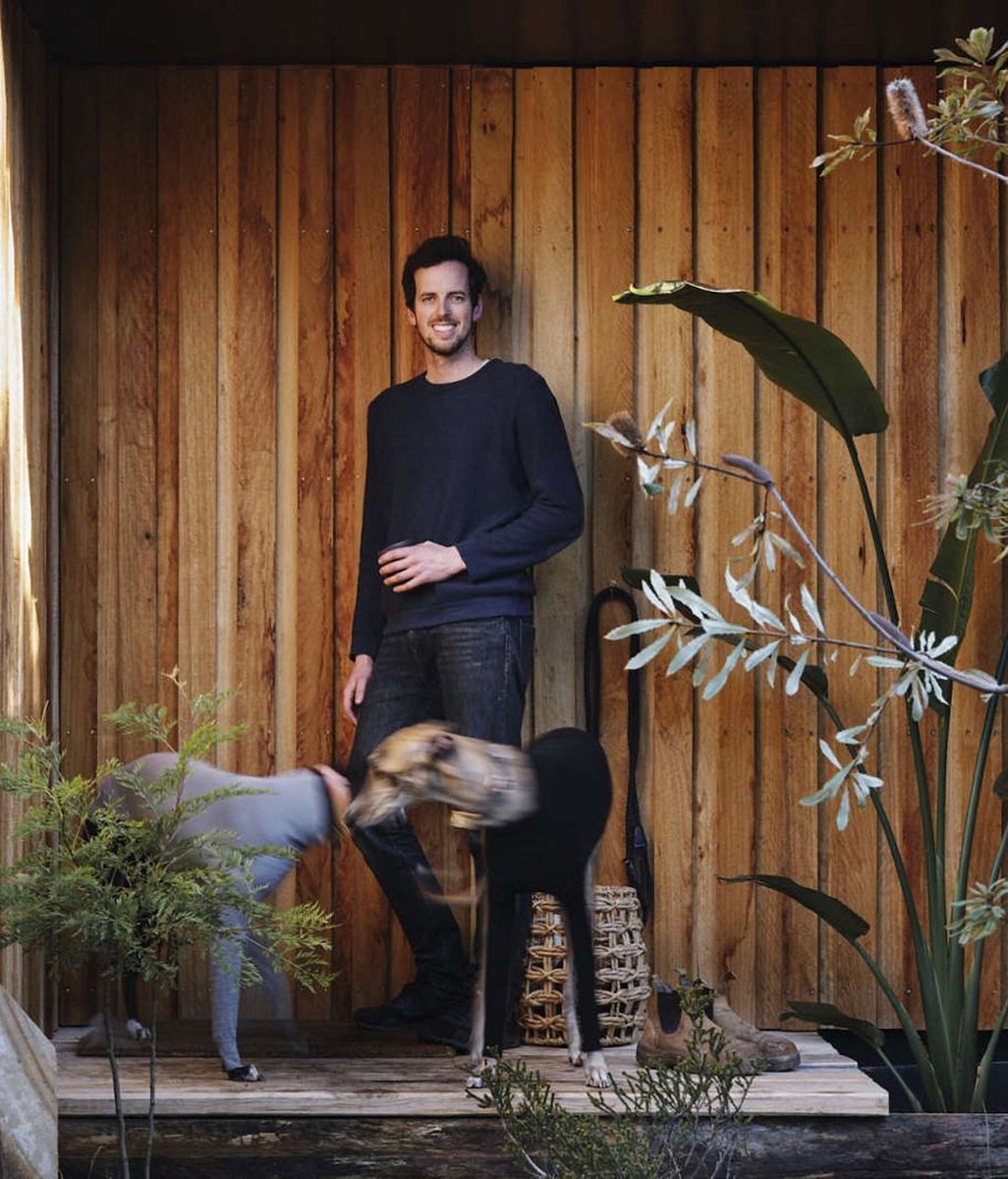
In his small workshop on a lifestyle block in the Bay of Plenty, a rough cylinder of plywood fins sat on the bench. A light dangled inside, exposed. “It looked like a birdcage,” laughs Mat Macmillan. “I’d done all that work and really wasn’t happy with the outcome.”
But Mat had given himself permission to create, a year to play with his ideas without the usual pressures.
The family had recently moved to a lifestyle block with a shed. A workshop without overhead, it was an opportunity: “We had a discussion and looked at the numbers, and just decided that I would give this a proper go, a real crack at trying to make something work… For one year, I had license to play.”


He never set out to become a lighting maker. In the UK, he’d trained as a carpenter and cabinetmaker, moving between building sites and joinery shops, and even running his own workshop. It was these skills that allowed him and his family to make the move to New Zealand.
“The first jobs I got here were actually in pricing and quoting joinery and shop fittings, a desk job,” Mat shares. “But I had been used to working for myself, and that’s hard to shake off after a while.”
A light is going to attract people’s attention. It’s something that stands out.
In his previous work, he’d seen how often design is steered by budget. People would want highly crafted, elaborate kitchens and bookshelves, but could only afford painted MDF. Instead, he wanted to work with quality timber, traditional tools and the satisfaction of making something properly.
Where some might focus on bespoke furniture, or smaller timber pieces, Mat considered lighting. Small, yet architectural, he understood the way lighting has the potential to entirely influence an atmosphere: the way a room changes when it’s well lit.
Lighting also solved a pragmatic problem. A table is heavy, hard to ship, labour-rich with tight margins. A pendant, on the other hand, can travel, it can be boxed. And it draws attention. “Inherently, a light is going to attract people’s attention,” he says. “It’s something that stands out.”
Maker Design Studio’s first lighting designs were intricate with colour and complex shapes, a way to justify the labour and cost. But they didn’t quite feel right.

Picking up that design that felt like a “birdcage”, Mat reconsidered it. “I thought, it needs something to hide the light bulb.” A veil around the bulb, paper softened the glow.
The technique that gives the lights their recognisable appearance is one traditionally used for the likes of making jewellery boxes.
“It’s a technique where, if you want to make little partitions for different sections of box, you cut wood quite thin to make these partitions,” he explains. “I wondered, could I do that on a ring and set these as fins around it?”
Repeated fins, even spaced, the plywood creates a ribbed pattern where the light glows between, diffused by translucent paper.
But plywood isn’t perfect. In the early days, you could find Mat at local hardware stores pulling out sheet after sheet, searching for the ones with fewer imperfections.
While stable and resistant to warping, plywood has voids between its layers. When used for other purposes, these gaps are usually hidden, but in these light pendants, the voids are visible on every edge. Mat used to fill and sand every single gap, but his team has refined their process over time to avoid the issue: learning where faults tend to appear and cutting carefully to steer clear of the most void-prone sections. The material hasn’t changed, but the way it’s handled has.


Mat’s first designs were picked up by the Clever Design Store, the only retailer at the time specialising in New Zealand and Australian art and design. Then, unexpectedly, the lights appeared in an in-flight magazine. Orders grew, and that chance to imagine and create turned into something more.
It also meant the work was quickly turning into more than one person could handle in a home workshop.
At first, Mat outsourced the “donkey work”: the fins, then rings, became CNC-machined. More of the process has now been handed to a nearby kitchen cabinetry workshop just minutes from Mat’s home.
At each step, there was the fear that outsourcing would inflate costs and take away from the handmade quality. Instead, the fabrication process has become easier and brings with it a more reliable result. The assembly remains entirely done by hand: the tools, the finishing and the gluing.

Mat’s story is a reminder that good design often begins with permission: to create, to experiment, to fail, to refine and to trust your instincts. What could have been just another failed project in his backyard workshop became the start of a sculptural pendant collection.
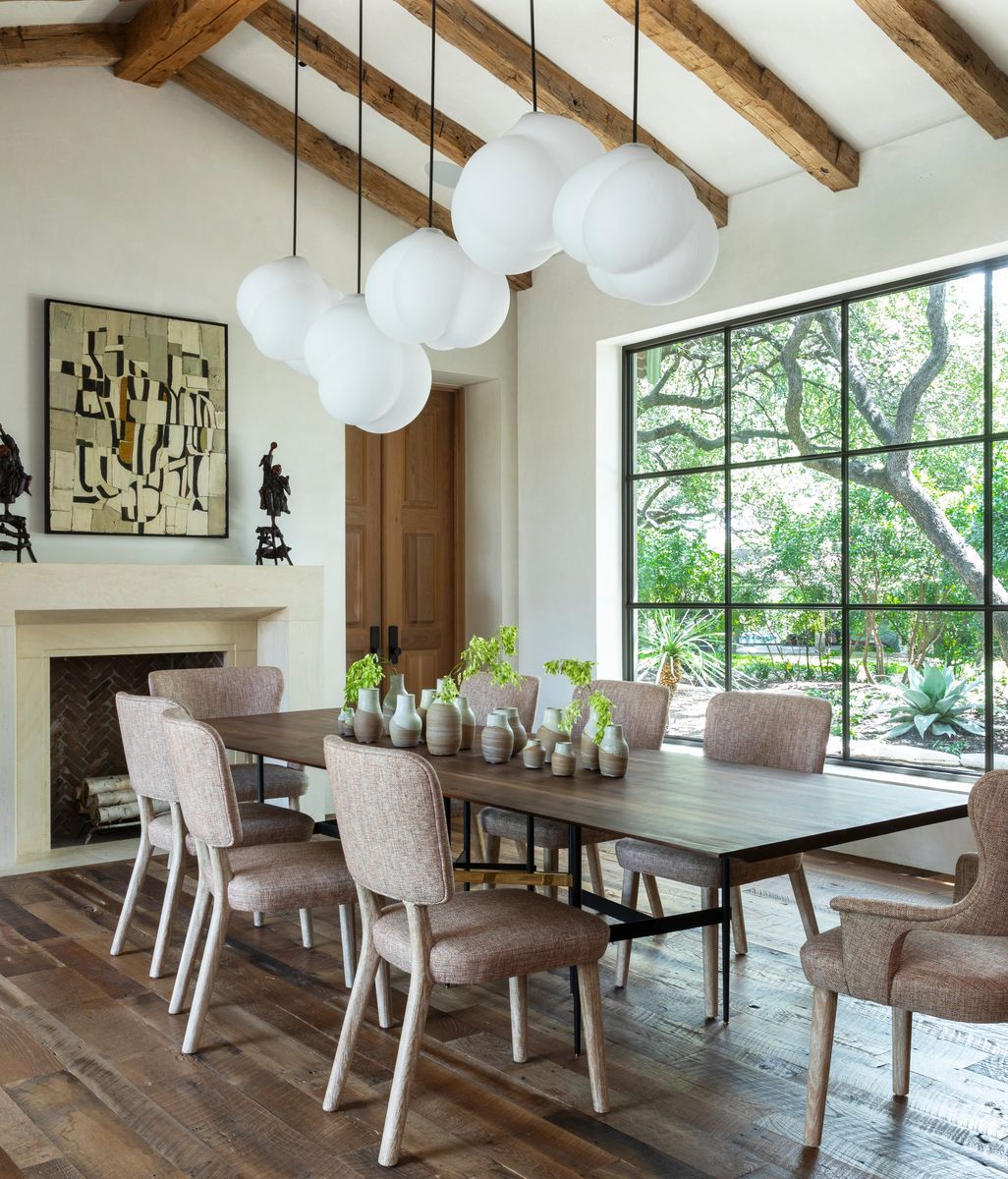
Today, every light remains made to order for exactly where it will call home. Made specially for where it will illuminate a room with a soft glow, creating an atmosphere only made possible by an object where every detail has been considered and finished by talented makers.
If you’re inspired by makers like Mat, ArchiPro makes it easy to discover the local designers and products shaping beautiful spaces. Explore completed homes to see how statement pendants can define a room, or start a project board to collect ideas for your own build or renovation. Building your home should feel personal, and ArchiPro is here to help you bring it all together.