Inside the mother–daughter studio designing refined spaces

Written by
08 March 2026

 • 

5 min read

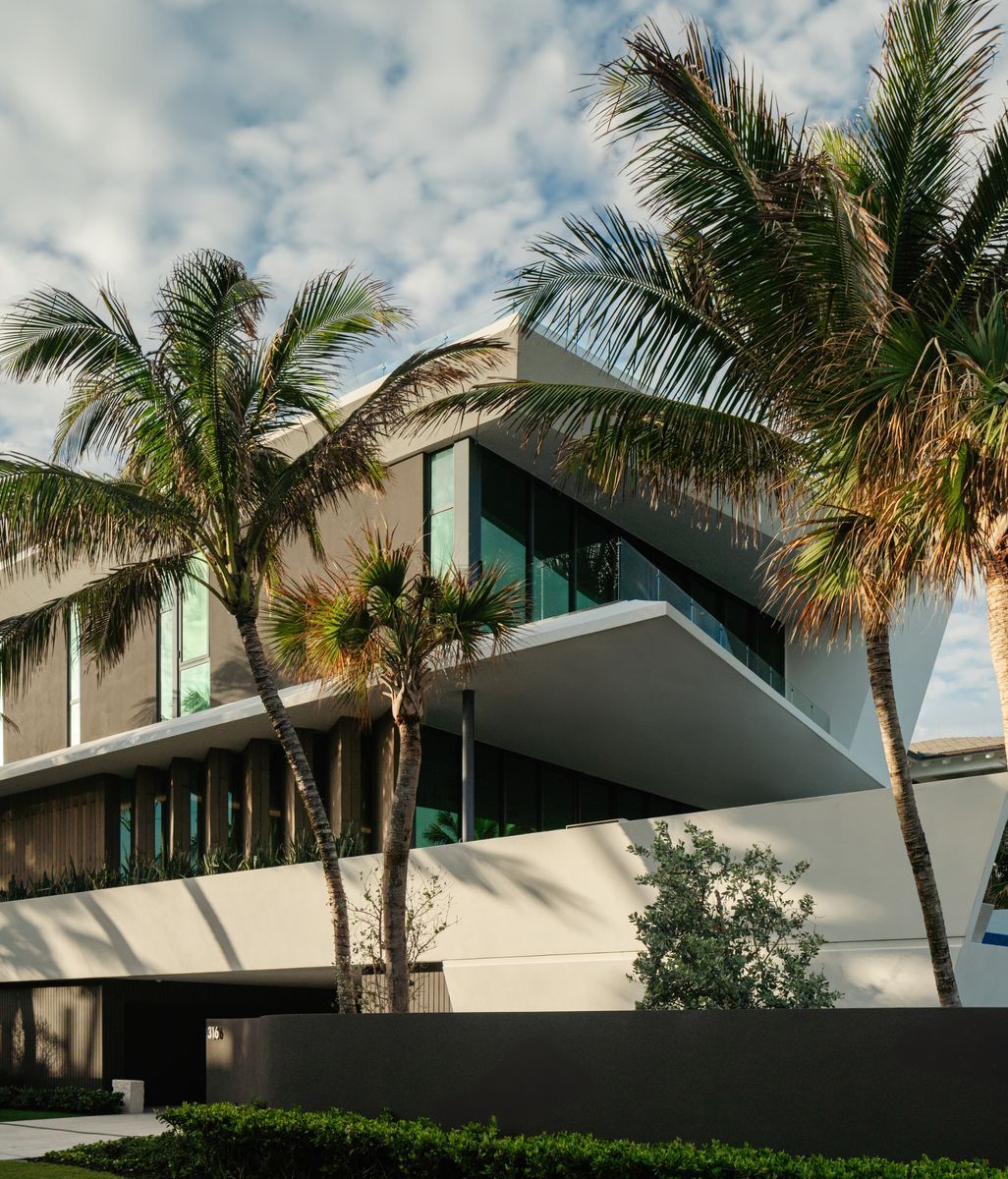
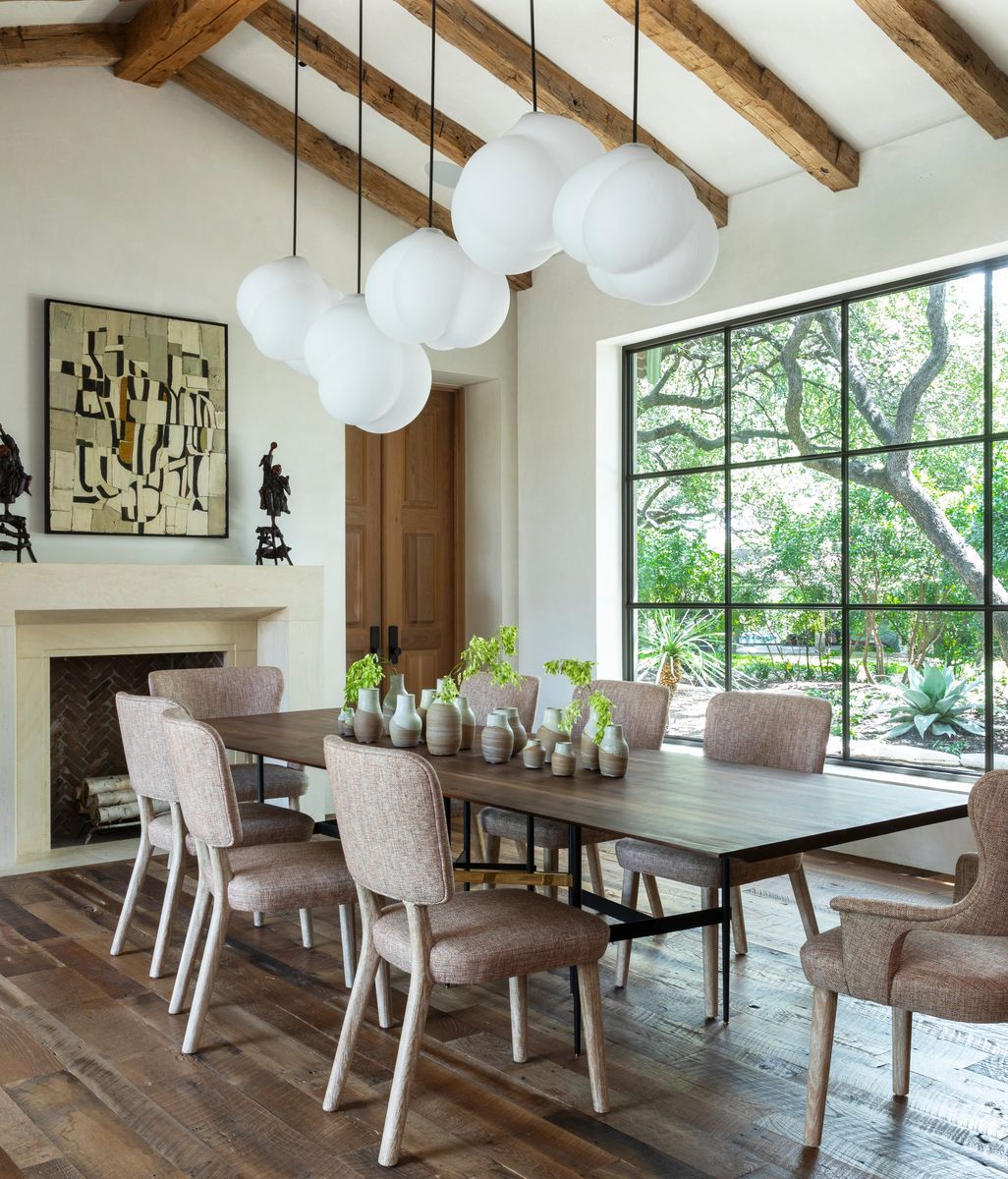
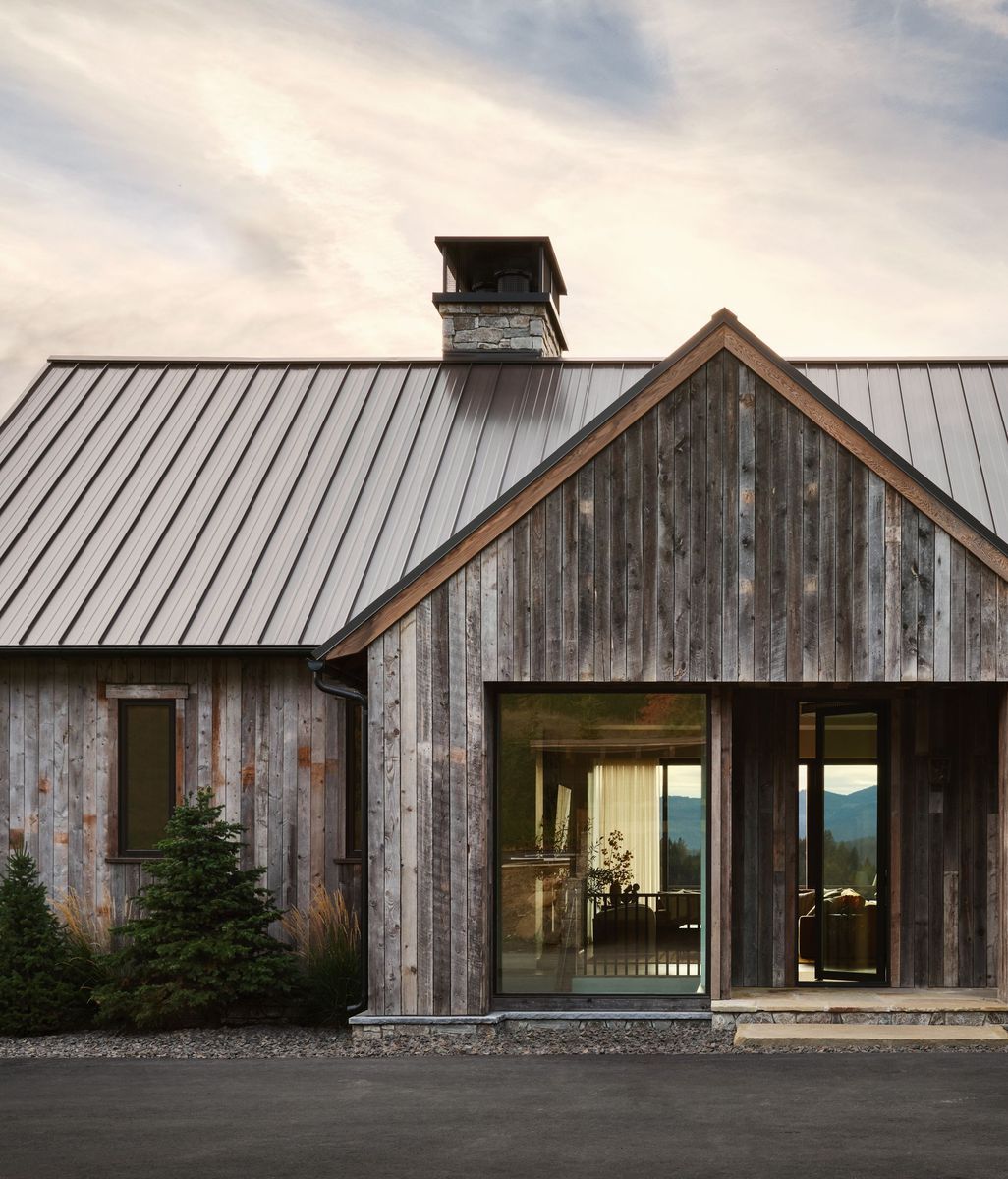
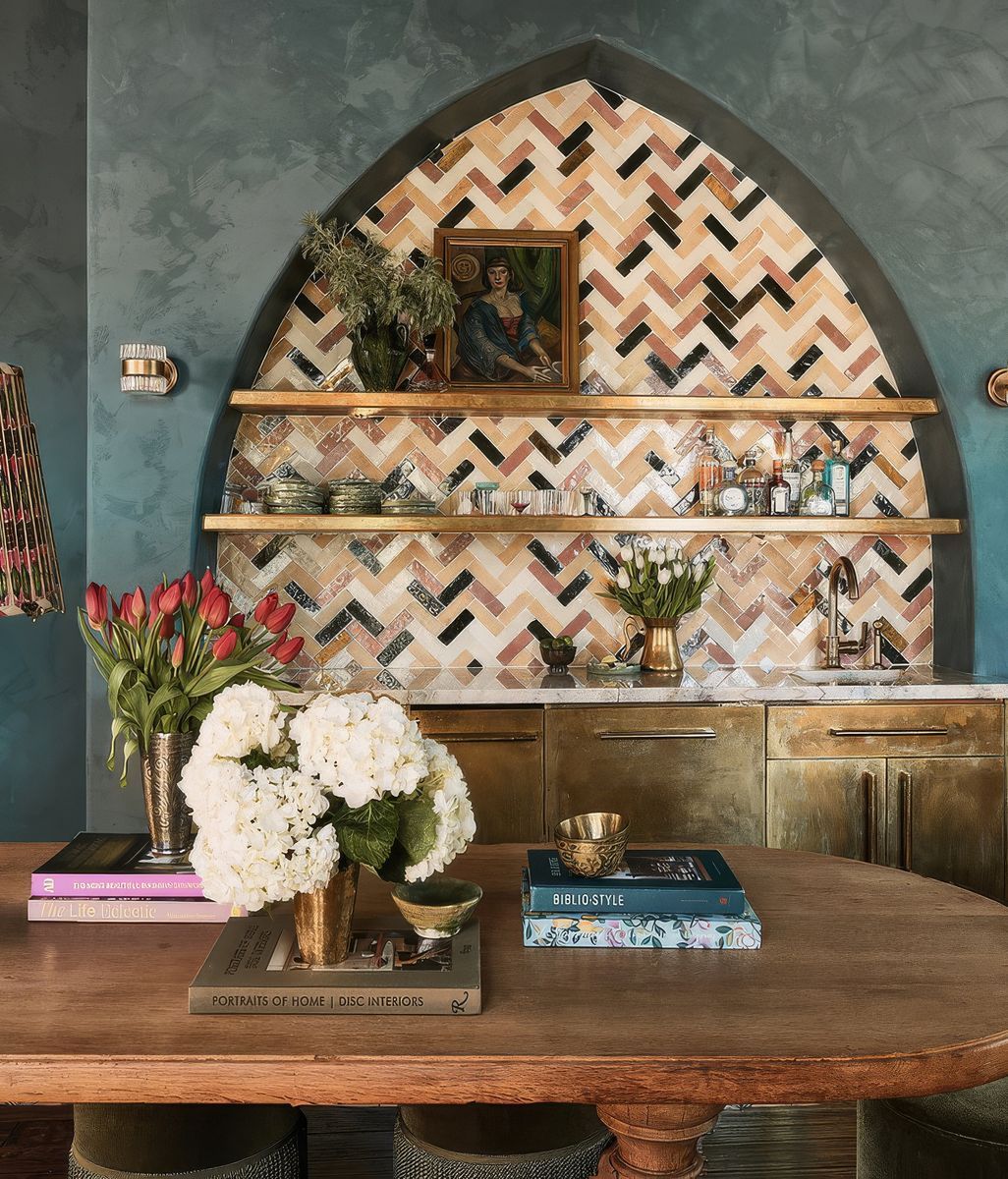
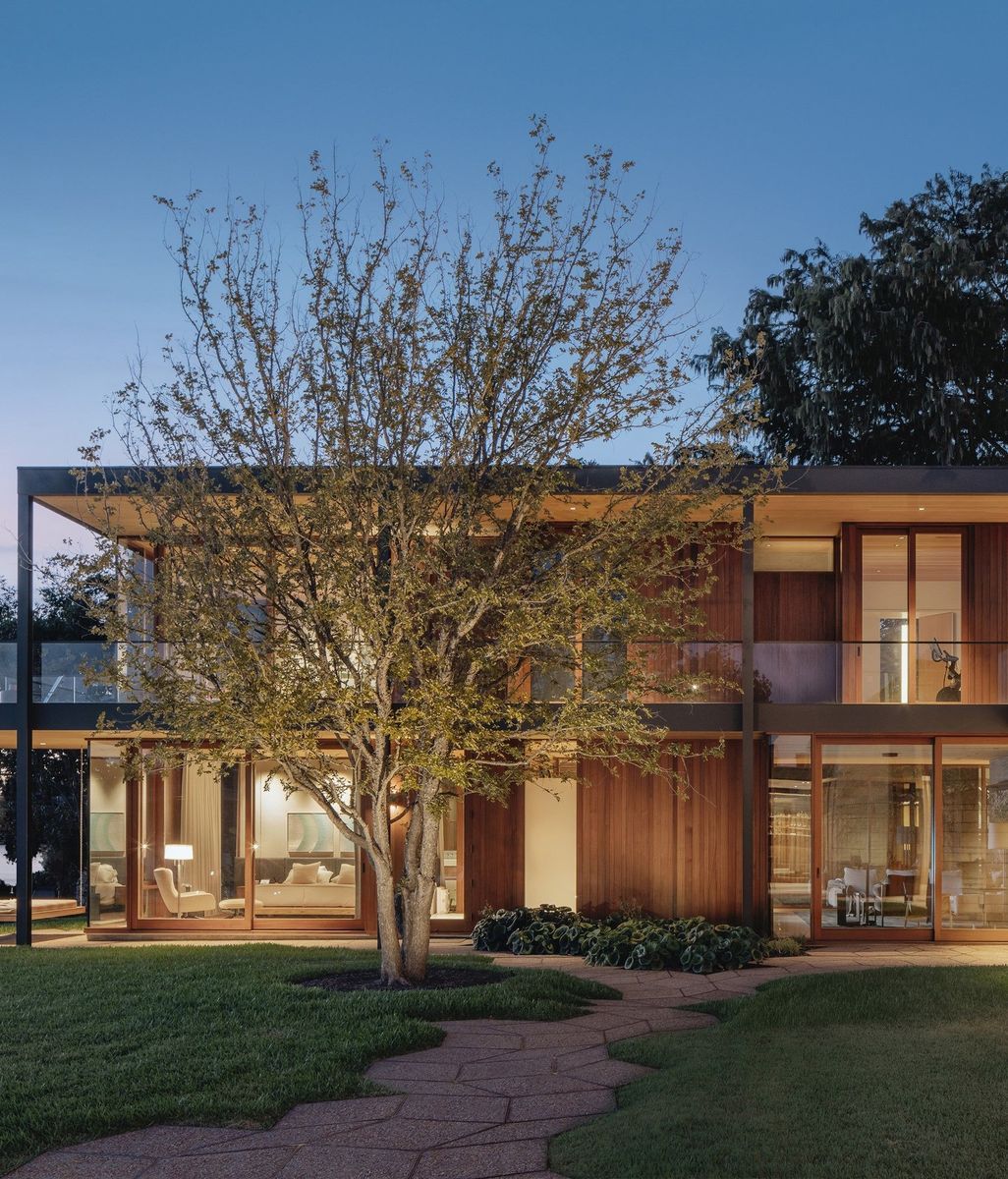
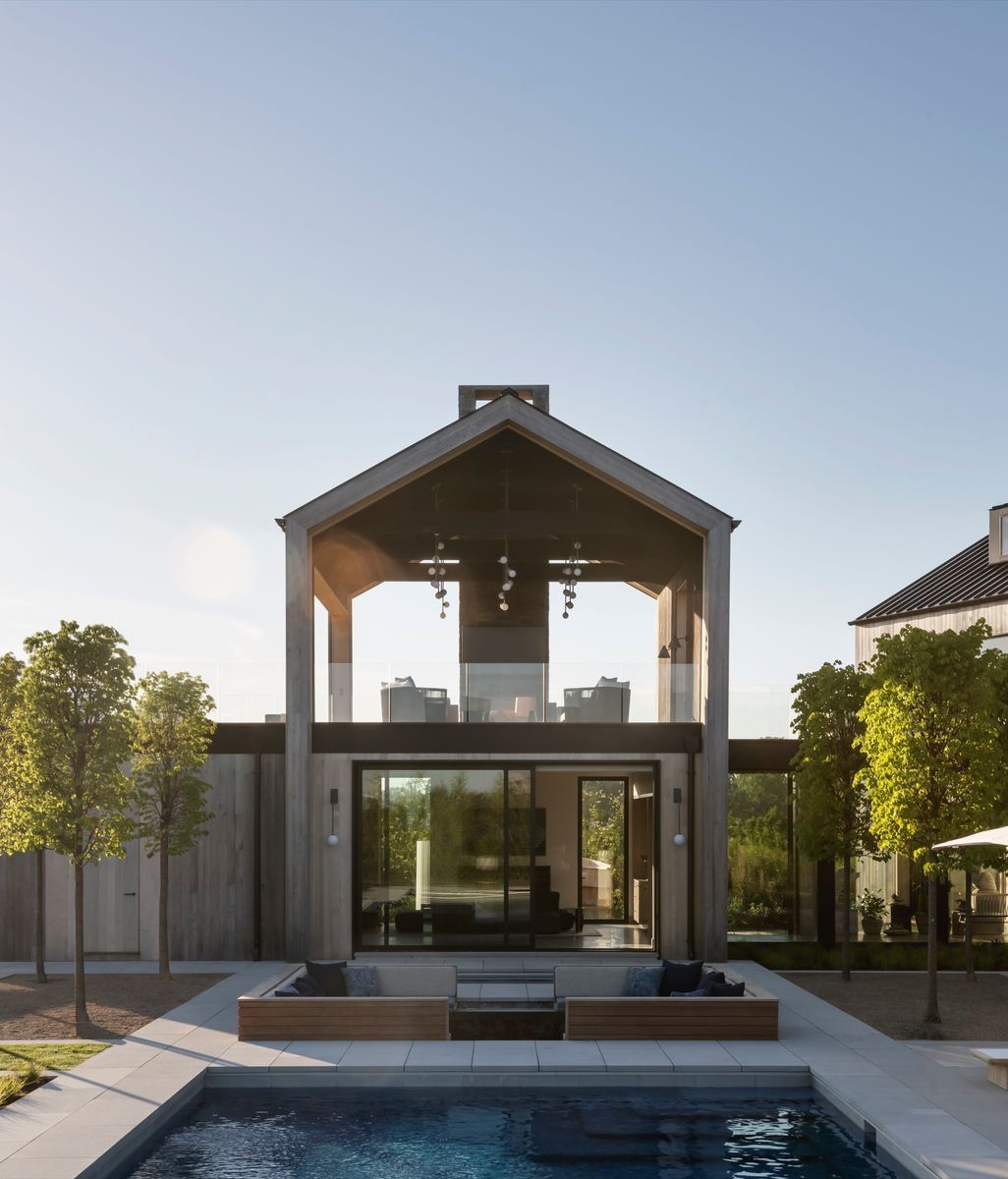
Alexandra House by AKI Design.
From a childhood surrounded by beautiful spaces to co-directing AKI Design, Candyce James creates inspired contemporary interiors alongside her mother.
wwwnano-banana-aistudio-1773011991780-v3.png

Candyce James grew up in houses that were never quite finished. Not because anything was incomplete, but because her parents were always renovating. There was a constant sense that a space could be reconsidered, refined and made better.

At the centre of that activity was her mother, interior architect Charis James, who started her own practice, AKI Design, 20 years ago. This meant that design wasn’t something Candyce observed from a distance; it was woven into everyday life. Conversations about layout and finishes were normal. 

“I think subconsciously, we were always surrounded by design,” she says, “and we were always exposed to beautiful spaces.”

That exposure shaped her long before she consciously chose a career. When she finished school, she wasn’t entirely sure what she wanted to do and it was her mum who suggested interior design. Candyce enrolled, completed her degree in interior architecture and quickly realised it felt instinctive. 

Five years ago, she formally joined the family business. Today the studio is led by mother and daughter as co-directors, who are tightly collaborative and hands-on across every project. 

While the studio recently completed a retail project in Brisbane (their first significant venture into that sector) high-end residential work remains the heart of the practice.

For Candyce, there’s a particular satisfaction in designing someone’s home. 

“We love working with clients and really understanding how they live,” she says. “We ask them a lot of questions to understand how they will use the space.”

That understanding is the starting point for every project. When a new client approaches AKI, the process begins with understanding their brief and requirements. They might bring plans, inspiration imagery or simply an idea of how they want to feel in the space. The first stage is about unpacking that brief: how the home needs to function, how it should flow, what matters most to the people living there.

Being interior architects, the studio often develops schematic design alongside the early conceptual direction of a project.

“We generally work on the initial design direction — inspiration and materiality — to get a feel for what the client likes, in conjunction with the schematic design to resolve the spaces before moving into the design direction for the project,” Candyce explains. 

Ensuring this balance is right is crucial to both the functionality and aesthetic of the space. Once the layout and spatial planning feel resolved, the studio begins refining the materiality and aesthetic direction, presenting imagery, finishes and early design concepts. This is Candyce’s favourite part of the process.

“The development stages are great because it's really where we get to showcase what we're thinking to the client and we get to show them different options, different materials, and it's quite a fun process."

From there, the process becomes increasingly detailed: elevations, kitchen designs, fixtures, fittings, appliances and construction drawings.Throughout, the collaboration with the client is close. In residential projects especially, that relationship carries weight.

The retail space recently designed by AKI design.

The working relationship between mother and daughter mirrors that same balance of creativity and refinement.  

“We work quite well together—we’re quite similar!” 

Candyce says her mum is “super creative,” and is deeply involved in setting the tone and overall direction of projects. While she also describes herself as creative, she’s more practically focused, overseeing planning, scheduling and drawings. The combination creates a natural division of strengths.

Of course, working with family means work doesn’t always stay at the studio. 

“You never stop talking about it,” she admits. But the shared history also brings an intuitive understanding. They reference the same influences. They’ve seen design evolve over decades from slightly different vantage points.

Aesthetically, AKI tends to lean toward a European, high-end sensibility. There is a consistent thread of refined materiality which champions metal, marble, and layered finishes, but Candyce is clear that each project responds to the individual client. 

“Everybody is different, and they want different things.” 

The studio’s role is to interpret those desires through its own design ethos rather than impose a rigid signature style.

In recent years, AKI has expanded beyond interior architecture. The studio offers a full furniture curation service, installing everything from key pieces down to cutlery and bedding. The intention is to deliver a fully realised environment, not just a completed build, but a finished home.

They have also introduced a vintage gallery component to the business, sourcing pieces from Europe and Morocco to sell through their online platform. And now, they are preparing to launch their first furniture collection under the AKI brand. 

The idea for the collection took shape while Candyce was living in London for six months. During that time, she travelled to Paris, spending time in the markets and design districts, absorbing the furniture scene. The collection grew from those experiences, including a coffee table, which she describes as a refined and architecturally inspired piece. 

Manufactured in Melbourne, the range will be well-crafted and tailored. 

“We wanted to create something that was really well made and something that would last the test of time,” she shares. “The coffee table is part of a collection called the Rue collection and will be the first piece launched to market.” 

Its direction feels aligned with the studio’s broader trajectory: considered, European-influenced, and grounded in quality.