In Defense of Stagnation

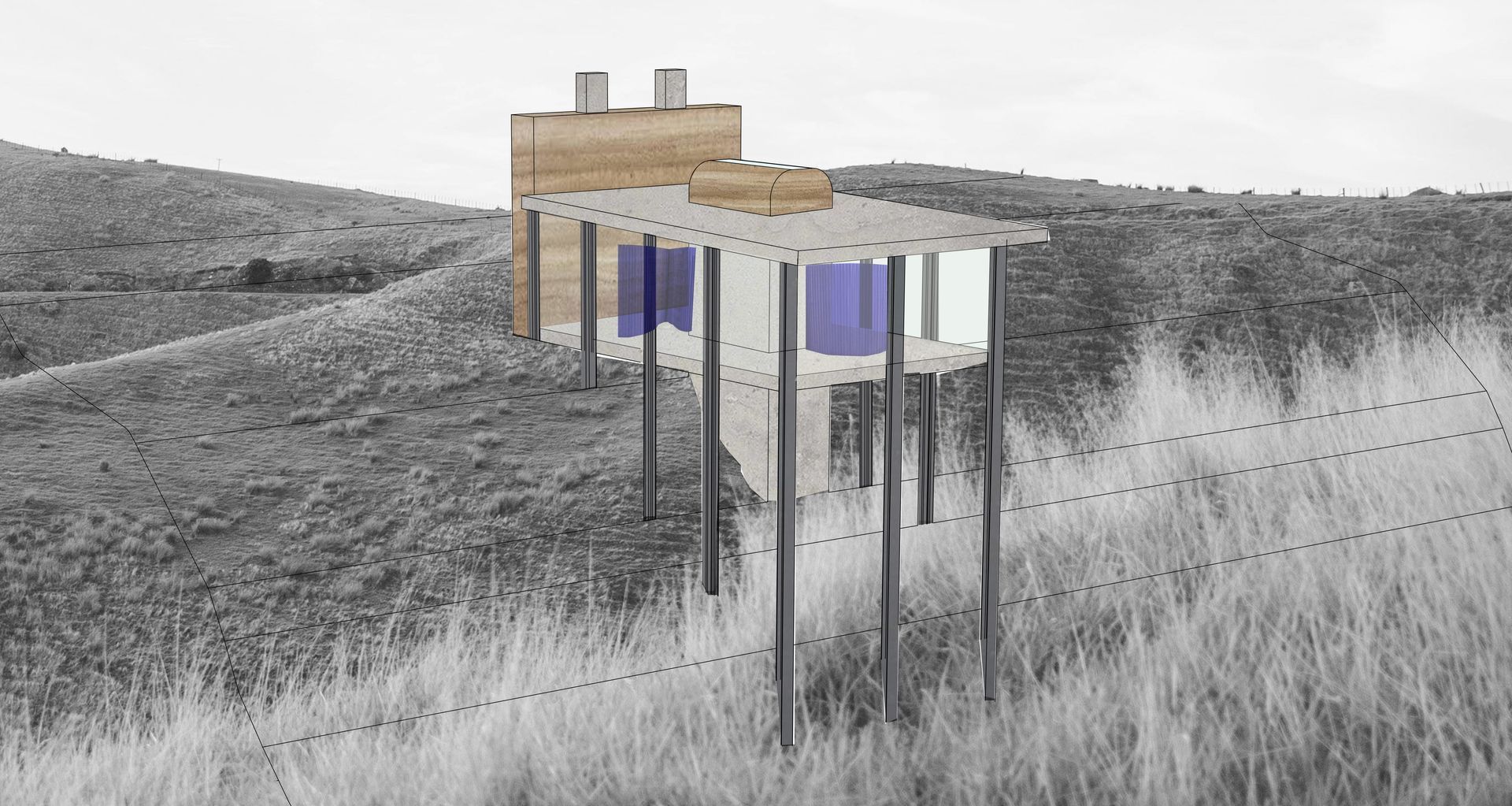
Is it possible to live in this world and escape the argument for, and against the implications of Artificial Intelligence? Or rather, is it possible to live in this world and escape the internal existential questions that arise with the introduction and unregulated exploration of Artificial Intelligence? Have humans ever been on the cusp of their own obsolescence? The arguments for the integration of AI speak mostly to the ease that they will create for the human race, how much better our lives will be and how much more we will innovate. As a 37 year old, who has grown up in the Climate Crisis, Y2K, the proliferation of the internet, social media, and now the introduction of AI, I am no longer convinced that technology is solving any of our major problems. Yes it’s easier to order lunch and have it delivered, but the permit approval from the DOB still takes months.
As all architects have been asked the reason behind their their decision to pursue the field of architecture, my response is because I love to draw. Being an artist was too terrifying of a field for my parents to support, whereas architecture has the allure of stability with the bonus of creativity. Therefore it is to my dismay that the actual hand touch of the field is almost entirely extinct. Pencils have been substituted for cursors, rulers for x-lines, bass wood and glue for Revit and Rhino models, watercolor and colored pencils for V-ray, actual material samples for photoshop. Our very physical field has become entirely digital.
I was not in the profession when AutoCAD was adopted by the field, nor was I in the profession when drafting tables were our primary mode of production. I graduated in 2012, and learned computer software in architecture school. There were many students that excelled at technology and chose to pursue Rhino plug-ins and 3D printing, and there were others who were less gifted or excited about those technologies. To say that the former’s grades were not better would be false. The field became enraptured by the possibility of technology, and by the potential for efficiency and greatness.
Yet, the field has never regulated the use of software. To my knowledge, the AIA or any other architectural organization has been unable to reduce software costs for firms, or standardized the education of programs in universities. We have no national standard for AutuCAD layers, or typefaces therefore it is a huge waste of time to learn a new office’s standards, let alone share files with consultants. Firms are constantly trying to coordinate between Revit, CAD, Rhino, Adobe Suite, Bluebeam, etc and so they end up having to pay for multiple software costs, I would argue, much greater than pencils and pens.
At a time when the salaries within the field of architecture do not come close to other professional fields (although our licensing requirements are just as stringent), it’s important to understand if technology has added to our overhead, whether it has made our work more efficient, how we can regulate and systemize these programs in order to better collaborate within and outside the field? But more importantly, I continue to ask myself if it has made my work better, and if my daily life in front of a computer has led to greater happiness and creativity?
As Artificial Intelligence laps at our heels, will this make our work more efficient, will it allow us to be paid more? Will our industry be able to regulate its use so that we benefit from its integration? Will architects sit at the table of tech to help shape the conversation? Or will we mindlessly integrate it into our daily lives without the foresight to understand how deeply it will shape our standing as experts, professionals, and tradespeople?