How architects design for how you actually live

Written by
17 June 2026
•
9 min read
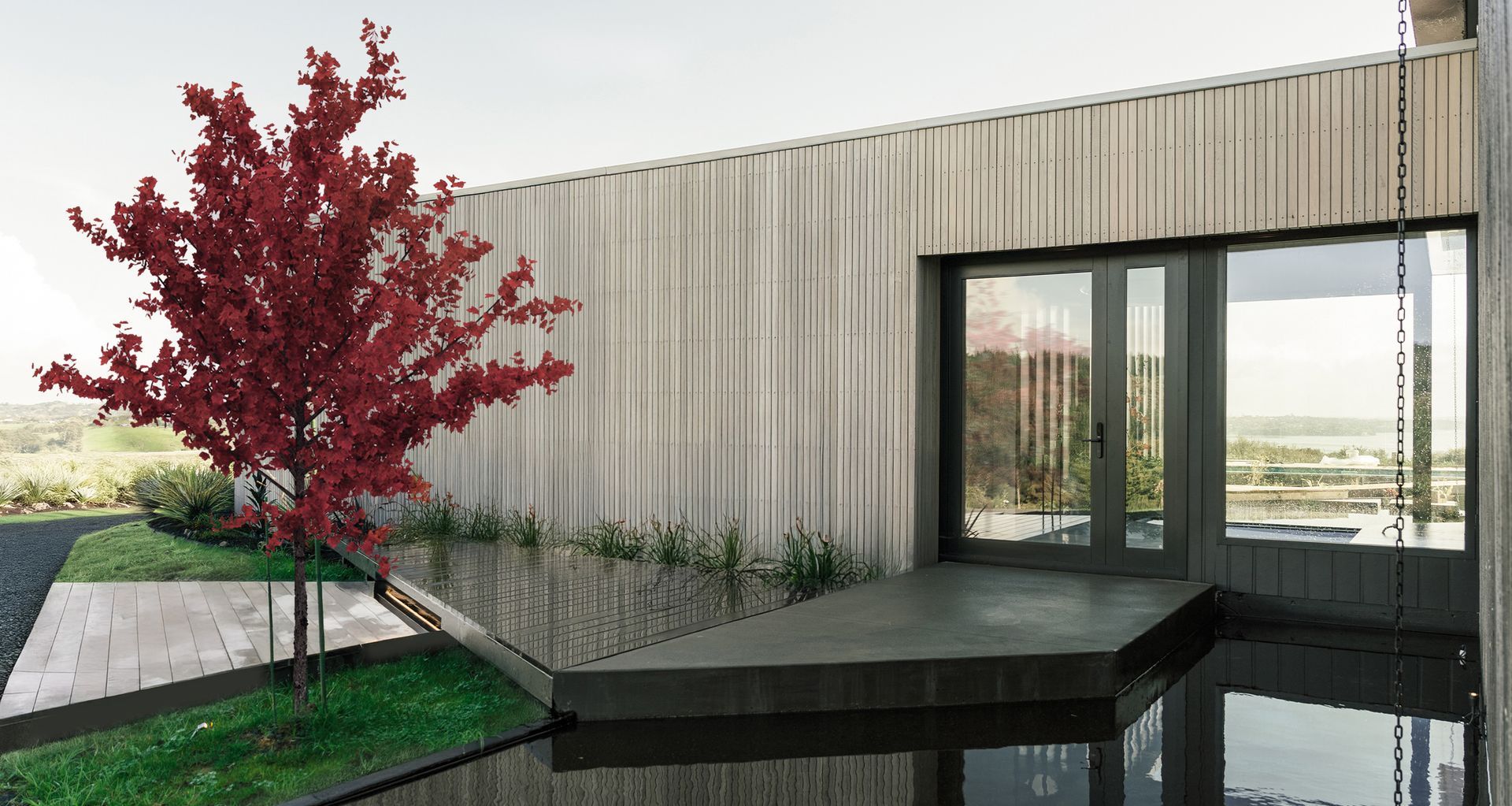
This is where the real work of architecture often starts. The facade, kitchen island and bathroom finishes may be the visible outcomes, but the deeper design work begins with the rhythms, routines and small rituals that shape daily life. How a family arrives home. Where bags are dropped. Who cooks, who gathers, who retreats. Where morning light matters most. Where privacy is needed and where connection should feel effortless.
For many homeowners, the design process begins visually. A saved project, a material reference, a room that captures a certain feeling. These are useful starting points, and exploring completed homes on ArchiPro Projects can be one of the clearest ways to begin understanding what you are drawn to. But images are only the beginning of the brief. The role of an architect is to move beyond what a home should look like and ask a more enduring question: how should this home support the people who live in it?
A beautiful home is one thing. A home that works is another.

The brief beneath the brief
When homeowners think about briefing an architect, they often think in practical terms: the number of bedrooms, the size of the kitchen, the need for a second living space or the desire for better indoor-outdoor flow. These details matter, but they are only the surface layer.
Architects are trained to listen for the brief beneath the brief. A good brief often begins by asking why. The stated need may be practical, but the underlying motivation is often emotional, behavioural or spatial.
A request for a larger kitchen may really be about wanting the home to feel more social. A second living room may be less about square metres and more about the need for retreat. A bigger wardrobe may point to a deeper storage issue elsewhere in the home. A desire for “more light” may require a more considered understanding of orientation, shadow, privacy and heat gain, rather than more glazing everywhere.
This is where a professional lens changes the conversation. The architect arranges more than rooms around a wish list. They interpret the relationship between people, site, budget, climate, movement and time.
For homeowners beginning this process, browsing architects on ArchiPro can help reveal the breadth of ways different practices approach residential design. Some homes are composed around landscape. Others around compactness, family life, heritage, material restraint or the careful resolution of difficult sites. The value is found in seeing finished work and beginning to understand the thinking behind it.

Designing for ordinary moments
The success of a home is often felt most strongly in ordinary moments.
The entry that absorbs the mess of arrival. The bench that catches keys, mail and school notices before they migrate across the house. The laundry that is close enough to be useful, but not so exposed that it becomes visual noise. The kitchen that allows one person to cook in peace or several people to move around each other without friction.
These decisions may not be the ones that dominate the project photography, but they are often what make a home feel resolved.
An architect looks at how people move through a home. Where they pause, where they pass, where they gather and where the plan needs to slow down. They consider the point at which public space becomes private space. They think about whether a bedroom wing should be acoustically separated from the living area, whether a study needs true quiet or simply a place to retreat, whether a guest bathroom can also serve the garden or pool.
In this sense, architecture is about the relationships between rooms as much as the rooms themselves.
A home that looks generous on paper can still feel awkward if the sequence is wrong. A compact home can feel expansive if light, proportion, circulation and indoor-outdoor flow are handled with care. Good planning can make daily life feel calmer because the home is not constantly asking its occupants to work around it.
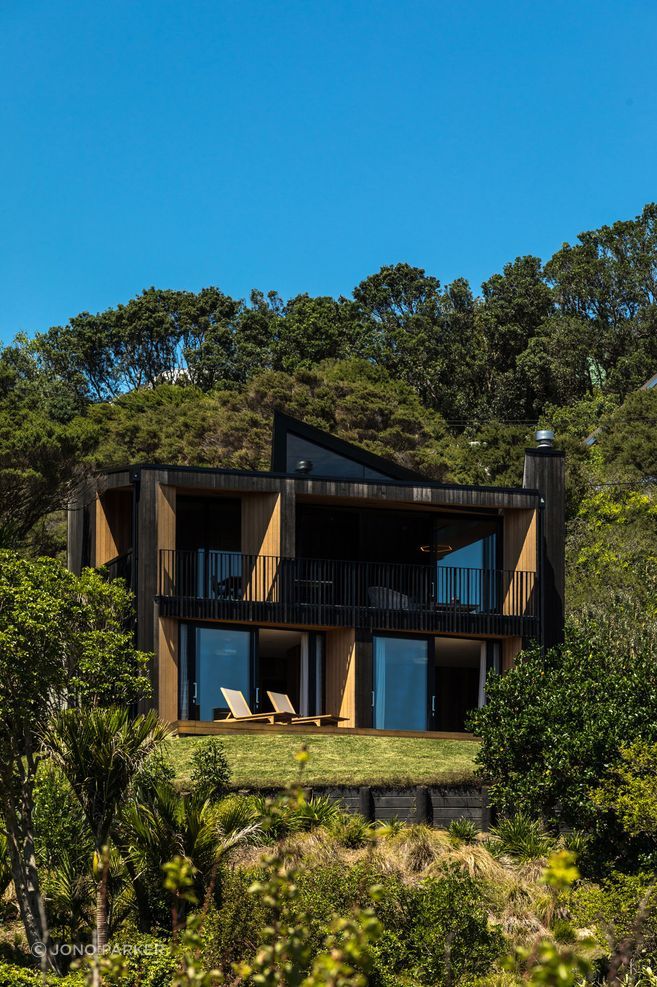
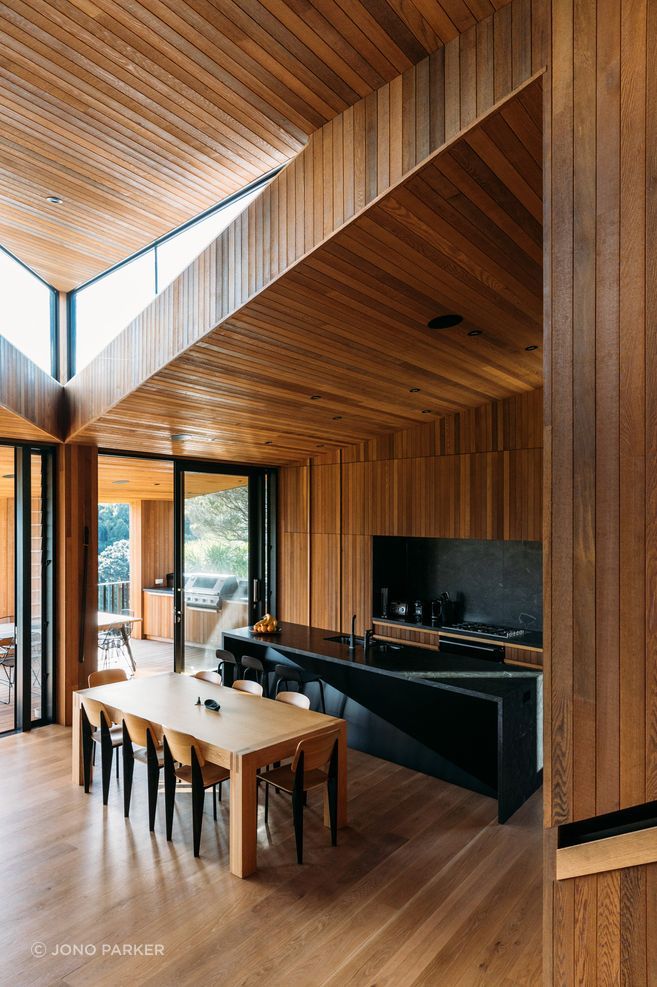
The difference between lifestyle and real life
There is a difference between designing for an imagined lifestyle and designing for real life.
The imagined version is often polished. It is the dinner party, the quiet morning coffee, the perfectly composed living room. Real life is less edited. It includes wet towels, muddy shoes, children doing homework at the dining table, a dog moving between inside and out, groceries arriving in bulk, laptops on the kitchen bench and the need for a quiet room where someone can step away from the rest of the house.
The best architects make room for both.
They understand that beauty and utility belong together. Storage can be finely integrated. A hardworking mudroom can still be elegant. A family bathroom can be robust without feeling purely functional. A kitchen can be both social and highly practical.
This is also where interior designers play a critical role. While architecture sets the spatial framework, interior designers refine how that framework is experienced day to day. They consider material tactility, lighting, joinery, furniture, colour, scale and the cumulative atmosphere of a home. For many projects, the collaboration between architect and interior designer is what allows the home to feel complete, from the broadest spatial gesture to the smallest point of contact.
Homeowners planning a renovation or new build can explore interior designers on ArchiPro to understand how different studios bring personality, cohesion and practical intelligence into the interior life of a project.
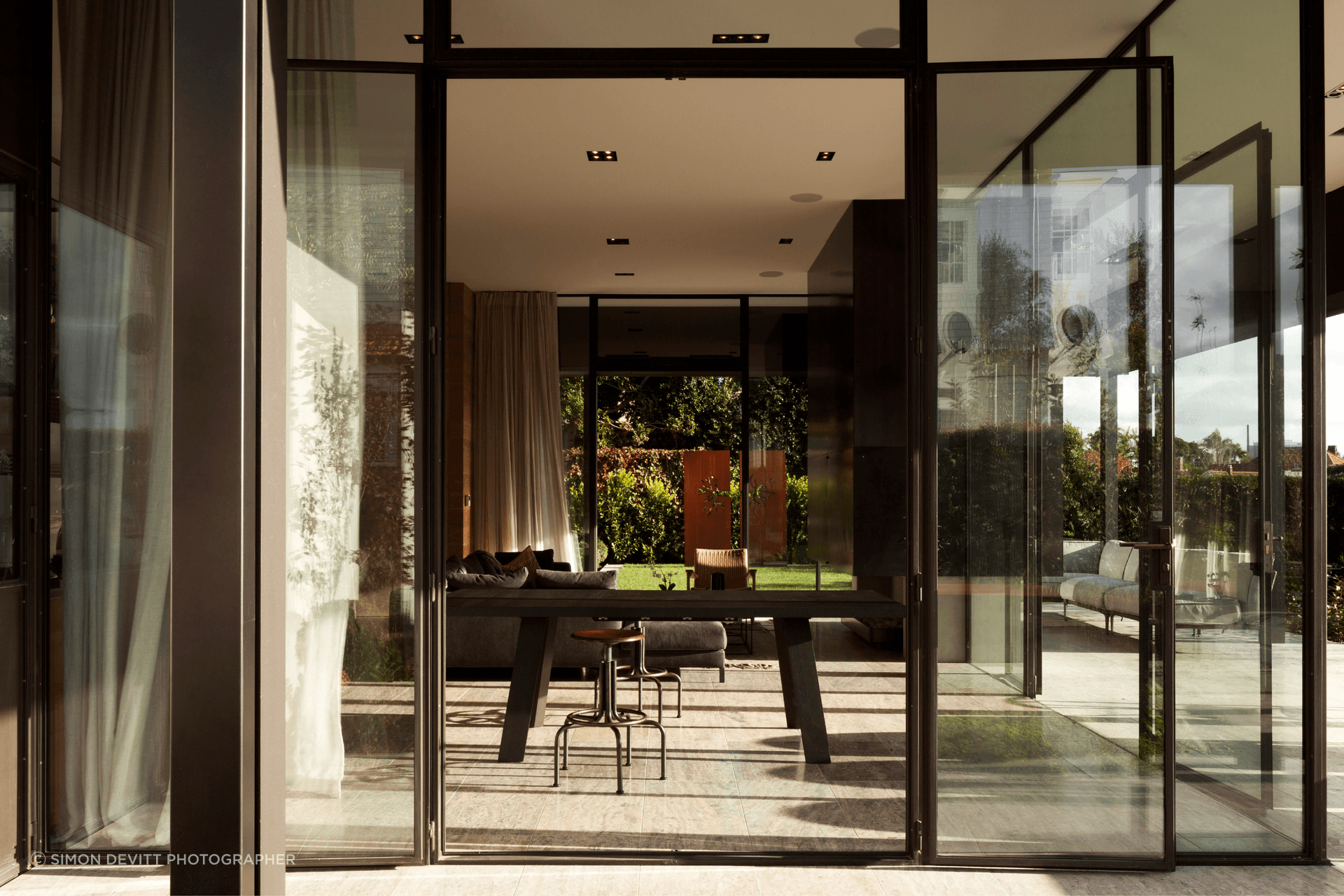
Good design anticipates change
A well-designed home has to hold the possibility of change.
Families grow. Children become teenagers. Work patterns shift. Ageing parents may come to stay. A room that begins as a nursery may later become a study. A second living space may become essential as a household’s need for independence increases. Accessibility, privacy and adaptability become more important over time.
Architects design with this longer view in mind.
Making a home more adaptable does not always require more space. Often, it requires more intelligence. A flexible room that can change use. A bathroom positioned to serve multiple stages of life. A circulation route that can accommodate future needs. A plan that allows the house to feel connected without requiring everyone to be together all the time.
Designing for real life means recognising that a home is never static. It is lived in, altered, tested and softened by time. The strongest homes are those with enough clarity to feel resolved from the beginning and enough flexibility to keep working as life changes.
The role of products, materials and specification
How a home supports daily life is also shaped by what it is made from.
Materials shape maintenance, durability, comfort, acoustics, warmth and the way a home feels under hand and foot. Flooring needs to respond to use. Tapware needs to withstand repetition. Lighting needs to support task, atmosphere and transition. Outdoor materials need to respond to exposure, climate and care.
This is why architects and designers spend so much time on specification. The right product is often the one that quietly performs, ages well and supports the intention of the space.
For homeowners, the ArchiPro Products library can be a useful way to understand the breadth of decisions involved, from lighting and furniture to bathroomware, surfaces, cladding and outdoor living. Used well, product research can help clarify preference. But within a design process, these choices are strongest when they are considered in relation to the whole home, rather than selected in isolation.
A beautiful tap, tile or pendant light can lose its impact if it is disconnected from the architecture around it. Equally, a modest material can feel elevated when proportion, detailing and placement are carefully resolved.
Why the right questions matter
One of the most valuable things an architect can do is ask better questions.
A brief may begin with how many bedrooms are needed, but an architect will also want to understand how mornings should feel.
A conversation about entertaining becomes more useful when it moves beyond a simple yes or no. How many people gather? Where do they sit? Who cooks? What happens after dinner?
Indoor-outdoor flow needs the same level of precision. At what time of day will the space be used? In which season? With what level of shelter, privacy and connection to the garden?
These questions shift the design process away from assumption and toward understanding. They help reveal the difference between what a client first asks for and what will actually improve the way they live.
This is why choosing the right professional matters. A good architect or designer will take the brief further than a reference image or list of requirements. They will test it, challenge it where needed and refine it into something more resolved.
ArchiPro’s Professionals directory allows homeowners to look beyond style alone and consider fit: the scale of work a studio takes on, the types of projects they have completed, the way they describe their process and the values that appear across their portfolio.
A home that feels effortless is rarely accidental
The best homes often feel simple once they are complete. Light arrives where it should. Spaces open and close naturally. Storage appears where it is needed. Materials feel balanced. Rooms support both solitude and connection. Nothing feels overworked.
That sense of ease comes from careful thinking, precise decisions and a deep understanding of how people live. It comes from reading the site, listening closely, resolving tension between beauty and function and making hundreds of choices that may never announce themselves individually.
That is the quiet value of architecture: the shaping of a home that is beautiful to look at and deeply considered to live in.
For homeowners at the beginning of a project, ArchiPro offers a way to move from inspiration to understanding. Explore completed projects, discover the professionals behind them, research products and read more design thinking across ArchiPro Articles. The more clearly you understand how good design works, the better equipped you are to create a home that works beautifully for you.