Do You Need Building Consent for a Bathroom Renovation in NZ?

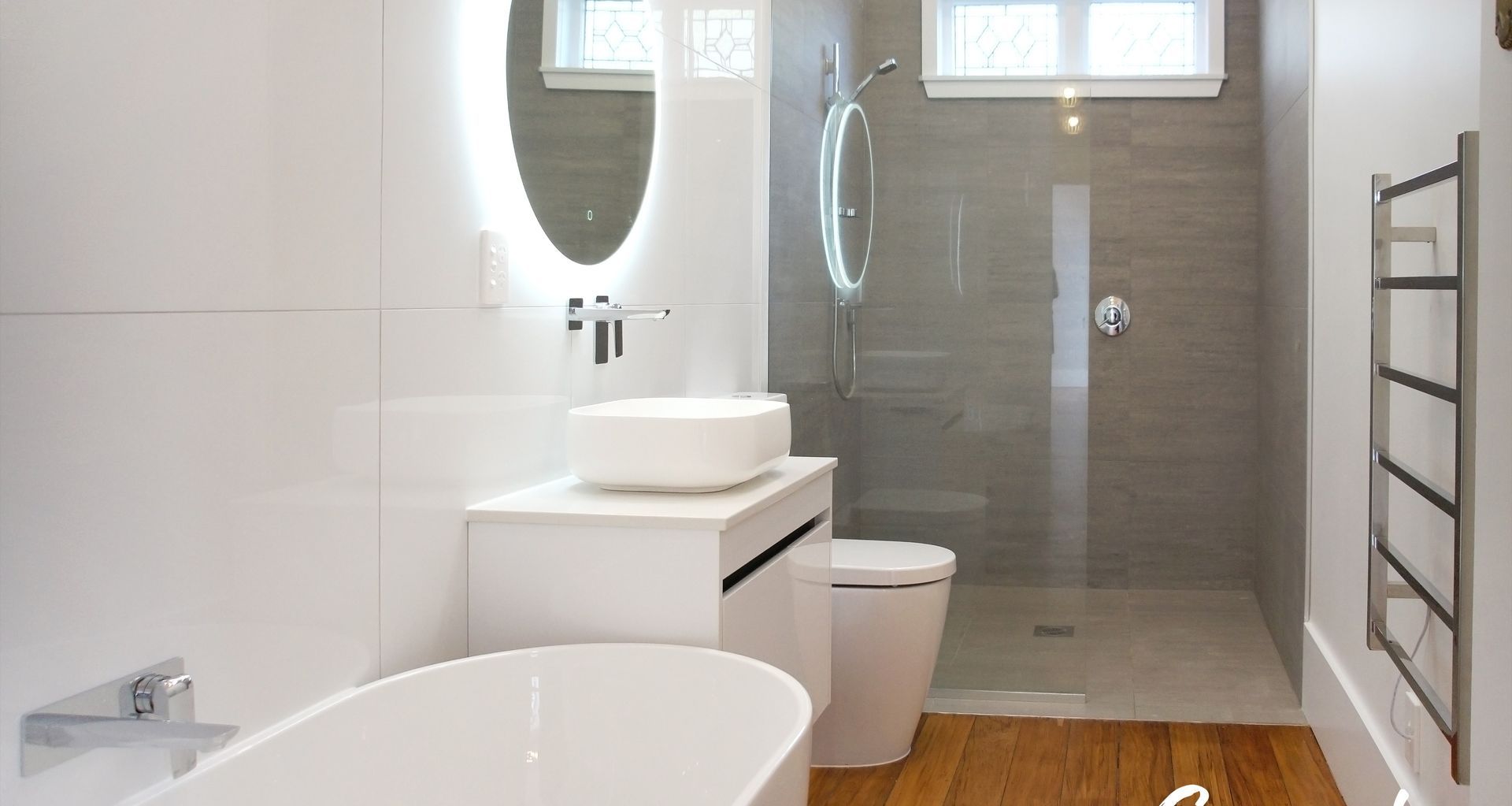
Do You Need Building Consent for a Bathroom Renovation in NZ? (2026 Guide)
Most Auckland homeowners assume renovating a bathroom is straightforward — pull out the old, put in the new, done. And in many cases, that's not far wrong. But the question of building consent trips people up more than almost anything else we encounter, and getting it wrong can cost you far more than the renovation itself.
So let's settle it properly. Whether you're planning a full ensuite overhaul in Remuera, a wet room conversion in Grey Lynn, or just refreshing a tired main bathroom in Botany Downs, here's exactly what the rules say — and what you actually need to do before your project starts.

The Short Answer (Because We Know You Want It)
For most standard bathroom renovations in New Zealand — replacing a toilet, retiling, swapping out a vanity, or installing a new shower in the same location — you do not need building consent. These fall under what's called "exempt building work" under the Building Act 2004.
However, building consent is required the moment your renovation involves moving or adding plumbing, altering drainage, structural changes like removing a wall, changing the size or layout of the bathroom, or adding a new bathroom where one didn't exist before.
And even for exempt work, there are other approvals — most notably plumbing and drainage consents — that people routinely overlook. More on that shortly.
What the Building Act Actually Says
New Zealand's Building Act 2004 sets out two categories of building work: work that requires a building consent from your local council, and work that is specifically exempted.
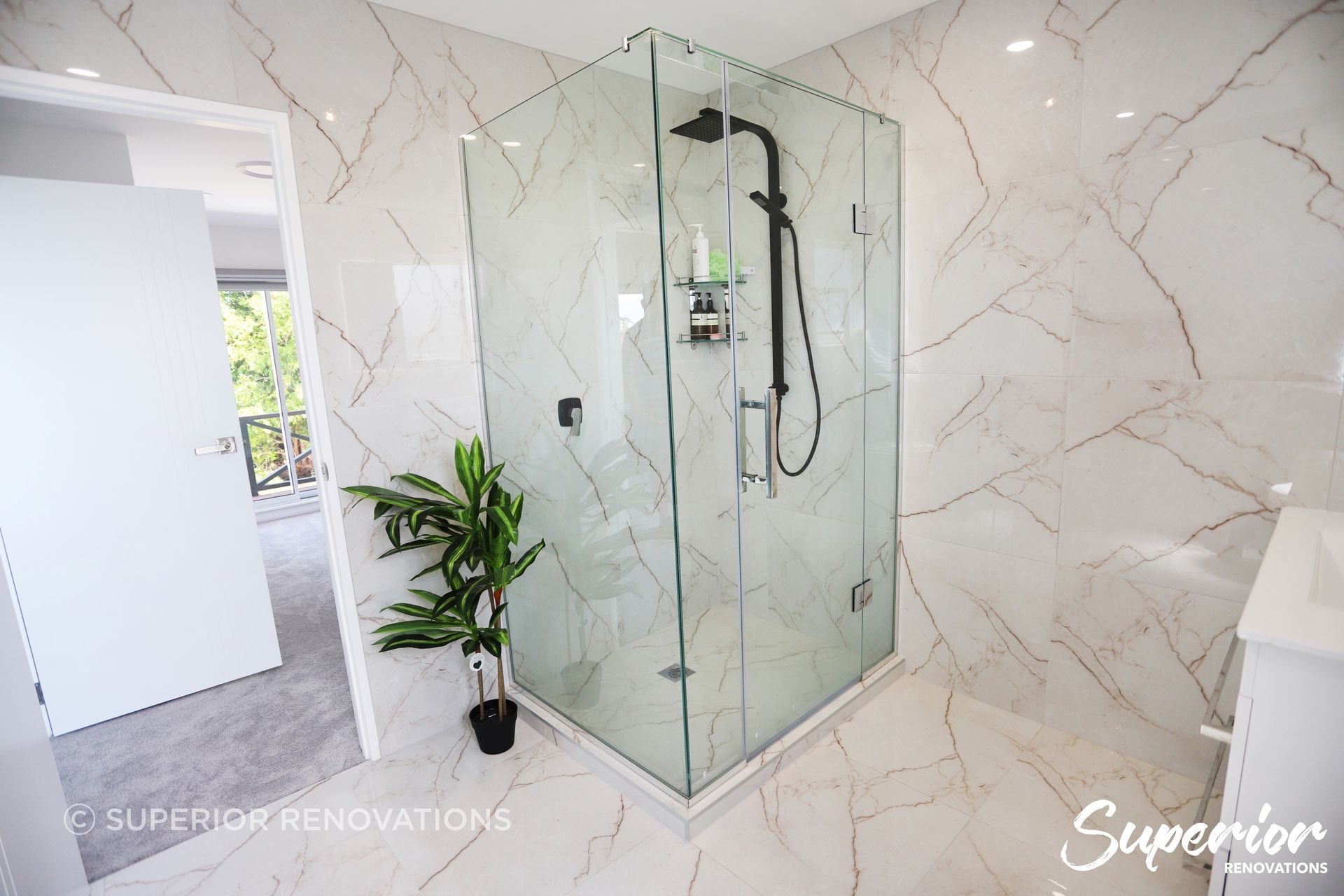
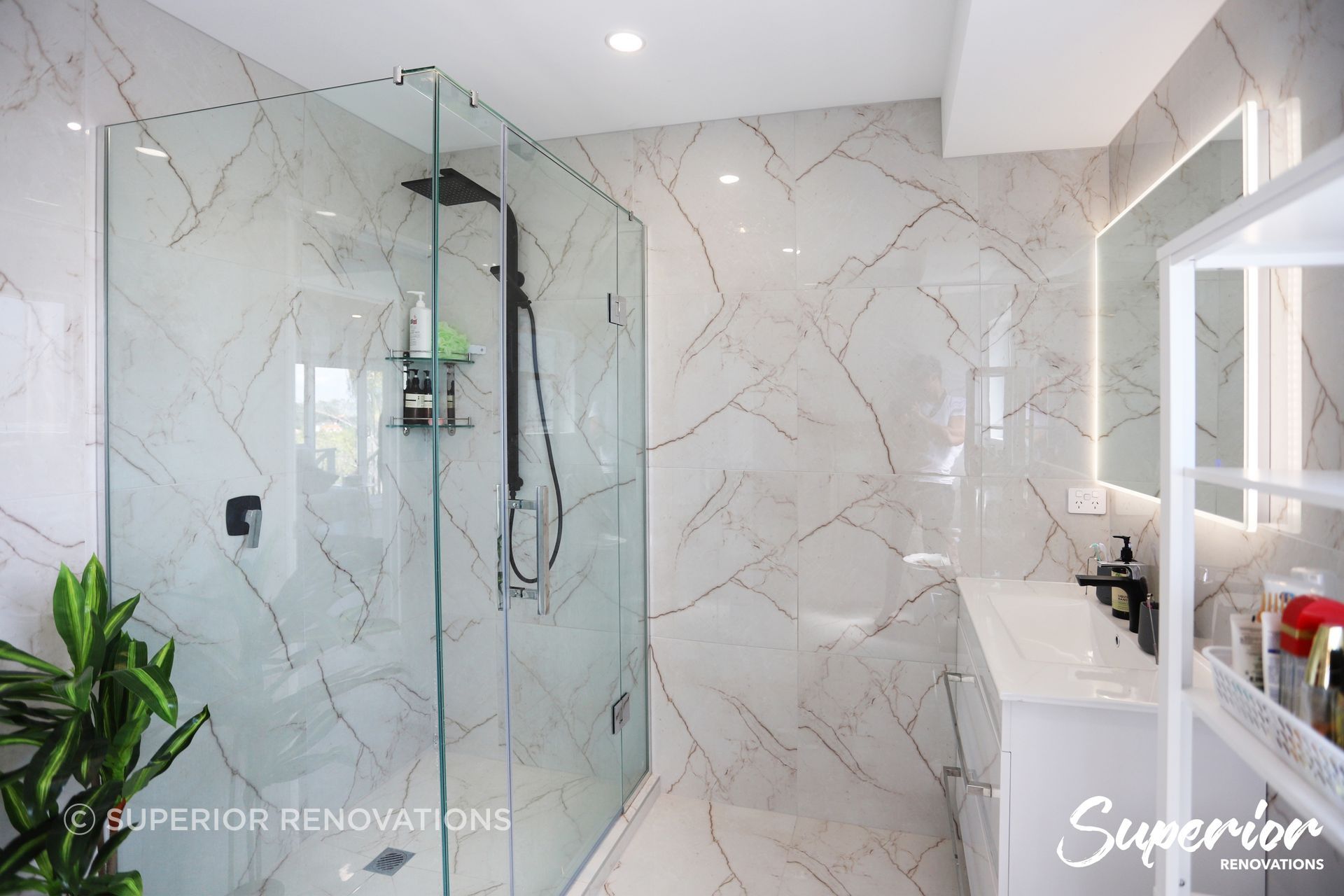
Schedule 1 of the Act lists the exemptions, and it covers a broad range of minor bathroom work. According to building.govt.nz, exempt building work in a bathroom generally includes replacing or repairing existing fixtures (toilet, basin, bath, shower) in the same location, retiling floors and walls, replacing tapware and fittings, painting and cosmetic updates, and installing a prefabricated shower unit where one already exists.
What's not exempt — and will require a full building consent from Auckland Council or your relevant council — includes moving a bathroom to a different location in the house, extending a bathroom into an adjoining room, adding a new bathroom or ensuite that didn't previously exist, any structural alterations such as removing load-bearing walls or altering the floor structure, and significant changes to the building's weathertightness.
If you're unsure which category your project falls into, the honest answer is: ask a Licensed Building Practitioner before you start, not after.

The Part Most People Miss: Plumbing and Drainage Consents
Here's where a lot of DIYers and even some builders come unstuck. Just because a bathroom renovation doesn't require a building consent doesn't mean it's a free-for-all.
Under the Plumbers, Gasfitters, and Drainlayers Act 2006, all sanitary plumbing and drainage work must be carried out by a registered or licensed plumber — and a Certificate of Compliance (COC) must be issued upon completion. This applies to connecting or relocating a toilet, installing or repositioning a shower waste, any changes to hot water supply lines, and work on shared drainage systems.
So even on a consent-exempt bathroom renovation, you'll still need a licensed plumber to do or sign off on any plumbing work, and you'll receive documentation to prove it. That paperwork matters enormously when you sell your home — and buyers' solicitors increasingly ask for it.
"One of the most common issues we see when clients come to us after a previous renovation has been done on the cheap is missing plumbing COCs," says Dorothy Li, Design Manager at Superior Renovations. "It might not seem like a big deal at the time, but it becomes very much a big deal at settlement. We make sure every trade on our projects is properly licensed and every document is filed. It's not optional — it's just how professional renovation works."
Real-World Scenarios: Does Your Project Need Consent?
To make this concrete, here are situations we see regularly — and the honest consent answer for each.
Full Bathroom Remodel, Same Footprint
You're gutting your bathroom completely — new tiles, new vanity, new shower, new toilet, all in the same positions. No building consent is required. A plumbing COC is still required for any plumbing work carried out during the process.
Knocking Through to Expand the Bathroom
Your bathroom feels like a shoebox, so you want to borrow half the adjacent bedroom to create one decent-sized space. Building consent is required here — you're making a structural alteration and changing the use of borrowed space. This is also the point where you'd want to loop in an architectural eye early; our team at Sonder Architecture handles exactly these kinds of structural projects.
Adding an Ensuite to the Master Bedroom
A new bathroom where there wasn't one before. Building consent is required, along with plumbing consent, and potentially a resource consent check if the addition affects the building's footprint or site coverage.
Converting a Laundry into a Bathroom
Change of use. Building consent required — no exceptions.
Replacing Like-for-Like in a Rental Property
Straightforward replacement work. No building consent required, but a licensed plumber must carry out any plumbing work, and your obligations under the Healthy Homes Standards may also apply.

Auckland Council Specifics
If you're in Auckland, all consent applications go through Auckland Council's online eFile portal. Building consent fees vary depending on project value, but for a straightforward bathroom addition you'd typically be looking at $1,500–$3,500 in council fees for the consent application alone, plus inspection fees of around $300–$600 per visit across typically two to three inspections.
Processing time for a straightforward consent is typically 10–20 working days, though complex projects can take longer. Starting work before consent is granted is a serious offence and can result in an illegal building notice — at which point you may be required to open up completed work for inspection. That's an expensive lesson nobody needs.
Auckland Council also offers a project information memorandum (PIM), which surfaces any council-held records affecting your property and flags any special land conditions. For larger bathroom renovations that shade into extension territory, a PIM can save you from nasty surprises mid-build.
The LBP Requirement: Who Can Actually Do the Work?
Even for exempt building work, certain tasks must be carried out by — or supervised by — a Licensed Building Practitioner. This applies specifically to what's called "restricted building work," which covers any work on the primary structure or weathertightness of a building.
For most bathroom renovations, the LBP requirement kicks in if you're touching walls, floors, or the building envelope. Cosmetic work — tiles, fittings, tapware — doesn't generally require an LBP. But the moment you're into structure, drainage, or waterproofing layers, you want qualified people on the job.
At Superior Renovations, all our site managers and key tradespeople hold current LBP licences, and we work exclusively with registered plumbers and gasfitters. Every bathroom we deliver comes with the full paperwork trail, from building consent through to COC. You can see what that looks like in practice on our bathroom renovation page.
What About Waterproofing? (This One Surprises People)
Here's something most homeowners don't know: bathroom waterproofing in NZ is regulated work under NZS 4858:2004. It must be applied correctly and must comply with the New Zealand Standard for wet area membranes — and waterproofing failures are one of the most expensive remediation jobs a homeowner can face. BRANZ research consistently identifies inadequate waterproofing as one of the leading causes of bathroom-related remediation work in NZ homes.
Proper waterproofing must extend at least 100mm up walls at floor level, 1,800mm up walls in shower areas, and be correctly lapped and sealed at all junctions. If a bathroom renovation quote doesn't mention waterproofing methodology, ask the question before you sign anything.
"A lot of clients don't realise that waterproofing is a regulated part of the work, not just a best-practice suggestion," says Cici Zou, Designer at Superior Renovations. "We always walk clients through the membrane specification as part of the design process, because getting it right at this stage is so much cheaper than fixing it five years later."
How to Budget for Consent Costs
If your bathroom renovation does require building consent, here's what to factor in beyond the build itself. Auckland Council consent fees typically run $1,500–$3,500 depending on project value. Inspection fees add $300–$600 per visit across two to three inspections. If your builder or architect needs to prepare plans and drawings, budget an additional $800–$2,000. And the consent timeframe of 10–20 working days needs to be built into your project schedule — rushing around it isn't an option.
For a full picture of what bathroom renovations cost in Auckland, including where consent fits into the overall budget, our bathroom renovation cost calculator gives you an instant, realistic estimate based on your bathroom size and finish level. It's a solid starting point before you pick up the phone.
Frequently Asked Questions
Do I need building consent to retile my bathroom in NZ?
No. Retiling is exempt building work under Schedule 1 of the Building Act 2004. You can retile floors and walls without a building consent. You'll still need a licensed plumber if you're touching any plumbing connections during the process.
Do I need consent to replace a toilet in NZ?
Replacing an existing toilet in the same location does not require building consent — it's exempt work. However, the work must be done by a registered plumber, who will issue a Certificate of Compliance upon completion.
How much does building consent cost for a bathroom renovation in Auckland?
For a straightforward bathroom addition or structural alteration, Auckland Council fees typically range from $1,500 to $3,500, plus inspection fees of around $300–$600 per visit. Complex projects or those requiring engineering input will cost more.
What happens if I renovate a bathroom without consent in NZ?
If you carry out work that requires consent without obtaining it, Auckland Council can issue a Notice to Fix or an Infringement Notice. In serious cases, you may be required to open up completed work for inspection or even remove it entirely. Unconsented work also creates real problems when you sell — buyers' solicitors routinely check building consent records.
Can I renovate my own bathroom in NZ without a licensed builder?
For exempt building work such as cosmetic updates and like-for-like fixture replacement, owner-builders can carry out some tasks themselves. However, any sanitary plumbing must be done by a licensed plumber, any structural work requires an LBP, and all waterproofing must meet NZS 4858:2004. Getting these wrong is costly to fix.
Ready to Renovate? Let's Talk
Consent questions are genuinely one of the trickier parts of planning a renovation — not because the rules are deliberately confusing, but because every project is slightly different and the stakes of getting it wrong are real.
That's exactly why we offer a free consultation before any project starts. Our team at Superior Renovations — visit us at 16B Link Drive, Wairau Valley, or get in touch online — will walk through your specific plans, flag any consent requirements, and give you a clear picture of scope, timeline, and cost before you've committed to anything. Book your free consultation here and let's make sure your bathroom renovation goes exactly the way it should.