Designing with feeling in mind
Written by
19 April 2026
•
4 min read

From an early age, design felt less like a choice and more like an instinct for Ancré Studio’s Alice Dalloz. Growing up in France, she was drawn to creative expression, spending much of her time painting and exploring different forms of art. By the age of 14, she had already decided on her path: interior design was her calling.
That early clarity led her to formally study interior design, before expanding her perspective through psychology. Together, these two disciplines now underpin her approach, shaping spaces that go beyond appearance to consider how they are experienced on a deeper, more human level.
“I like to think beyond aesthetics and bring in something a bit more experiential,” Alice says. “I use elements of human psychology to create spaces with atmosphere and depth.”
After completing her studies, Alice’s journey took her from France to Australia, where she built her career across several architectural practices before establishing her own studio. Along the way, she developed an approach that prioritises people over style, focusing on how homes are lived in rather than how they simply look.
“I always seek to understand how clients use their house,” she explains. “It’s an intimate relationship and process, because you have to really get to know people well to understand exactly how to create a home that will support and enrich their lives.”

From bedrooms to bathrooms, kitchens to quiet corners, every space is considered through the lens of daily habits, family dynamics, and the moments that truly matter.
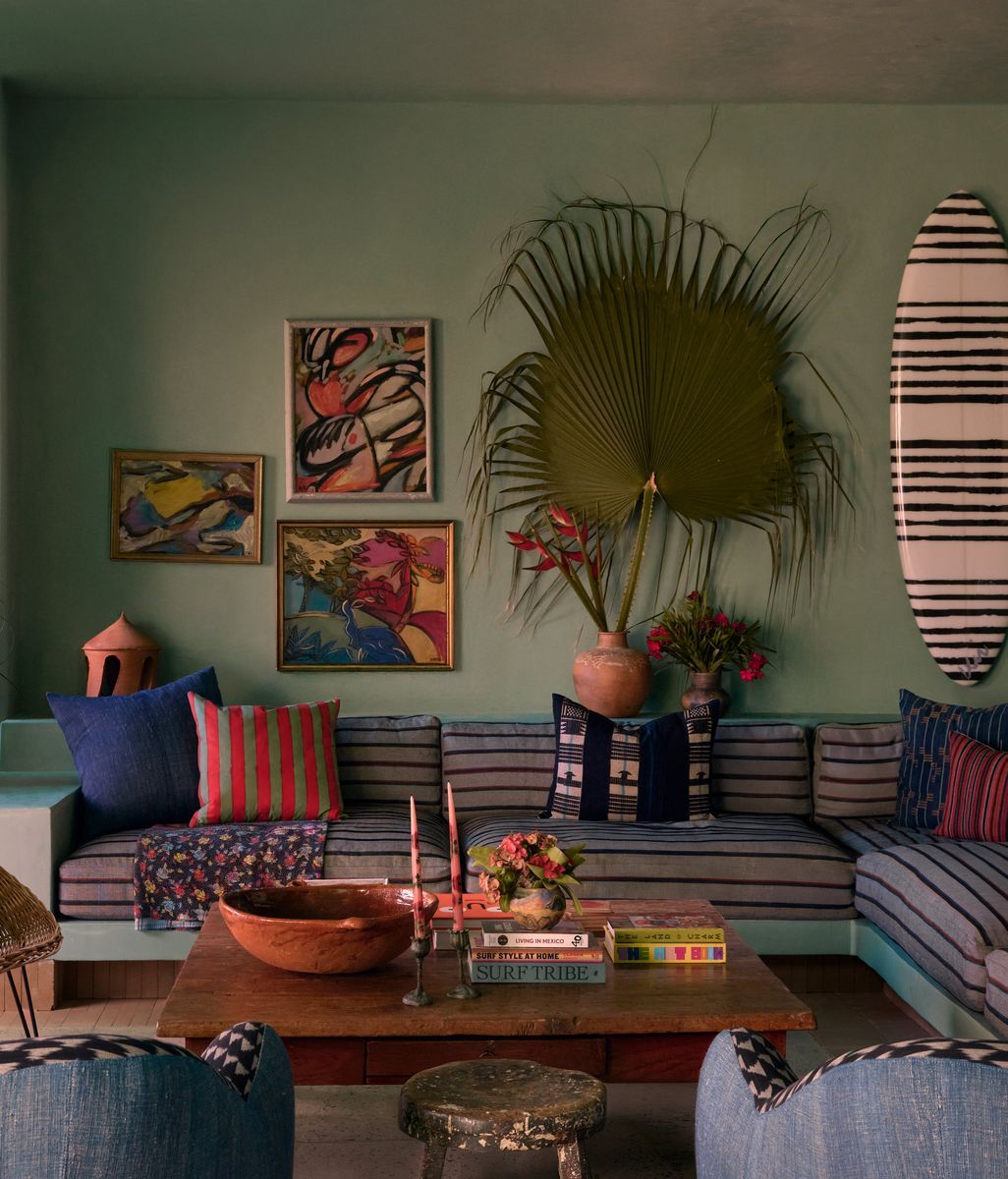
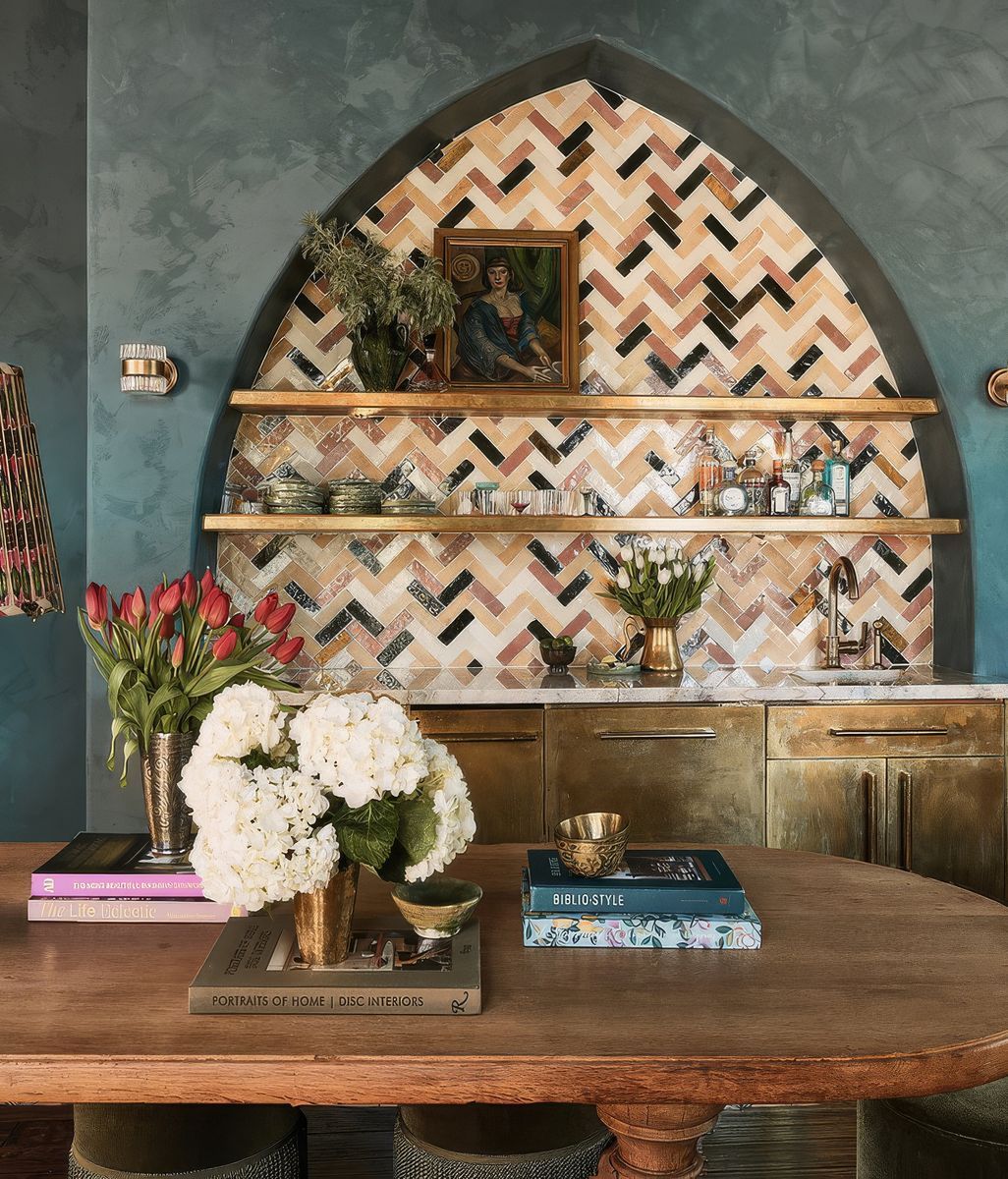
This understanding of psychology extends into the way Alice approaches the sensory layers of a space. Texture, colour and form are never treated as purely aesthetic decisions, but as tools to influence how a home feels on a day-to-day basis. Soft furnishings, natural materials and layered finishes are used to create a sense of comfort and ease, while more tactile, raw elements introduce contrast and grounding. The balance between these qualities is carefully considered, resulting in interiors that feel both dynamic and restful.
Colour, too, plays a powerful role. Drawing on principles of colour psychology, Alice considers how different tones can shape mood and behaviour, from calming, muted palettes in private spaces to warmer, more energising hues in areas designed for gathering. Form is equally important, with a preference for softer lines and curved shapes that help to reduce visual tension and create a more fluid, relaxed environment.
When working on a new project, the process begins by observing and listening.
“We start with the way the clients live in their home now, and what spaces they use most,” she says.


This informs the early design stage, with sketches, examples, and layouts tailored to each client’s lifestyle. From there, designs evolve into full elevations and joinery details.
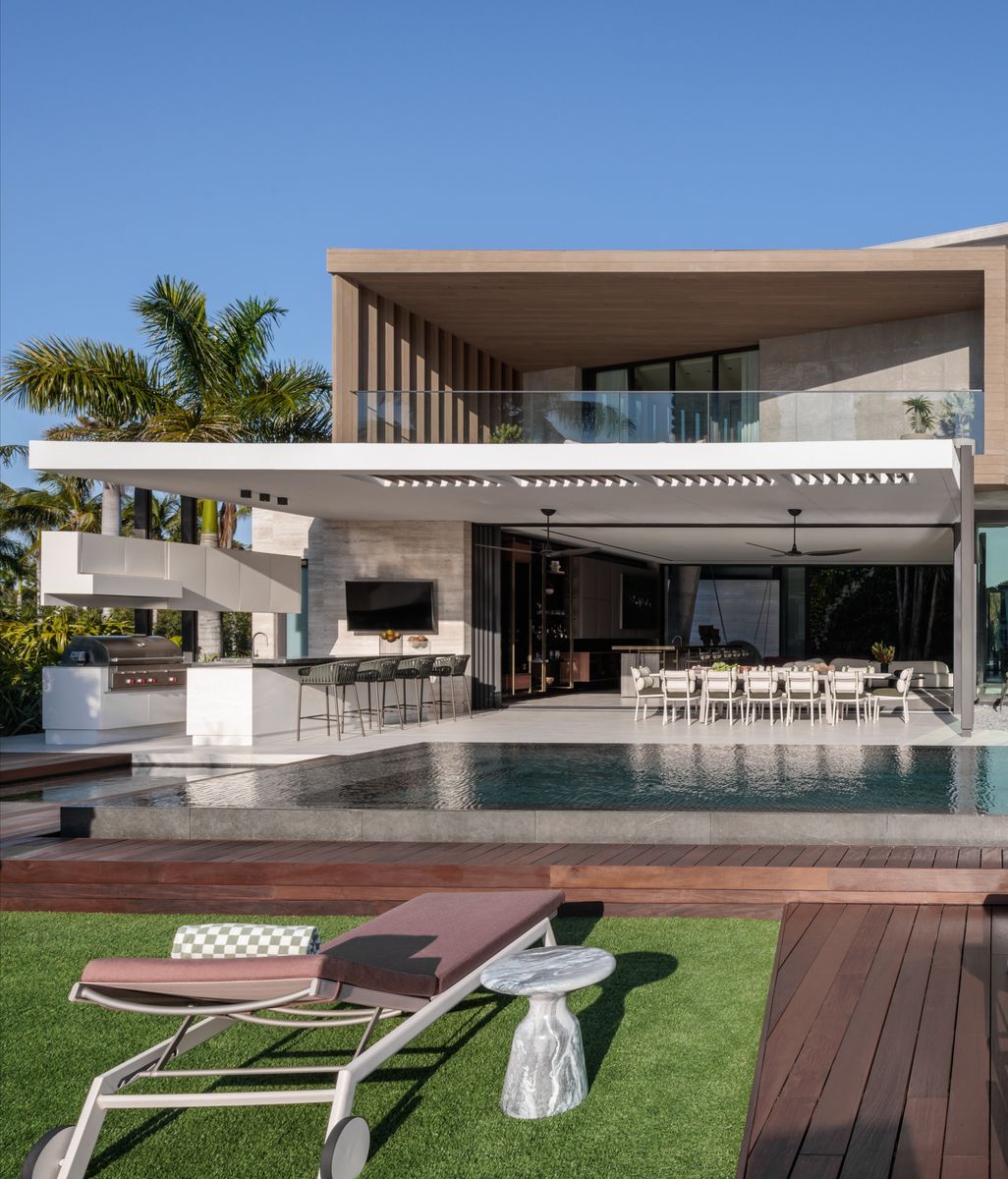
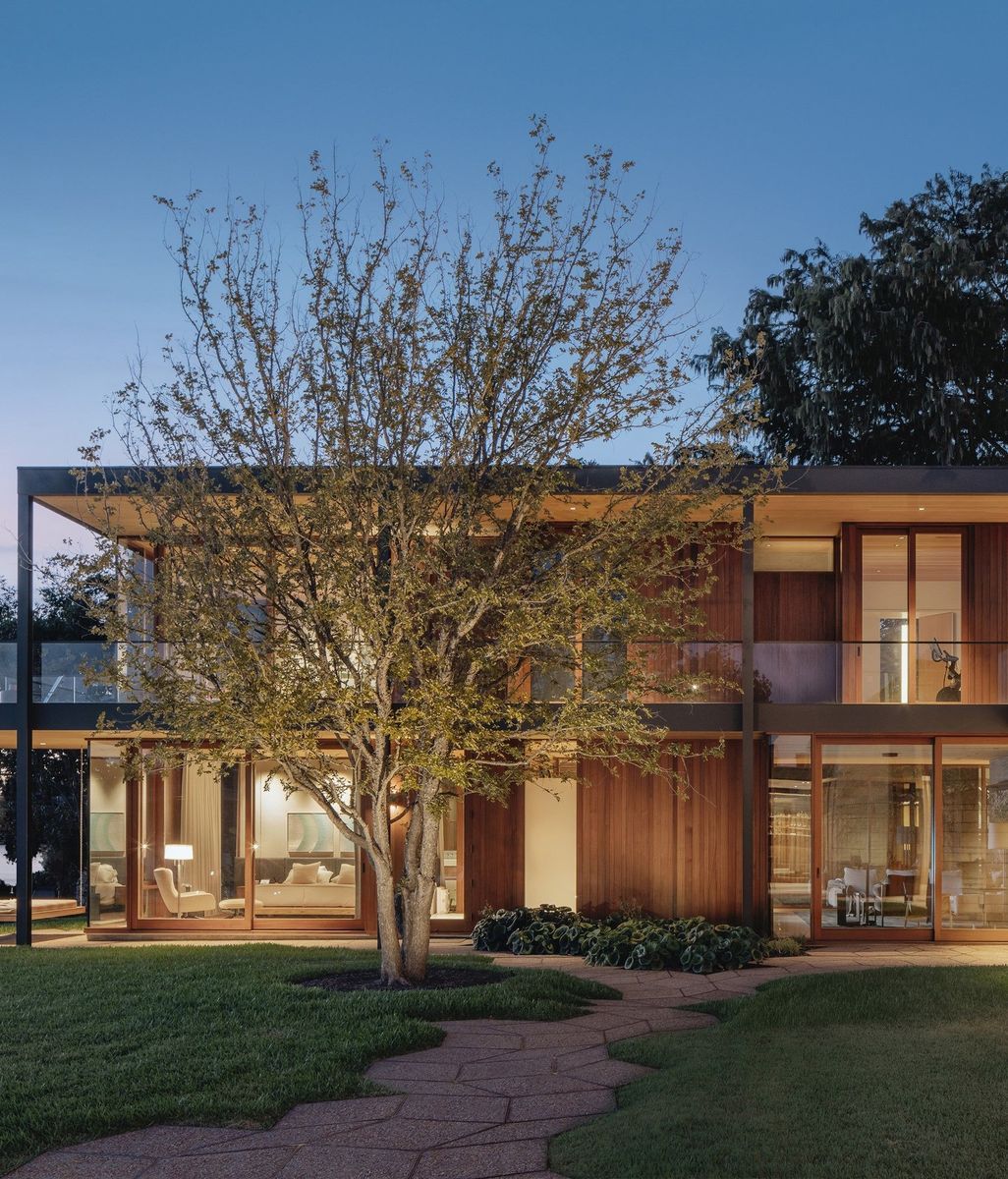
Alice’s signature is a balance of warmth and depth. Even projects with strong, masculine lines are softened through colour, texture, and the careful calibration of natural light.
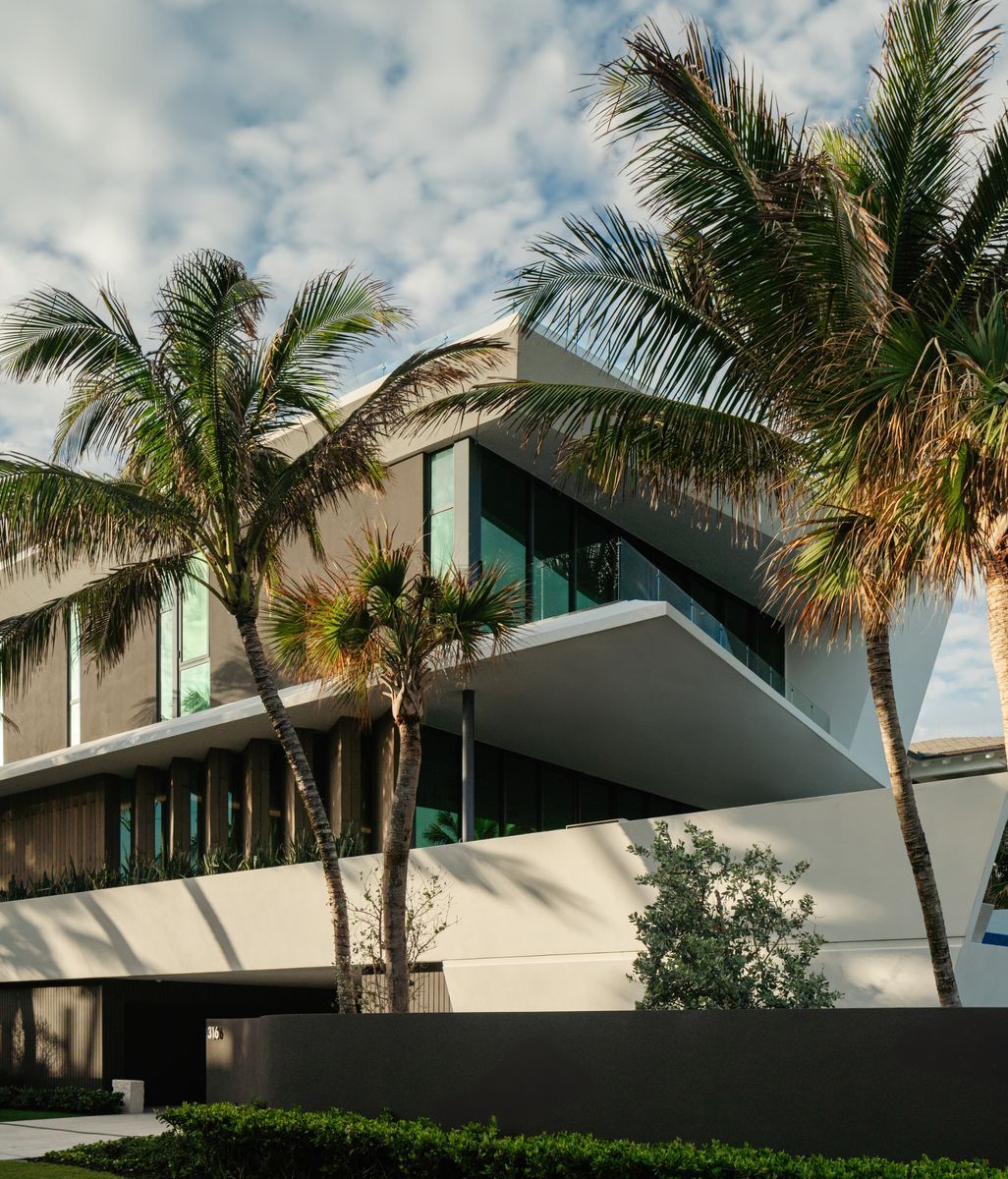
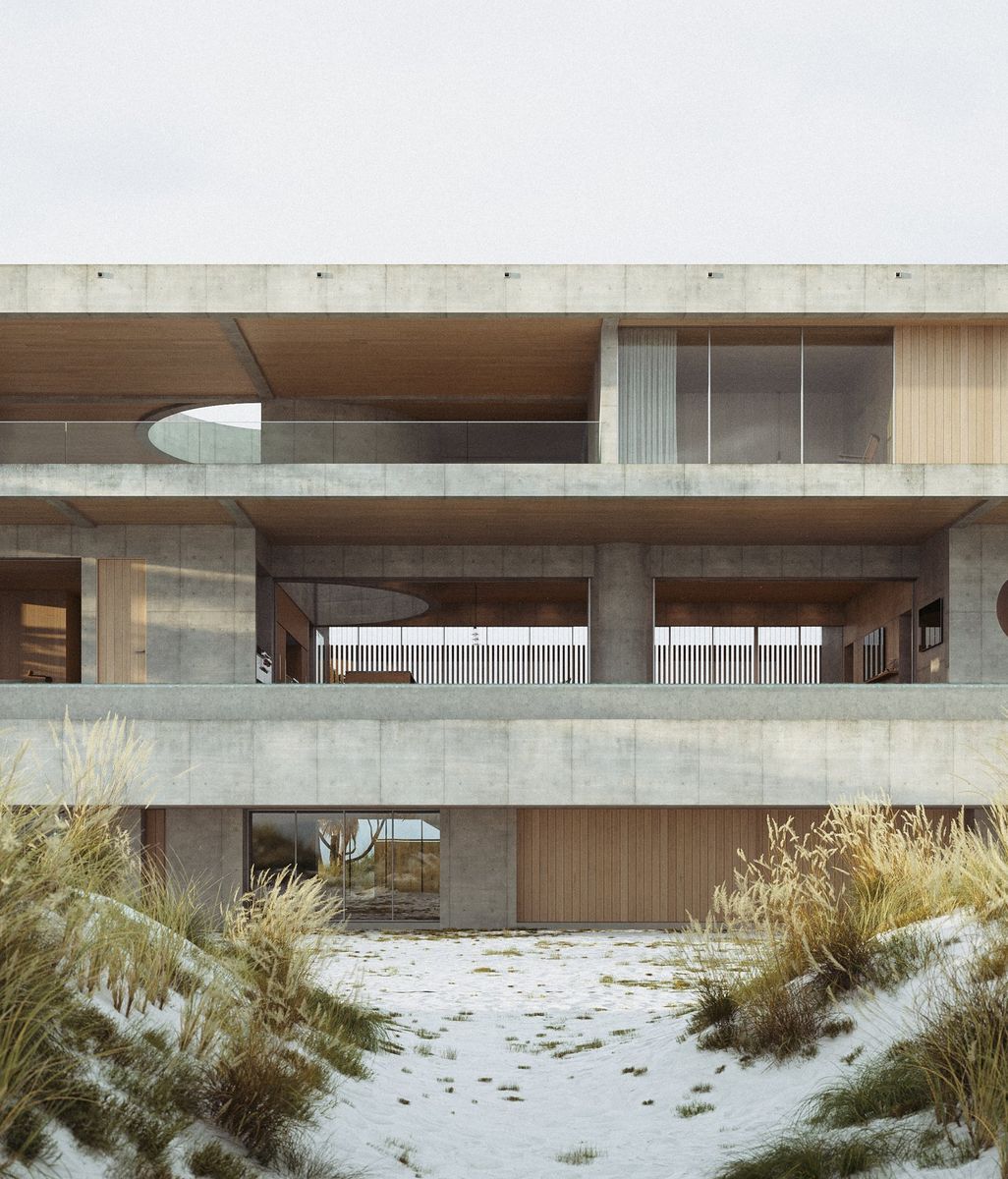
“A recent project started off with a really strong, very rigid concrete building, but over the process of designing the interiors we added softness and warmth,” she shares.
Ancré Studio’s aesthetic is eclectic yet considered, influenced by Alice’s French heritage and contemporary practice. Attention to detail and materiality is paired with a deep respect for craftsmanship, particularly in joinery and finishes. Eclectic elements are harmonised, creating homes that are layered, textured, and deeply connected to their occupants.
Looking ahead, Alice is increasingly interested in deepening the connection between design and human experience. A master’s in human-centred or experiential design is something she is actively considering, as she looks to expand her knowledge beyond aesthetics alone.
“I would love to bring another dimension to my work,” she says. “To really understand how spaces can influence how we feel, beyond what we see.”