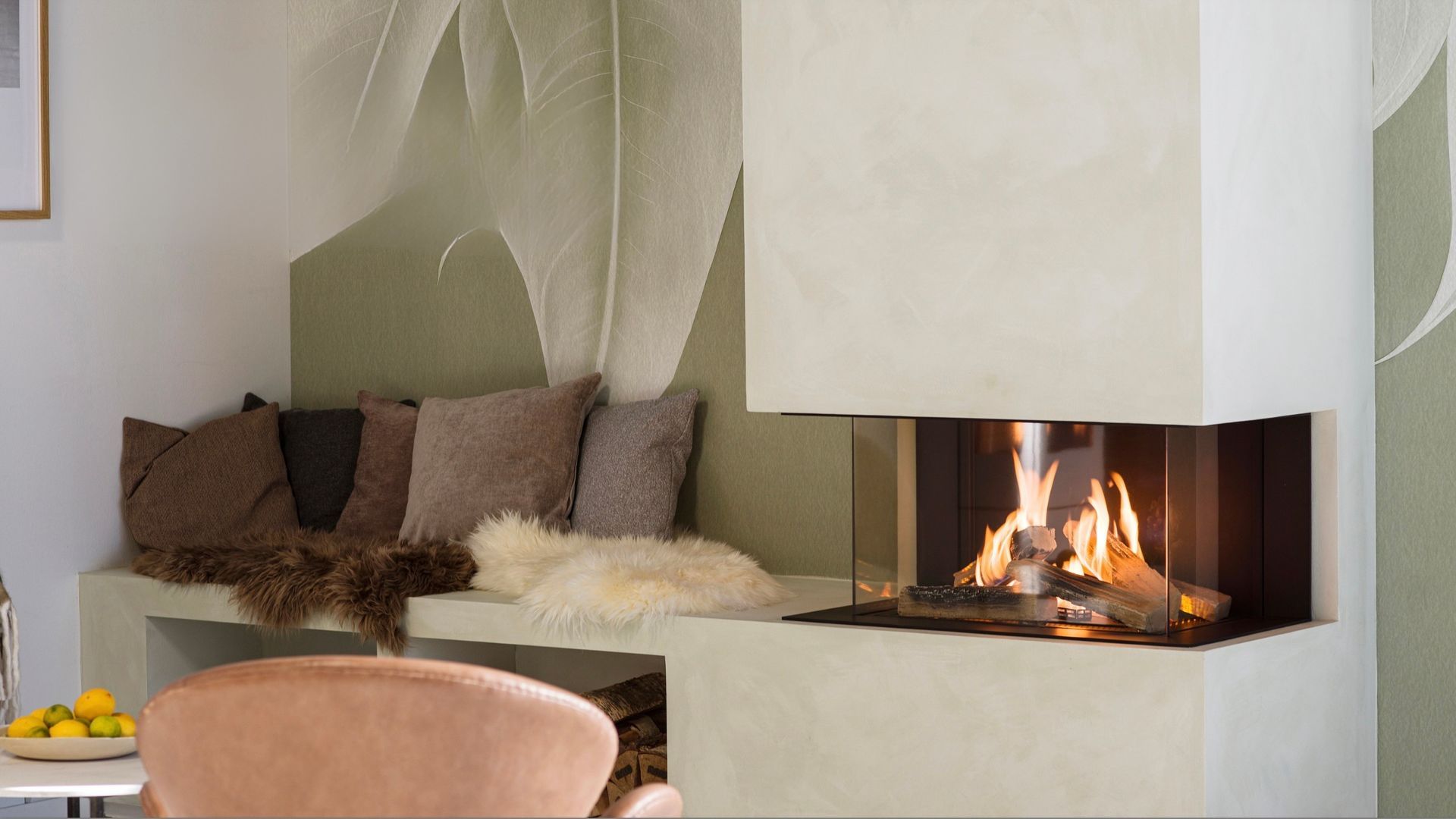
Designing warmth for all typologies, budgets and ambitions

Written by
23 June 2026
•
5 min read
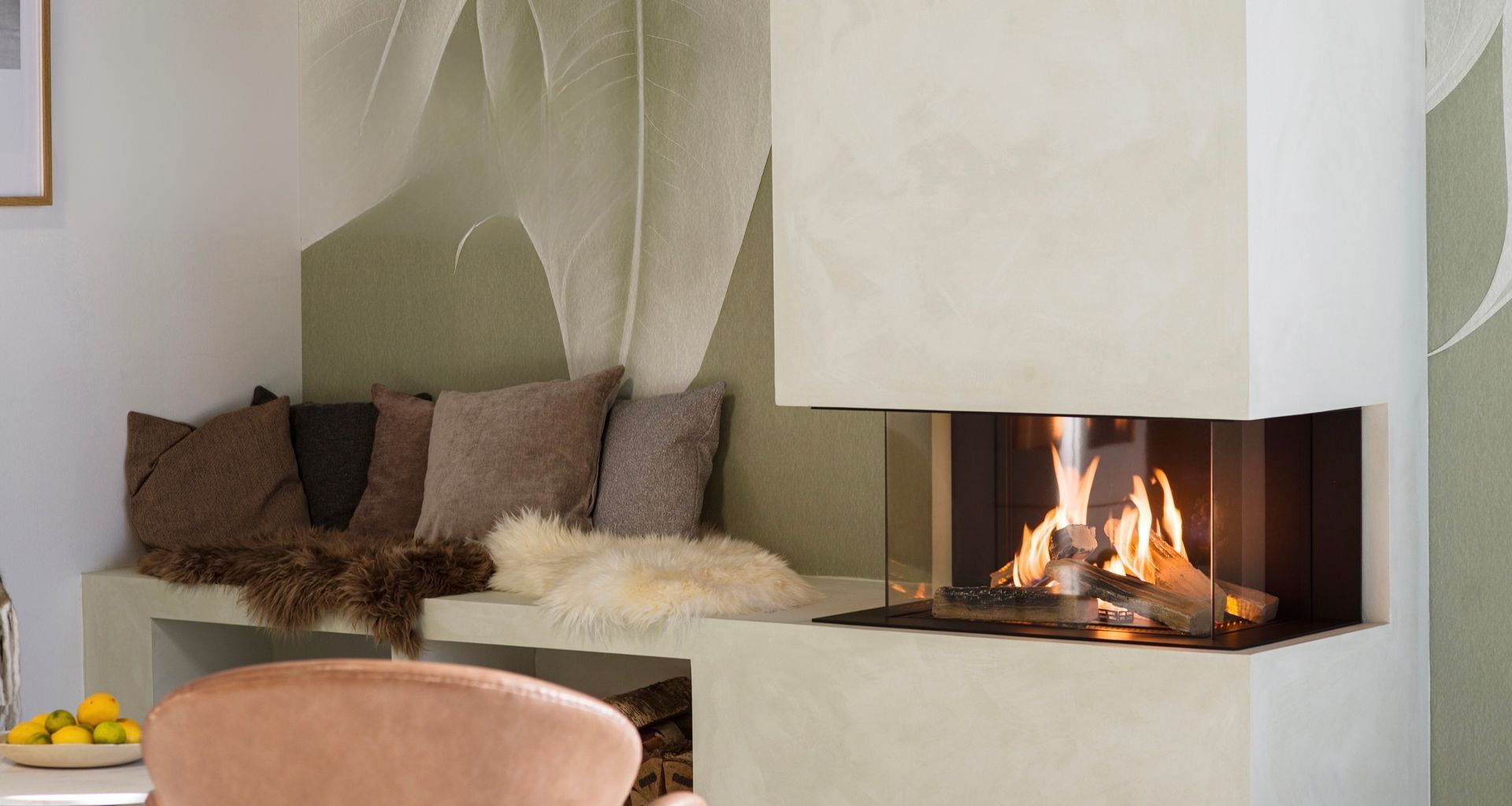
Whether gathering with family and friends on a chilly evening, or unwinding at the end of a long day. Glass of Merlot in hand. Fireplaces have a unique way of rekindling warmth, connection and wellbeing. For architects and designers, it also remains one of the simplest tools for creating atmosphere.
While building regulations, sustainability benchmarks, and specification requirements continue to evolve, the desire for flame has remained remarkably consistent.
This tension between sustainability and sensory experience is helping drive a new category of fireplace innovation.
Leading the conversation in the architectural industry is Decoflame Net Zero Fireplaces, and the move away from one-size-fits-all product selection towards scalable specification pathways accommodating multiple project typologies, budgets, and design ambitions.
Decoflame has developed a clearly defined Good, Better and Best specification strategy for architects and developers to integrate natural flame fireplaces across a much wider range of projects.
The result is a portfolio spanning compact apartments, boutique multi-residential developments, expansive family homes and high-end residences while maintaining a consistent design language centred on modern detailing, flame technology and compatibility with all-electric building strategies.
Opening the door to good specification
One of the more significant shifts occurring within the category is accessibility.
Historically, fireplaces within multi-residential developments were often confined to penthouses or premium residences where larger budgets could absorb the cost of gas installation. Today, however, developers are seeking to deliver elevated resident experiences across entire projects rather than limiting luxury features to a select few apartments.
This is where Decoflame’s entry-level offering has gained traction.
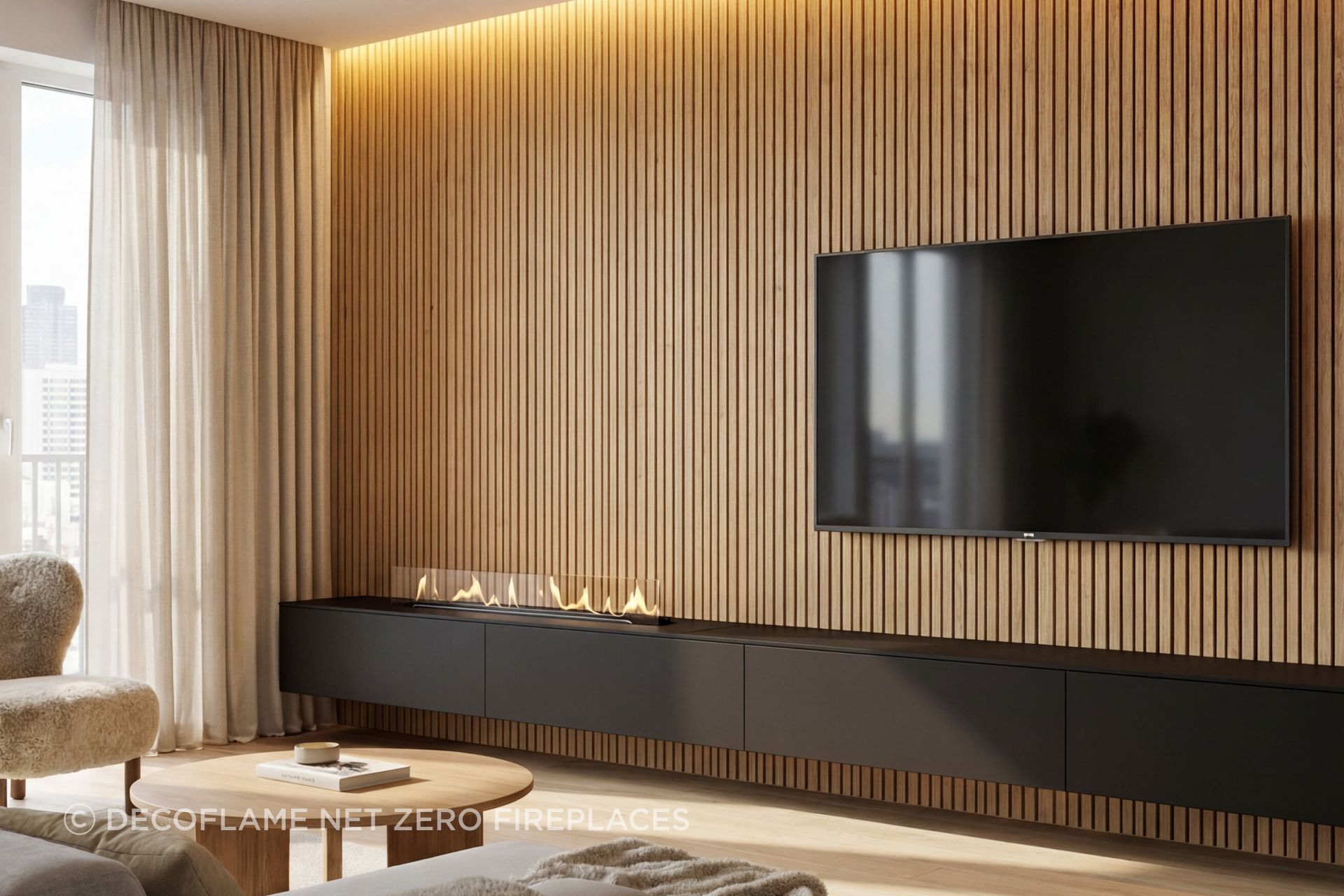
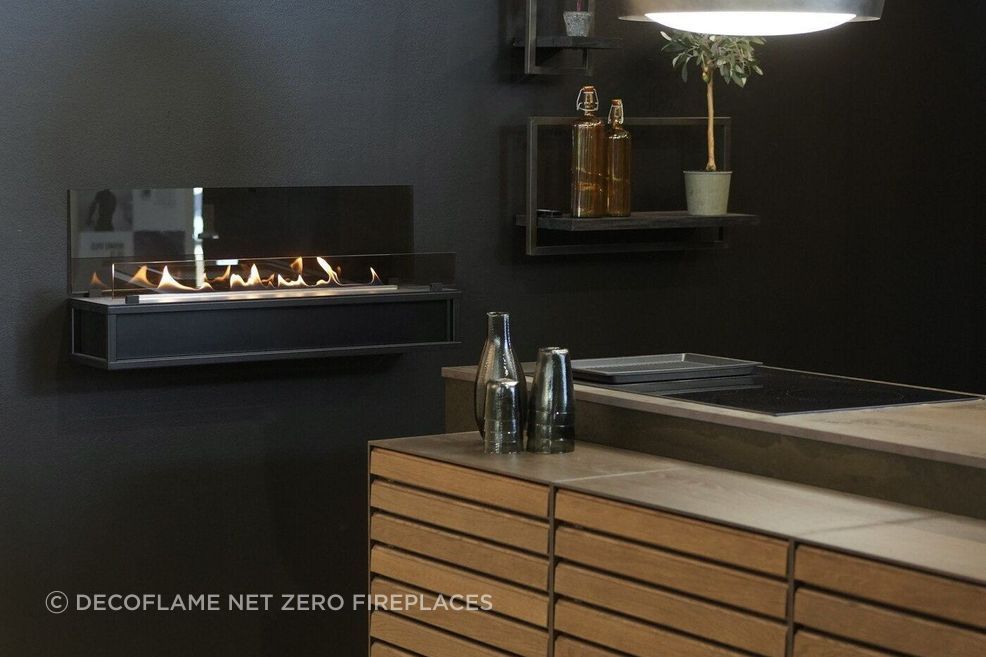
The F2 collection, built around the company’s BEV flame technology, has emerged as one of the brand’s fastest-growing ranges. Starting from approximately AUD $5,695 RRP and extending to $10,495, the series provides a pathway for architects to introduce authentic flame fireplaces into projects that may previously have considered them out of reach.
Alongside the Milan freestanding fireplace, the range forms the foundation of Decoflame’s “Good” specification tier, offering an accessible balance of design appeal, performance and budget certainty.
Importantly, the value proposition extends beyond aesthetics. Depending on model size, Decoflame fireplaces can heat spaces ranging from approximately 50 square metres to more than 225 square metres, adding form and function to residential design. With Decoflame’s global industry leading long standard BEV burn times up to 20.5 hours off one fill, Decoflame BEV Fireplaces are luxury meets cost efficiency as well.
Finding a better balance for multi-residential
If the entry-level collection broadens access, Decoflame’s middle tier arguably represents the strongest opportunity for today’s market.
Products including the Austin freestanding fireplace, the F3 series and the Torino sit within a price range of approximately AUD $7,995 to $16,995 RRP and occupy what many developers consider the ideal balance between premium design outcomes and commercial feasibility.
This “Better” category is ideal for the growing multi-residential sector, where specification decisions are increasingly judged on aesthetics and the ability to scale across larger project volumes.
The appeal lies in flexibility. Architects retain the ability to create focal points within open-plan living spaces, integrated joinery systems and feature walls, while developers gain greater certainty around project budgeting and procurement.
The stunning visual experience remains consistent within the entire Decoflame collection. The differences are less about appearance and more about scale, configuration options and application opportunities across project types.
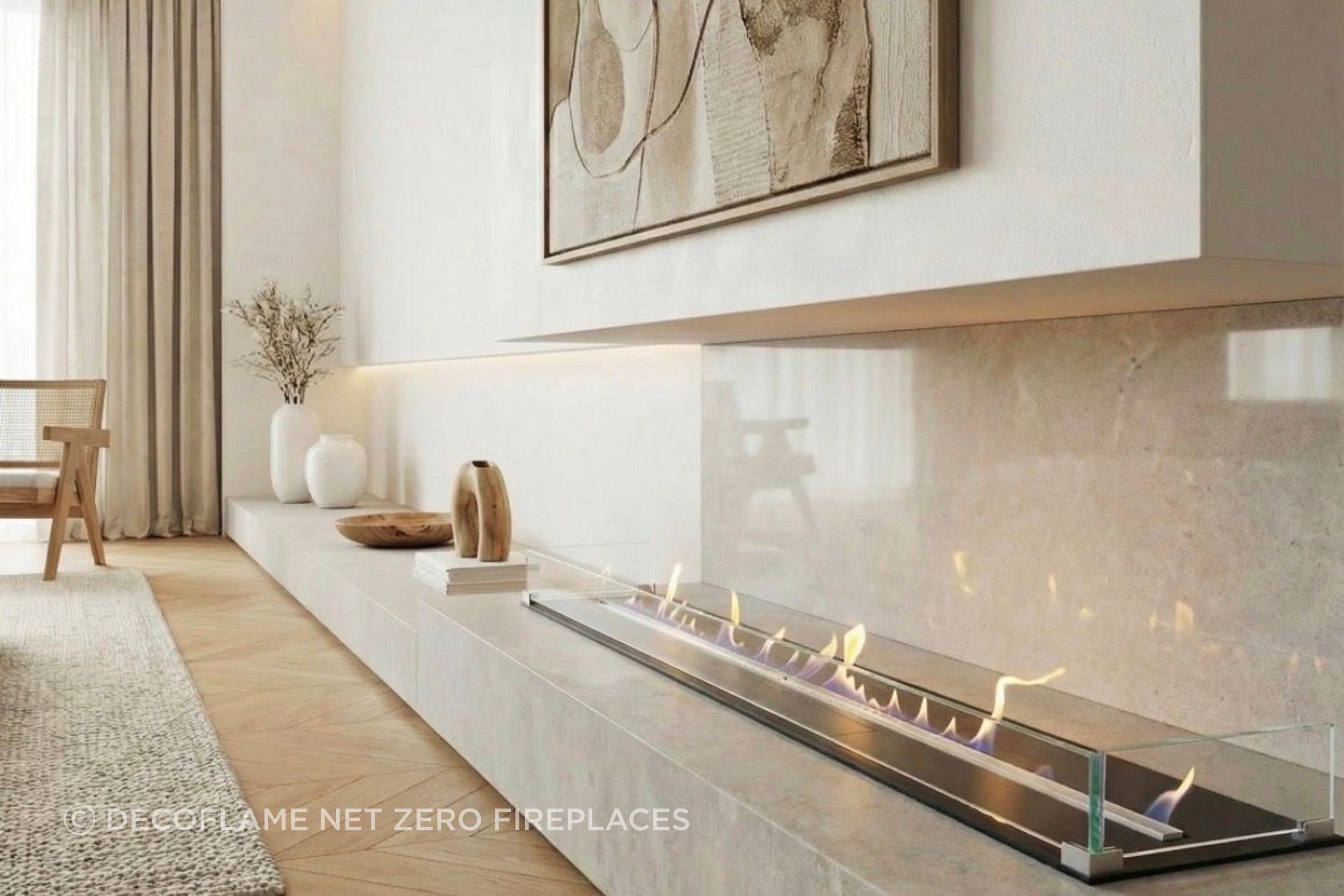
It's best when fireplaces become architecture
At the luxury end of the collection, the design merges into the architecture itself.
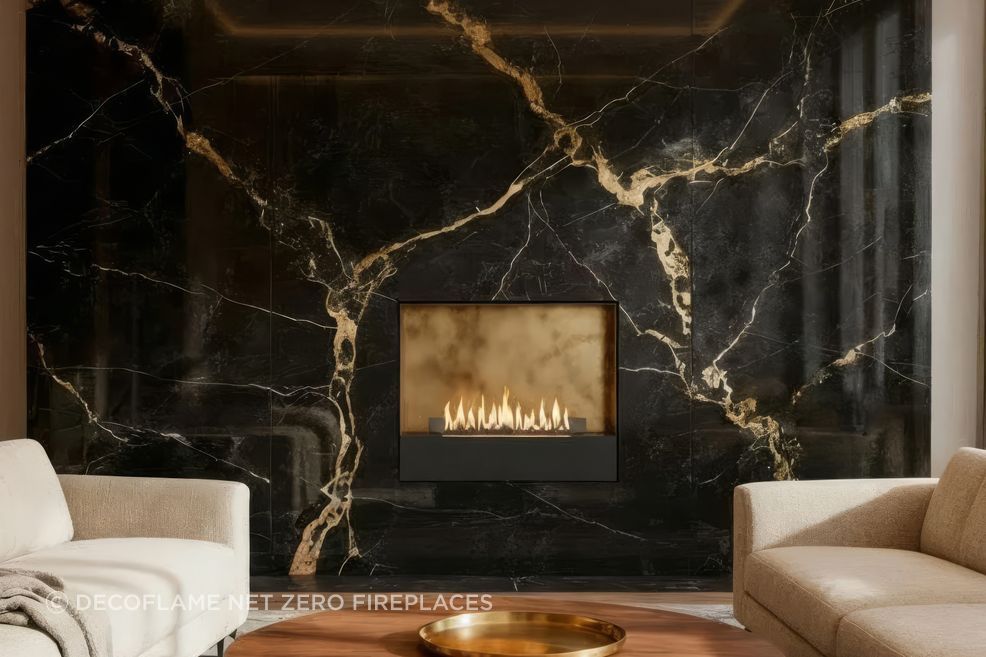
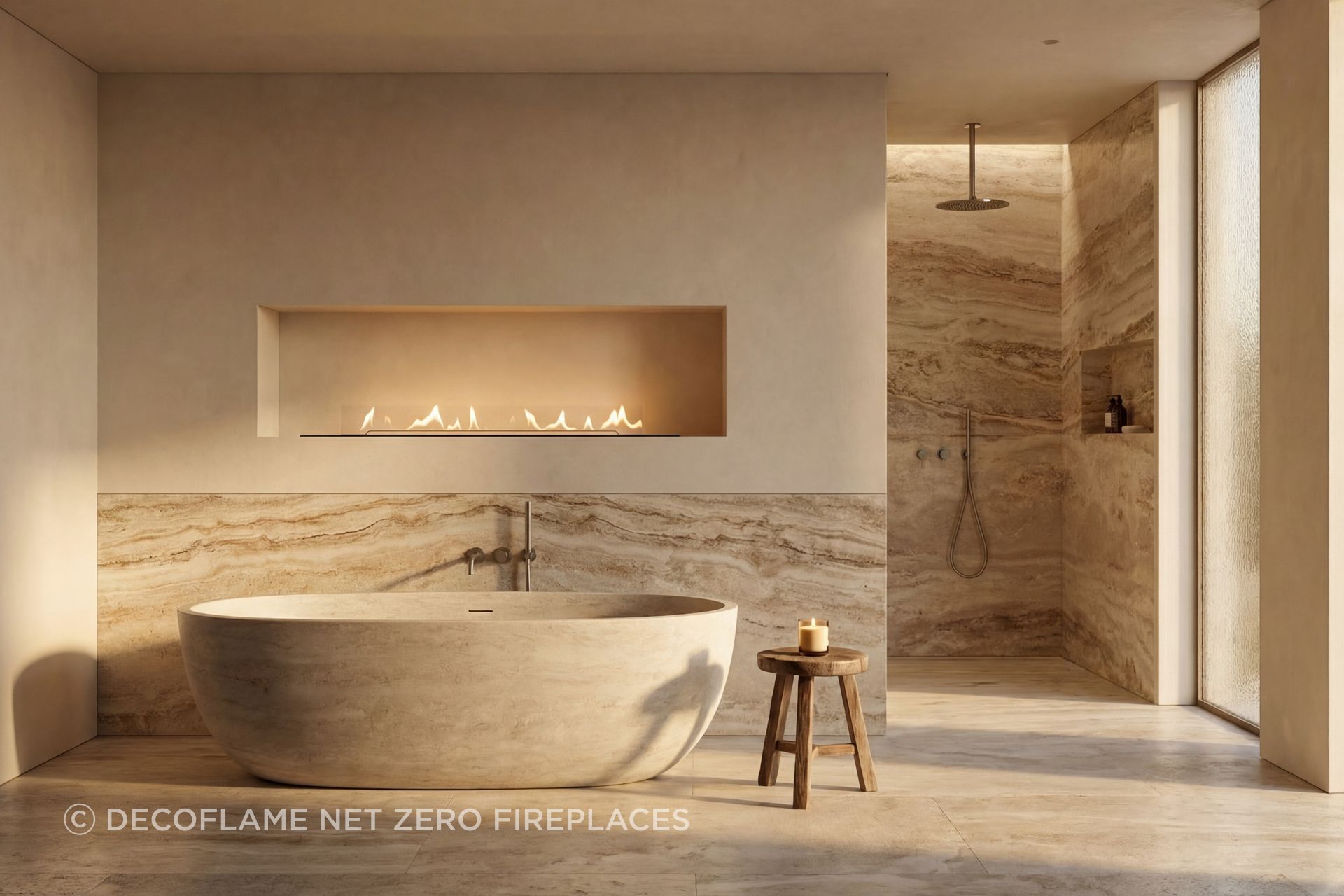
The F6 series and recently introduced Logic Wood collection represent Decoflame’s “Best” specification tier, offering designers significantly greater freedom to integrate fireplaces as permanent architectural elements.
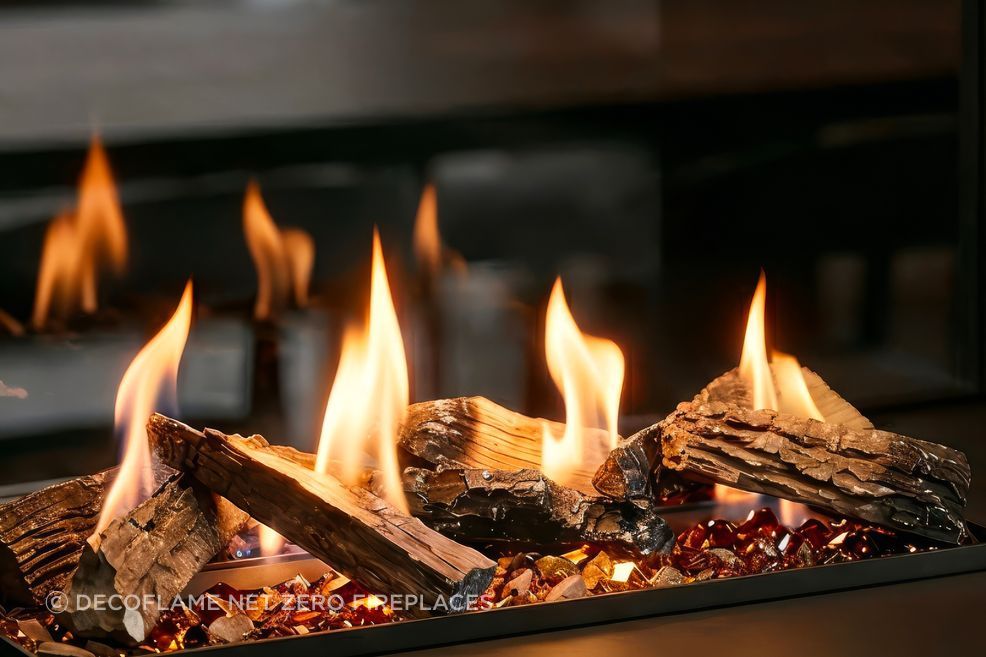
Smart controlled and with eleven sizes available and desirable configuration flexibility, the F6 range allows designers to tailor flame installations to the proportions and material palette of individual projects. The new Logic Wood collection extends this capability further, recreating the sensory qualities of traditional wood fireplaces through realistic, hand-painted, porcelain logs and natural flame movement while remaining aligned with all-electric building requirements.
With pricing ranging from approximately AUD $10,495 to $30,000 RRP, these products are designed for projects where the fireplace serves as an architectural feature in its own right.
The category has generated strong interest and uptake among luxury home builders and developers seeking feature elements capable of shaping atmosphere, materiality and spatial experience.
With Decoflame’s long standard BEV, the F6 and LogicWood series enables a customer to extend their burn time to 20.5 hours with one fill of an external tank.
Supporting specification beyond the product
Beyond the fireplaces themselves, Decoflame has focused heavily on simplifying the specification journey.
A notable example is the introduction of a national bioethanol fuel delivery subscription model, which is increasingly being adopted by developers as part of their resident offering. By creating a straightforward pathway for ongoing fuel supply, the model removes friction for both developers and end users while supporting long-term ownership.
The company has also embraced greater pricing transparency across its collections, allowing architects and developers to assess project suitability much earlier in the design process.
Learn more about Burning Ethanol Vapour (BEV) technology on ArchiPro.
A new chapter for the fireplace
Decoflame’s Good, Better and Best specification collection demonstrates natural flame fireplaces can continue to play a role: whether the project is a compact apartment, a multi-residential development, or a landmark luxury residence.
Rather than viewing sustainability and atmosphere as competing priorities, Decoflame has developed a pathway for specifiers to integrate fireplaces across a wider range of budgets and residential typologies.
The result is a portfolio built on performance, while preserving one of the oldest and most enduring experiences in residential architecture: gathering around a flickering flame.
To explore Decoflame’s product collections, arrange a showroom presentation or discuss specification opportunities for an upcoming project, connect with the national Decoflame team on ArchiPro today.