Designing Smarter Homes: Why Energy Intelligence Starts on the Drawing Board

Written by
01 March 2026
•
5 min read

Energy is now a core design consideration. Like structure or plumbing, it performs best when embedded from the outset rather than retrofitted later.
Designing energy intelligence into a home can lower operating costs, reduce complexity and future-proof houses for a rapidly shifting energy system. Done well, it also supports good architecture: cleaner lines, fewer compromises and systems that operate quietly in the background.

Start with fundamentals, then make it intelligent
The principles of energy-smart design remain consistent. Orientation, insulation, shading and ventilation still do the heavy lifting. Once these fundamentals are resolved, the opportunity lies in layering systems that respond to how energy is generated, priced and consumed.
Rather than specifying appliances individually, it is increasingly useful to think in terms of a home energy system. Solar, batteries, hot water, EV charging and smart controls perform best when designed to work together. The shift from efficiency to coordination is where meaningful gains occur.
Solar: design it in, don’t squeeze it on
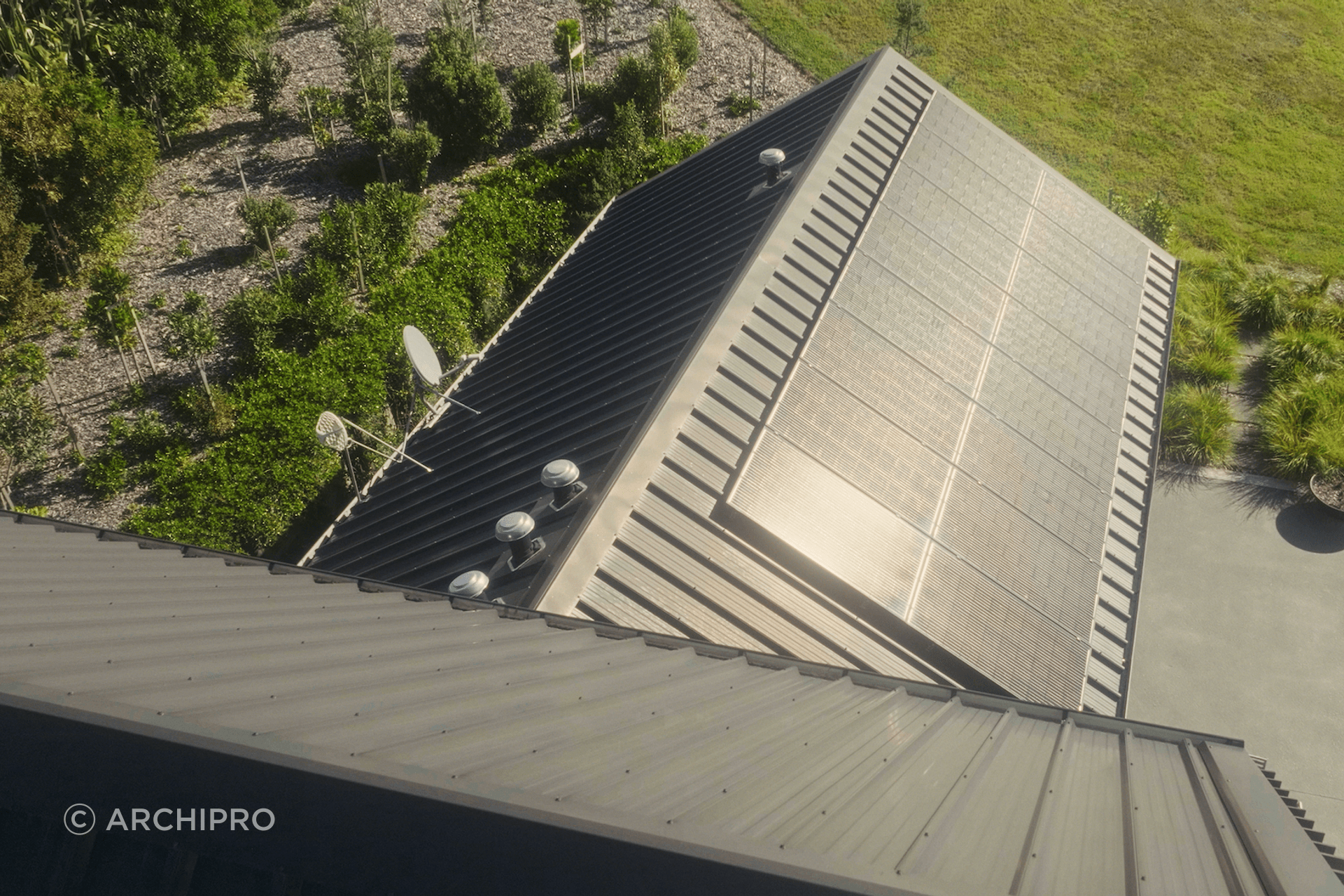
Solar panels are no longer unusual, but their performance and visual integration still depend heavily on early design decisions. Roof pitch, orientation, shading, and how services are routed all matter.
When solar is planned from the beginning, panels can sit comfortably within the architecture rather than looking like an afterthought. Just as importantly, early planning makes it much easier to add a battery later, or include one from day one.
A battery allows households to store solar energy and use it when power prices are higher, rather than exporting it all back to the grid. As electricity pricing becomes more dynamic, this flexibility will only become more valuable.

Hot water heat pumps: efficient, invisible, and incredibly useful
Hot water heat pumps are one of the most effective energy upgrades available. Highly efficient and electrically powered, they also allow hot water itself to function as energy storage.
With basic smart controls, water can be heated when solar generation is high or electricity is cheaper. From a design perspective, this requires early consideration of placement, ventilation and acoustic management. When planned well, the system recedes into the background.
EV charging: a new essential service
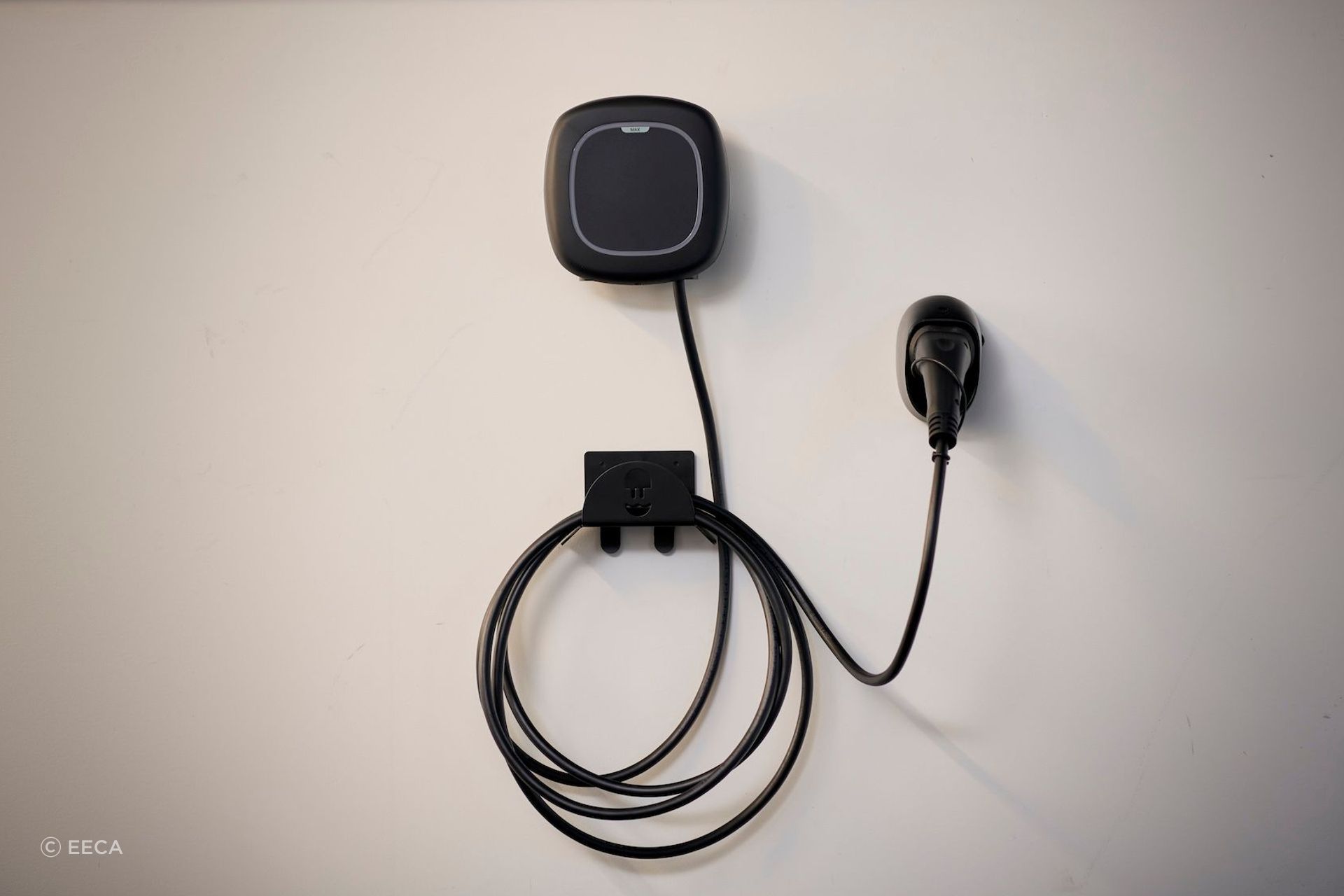
For many households, electric vehicles are becoming standard. That makes EV charging infrastructure a core service rather than a future add-on.
The question is not only where a charger sits, but how it integrates with the wider home energy system. Smart chargers can prioritise solar generation, delay charging to off-peak periods or respond to price signals automatically. Designing for this from the outset avoids costly retrofits and enables greater control over running costs.
Bringing it all together with smart controls
What turns a collection of good appliances into an energy-intelligent home is coordination.
Home energy management systems link solar, batteries, hot water, EV charging and major appliances, allowing them to respond automatically to price signals, demand peaks or household preferences. For homeowners, this often means fewer decisions, not more. The system optimises energy use quietly in the background their house will do the thinking for them.
From a design standpoint, this comes down to enabling flexibility: space for control hardware, data connections, and systems that can be upgraded as technology evolves.
Where to start if this all feels like a lot
For homeowners, the idea of an ‘energy system’ can sound complex, but it doesn’t have to be tackled all at once.
A good starting point is to ask three simple questions:
- What features in this home will need to run on electricity in the future? (Heating, hot water, vehicles.)
- When will it use the most energy? (Morning, evening, or spread throughout the day.)
- How easy will it be to add or upgrade systems later?
Designing roof space for solar, allowing room for a battery or hot water heat pump, and installing wiring for future EV charging are all relatively low-cost decisions during a build and expensive ones to retrofit.
Architects, designers and builders don’t need to be energy specialists, but bringing the right conversations into the early design phase makes a real difference. EECA’s role is to help support that shift, so households can make informed, future-focused choices.


Better homes now and later
The immediate payoff for homeowners is lower power bills and more control over energy costs. But the longer-term value is resilience.
As New Zealand electrifies transport and heating, the energy system will increasingly reward homes that can shift when they use power. Houses designed with flexibility in mind will be better placed to take advantage of new tariffs, technologies and incentives as they emerge.
Energy intelligence doesn’t have to be flashy or complicated. When it’s designed in well, it’s almost invisible, supporting beautiful, comfortable homes that are ready for whatever comes next.
Explore solar systems, EV charging and smart controls within ArchiPro’s Electrical category, and see how energy systems are being integrated into contemporary homes.

This article was contributed by Megan Hurnard, Group Manager – Insights, Data and Communications at EECA, who brings a data-led perspective to the future of residential energy design.