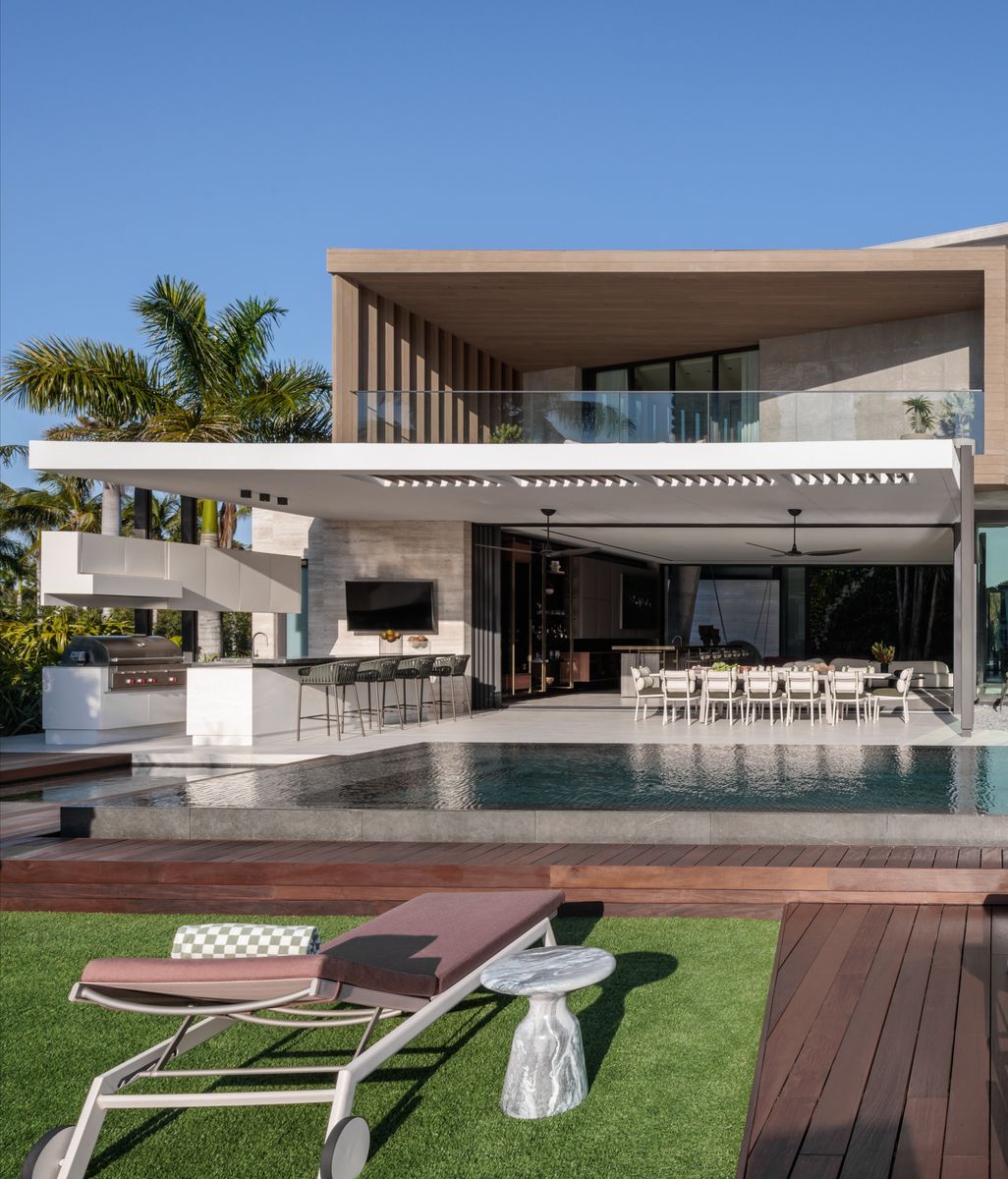
In a time when every space is curated for the algorithm, there's something radical about a home that feels unmistakably human. Not just beautiful. Not merely comfortable.
But soulful - in a way that stirs something unspoken.
Soul makes a space feel like it has always been there, even when the paint is fresh and the house hasn't even had time to settle. It gives a room presence without pretense, and lingers long after you've stepped away.
This is what we're after. We don't follow trends. We chase feeling.
What Soul Looks Like
Soul isn't a style to emulate. It's not a finish, a palette, or a curated look you can pin to a mood board or package for a reel.
It's something you feel - and often, it comes from the beautiful tension of opposites: refined and rugged, serene and unexpected, rooted in memory yet alive with imagination.
These spaces don't perform.
They reveal.
Soulful design honors imperfection. It lets memory seep into the walls and leaves room for silence, for contradiction, for breath. It's the hand-thrown pot sitting next to the polished marble, the sun-faded chair that still holds its warmth, the slightly crooked tile that makes you smile instead of complain.
What details in your home speak to feeling — not just to form?
What Soul Looks Like
Soul isn't a style to emulate. It's not a finish, a palette, or a curated look you can pin to a mood board or package for a reel.
It's something you feel - and often, it comes from the beautiful tension of opposites: refined and rugged, serene and unexpected, rooted in memory yet alive with imagination.
These spaces don't perform.
They reveal.
Soulful design honors imperfection. It lets memory seep into the walls and leaves room for silence, for contradiction, for breath. It's the hand-thrown pot sitting next to the polished marble, the sun-faded chair that still holds its warmth, the slightly crooked tile that makes you smile instead of complain.
What details in your home speak to feeling — not just to form?
We make room for imperfection. What humanizes a space is often what matters most - the slightly uneven edge, the patina that can't be faked, the beautiful accident that becomes the room's most cherished detail.
We trust the emotional logic of instinct. Not everything needs to be explained. Soul often lives in the choices that make no sense - except they feel right. The antique mirror in the stark kitchen. The rough stone wall in the refined sitting room. These are the decisions that transform houses into homes.
Throughout the process, we return again and again to a single, grounding question: does this feel good?
The answer guides our next move.
When a Room Knows You
The most soulful spaces do more than express good taste. They reflect the person within - your rhythms, your contradictions, the needs you haven't yet named.
This isn't about perfection. It's about resonance—that quiet recognition when a space knows how to hold all of you: who you've been, who you are, and who you're becoming.
We've seen how deeply people respond to spaces that are emotionally aligned — not impressive for the sake of it, but meaningful in a way that feels personal, rooted, and real. These are the rooms that hold you through loss, that welcome you home after the hardest days, that make ordinary Tuesday mornings feel like small celebrations.
When the design recedes, soul remains. It makes a space unmistakably yours.
If your home could speak, what would it say about you?
A Final Thought
If you're yearning for a space that does more than look good—a space that reflects your values, your story, your life - that instinct is worth listening to. It's telling you something.
That's why we design: for emotion, for memory, for the soul.