Daniel Marshall Architects on constraint, craft and the pleasure of building

Written by

16 June 2026

 • 

6 min read

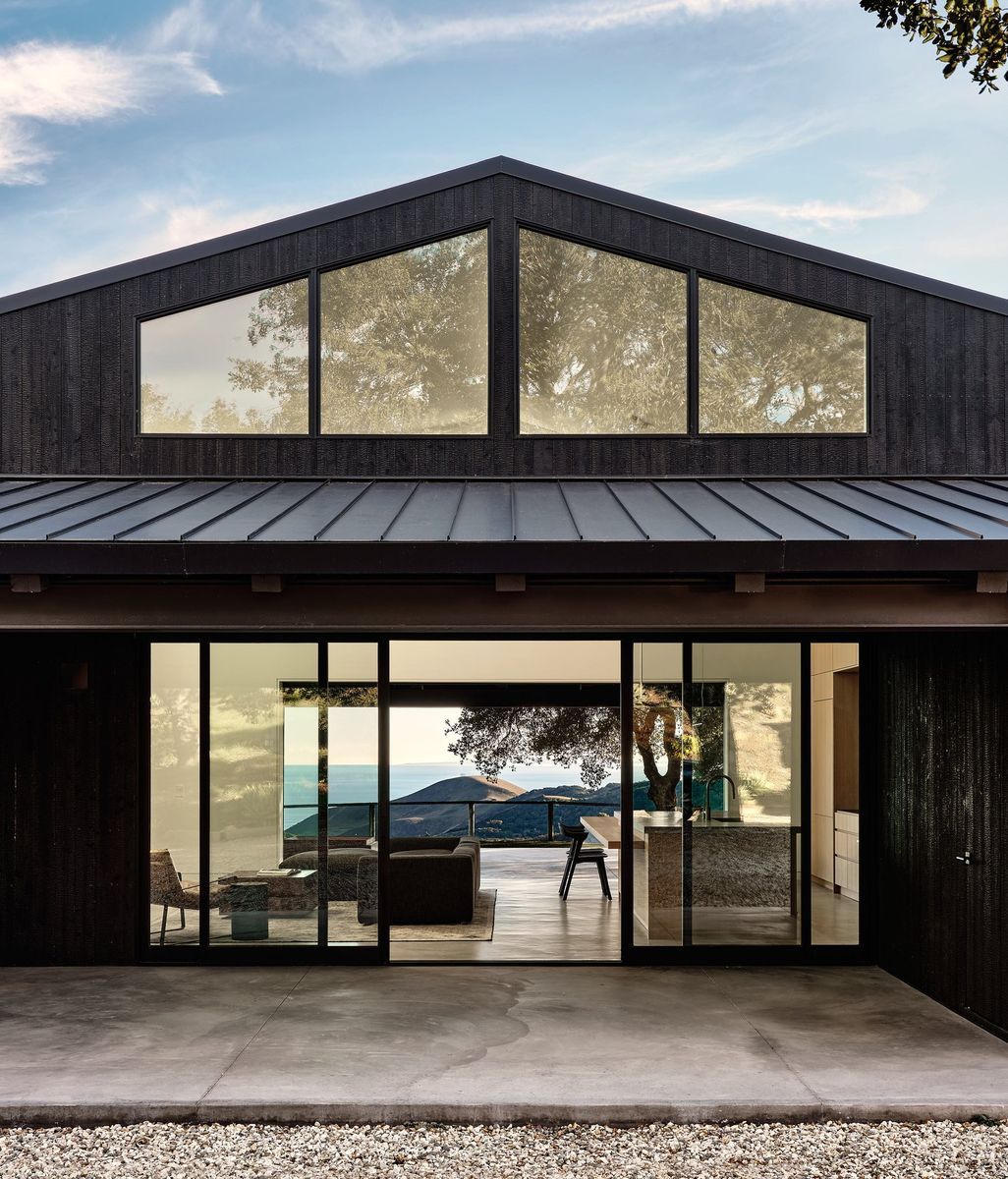
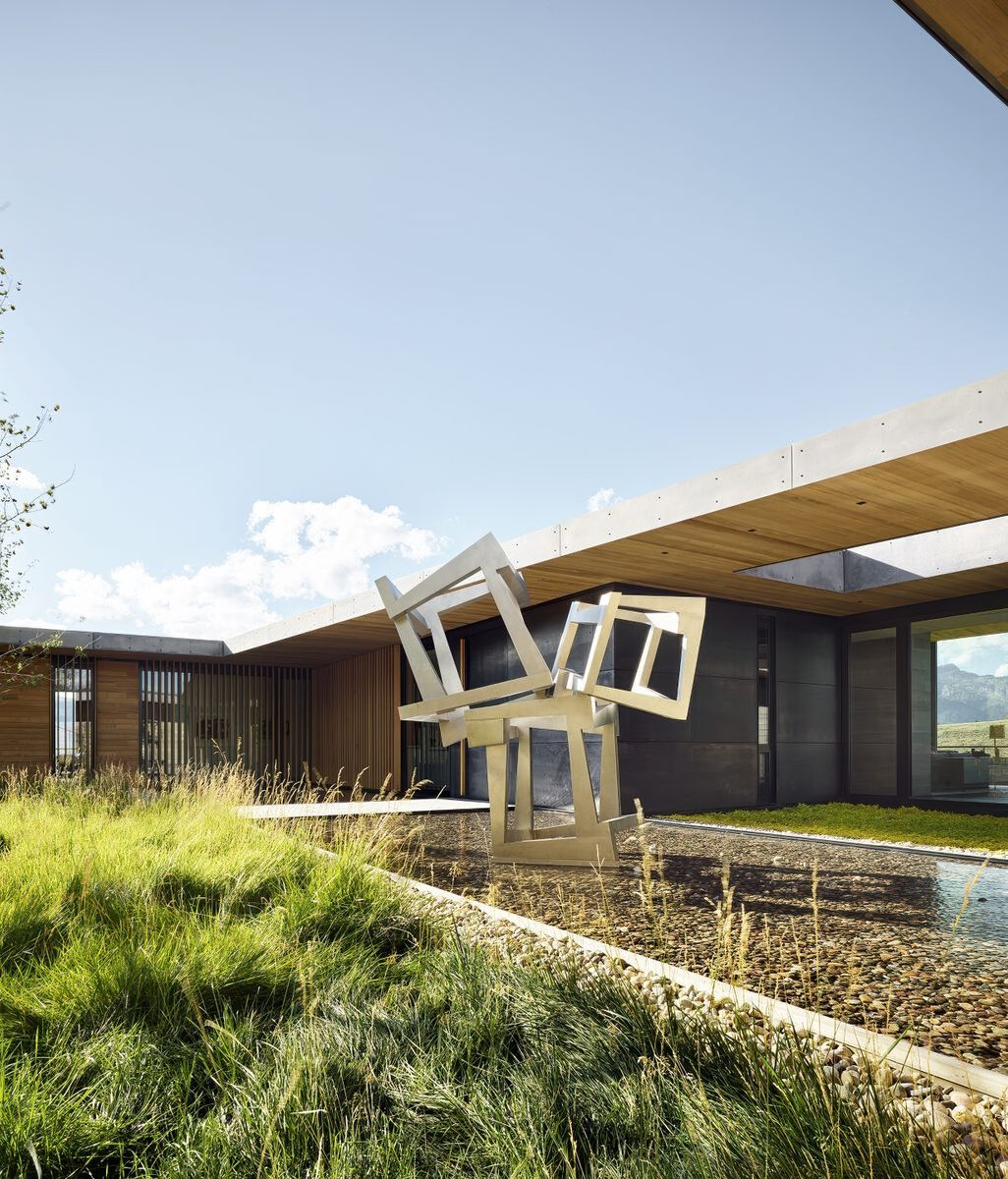
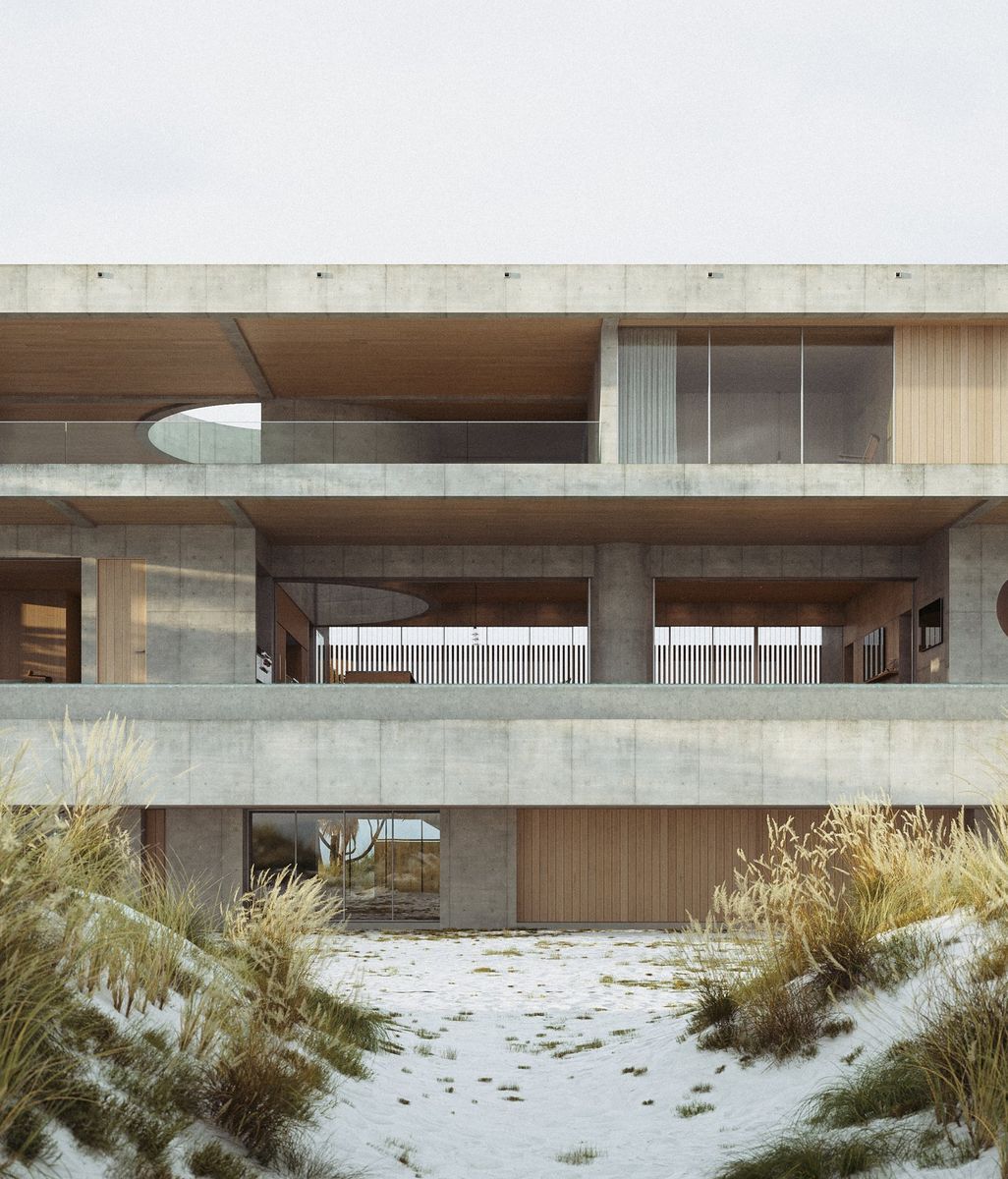
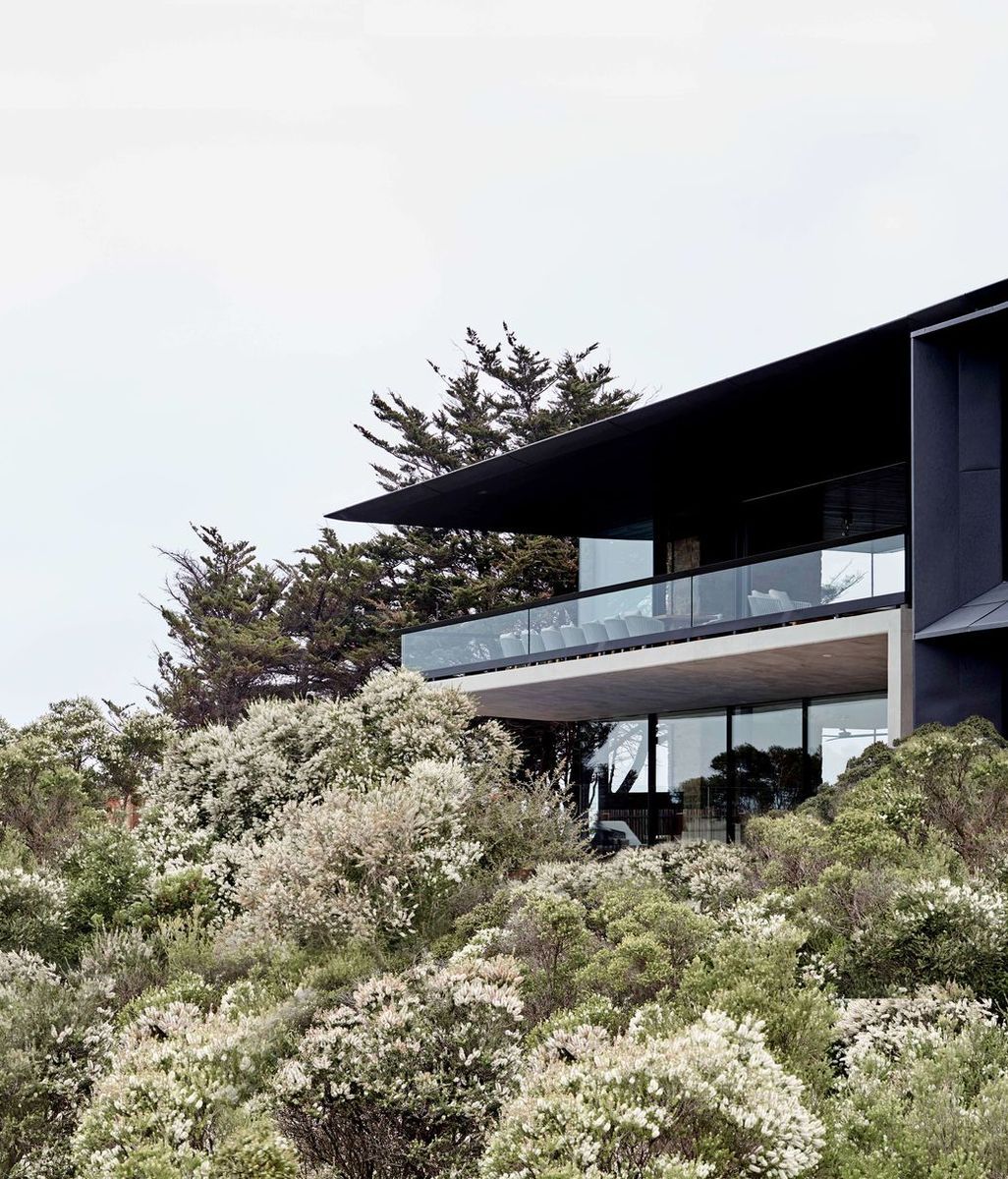
Tākapu by Daniel Marshall Architects sits just below the ridge above Ocean Beach, its linear form shaped by outlook, shelter and the force of the southwest wind.
Daniel Marshall Architects began with a bathroom. It was a modest alteration in Grey Lynn, designed for actors, and far from the scale of the residential work the practice is now known for. But the project went on to win Bathroom of the Year.
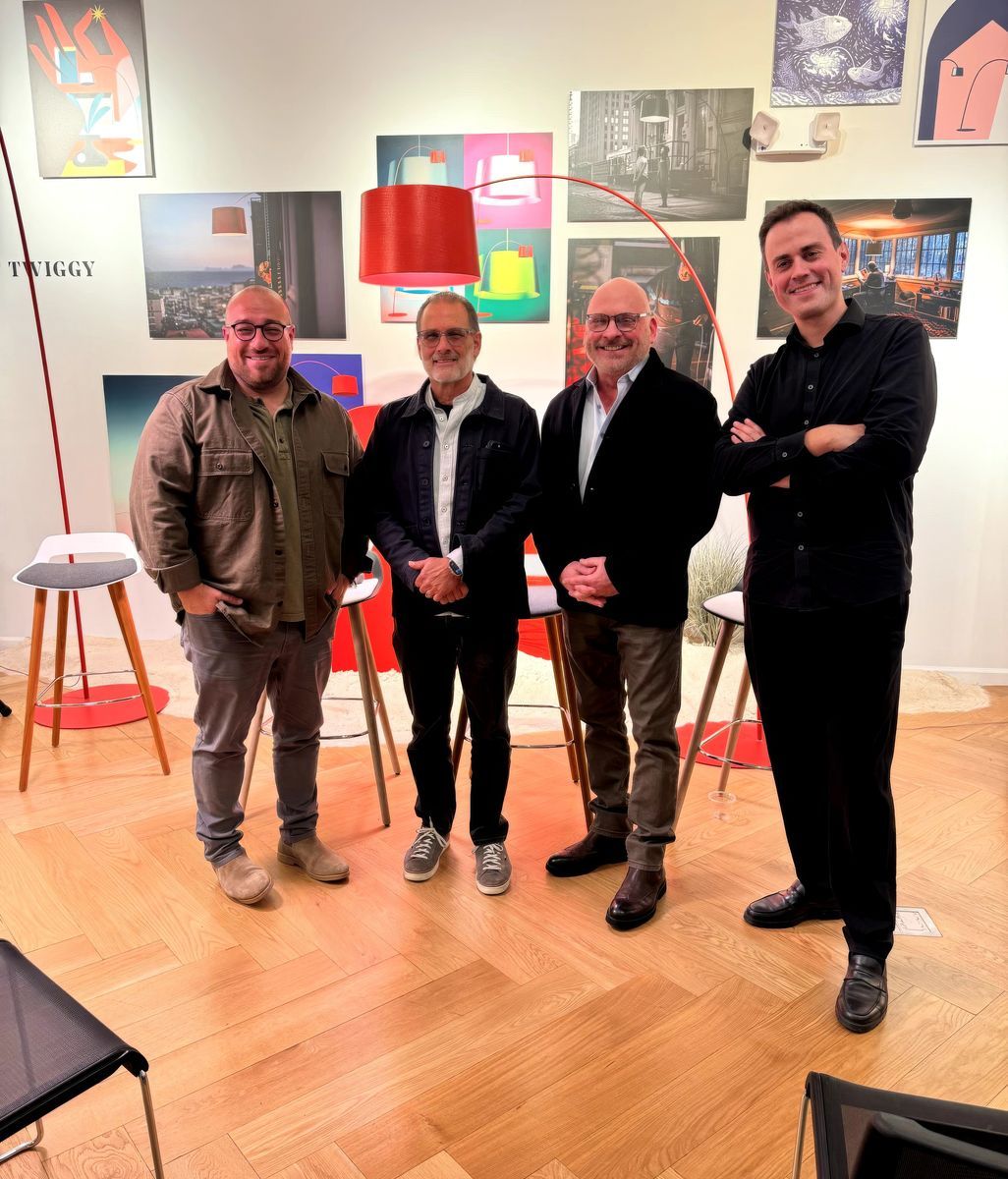
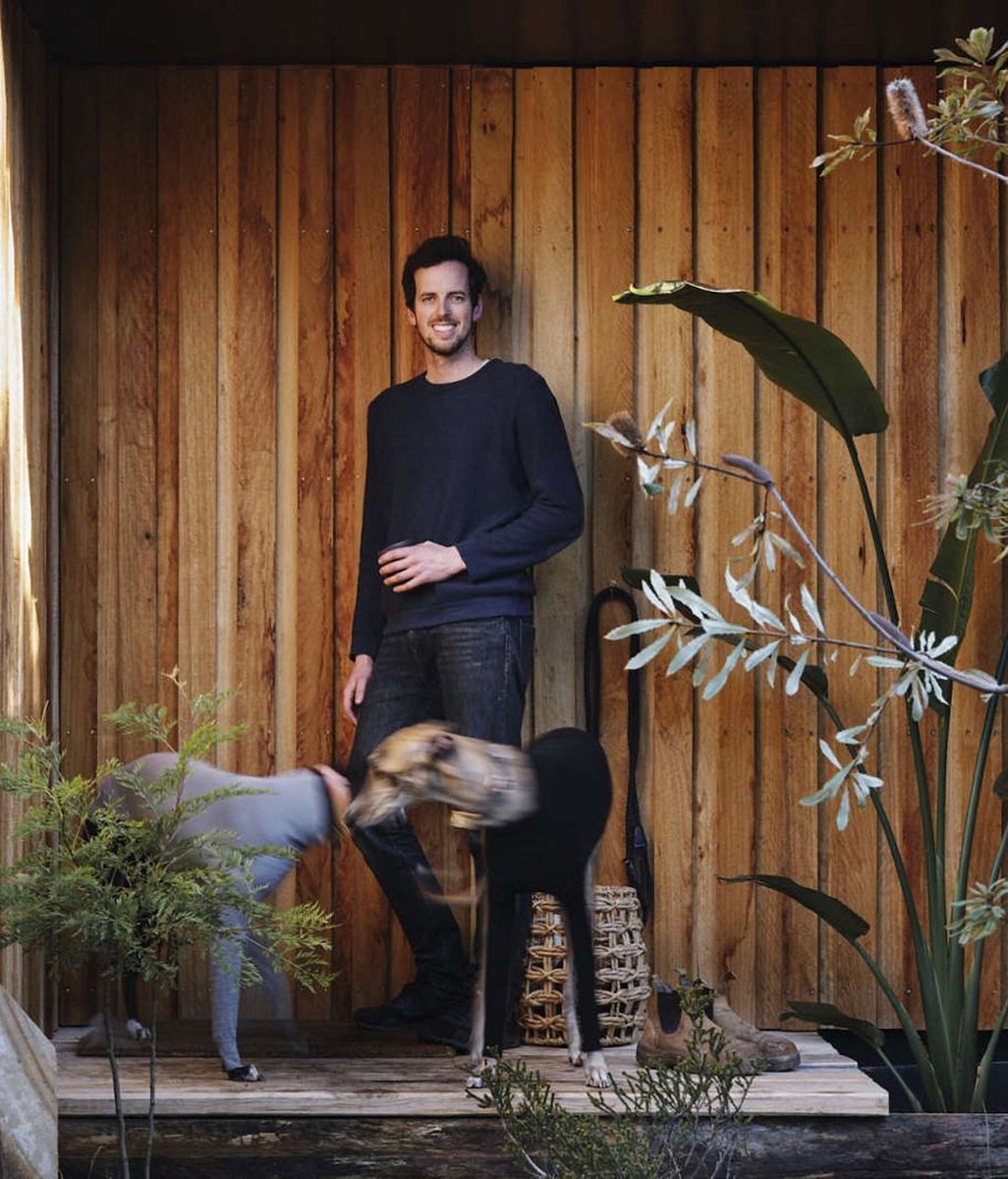
Daniel Marshall in the early years of his practice, pictured not long after buying the watch that still marks one of his first milestones as an architect.

With the prize money, Daniel Marshall bought a watch. One he still wears today. It is a small detail, but a telling one. The beginning of a practice shaped not by grand statements, but by careful work, earned momentum and the belief that even the smallest brief can carry architectural weight.

Marshall founded Daniel Marshall Architects in 1998, at a time he describes as unusually fertile for young architects in New Zealand. Buildings were more affordable to realise, clients were open to change and the local architectural landscape was beginning to shift. “For people doing a good job, it was an amazing opportunity to launch their career,” he recalls.

Almost three decades later, the practice has become known for homes that are precise without feeling sterile, materially confident without becoming overworked and deeply shaped by site. The projects are often residential, often complex and often located in places where the land itself has a strong presence like coastal sites, ridgelines, steep sections, suburban edges and places where architecture must negotiate more than one condition at once.

For Marshall, that negotiation is where architecture begins.

He describes the design process as a collaboration between three forces. The architect’s direction, the client’s brief, and the context of the site. Together, they form what he calls the “holy trinity” of a project. The architect brings judgement and authorship. The client brings need, aspiration and lived knowledge. The site brings its own demands, opportunities and resistance.

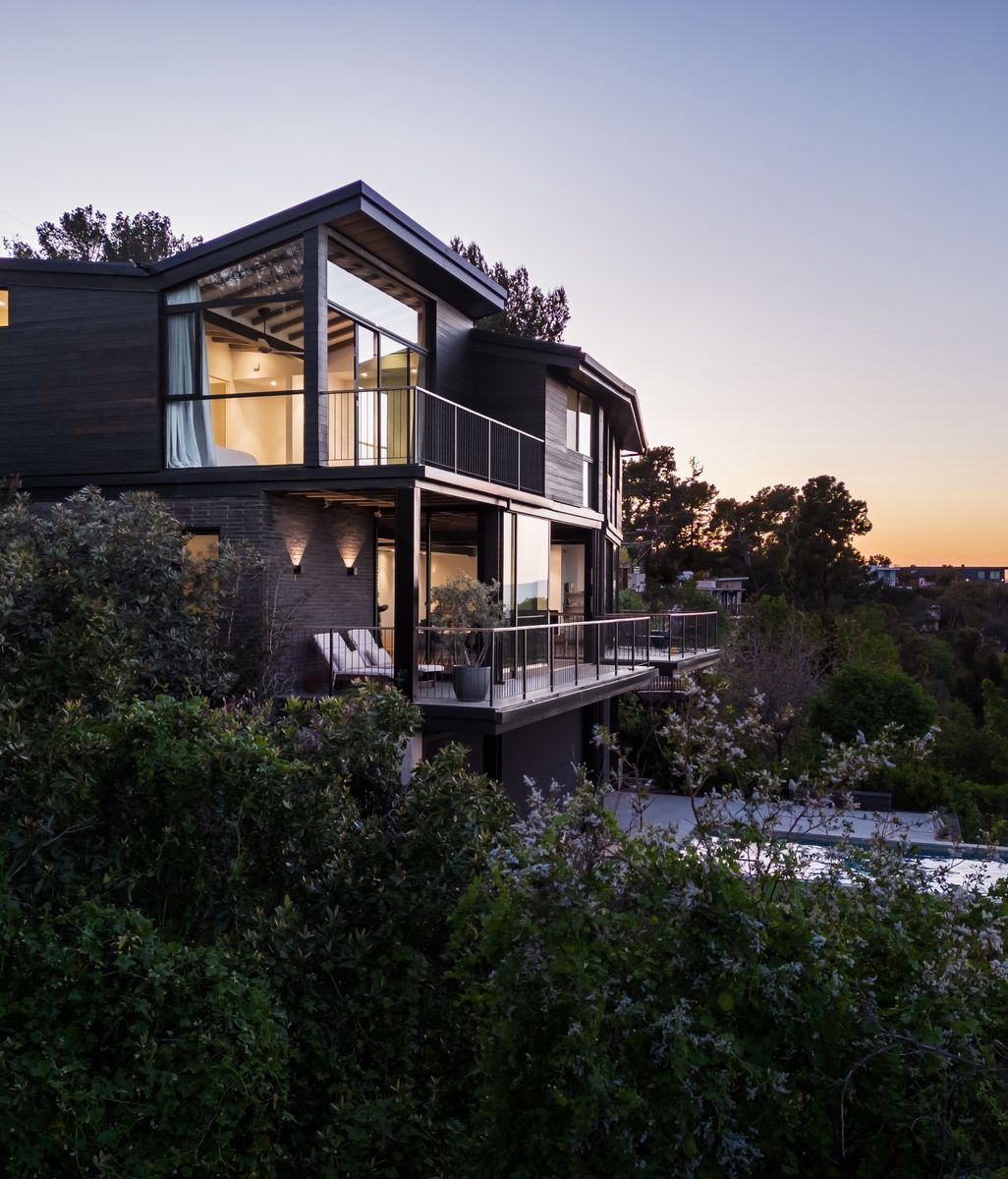
Set slightly below the ridgeline above Ocean Beach, Tākapu responds to view and wind in equal measure, its cantilevered living space extending toward the coast while remaining anchored to the land.

This way of thinking gives the practice’s work its particular character. A Daniel Marshall Architects home rarely feels like it could be picked up and placed somewhere else. On an urban site, the building may need to speak to neighbouring houses, road frontage and the rhythms of suburbia. On the other side, it might open to water, bush or landscape. On a ridge, it may need to recede, to become sensitive to the landform rather than dominant over it. Marshall is interested in how a building sits within land, not simply on top of it.

“The constraints are actually kind of the pleasure,” he says.

That idea sits at the heart of the practice. Constraint is not treated as an obstacle to design, but as the thing that gives a project its intelligence. A steep site, a compact footprint, an exposed outlook, a difficult neighbour, a tight brief or a carefully held budget. These are the conditions that force the architecture to become more specific.

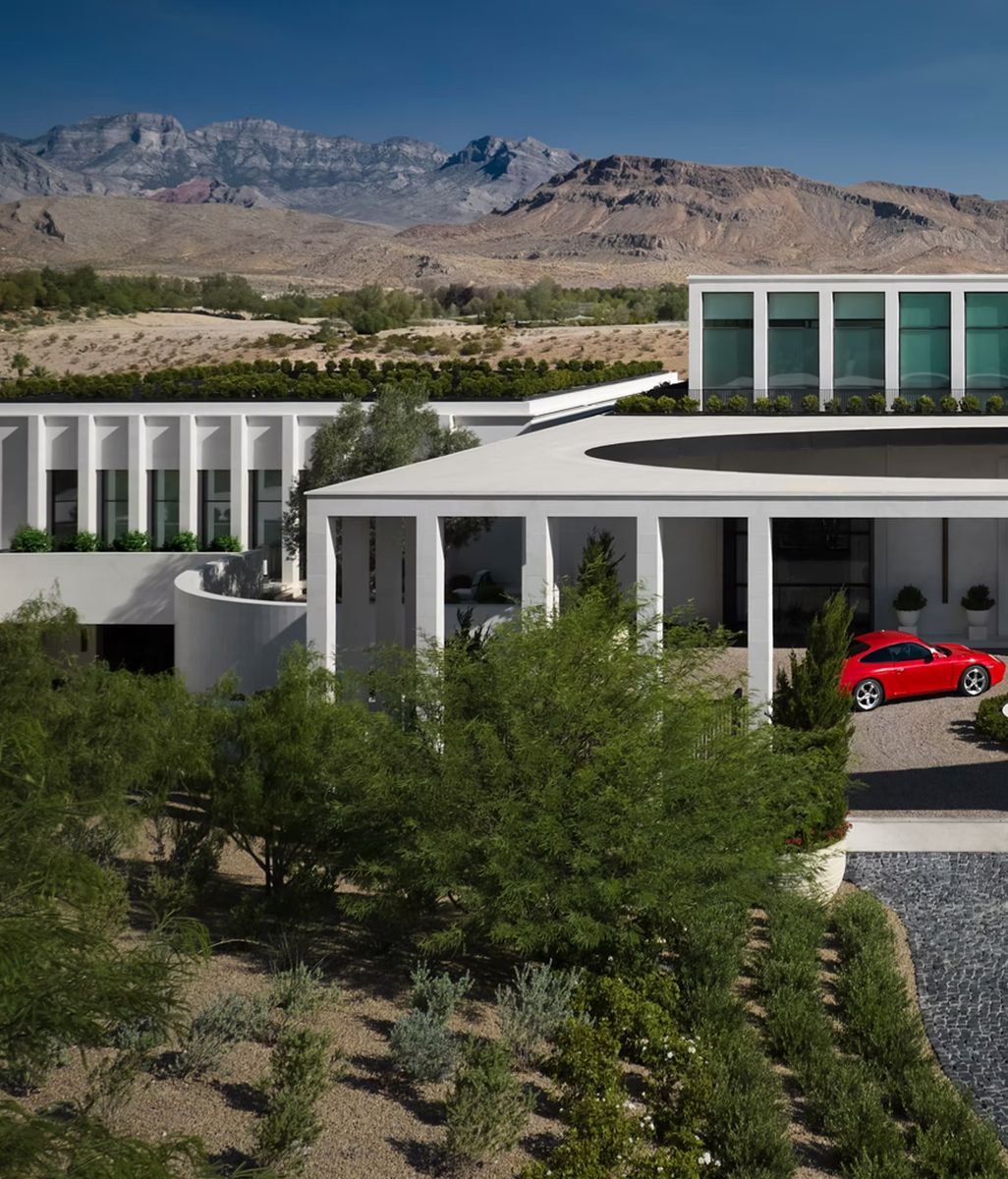
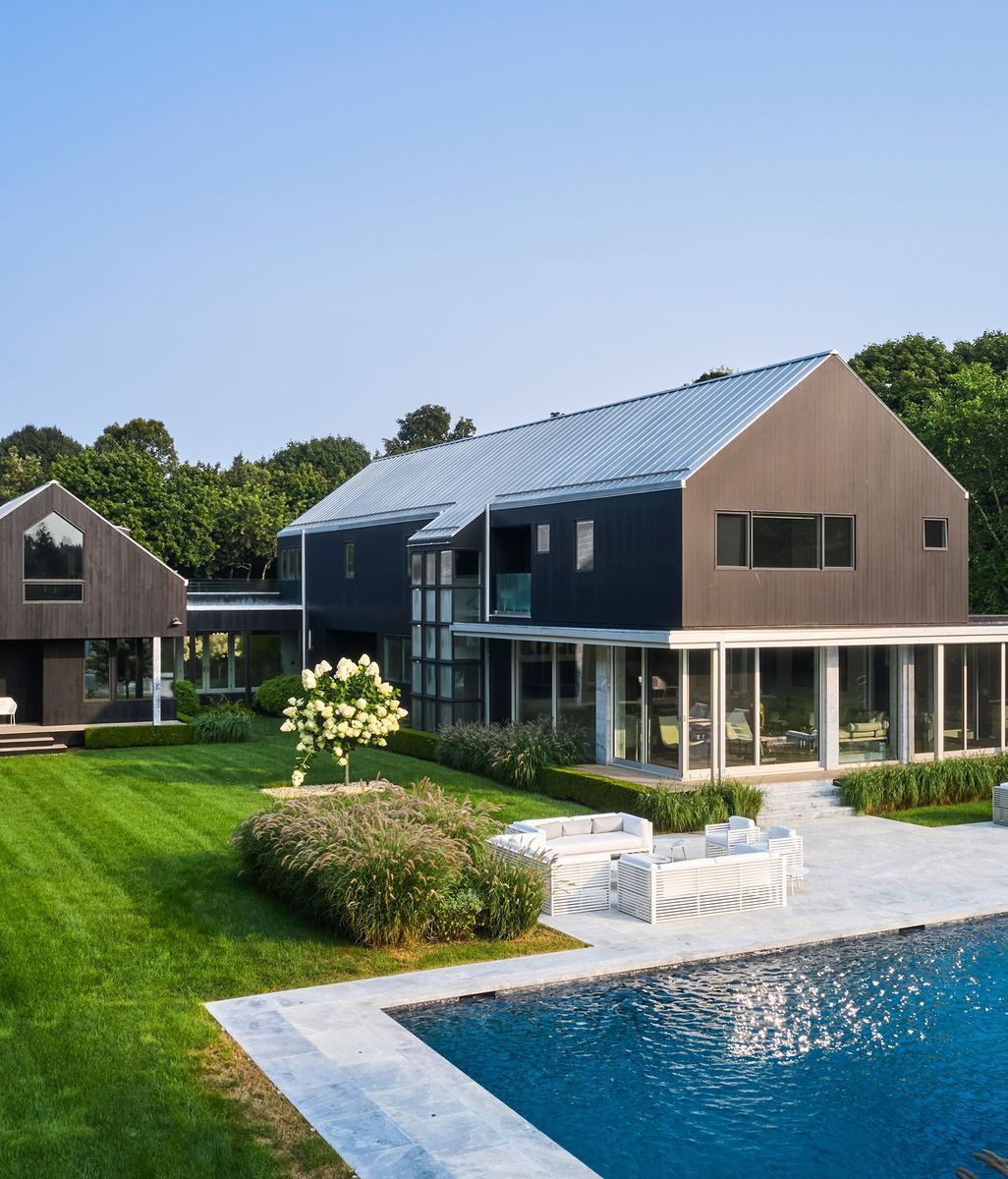
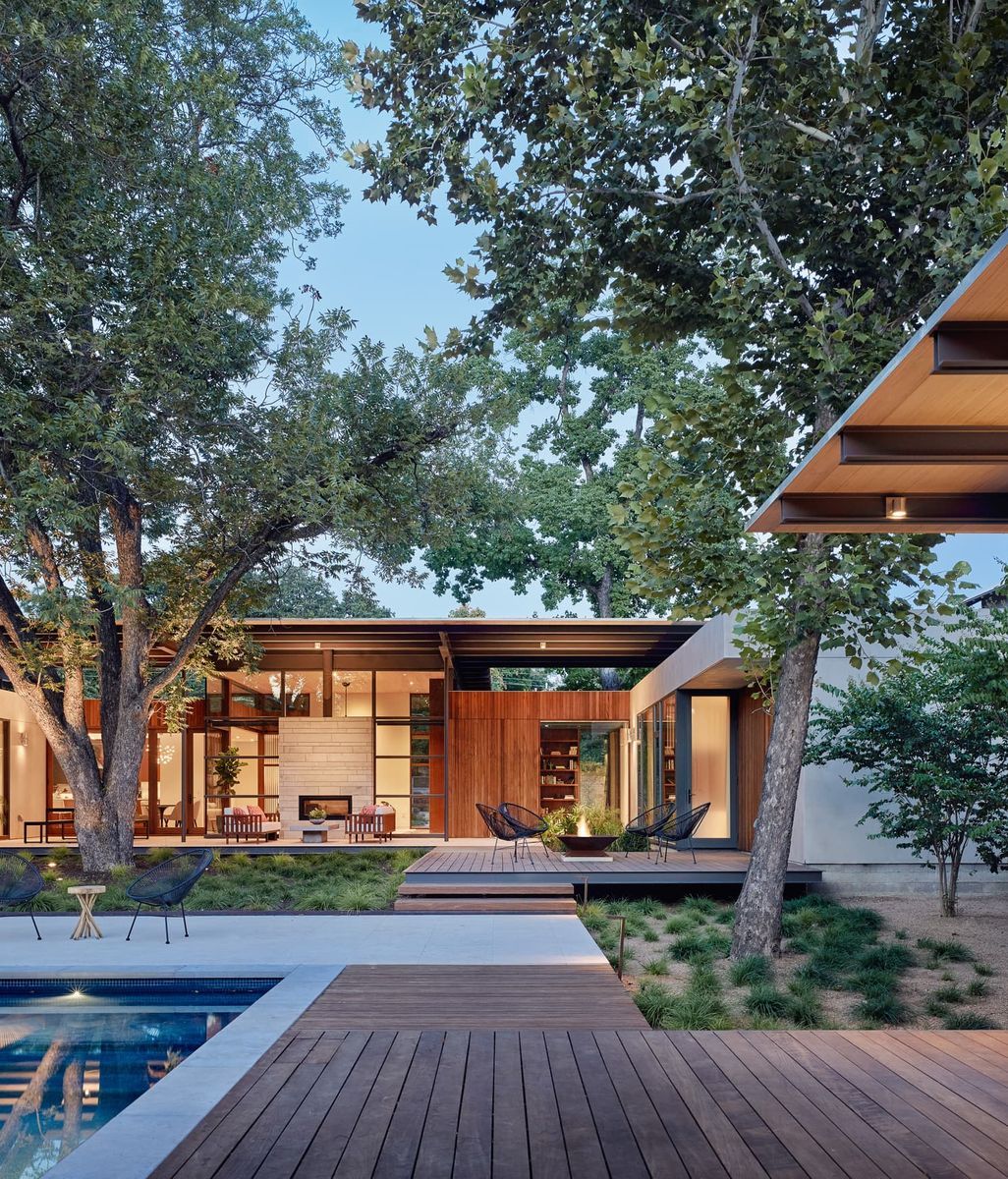
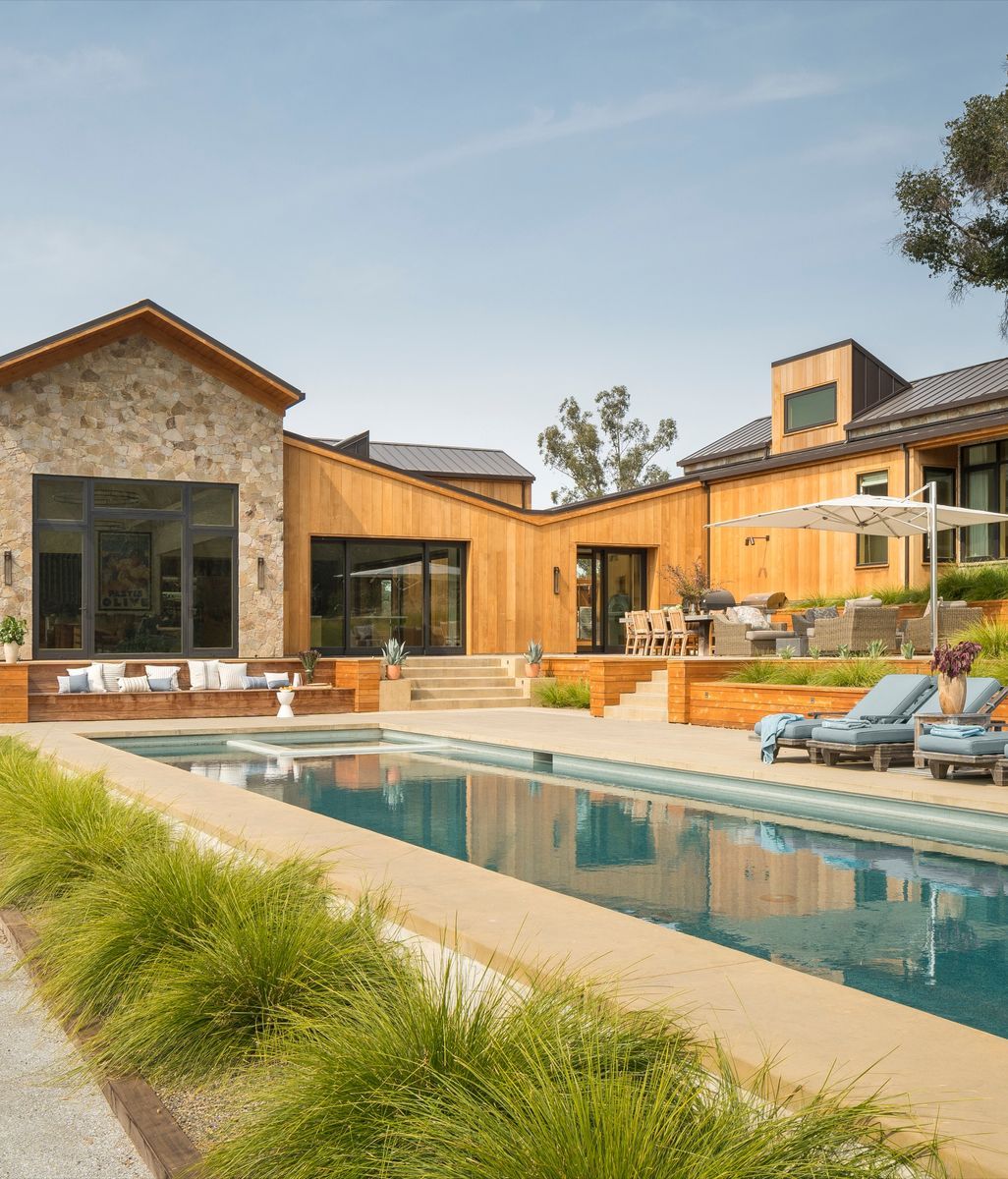
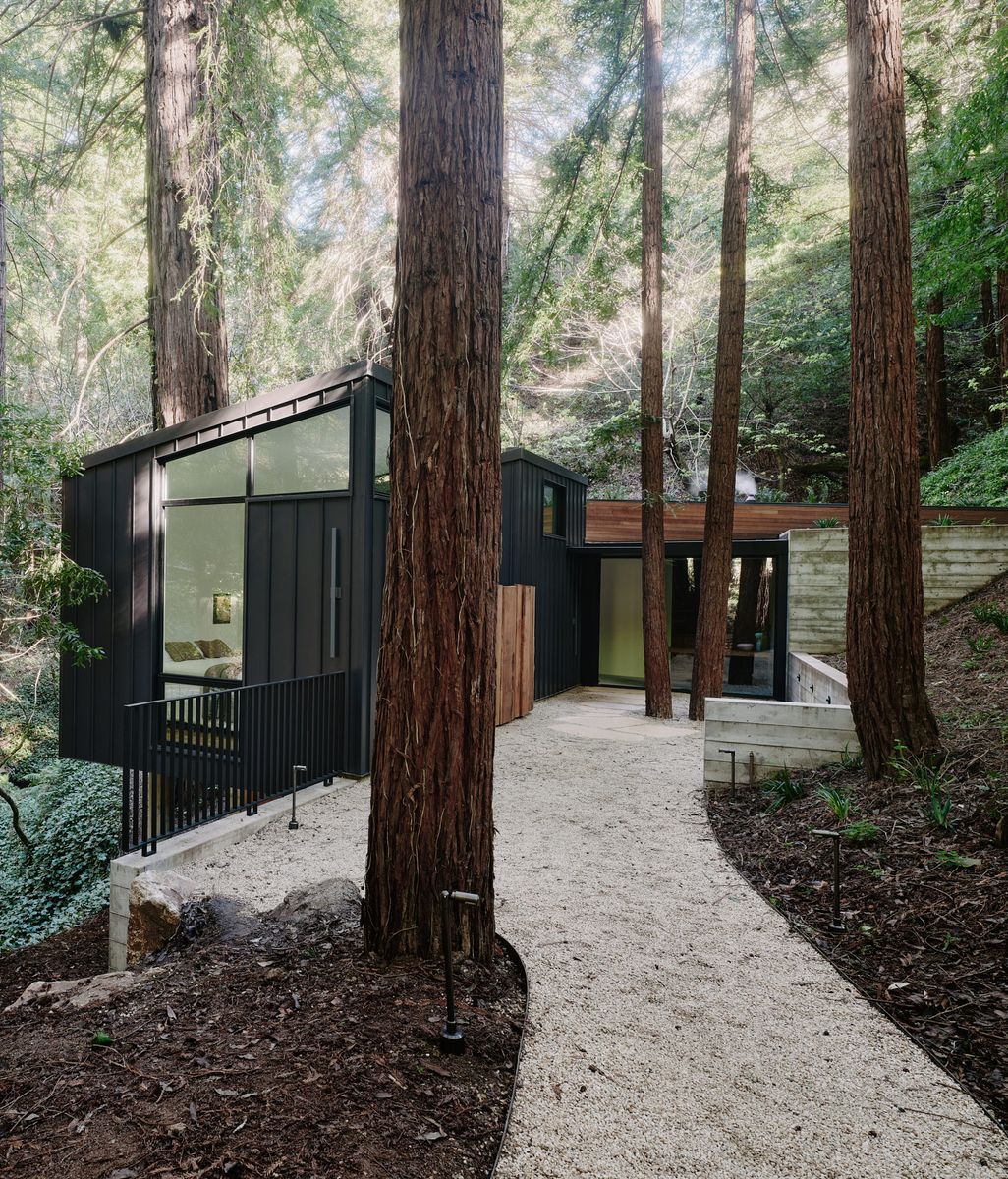
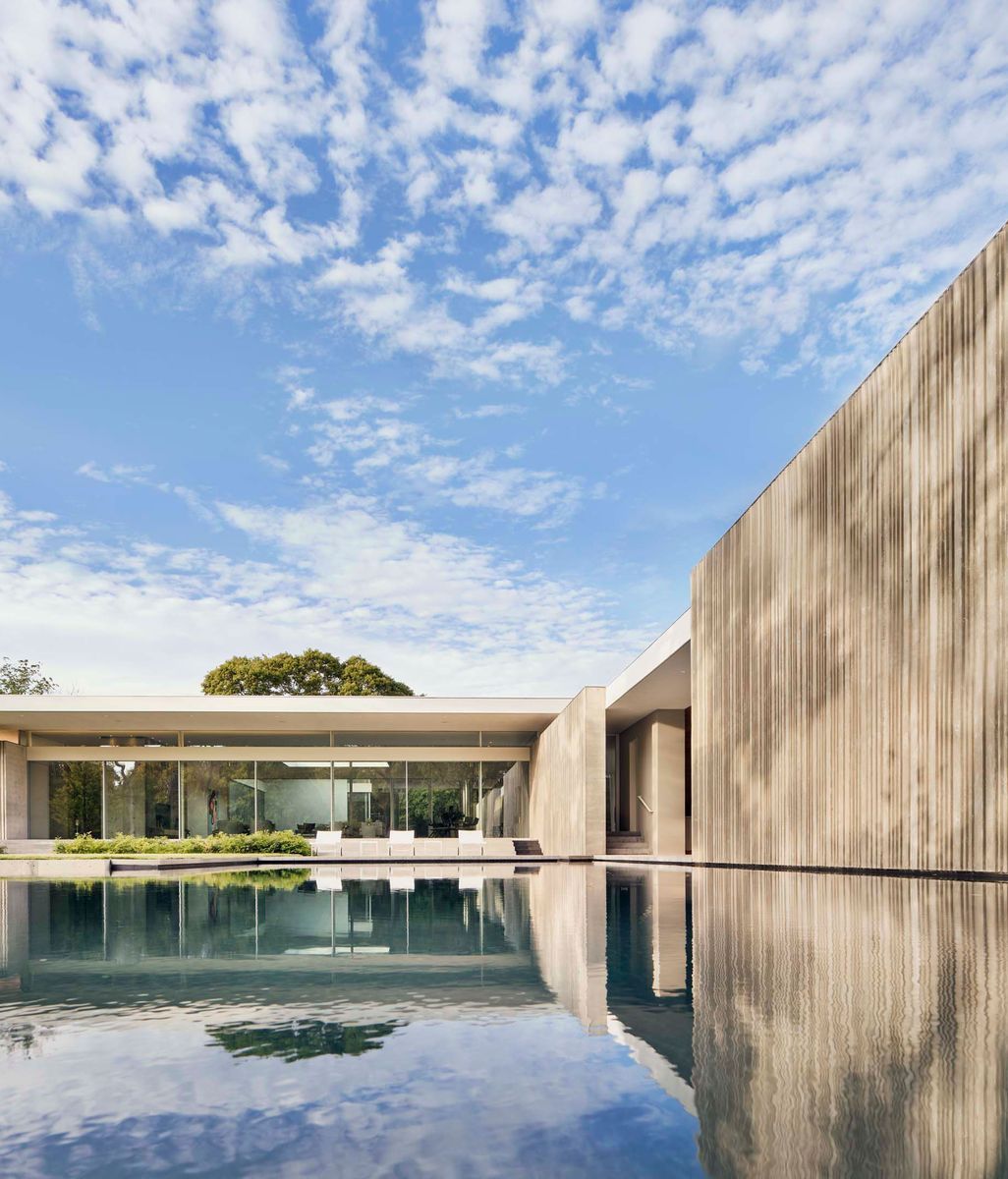
At Waikopua Bay, the house settles into the lowest part of the valley, its pavilions framed by existing nīkau and restored native bush rather than standing apart from them.

It is one reason Marshall is cautious about scale for scale’s sake. The practice works on substantial homes, but he is clear that size alone is not the point. A house can become too large when it stops responding to life and starts performing status. For Marshall, a project becomes interesting when the brief, budget and ambition are aligned. Any size can be compelling, but only if it has purpose. When a house becomes excessive, it risks moving away from architecture and into something more symbolic… wealth, status, display.

Instead, the practice is drawn to what Marshall calls “interesting” and “quirky” homes. Projects with character, difficulty and the possibility of invention. The ideal client is not someone looking for a predetermined image, but someone open to a creative process. Marshall talks about gently pushing back, not to override the client, but to make the project better than what they first imagined. That balance of listening and direction is central to the way the studio works.

The early briefing stage is therefore critical. Clients may arrive with a clear idea of what they want, or they may only understand it loosely. The role of the architect is to draw that out. To understand how people live, what they value, where they need retreat, how much space they genuinely require and how the site might reshape those assumptions. In that sense, the brief is not simply received. It is discovered.

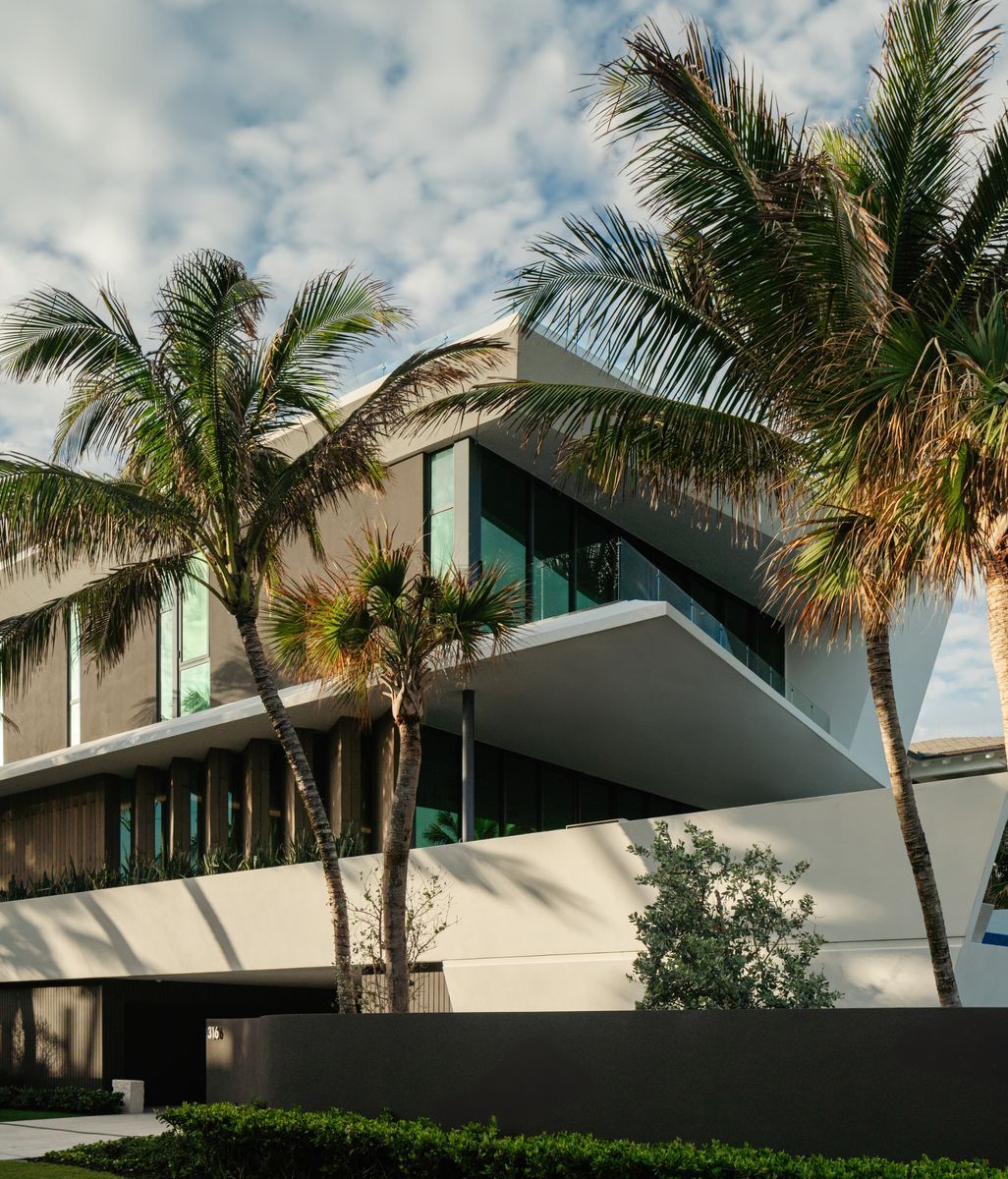
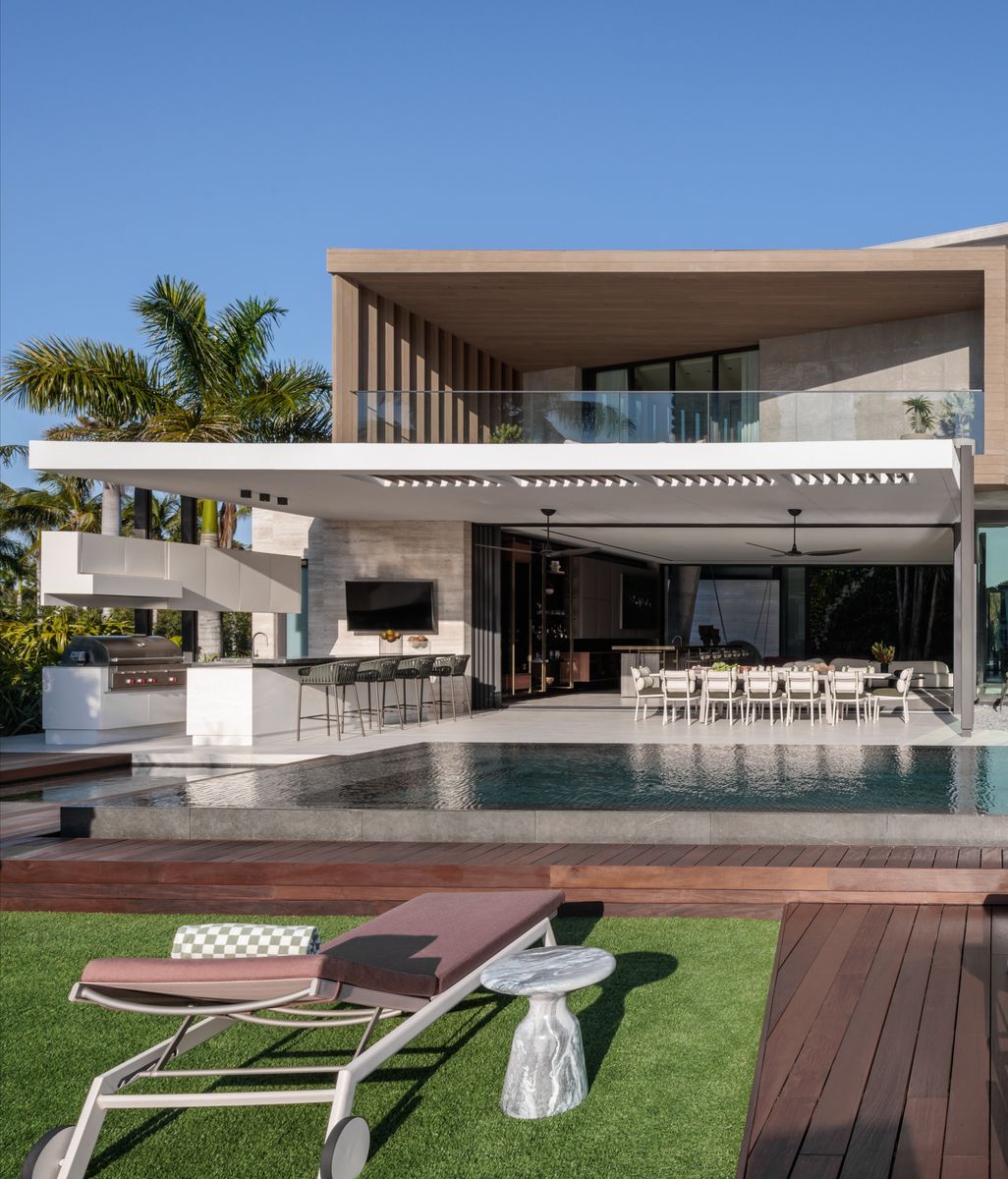
At Piha House, the architecture is shaped by the force of its west coast setting, with a robust material language and cantilevered upper level responding to wind, sand, sea and outlook.

But for Marshall, architecture is not only about concept or planning. It is also about the act of building.

“I love the building,” he says. The construction phase is where ideas are tested, problems are solved and the work becomes physical. It is also where the architect becomes part of a larger team, responding to the inevitable complexities that arise once a project is underway.

There is a practical pleasure in that process. The conversations on site, the adjustments, the coordination, the problem-solving. It speaks to a broader philosophy within the practice, one that sees architecture not as a finished image, but as a sequence of decisions carried through with care.

That care is ultimately directed towards how a building changes the lives of the people who inhabit it. Marshall believes architecture has the capacity to alter a person’s state of being. When a building reaches a certain level of resolution. When light, material, proportion, sound, comfort and sequence have all been thought through, it becomes more than shelter. It can feel, as he puts it, like living within an artwork.

This is perhaps the quiet ambition of Daniel Marshall Architects. Not to create houses that simply impress, but houses that intensify daily life. Homes that respond to their sites with intelligence. Homes that hold complexity without making it visible. Homes that are practical, atmospheric and enduring.

After 28 years, Marshall describes the motivation behind the practice simply. A constant wish to improve. To keep developing, learning and changing. To look at each project and ask how it could be better.

It is an ethos that feels both modest and exacting. Architecture, in this view, is never quite finished as a pursuit. Each project becomes another attempt to refine the relationship between people, place and built form and to make something that holds its ground over time.

Explore more work by Daniel Marshall Architects on ArchiPro, or discover other leading New Zealand architects and design professionals shaping homes across the country. For those beginning their own project, ArchiPro also brings together a curated network of builders, interior designers and building professionals to help guide the journey from early ideas through to completion.