Burial Meets Border
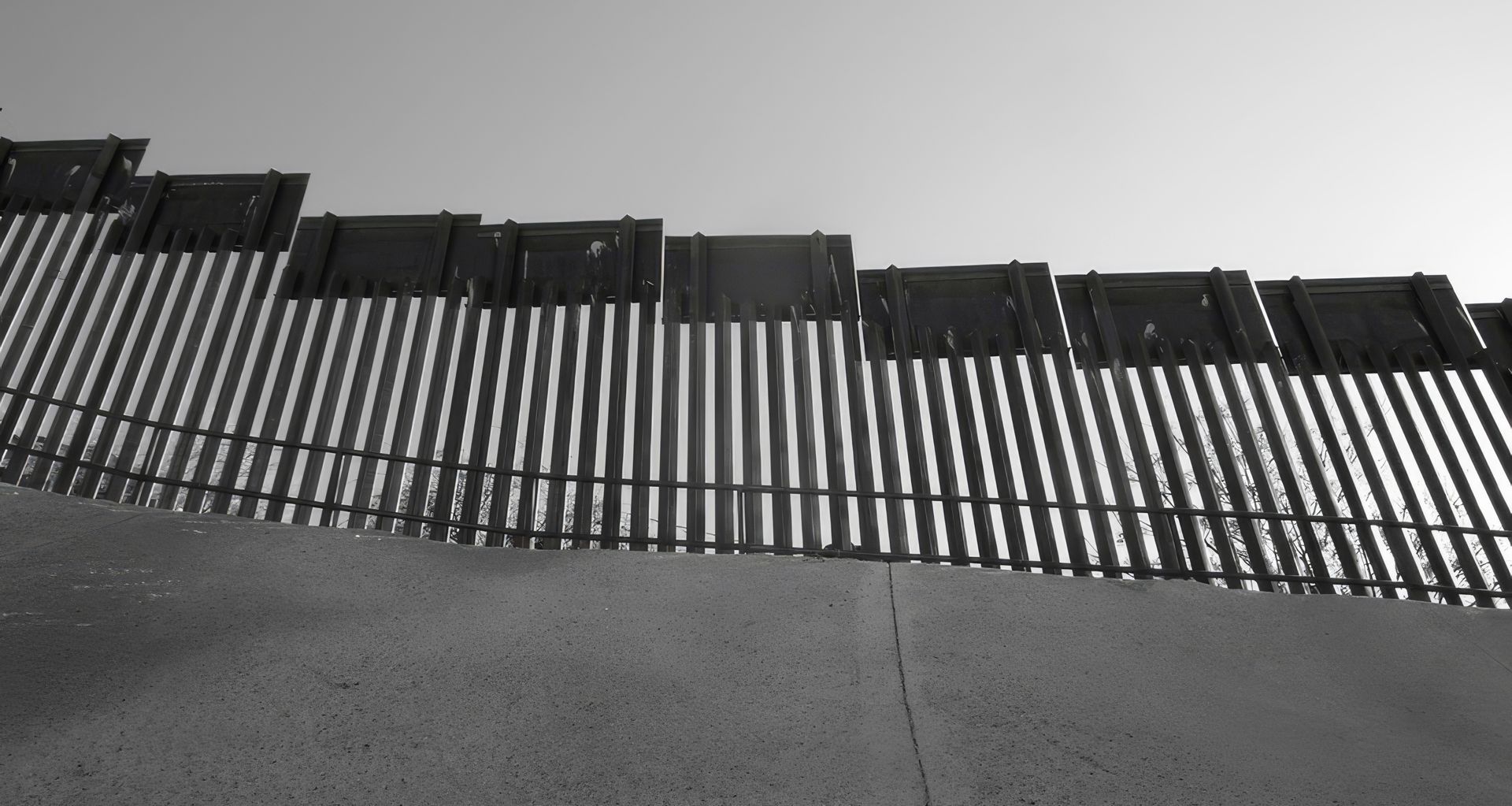
For hundreds of years, the Tohono O’odham Nation had moved freely across its tribal land, which spans southern Arizona and northern Mexico. After the 9/11 terrorist attack in New York City, a preliminary border wall was erected, severing it in half. Only through designated points of “crossing” could the Nation retain its ability to visit family and its sacred sites, to access healthcare, and to receive education.
This passage has been disrupted once again with this year’s expedited construction of Donald Trump’s border wall. Federal courts have waived many restrictions put in place to protect the Tohono O’odham Nation and neighboring Organ Pipe Cactus National Monument, allowing unmitigated blading and demolition of archaeological (ritual and burial) sites and publicly protected park lands—equating to the demolition and disregard of Tohono O’odham culture.
Physical walls have consequences. Regarding the border wall as a design choice both symbolic and literal allows (rather, requires) us to consider the larger systems behind design and its impacts—as well as who they are uniting or dividing, serving or harming.
In March, the New York Times reported from within the Nation: “Tell me where your grandparents are buried and let me dynamite their graves,” said Verlon M. José, governor of the Mexico-based Tohono O’odham. “This wall is already putting a scar across our heart.”
The border wall as a physical piece of architecture has had, and will continue to have incredible repercussions on the everyday life of the Tohono O’odham people, their sacred land, and tribal rituals.
Special thanks to the 2016 reporting of Caitlin Blanchfield and Nina Valerie Kolowratnik for The Architectural League of New York.
by Le Whit, in collaboration with Emily R. Pellerin