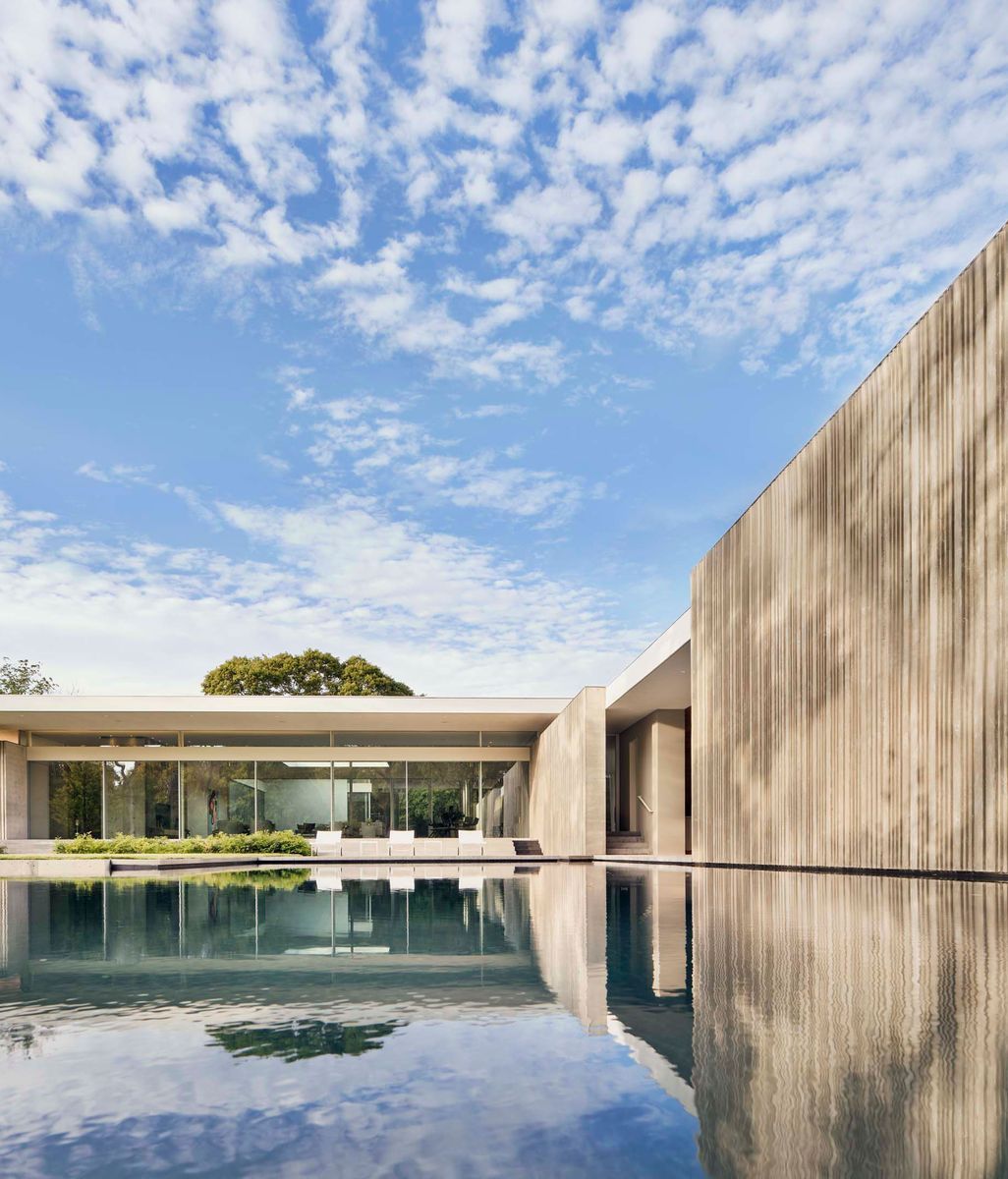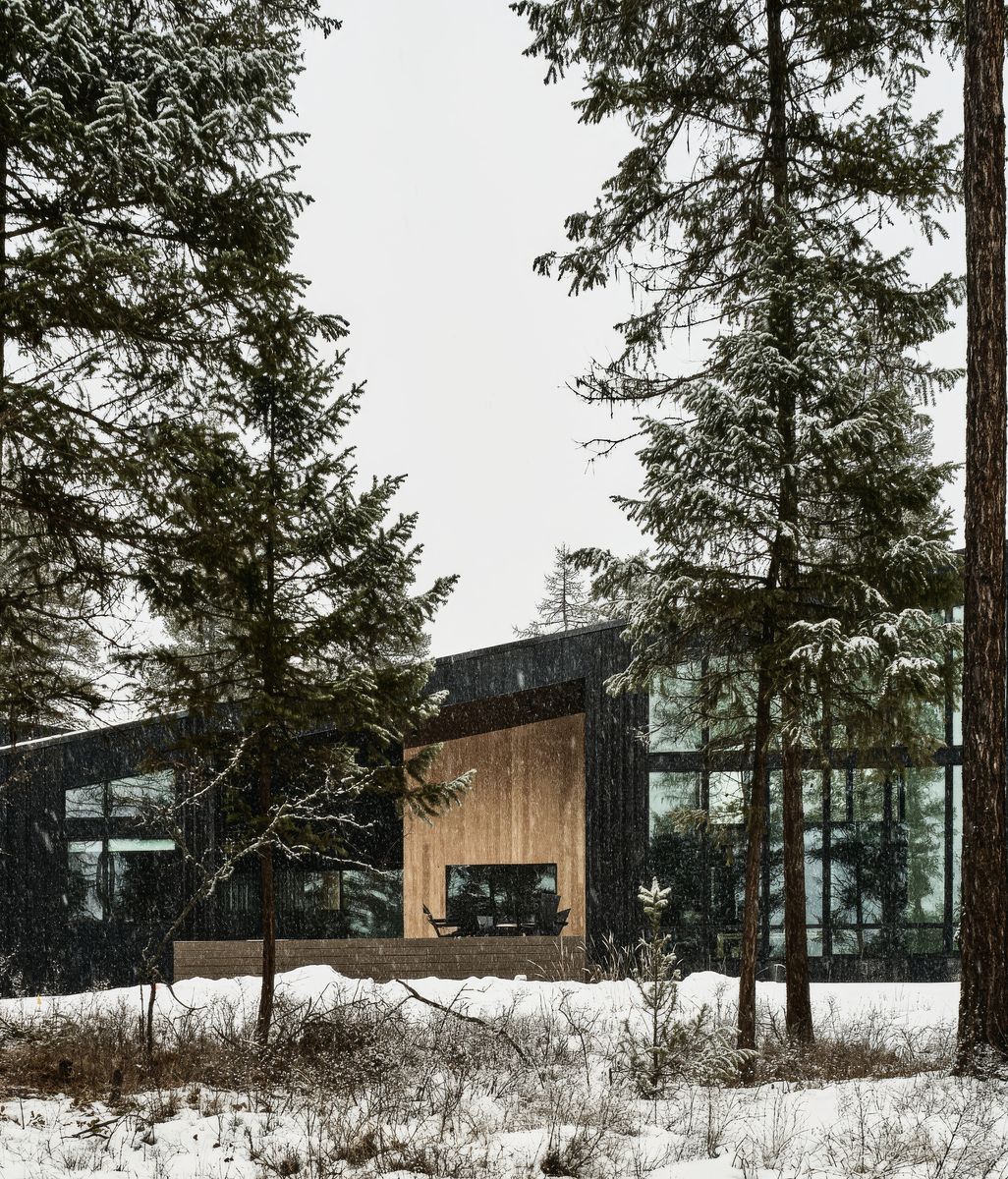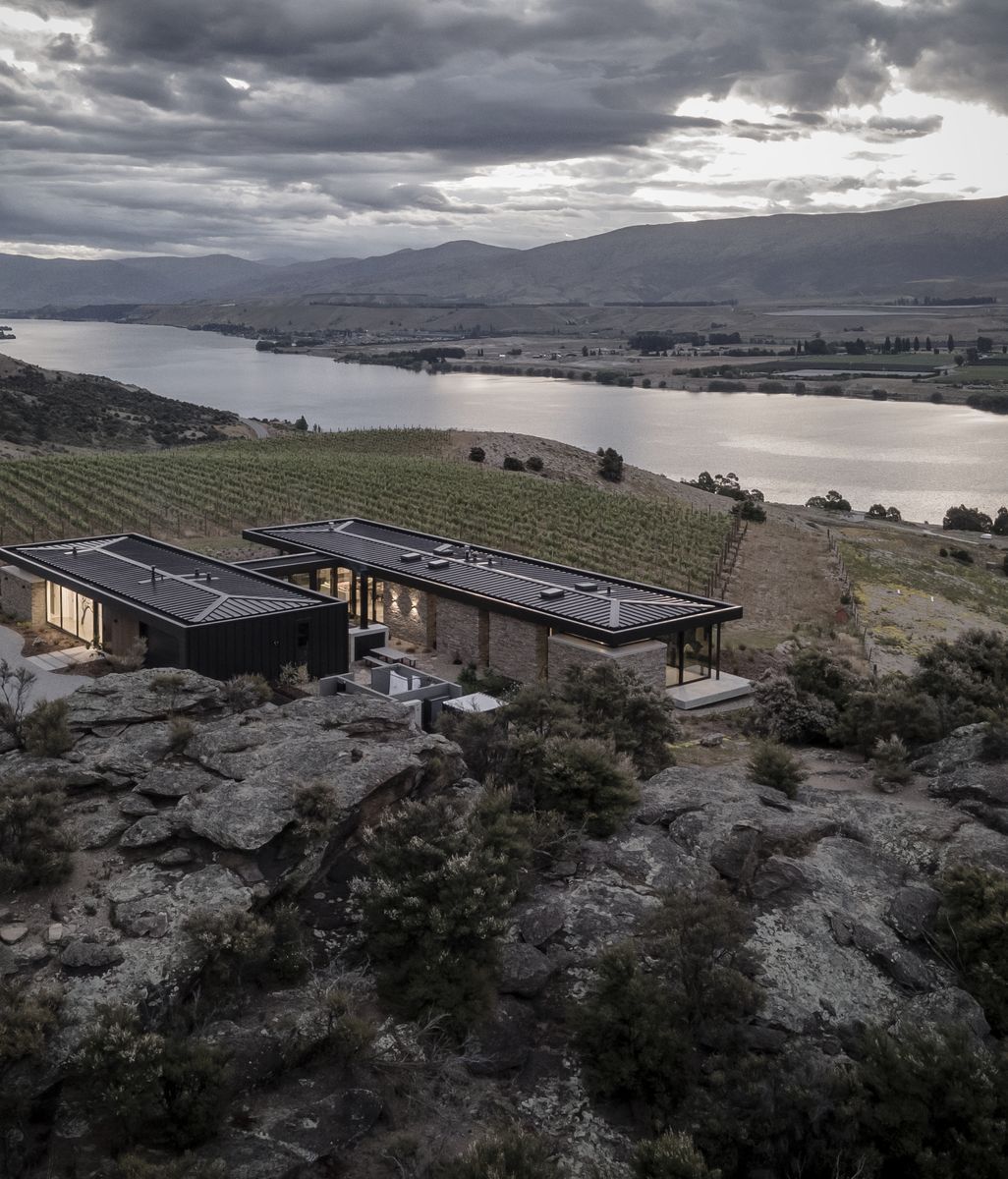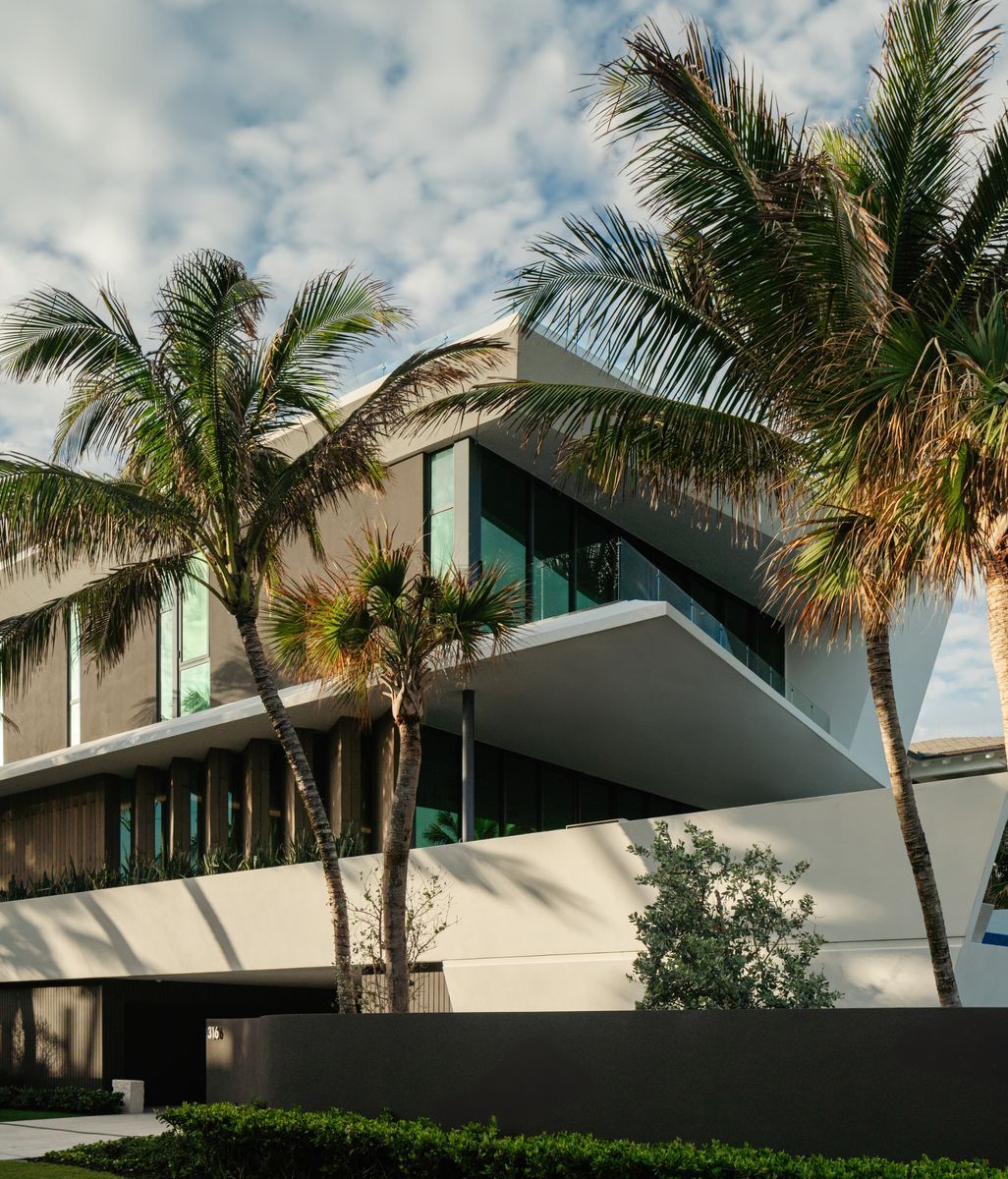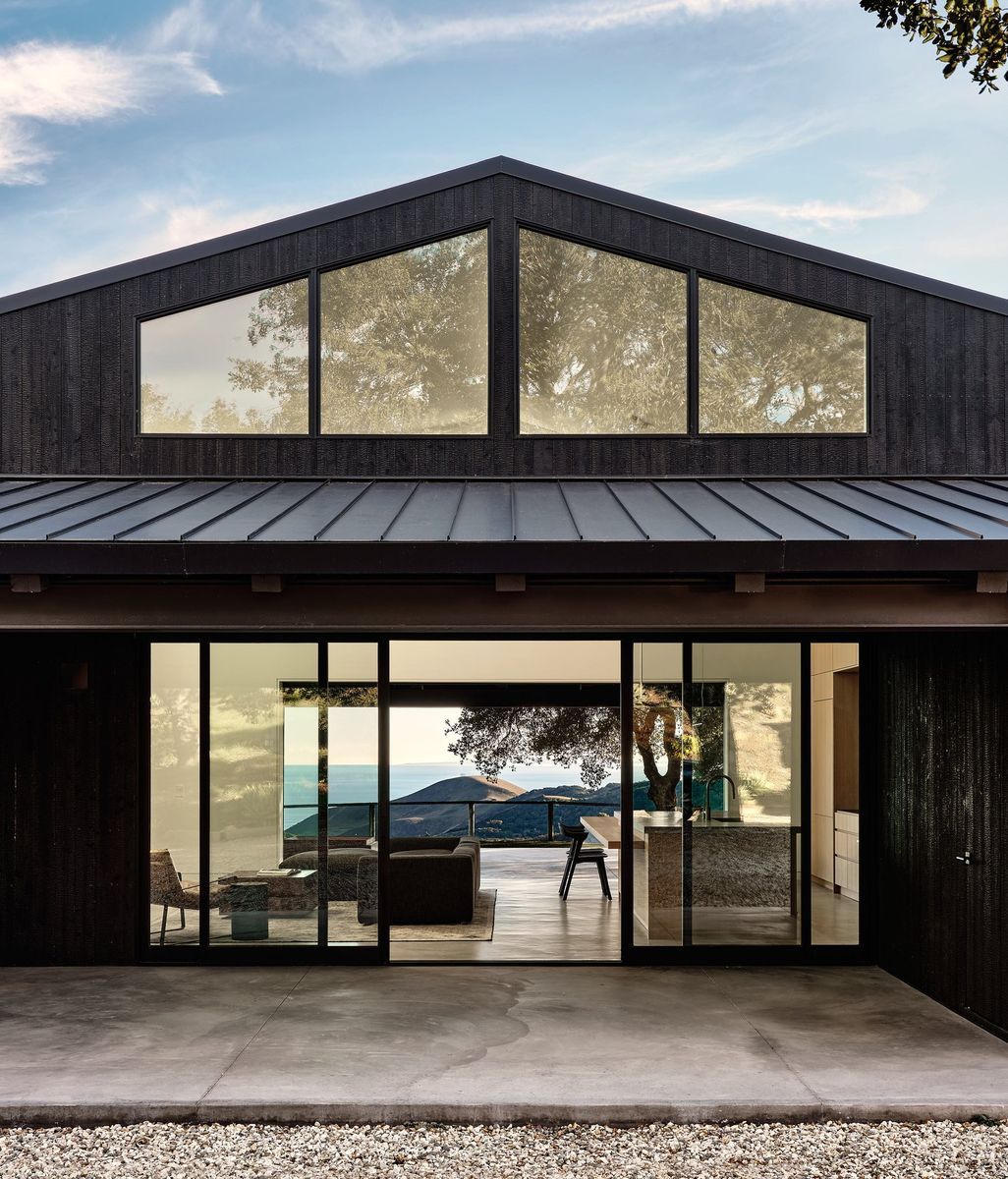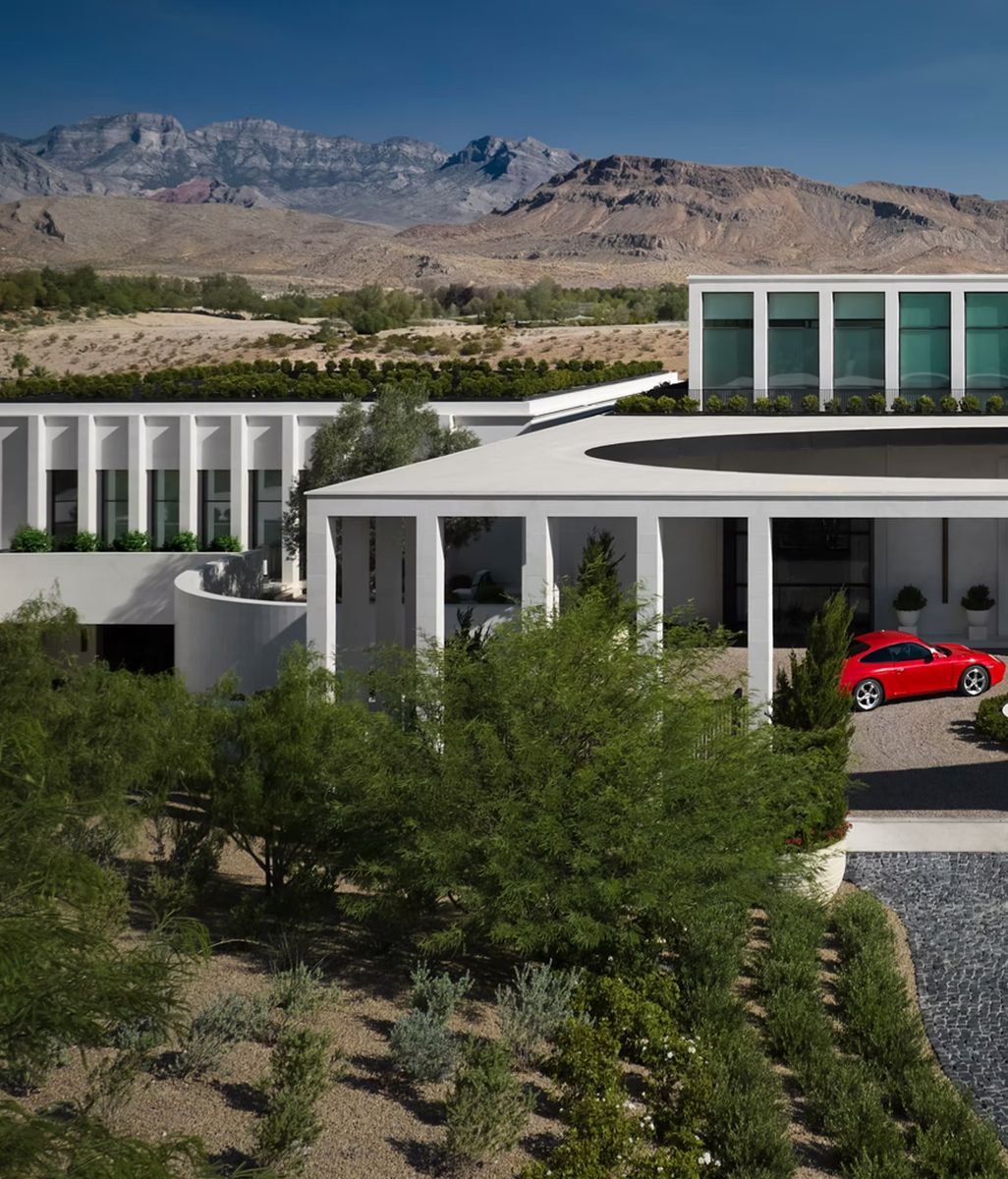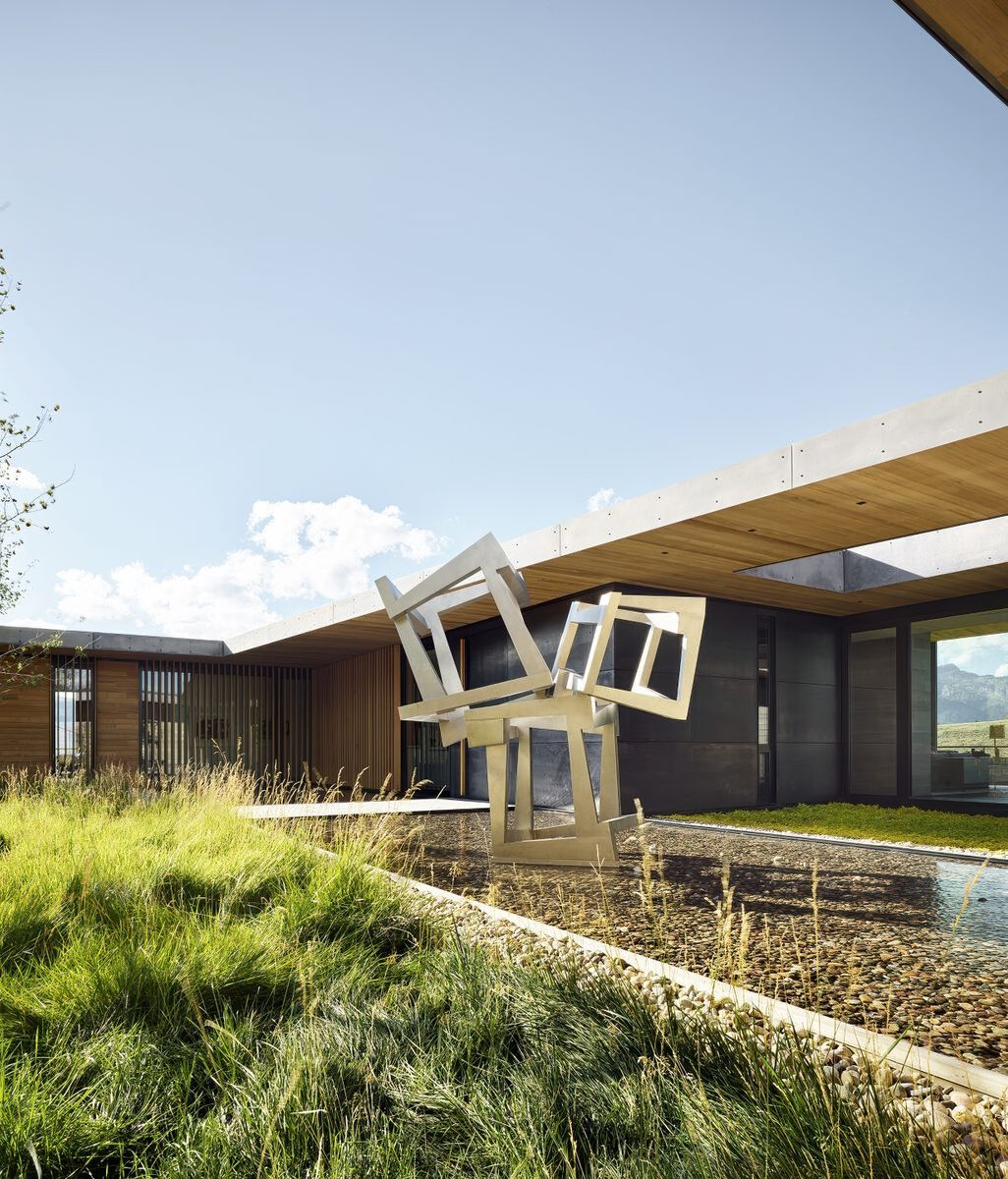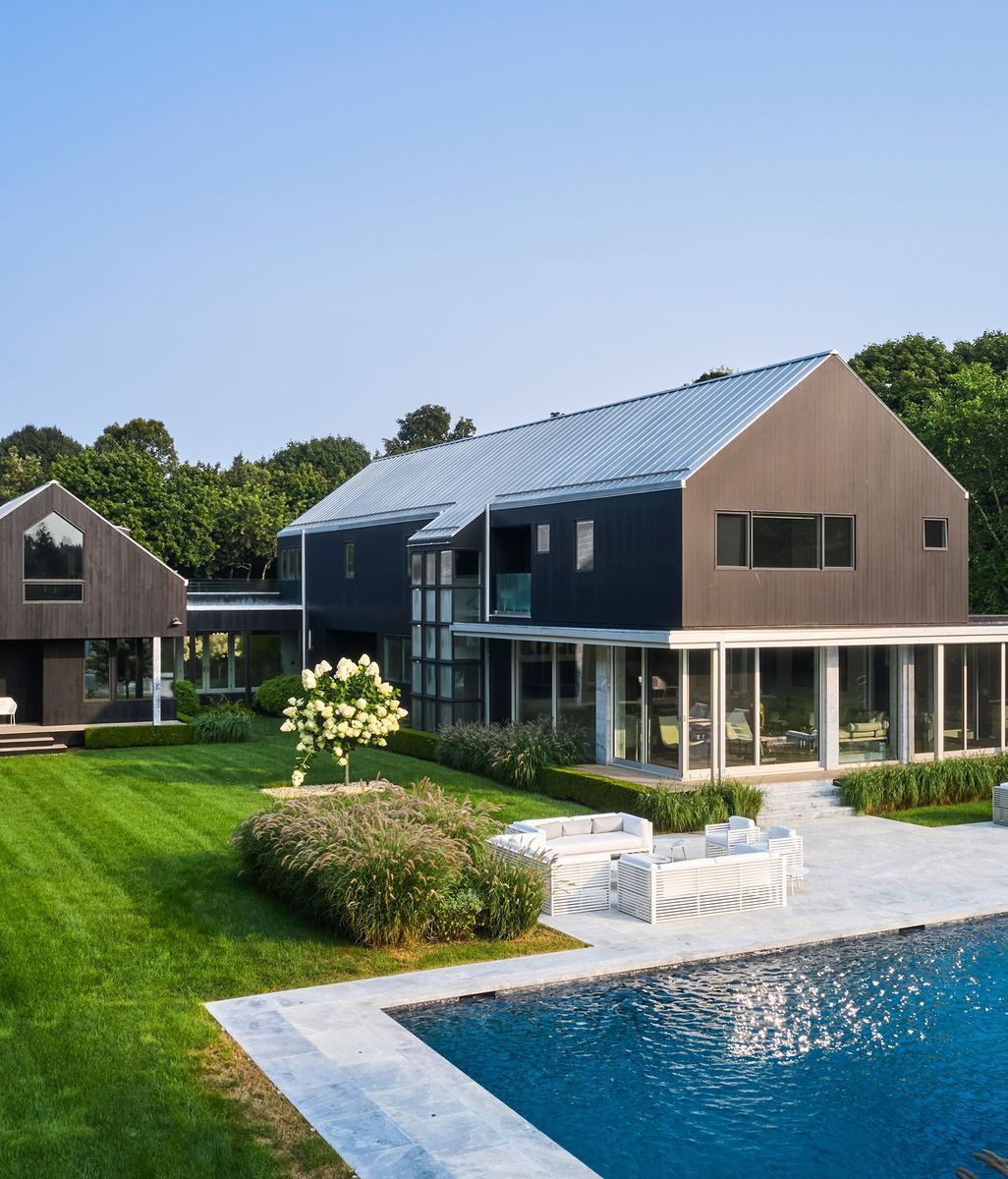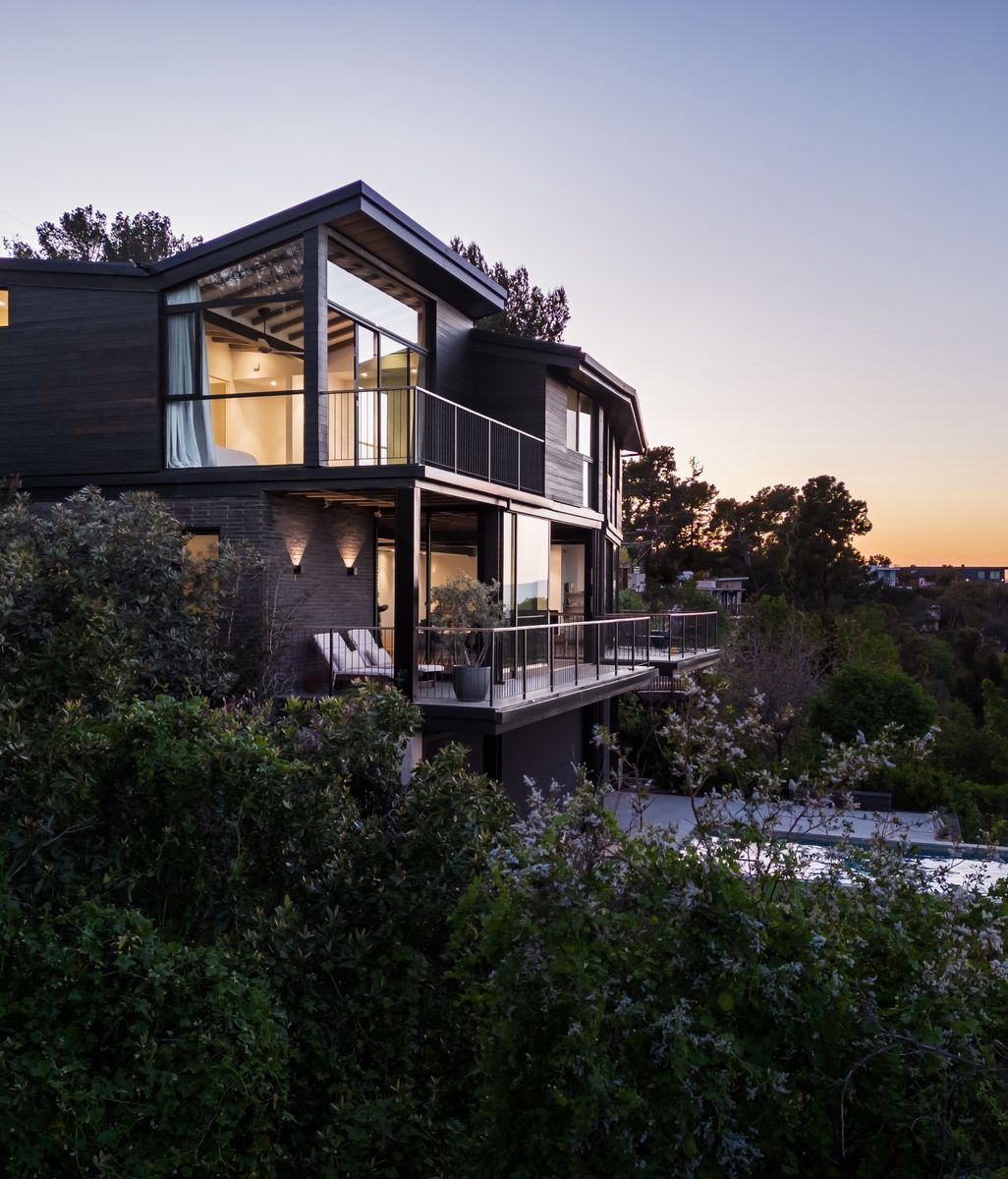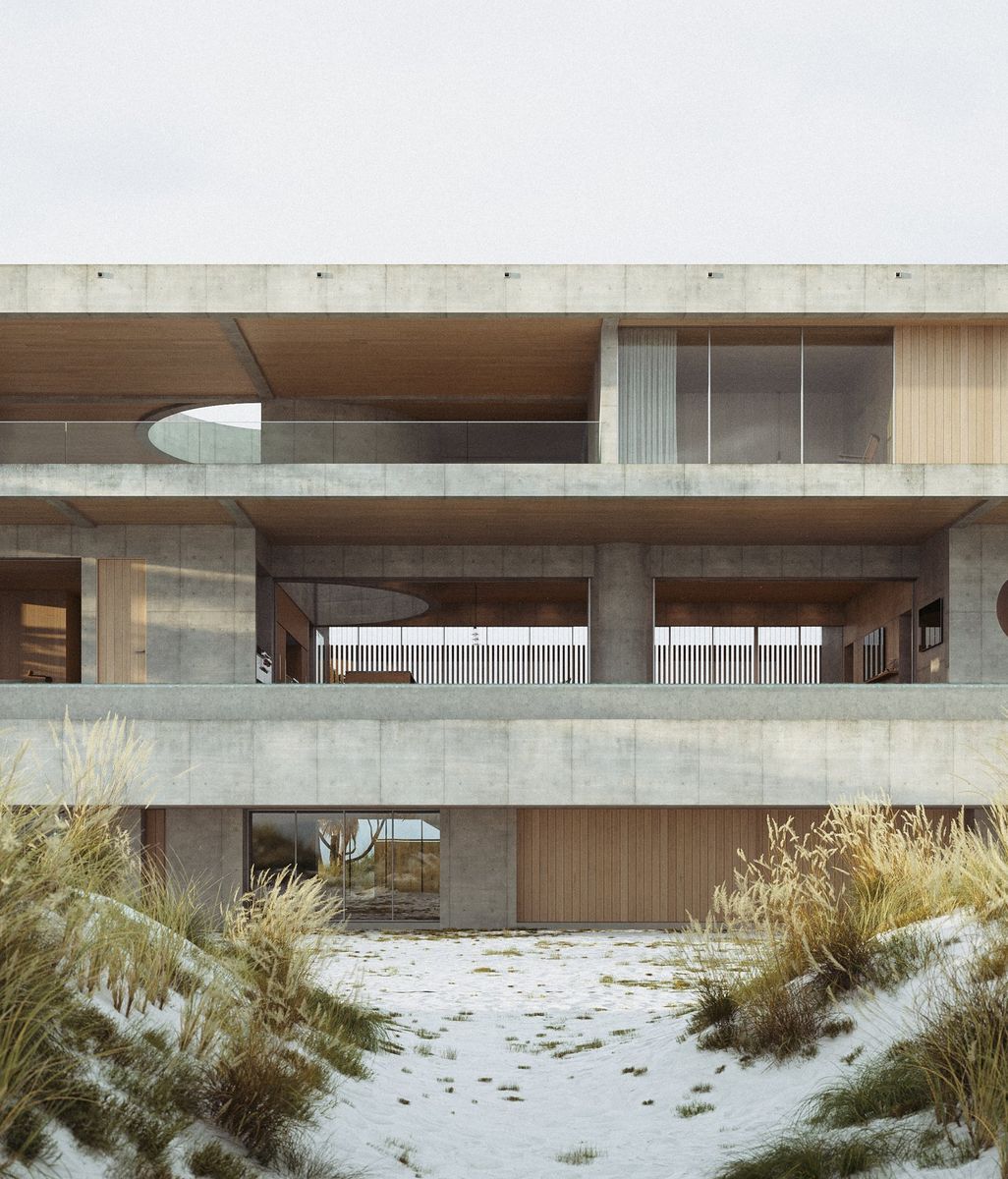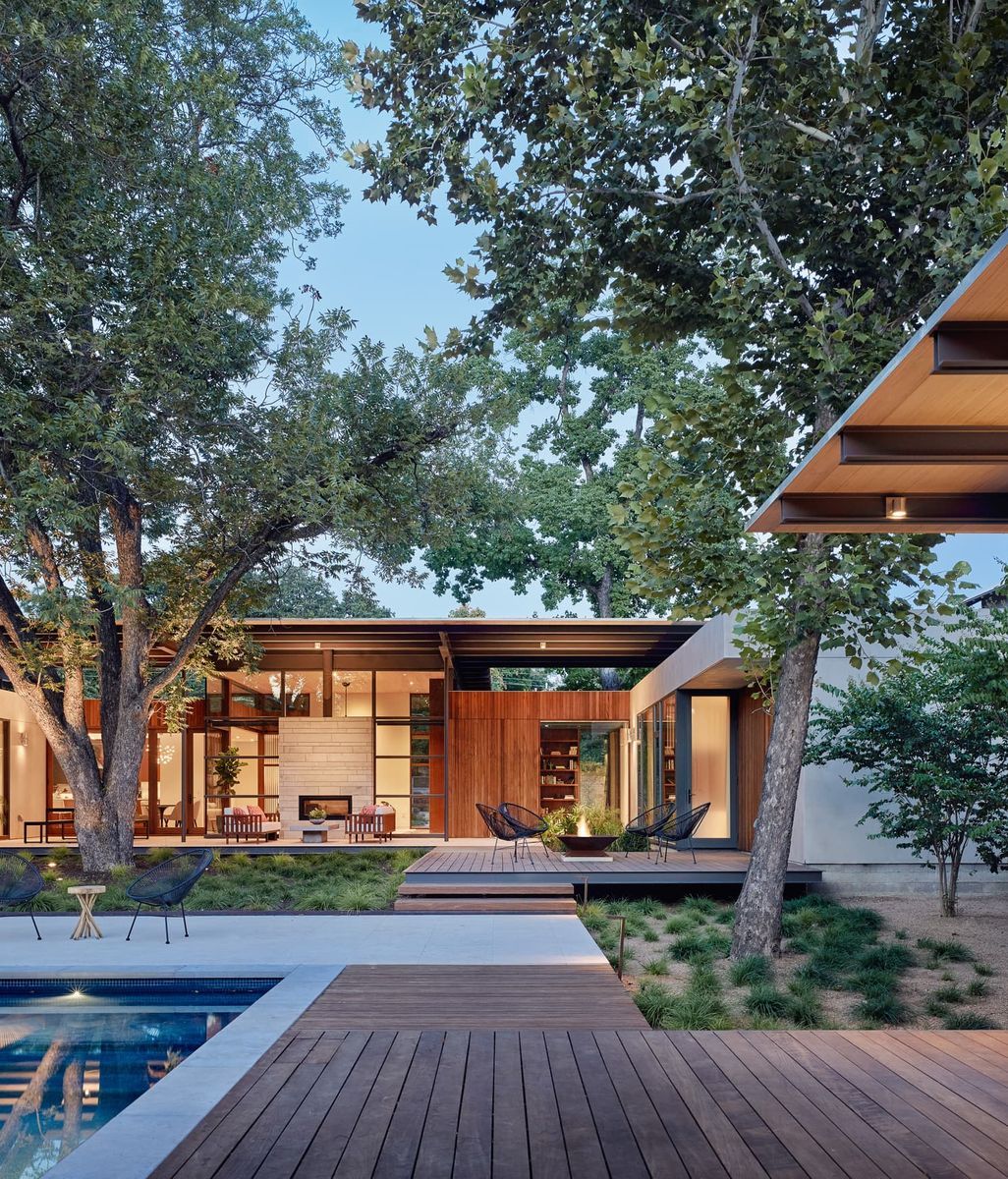
Before the build: the decisions that shape a successful home

Written by

24 May 2026

 • 

9 min read

banner
At Home Design Evening, Tom Webster, host of Grand Designs New Zealand, led a panel of leading architects and a builder through the process of building a home, from choosing the right land to understanding budget, trust, materials and the value of making decisions early.

By the time the homeowner panel began at Home Design Evening, the room was already full of intent.

This was not an audience interested in architecture as an abstract idea. These were people standing at the edge of real decisions: buying land, appointing an architect, preparing a brief, interrogating budgets, considering materials and trying to understand how a home moves from aspiration to built form.

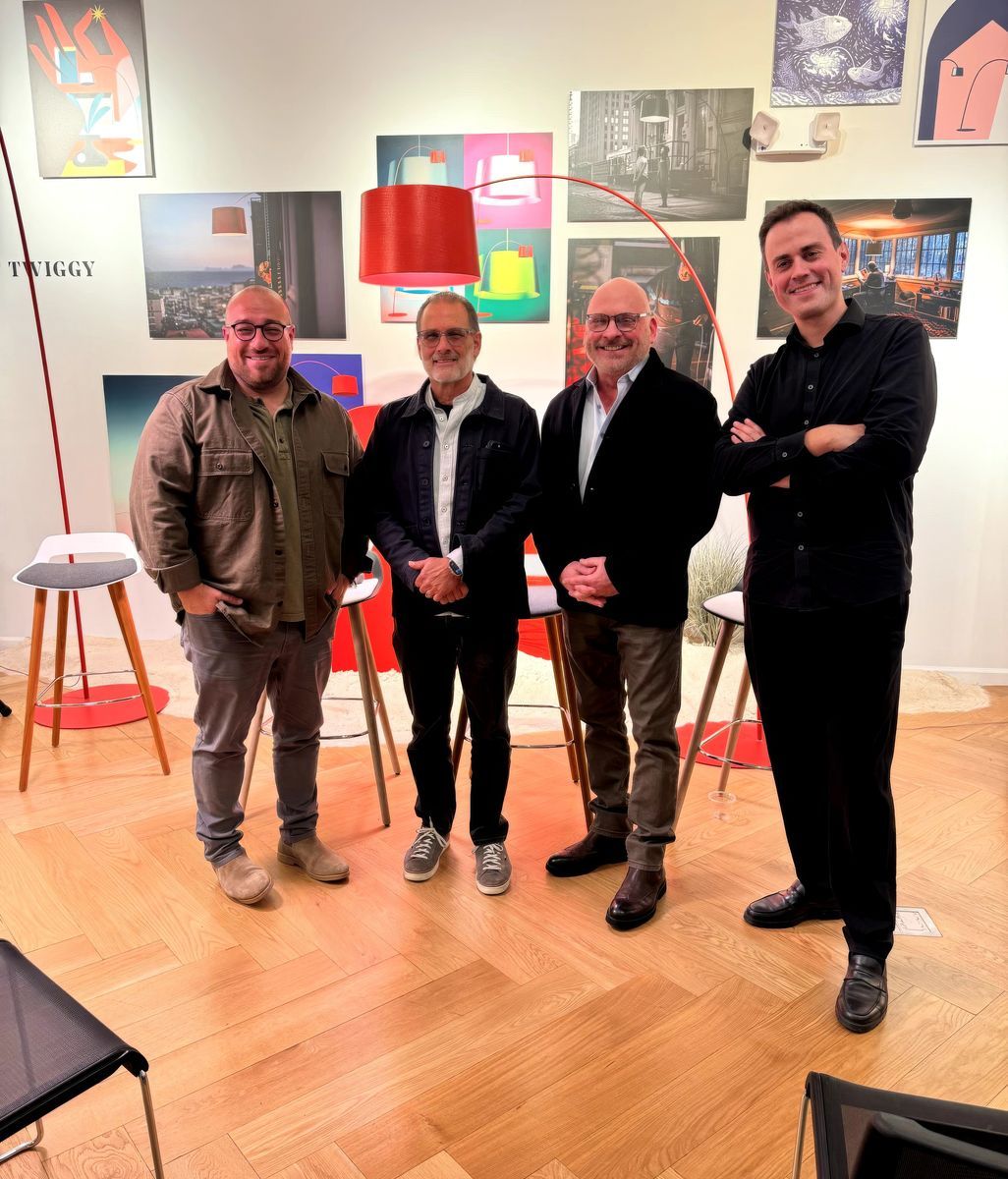
Hosted by Tom Webster, host of Grand Designs New Zealand, the conversation brought together a kind of residential brains trust including Andrew Patterson of Patterson Associates, Nick Roberts of Roberts Gray Architects, Megan Edwards of Megan Edwards Architects, Mitchell Round of RTA Studio, builder Oliver Tuck of Oliver Tuck Construction and Australian architect Rob Mills of Rob Mills Architecture & Interiors.

Together, they unpacked the building process in the order a homeowner might experience it. From the first decisions around land and brief, through to design, budget, materials, consultants, builders and the behaviours that can either protect or compromise a project.

The result was less a panel about finished houses than a discussion about what happens before the house exists. The hidden decisions. The early conversations. The moments where clarity, trust and restraint can change the course of an entire project.

62605ArchiPro22MayDSC9058-ap-compressed.jpg
1612605ArchiPro22MayDSC9557-ap-compressed.jpg

The first lesson was simple... begin earlier than you think.

Andrew Patterson spoke about the value of involving an architect before a site is even purchased. For many homeowners, the land feels like the starting point. But for an architect, it is already full of consequence. Slope, orientation, access, planning controls, coastal conditions, geotechnical risk and infrastructure can all shape what is possible, and what it may eventually cost.

On more complex sites, those early conversations can prevent expensive surprises later. Patterson noted that his first meetings often happen on site, sometimes before purchase, and sometimes before the exact building position has even been identified. It is a way of reading the land before committing to it.

Rob Mills pushed this point further. The resources required to create a home are too significant, he suggested, for the land to be treated casually. If the land is wrong for the vision, or if the resources required to unlock it are out of proportion, the best advice may be to step back. Architecture does not begin with a floor plan. It begins with understanding the ground beneath it.

1832605ArchiPro22MayDSC9667-ap-compressed.jpg
1852605ArchiPro22MayDSC9669-ap-compressed.jpg

From there, the conversation moved to the brief.

Megan Edwards offered a clear distinction between detail and direction. Homeowners do not need to arrive with every room resolved, every finish chosen or every functional requirement perfectly documented. What they do need is a strong sense of what is driving the project.

For some, that might be creating a multi-generational home. For others, it might be making the most of an extraordinary site, finding privacy from neighbours, or building a house that allows family life to unfold in a particular way. These are the big-picture drivers that allow an architect to understand not only what a client wants, but why they want it.

Nick Roberts illustrated this through two very different briefs his practice had received. One was a single sentence. A house to be barefoot in. The other was closer to an essay, describing a family’s ideal day on a rural site. One was sparse, the other expansive, yet both worked because they carried clarity.

1942605ArchiPro22MayDSC9709-ap-compressed.jpg

A good brief is not measured by length. It is measured by honesty. That honesty extends to budget.

Throughout the discussion, the panellists returned to the importance of speaking openly about money from the beginning. Not just the preferred budget, as Mills described it, but the actual budget. The distinction matters. A client may have an amount they would like to spend, but the project team needs to understand what is genuinely available and what must be included within that number.

Mitchell Round noted that this is where many homeowners come unstuck. The building cost is only one part of the total project cost. Consultant fees, council costs, GST, services, landscaping, interiors and other project requirements can quickly change the real picture. Without that broader view, a budget can feel stable on paper but fragile in practice.

Patterson described budget as mathematics, but not in a reductive way. The major costs of a building are often in the things homeowners do not see. Foundations, structure, groundworks and the complexity of the form itself. A simple, clear concept can do more for a budget than cutting visible finishes later.

The area of a house also becomes one of the most powerful tools. A small reduction in size can have a significant impact, because a building is three-dimensional. When it becomes smaller, many of its costs reduce with it.

1372605ArchiPro22MayDSC9463-ap-compressed.jpg
1362605ArchiPro22MayDSC9461-ap-compressed.jpg

The panel also made a careful distinction between cost and value.

Oliver Tuck spoke to the role of the builder not just as someone who prices and constructs, but as someone who manages risk, programming, subcontractors and coordination. A good contractor safeguards the investment. That value is not always visible in the cheapest number. It lives in transparency, references, clear communication and the ability to deliver what has been promised.

His advice was to bring the builder into the process early, alongside the architect. Not to remove competition or due diligence, but to build the kind of collaborative team that makes a complex project more manageable.

A successful home, the panel made clear, is rarely the work of one person. It is the result of a team that trusts each other enough to be honest.

1902605ArchiPro22MayDSC9696-ap-compressed.jpg
1872605ArchiPro22MayDSC9678-ap-compressed.jpg

Trust became one of the strongest themes of the evening.

Choosing an architect, Round suggested, is not simply about choosing the project you like most on a website. A portfolio matters, but chemistry matters too. Homeowners need to feel they can be honest, ask questions and give feedback. They should look for range, not just one standout project. Evidence that the architect can respond to different sites, scales, budgets and ways of living.

That sense of being listened to came up repeatedly. Patterson described the reverse brief, where the architect feeds the brief back to the client in written form before design begins. It is a way of proving that the architect has understood the client’s intentions and a way of lowering risk on both sides before the significant work begins.

The design process itself was framed as a careful exchange between clarity and imagination. Technology now allows architects to communicate more fully than ever, with three-dimensional modelling and walkthroughs helping clients understand their future home before it is built. But the panel also emphasised the value of words, listening and shared understanding before drawings take over.

2662605ArchiPro22MayDSC0066-ap-compressed.jpg
2452605ArchiPro22MayDSC9998-ap-compressed.jpg

Site and materiality were discussed not as stlying choices, but as design responsibilities.

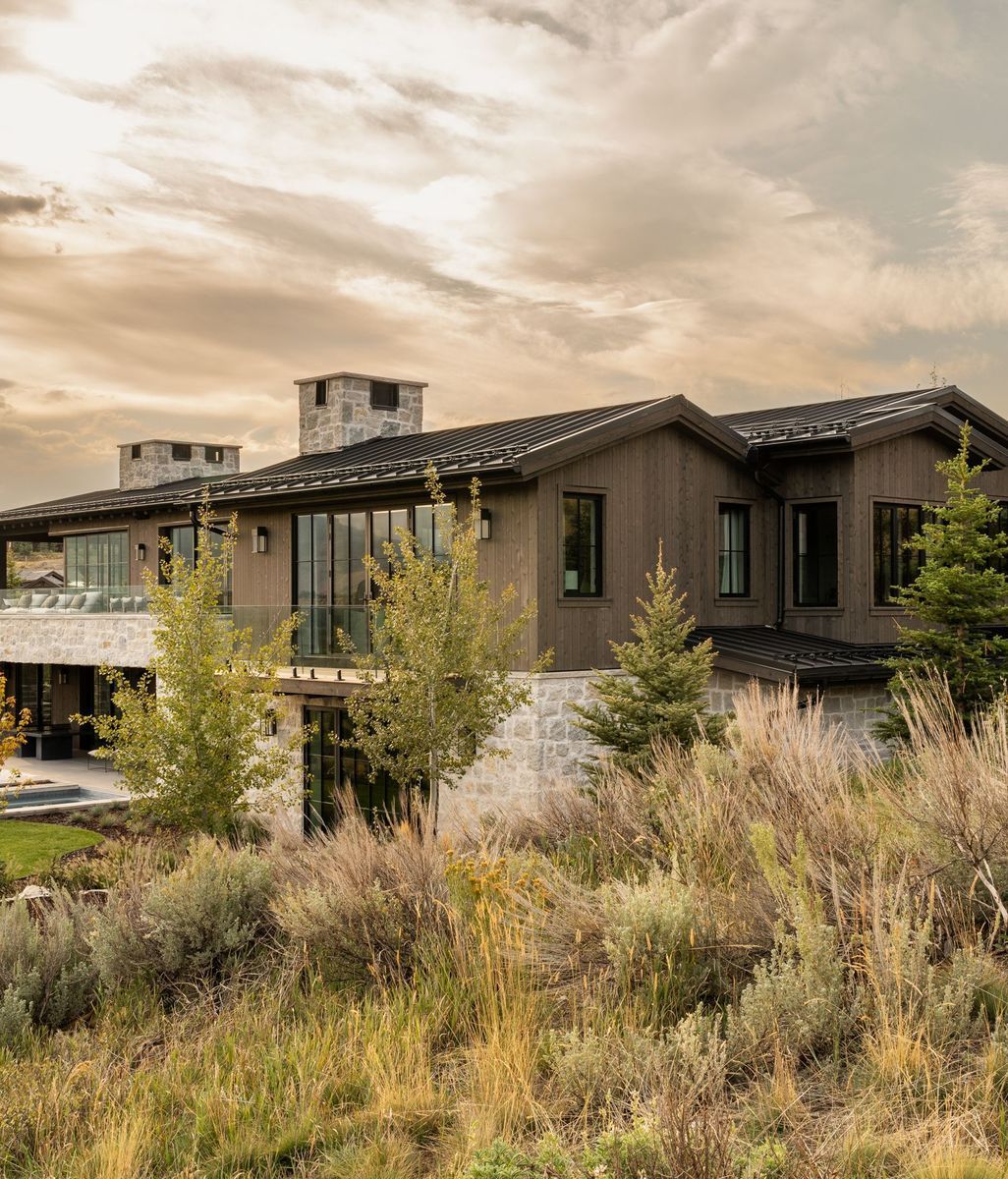
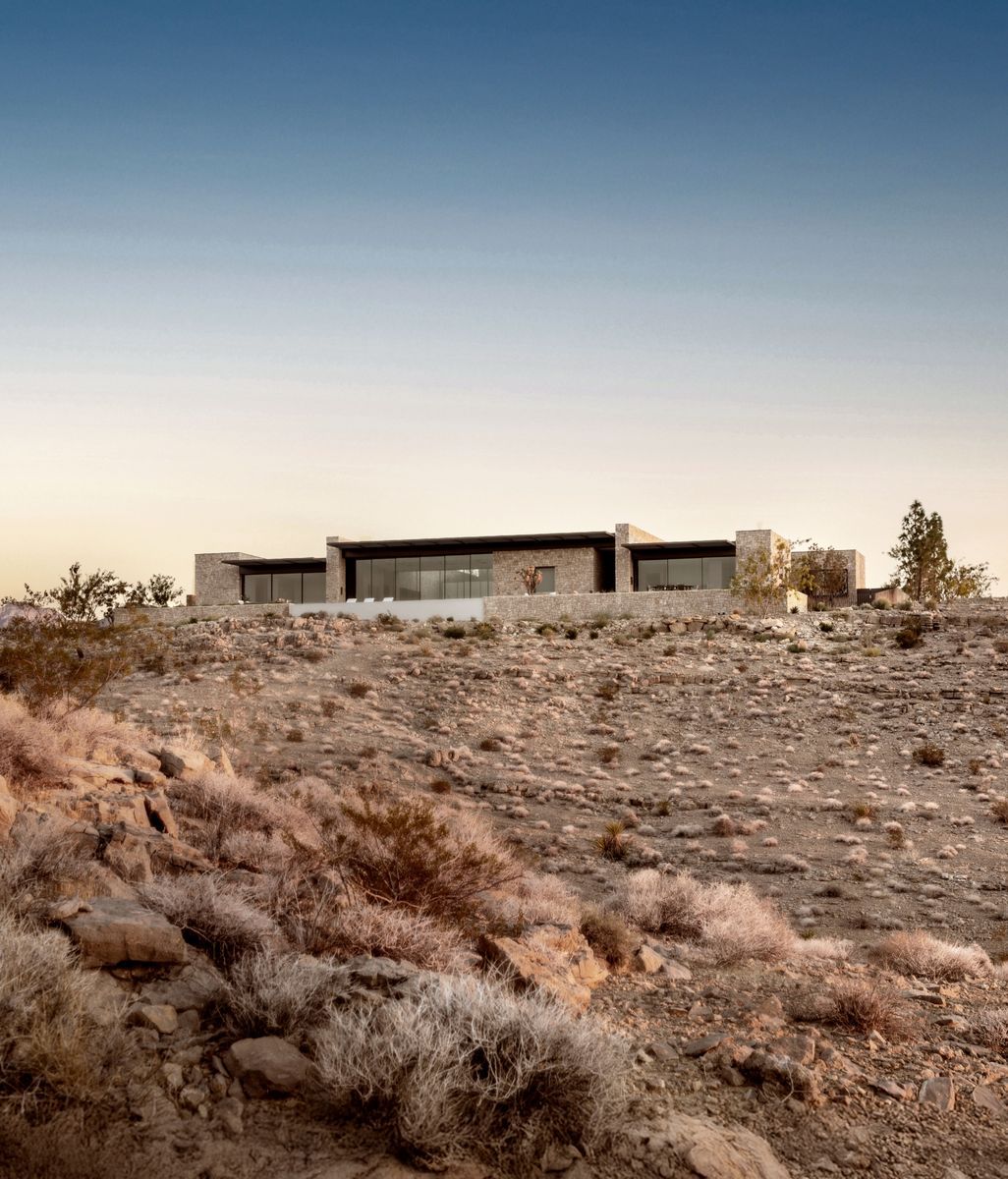
Round spoke about architecture as a balance between building and landscape. The site should not necessarily dominate the architecture, nor should the building impose itself without listening. The best projects feel intrinsically related to where they are placed, as though the house could not belong anywhere else.

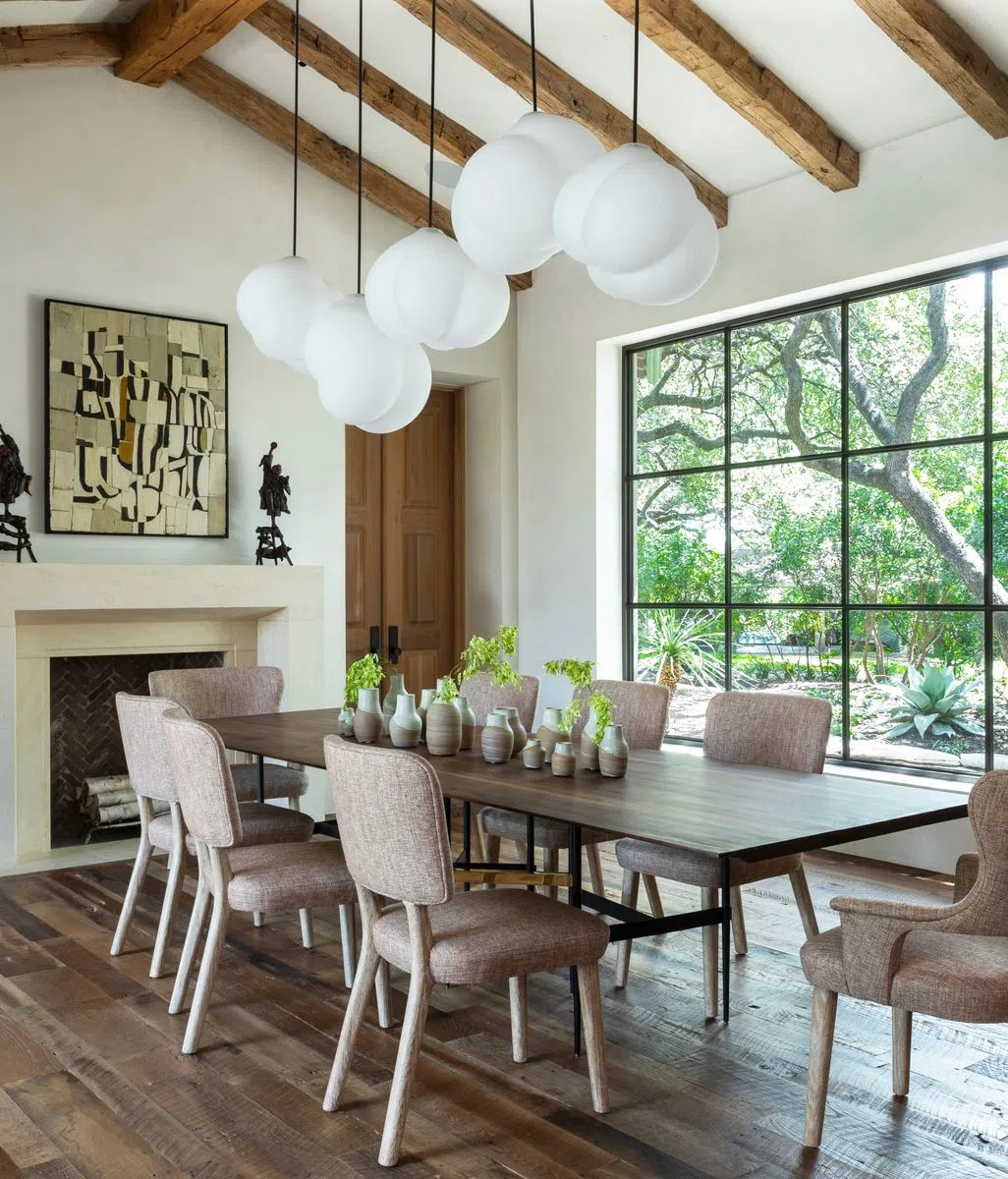
Edwards spoke to the intelligence of modest homes. Generosity is not only created through size. It can come through good planning, volume, a strong roof form, connection between living spaces and the careful integration of interiors. A smaller footprint can still feel expansive when every part is working hard.

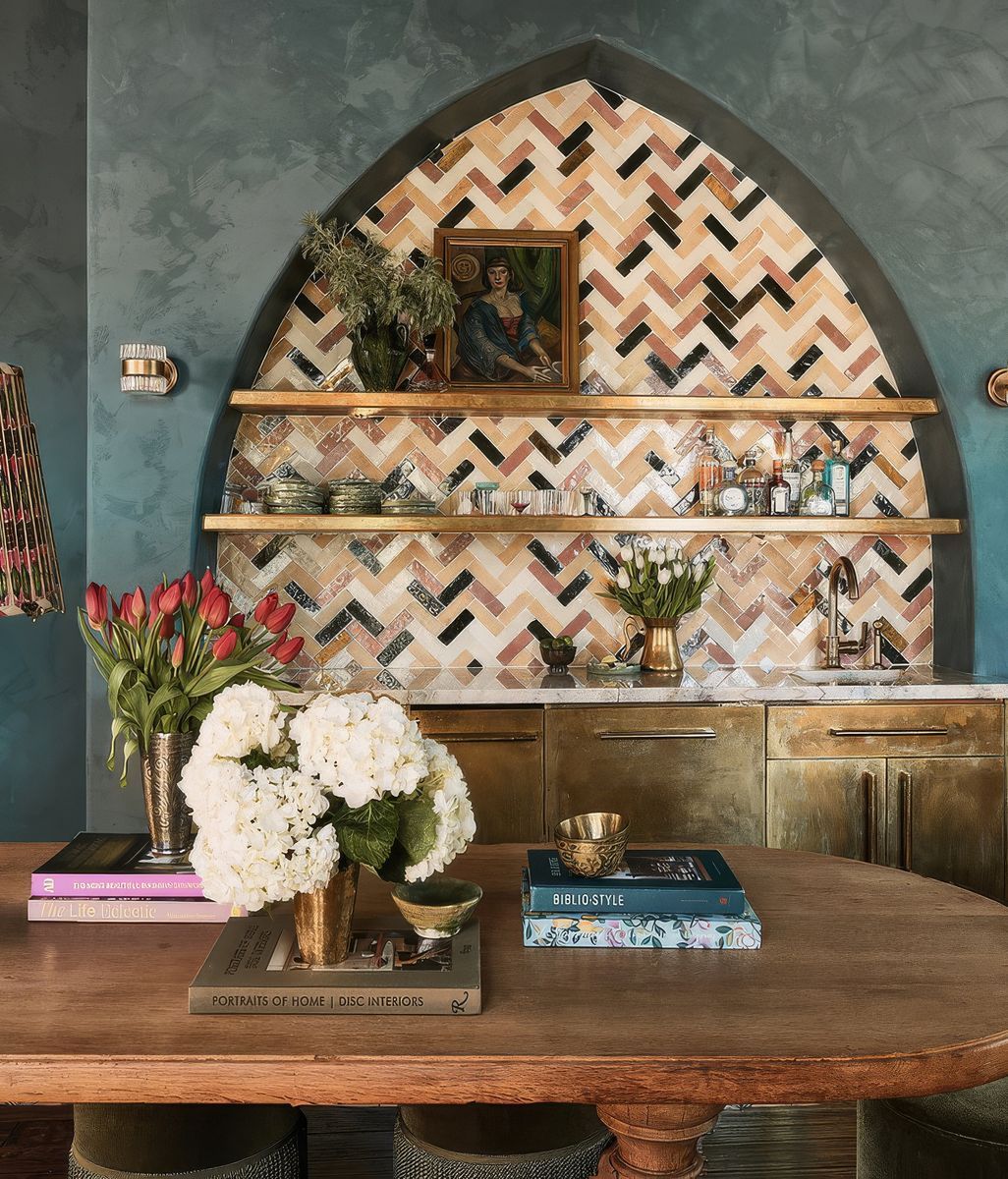
Roberts brought the discussion to materials, arguing that how a material is treated can matter as much as the material itself. Expensive materials can look poor if handled badly, while more ordinary materials can become beautiful through proportion, detailing and care. The enduring pleasure of a home often comes from these moments of consideration.

As the panel turned toward the mistakes that cost homeowners most, the answers were direct.

Late decisions. Constant changes. Rejecting cost advice. Separating consultants who should be coordinated. Adding back items that were removed early to save money. Once construction begins, changes become more expensive and more disruptive.

The advice was not that homeowners need to know everything at the outset, but that they should stay ahead of decisions and trust the process they have created.

1772605ArchiPro22MayDSC9615-ap-compressed.jpg
2272605ArchiPro22MayDSC9908-ap-compressed.jpg

Interior design also entered the conversation as part of that wider coordination. Depending on the architect and the project, interiors may be integrated into the architectural scope, particularly kitchens, bathrooms, lighting and built-in elements. In other cases, a separate interior designer may add value. The key is not simply whether another consultant is engaged, but whether the right people are speaking to each other early enough.

This was perhaps the clearest message of the night. Coordination is not admin. It is design protection.

The position of a recessed blind, the placement of furniture, the alignment of services, the relationship between structure and interior detailing. These are not small matters when a home is being shaped around the way people will live. They are the difference between a house that is resolved and one that is constantly being corrected.

For homeowners, that requires both involvement and restraint. Ask questions. Share the way you want to live. Be honest about your budget and your priorities. But once you have assembled the right team, listen to them. Trust does not mean stepping away from the process. It means allowing expertise to do what it was brought in to do.

By the end of the panel, the process of building a home felt less mysterious, but not less significant.

2672605ArchiPro22MayDSC0072-ap-compressed.jpg
2742605ArchiPro22MayDSC0097-ap-compressed.jpg

That distinction matters. Building a home will always involve complexity. It is a major financial, emotional and creative undertaking, shaped by land, regulation, budget, consultants, craft, weather, time and hundreds of decisions made along the way.

But with the right team, the right questions and the right decisions made early enough, that complexity can become something more productive.

The quality of a home is shaped long before the first wall is built. It is shaped when land is chosen carefully. When a brief is honest. When budget is discussed without theatre. When the right people are brought into the room early. When materials are selected with intent. When homeowners understand that architecture is not a product to be purchased, but a relationship to be built.

2322605ArchiPro22MayDSC9920-ap-compressed.jpg

At Home Design Evening, the homeowner panel offered more than advice. It offered a reminder that the best homes begin well before construction.

Not with certainty over every detail, but with clarity over what matters.

Explore more from ArchiPro, from inspiring projects and trusted professionals to considered products and design-led articles created to help you move through every stage of the home-building journey with greater clarity, confidence and intent.