An ArchiPro x Forté evening exploring what makes a material last

Written by

10 May 2026

 • 

7 min read

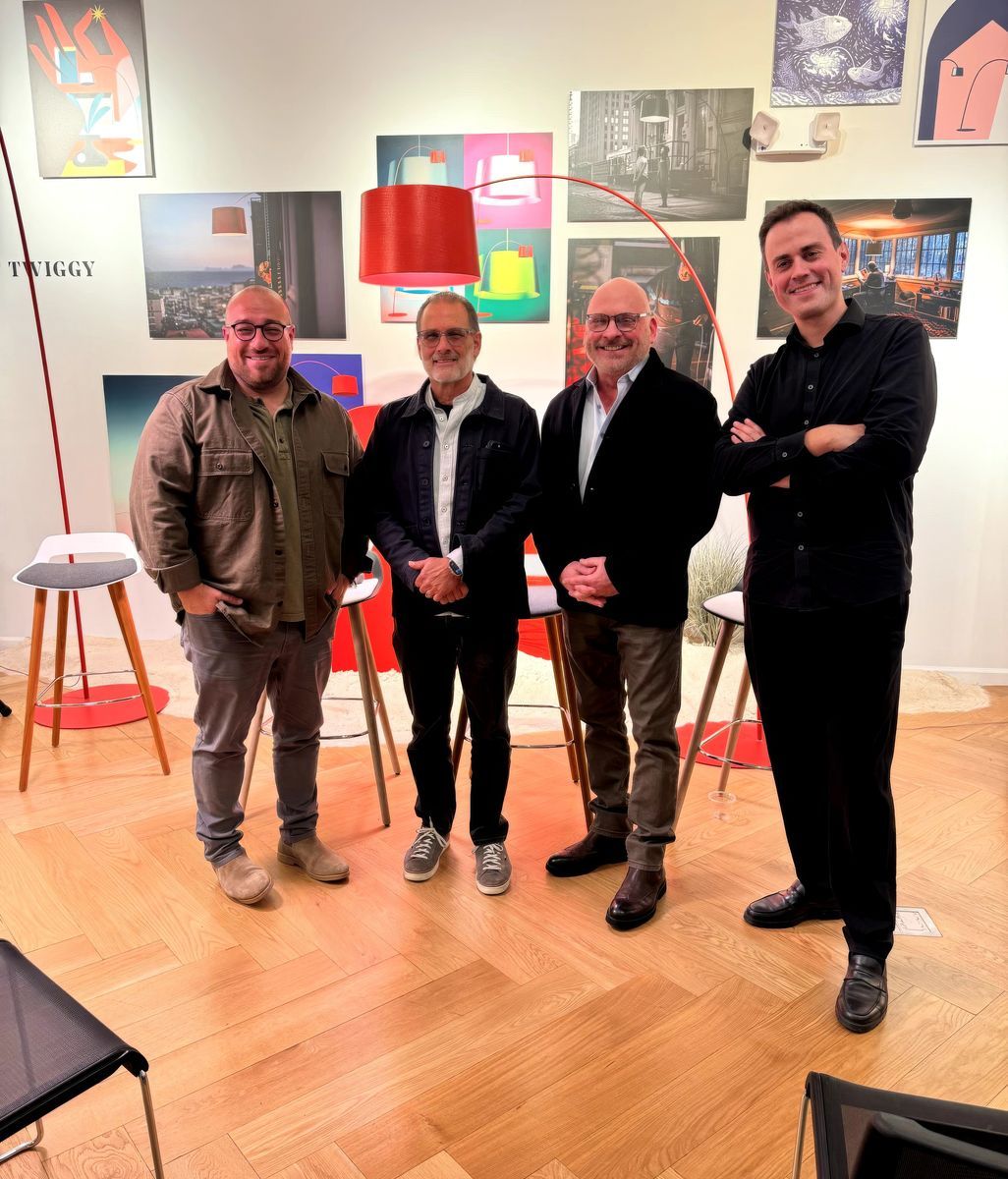
ArchiPro x Forté Flooring Panel: Gareth Curd of Bespoke Timber Design, David Ponting of Ponting Fitzgerald Architects, architectural writer and publisher Debra Millar, Annabel Smart of Studio 11:11 and Buster Caldwell of Wonder.
At our ArchiPro x Forté event, architects, designers and makers gathered to explore permanence in design, not simply as durability, but as craft, memory, emotion and the quiet power of materials that become richer with time.

There are some materials that do more than last. They gather evidence. They soften at the edges. They hold the trace of use, weather, touch and time. In architecture and interiors, this is where permanence becomes more than a technical measure. It becomes emotional.

At our ArchiPro x Forté evening, this idea sat at the heart of an intimate industry conversation held in Forté’s Auckland showroom. The evening brought together architects, designers, makers and suppliers to consider a question that feels increasingly relevant in the built environment... What does it mean for a material to endure?

Facilitated by architectural writer and publisher Debra Millar, the panel featured David Ponting of Ponting Fitzgerald Architects, Buster Caldwell of Wonder., Annabel Smart of Studio 11:11, and Gareth Curd of Bespoke Timber Design.

Each brought a distinct lens to the subject. From residential architecture and commercial interiors to ancient timber, craft and the cultural differences that shape how we think about longevity.

ArchiPro x Forté video
ArchiPro x Forté

The conversation opened with a definition of permanence. The quality of lasting, of remaining stable and enduring over time. But as the discussion unfolded, it became clear that the term is far more complex than durability alone. Permanence, the speakers suggested, is not just about whether something survives. It is about whether it continues to matter.

For Buster Caldwell, permanence begins with emotional connection. A material or object lasts when people love it enough to keep it. Rather than looking first to technical metrics, slip ratings, wear layers and maintenance schedules, he spoke about the quieter, more human measure of longevity. Whether something continues to feel right in a space and whether it becomes something people want to live with over time.

Annabel Smart extended this idea, describing permanence as a material or space’s ability to remain relevant to human experience. Durability has its place, but the deeper question is whether a design continues to inspire and support the people who inhabit it. A material may endure physically, but its true value lies in whether it continues to create atmosphere, comfort and meaning.

A0011603-ap-compressed.jpg
A0011600-ap-compressed.jpg

For David Ponting, permanence is closely tied to narrative. Materials such as concrete, stone and timber offer physical longevity, but what allows architecture to remain in the mind is often the story attached to it. The reason a material is chosen, the way it responds to place and the meaning it gathers through use all contribute to its lasting presence. In that sense, permanence is not only structural. It is cultural and emotional.

Gareth Curd, whose work with ancient kauri and reclaimed native timber gives him a particularly direct relationship with time, spoke about permanence through the lens of craft. Working with material that may already be thousands of years old brings a sense of responsibility. Each piece is singular, imperfect and irreplaceable. The maker’s role is not to impose upon it, but to understand what should be revealed, what should be honoured and how it might be shaped into something that can be passed on.

A0011860-1-ap-compressed.jpg
A0011871-1.jpg

Across the panel, one of the most compelling themes was the role of change. In design, permanence is often mistaken for something fixed or untouched. Yet the materials that endure most beautifully are often those that are allowed to evolve. Timber deepens. Stone settles. Concrete anchors. Surfaces gather marks. Patina becomes a record of use rather than a flaw.

Smart described the finished interior not as an end point, but as a departure point. A framework that allows life to happen. Natural materials, she suggested, often become richer as they weather and soften, gaining depth through the very imperfections that emerge over time.

A0011892-ap-compressed-v3.jpg
A0011694-ap-compressed.jpg
A0011789-ap-compressed.jpg

Caldwell approached this from the perspective of commercial environments, where materials are tested quickly and often intensely. Hospitality, retail and workplace spaces may be thought of as less permanent than residential interiors, but they experience enormous use from the moment they open. In those settings, material selection becomes critical. The best materials are not simply those that resist wear, but those that wear well, becoming more expressive, not less, through use.

This thinking is evident in Forté’s own showroom, designed by Wonder Group. Rather than creating a showroom that displayed timber as a catalogue of options, the space was designed to help visitors feel the effect of timber at scale.

Caldwell spoke about the decision to use restraint. To avoid overwhelming the space with too many tones and finishes, and instead create an environment where the material could be understood atmospherically. The result is less a conventional showroom than a considered interior experience. One that allows timber to be read as warmth, texture, rhythm and possibility.

A0011825-1-ap-compressed.jpg
A0011642-ap-compressed.jpg

For Ponting, material permanence is also about balance. He spoke about concrete as an anchoring material, strong, sculptural and enduring, but one that requires softness around it. Timber, fabric and other tactile materials can temper its weight, absorb sound and bring warmth to a space. The strength of a material, then, is not only in its individual performance, but in the relationships it forms with others.

The discussion also moved beyond materiality into mindset. Smart reflected on the cultural differences she has observed between New Zealand, Australia and Europe. In Europe, she noted, there is often a stronger emphasis on maintaining and future-proofing the building itself. In New Zealand, the conversation can more frequently centre on future-proofing for the individual. How a home might adapt to changing needs, lifestyles or resale considerations. It was a useful reminder that permanence is shaped not only by materials, but by cultural attitudes toward buildings, inheritance and time.

Collaboration emerged as another essential part of enduring design. Caldwell spoke about the many craftspeople, suppliers and specialists who help bring a project into being, and how the strongest outcomes often come when designers make space for that expertise. A loose sketch or early idea can become something far more meaningful when handed to the right maker. These moments of collaboration, he suggested, are where a specification becomes something remarkable.

That idea resonated with Curd’s description of working with timber. The material already carries its own history, character and imperfections before the making begins. The craft lies in reading it well. A maker must decide what to leave, what to emphasise and how to allow the material’s inherent qualities to come forward.

A0011747-1-ap-compressed.jpg
A0011630-v2.jpg

By the end of the evening, permanence had been reframed as something far more layered than simply lasting a long time. It is durability, but it is also affection. It is performance, but it is also memory. It is the ability of a material to withstand the demands of a building, while continuing to hold beauty, relevance and meaning.

In a design culture often focused on what is new, ArchiPro After 5 with Forté offered a more enduring proposition: that the most valuable materials are not always the most pristine, perfect or untouched. They are the ones that can be lived with. The ones that gather life without losing themselves.

The ones that stay with us.

A0011814-1-ap-compressed.jpg

For those beginning their own design journey, ArchiPro offers a place to discover the materials, makers and professionals shaping enduring spaces. Explore Forté’s range of refined timber flooring, panelling, decking and cladding, browse the wider selection of timber flooring on ArchiPro, or discover more projects featuring Forté. To connect with the architects, designers and suppliers behind New Zealand’s most considered homes and interiors, visit ArchiPro.