An architecture team of two halves

Written by

25 February 2026

 • 

5 min read

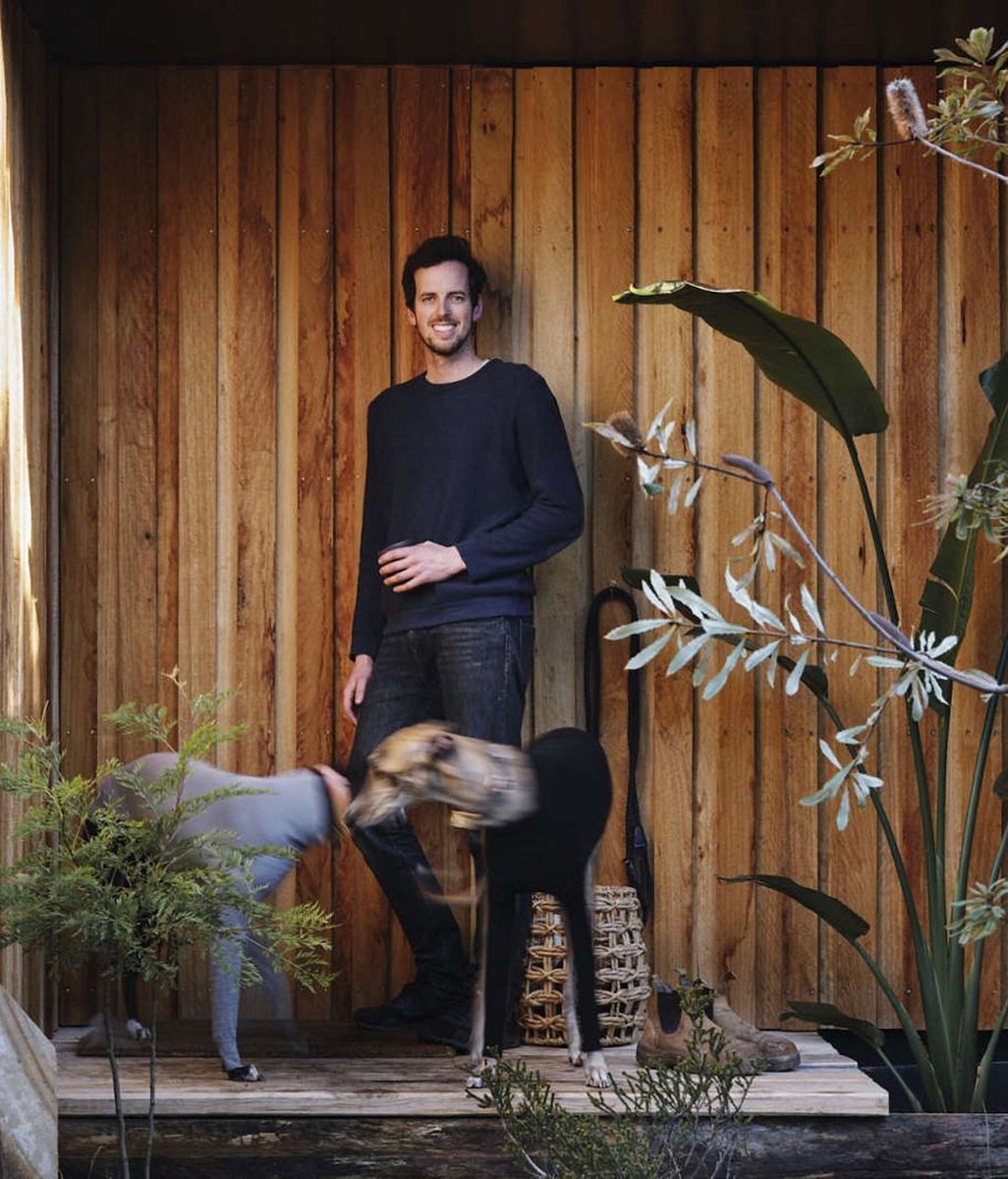
Architects Sarah Bryant and Richard Alsop.
Husband and wife architects Sarah Bryant and Richard Alsop of Bryant Alsop Architects have built a studio where houses and schools, residential and commercial architecture are designed in a symbiotic design process.

In 2008, with a newborn in one arm and a toddler at her feet, architect Sarah Bryant made the decision to begin her own practice. The Global Financial Crisis was unfolding and the profession felt uncertain, yet in spite of this it felt like the right moment to start something new.

“I had an opportunity to take on some private work and initially it was just me working from home,” Sarah says. 

What began at the kitchen table soon moved into a small shared studio with an interior designer friend. The early projects were modest and predominantly residential and growth was gradual and organic. By 2011, the studio began to shift gears with architect Stephanie Reed-Marshall joining the practice initially as a student. Around the same time, an opportunity emerged that would recalibrate the trajectory of the firm. Two substantial education projects in Victoria came forward: one was a specialist school, the other a two-storey administration and teaching building at a secondary college. The scale of the work not only brought both stability and momentum, it also brought Sarah’s architect husband, Richard Alsop, on board. 

For Richard, education was not new territory. Before establishing the practice, he’d been a director in another firm working extensively on education projects across Victoria, from metropolitan Melbourne to regional communities, laying a foundation of technical rigour and institutional understanding that would prove invaluable.

Today, Bryant Alsop Architects operates predominantly across the two sectors with intention, with work roughly evenly split between residential and education. Sarah leads the residential projects, while Richard leads the education portfolio. The balance is strategic rather than accidental.

“We didn’t want all our eggs in one basket,” Sarah says. “Schools and houses might seem very different, but they inform each other.”

Dillbadin Primary School by Bryant Alsop.

That cross-pollination is evident in the studio’s output. Educational work demands clarity, discipline, and accountability to programme and budget. Residential projects require empathy, intimacy, and a deep understanding of daily life. Each reinforces the other. Schools often operate at a domestic scale, while houses benefit from the procedural rigour learned through institutional delivery.

At its core, the practice remains deliberately human in scale. There are around 12 team members and culture is not left to chance. Weekly shared lunches, Friday drinks, regular continuing professional development sessions, and structured training contribute to a cohesive studio environment.

“We put a lot of energy into building a strong practice culture,” Sarah says. “We want the practice to have a life beyond us.”

The partnership between Sarah and Richard is central to that culture. Having met early in their careers while working in a residential practice, they now lead projects with clear delineation of responsibility.

“People often expect it to be difficult working as husband and wife, but it actually works very well,” Sarah says. “We have clear areas of responsibility and deep respect for each other’s work.”

Collaboration within the team follows a similar logic. Each project is typically assigned one director and one project architect who remain involved from concept through to documentation, site, and contract administration. Continuity is valued not only for design consistency, but for professional growth. Seeing a project through in full builds stronger architects and deeper client trust.

The Bryant Alsop studio.

The studio’s design philosophy is grounded in clarity and context. New work is conceived as clearly contemporary, particularly when working with heritage fabric. Old should remain legible as old. New interventions should sit respectfully but confidently within their context and material honesty and contribution to the streetscape are central considerations.

Equally important is the client experience. Respect for budget, timeline, and lived reality underpins every project. 

“For residential projects we spend a lot of time understanding daily rituals,” Sarah says. “How clients move through their home, where they sit, how they cook, how they gather.”

Both residential and education projects receive this same attentiveness. Meetings with clients are structured and held fortnightly, creating a steady rhythm in which each stage has an allotted time to make decisions that carry the project forward. 

20250306Bryant-AlsopSurrey-109.jpg

Rather than presenting a single fixed idea, the early design phases often explore multiple options, inviting clients into the conversation and allowing them to see possibilities take shape side by side. Lookbooks, inspirational imagery, and carefully assembled material palettes become tools for dialogue, helping clients to articulate preferences in tangible ways. When needed, supplier visits extend that understanding beyond the studio, grounding decisions in texture, palette, and scale. At every point, the intention is to replace uncertainty with confidence, and to make complexity feel navigable.

As the practice has matured, so too has the breadth of its offering. Landscape design, furniture and styling packages, and more flexible engagement models have emerged not as add ons, but as natural extensions of the work. The studio recognises that not every client requires, or can accommodate, a full traditional architectural service. Responding to different budgets and expectations without compromising design integrity has become part of its evolution, allowing the practice to remain adaptable.

In many ways that evolution reflects where the studio began. What started during a period of personal and economic transition has grown into a studio defined by commitment to people, process, and place, each project adding another layer to a diverse body of work.