A new material category emerges in surface design

Written by
19 April 2026
•
2 min read

Surface design is entering a new phase. As expectations expand beyond durability and aesthetics, materials are increasingly being asked to perform across multiple fronts; environmental responsibility, sensory experience and long-term usability.
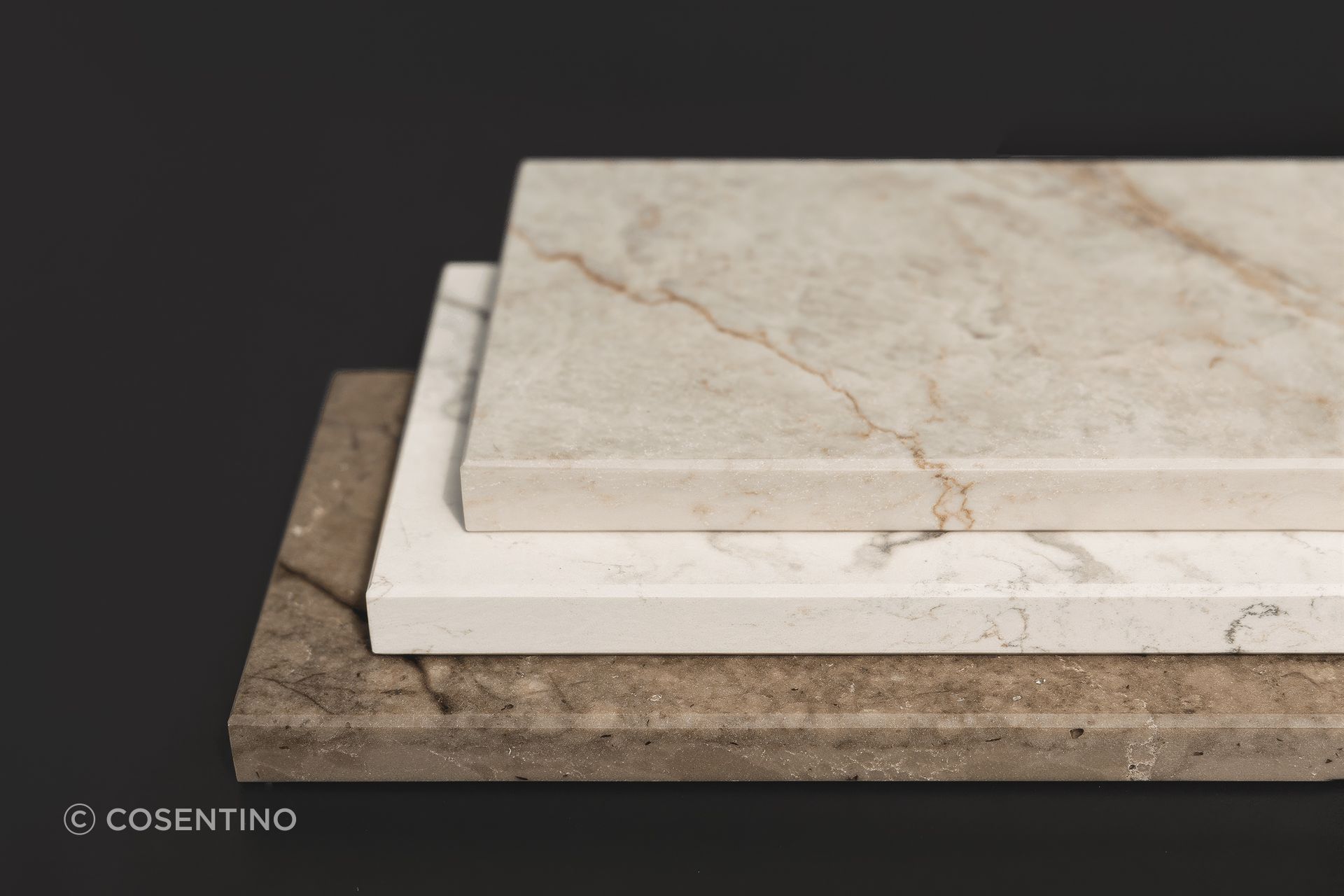
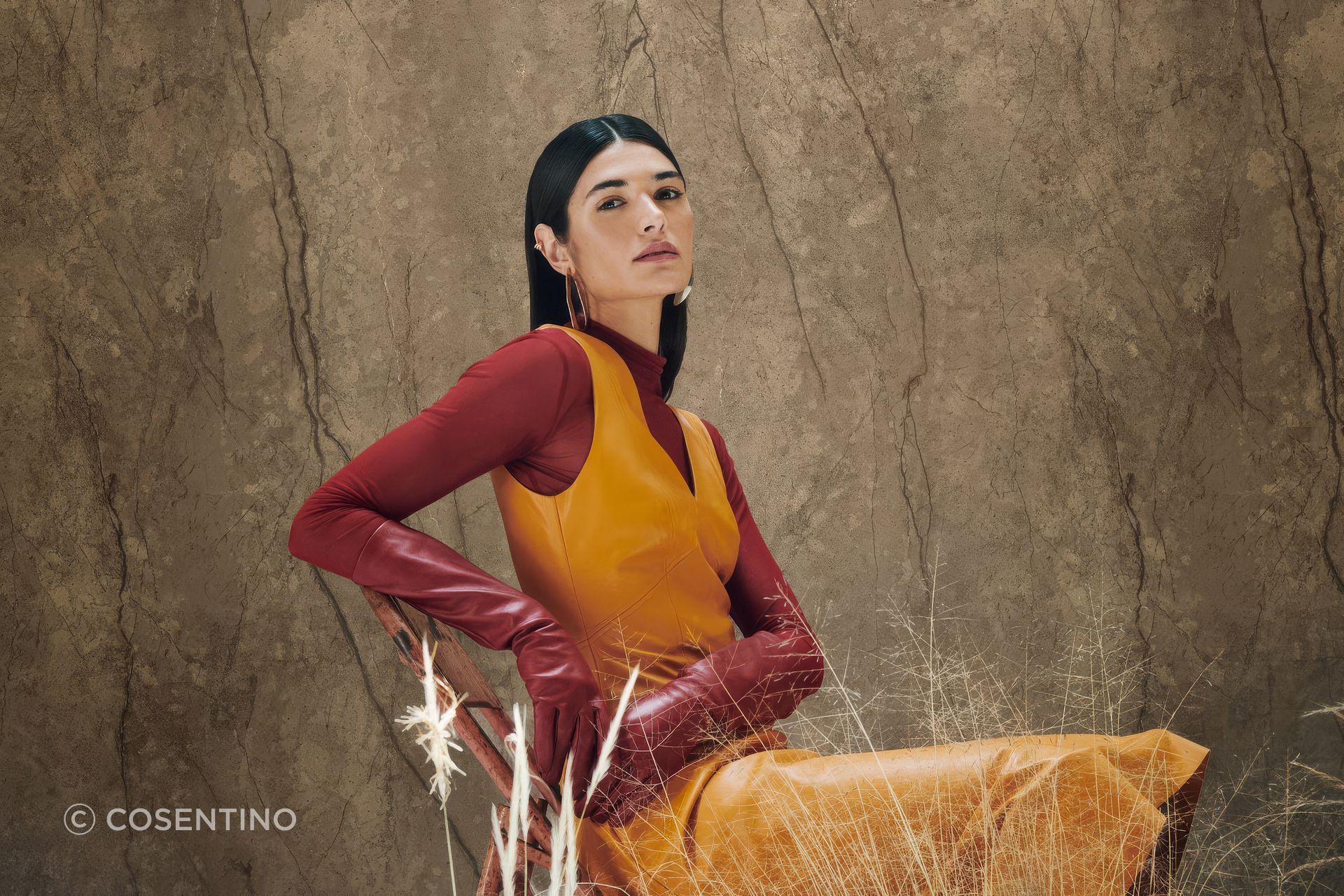
This shift frames the launch of ĒCLOS® by Cosentino, a new mineral surface that introduces what the company describes as an “inlayered” approach to design. Rather than treating surface and pattern as separate, the material integrates both into a single layered structure.
At the centre of this development is INLAYR® technology, which embeds veining and patterning within the body of the material itself. The result is a surface where visual depth is not applied, but constructed, reflecting a broader move toward materials that feel more resolved and intrinsic.
This direction aligns with a growing demand for surfaces that balance visual complexity with material clarity. In contemporary interiors, particularly across kitchen benchtops and bathroom surfaces, designers are increasingly looking for finishes that contribute to atmosphere without overwhelming a space.
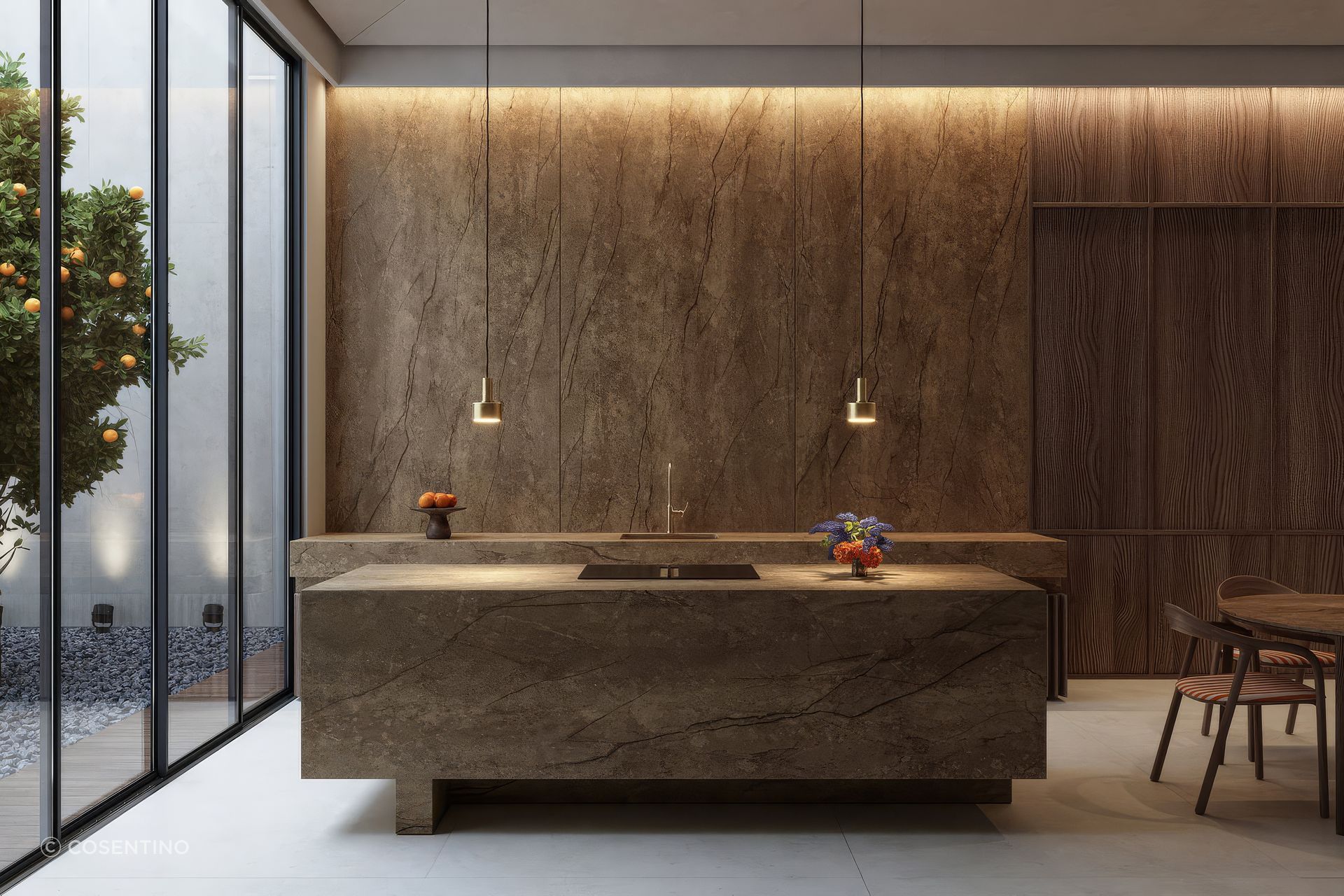
ĒCLOS® also reflects a wider industry response to material health and safety. Its zero crystalline silica composition places it within a broader shift toward safer specification, as the industry continues to reassess the long-term implications of commonly used materials.
The first collection, Eclectic Veins, explores this through a palette informed by natural systems — layered, fluid and varied. Rather than uniformity, the emphasis is on movement and subtle variation, allowing surfaces to read differently depending on light and context.
This move toward integrated material systems suggests a change in how surfaces are understood. They are no longer passive backdrops, but active contributors to spatial experience, influencing how light moves, how texture is perceived and how spaces are inhabited.
For Cosentino, the launch positions ĒCLOS® within a broader portfolio that continues to evolve alongside these shifts. As surface design becomes more nuanced, the materials that support it are becoming more complex, not in appearance alone, but in how they are made and how they perform.
Explore Cosentino on ArchiPro and browse kitchen benchtops, bathroom surfaces and related material categories to see how surfaces are being specified across contemporary interiors. Discover projects where material innovation is shaping both performance and spatial experience.