A legacy built around the hearth: A generation of makers is behind the creations of Living Flame
Written by
03 May 2026
•
6 min read

Rain blankets the window and the sun hasn’t made an appearance all day. But with a glass of wine, a book in hand and the warmth of the fireplace wrapping around you, it doesn’t matter…
Every Living Flame fireplace starts as sketches in ring-bound notebooks. No screens, just the process of translating ideas onto paper as they form. Lines are drawn, reconsidered and refined through decades of experience. What space will the fireplace be in? Who will use it? How do they want to feel when it is in use? Each design then comes to life in the workshop at the hands of talented craftspeople, some who have been there for over 30 years.
Most people are surprised to find a factory at Living Flame’s Onehunga location. A contrast to the showroom, it’s a space where the raw materials are cut, folded and assembled by hand. There is no mass production. Instead, it’s thoughtful craftsmanship that turns each fireplace from that initial sketch into the final form that enters a customer’s home.


“You might be driving home on a rainy Friday night… you’ve had a hard week of work, you get home, it’s raining, there’s a nice glass of wine, a fireplace going, maybe a movie, maybe some sport. You sit around and it’s part of that enjoyment of life,” says Paul Jones, Director of Living Flame.
This idea, that a fireplace becomes part of a ritual, informs how the team works. Every fireplace is made to order, shaped around the way it will be used rather than having predetermined models to choose from. Ideas might come from reference images, architectural plans, or simply a sense of atmosphere someone hopes to create in their space. From here, Paul Jones creates that first sketch.
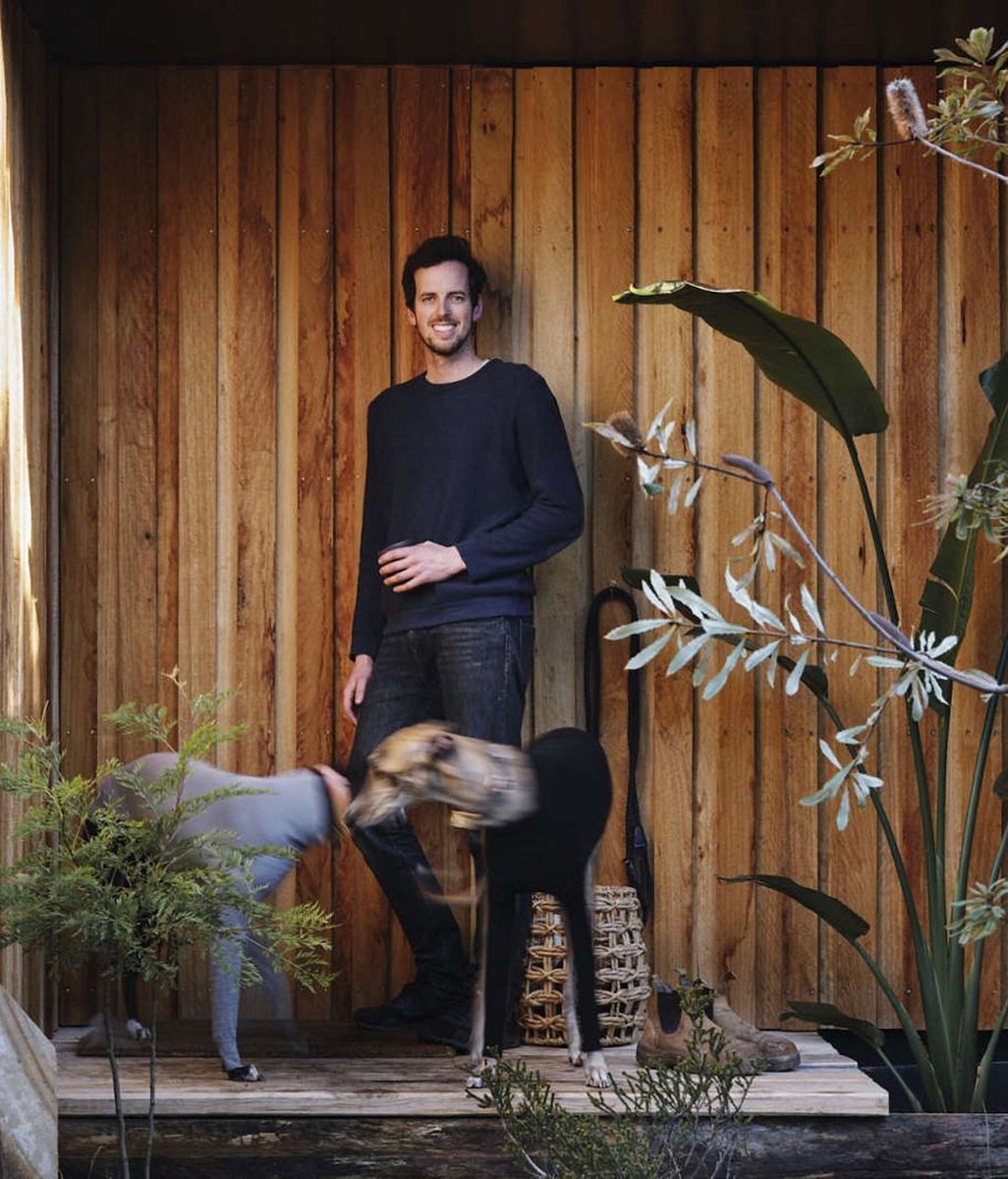
Splitting his day between the workshop, the office and visiting customers on-site, this world of building fireplaces from scratch feels instinctive. He remembers school holidays in the ’80s spent in the workshop, learning, doing and being surrounded by the rhythm of making. There’s still a photo on the office wall of him visiting as a child. He didn’t immediately step into the family business, though. For a time, he travelled the world working in different industries, spending time as a radio DJ and working as a panel beater, using skills that then transferred into the way he works with metal today. Returning to Living Flame in 1997, he brought those skills of working with his hands, solving problems on the go and understanding the art of working with different materials.
He has now taken over from his father but always keeps him in the loop, leaning on his decades of knowledge and experience when needed. “Before he started Living Flame, he was a heating engineer and he saw a gap in the market for a New Zealand-built gas fireplace,” explains Paul. “He’s retired now, but he still helps me with a lot of the designs and he still does some drawings for me.”


Within the workshop, much of the way they work has remained the same since those early years, but the role of the fireplace itself has shifted. Where it might’ve previously been seen as simply a source of heat, it’s become something more: a centrepiece that changes the mood and atmosphere of a space. It’s less about necessity and more about creating an experience. Even in gas fireplaces, advancements have allowed for more natural-looking flames and log sets, shifting the experience closer to that of a traditional fire.
The scale of fireplaces has also changed. “At one stage, 1.2 metres was the largest you could get. Now, I think the largest I’ve done is 4.3 metres long,” Paul reflects. With larger, open-plan spaces, fireplaces are no longer confined to a wall, they stretch across it, anchoring entire rooms or subtly dividing them. It’s a shift not just in size, but in presence. These are pieces designed to sit in dialogue with the architecture around them, balancing proportion and restraint while still offering that same, familiar sense of warmth.

When he’s not planning, sketching or crafting fireplaces, Paul also takes the time to repair older fireplaces, even if they’re not Living Flame products. Where others might see an opportunity to replace, Paul sees a problem to solve, often designing and building custom components to bring a fire back to life.
He describes a tendency for there to be planned obsolescence. “To remove and redo a fireplace and put in a new one can be very expensive, whereas I can build something to fix it. I still want someone’s fire to work, it’s better for the industry if you’re getting a good product and good service,” he says. “I guess the overarching ethos is, how would you like to be treated?”
There’s certainly a level of care that goes into every stage of the process at Living Flame, from the first sketch to the final installation, and often long after.
For Paul, there is a quiet satisfaction in that process, in knowing that something made by hand will become part of someone else’s everyday life. “There’s something nice about being able to say, I built that,” he says. “You don’t really know what you’re missing out on until you’ve had an afternoon reading a book with a glass of wine in front of a fireplace.”
There’s something nice about being able to say, I built that.
What started as a family-led pursuit of better fireplaces has evolved into a practice grounded in considered design, material expertise and a deep respect for the role fire plays in everyday life. Each fireplace that leaves the Living Flame workshop is designed to be personal, enduring and integral to the spaces they inhabit.
If you’re inspired by makers like Paul and the team at Living Flame, ArchiPro makes it easy to discover the designers and products shaping warm, intentional interiors. Explore projects to see how fireplaces and material choices can anchor a space, or start a project board to gather ideas for creating your own home.